Eggstasy: Complete Macros & Nutrition Guide
Complete macro and nutrition guide for Eggstasy. Learn calories, protein, carbs, fat per serving plus meal ideas and tracking tips.
Table of Contents
- Detailed Nutrition Facts
- Health Benefits
- How to Track Macros
- Meal Ideas & Preparation
- For Weight Loss
- For Muscle Gain
- Comparisons
- FAQs
- Q1: Are eggs good for daily consumption?
- Q2: Does the cooking method affect egg macros and nutrition?
- Q3: What is the nutritional difference between brown and white eggs?
- Q4: Can I eat eggs if I have high cholesterol?
- Q5: How should I properly store eggs?
- Q6: Are whole eggs truly better than just egg whites?
Eggstasy Macros: Complete Nutrition Guide
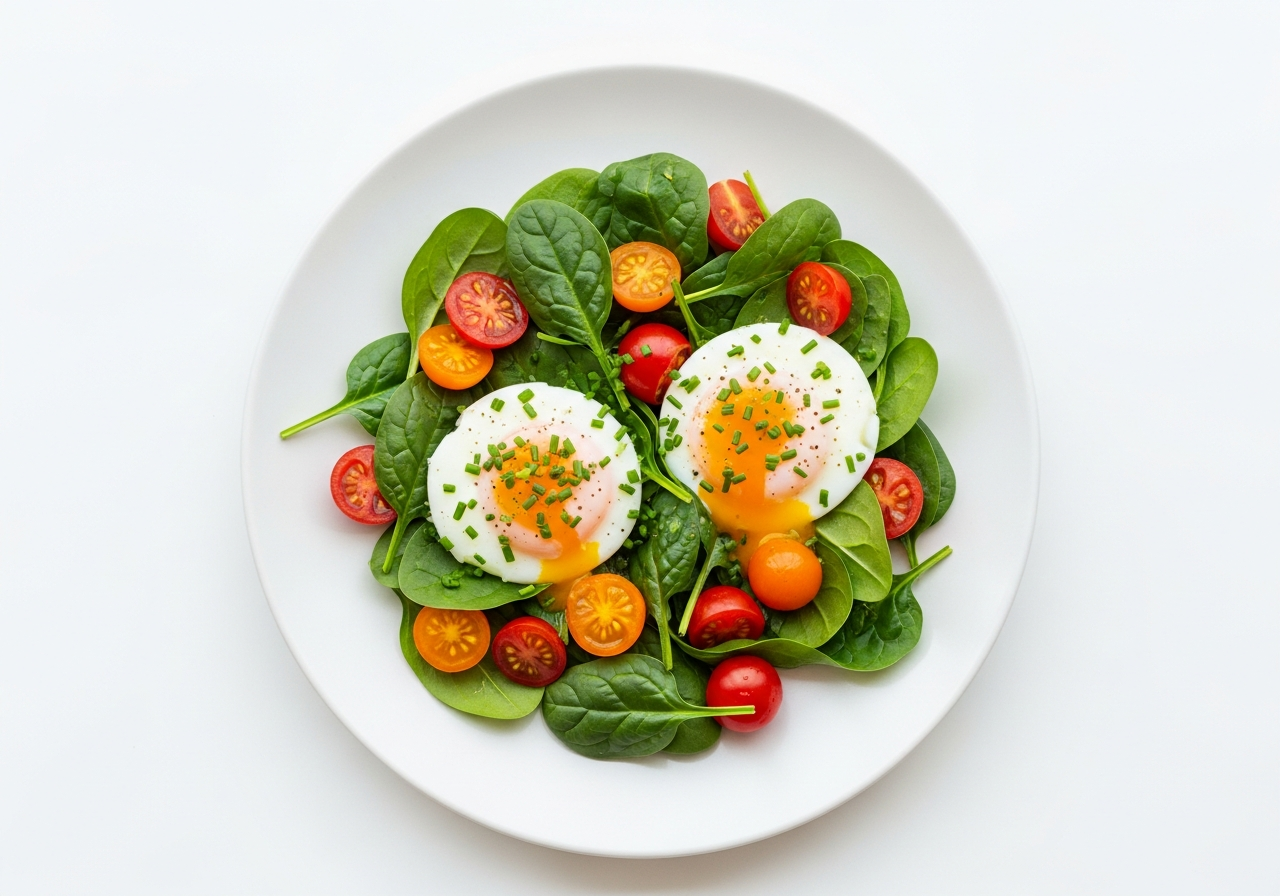
When it comes to foundational whole foods that deliver a powerful punch of nutrition, the humble egg, our "Eggstasy," reigns supreme. We at JustMacrosFit recognize it as an unparalleled source of high-quality protein and a dense package of essential vitamins and minerals. For roughly 143-155 calories per 100g, "Eggstasy" offers an excellent macro breakdown of approximately 12.5-13g protein, 9.5-11g healthy fats, and less than 1g of carbohydrates, making it a cornerstone for anyone tracking their macros and prioritizing overall health.
Detailed Nutrition Facts
Delving into the complete nutrition facts of "Eggstasy" reveals why this culinary superstar earns its place in virtually every healthy eating plan. A 100-gram serving of whole egg provides a robust nutritional profile:
- Calories: Approximately 143-155 calories.
- Protein: Around 12.5-13 grams.
- Fats: Roughly 9.5-11 grams, with a healthy mix of monounsaturated and polyunsaturated fats, and about 3.1-3.5 grams of saturated fat.
- Carbohydrates: Less than 1 gram, making "Eggstasy" an ideal low-carb food.
Beyond the macronutrients, eggs are a treasure trove of micronutrients vital for various bodily functions. The yolk, often misunderstood, is the true powerhouse, containing the majority of these essential compounds.
Hero Nutrients in Eggstasy:
* Choline: Approximately 147-169 mg per large egg, crucial for brain health, neurotransmission, and liver function.
* Selenium: About 15.4-31 µg per large egg, a powerful antioxidant that supports thyroid function and immunity.
* Vitamin D: Roughly 1.2-2.2 µg (41-75 IU) per large egg, essential for bone health and immune system regulation.
Other significant micronutrients include:
* Vitamins: Vitamin A (important for vision and immune function), Vitamin E (an antioxidant), Vitamin K, and a comprehensive range of B vitamins (B2, B5, B6, B12, and folate), all playing roles in energy metabolism and overall cellular health.
* Minerals: Iron (for oxygen transport), zinc (for immune function and wound healing), and phosphorus (for bone health and energy production).
Serving Size Considerations:
While we often refer to 100g for nutritional analysis, it is more practical to consider a large egg. One large egg typically weighs about 50-63 grams and contains approximately 72-77 calories. This makes it easy to portion and incorporate into various meal plans without overthinking. When compared to similar whole food protein sources, "Eggstasy" stands out due to its superior protein quality, containing all nine essential amino acids that our bodies cannot produce, making it a complete protein.
Health Benefits
Integrating "Eggstasy" into your diet offers a multitude of health advantages, making it far more than just a convenient protein source.
Primary Benefits:
- Muscle Building and Repair: As a complete protein, eggs provide all essential amino acids, including leucine, which is critical for stimulating muscle protein synthesis. This makes them highly effective for muscle growth and recovery, particularly after exercise.
- Weight Management: The high protein content in eggs promotes satiety, helping us feel fuller for longer periods and reducing overall calorie intake throughout the day. Studies indicate that starting the day with an egg-based breakfast can significantly reduce hunger and subsequent food consumption. Furthermore, protein has a higher thermic effect of food, meaning our bodies burn more calories digesting it, which can aid metabolism.
- Brain Health: The rich choline content in "Eggstasy" is vital for brain development, memory, and cognitive function. Choline is a precursor to acetylcholine, a neurotransmitter involved in learning and memory.
- Eye Health: Eggs are excellent sources of lutein and zeaxanthin, powerful antioxidants concentrated in the egg yolk. These carotenoids accumulate in the retina and help protect our eyes from harmful blue light and reduce the risk of age-related macular degeneration and cataracts.
- Bone Health: With a good supply of Vitamin D and phosphorus, eggs contribute to strong bones and teeth, supporting calcium absorption and overall skeletal integrity.
Who Should Eat This Food?
"Eggstasy" is beneficial for almost everyone. Athletes and fitness enthusiasts will appreciate its role in muscle repair and growth. Individuals focused on weight loss will benefit from its satiety-inducing protein and low-calorie density. Moreover, pregnant women and young children can benefit from its nutrient density, especially choline for fetal brain development and essential nutrients for growth. Even for general health and well-being, incorporating eggs into your diet supports various physiological processes.
When to Eat It:
The versatility of eggs means they can be enjoyed at any time of day. While traditionally a breakfast staple, eggs make fantastic additions to lunch and dinner meals. Consuming them in the morning has been shown to be particularly effective for weight management, helping to control appetite and maintain energy balance throughout the day. They also make an excellent pre- or post-workout meal, offering sustained energy or crucial recovery nutrients.
How to Track Macros
Accurate macro tracking is fundamental to achieving your health and fitness goals. "Eggstasy" is relatively straightforward to track, but a few considerations can optimize precision.
Portion Measurement Tips:
For the most accurate macro tracking, we recommend weighing your eggs, especially if using different sizes. A standard large egg averages around 50-63 grams. However, for convenience, you can rely on published nutrition facts for common egg sizes. Always be mindful that adding ingredients like oils, butter, cheese, or milk during cooking will significantly increase the overall calories and fat content. For example, a large egg cooked in 1 tablespoon of butter has approximately 174 calories, compared to 72 calories for a plain large egg.
Using Macro Tracking Apps:
Tools like the JustMacrosFit app make tracking "Eggstasy" macros simple. You can log whole eggs by size (small, medium, large, extra-large, jumbo) or enter them by weight in grams. The app will automatically calculate the protein, fat, carbohydrates, and total calories based on our comprehensive database. This eliminates guesswork and ensures you stay precisely within your daily macro targets.
Common Serving Sizes:
* One Large Egg: Approximately 72-77 calories, 6-6.3g protein, 5-5.3g fat, <1g carbs.
* Two Large Eggs: Roughly 144-154 calories, 12-12.6g protein, 10-10.6g fat, <2g carbs.
* Hard-boiled or poached eggs: These methods typically add no extra calories or fat from cooking, offering the purest form of egg macros.
* Scrambled or omelets: The macros will depend on added ingredients (milk, cheese) and the amount of cooking fat used.
Meal Ideas & Preparation
The beauty of "Eggstasy" lies in its incredible versatility. As seasoned chefs and nutrition coaches, we've incorporated eggs into countless delicious and macro-friendly meals.
Breakfast Ideas:
- Classic Scramble with Veggies: Whisk 2-3 eggs with a splash of milk (or water for lower calories), and sauté with your favorite vegetables like spinach, bell peppers, and mushrooms. Serve with a side of whole-grain toast or avocado for healthy fats.
- Poached Eggs on Avocado Toast: A timeless favorite. Top whole-grain toast with mashed avocado, a pinch of red pepper flakes, and perfectly poached eggs.
- Frittata or Egg Muffins: Ideal for meal prep. Combine eggs with chopped vegetables, lean protein (like chicken sausage), and a sprinkle of cheese, then bake in a pan or muffin tins. These can be reheated throughout the week.
- Huevos Rancheros: A flavorful and satisfying dish with eggs, salsa, and a corn tortilla.
Lunch & Dinner Ideas:
- Hearty Salads: Add sliced hard-boiled or fried eggs to any salad for a significant protein boost and added richness. A Cobb salad with eggs, chicken, and avocado is a great example.
- Quick Egg Drop Soup: A light yet filling option, perfect for a quick dinner.
- Loaded Quiches: Bake eggs with a variety of vegetables and a modest amount of cheese for a complete meal. Consider crustless options to reduce carbohydrate and fat content.
- Stir-fries and Fried Rice: Scrambled eggs are a fantastic addition to vegetable and lean protein stir-fries or a healthy homemade fried rice.
Meal Prep Tips:
Hard-boil a batch of eggs at the beginning of the week for quick snacks or additions to salads. Prepare egg muffins or a large frittata that can be portioned and stored in the refrigerator for grab-and-go meals.
Cooking Methods that Preserve Nutrients:
While all cooking methods are generally fine, boiling and poaching are excellent for minimizing added fats and calories. Scrambling or frying, if done with minimal oil or cooking spray, can also be a healthy option. It is worth noting that cooking eggs, particularly boiling, actually increases the bioavailability and absorption of their protein from around 50% to 91%.
For Weight Loss
For those on a weight loss journey, "Eggstasy" is an invaluable ally. Its unique nutritional composition makes it highly effective in supporting calorie deficits and managing hunger.
Why it's Good for Weight Loss:
- High Satiety: The high protein content in eggs significantly increases feelings of fullness, helping to curb cravings and reduce the likelihood of overeating at subsequent meals or snacking on unhealthy options.
- Low Calorie Density: A large egg provides a substantial amount of nutrients for only about 70-77 calories. This nutrient density allows you to feel satisfied without consuming excessive calories.
- Metabolism Boost: Protein requires more energy to digest than fats or carbohydrates, a phenomenon known as the thermic effect of food. Consuming protein-rich foods like eggs can slightly boost your metabolism, aiding in calorie burning. Moreover, the protein helps preserve lean muscle mass during weight loss, which is crucial for maintaining a healthy metabolic rate.
Portion Recommendations:
For most healthy individuals, consuming 1-3 eggs per day is recommended to support weight loss goals as part of a balanced diet. This provides ample protein and nutrients without exceeding calorie targets.
Pairing Suggestions:
To create balanced, weight-loss-friendly meals, pair "Eggstasy" with:
* Abundant Non-Starchy Vegetables: Spinach, bell peppers, mushrooms, broccoli, zucchini. These add fiber, vitamins, and volume with minimal calories.
* Whole Grains: A small portion of whole-grain toast or oats can provide sustained energy and fiber.
* Lean Protein Sources: If aiming for higher protein, combine eggs with chicken breast, turkey, or fish.
Prioritize cooking methods that don't add extra calories, such as boiling, poaching, or using minimal cooking spray for scrambled eggs and omelets.
For Muscle Gain
For those dedicated to building lean muscle mass, "Eggstasy" is a foundational food that we, as veteran nutrition coaches, consistently recommend.
Protein Content Benefits:
Eggs are celebrated for their "gold standard" protein quality. They contain all nine essential amino acids in optimal ratios, making them highly effective for muscle protein synthesis, the process by which muscles repair and grow. This includes a high amount of leucine, a branched-chain amino acid (BCAA) that acts as a key trigger for initiating muscle building.
Pre/Post Workout Timing:
- Pre-Workout: A light meal containing easily digestible protein and carbohydrates an hour or more before exercise can fuel your workout. Scrambled or poached eggs on whole-grain toast with a piece of fruit can provide sustained energy and essential amino acids to protect muscle protein from breakdown during training.
- Post-Workout: Within the crucial post-exercise window (ideally within the first hour or two), consuming eggs alongside carbohydrates is highly beneficial. The high-quality protein helps repair damaged muscle tissue and kickstarts new muscle growth, while carbohydrates replenish glycogen stores. Studies have even shown that consuming whole eggs post-resistance exercise may lead to greater muscle protein synthesis compared to an isonitrogenous amount of egg whites, suggesting benefits from the other nutrients in the yolk.
Bulking Meal Ideas:
When aiming for muscle gain, increasing overall calorie and protein intake is key. Eggs can be seamlessly integrated into bulking meals:
* Breakfast Burritos: Load whole-wheat tortillas with scrambled eggs, cheese, black beans, rice, and avocado.
* Power Omelets: Create large omelets with multiple whole eggs, lean meats (chicken, turkey), and a variety of vegetables, cooked with a touch of healthy oil.
* Add to Oatmeal or Rice Bowls: Stir in cooked, chopped eggs into savory oatmeal or rice bowls for an easy protein boost.
* Baked Egg Casseroles: Prepare a large casserole with eggs, potatoes, sausage, and cheese to portion out for several high-protein meals.
Don't shy away from the yolks during a bulk; their healthy fats contribute valuable calories and fat-soluble vitamins to support overall gains.
Comparisons
Understanding how "Eggstasy" compares to other food items, particularly its own components, is vital for making informed dietary choices.
"Eggstasy" (Whole Eggs) vs. Similar Foods:
-
vs. Egg Whites: This is a classic debate. Egg whites are almost pure protein and water, offering a protein-rich, fat-free, cholesterol-free, and very low-calorie option (about 18 calories and 4g protein per large egg white). However, by discarding the yolk, we miss out on a concentrated source of vital nutrients. The yolk contains the vast majority of an egg's vitamins (A, D, E, K, B vitamins), minerals (iron, zinc, selenium), healthy fats, and antioxidants like lutein and zeaxanthin, along with choline.
-
vs. Other Protein Sources: Eggs are a gold standard for protein quality, often used as a benchmark due to their exceptional amino acid profile and high digestibility. While lean meats, poultry, fish, and dairy also offer high-quality protein, eggs provide a unique package of micronutrients, many of which are less abundant in other animal proteins. Plant-based proteins like legumes, tofu, and quinoa are excellent, but often require careful combining to achieve a complete amino acid profile, whereas eggs inherently offer this.
Best Alternatives:
If eggs are not suitable due to allergies or dietary preferences, good protein alternatives include:
* Lean Meats: Chicken breast, turkey, lean beef.
* Fish: Salmon, cod, tuna.
* Dairy: Greek yogurt, cottage cheese.
* Plant-Based: Tofu, tempeh, lentils, beans, quinoa.
When to Choose Each:
* Whole Eggs: We recommend whole eggs for most individuals seeking comprehensive nutrition, as they provide a synergistic blend of macros and micronutrients that support overall health, brain function, eye health, and muscle growth.
* Egg Whites: Opt for egg whites when you specifically need to increase protein intake while keeping calories, fat, and cholesterol to an absolute minimum, for example, for extreme calorie restriction or specific medical directives. Many people effectively use a combination, such as one whole egg with two or three egg whites, to get the benefits of the yolk's nutrients while boosting protein content with fewer additional calories.
FAQs
As veteran nutrition coaches and chefs, we frequently encounter questions about eggs. Here are some of the most common inquiries regarding "Eggstasy" macros and nutrition:
Q1: Are eggs good for daily consumption?
A: For most healthy individuals, consuming 1-3 eggs daily is perfectly safe and can contribute significantly to a balanced diet, providing ample protein and a wide array of nutrients.
Q2: Does the cooking method affect egg macros and nutrition?
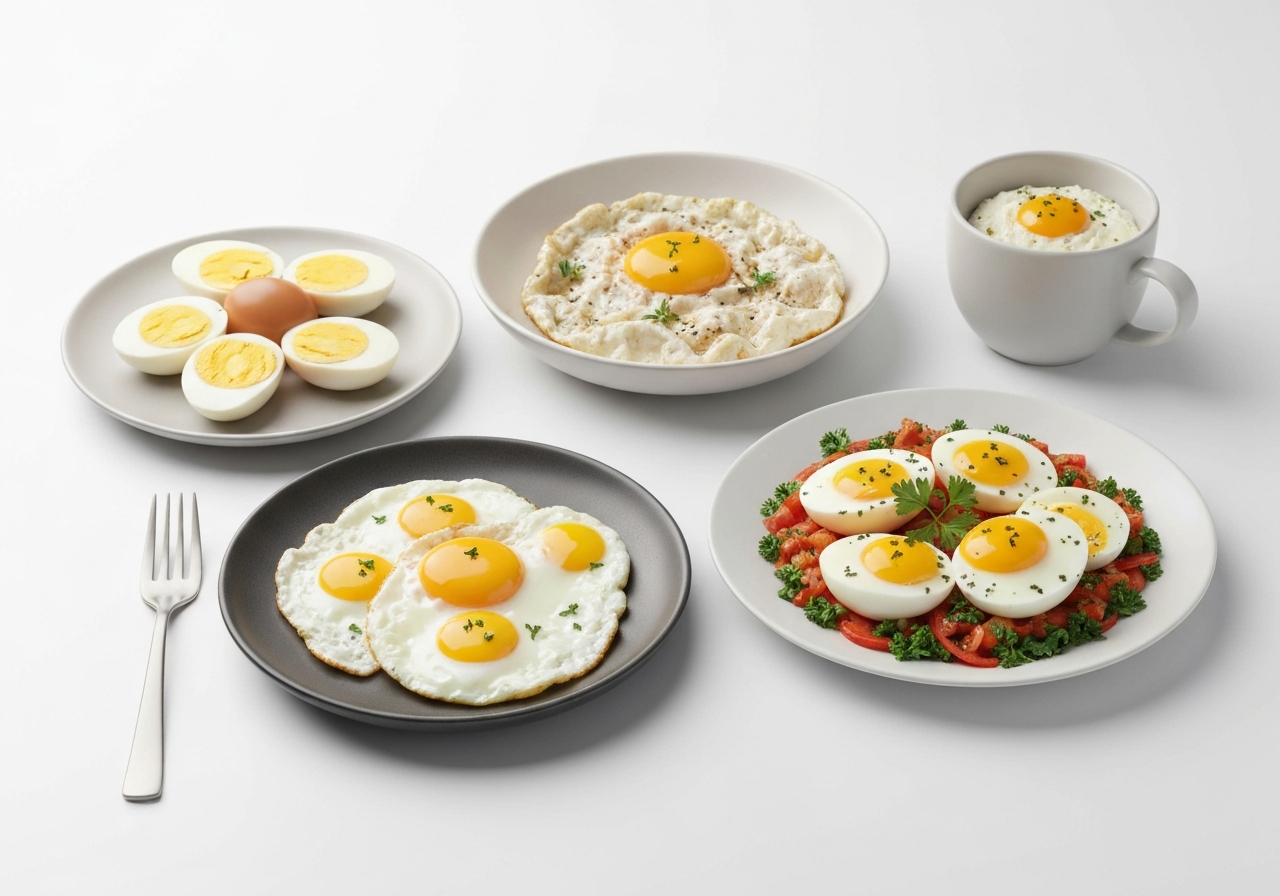
A: The primary macros (protein, carbs) of the egg itself remain largely unchanged with cooking. However, cooking methods that involve added fats, such as frying in oil or butter, will increase the total calorie and fat content. Boiling and poaching are the lowest-calorie cooking methods. Interestingly, cooking eggs actually improves the absorption of protein from about 50% to 91%.
Q3: What is the nutritional difference between brown and white eggs?
A: There is no nutritional difference between brown and white eggs. The shell color is determined solely by the breed of the hen and does not impact the egg's flavor, quality, or nutritional value.
Q4: Can I eat eggs if I have high cholesterol?
A: Modern scientific research has largely debunked the myth that dietary cholesterol from eggs significantly impacts blood cholesterol levels in most healthy individuals. Current dietary guidelines do not place specific limits on dietary cholesterol. If you have a pre-existing condition like high cholesterol, diabetes, or cardiovascular disease, we recommend consulting with your healthcare provider for personalized dietary advice.
Q5: How should I properly store eggs?
A: Always store fresh, raw eggs in their original carton in the coldest part of your refrigerator, ideally on an inside shelf rather than in the door, to maintain a consistent cool temperature. This helps prevent them from absorbing odors and keeps the "best before" date visible. Raw eggs can typically be stored for 4-5 weeks past the pack date. Hard-boiled eggs should be refrigerated promptly after cooling and consumed within one week.
Q6: Are whole eggs truly better than just egg whites?
A: For comprehensive nutrition, whole eggs are superior. While egg whites provide pure protein with minimal calories, the yolk is where the majority of an egg's essential vitamins, minerals, healthy fats, and antioxidants are found. By consuming the whole egg, you benefit from this complete nutrient package, which contributes to better satiety, brain health, eye health, and muscle synthesis.
Track Eggstasy easily with JustMacrosFit - your free macro tracking app.