Pasta Primavera: Complete Macros & Nutrition Guide
Complete macro and nutrition guide for Pasta Primavera. Learn calories, protein, carbs, fat per serving plus meal ideas and tracking tips.
Table of Contents
- Quick Answer
- Detailed Nutrition Facts
- Complete Macro Breakdown
- Micronutrients
- Serving Size Considerations
- Comparison to Similar Foods
- Health Benefits
- Primary Benefits
- Who Should Eat This Food
- When to Eat It
- How to Track Macros
- Portion Measurement Tips
- Using Macro Tracking Apps
- Common Serving Sizes
- Meal Ideas & Preparation
- Breakfast, Lunch, Dinner Ideas
- Meal Prep Tips
- Cooking Methods That Preserve Nutrients
- For Weight Loss
- Why It's Good for Weight Loss
- Portion Recommendations
- Pairing Suggestions
- For Muscle Gain
- Protein Content Benefits
- Pre/Post-Workout Timing
- Bulking Meal Ideas
- Comparisons
- Vs. Similar Foods
- Best Alternatives
- When to Choose Each
- FAQs
- Is Pasta Primavera healthy?
- What kind of vegetables can I use in Pasta Primavera?
- Can I make it gluten-free?
- How can I increase the protein content?
- How should I store leftovers?
- Is Pasta Primavera good for meal prep?
- What does "Primavera" mean?
Pasta Primavera Macros: Complete Nutrition Guide
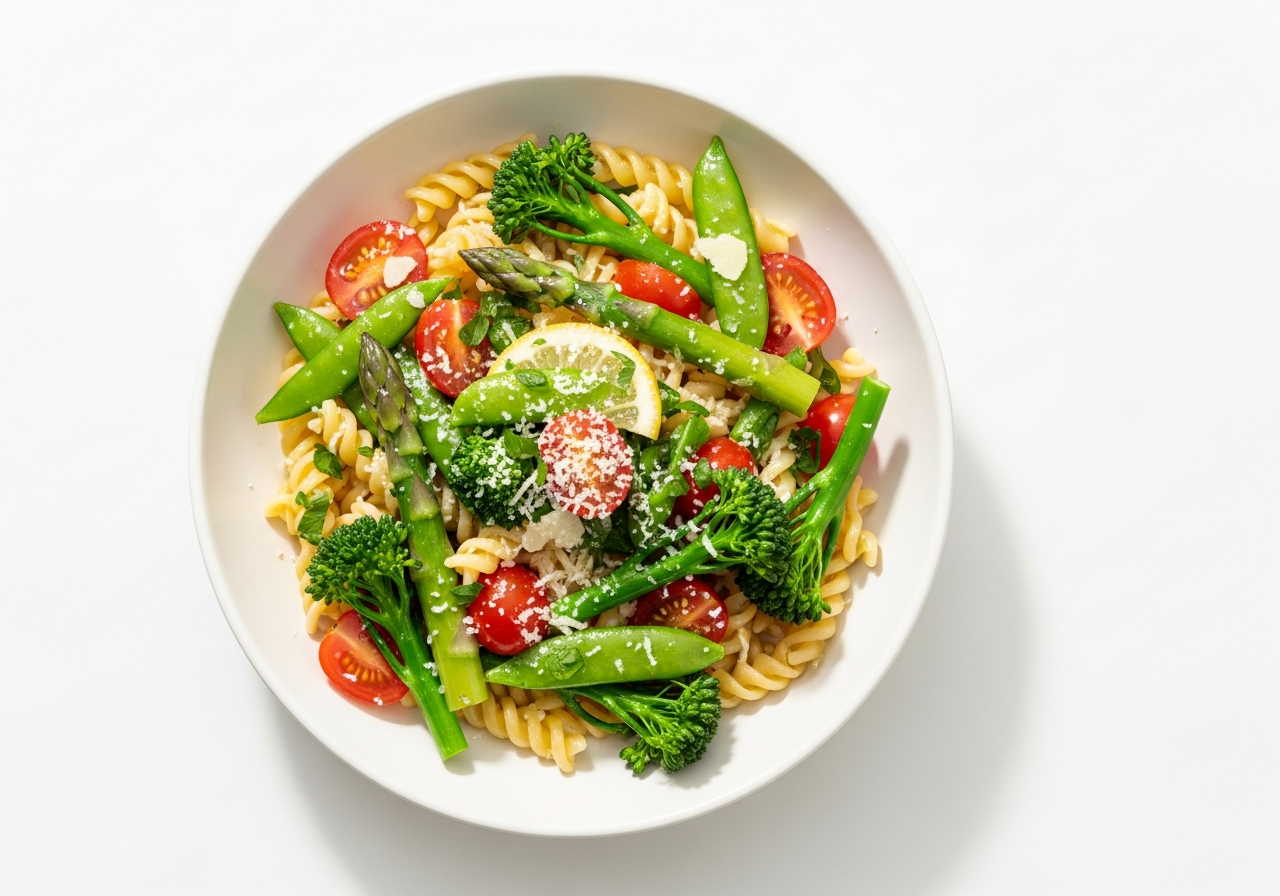
As nutrition experts and seasoned chefs at JustMacrosFit, we understand that decoding the macros and nutritional profile of your favorite dishes is key to achieving your health and fitness goals. Pasta Primavera, a vibrant medley of pasta and fresh vegetables, often leaves people wondering where it fits into their daily macro targets. Is it a carb-heavy indulgence or a nutrient-rich powerhouse? Let's dive deep into the world of Pasta Primavera to uncover its complete nutritional story.
Quick Answer
A typical serving of Pasta Primavera (approximately 1.5 cups or 200g-250g), made with whole wheat pasta, abundant fresh vegetables, and a light olive oil or lemon-based sauce, generally offers around 300-400 calories. The macronutrient breakdown is typically balanced, providing a good source of complex carbohydrates from the pasta and vegetables, moderate protein (especially with added lean protein or protein-fortified pasta), and healthy fats from olive oil. It stands out as an excellent source of dietary fiber, vitamins, and antioxidants.
Detailed Nutrition Facts
Pasta Primavera, Italian for "spring pasta," is a celebration of fresh, seasonal vegetables tossed with pasta in a light sauce. Its nutritional profile can vary significantly based on the ingredients used, such as the type of pasta, the quantity and variety of vegetables, and the richness of the sauce (e.g., olive oil-based versus cream-based).
Complete Macro Breakdown
For a representative serving of Pasta Primavera (around 1.5 cups or 200-250 grams), here's what you can generally expect in terms of macronutrients:
- Calories: The calorie count typically ranges from 300 to 400 per serving. However, depending on the preparation, portions can vary from as low as 164 calories to as high as 650 calories for a larger or richer serving.
- Carbohydrates: Expect approximately 40-60 grams of carbohydrates per serving. These are primarily complex carbohydrates from the pasta and a substantial amount of dietary fiber from the generous vegetable content. Whole-wheat pasta can significantly boost the fiber content.
- Protein: A standard vegetarian Pasta Primavera often provides 8-17 grams of protein per serving. When lean proteins like chicken, shrimp, or protein-enriched pasta are incorporated, the protein content can easily climb to 20-30 grams or more per serving, making it a robust meal for muscle support.
- Fats: Fat content can range from 7 to 23 grams per serving. This variability largely depends on the amount of olive oil, butter, or cheese used. Opting for extra virgin olive oil as the primary fat source ensures a contribution of heart-healthy monounsaturated fats.
Micronutrients
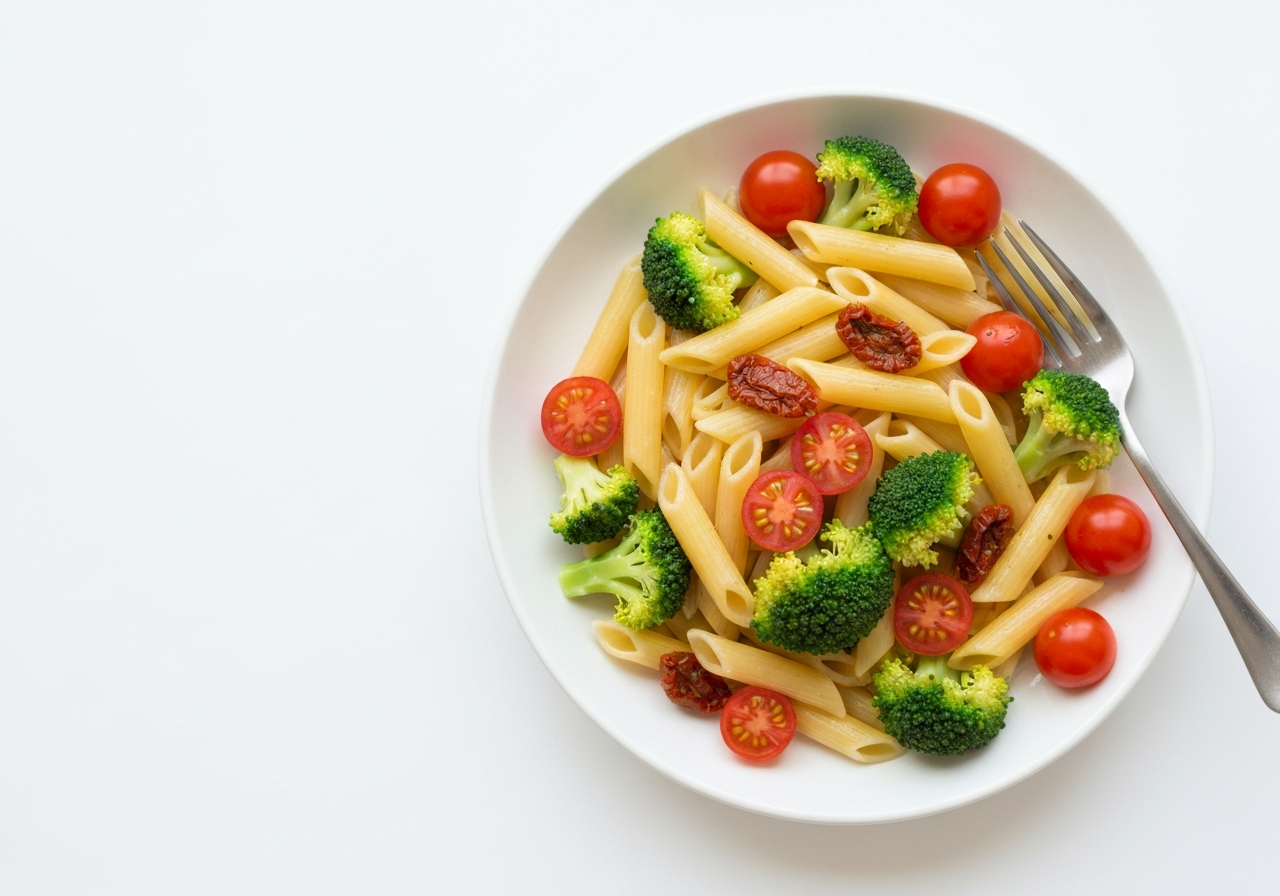
Beyond the macros, Pasta Primavera is a treasure trove of micronutrients, thanks to its vegetable-heavy composition.
Hero Nutrients:
* Vitamin C: Abundant in bell peppers, broccoli, and tomatoes, crucial for immune function and skin health.
* Vitamin K: Found in green vegetables like broccoli and asparagus, essential for blood clotting and bone health.
* Dietary Fiber: From a wide array of vegetables and whole-grain pasta, vital for digestive health and satiety.
* Potassium: Provided by zucchini and tomatoes, important for maintaining healthy blood pressure.
* Antioxidants: Zucchini and broccoli contribute lutein and sulforaphane, helping to reduce oxidative stress.
You'll also find varying amounts of Vitamin A, Iron, and Calcium, depending on the specific vegetables and whether dairy (like Parmesan cheese) is included.
Serving Size Considerations
A common serving size for Pasta Primavera is typically 1 to 1.5 cups, or approximately one cup of cooked pasta combined with one cup of vegetables. Understanding your individual macro goals is crucial for adjusting this. For instance, a denser, richer preparation with more oil or cheese will yield a higher calorie and fat count per cup than a lighter, vegetable-forward version.
Comparison to Similar Foods
Compared to heavier, cream-based pasta dishes, Pasta Primavera is often a much lighter and fresher option, offering fewer calories, less fat, and lower sodium content when prepared traditionally with a light sauce. It's a "veggie-loaded flavor fest" that can be macro-friendly, especially when designed to be high in protein.
Health Benefits
Pasta Primavera is more than just a delicious meal; it's a testament to how simple, fresh ingredients can come together to offer significant health advantages.
Primary Benefits
- Digestive Health: The generous amount of dietary fiber from the diverse array of vegetables and, ideally, whole-grain pasta, promotes healthy digestion, regularity, and can help maintain a healthy weight by fostering a feeling of fullness.
- Immune System Support: Packed with Vitamin C from ingredients like bell peppers and tomatoes, this dish is a fantastic way to bolster your immune system and support skin health.
- Antioxidant Powerhouse: The vibrant colors of Pasta Primavera indicate a rich presence of antioxidants. Vegetables like zucchini and broccoli offer beneficial compounds such as lutein and sulforaphane, which combat oxidative stress and cellular damage in the body.
- Heart Health: When prepared with healthy fats like extra virgin olive oil and a focus on vegetables, Pasta Primavera can be low in saturated fats, contributing to better cardiovascular health.
- Blood Pressure Regulation: The potassium found in many of the vegetables, such as zucchini and tomatoes, plays a role in regulating blood pressure.
- Muscle Building and Repair: For those focusing on fitness, incorporating lean protein sources like chicken, shrimp, or protein pasta turns Pasta Primavera into an excellent meal for muscle recovery and growth, providing essential amino acids.
Who Should Eat This Food
Pasta Primavera is an incredibly versatile dish suitable for a wide range of individuals. It's ideal for anyone looking to increase their vegetable intake, maintain a balanced diet, or enjoy a flavorful, wholesome meal. It fits well within vegetarian and Mediterranean dietary patterns. Athletes and active individuals can benefit from its complex carbohydrates for energy and protein for recovery. Those managing their weight can appreciate its high fiber and nutrient density for satiety and overall health.
When to Eat It
While its name suggests spring, Pasta Primavera is truly a dish for all seasons, easily adaptable with whatever vegetables are freshest and most abundant. We often recommend it as a fantastic option for a balanced lunch or a satisfying dinner. Its relatively light nature, especially when a cream-free sauce is used, makes it a perfect meal that won't leave you feeling overly full or sluggish. It's also an excellent choice for pre or post-workout meals, providing readily available carbohydrates and protein to fuel and repair your body.
How to Track Macros
Accurately tracking the macros in a dish like Pasta Primavera is essential for hitting your nutritional targets. While it might seem complex with multiple ingredients, a systematic approach makes it straightforward.
Portion Measurement Tips
- Weigh Dry Ingredients: Always measure dry pasta before cooking. The nutrition facts on pasta packaging typically refer to the dry weight. Cooked pasta absorbs water and can more than double in weight, leading to significant inaccuracies if tracked cooked without accounting for the water absorption.
- Measure Vegetables: For consistency, weigh your chopped vegetables. While their macro contribution is less dense than pasta or protein, precise measurement ensures accuracy.
- Account for Fats and Sauces: Measure olive oil, butter, and any cheese or cream used. These ingredients, though sometimes used in smaller quantities, can significantly impact the total calorie and fat macros.
- Weigh Protein Separately: If adding chicken, shrimp, or other protein, weigh it raw or cooked, depending on how its nutritional data is typically presented in your tracking app.
- Batch Tracking for Homemade Meals: For a large batch of Pasta Primavera, the most accurate method is to sum the total macros for all ingredients used in the entire recipe. Once cooked, weigh the entire finished dish. Then, when you serve yourself, weigh your portion. Divide the total macros by the total weight of the dish, then multiply by the weight of your serving to get your individual portion's macros. For example, if the entire dish is 2000g and contains 100g protein, and your serving is 250g, then your serving has (100g / 2000g) * 250g = 12.5g protein.
Using Macro Tracking Apps
Macro tracking apps are invaluable tools for this process. Many popular apps have extensive databases where you can log individual ingredients. For homemade dishes like Pasta Primavera, some apps allow you to create custom recipes. You input all ingredients and their quantities, and the app calculates the total macros. Then, you can specify the number of servings or weigh the total yield and log your portion. This method is particularly useful for meal prepping.
Common Serving Sizes
Beyond precise weighing, understanding common serving sizes can help with quick estimates. A typical serving of Pasta Primavera is often considered to be 1 to 1.5 cups (approximately 200-250 grams). If you're using whole-grain pasta and a generous amount of vegetables with a light sauce, this portion size often aligns well with a balanced meal.
Meal Ideas & Preparation
Pasta Primavera's inherent flexibility makes it a favorite in our kitchen at JustMacrosFit. It’s a dish that truly shines at any meal, offering both convenience and peak nutrition.
Breakfast, Lunch, Dinner Ideas
- Dynamic Dinners: Pasta Primavera is a naturally fulfilling dinner. Serve it as a standalone vegetarian meal, or elevate it with grilled chicken, sautéed shrimp, or pan-seared scallops for a protein boost.
- Power Lunches: This dish excels as a packed lunch. Its flavors often meld and deepen overnight, making leftovers a highly anticipated midday meal. Cold Pasta Primavera salad is also a refreshing option, especially during warmer months.
- Beyond Breakfast: While not a traditional breakfast item, a small, protein-rich portion could serve as a unique, savory brunch element, perhaps with a fried egg on top for extra protein and healthy fats.
Meal Prep Tips
Pasta Primavera is a dream for meal preppers. Preparing components in advance can shave significant time off your busy weeknights.
- Chop Veggies Ahead: Dice and slice all your vegetables (broccoli florets, bell peppers, zucchini, asparagus, carrots, mushrooms, onions, garlic) at the start of the week. Store them in airtight containers in the refrigerator, ready to be quickly sautéed when needed.
- Pre-cook Pasta: Cook a batch of whole-wheat pasta al dente, drain, rinse with cold water to prevent sticking, and toss lightly with a small amount of olive oil. Store it in the fridge for up to 3-4 days. This allows for quick assembly.
- Sauce Prep: If using a specific sauce, prepare it in advance and store it separately. A simple lemon-garlic-olive oil sauce can be whisked together and kept for several days.
- Complete Meal Prep: Cook the entire Pasta Primavera, let it cool completely, and then portion it into individual airtight containers. It will keep well in the refrigerator for 3-4 days. For longer storage, you can freeze it without the cheese for up to 2 months; thaw overnight in the fridge and reheat gently.
Cooking Methods That Preserve Nutrients
The key to a truly nutritious and delicious Pasta Primavera lies in how you cook the vegetables.
- Tender-Crisp is Key: Avoid overcooking your vegetables. We recommend sautéing them until they are "tender-crisp" or al dente. This retains their vibrant color, appealing texture, and maximizes nutrient content. Different vegetables have different cooking times, so add them in stages, starting with those that require longer cooking.
- Steaming: Briefly steaming some harder vegetables like broccoli or carrots before adding them to the sauté pan can help them cook evenly without losing too many nutrients.
- Reserve Pasta Water: Don't forget to reserve some of the starchy pasta water before draining! This liquid is invaluable for creating a light, emulsified sauce that coats the pasta and vegetables beautifully, helping to bind the dish without the need for heavy creams or excess oil.
For Weight Loss
Pasta Primavera can be an excellent ally in your weight loss journey when thoughtfully prepared and portioned. It’s all about maximizing nutrient density while managing calorie intake.
Why It's Good for Weight Loss
- High in Fiber: The abundant vegetables and (especially) whole-grain pasta provide a significant amount of dietary fiber. Fiber promotes satiety, helping you feel fuller for longer and reducing the likelihood of overeating or snacking between meals.
- Nutrient-Dense: By loading up on vegetables, you're packing your meal with vitamins, minerals, and antioxidants for relatively few calories. This means you get a high volume of food with substantial nutritional value, which is crucial for sustainable weight loss.
- Customizable for Calorie Control: With a light, oil-and-lemon-based sauce instead of heavy cream, and by controlling the amount of added fats and cheese, Pasta Primavera can be significantly lower in calories and fat compared to many other pasta dishes.
Portion Recommendations
When aiming for weight loss, portion control is paramount. A typical serving of 1 to 1.5 cups (roughly 200-250 grams) is a good starting point.
- Focus on Vegetables: Prioritize the vegetables in your serving. Aim for at least a 1:1 ratio of pasta to vegetables, or even more vegetables than pasta, to boost fiber and micronutrients without excess calories.
- Measure Fats: Be mindful of olive oil. While healthy, oil is calorie-dense. Measure your oil carefully (e.g., 1-2 tablespoons per serving) to keep fat macros in check.
- Lean Protein for Satiety: Incorporate a lean protein source like grilled chicken breast, shrimp, or chickpeas. Protein further enhances satiety, helping to reduce hunger and preserve muscle mass during weight loss.
Pairing Suggestions
To make Pasta Primavera an even more effective weight-loss meal:
- Side Salad: Serve it alongside a large, simple green salad with a very light vinaigrette to further increase vegetable intake and satiety.
- Herbal Tea: Pair with a warm cup of herbal tea to aid digestion and promote a feeling of fullness.
- Lightened Protein: If not already included in the pasta, add a side of baked or grilled lean protein like cod, turkey breast, or a plant-based alternative such as lentil loaf.
For Muscle Gain
For those focused on building muscle, Pasta Primavera can be easily adapted to meet higher calorie and protein requirements, providing the necessary fuel for intense workouts and recovery.
Protein Content Benefits
Protein is the cornerstone of muscle growth and repair. While traditional Pasta Primavera has a moderate protein content, it's highly adaptable.
Key for Gains:
* Integrating lean protein sources like chicken, shrimp, or lean turkey can elevate the protein per serving to over 30 grams.
* Using protein-enriched pasta (often made from lentils or chickpeas) is another excellent strategy to significantly boost the protein and fiber content of the dish without altering the flavor profile dramatically.
These additions ensure your muscles receive a steady supply of amino acids, crucial for hypertrophy and recovery after resistance training.
Pre/Post-Workout Timing
Pasta Primavera, particularly when made with whole-grain pasta and ample vegetables, offers an excellent combination of complex carbohydrates and protein, making it suitable for both pre and post-workout nutrition.
- Pre-Workout: Consumed 2-3 hours before a workout, the complex carbohydrates provide sustained energy without causing a sugar crash, fueling your performance.
- Post-Workout: Within an hour or two after training, the carbohydrates help replenish glycogen stores depleted during exercise, while the protein supports muscle repair and growth. The vitamins and antioxidants from the vegetables also aid in recovery by reducing inflammation.
Bulking Meal Ideas
To optimize Pasta Primavera for a muscle-gaining phase:
- Increase Pasta Portions: A larger portion of whole-grain pasta will significantly boost your carbohydrate and calorie intake, providing the energy needed for muscle anabolism.
- Amplify Protein: Double down on your protein source. Instead of just a modest amount, add a generous serving of grilled chicken, steak strips, or even extra-lean ground turkey.
- Add Healthy Fats: Incorporate additional healthy fats. A drizzle of extra virgin olive oil before serving, a sprinkle of pine nuts or walnuts, or a more substantial portion of avocado can increase calorie density without relying on unhealthy fats.
- Include Legumes: For plant-based bulking, consider adding a cup of cannellini beans or lentils to the dish for additional protein and complex carbohydrates.
- Creamy, But Smart: A light, Greek yogurt-based sauce can add creaminess and protein without excessive saturated fat, providing a calorie boost while remaining macro-conscious.
Comparisons
Understanding how Pasta Primavera stacks up against other dishes, and when to choose it, is a hallmark of intelligent nutrition.
Vs. Similar Foods
- Vs. Creamy Alfredo or Carbonara: Pasta Primavera, especially our recommended lighter versions, is vastly different. It typically has a significantly lower fat and calorie count, with a much higher vegetable content and therefore more fiber and micronutrients. Traditional creamy pasta dishes are often indulgent, while Primavera aims for freshness and balance.
- Vs. Plain Pasta with Marinara: While a simple marinara pasta can be healthy, Pasta Primavera elevates it with a diverse array of fresh, vibrant vegetables, boosting the micronutrient profile and fiber content substantially. This makes it a more well-rounded and satisfying meal than pasta with sauce alone.
- Vs. Pasta Salad: Pasta Primavera served cold can resemble a pasta salad. However, traditional pasta salad often features a heavier dressing (mayonnaise-based) and fewer fresh, seasonal vegetables. Primavera typically emphasizes sautéed or lightly cooked vegetables and a lighter, fresher dressing.
Best Alternatives
When Pasta Primavera isn't quite what you're looking for, or if you have specific dietary needs, several alternatives offer similar benefits with different macro profiles:
- Primavera Salad: For a significantly lower-carb and even more vegetable-dense option, consider a primavera salad. This swaps most of the pasta for a larger bed of mixed greens and raw or lightly blanched vegetables, perhaps with a small amount of quinoa or farro for texture and some complex carbs.
- Zucchini Noodles or Spaghetti Squash Primavera: If you're aiming for very low carbohydrate intake, replacing traditional pasta with spiralized zucchini noodles (zoodles) or spaghetti squash is an excellent choice. This significantly reduces the carb count while maintaining the fresh vegetable core of the dish.
- Lentil or Chickpea Pasta Primavera: For a gluten-free and higher-protein, higher-fiber alternative that still uses "pasta," lentil or chickpea-based pastas are fantastic options. They cook similarly to traditional pasta but offer a more robust nutritional profile.
When to Choose Each
- Choose Pasta Primavera when: You desire a balanced meal that is rich in vegetables, provides sustained energy from complex carbohydrates, and can be easily customized for protein and fat content. It's ideal when you want to feel satisfied and nourished without the heaviness of richer pasta dishes.
- Choose a Primavera Salad when: Your goal is minimal carbohydrate intake, maximum raw vegetable consumption, or a very light, refreshing meal, especially in hot weather.
- Choose Veggie Noodles when: You are strictly adhering to a low-carb or ketogenic diet but still crave the "pasta" experience.
- Choose Legume-Based Pasta when: You need a gluten-free option or are actively seeking to boost the protein and fiber significantly in your pasta dish.
FAQs
Here are some common questions we receive about Pasta Primavera, helping you make informed nutritional choices.
Is Pasta Primavera healthy?
Yes, Pasta Primavera can be very healthy. Its inherent focus on fresh vegetables provides an abundance of vitamins, minerals, and fiber. When prepared with whole-grain pasta and a light olive oil or lemon-based sauce (rather than heavy cream), it becomes a nutrient-dense, balanced, and satisfying meal suitable for various dietary goals.
What kind of vegetables can I use in Pasta Primavera?
The beauty of Pasta Primavera is its versatility. "Primavera" means "spring," so traditionally, it uses spring vegetables. However, you can use almost any combination of vegetables you enjoy or have on hand. Popular choices include broccoli, asparagus, bell peppers (red, yellow, green), zucchini, yellow squash, peas, cherry tomatoes, carrots, mushrooms, spinach, and kale. The key is to cut them similarly and cook them until tender-crisp.
Can I make it gluten-free?
Absolutely! To make Pasta Primavera gluten-free, simply substitute traditional wheat pasta with a gluten-free alternative. Many excellent options are available, including those made from corn, rice, quinoa, lentils, or chickpeas. Alternatively, you can use spiralized zucchini noodles (zoodles) or spaghetti squash for a grain-free, low-carb version.
How can I increase the protein content?
Increasing the protein in Pasta Primavera is easy. We recommend adding lean protein sources such as grilled chicken breast, sautéed shrimp, flaked salmon, lean ground turkey, or plant-based proteins like chickpeas, cannellini beans, or firm tofu. Using protein-enriched pasta (e.g., lentil or chickpea pasta) is another effective way to boost the protein count.
How should I store leftovers?
Store leftover Pasta Primavera in an airtight container in the refrigerator for up to 3-4 days. To reheat, gently warm it on the stovetop with a splash of water or vegetable broth to prevent it from drying out, or microwave it for 1-2 minutes, stirring halfway.
Is Pasta Primavera good for meal prep?
Yes, Pasta Primavera is an excellent choice for meal prep. You can prepare individual components like chopped vegetables and cooked pasta in advance and store them separately. Alternatively, cook the entire dish, let it cool, and then portion it into meal prep containers for grab-and-go lunches or dinners throughout the week. For freezing, it's best to omit cheese and add it upon reheating.
What does "Primavera" mean?
"Primavera" is the Italian word for "spring". In the culinary world, it refers to dishes featuring fresh, seasonal spring vegetables, highlighting their natural flavors and vibrant colors.
Track Pasta Primavera easily with JustMacrosFit - your free macro tracking app.