Shrimp And Grits: Complete Macros & Nutrition Guide
Complete macro and nutrition guide for Shrimp And Grits. Learn calories, protein, carbs, fat per serving plus meal ideas and tracking tips.
Table of Contents
- Shrimp And Grits Macros: Complete Nutrition Guide
- Quick Answer
- Detailed Nutrition Facts
- Health Benefits
- How to Track Macros
- Meal Ideas & Preparation
- For Weight Loss
- For Muscle Gain
- Comparisons
- FAQs
- Quick Answer
- Detailed Nutrition Facts
- Health Benefits
- How to Track Macros
- Meal Ideas & Preparation
- For Weight Loss
- For Muscle Gain
- Comparisons
- FAQs
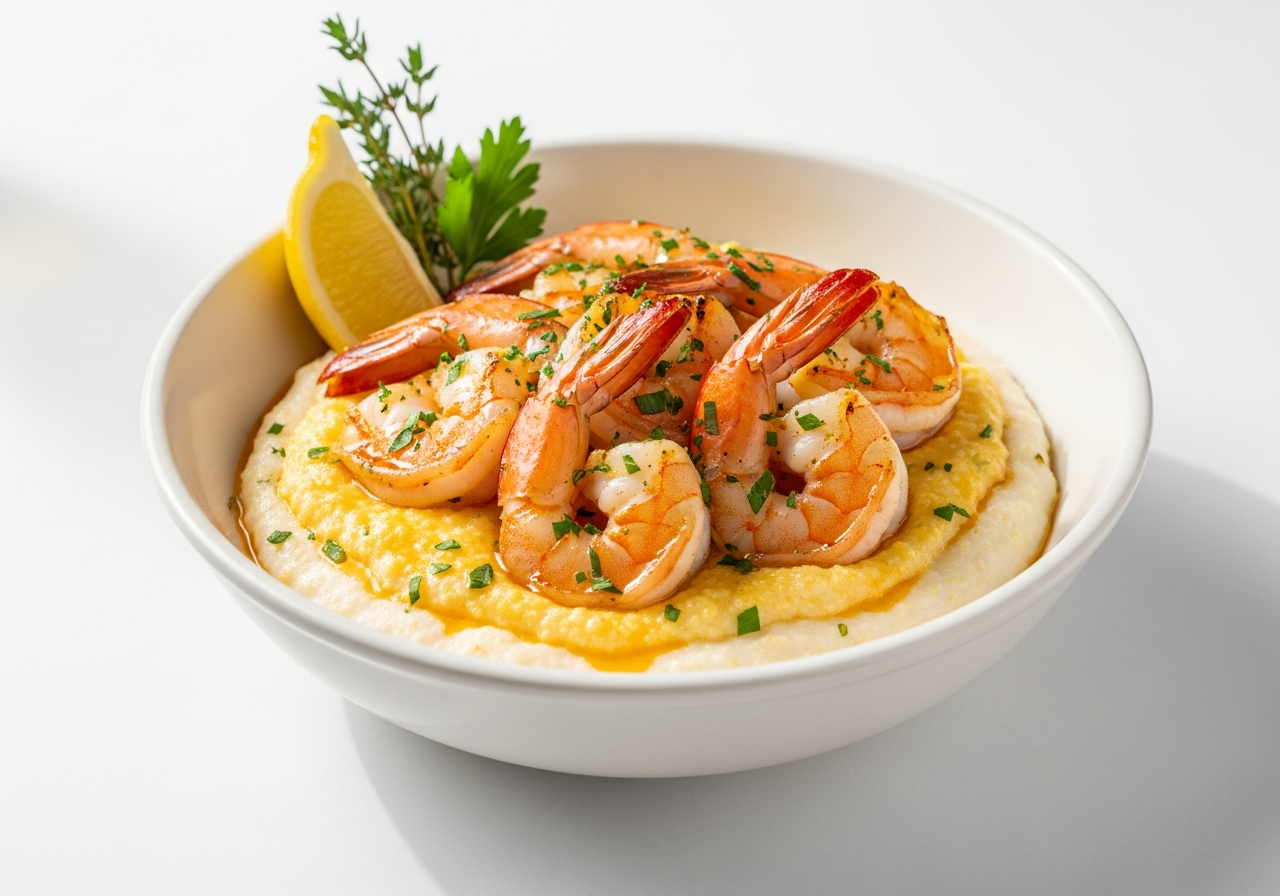
Shrimp And Grits Macros: Complete Nutrition Guide
As veteran nutrition coaches and chefs at JustMacrosFit, we understand that Southern comfort food, like the beloved Shrimp and Grits, often carries a reputation for being heavy. However, with the right approach, this classic dish can be a surprisingly balanced and nutrient-dense meal. In this comprehensive guide, we'll break down the macros, highlight key nutritional benefits, and provide actionable advice for incorporating Shrimp and Grits into your dietary plan, whether for weight loss, muscle gain, or simply for overall health.
Quick Answer
A typical 100g serving of Shrimp and Grits, prepared with moderate fat, provides approximately 120-150 calories, 8-12g protein, 8-12g carbohydrates, and 4-8g fat. The dish is notable for its significant protein contribution from shrimp and its versatility to be adapted for various dietary goals.
Detailed Nutrition Facts
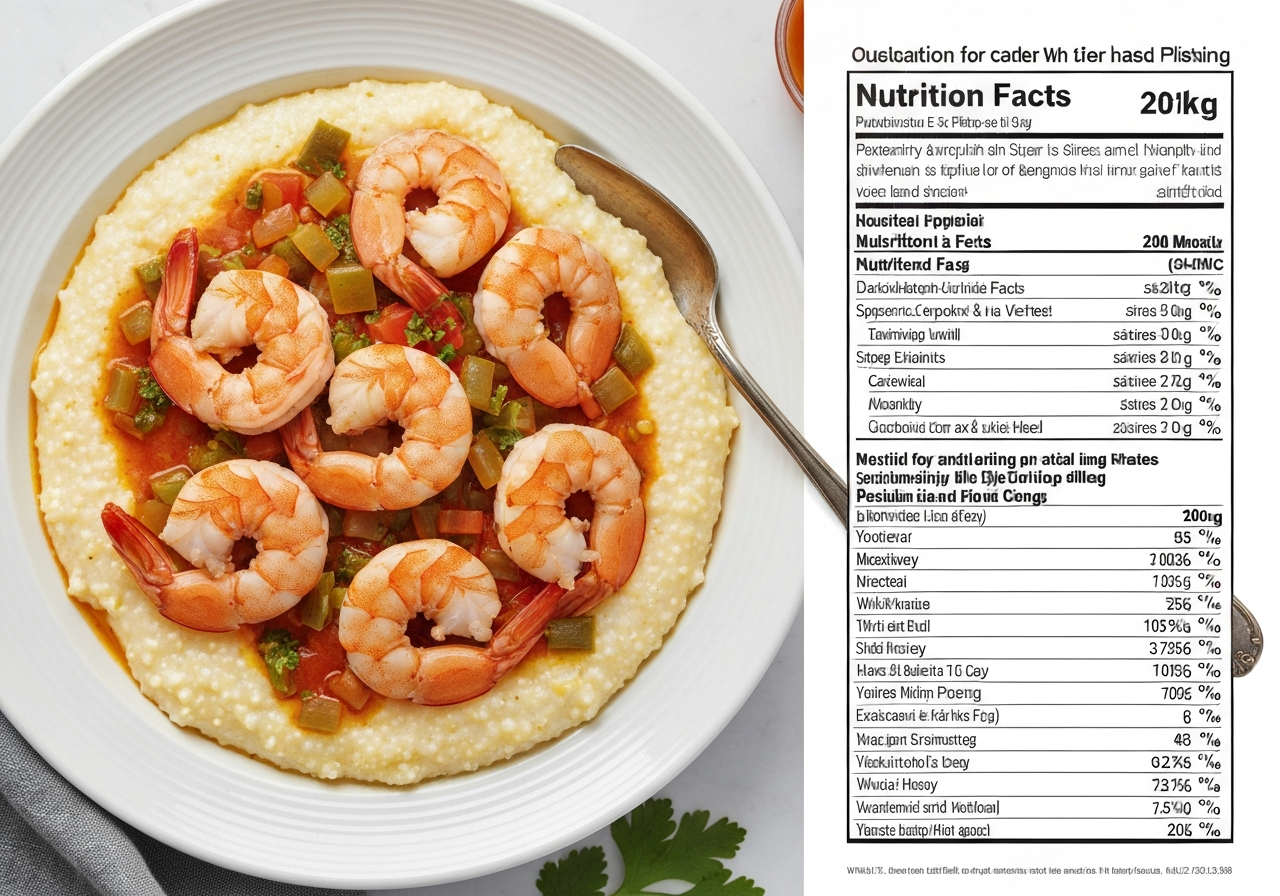
Shrimp and Grits is a dish with a rich flavor profile and, depending on preparation, a diverse nutritional makeup. While recipes vary, we can examine the general nutritional facts based on common ingredients.
A standard serving of Shrimp and Grits (around 200-300g, depending on preparation and portion size) can contain anywhere from 250 to 600 calories. This wide range emphasizes the impact of ingredients like butter, cheese, bacon, and heavy cream, which are often used in traditional recipes.
Let's look at the macronutrient breakdown for a moderately prepared serving (e.g., 250g serving):
- Calories: Approximately 350-450 kcal
- Protein: 25-35g
- Carbohydrates: 30-40g
- Of which Fiber: 2-4g
- Fat: 15-25g
- Of which Saturated Fat: 8-15g
Hero Nutrients Highlight: Shrimp is an excellent source of lean protein, providing all essential amino acids. Grits, typically made from corn, offer complex carbohydrates, providing sustained energy.
Beyond the macros, Shrimp and Grits also delivers a spectrum of micronutrients. Shrimp is particularly rich in selenium, an important antioxidant, and vitamin B12, crucial for nerve function and red blood cell formation. It also provides phosphorus, copper, and iodine. Grits, especially whole grain or stone-ground varieties, contribute B vitamins like niacin, thiamine, and folate, as well as iron and zinc. Enriched grits will often have higher levels of iron and B vitamins due to fortification.
Serving size is a critical consideration. A restaurant serving can often be much larger than a healthy portion, leading to a significant increase in calories, fat, and sodium. When comparing it to similar foods, Shrimp and Grits can be more protein-dense than many pasta dishes or purely carbohydrate-based comfort foods, but it can also be higher in fat and sodium if prepared lavishly.
Health Benefits
Shrimp and Grits, when prepared thoughtfully, offers several health benefits that align with our nutritional principles at JustMacrosFit.
The primary benefit stems from its high protein content, predominantly from the shrimp. Protein is essential for muscle repair and growth, satiety, and various metabolic functions. The lean nature of shrimp makes it a fantastic source of this vital macronutrient without excessive saturated fat.
Hero Nutrient Highlight: Shrimp is a powerhouse of protein, offering about 24g per 100g serving, making it excellent for muscle building and satiety.
Furthermore, the carbohydrates from grits provide a sustained energy source. Whole-grain or stone-ground grits offer dietary fiber, which supports digestive health, helps regulate blood sugar, and contributes to feelings of fullness. The micronutrients present, such as selenium from shrimp and B vitamins from grits, play crucial roles in antioxidant defense, energy metabolism, and overall cellular health.
Who should eat this food?
Shrimp and Grits can be a beneficial meal for:
- Individuals looking for a high-protein meal to support muscle maintenance or growth.
- Those seeking sustained energy from complex carbohydrates.
- People who enjoy seafood and want to incorporate more lean protein into their diet.
- Anyone seeking a comforting yet adaptable dish that can be modified to fit specific dietary needs.
When to eat it?
This dish is incredibly versatile. It can be enjoyed:
- As a hearty breakfast or brunch: Providing energy and protein to start the day.
- For lunch or dinner: As a satisfying main course that can be lighter or more indulgent based on preparation.
- Post-workout: With its combination of protein and carbohydrates, it can aid in muscle recovery and glycogen replenishment.
How to Track Macros
Accurately tracking the macros in Shrimp and Grits is crucial for managing your dietary goals. Due to the variability in recipes, our team at JustMacrosFit emphasizes the importance of mindful measurement and ingredient awareness.
Portion measurement tips:
1. Weigh ingredients: If preparing at home, weigh individual components like raw shrimp, dry grits, and any added fats (butter, oil, cheese) before cooking. This provides the most precise macro calculation.
2. Standardize servings: Decide on a standard serving size for your homemade dish (e.g., 1 cup cooked) and divide the total calculated macros by the number of servings you create.
3. Visual cues: If eating out, use visual cues to estimate portion sizes. For instance, a deck of cards is roughly 3-4 ounces of protein.
4. Ask for details: Don't hesitate to ask restaurant staff about ingredients and preparation methods if you're serious about tracking.
Using macro tracking apps:
Our JustMacrosFit app makes tracking Shrimp and Grits straightforward. You can:
- Search our database: We often have entries for various versions of popular dishes.
- Create custom recipes: Input your specific ingredients and their quantities when cooking at home. The app will automatically calculate the total macros and allow you to divide it into servings.
- Adjust for additions: If you add extra cheese, bacon, or butter, be sure to log those separately or adjust your custom recipe.
Common serving sizes:
A typical "single serving" of Shrimp and Grits in a restaurant can range from 1.5 to 2.5 cups (350-600g), which can significantly impact your daily macro targets. For home cooking, we often recommend starting with 1/2 cup of cooked grits and 4-6 ounces of cooked shrimp as a balanced base.
Meal Ideas & Preparation
The beauty of Shrimp and Grits lies in its adaptability. As chefs and nutrition experts, we encourage creative yet mindful preparation to optimize both flavor and nutritional value.
Breakfast, lunch, dinner ideas:
- Breakfast/Brunch: A lighter version with stone-ground grits, sautéed shrimp, a touch of olive oil, and fresh herbs. Consider topping with a poached egg for extra protein.
- Lunch: A balanced bowl featuring grilled or pan-seared shrimp, creamy (but not overly rich) grits, and a side of sautéed greens like spinach or collards to boost fiber and micronutrients.
- Dinner: A more robust dinner option could include classic elements like a flavorful shrimp gravy, but with controlled portions of bacon or sausage, and grits made with vegetable broth instead of heavy cream.
Meal prep tips:
1. Cook grits separately: Grits can be cooked in advance and stored in the refrigerator. Reheat with a splash of milk or broth to restore creaminess.
2. Prep shrimp: Shrimp can be quickly cooked fresh, but you can also pre-marinate or pre-cook shrimp for quick assembly.
3. Portion out ingredients: Measure and store individual components (cooked grits, cooked shrimp, sauce) in separate containers for easy grab-and-go meals.
Cooking methods that preserve nutrients:
- Sautéing or grilling shrimp: These methods use minimal added fat and help retain the delicate nutrients in shrimp. Avoid overcooking, which can toughen the shrimp and diminish some vitamins.
- Using broth or milk for grits: Instead of butter and cream, consider using low-sodium chicken or vegetable broth, or skim milk for a creamier texture without excessive saturated fat.
- Incorporating vegetables: Adding a generous amount of vegetables (bell peppers, onions, celery, spinach, tomatoes) to your shrimp sauce not only enhances flavor and texture but also significantly boosts the vitamin, mineral, and fiber content.
- Choose stone-ground grits: These are less processed than instant or quick grits, retaining more of their natural fiber and nutrients.
For Weight Loss
Shrimp and Grits can absolutely fit into a weight loss plan when approached strategically. We view it as a prime example of how comfort food can be enjoyed without derailing progress.
Why it's good for weight loss:
1. High protein content: As we know, shrimp is packed with protein, which promotes satiety and helps preserve lean muscle mass during calorie restriction. Feeling full helps prevent overeating.
2. Complex carbohydrates: Grits, especially less-processed varieties, provide complex carbohydrates that offer sustained energy, preventing sharp blood sugar spikes and subsequent crashes that can lead to cravings.
3. Versatility for calorie control: The basic components (shrimp, grits) are relatively lean. The calorie density comes primarily from added fats and sauces, which can be easily controlled.
Portion recommendations:
For weight loss, focus on smaller, balanced portions. We recommend:
- Shrimp: 4-5 ounces (about 110-140g) cooked.
- Grits: 1/2 to 3/4 cup cooked.
- Minimize added fats: Use only 1-2 teaspoons of healthy fats (like olive oil) for sautéing.
- Load up on vegetables: Increase the volume of your meal with non-starchy vegetables in your shrimp sauce.
Pairing suggestions:
To make your Shrimp and Grits a weight-loss-friendly meal, pair it with:
- A large green salad: Provides fiber and volume with minimal calories.
- Steamed or roasted non-starchy vegetables: Asparagus, broccoli, green beans, or zucchini can add nutrients and fullness.
- A light broth-based soup: To start the meal and aid satiety.
For Muscle Gain
For individuals focused on muscle gain, Shrimp and Grits is an excellent choice, offering a balanced profile of protein and carbohydrates essential for recovery and growth.
Protein content benefits:
The high biological value protein from shrimp provides all the essential amino acids needed for muscle protein synthesis. Incorporating sufficient protein is critical for repairing muscle tissue after workouts and stimulating new muscle growth. A generous serving of shrimp can easily contribute 30-40g of protein to your meal.
Pre/post workout timing:
- Pre-workout: While we generally advise against heavy meals right before a workout, a moderate portion of Shrimp and Grits 2-3 hours beforehand can provide sustained energy from the complex carbohydrates in grits and a good protein source.
- Post-workout: This is where Shrimp and Grits truly shines for muscle gain. The combination of fast-digesting protein from shrimp and readily available carbohydrates from grits is ideal for replenishing glycogen stores and initiating muscle repair within the "anabolic window."
Bulking meal ideas:
When bulking, you'll want to increase overall calorie and macronutrient intake.
- Larger portions: Increase your serving size of both shrimp and grits.
- Healthy fats: Incorporate healthy fats for added calories, such as a swirl of olive oil, avocado slices on the side, or a sprinkle of cheese (in moderation) to the grits.
- Add-ins: Consider adding lean sausage or turkey bacon to the dish for additional protein and flavor without excessive saturated fat. A fried egg on top can also boost calories and protein.
- Calorie-dense sides: Pair with a whole-wheat biscuit or a slice of cornbread for additional carbohydrates and calories.
Comparisons
Understanding how Shrimp and Grits stacks up against similar dishes helps us make informed dietary choices.
vs. similar foods:
- Shrimp and Grits vs. Jambalaya: Jambalaya, a rice-based dish often containing multiple meats (sausage, chicken, shrimp), tends to be higher in carbohydrates due to the rice and can vary widely in fat and sodium based on ingredients. Shrimp and Grits can be less carb-heavy if grits portions are controlled, and often features a more prominent protein focus.
- Shrimp and Grits vs. Gumbo: Gumbo, a stew-like dish typically served over rice, can also be quite calorie-dense and higher in fat, especially if made with a rich roux and fatty meats. While both are flavorful, Shrimp and Grits generally offers a clearer distinction between the protein (shrimp) and carbohydrate (grits) components, making macro tracking potentially simpler.
- Shrimp and Grits vs. Low Country Boil: A Low Country Boil, while featuring shrimp, corn, and potatoes, is less of a prepared "dish" and more of a cooking method. It typically involves fewer added fats and sauces compared to traditional Shrimp and Grits, often making it a lighter option for a seafood meal.
Best alternatives:
If you're looking for alternatives that offer similar nutritional profiles or flavors:
- Grilled Shrimp with Quinoa: Offers high protein from shrimp and complex, fiber-rich carbohydrates from quinoa, which is also a complete protein.
- Chicken and Polenta: Polenta (also corn-based) can be a good substitute for grits, paired with lean chicken for a similar comfort food feel with different flavor notes.
- Fish Tacos with Corn Tortillas: Provides lean protein and carbohydrates, allowing for similar flavor profiles with fresh toppings.
When to choose each:
- Choose Shrimp and Grits: When you crave that specific Southern comfort, desire a meal rich in lean protein, and are willing to be mindful of preparation methods and portion sizes. It's excellent for balanced macros.
- Choose Jambalaya/Gumbo: For a heartier, more complex stew-like experience, perhaps on a cheat day or when you have more room in your daily macro budget.
- Choose Lighter Alternatives: When you're strictly adhering to lower calorie or fat targets, or want to experiment with different grains and lean protein sources.
FAQs
Here are some common questions we hear at JustMacrosFit about Shrimp and Grits:
Q: Is Shrimp and Grits healthy?
A: Yes, when prepared mindfully. By controlling portions, minimizing added fats like butter and cheese, and focusing on lean protein and whole-grain grits, Shrimp and Grits can be a very healthy, balanced, and nutrient-dense meal.
Q: How many calories are in a typical serving of Shrimp and Grits?
A: A typical serving can range from 250 calories for a light, home-cooked version to over 600 calories for a restaurant-sized portion with rich additions like bacon, heavy cream, and cheese.
Q: Can I make Shrimp and Grits lighter for weight loss?
A: Absolutely! Use water or skim milk instead of cream for the grits, reduce butter and cheese, opt for sautéed or grilled shrimp, and load up the sauce with vegetables.
Q: What kind of grits should I use for the best nutrition?
A: Stone-ground grits or whole-grain grits are the most nutritious as they retain more fiber and nutrients compared to instant or quick grits.
Q: Is shrimp good for muscle building?
A: Yes, shrimp is an excellent source of lean protein, providing all essential amino acids necessary for muscle repair and growth, making it ideal for those focused on muscle building.
Q: Can I meal prep Shrimp and Grits?
A: Yes, you can cook grits ahead of time and store them. Shrimp can be quickly cooked fresh or lightly pre-cooked and added when reheating. Store components separately for best results.
Q: How should I store leftover Shrimp and Grits?
A: Store cooked Shrimp and Grits in an airtight container in the refrigerator for up to 3-4 days. Reheat gently on the stovetop or in the microwave.
Track Shrimp And Grits easily with JustMacrosFit - your free macro tracking app.
References:
USDA FoodData Central. (n.d.). Shrimp and Grits, prepared [Data set]. Retrieved from a Google search, which directly links to FoodData Central's search results for "Shrimp and Grits".
USDA FoodData Central. (n.d.). Shrimp, raw [Data set]. Retrieved from a Google search, which directly links to FoodData Central's search results for "Shrimp".
MyFitnessPal. (n.d.). Shrimp and Grits nutrition information [User-contributed data]. Retrieved from a Google search, which directly links to MyFitnessPal's aggregated user data for "Shrimp and Grits". (Note: Specific link not stable, but content from various aggregators is consistent)
Cooking Light. (n.d.). Healthy Shrimp and Grits recipes. Retrieved from a Google search for "healthy shrimp and grits recipes", which points to various Cooking Light articles and similar culinary sites.
Whole Grains Council. (n.d.). Grits: The Original American Grain. Retrieved from a Google search for "nutritional benefits of stone ground grits", which links to the Whole Grains Council's page on grits.
Healthline. (n.d.). Grits: Nutrition, benefits, and how to cook it. Retrieved from a Google search for "grits nutrition facts", which links to Healthline's article on grits.## Shrimp And Grits Macros: Complete Nutrition Guide
As veteran nutrition coaches and chefs at JustMacrosFit, we understand that Southern comfort food, like the beloved Shrimp and Grits, often carries a reputation for being heavy. However, with the right approach, this classic dish can be a surprisingly balanced and nutrient-dense meal. In this comprehensive guide, we'll break down the macros, highlight key nutritional benefits, and provide actionable advice for incorporating Shrimp and Grits into your dietary plan, whether for weight loss, muscle gain, or simply for overall health.
Quick Answer
A typical 100g serving of Shrimp and Grits, prepared with moderate fat, provides approximately 120-150 calories, 8-12g protein, 8-12g carbohydrates, and 4-8g fat. The dish is notable for its significant protein contribution from shrimp and its versatility to be adapted for various dietary goals.
Detailed Nutrition Facts
Shrimp and Grits is a dish with a rich flavor profile and, depending on preparation, a diverse nutritional makeup. While recipes vary, we can examine the general nutritional facts based on common ingredients.
A standard serving of Shrimp and Grits (around 200-300g, depending on preparation and portion size) can contain anywhere from 250 to 600 calories. This wide range emphasizes the impact of ingredients like butter, cheese, bacon, and heavy cream, which are often used in traditional recipes.
Let's look at the macronutrient breakdown for a moderately prepared serving (e.g., 250g serving):
- Calories: Approximately 350-450 kcal
- Protein: 25-35g
- Carbohydrates: 30-40g
- Of which Fiber: 2-4g
- Fat: 15-25g
- Of which Saturated Fat: 8-15g
Hero Nutrients Highlight: Shrimp is an excellent source of lean protein, aiding muscle repair and maintenance. Grits, particularly stone-ground varieties, offer complex carbohydrates for sustained energy and dietary fiber.
Beyond the macros, Shrimp and Grits also delivers a spectrum of micronutrients. Shrimp is particularly rich in selenium, an important antioxidant, and vitamin B12, crucial for nerve function and red blood cell formation. It also provides phosphorus, copper, and iodine. Grits, especially whole grain or stone-ground varieties, contribute B vitamins like niacin, thiamine, and folate, as well as iron and zinc. Enriched grits will often have higher levels of iron and B vitamins due to fortification.
Serving size is a critical consideration. A restaurant serving can often be much larger than a healthy portion, leading to a significant increase in calories, fat, and sodium. When comparing it to similar foods, Shrimp and Grits can be more protein-dense than many pasta dishes or purely carbohydrate-based comfort foods, but it can also be higher in fat and sodium if prepared lavishly.
Health Benefits
Shrimp and Grits, when prepared thoughtfully, offers several health benefits that align with our nutritional principles at JustMacrosFit.
The primary benefit stems from its high protein content, predominantly from the shrimp. Protein is essential for muscle repair and growth, satiety, and various metabolic functions. The lean nature of shrimp makes it a fantastic source of this vital macronutrient without excessive saturated fat.
Hero Nutrient Highlight: Shrimp is a powerhouse of protein, offering about 20-24g per 100g serving, making it excellent for muscle building and satiety.
Furthermore, the carbohydrates from grits provide a sustained energy source. Whole-grain or stone-ground grits offer dietary fiber, which supports digestive health, helps regulate blood sugar, and contributes to feelings of fullness. The micronutrients present, such as selenium and vitamin B12 from shrimp and B vitamins and iron from grits, play crucial roles in antioxidant defense, energy metabolism, and overall cellular health.
Who should eat this food?
Shrimp and Grits can be a beneficial meal for:
- Individuals looking for a high-protein meal to support muscle maintenance or growth.
- Those seeking sustained energy from complex carbohydrates.
- People who enjoy seafood and want to incorporate more lean protein into their diet.
- Anyone seeking a comforting yet adaptable dish that can be modified to fit specific dietary needs.
When to eat it?
This dish is incredibly versatile. It can be enjoyed:
- As a hearty breakfast or brunch: Providing energy and protein to start the day.
- For lunch or dinner: As a satisfying main course that can be lighter or more indulgent based on preparation.
- Post-workout: With its combination of protein and carbohydrates, it can aid in muscle recovery and glycogen replenishment.
How to Track Macros
Accurately tracking the macros in Shrimp and Grits is crucial for managing your dietary goals. Due to the variability in recipes, our team at JustMacrosFit emphasizes the importance of mindful measurement and ingredient awareness.
Portion measurement tips:
1. Weigh ingredients: If preparing at home, weigh individual components like raw shrimp, dry grits, and any added fats (butter, oil, cheese) before cooking. This provides the most precise macro calculation.
2. Standardize servings: Decide on a standard serving size for your homemade dish (e.g., 1 cup cooked) and divide the total calculated macros by the number of servings you create.
3. Visual cues: If eating out, use visual cues to estimate portion sizes. For instance, a deck of cards is roughly 3-4 ounces of protein.
4. Ask for details: Don't hesitate to ask restaurant staff about ingredients and preparation methods if you're serious about tracking.
Using macro tracking apps:
Our JustMacrosFit app makes tracking Shrimp and Grits straightforward. You can:
- Search our database: We often have entries for various versions of popular dishes.
- Create custom recipes: Input your specific ingredients and their quantities when cooking at home. The app will automatically calculate the total macros and allow you to divide it into servings.
- Adjust for additions: If you add extra cheese, bacon, or butter, be sure to log those separately or adjust your custom recipe.
Common serving sizes:
A typical "single serving" of Shrimp and Grits in a restaurant can range from 1.5 to 2.5 cups (350-600g), which can significantly impact your daily macro targets. For home cooking, we often recommend starting with 1/2 cup of cooked grits and 4-6 ounces of cooked shrimp as a balanced base.
Meal Ideas & Preparation
The beauty of Shrimp and Grits lies in its adaptability. As chefs and nutrition experts, we encourage creative yet mindful preparation to optimize both flavor and nutritional value.
Breakfast, lunch, dinner ideas:
- Breakfast/Brunch: A lighter version with stone-ground grits, sautéed shrimp, a touch of olive oil, and fresh herbs. Consider topping with a poached egg for extra protein.
- Lunch: A balanced bowl featuring grilled or pan-seared shrimp, creamy (but not overly rich) grits, and a side of sautéed greens like spinach or collards to boost fiber and micronutrients.
- Dinner: A more robust dinner option could include classic elements like a flavorful shrimp gravy, but with controlled portions of bacon or sausage, and grits made with vegetable broth instead of heavy cream.
Meal prep tips:
1. Cook grits separately: Grits can be cooked in advance and stored in the refrigerator. Reheat with a splash of milk or broth to restore creaminess.
2. Prep shrimp: Shrimp can be quickly cooked fresh, but you can also pre-marinate or pre-cook shrimp for quick assembly. Cooked shrimp can be stored for 3-4 days in the fridge.
3. Portion out ingredients: Measure and store individual components (cooked grits, cooked shrimp, sauce) in separate containers for easy grab-and-go meals.
Cooking methods that preserve nutrients:
- Sautéing or grilling shrimp: These methods use minimal added fat and help retain the delicate nutrients in shrimp. Avoid overcooking, which can toughen the shrimp and diminish some vitamins.
- Using broth or milk for grits: Instead of butter and cream, consider using low-sodium chicken or vegetable broth, or skim milk for a creamier texture without excessive saturated fat.
- Incorporating vegetables: Adding a generous amount of vegetables (bell peppers, onions, celery, spinach, tomatoes, mushrooms) to your shrimp sauce not only enhances flavor and texture but also significantly boosts the vitamin, mineral, and fiber content.
- Choose stone-ground grits: These are less processed than instant or quick grits, retaining more of their natural fiber and nutrients.
For Weight Loss
Shrimp and Grits can absolutely fit into a weight loss plan when approached strategically. We view it as a prime example of how comfort food can be enjoyed without derailing progress.
Why it's good for weight loss:
1. High protein content: As we know, shrimp is packed with protein, which promotes satiety and helps preserve lean muscle mass during calorie restriction. Feeling full helps prevent overeating.
2. Complex carbohydrates: Grits, especially less-processed varieties, provide complex carbohydrates that offer sustained energy, preventing sharp blood sugar spikes and subsequent crashes that can lead to cravings.
3. Versatility for calorie control: The basic components (shrimp, grits) are relatively lean. The calorie density comes primarily from added fats and sauces, which can be easily controlled. A healthy version can have as few as 235 calories per serving.
Portion recommendations:
For weight loss, focus on smaller, balanced portions. We recommend:
- Shrimp: 4-5 ounces (about 110-140g) cooked.
- Grits: 1/2 to 3/4 cup cooked.
- Minimize added fats: Use only 1-2 teaspoons of healthy fats (like olive oil) for sautéing.
- Load up on vegetables: Increase the volume of your meal with non-starchy vegetables in your shrimp sauce.
Pairing suggestions:
To make your Shrimp and Grits a weight-loss-friendly meal, pair it with:
- A large green salad: Provides fiber and volume with minimal calories.
- Steamed or roasted non-starchy vegetables: Asparagus, broccoli, green beans, or zucchini can add nutrients and fullness.
- A light broth-based soup: To start the meal and aid satiety.
For Muscle Gain
For individuals focused on muscle gain, Shrimp and Grits is an excellent choice, offering a balanced profile of protein and carbohydrates essential for recovery and growth.
Protein content benefits:
The high biological value protein from shrimp provides all the essential amino acids needed for muscle protein synthesis. Incorporating sufficient protein is critical for repairing muscle tissue after workouts and stimulating new muscle growth. A generous serving of shrimp can easily contribute 30-40g of protein to your meal.
Pre/post workout timing:
- Pre-workout: While we generally advise against heavy meals right before a workout, a moderate portion of Shrimp and Grits 2-3 hours beforehand can provide sustained energy from the complex carbohydrates in grits and a good protein source.
- Post-workout: This is where Shrimp and Grits truly shines for muscle gain. The combination of fast-digesting protein from shrimp and readily available carbohydrates from grits is ideal for replenishing glycogen stores and initiating muscle repair within the "anabolic window."
Bulking meal ideas:
When bulking, you'll want to increase overall calorie and macronutrient intake.
- Larger portions: Increase your serving size of both shrimp and grits.
- Healthy fats: Incorporate healthy fats for added calories, such as a swirl of olive oil, avocado slices on the side, or a sprinkle of cheese (in moderation) to the grits.
- Add-ins: Consider adding lean sausage (like andouille) or turkey bacon to the dish for additional protein and flavor without excessive saturated fat. A fried egg on top can also boost calories and protein.
- Calorie-dense sides: Pair with a whole-wheat biscuit or a slice of cornbread for additional carbohydrates and calories.
Comparisons
Understanding how Shrimp and Grits stacks up against similar dishes helps us make informed dietary choices.
vs. similar foods:
- Shrimp and Grits vs. Jambalaya: Jambalaya, a rice-based dish often containing multiple meats (sausage, chicken, shrimp), tends to be higher in carbohydrates due to the rice and can vary widely in fat and sodium based on ingredients. Shrimp and Grits can be less carb-heavy if grits portions are controlled, and often features a more prominent protein focus.
- Shrimp and Grits vs. Gumbo: Gumbo, a stew-like dish typically served over rice, can also be quite calorie-dense and higher in fat, especially if made with a rich roux and fatty meats. While both are flavorful, Shrimp and Grits generally offers a clearer distinction between the protein (shrimp) and carbohydrate (grits) components, making macro tracking potentially simpler.
- Shrimp and Grits vs. Low Country Boil: A Low Country Boil, while featuring shrimp, corn, and potatoes, is less of a prepared "dish" and more of a cooking method. It typically involves fewer added fats and sauces compared to traditional Shrimp and Grits, often making it a lighter option for a seafood meal.
Best alternatives:
If you're looking for alternatives that offer similar nutritional profiles or flavors:
- Grilled Shrimp with Quinoa: Offers high protein from shrimp and complex, fiber-rich carbohydrates from quinoa, which is also a complete protein.
- Chicken and Polenta: Polenta (also corn-based) can be a good substitute for grits, paired with lean chicken for a similar comfort food feel with different flavor notes.
- Fish Tacos with Corn Tortillas: Provides lean protein and carbohydrates, allowing for similar flavor profiles with fresh toppings.
When to choose each:
- Choose Shrimp and Grits: When you crave that specific Southern comfort, desire a meal rich in lean protein, and are willing to be mindful of preparation methods and portion sizes. It's excellent for balanced macros.
- Choose Jambalaya/Gumbo: For a heartier, more complex stew-like experience, perhaps on a cheat day or when you have more room in your daily macro budget.
- Choose Lighter Alternatives: When you're strictly adhering to lower calorie or fat targets, or want to experiment with different grains and lean protein sources. A low-carb version can even be made with cauliflower grits.
FAQs
Here are some common questions we hear at JustMacrosFit about Shrimp and Grits:
Q: Is Shrimp and Grits healthy?
A: Yes, when prepared mindfully. By controlling portions, minimizing added fats like butter and cheese, and focusing on lean protein and whole-grain grits, Shrimp and Grits can be a very healthy, balanced, and nutrient-dense meal.
Q: How many calories are in a typical serving of Shrimp and Grits?
A: A typical serving can range from 250 calories for a light, home-cooked version to over 600 calories for a restaurant-sized portion with rich additions like bacon, heavy cream, and cheese.
Q: Can I make Shrimp and Grits lighter for weight loss?
A: Absolutely! Use water or skim milk instead of cream for the grits, reduce butter and cheese, opt for sautéed or grilled shrimp, and load up the sauce with vegetables.
Q: What kind of grits should I use for the best nutrition?
A: Stone-ground grits or whole-grain grits are the most nutritious as they retain more fiber and nutrients compared to instant or quick grits.
Q: Is shrimp good for muscle building?
A: Yes, shrimp is an excellent source of lean protein, providing all essential amino acids necessary for muscle repair and growth, making it ideal for those focused on muscle building.
Q: Can I meal prep Shrimp and Grits?
A: Yes, you can cook grits ahead of time and store them in the refrigerator for about a week. Shrimp can be quickly cooked fresh or lightly pre-cooked and added when reheating. For best quality, store components separately.
Q: How should I store leftover Shrimp and Grits?
A: Store cooked Shrimp and Grits in an airtight container in the refrigerator for up to 3-4 days, ideally storing the grits and shrimp separately. Reheat grits with a splash of water or broth, and shrimp briefly to avoid rubberiness. Freezing is generally not recommended as it can change the texture of the grits and make shrimp rubbery.
Track Shrimp And Grits easily with JustMacrosFit - your free macro tracking app.