Shrimp Scampi: Complete Macros & Nutrition Guide
Complete macro and nutrition guide for Shrimp Scampi. Learn calories, protein, carbs, fat per serving plus meal ideas and tracking tips.
Table of Contents
- Shrimp Scampi Macros: Complete Nutrition Guide
- Quick Answer
- Detailed Nutrition Facts
- Health Benefits
- How to Track Macros
- Portion Measurement Tips
- Using Macro Tracking Apps
- Common Serving Sizes
- Meal Ideas & Preparation
- Breakfast, Lunch, Dinner Ideas
- Meal Prep Tips
- Cooking Methods That Preserve Nutrients
- For Weight Loss
- Why It's Good for Weight Loss
- Portion Recommendations
- Pairing Suggestions
- For Muscle Gain
- Protein Content Benefits
- Pre/Post-Workout Timing
- Bulking Meal Ideas
- Comparisons
- vs. Similar Foods
- Best Alternatives
- When to Choose Each
- FAQs
- Is Shrimp Scampi healthy?
- How many calories are in Shrimp Scampi?
- Is Shrimp Scampi high in carbs?
- Can I make Shrimp Scampi low carb?
- How do I store leftover Shrimp Scampi?
- What affects the macros of Shrimp Scampi the most?
- Is shrimp high in cholesterol?
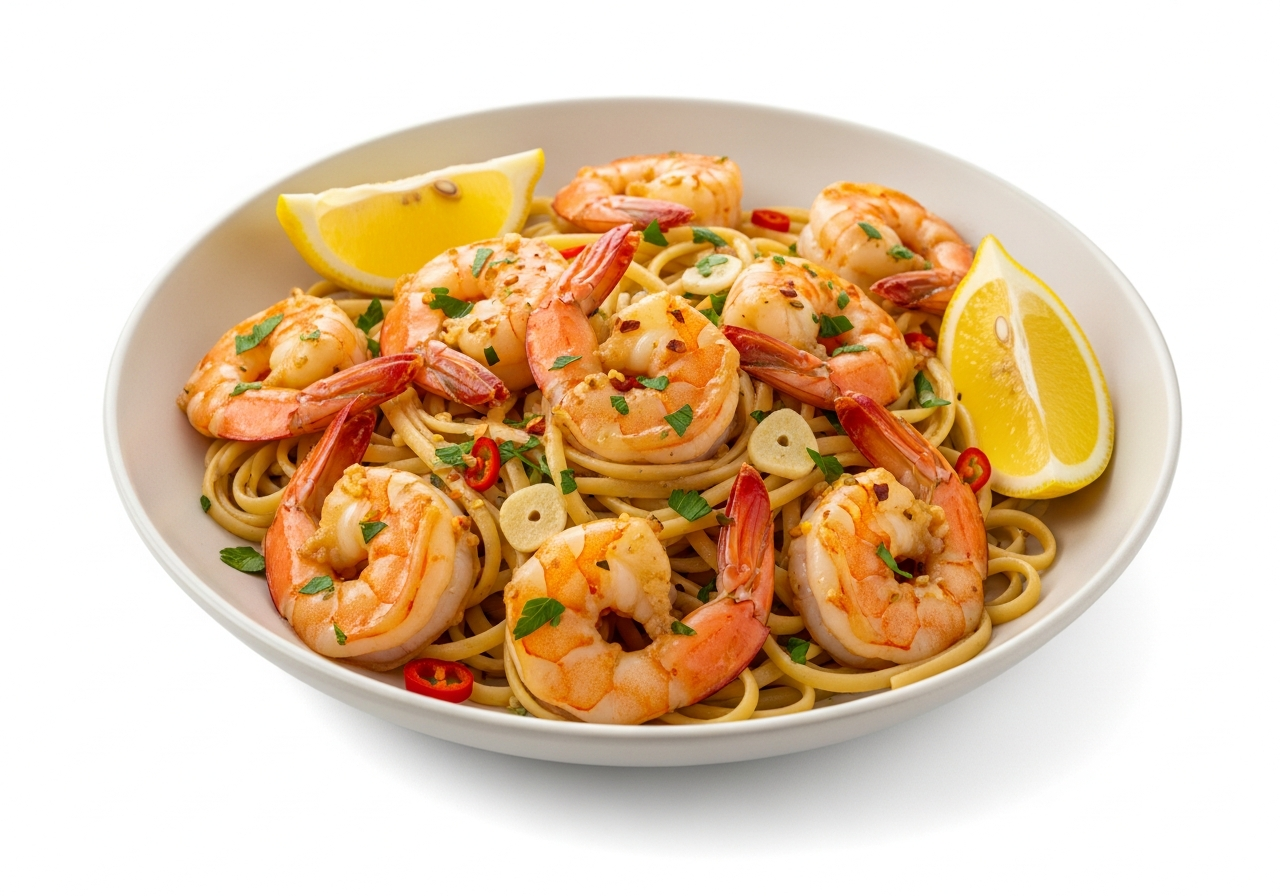
Shrimp Scampi Macros: Complete Nutrition Guide
Shrimp Scampi, a beloved dish featuring tender shrimp bathed in a garlicky, buttery, and often wine-infused sauce, has graced tables worldwide. While its rich flavor is undeniable, understanding its nutritional profile is key for anyone tracking their macros and seeking to balance taste with health. We at JustMacrosFit believe that every meal can fit into a healthy lifestyle with the right knowledge and preparation.
Quick Answer
A standard 100g serving of homemade Shrimp Scampi (without pasta) typically provides approximately 190-265 calories, with a robust protein content ranging from 20-27 grams, 12-16 grams of fat, and a minimal 2-5 grams of carbohydrates. This delectable seafood dish shines as a high-protein option, offering essential amino acids and vital micronutrients for overall well-being.
Detailed Nutrition Facts
Delving into the complete nutritional landscape of Shrimp Scampi reveals a dish that, when prepared thoughtfully, can be a powerhouse of essential nutrients. The exact figures can vary significantly based on ingredients and preparation methods. Our analysis focuses on a typical serving of shrimp scampi, excluding additional sides like pasta, to provide a clearer picture of the dish itself.
A 100-gram serving of Shrimp Scampi (excluding pasta) generally contains:
* Calories: 190-265 kcal
* Protein: 20-27 grams
* Total Fat: 12-16 grams
* Saturated Fat: 2.5-3 grams
* Carbohydrates: 2-5 grams
* Dietary Fiber: Less than 1 gram
* Cholesterol: 180-250 milligrams
* Sodium: 130-330 milligrams
Beyond the macros, Shrimp Scampi is a notable source of various micronutrients, primarily from the shrimp itself. These include:
* Vitamin B12: Crucial for nerve function and red blood cell formation.
* Selenium: A potent antioxidant that supports immune function and thyroid health.
* Phosphorus: Essential for bone health and energy metabolism.
* Copper: Important for iron metabolism and red blood cell formation.
* Choline: Supports liver function and brain development.
* Iodine: Vital for proper thyroid hormone production.
* Niacin (Vitamin B3): Plays a role in energy production.
* Zinc: Supports immune function and wound healing.
* Vitamin E and K: Found in varying amounts, especially if olive oil is used.
Serving Size Considerations: The nutritional value of Shrimp Scampi is highly dependent on how it’s prepared. Restaurant versions, for example, often use significantly more butter and oil, leading to much higher calorie and fat counts, sometimes exceeding 1000 calories per entrée. When we prepare it at home, we have complete control over the ingredients, allowing us to manage the macros and sodium content effectively. Adding pasta, especially refined white pasta, will also drastically increase the carbohydrate and calorie count of the overall meal.
Comparison to Similar Foods: When compared to plain cooked shrimp, Shrimp Scampi is naturally more calorie-dense due to the added fats from butter and olive oil. A 100g serving of plain cooked shrimp, for instance, typically contains around 99-101 calories, 24 grams of protein, and very minimal fat and carbohydrates. This highlights that while the scampi preparation adds flavor, it also adds calories, making mindful preparation crucial for those tracking macros.
Health Benefits
Shrimp Scampi, particularly when prepared with health in mind, offers a range of benefits that contribute to our overall wellness. The combination of lean protein and essential micronutrients makes it a valuable addition to a balanced diet.
One of the most significant advantages of Shrimp Scampi is its high protein content. Shrimp are an excellent source of complete protein, meaning they provide all nine essential amino acids necessary for the body's functions. This makes it a superb food for:
* Muscle Building and Repair: The amino acids are the building blocks for muscle tissue, aiding in recovery and growth, especially for active individuals and athletes.
* Satiety and Weight Management: Protein is known for its ability to promote feelings of fullness, which can help reduce overall calorie intake and support weight loss efforts.
Beyond macros, the micronutrient profile of shrimp contributes to several health benefits:
* Antioxidant Power: Shrimp contains selenium and the carotenoid astaxanthin, both powerful antioxidants that help protect our cells from oxidative stress and inflammation. Garlic, a staple in scampi, also provides its own antioxidant and potential cardiovascular benefits.
* Thyroid Health: Shrimp is one of the best dietary sources of iodine, a mineral absolutely essential for the proper functioning of the thyroid gland and the production of thyroid hormones, which regulate metabolism.
* Nerve and Blood Cell Health: The abundant Vitamin B12 in shrimp is critical for maintaining a healthy nervous system and for the formation of red blood cells, preventing conditions like anemia.
Who should eat this food: Shrimp Scampi is an ideal meal for individuals aiming for a high-protein diet, those focusing on weight loss or muscle gain, and anyone looking to incorporate more nutrient-dense seafood into their eating plan. It's particularly beneficial for people who want to boost their intake of selenium, iodine, and Vitamin B12.
When to eat it: Shrimp Scampi makes an excellent choice for a satisfying lunch or dinner. Its high protein content can keep us feeling full and energized for hours. For those engaged in strenuous physical activity, it can also serve as a fantastic post-workout meal, aiding in muscle recovery due to its rich amino acid profile.
How to Track Macros
Accurately tracking the macros in Shrimp Scampi is crucial for meeting our dietary goals, especially given the variability in preparation. We believe that precision empowers better results.
Portion Measurement Tips
The first step to accurate macro tracking is precise portion measurement.
1. Use a Food Scale: For the most accurate results, we always recommend using a digital kitchen scale. Measure your raw shrimp before cooking, and then measure the cooked shrimp and sauce separately, or the combined dish if it's a homogeneous mix.
2. Estimate Shrimp Count: If a scale isn't available, count the number of shrimp. Remember that "large" or "jumbo" shrimp vary in size. A 3-ounce serving of cooked shrimp is typically around 12 medium, 8 large, or 3 jumbo shrimp.
3. Measure Liquids and Fats: Be diligent about measuring the amounts of butter, olive oil, and wine used in the sauce. Even small variations can significantly impact the total fat and calorie macros.
Using Macro Tracking Apps
Macro tracking apps like JustMacrosFit make logging your meals straightforward.
1. Homemade Recipes: If you prepare Shrimp Scampi at home, enter each ingredient and its precise quantity into your tracking app. This provides the most accurate breakdown for your specific recipe. Our app allows you to save custom recipes for future use.
2. Restaurant Orders: For restaurant Shrimp Scampi, search within the app for entries from that specific restaurant. Keep in mind that restaurant portions and recipes can be highly variable and often more calorie-dense than homemade versions. If a specific entry isn't available, choose a generic "Shrimp Scampi" entry and adjust the serving size or make an educated estimate based on the ingredients described on the menu.
Common Serving Sizes
A typical single serving of Shrimp Scampi often consists of:
* Shrimp: 4-6 ounces (approximately 112-168 grams) cooked shrimp.
* Sauce: A few tablespoons of the garlicky butter sauce.
* Accompaniment: If served with pasta, this could be 1-2 cups of cooked pasta, dramatically altering the total macros.
By being mindful of these measurement tips and utilizing our tracking app, we can confidently incorporate Shrimp Scampi into our macro goals without guesswork.
Meal Ideas & Preparation
Shrimp Scampi's versatility extends beyond just a dinner entrée. As nutrition coaches and chefs, we love finding creative ways to enjoy delicious, macro-friendly meals throughout the day.
Breakfast, Lunch, Dinner Ideas
- Lunch: For a quick and satisfying lunch, serve a portion of Shrimp Scampi over a bed of mixed greens or alongside a generous serving of steamed asparagus. This keeps the meal light and focuses on the protein and healthy fats.
- Dinner: The classic pairing with pasta is popular, but consider healthier alternatives such as:
- Zucchini Noodles (Zoodles): A fantastic low-carb option that soaks up the flavorful sauce beautifully.
- Cauliflower Rice: Another excellent low-carb choice that adds a subtle texture.
- Whole Wheat Pasta or Brown Rice: For those needing more complex carbohydrates, these are great choices.
- Quinoa: Offers a complete protein and fiber boost alongside the shrimp.
- Breakfast (A Twist): While not traditional, leftover shrimp scampi can be incorporated into a savory breakfast scramble. Lightly sauté the shrimp and sauce, then add whisked eggs and cook until set. Serve with a sprinkle of fresh parsley.
Meal Prep Tips
Preparing Shrimp Scampi for the week can be simple with a few smart strategies:
1. Cook Shrimp Separately: To prevent overcooking and maintain optimal texture, cook the shrimp just before serving, or cook them slightly underdone if reheating is planned.
2. Prepare the Sauce Ahead: The garlic-butter-wine sauce can be made in advance and stored in an airtight container in the refrigerator for up to 3-4 days.
3. Store Components Separately: Store the cooked shrimp, sauce, and any chosen side (like zoodles or cooked quinoa) in separate containers. This allows for easy portioning and prevents the shrimp from becoming soggy or overcooked upon reheating.
4. Quick Assembly: When ready to eat, simply reheat the sauce, gently warm the shrimp, and combine with your prepped side.
Cooking Methods That Preserve Nutrients
The best way to cook shrimp scampi is often through a quick sauté, which helps retain the shrimp's delicate flavor and nutritional integrity.
* Light Sautéing: This method, using a combination of olive oil and a moderate amount of butter, is ideal. Olive oil provides heart-healthy monounsaturated fats, while butter adds classic richness.
* Avoid Overcooking: Shrimp cooks very quickly, typically 1-2 minutes per side until just opaque. Overcooked shrimp becomes rubbery and less appealing.
* Use Fresh Ingredients: Opt for fresh garlic, lemon juice, and parsley to maximize flavor and nutrient content.
* Moderate Fat Usage: While butter and oil are essential for flavor, we can reduce their quantities slightly without sacrificing taste, opting for more healthy fats like extra virgin olive oil to lighten the dish.
For Weight Loss
For those of us on a weight loss journey, Shrimp Scampi can be an incredibly supportive meal choice. Its macro profile, when optimized, aligns perfectly with principles of healthy, sustainable fat loss.
Why It's Good for Weight Loss
The primary reason Shrimp Scampi excels for weight loss is its high protein content combined with a relatively low-calorie density (if prepared correctly).
* Satiety and Reduced Cravings: Protein is the most satiating macronutrient. A meal rich in protein like Shrimp Scampi helps us feel fuller for longer, reducing the likelihood of overeating and snacking between meals.
* Muscle Preservation: When we're in a calorie deficit, our body can sometimes break down muscle tissue for energy. A high-protein intake helps protect and preserve lean muscle mass, which is crucial for a healthy metabolism and body composition.
* Metabolic Boost: Protein has a higher thermic effect of food (TEF) compared to fats and carbohydrates, meaning our body burns more calories to digest and metabolize it.
Portion Recommendations
Mindful portion control is paramount for weight loss with Shrimp Scampi:
1. Focus on the Shrimp: Prioritize the shrimp portion, aiming for 4-6 ounces (cooked weight) as your protein anchor.
2. Control the Sauce: The sauce, while flavorful, is where the majority of added calories and fats reside. Use a measured amount, focusing on a balance of olive oil, lemon juice, and white wine rather than excessive butter.
3. Load Up on Vegetables: Make vegetables the star of your plate alongside the shrimp. They add volume, fiber, and micronutrients with minimal calories.
Pairing Suggestions
To maximize weight loss benefits, pair your Shrimp Scampi with low-calorie, high-fiber accompaniments:
* Steamed or Roasted Non-Starchy Vegetables: Broccoli, spinach, asparagus, green beans, or bell peppers are excellent choices.
* Zucchini Noodles or Shirataki Noodles: These are fantastic low-carb, low-calorie pasta alternatives that perfectly absorb the scampi sauce.
* Large Green Salad: A side salad with a light vinaigrette can add freshness and crunch.
* Cauliflower Rice: A versatile and low-carb base.
By focusing on lean protein, moderating healthy fats in the sauce, and emphasizing vegetables, we can transform Shrimp Scampi into a delicious and effective weight loss meal.
For Muscle Gain
For individuals dedicated to building muscle, Shrimp Scampi can be a highly effective component of a bulking or lean mass gain diet. Its rich protein profile makes it an excellent choice for supporting muscle protein synthesis.
Protein Content Benefits
Shrimp is renowned for its high-quality protein, which is essential for muscle growth and repair.
* Complete Amino Acid Profile: Shrimp provides all the essential amino acids required by the body to synthesize new muscle tissue, making it a "complete" protein source.
* Fast Digestion: The protein in shrimp is generally easily digestible, allowing for quicker absorption of amino acids into the bloodstream to kickstart muscle recovery and growth, especially around workout times.
Pre/Post-Workout Timing
Timing our nutrient intake around workouts is a strategy we often employ for optimal results.
* Post-Workout: Shrimp Scampi is an ideal post-workout meal. The readily available protein helps replenish amino acid stores and initiate muscle repair and synthesis immediately after training. If serving with carbohydrates like pasta, this also helps restore glycogen levels.
* Pre-Workout (with caution): While protein is good, the fat content in traditional scampi might slow digestion, which isn't ideal for everyone right before an intense workout. If consumed pre-workout, we recommend a smaller portion and pairing it with easily digestible carbohydrates.
Bulking Meal Ideas
To leverage Shrimp Scampi for muscle gain, we can adjust portion sizes and pairings to increase overall calorie and carbohydrate intake:
1. Generous Portions: Increase the serving size of shrimp to 6-8 ounces or more, depending on individual calorie and protein targets.
2. Carbohydrate-Rich Bases: Pair Shrimp Scampi with calorie-dense complex carbohydrates to fuel workouts and aid recovery:
* Whole-Wheat Pasta: Provides sustained energy and fiber.
* Brown Rice or Quinoa: Excellent sources of complex carbs and micronutrients.
* Crusty Whole-Grain Bread: Perfect for soaking up the flavorful sauce and adding extra calories.
3. Healthy Fats: While the scampi sauce contains fats, for bulking, we can be slightly more liberal with healthy fats like extra virgin olive oil in the sauce, or add a side of avocado to the meal for additional calorie density and healthy fats.
4. Extra Vegetables: Don't forget vegetables! They provide essential vitamins, minerals, and fiber to support overall health during periods of intense training.
By strategically incorporating Shrimp Scampi into our diet, we can effectively support muscle protein synthesis and achieve our muscle gain objectives.
Comparisons
Understanding how Shrimp Scampi stacks up against other dishes and alternatives helps us make informed dietary choices to meet specific macro and nutrition goals.
vs. Similar Foods
- Plain Cooked Shrimp: As we've discussed, plain shrimp is significantly leaner, with much lower fat and calorie counts per 100g (around 99-101 calories vs. 190-265 for scampi). It's essentially pure protein with minimal other macros.
- Chicken Scampi: A land-based alternative, Chicken Scampi would have a similar macro profile to Shrimp Scampi if prepared with the same butter-garlic-wine sauce. The primary difference lies in the micronutrient profile (e.g., chicken offers different levels of B vitamins, while shrimp provides iodine and selenium).
- Lobster or Crab: These shellfish also offer a high-protein, relatively low-fat profile when cooked simply (e.g., steamed or boiled). Like shrimp, they can become calorie-dense when prepared with rich sauces or butter. Their micronutrient composition is generally similar to shrimp, being rich in selenium and B vitamins.
Best Alternatives
When Shrimp Scampi doesn't fit our dietary needs or preferences, several excellent alternatives can provide similar nutritional benefits:
* Lean Fish (Cod, Tilapia, Haddock): These white fish varieties are incredibly lean, high in protein, and can be prepared with similar light, flavorful sauces (lemon-garlic herb) to mimic the freshness of scampi without the higher fat content if that's a concern.
* Chicken Breast: A staple lean protein, chicken breast is versatile and can be seasoned in countless ways to fit various meal profiles.
* Tofu or Tempeh (for Vegetarians/Vegans): These plant-based proteins offer excellent macro profiles and can be marinated and pan-fried to absorb flavors, serving as a suitable protein substitute.
When to Choose Each
Our choice depends entirely on our personal goals and preferences:
* Choose Plain Shrimp: When our primary goal is very low-calorie, high-protein intake, perhaps for strict fat loss phases, or when we want to add lean protein to a dish without much added fat.
* Choose Shrimp Scampi: When we desire a more flavorful, satisfying meal that still prioritizes protein, and we're comfortable with a moderate amount of healthy fats. It's excellent for a balanced meal where taste is a key factor, and we're controlling the sauce.
* Choose Chicken Scampi/Lean Fish: If we have a shellfish allergy, prefer poultry or other fish, or are looking to vary our protein sources while maintaining a similar flavor profile to scampi.
* Choose Plant-Based Alternatives: For those following vegetarian or vegan diets, or simply looking to incorporate more plant-based protein into their meals.
By understanding these comparisons, we can strategically select the best option to align with our individual nutritional and culinary desires.
FAQs
We receive many questions about Shrimp Scampi, especially regarding its place in a macro-conscious diet. Here are some of the most common queries we address:
Is Shrimp Scampi healthy?
Yes, Shrimp Scampi can be a very healthy dish, especially when prepared at home with mindful ingredient choices. The shrimp itself is a lean, high-protein food rich in essential vitamins and minerals like B12, selenium, and iodine. However, restaurant versions often contain excessive amounts of butter, oil, and sodium, which can make them less healthy. We recommend prioritizing homemade versions to control the fat and sodium content.
How many calories are in Shrimp Scampi?
The calorie count for Shrimp Scampi varies significantly. A 100g serving of homemade Shrimp Scampi (without pasta) typically ranges from 190-265 calories. When served with pasta, or in a larger restaurant portion, the calorie count can easily soar to 500-1200 calories or more. Always check the specific recipe or restaurant nutrition information when available.
Is Shrimp Scampi high in carbs?
Generally, Shrimp Scampi itself (the shrimp and sauce) is low in carbohydrates, typically containing 2-5 grams per 100g serving. However, it becomes high in carbohydrates when served with traditional pasta, which is a common accompaniment.
Can I make Shrimp Scampi low carb?
Absolutely! We regularly recommend making Shrimp Scampi low carb by serving it over zucchini noodles (zoodles), cauliflower rice, or shirataki noodles instead of traditional pasta. This allows you to enjoy all the flavor and protein with minimal carbohydrates.
How do I store leftover Shrimp Scampi?
Store leftover Shrimp Scampi in an airtight container in the refrigerator within two hours of cooking. It should be consumed within 2-3 days for best quality and safety. Reheat gently on the stovetop or in the microwave until heated through.
What affects the macros of Shrimp Scampi the most?
The two biggest factors influencing the macros of Shrimp Scampi are:
1. Amount of Added Fats: The quantity of butter and olive oil used in the sauce directly impacts the total fat and calorie content.
2. Accompaniment: Serving Shrimp Scampi with pasta significantly increases the carbohydrate and calorie count of the overall meal. Choosing low-carb alternatives will keep the meal macro-friendly.
Is shrimp high in cholesterol?
Yes, shrimp is relatively high in dietary cholesterol, with about 180-250 mg per 100g serving. However, modern research indicates that for most healthy individuals, dietary cholesterol has a lesser impact on blood cholesterol levels than saturated and trans fats. Therefore, unless advised otherwise by a healthcare professional, the high cholesterol in shrimp is generally not a major concern when consumed as part of a balanced diet.
Track Shrimp Scampi easily with JustMacrosFit - your free macro tracking app.