Canned Tuna Fish Macros: Complete Nutrition Guide
Complete canned tuna fish macro and nutrition guide. Learn calories, protein, carbs, fat per serving plus meal ideas and tracking tips.
Table of Contents
Canned Tuna Fish Macros: Complete Nutrition Guide
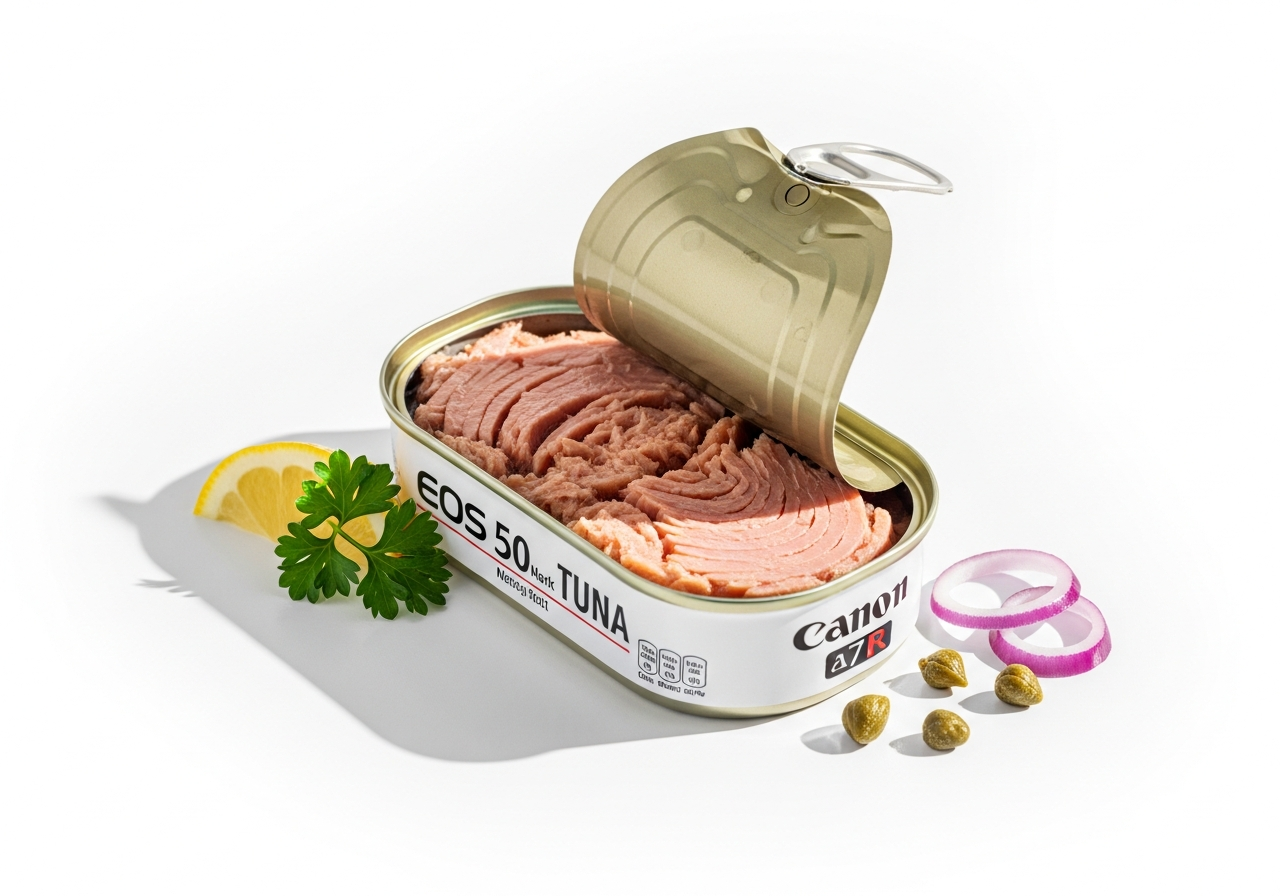
Canned tuna fish, a pantry staple for many, offers a lean protein powerhouse with a favorable macro profile. A typical 100-gram serving of water-packed light tuna contains approximately 115 calories, 25 grams of protein, and less than 1 gram of fat and carbohydrates. This makes it an excellent choice for those focused on weight management and muscle building.
Detailed Nutrition Facts
Understanding the complete nutritional breakdown of canned tuna is crucial for effective macro tracking and informed dietary choices. The macro profile can vary slightly depending on the type of tuna and how it's packed, but generally, canned tuna is celebrated for its lean protein content and minimal fat and carbohydrate presence.
Macros per 100 grams (Water-packed Light Tuna):
- Calories: Approximately 115-130 calories. This calorie count positions canned tuna as a calorie-efficient food, particularly when compared to other protein sources.
- Protein: Around 24-27 grams. This is the star of canned tuna's nutritional profile, making it a significant contributor to daily protein intake.
- Fat: Typically 1-2 grams. This low fat content is a major advantage, especially for individuals on low-fat diets or those looking to minimize their fat intake for specific health goals. The type of fat is primarily unsaturated.
- Carbohydrates: Generally less than 1 gram, often negligible. This means canned tuna has virtually no impact on blood sugar levels, making it suitable for ketogenic diets or individuals managing blood sugar.
Micronutrients:
Beyond the macronutrient breakdown, canned tuna is a good source of several essential micronutrients. It provides notable amounts of:
- Vitamin D: Important for bone health and immune function.
- Selenium: A powerful antioxidant that plays a role in thyroid health and immune response.
- B Vitamins (B12, B6, Niacin): Crucial for energy production, nerve function, and red blood cell formation.
- Phosphorus: Essential for bone and teeth health, as well as energy metabolism.
- Potassium: Helps regulate blood pressure and fluid balance.
Serving Size Considerations:
The standard serving size is often considered to be 3 ounces, which is roughly equivalent to 85 grams. However, most cans contain more than this. When calculating macros, it's important to weigh the drained tuna to get an accurate measurement. A typical 5-ounce can (142 grams) will yield a significantly larger macro count than a 3-ounce serving. Always check the nutrition label on your specific product and adjust your calculations accordingly.
Comparison to Similar Foods:
When comparing canned tuna to other common protein sources:
- Chicken Breast (cooked): Typically around 165 calories, 31 grams of protein, 3.6 grams of fat per 100 grams. Chicken breast offers more protein per gram but also slightly more fat and calories.
- Salmon (canned): Around 190 calories, 20 grams of protein, 12 grams of fat per 100 grams. Canned salmon is higher in fat and calories, but it also contains beneficial omega-3 fatty acids.
- Lentils (cooked): Approximately 116 calories, 9 grams of protein, 0.4 grams of fat, and 20 grams of carbohydrates per 100 grams. Lentils are a plant-based protein source but are significantly higher in carbohydrates and lower in protein compared to tuna.
Canned tuna stands out for its exceptionally low fat and carbohydrate content combined with a high protein density, making it a superior choice for macro-focused diets.
Health Benefits
Canned tuna fish offers a compelling array of health benefits, primarily stemming from its excellent nutritional profile. Its lean protein content and rich micronutrient composition contribute to various physiological functions, making it a valuable addition to a balanced diet.
Primary Benefits:
- Muscle Building and Repair: The high protein content in canned tuna is essential for muscle protein synthesis. Protein provides the amino acid building blocks necessary for repairing muscle tissue after exercise and supporting muscle growth. This makes it a favored food for athletes, bodybuilders, and anyone aiming to increase their muscle mass.
- Weight Management: Canned tuna is a calorie-efficient food, meaning you can consume a substantial volume for relatively few calories. The high protein content also promotes satiety, helping you feel fuller for longer, which can reduce overall calorie intake and aid in weight loss efforts. Its low carbohydrate count also aligns well with many weight loss strategies that aim to control blood sugar and insulin response.
- Heart Health: While not as rich in omega-3 fatty acids as oily fish like salmon, canned tuna still provides some of these beneficial fats, particularly EPA and DHA. Omega-3s are known to support cardiovascular health by helping to reduce inflammation, lower blood pressure, and decrease triglyceride levels.
- Brain Function: The omega-3 fatty acids and B vitamins found in tuna are vital for cognitive function. They play roles in maintaining brain cell structure and communication, potentially supporting memory, concentration, and overall brain health.
- Bone Health: Vitamin D and phosphorus are crucial for maintaining strong bones. Canned tuna provides a good source of both, contributing to bone density and reducing the risk of conditions like osteoporosis.
Who Should Eat This Food:
- Individuals focused on muscle gain: The high protein content is paramount for muscle synthesis.
- People aiming for weight loss: Its low calorie and high satiety properties make it ideal for managing hunger and calorie intake.
- Athletes and active individuals: Essential for recovery and fueling performance.
- Those seeking convenient, lean protein sources: It’s a pantry staple that requires no cooking.
- Individuals looking to improve heart health: Provides some beneficial omega-3 fatty acids and supports blood pressure regulation.
- People managing their carbohydrate intake: Its virtually carb-free nature makes it suitable for low-carb and ketogenic diets.
When to Eat It:
Canned tuna is incredibly versatile and can be incorporated into your diet at any meal.
- Post-Workout: Consuming tuna after exercise provides rapid amino acids for muscle repair and growth.
- Lunch: A quick and easy protein source for sandwiches, salads, or wraps.
- Dinner: Can be a base for healthier pasta dishes, tuna patties, or a side to steamed vegetables.
- Snack: A small portion can satisfy hunger between meals and provide sustained energy without a blood sugar spike.
Given its nutritional advantages, canned tuna is a smart choice for a wide range of dietary goals and lifestyles.
How to Track Macros
Accurate macro tracking is fundamental to achieving specific dietary goals, whether that involves weight loss, muscle gain, or general health maintenance. Canned tuna, with its consistent and beneficial macro profile, can be a cornerstone of such plans.
Portion Measurement Tips:
The most crucial step in tracking canned tuna macros is accurate portion measurement. Cans come in various sizes, and the amount of liquid or oil packed with the tuna can affect the final weight and nutritional content.
- Drain Thoroughly: Always drain the liquid (water or oil) completely. Use a sieve or the lid of the can to press out as much liquid as possible. The remaining tuna is what you'll weigh.
- Weigh Before Cooking: If you are preparing a meal where the tuna is mixed with other ingredients, weigh the drained tuna before you combine it. This ensures you are only accounting for the tuna's macros.
- Use a Kitchen Scale: A reliable digital kitchen scale is your best friend for macro tracking. Place your bowl or plate on the scale, tare it to zero, and then add the drained tuna. Record the weight in grams for precise calculations.
Using Macro Tracking Apps:
Macro tracking apps are designed to simplify this process. Once you have weighed your portion of drained tuna, you can log it into your app.
- Search for the Food: Most apps have extensive databases. Search for "canned tuna." You may need to specify the type (e.g., "light tuna," "albacore tuna") and the packing medium (e.g., "water," "oil").
- Enter the Amount: Crucially, enter the weight of the tuna you consumed in grams. Do not rely solely on generic serving sizes listed by the app unless you have confirmed that it matches your portion. For example, if you weighed 120 grams of drained tuna, enter "120g."
- Review the Macros: The app will then display the exact macro breakdown (calories, protein, fat, carbs) for the amount you entered. This allows you to see how it fits into your daily targets.
Common Serving Sizes:
While you should always weigh your food, understanding common serving sizes can provide context.
- 3 ounces (approx. 85 grams): This is often listed as a standard serving size on nutrition labels and in many tracking apps.
- A typical 5-ounce can (approx. 142 grams): This is a common can size. If you consume the entire drained can, you'll need to input approximately 142 grams into your tracking app.
- Half a can: If you use half of a 5-ounce can, that would be around 71 grams.
By consistently weighing your drained tuna and accurately inputting the amount into a reliable macro tracking app, you can precisely account for its nutritional contribution to your daily intake, ensuring you stay on track with your health and fitness goals.
Meal Ideas & Preparation
The versatility of canned tuna fish makes it an excellent ingredient for a wide range of healthy and macro-friendly meals. Its convenience, requiring no cooking, further enhances its appeal.
Breakfast Ideas:
While less common, tuna can be a protein-rich start to the day.
- Tuna Scramble: Mix drained tuna with eggs before scrambling. Add diced vegetables like onions, peppers, or spinach for extra nutrients and fiber.
- Tuna and Avocado Toast: Mash drained tuna with a small amount of avocado, lemon juice, and a pinch of salt and pepper. Serve on whole-grain toast.
Lunch Ideas:
This is where canned tuna truly shines due to its speed and simplicity.
- Classic Tuna Salad (Lightened Up): Mix drained tuna with Greek yogurt or light mayonnaise, finely chopped celery, onion, and a squeeze of lemon juice. Serve in lettuce wraps, whole-grain bread, or with whole-grain crackers. This version significantly reduces fat and calories compared to traditional tuna salad made with full-fat mayonnaise.
- Tuna Stuffed Bell Peppers: Mix drained tuna with cooked quinoa, chopped vegetables, and a light dressing. Stuff into halved bell peppers and bake until tender.
- Tuna Nicoise Salad: Combine drained tuna with blanched green beans, boiled potatoes, hard-boiled eggs, olives, and a light vinaigrette.
Dinner Ideas:
Canned tuna can be a healthy and satisfying main course or addition to evening meals.
- Tuna Patties/Cakes: Mix drained tuna with an egg, breadcrumbs (or almond flour for a lower carb option), finely chopped vegetables, and seasonings. Pan-fry in a minimal amount of healthy oil until golden brown.
- Tuna Pasta Salad: Combine drained tuna with whole-wheat pasta, chopped vegetables like cucumber, tomatoes, and bell peppers, and a light dressing based on olive oil and lemon juice or Greek yogurt.
- Tuna and White Bean Salad: A hearty salad with drained tuna, cannellini beans, red onion, parsley, and a lemon-olive oil dressing.
Meal Prep Tips:
- Pre-portion: Open cans of tuna, drain them thoroughly, and portion them into individual airtight containers. This makes grabbing a quick protein source for lunches or snacks incredibly easy throughout the week.
- Prepare Mix-ins: Chop vegetables for tuna salad or other preparations ahead of time and store them separately. This keeps them fresh and prevents sogginess.
- Make Batches: Prepare larger batches of tuna patties or tuna pasta salad on the weekend to have ready-to-eat meals for several days.
Cooking Methods That Preserve Nutrients:
Since canned tuna is already cooked during the canning process, the focus is on preparation methods that do not degrade its nutritional value.
- No-Cook Preparations: Salads, sandwiches, and wraps are excellent as they require no further cooking and preserve all nutrients.
- Light Sautéing or Baking: When making tuna patties or casseroles, use minimal healthy oils and moderate cooking temperatures. Overcooking can lead to nutrient loss and a drier product.
- Steaming or Blanching: If incorporating tuna into dishes with other vegetables, gentle steaming or blanching preserves the integrity of both the tuna and the vegetables.
By utilizing these meal ideas and preparation tips, you can easily integrate canned tuna into your diet while maximizing its nutritional benefits and convenience.
For Weight Loss
Canned tuna is an exceptional ally for individuals pursuing weight loss, primarily due to its remarkable ability to support satiety while being incredibly calorie-efficient. Its specific nutritional composition helps manage hunger, preserve muscle mass, and contribute to a consistent calorie deficit, all vital components of successful weight loss.
Why It's Good for Weight Loss:
- High Protein, Low Calories: As previously detailed, canned tuna boasts a high protein-to-calorie ratio. Protein is the most satiating macronutrient, meaning it helps you feel fuller for longer. This reduces the likelihood of overeating or succumbing to unhealthy snacking between meals, which are common pitfalls in weight loss journeys.
- Minimal Carbohydrates: The negligible carbohydrate content in canned tuna means it has virtually no impact on blood sugar levels. This prevents the energy spikes and subsequent crashes that can lead to cravings and increased hunger. For those following low-carbohydrate or ketogenic diets, it's a perfect fit.
- Muscle Preservation: During weight loss, it's crucial to lose fat, not muscle. Adequate protein intake is essential for preserving lean muscle mass. Muscle tissue is metabolically active, meaning it burns calories even at rest. By consuming enough protein from sources like canned tuna, you help your body prioritize fat loss while maintaining your metabolic rate.
- Nutrient Density: Despite its low calorie count, canned tuna is rich in vitamins and minerals, providing essential micronutrients that support overall health during a calorie-restricted diet. This helps prevent nutrient deficiencies that can arise from restrictive eating patterns.
Portion Recommendations:
For weight loss, focus on moderate portions that align with your daily calorie and protein targets.
- 3-4 ounces (approx. 85-115 grams) of drained tuna per serving is typically sufficient to provide a significant protein boost without adding excessive calories.
- Combine this portion with plenty of non-starchy vegetables like leafy greens, broccoli, or bell peppers. These vegetables add volume and fiber to your meal, further enhancing satiety with very few calories.
Pairing Suggestions:
To maximize the weight loss benefits of canned tuna, pair it strategically:
- With Complex Carbohydrates in Moderation: If your diet includes carbohydrates, opt for whole grains like quinoa, brown rice, or whole-wheat bread in controlled portions. This balances your meal and provides sustained energy.
- With Healthy Fats: A small amount of healthy fat, such as avocado, a drizzle of olive oil, or a few nuts, can further enhance satiety and aid in the absorption of fat-soluble vitamins.
- As a Salad Base: Canned tuna mixed with a large bed of mixed greens, cucumber, tomatoes, and a light vinaigrette is a classic, satisfying, and low-calorie meal.
- With Greek Yogurt: Substitute mayonnaise with plain Greek yogurt in tuna salad recipes. Greek yogurt provides additional protein and a creamy texture with fewer calories and less fat.
By strategically incorporating canned tuna into your weight loss plan, you can leverage its powerful nutritional benefits to achieve your goals more effectively and sustainably.
For Muscle Gain
For those dedicated to building muscle mass, canned tuna fish is an indispensable component of a well-structured diet. Its exceptionally high protein content, combined with its lean profile, makes it a powerhouse for muscle protein synthesis and recovery, crucial for hypertrophy.
Protein Content Benefits:
The primary advantage of canned tuna for muscle gain lies in its robust protein content. Protein is composed of amino acids, the fundamental building blocks of muscle tissue. When you consume adequate protein, your body has the necessary resources to:
- Repair Muscle Tissue: Intense exercise, particularly strength training, causes microscopic tears in muscle fibers. Protein consumption triggers the repair process, leading to stronger and larger muscles over time.
- Stimulate Muscle Protein Synthesis (MPS): MPS is the metabolic process responsible for building new muscle protein. Sufficient protein intake, especially around workouts, is a key driver of MPS. Canned tuna delivers a rapid supply of amino acids to support this process.
- Prevent Muscle Breakdown (Catabolism): During periods of calorie deficit or intense training, the body may break down muscle tissue for energy. Adequate protein intake helps to spare muscle, ensuring that energy needs are met through fat stores or dietary carbohydrates instead.
Pre/Post Workout Timing:
The timing of your protein intake can significantly impact muscle gain and recovery.
- Pre-Workout: Consuming canned tuna about 1-2 hours before your workout can provide a steady release of amino acids during your training session. This helps prime your muscles for performance and begins the recovery process. A portion of 3-4 ounces is often suitable.
- Post-Workout: The window following exercise is critical for replenishing muscle glycogen and initiating muscle repair. Consuming canned tuna within 1-2 hours after your workout can provide the essential amino acids needed to kick-start muscle protein synthesis and accelerate recovery. Combining it with a source of carbohydrates can further enhance glycogen replenishment.
Bulking Meal Ideas:
When "bulking" (intentionally consuming a calorie surplus to gain muscle and weight), canned tuna can still play a significant role, especially when combined with other calorie-dense, nutrient-rich foods.
- Tuna and Rice Bowls: Combine drained tuna with brown rice, steamed broccoli, and a sauce made from soy sauce, ginger, and a touch of honey. This provides complex carbohydrates for energy and protein for muscle growth.
- Tuna and Sweet Potato Mash: Mix drained tuna with mashed sweet potatoes and a hint of cinnamon. Sweet potatoes offer complex carbohydrates and vitamins, complementing the protein.
- Tuna Stuffed Avocados: Halve avocados and fill them with a mixture of drained tuna, a small amount of quinoa, and chopped vegetables. Avocado provides healthy fats that contribute to calorie surplus and support hormone production.
- Tuna Omelette/Frittata: For a protein-packed breakfast or post-workout meal, create an omelette or frittata incorporating drained tuna, eggs, cheese, and vegetables.
By strategically integrating canned tuna into your bulking diet, you ensure a consistent and high-quality protein supply to fuel your muscle-building endeavors, supporting both growth and recovery.
Comparisons
Canned tuna, while a nutritional star, exists within a broader landscape of protein sources. Understanding its place relative to similar foods can help you make informed choices for specific dietary needs and preferences.
Canned Tuna vs. Similar Foods:
- Canned Tuna vs. Canned Salmon:
- Macros: Canned salmon generally has higher fat content (around 10-12 grams per 100g) and slightly more calories compared to water-packed light tuna (1-2 grams of fat, 115-130 calories per 100g). Salmon also offers more omega-3 fatty acids.
- Micronutrients: Salmon is richer in vitamin D and omega-3s. Tuna is often higher in selenium and some B vitamins.
- Best For: Tuna is better for very strict low-fat or low-calorie diets. Salmon is excellent for those prioritizing omega-3 intake and vitamin D.
- Canned Tuna vs. Cooked Chicken Breast:
- Macros: Cooked chicken breast is leaner than some tuna varieties (like oil-packed) but typically has a bit more fat (around 3-4 grams per 100g) and slightly fewer calories per gram of protein compared to water-packed tuna.
- Micronutrients: Both are good sources of B vitamins. Chicken is a more significant source of niacin.
- Best For: Both are excellent lean protein choices. Chicken might be preferred for those who need slightly more flexibility in fat intake or enjoy its texture in cooked dishes. Tuna is superior for its convenience and minimal fat.
- Canned Tuna vs. Canned Sardines:
- Macros: Sardines are typically packed in oil and have a higher fat content than water-packed tuna, contributing to more calories. However, this fat is primarily healthy omega-3s.
- Micronutrients: Sardines are exceptionally rich in calcium (from the bones), vitamin D, and omega-3 fatty acids.
- Best For: Sardines are a complete nutrient package, especially for calcium and omega-3s. Tuna is a leaner protein choice with fewer calories.
Best Alternatives:
- Lean Meats: Turkey breast, lean beef cuts.
- Other Fish: Mackerel, cod, haddock (fresh or canned).
- Plant-Based Proteins: Lentils, beans, tofu, tempeh (though these will have higher carbohydrate content).
When to Choose Each:
- Choose Canned Tuna: When you need a quick, convenient, high-protein, low-fat, and low-carbohydrate meal or snack. Ideal for strict macro tracking, weight loss, and busy lifestyles.
- Choose Canned Salmon/Sardines: When you want to boost omega-3 intake, increase vitamin D, and are not as concerned with a slightly higher fat and calorie content. Excellent for heart health and bone density.
- Choose Cooked Chicken Breast: When you have time to cook and want a versatile lean protein source for a wider variety of cooked dishes.
- Choose Plant-Based Proteins: When seeking dietary variety, fiber, and a sustainable protein source that fits vegetarian or vegan lifestyles, while being mindful of the higher carbohydrate content.
Understanding these comparisons allows for a more nuanced approach to dietary planning, ensuring you select the protein source that best aligns with your immediate nutritional goals and culinary preferences.
FAQs
Q1: What are the primary macros in canned tuna?
A: The main macros are protein, fat, and carbohydrates. Canned tuna, particularly light tuna packed in water, is exceptionally high in protein (around 25 grams per 100g), very low in fat (1-2 grams per 100g), and virtually free of carbohydrates (less than 1 gram per 100g).
Q2: How many calories are in a typical can of tuna?
A: A standard 5-ounce (142 grams) can of water-packed light tuna typically contains around 120-150 calories. This can vary slightly based on the specific brand and type of tuna.
Q3: Is oil-packed tuna or water-packed tuna better for macro tracking?
A: Water-packed tuna is generally better for strict macro tracking if your goal is to minimize fat and calorie intake. Oil-packed tuna will contain significantly more fat and calories from the oil. If using oil-packed, it is essential to drain it thoroughly and account for the added oil in your calculations.
Q4: How should I prepare canned tuna to preserve its nutrients?
A: Canned tuna is already cooked, so minimal preparation is needed. For optimal nutrient preservation, opt for no-cook preparations like salads, sandwiches, or wraps. If cooking, use gentle methods like light sautéing or baking at moderate temperatures, avoiding overcooking.
Q5: Can I eat canned tuna every day?
A: For most people, consuming canned tuna a few times a week is safe and beneficial. However, due to mercury concerns in larger predatory fish like albacore tuna, it's advisable to consume it in moderation. Light tuna varieties generally have lower mercury levels. Pregnant women, nursing mothers, and young children should consult with a healthcare professional regarding fish consumption.
Q6: How do I accurately measure canned tuna for macro tracking?
A: The most accurate method is to drain the tuna thoroughly and then weigh the solid portion using a kitchen scale. Measure the weight in grams to input precisely into your macro tracking app. This accounts for variations in can size and liquid content.
Q7: Does draining canned tuna remove all the fat?
A: Draining water-packed tuna effectively removes most of the liquid and minimal fat. Draining oil-packed tuna will remove some, but not all, of the oil. If fat intake is a critical macro, water-packed tuna is the preferred choice for easier macro management.
Track canned tuna fish easily with JustMacros - your free macro tracking app.