Tuna Casserole: Complete Macros & Nutrition Guide
Complete macro and nutrition guide for Tuna Casserole. Learn calories, protein, carbs, fat per serving plus meal ideas and tracking tips.
Table of Contents
- Quick Answer
- Detailed Nutrition Facts
- Health Benefits
- How to Track Macros
- Portion Measurement Tips
- Using Macro Tracking Apps
- Common Serving Sizes
- Meal Ideas & Preparation
- Breakfast, Lunch, Dinner Ideas
- Meal Prep Tips
- Cooking Methods That Preserve Nutrients
- For Weight Loss
- Why It's Good for Weight Loss
- Portion Recommendations
- Pairing Suggestions
- For Muscle Gain
- Protein Content Benefits
- Pre/Post Workout Timing
- Bulking Meal Ideas
- Comparisons
- vs. Similar Foods
- Best Alternatives
- When to Choose Each
- FAQs
- 1. Is tuna casserole a good source of protein?
- 2. How many calories are in a typical serving of tuna casserole?
- 3. Can I eat tuna casserole if I'm trying to lose weight?
- 4. Is tuna casserole high in carbs?
- 5. What are the main micronutrients in tuna casserole?
- 6. How can I make my tuna casserole healthier?
- 7. What's the best way to store and reheat tuna casserole?
Tuna Casserole Macros: Complete Nutrition Guide
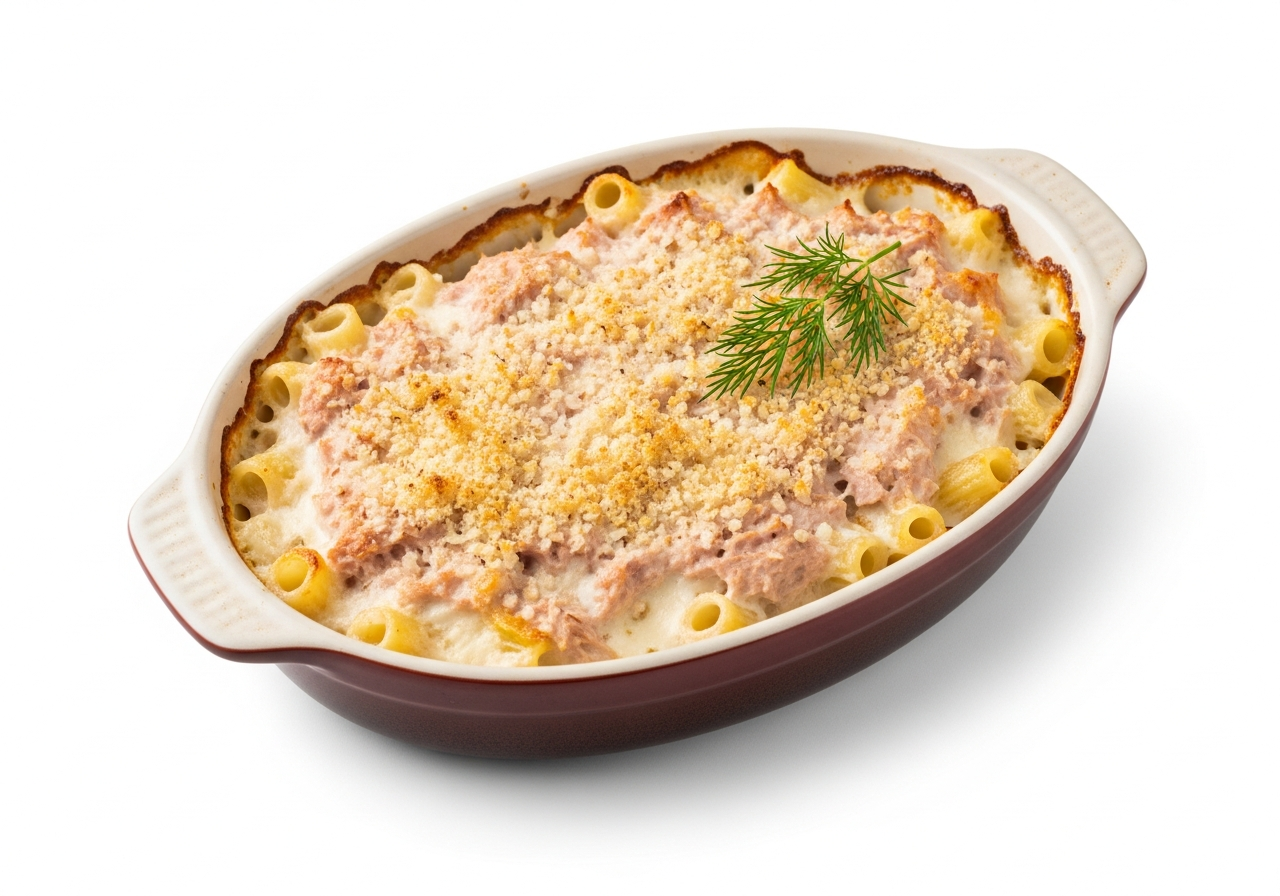
When it comes to comfort food, few dishes evoke as much nostalgia as a classic tuna casserole. This beloved staple, with its creamy texture and hearty ingredients, has graced dinner tables for generations. But beyond its comforting appeal, what does tuna casserole truly offer from a nutritional standpoint? As experts in food macros and nutrition, the JustMacros team is here to break down the complete macro and micronutrient profile of tuna casserole, helping you understand how this versatile dish fits into a balanced, health-conscious lifestyle.
Quick Answer
A typical 100g serving of homemade tuna casserole generally provides approximately 160-200 calories, with a balanced macro split. You can expect around 10-15g of protein, 15-20g of carbohydrates, and 6-10g of fat. This dish is notably a good source of lean protein and essential omega-3 fatty acids from the tuna.
Detailed Nutrition Facts
Tuna casserole, at its core, is a blend of protein, carbohydrates, and fats, with its precise nutritional makeup varying significantly based on the specific recipe and ingredients used. A standard serving, often considered to be about 1 cup (approximately 220-250g), offers a substantial nutrient profile.
Let's dive into the macro breakdown for a general tuna casserole, keeping in mind that these are approximate values for a homemade version that may include pasta, canned tuna, a creamy sauce (often made with condensed soup or a roux with milk), and vegetables like peas or mushrooms.
- Calories: A 1-cup serving can range from 240 to 400 calories. For a 100g portion, this translates to roughly 170-200 calories.
- Protein: This is where tuna casserole truly shines. A 1-cup serving often provides 15-25g of protein, primarily from the tuna. Per 100g, you might find around 10-15g of protein.
- Carbohydrates: Typically, carbohydrates make up a significant portion, largely from the pasta or noodles. A 1-cup serving can contain 25-40g of carbohydrates, with about 15-20g per 100g. This includes dietary fiber, often 1.5-3g per 100g, especially if whole-grain pasta and vegetables are incorporated.
- Fats: The fat content can vary widely depending on the type of tuna (oil-packed vs. water-packed), the creaminess of the sauce (e.g., using full-fat dairy, butter, or mayonnaise), and any cheese or breadcrumb toppings. A 1-cup serving may have 7-15g of fat, translating to 6-10g per 100g. We often see about 2-7g of saturated fat per serving.
Beyond the macros, tuna casserole also delivers crucial micronutrients. Canned tuna itself is a rich source of Vitamin B12, which is vital for nerve function and red blood cell formation, and Vitamin D, important for bone health and immunity. Tuna also provides selenium, a powerful antioxidant. When prepared with milk or cheese, it contributes calcium for bone strength. The addition of vegetables like peas and mushrooms boosts the intake of fiber, Vitamins A, C, and K, and potassium.
Hero Nutrients per 100g of Tuna Casserole (Approximate):
- Protein: 10-15g
- Vitamin B12: Significant
- Omega-3 Fatty Acids: Present (especially from tuna)
- Selenium: Significant
It's important to note that recipes using ingredients like low-fat milk, whole-wheat pasta, and plenty of vegetables can significantly alter these values, typically reducing total calories and saturated fat while increasing fiber and certain vitamins.
Health Benefits
Tuna casserole, when prepared thoughtfully, offers a spectrum of health benefits that make it a valuable addition to a balanced diet.
One of the foremost benefits stems from its high protein content. Tuna is a lean source of high-quality protein, essential for muscle repair, growth, and overall bodily function. This makes it an excellent choice for individuals focused on muscle building, recovery after exercise, or simply increasing satiety to manage appetite.
Furthermore, canned tuna is an impressive source of omega-3 fatty acids, particularly EPA and DHA. These healthy fats are renowned for their anti-inflammatory properties, supporting heart health by helping to lower the risk of heart disease, reducing inflammation, and promoting brain function. The inclusion of vegetables like peas and mushrooms contributes dietary fiber, which aids digestion, promotes gut health, and helps regulate blood sugar levels.
Who should eat this food?
Tuna casserole is particularly beneficial for:
* Active individuals and athletes: The high protein content supports muscle recovery and growth.
* Those seeking a convenient, nutrient-dense meal: It's often quick to prepare and can be made in larger batches for meal prep.
* Individuals looking for affordable protein sources: Canned tuna is a cost-effective way to get quality protein.
* People aiming to increase their omega-3 intake: Tuna is a fantastic dietary source of these essential fatty acids.
When to eat it?
Tuna casserole is a versatile dish suitable for various meal timings. It makes for an excellent:
* Lunch: A satisfying portion can keep you full and energized through the afternoon.
* Dinner: A balanced meal that provides sustained energy and protein for overnight recovery.
* Post-workout meal: If tailored with adequate protein and complex carbohydrates, it can support muscle glycogen replenishment and repair.
While generally healthy, it's worth being mindful of the sodium content, especially if using canned cream soups or highly processed ingredients. We recommend opting for low-sodium alternatives and preparing sauces from scratch to control sodium levels. Also, due to potential mercury concerns with tuna, it's wise to consume it in moderation, varying your protein sources throughout the week.
How to Track Macros
Accurately tracking the macros in tuna casserole is crucial for anyone serious about their nutrition goals, whether for weight loss, muscle gain, or general health. Since homemade recipes vary widely, we recommend careful measurement of individual ingredients.
Portion Measurement Tips
- Measure Ingredients Before Cooking: Before you even begin, weigh or measure each ingredient: dry pasta, canned tuna (drained), milk, butter, cheese, and vegetables. Record these quantities.
- Calculate Total Recipe Macros: Once cooked, divide the total macros of the entire casserole by the number of servings you intend to create. For example, if your recipe yields 8 equal servings, divide the total protein, carbs, and fat by 8.
- Standard Serving Sizes: A common serving size for tuna casserole is 1 cup (approximately 220-250g). If you're scooping, use a measuring cup to ensure consistency. For greater accuracy, weigh your individual serving on a food scale.
- Consider Density: Different ingredients have different densities. A cup of solid tuna will have vastly different macros than a cup of liquid sauce. When measuring the final casserole, aim for a balanced scoop that includes all components.
Using Macro Tracking Apps
Macro tracking apps, like JustMacrosFit, simplify this process significantly.
- Recipe Builder Feature: Most advanced apps have a recipe builder. Input all your ingredients and their exact quantities into the app. The app will then calculate the total macros for the entire dish.
- Serving Size Adjustment: Once your recipe is built, you can specify how many servings your casserole yields. The app will automatically calculate the macros per serving. If you weigh your portion (e.g., 200g), you can often input that specific weight to get an even more precise macro count for your plate.
- Barcode Scanning (for packaged ingredients): For canned soups, pasta, or other packaged items, utilize the app's barcode scanner to quickly import accurate nutrition information.
Common Serving Sizes
- 1 cup (220-250g): This is a frequently cited standard serving, offering a balanced caloric and macro intake for many individuals.
- Smaller portions (e.g., ½ cup): Ideal for those on stricter calorie deficits or as a side dish.
- Larger portions (e.g., 1.5-2 cups): Suitable for individuals with higher energy needs, such as those aiming for muscle gain or very active lifestyles.
By diligently measuring and utilizing the tools available, you can accurately track your tuna casserole intake and ensure it aligns with your dietary objectives.
Meal Ideas & Preparation
Tuna casserole's adaptability makes it a fantastic candidate for various meal ideas and meal prep strategies. Its ability to incorporate a range of ingredients also means we can easily tweak it to suit different nutritional needs and tastes.
Breakfast, Lunch, Dinner Ideas
While traditionally a dinner item, we find that tuna casserole can be repurposed in creative ways:
- Lunch: A classic. Portion out individual servings into meal prep containers. It reheats beautifully and provides a satisfying, protein-rich mid-day meal.
- Dinner: Serve it as a hearty main course. Pair it with a simple side salad or steamed green vegetables for added fiber and micronutrients, creating a well-rounded plate.
- Brunch (Creative Twist): Imagine a deconstructed tuna casserole. Scramble some eggs, mix in leftover tuna casserole components (minus the noodles, perhaps), and serve with a slice of whole-grain toast. It's unconventional but delicious and macro-friendly.
Meal Prep Tips
Tuna casserole is a meal prep superstar. Here's how to maximize its potential:
- Cook in Batches: Prepare a large casserole on the weekend. Once cooled, divide it into single-serving containers. These can be stored in the refrigerator for 3-4 days or frozen for longer.
- Component Prep: Cook your pasta al dente, prepare your creamy sauce, and chop your vegetables in advance. Store them separately and assemble the casserole closer to baking time for optimal freshness.
- Healthy Ingredient Swaps: For meal prep, consider using whole-wheat or protein pasta, unsweetened almond or skim milk for the sauce, and loading up on non-starchy vegetables like broccoli, spinach, or extra peas. Using tuna packed in water rather than oil will also reduce fat content.
- Freezing Instructions: For longer storage (up to 2-3 months), freeze individual portions in airtight, freezer-safe containers. Thaw overnight in the refrigerator before reheating thoroughly in the oven or microwave.
Cooking Methods That Preserve Nutrients
The beauty of a casserole is that it's baked, which is generally a gentle cooking method.
- Baking: The primary cooking method for casserole. Baking at moderate temperatures helps retain many water-soluble vitamins that might be lost in boiling or high-heat frying.
- Steaming Vegetables: If adding fresh vegetables, lightly steam them before incorporating them into the casserole. This ensures they are tender-crisp and retain maximum nutrients, rather than overcooking them in the sauce.
- Minimize Water: When cooking pasta, use just enough water to cook it and don't over-boil. Some nutrients can leach into the cooking water. Using protein-enriched pasta can also boost the overall nutritional value.
- Avoid Overcooking Tuna: Canned tuna is already cooked. Overbaking the casserole can dry out the tuna and potentially diminish some of its delicate omega-3 fatty acids.
By adopting these strategies, we can transform a simple tuna casserole into a highly efficient and nutritious meal prep staple.
For Weight Loss
For those on a weight loss journey, tuna casserole can be an surprisingly effective and satisfying meal, provided we make smart ingredient choices and manage our portions diligently.
Why It's Good for Weight Loss
- High in Protein: The cornerstone of any successful weight loss diet is often adequate protein intake. Tuna casserole, rich in lean protein from tuna, promotes satiety, helping us feel fuller for longer. This reduces the likelihood of overeating and snacking between meals. Protein also has a higher thermic effect, meaning our body expends more energy to digest it.
- Can Be Low in Calories (with modifications): By making strategic swaps, we can significantly reduce the caloric density. Using tuna packed in water, skim or unsweetened almond milk for the sauce, whole-grain pasta, and plenty of non-starchy vegetables helps slash calories without sacrificing volume or flavor.
- Fiber-Rich (with additions): Incorporating ample vegetables like peas, carrots, or green beans, and opting for whole-wheat pasta, boosts the fiber content. Fiber aids digestion and further enhances satiety, contributing to fewer overall calories consumed.
- Convenient Meal Prep: Preparing healthy meals in advance prevents impulsive, unhealthy food choices. Tuna casserole is ideal for batch cooking and portioning, making consistent healthy eating easier throughout the week.
Portion Recommendations
For weight loss, portion control is paramount. While a standard serving might be 1 cup, we recommend tailoring it to your individual caloric and macro goals.
- Start with 1 cup: This is a good baseline for many individuals, typically offering around 240-300 calories with healthy modifications.
- Prioritize Volume: Fill a significant portion of your plate with a side of steamed vegetables or a large green salad. This adds volume and nutrients with minimal calories, helping you feel satisfied.
- Weigh Your Portions: For precise tracking, especially when aiming for a calorie deficit, weigh your cooked casserole on a food scale. This eliminates guesswork.
Pairing Suggestions
To make your tuna casserole a complete and effective weight loss meal, consider these pairings:
- Large Green Salad: A simple salad with a light vinaigrette adds freshness and fiber.
- Steamed Vegetables: Broccoli, green beans, asparagus, or spinach complement the casserole without adding excess calories.
- Fermented Foods: A side of sauerkraut or kimchi can enhance gut health, which is increasingly linked to weight management.
By focusing on lean ingredients, generous vegetable additions, and careful portioning, tuna casserole transforms into a powerful ally for your weight loss journey.
For Muscle Gain
For individuals focused on muscle gain, tuna casserole can be an excellent macro-friendly meal. Its core ingredient, tuna, is a bodybuilding staple for good reason.
Protein Content Benefits
Tuna is celebrated for its incredibly high protein content, which is fundamental for muscle protein synthesis, the process by which your body repairs and builds new muscle tissue.
Tuna: A Muscle-Building Powerhouse
- A 3-ounce (85g) serving of canned tuna can provide around 20-26 grams of lean protein.
- It's rich in essential amino acids, including leucine, a key branched-chain amino acid (BCAA) that directly signals muscle growth.
The combination of tuna with pasta (carbohydrates) provides the energy needed for intense workouts and replenishes glycogen stores post-exercise, which is crucial for recovery and continued performance.
Pre/Post Workout Timing
Tuna casserole can strategically fit into both your pre and post-workout nutrition:
- Pre-Workout (2-3 hours before): A smaller portion of tuna casserole can provide sustained energy from complex carbohydrates and protein, fueling your workout without feeling too heavy. Ensure it's not overly rich in fats right before a session, as fat can slow digestion.
- Post-Workout (within 1-2 hours): This is where tuna casserole truly shines for muscle gain. The ample protein supports immediate muscle repair, while the carbohydrates replenish glycogen. Pairing it with additional fast-digesting carbs (like a piece of fruit) might be beneficial if your workout was particularly intense.
Bulking Meal Ideas
When bulking, the goal is to consume a caloric surplus, focusing on nutrient-dense foods. Here are ways to enhance your tuna casserole for muscle gain:
- Increase Protein: Add an extra can of tuna, or combine tuna with other protein sources like shredded chicken or cottage cheese for an even higher protein punch.
- Boost Healthy Fats: Incorporate healthy fats by using olive oil in your sauce, a sprinkle of full-fat cheese, or a topping of chopped nuts (like pecans or walnuts) for added calories and beneficial fats.
- More Complex Carbs: Don't shy away from whole-wheat pasta or add a side of roasted sweet potatoes or quinoa to increase carbohydrate intake.
- Calorie-Dense Toppings: Consider a generous crust of panko breadcrumbs mixed with a bit of butter, or extra cheese on top, for a delicious caloric boost.
- Creamy Additions: If your macros allow, a slightly richer sauce with whole milk or a touch of Greek yogurt can increase calories and creaminess.
By customizing the ingredient ratios, tuna casserole becomes a powerful, delicious, and convenient tool for achieving your muscle gain objectives.
Comparisons
Understanding how tuna casserole stacks up against similar foods and its best alternatives can help us make informed dietary choices.
vs. Similar Foods
Tuna casserole is often compared to other hearty, pasta-based, or protein-rich casseroles.
- Tuna Casserole vs. Chicken Noodle Casserole: Tuna casserole typically offers a distinct advantage in omega-3 fatty acids due to the tuna. Chicken noodle casserole, while also a good source of protein, usually lacks this specific beneficial fat profile. The calorie and macro distribution can be quite similar, depending on the creaminess of the sauce and type of chicken (breast vs. thigh).
- Tuna Casserole vs. Macaroni and Cheese: Mac and cheese is generally much higher in carbohydrates and saturated fat, and lower in protein, unless fortified with additional protein sources. Tuna casserole offers a more balanced macro profile with its significant protein contribution from tuna.
- Tuna Casserole vs. Tuna Melt Sandwich: A tuna melt typically uses mayonnaise-heavy tuna salad and cheese, served on bread. While protein-rich, it can often be higher in fat and refined carbohydrates from the bread, and potentially less fiber than a casserole with added vegetables and whole-grain pasta.
Best Alternatives
When looking for alternatives that offer similar nutritional benefits or cater to specific dietary needs, we have several options:
- Healthier Tuna Casserole Variations: The best alternative might be a modified tuna casserole itself. Swapping traditional egg noodles for whole-wheat pasta, chickpea, or lentil pasta significantly increases fiber and protein. Using skim milk, plain Greek yogurt, or homemade cream sauces (with less butter/oil) reduces fat and calories. Loading up on vegetables like green beans, mushrooms, or spinach also enhances nutrient density.
- Tuna Salad (lightened up): A classic tuna salad made with Greek yogurt instead of mayonnaise, served in lettuce cups or on whole-grain crackers, provides high protein and omega-3s with fewer calories and carbs.
- Baked Salmon or White Fish with Veggies: For those seeking the omega-3 benefits without the casserole format, baked salmon or other fatty fish served with roasted vegetables offers a nutrient-dense, protein-rich meal.
- Chicken and Vegetable Stir-fry: A lean protein source with a plethora of vegetables, offering high protein, fiber, and diverse micronutrients, with easily controllable macros.
- Legume-based dishes: For a plant-based alternative, a lentil or chickpea "casserole" with similar creamy sauces and vegetables can provide substantial protein and fiber.
When to Choose Each
- Choose Tuna Casserole when: You desire a comforting, balanced, and affordable meal that's easy to batch cook and rich in protein and omega-3s. It's excellent for meal prepping and satisfying a hearty appetite.
- Choose Healthier Tuna Casserole Variations when: You want to enjoy the classic comfort food while optimizing for lower calories, higher fiber, and reduced saturated fat for weight management or overall health.
- Choose Alternatives when: You need a meal that is significantly lower in carbohydrates (e.g., keto tuna casserole with cauliflower rice or zucchini noodles), dairy-free, or if you're looking to diversify your protein and nutrient sources.
By understanding these comparisons, we can strategically incorporate tuna casserole into our diet in a way that aligns perfectly with our individual health and macro goals.
FAQs
We often hear many questions about tuna casserole and its nutritional profile. Here, we address some of the most common inquiries to help you make informed choices.
1. Is tuna casserole a good source of protein?
Absolutely! Tuna casserole, particularly due to the canned tuna, is an excellent source of high-quality, lean protein. A single serving can provide 15-25 grams of protein, essential for muscle repair, growth, and satiety.
2. How many calories are in a typical serving of tuna casserole?
The calorie content varies significantly by recipe. A standard 1-cup (220-250g) serving of homemade tuna casserole can range from 240 to 400 calories. Lighter versions with skim milk, whole-wheat pasta, and more vegetables can be on the lower end, around 250-300 calories.
3. Can I eat tuna casserole if I'm trying to lose weight?
Yes, you can! By making healthy modifications like using tuna packed in water, whole-wheat pasta, low-fat dairy or unsweetened almond milk, and adding plenty of vegetables, tuna casserole can be a satisfying and protein-rich meal that supports weight loss. Portion control is key.
4. Is tuna casserole high in carbs?
Traditional tuna casserole often contains a moderate to high amount of carbohydrates due to the pasta. A 1-cup serving can have 25-40g of carbs. To reduce carbs, consider using higher-protein pasta (like chickpea or lentil pasta), or substitute pasta with vegetables like cauliflower florets, zucchini noodles, or spaghetti squash.
5. What are the main micronutrients in tuna casserole?
Tuna casserole is a good source of several micronutrients. From the tuna, you get essential Omega-3 fatty acids, Vitamin B12, Vitamin D, and Selenium. If made with dairy, it provides Calcium. Added vegetables like peas and mushrooms contribute fiber, Vitamins A, C, and K, and Potassium.
6. How can I make my tuna casserole healthier?
To make it healthier, we recommend several modifications: use whole-wheat or protein-enriched pasta, opt for tuna canned in water, prepare your sauce with skim milk or a plant-based alternative, reduce butter/oil, and significantly increase the amount of non-starchy vegetables (peas, mushrooms, celery, green beans, spinach). You can also use a topping of panko breadcrumbs or crushed whole-grain crackers instead of full-fat cheese or potato chips.
7. What's the best way to store and reheat tuna casserole?
Store leftover tuna casserole in an airtight container in the refrigerator for up to 3-4 days. For longer storage, it can be frozen for 2-3 months. Reheat thoroughly in the oven (covered with foil to prevent drying) or in the microwave until piping hot.
Track Tuna Casserole easily with JustMacrosFit, your free macro tracking app.