Broccoli Cheddar Soup: Complete Macros & Nutrition Guide
Complete macro and nutrition guide for Broccoli Cheddar Soup. Learn calories, protein, carbs, fat per serving plus meal ideas and tracking tips.
Table of Contents
- Quick Answer
- Detailed Nutrition Facts
- Macronutrients
- Micronutrients
- Serving Size Considerations
- Comparison to Similar Foods
- Health Benefits
- Primary Benefits
- Who Should Eat This Food
- When to Eat It
- How to Track Macros
- Portion Measurement Tips
- Using Macro Tracking Apps
- Common Serving Sizes
- Meal Ideas & Preparation
- Breakfast, Lunch, Dinner Ideas
- Meal Prep Tips
- Cooking Methods That Preserve Nutrients
- For Weight Loss
- Why It's Good for Weight Loss (When Modified)
- Portion Recommendations
- Pairing Suggestions
- For Muscle Gain
- Protein Content Benefits
- Pre/Post-Workout Timing
- Bulking Meal Ideas
- Comparisons
- Vs. Similar Foods
- Best Alternatives
- When to Choose Each
- FAQs
- Is broccoli cheddar soup healthy?
- How can I make broccoli cheddar soup healthier?
- Can I freeze broccoli cheddar soup?
- What is a typical serving size of broccoli cheddar soup?
- Does broccoli cheddar soup have a lot of sodium?
- Is broccoli cheddar soup good for weight loss?
- Is broccoli cheddar soup a good source of protein?
Broccoli Cheddar Soup Macros: Complete Nutrition Guide
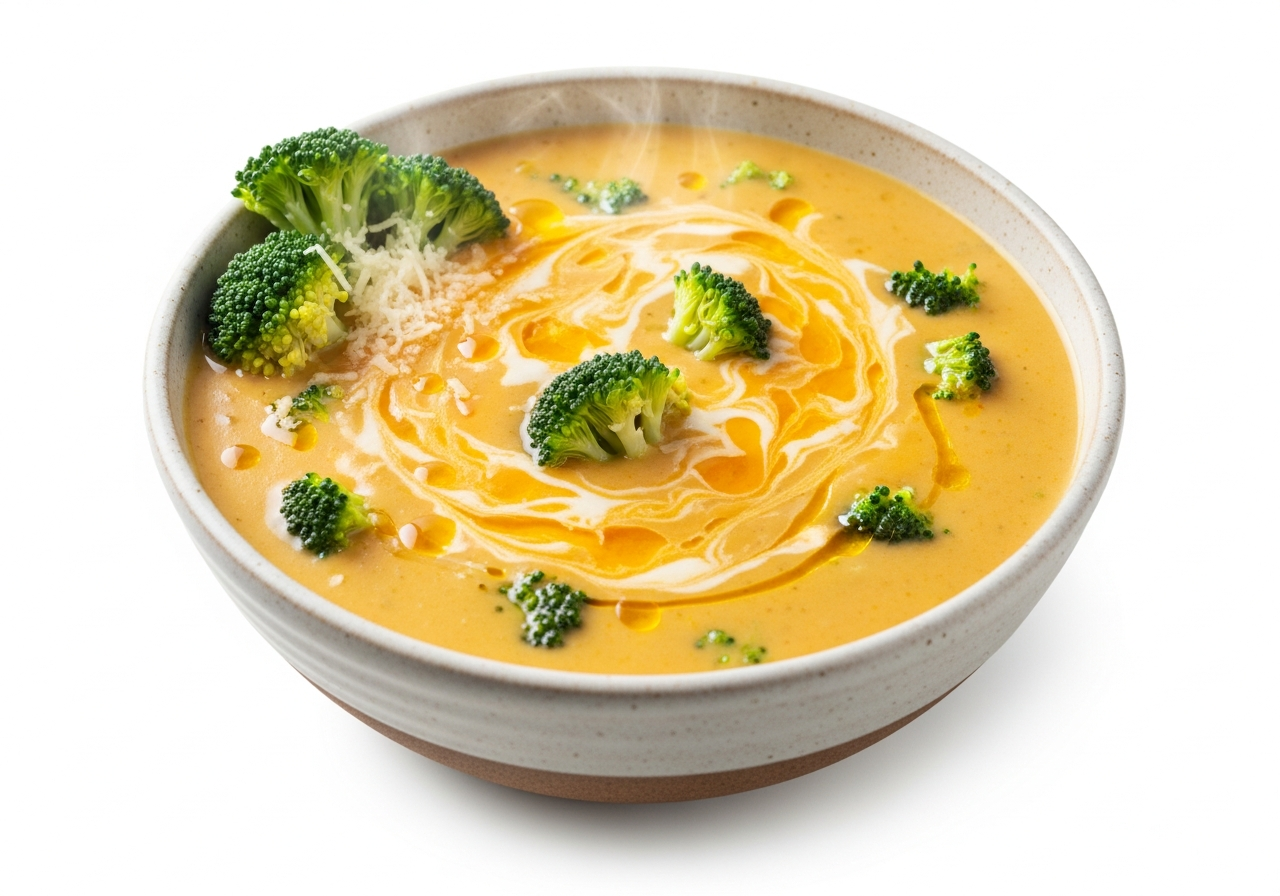
As nutrition experts and seasoned chefs at JustMacrosFit, we understand that balancing comfort with nutritional goals can feel like a culinary tightrope walk. Broccoli cheddar soup, a creamy, savory classic, often falls into the "comfort food" category, leaving many wondering about its true macro and micronutrient profile. Is it a guilty pleasure or a surprisingly beneficial addition to your diet? We're here to break down the comprehensive nutrition facts, health benefits, and strategic ways to incorporate this beloved soup into your macro tracking journey.
Quick Answer
A standard 100g serving of traditional broccoli cheddar soup typically provides around 81 calories, with a macro breakdown of approximately 1.6g protein, 9.7g carbohydrates, and 3.6g fat. This comforting soup is notably rich in Vitamin C, contributing significantly to your daily intake, and offers a good dose of calcium from the cheddar.
Detailed Nutrition Facts
When we delve into the comprehensive nutrition facts of broccoli cheddar soup, it's crucial to acknowledge that the exact values can vary significantly based on ingredients, preparation methods (homemade vs. commercial), and portion sizes. For our analysis, we will consider a standard serving size of approximately 1 cup (240-255g).
Macronutrients
A typical 1-cup (245g) serving of commercial broccoli cheddar soup generally contains:
* Calories: 180-209 kcal (can be higher for restaurant versions, reaching 240-260 kcal).
* Protein: 8-11g. Modified, high-protein recipes can boost this to 20-30g per serving.
* Carbohydrates: 15-18g total carbohydrates. This includes about 2-3g of sugar and 3-4g of dietary fiber.
* Fats: 10-14g total fat, with a notable portion being saturated fat (6-7g). These fats primarily come from the cheese, cream, or butter used in the base.
Micronutrients
Beyond the macros, broccoli cheddar soup can be a surprising source of several vital micronutrients, thanks largely to its namesake ingredients:
Hero Nutrients in Broccoli Cheddar Soup (per 1-cup serving):
* Vitamin C: Often provides a substantial amount, ranging from 80-85mg (89-94% Daily Value).
* Calcium: A significant contributor to bone health, typically supplying 200-275mg (15-21% Daily Value).
* Vitamin A: Around 158mcg (18% Daily Value).
* Potassium: Approximately 234-411mg.
* Zinc: About 8.5mg, with one source indicating 77% of the Daily Value for a 100g serving.
* Iron: While not a primary source, it can contribute around 0-1.3mg.
Serving Size Considerations
Understanding serving sizes is paramount for accurate macro tracking. A "cup" can vary in density and actual weight, affecting total calories and nutrient intake. For example, a 1-cup serving from a restaurant or a pre-packaged commercial soup might be denser and thus higher in calories, fat, and sodium than a homemade, lighter version. We generally consider 1 cup (approximately 240-255g or 8-8.5oz) as a standard reference point for a single serving.
Comparison to Similar Foods
Compared to broth-based soups like vegetable soup or chicken noodle, broccoli cheddar soup is significantly higher in calories, fat, and often sodium due to its creamy base and cheese content. While broth-based soups excel in hydration and lower calorie counts, creamy soups offer a richer texture and can provide a more substantial feeling of satiety. However, homemade versions allow for better control over ingredients, making it possible to reduce fat and sodium while boosting beneficial nutrients.
Health Benefits
Broccoli cheddar soup, especially when prepared thoughtfully, offers several health advantages that go beyond its comforting appeal.
Primary Benefits
- Rich in Vitamins and Minerals: The star ingredient, broccoli, is a powerhouse of essential vitamins and minerals. It's an excellent source of Vitamin C, which is crucial for immune function and skin health. Broccoli also provides Vitamin A, Vitamin K, and some B vitamins. The cheddar cheese contributes significantly to calcium intake, vital for bone density and muscle function.
- Dietary Fiber: Broccoli adds dietary fiber to the soup, which aids in digestion, promotes satiety, and helps regulate blood sugar levels. A single serving can contribute 3-4g of fiber.
- Antioxidant Properties: Broccoli contains various antioxidants and anti-cancer agents that help combat oxidative stress in the body. These compounds support overall cellular health.
- Protein Source: While not typically considered a high-protein meal in its traditional form, the cheese and milk (or broth if meat-based) contribute a moderate amount of protein (8-11g per serving). This protein is important for muscle repair, growth, and general body function. Homemade versions can easily be boosted for higher protein content.
Who Should Eat This Food
Broccoli cheddar soup can be a beneficial food for a wide range of individuals, particularly:
* Those needing to increase vegetable intake: It's an excellent way to incorporate broccoli, especially for children or those who might otherwise shy away from vegetables.
* Individuals focusing on bone health: The high calcium content from the cheddar cheese makes it a good option for supporting strong bones.
* People seeking comfort food with nutritional value: With thoughtful preparation, it can satisfy cravings while still providing essential nutrients.
* Those looking for a moderate protein source: While not as high as a lean protein, it provides a decent amount, especially in fortified recipes.
When to Eat It
Broccoli cheddar soup can fit into various meal timings:
* Lunch or Dinner: A hearty bowl can serve as a satisfying main course, especially when paired with a side salad or whole-grain bread for added fiber and complex carbohydrates.
* Post-Workout Recovery (with modifications): A protein-boosted version can aid muscle repair.
* As a Nutrient-Dense Snack: A smaller portion can be a good way to get in extra vegetables and dairy.
However, due to its potential for high sodium and saturated fat in commercial or restaurant versions, individuals managing blood pressure or cholesterol should exercise caution and opt for homemade or "lighter" prepared options.
How to Track Macros
Accurately tracking the macros of broccoli cheddar soup is key to ensuring it aligns with your dietary goals. Given the variability in recipes, portion control and ingredient awareness are paramount.
Portion Measurement Tips
- Use a Kitchen Scale: The most precise way to measure your soup is by weight (grams). This eliminates discrepancies caused by different bowl sizes or how densely the soup is packed into a measuring cup. If a recipe provides nutrition per gram, use that.
- Standard Measuring Cups: If a scale isn't available, use standard liquid measuring cups. Remember that 1 cup typically equals 8 fluid ounces, but for dense items like soup, the weight can vary. We often reference 1 cup as 240-255g.
- Be Mindful of Garnishes: Toppings like extra cheese, croutons, or bacon bits can quickly add significant calories, fats, and sodium. Track these separately if they are substantial.
Using Macro Tracking Apps
Apps like JustMacrosFit make tracking incredibly straightforward.
1. Search for "Broccoli Cheddar Soup": You'll find numerous entries. Be discerning. Look for options that specify the source (e.g., "Homemade Broccoli Cheddar Soup, low-fat," "Panera Broccoli Cheddar Soup," "USDA Generic Broccoli Cheddar Soup").
2. Log by Weight or Volume: If your homemade recipe is tracked within the app, input the total ingredients and serving sizes for the most accurate custom entry. For commercial products, use the serving size listed on the nutrition label.
3. Adjust for Your Recipe: If you make a homemade version, enter all your ingredients into the app's recipe builder. This gives you precise macros for your specific soup, reflecting any healthy swaps you've made. We always encourage this for optimal accuracy.
Common Serving Sizes
Common serving sizes you'll encounter include:
* 100g: Useful for comparing against other foods or for very small portions.
* 1 cup (approx. 240-255g or 8-8.5 fl oz): This is a widely accepted single serving size for soups.
* Bowl (varies widely): Restaurant "bowls" can often be equivalent to 2-3 standard servings, easily leading to an overconsumption of calories, fat, and sodium. Always ask for nutrition information or estimate conservatively.
Meal Ideas & Preparation
Broccoli cheddar soup's versatility makes it an excellent candidate for various meals throughout the week. As veteran nutrition coaches and chefs, we've found that smart preparation is the secret to maximizing its nutritional benefits.
Breakfast, Lunch, Dinner Ideas
- Hearty Breakfast: While unconventional, a smaller, protein-enhanced serving can kickstart your day, especially if you've added an extra egg or blended cottage cheese.
- Satisfying Lunch: Pair a bowl with a light, leafy green salad with a vinaigrette dressing. The fiber from the salad complements the soup, providing a balanced and filling midday meal. A piece of whole-grain toast can also be a good addition for complex carbohydrates.
- Comforting Dinner: Serve alongside a lean protein source like grilled chicken or baked fish to create a well-rounded meal. For a vegetarian option, a side of quinoa or lentils adds bulk and protein.
Meal Prep Tips
Broccoli cheddar soup is fantastic for meal prepping.
1. Batch Cooking: Make a large batch on the weekend and portion it into individual containers for quick and easy meals throughout the week. It typically keeps well in the refrigerator for up to 3-5 days.
2. Freezing (with caution): While dairy-based soups can sometimes separate upon freezing and reheating, many recipes are designed to freeze well. If freezing, cool completely before transferring to airtight, freezer-safe containers. Reheat gently on the stovetop, stirring frequently, and be prepared to add a splash of milk or broth to restore consistency.
3. Ingredient Prep: Chop all your vegetables (broccoli, carrots, onions, celery) in advance, making the cooking process faster on a busy weeknight.
Cooking Methods That Preserve Nutrients
We champion cooking methods that retain as much nutritional integrity as possible:
* Gentle Simmering: When cooking broccoli, aim for tender-crisp rather than mushy. Overcooking vegetables can diminish their vitamin content, especially water-soluble vitamins like Vitamin C. Simmering for 7-9 minutes is often sufficient.
* Steaming or Blanching Broccoli Separately: Some chefs prefer to steam or blanch broccoli florets separately until just tender, then add them at the very end of the soup-making process. This minimizes nutrient loss from prolonged boiling in the soup base.
* Using Bone Broth: Opting for bone broth as the soup base not only adds depth of flavor but also provides beneficial amino acids and minerals, enhancing the overall nutritional profile.
For Weight Loss
For those on a weight loss journey, broccoli cheddar soup doesn't have to be off the menu. In fact, with a few strategic adjustments, it can be a satisfying and nutrient-dense component of your plan.
Why It's Good for Weight Loss (When Modified)
The key lies in "modified" or "healthier" versions. Traditional recipes, particularly commercial ones, are often calorie-dense due to heavy cream, excessive cheese, and butter. However, a well-crafted broccoli cheddar soup can support weight loss by:
* Providing Satiety: The combination of protein (from cheese and milk/broth) and fiber (from broccoli and other vegetables) helps you feel fuller for longer, reducing the likelihood of overeating later.
* High Nutrient Density: Broccoli is a low-calorie, nutrient-rich vegetable, packing essential vitamins and minerals without a high caloric cost.
* Volume Eating: Modified recipes can be quite voluminous for relatively few calories, which is excellent for satisfying hunger without a large calorie expenditure.
Portion Recommendations
For weight loss, portion control is non-negotiable. Aim for a 1-cup (240-255g) serving, especially if you're enjoying a homemade, lighter version. Be wary of larger restaurant portions, which can quickly exceed your calorie targets. We recommend weighing your portion for accuracy.
Pairing Suggestions
To make broccoli cheddar soup a complete and weight-loss-friendly meal:
* Lean Protein: Serve with grilled chicken, baked salmon, or a hard-boiled egg for an extra protein boost.
* Large Green Salad: A big bowl of mixed greens with a light, oil-free vinaigrette adds volume and fiber without many calories.
* Whole Grains: A small slice of whole-wheat bread or a few whole-grain crackers can add satisfaction and complex carbs. Avoid buttery, high-calorie bread.
* Avoid Creamy Sides: Skip heavy sides like cheesy bread or extra rich dressings to keep the meal light.
The JustMacrosFit team encourages reducing heavy cream, using low-fat milk, opting for sharper cheddar (which provides more flavor with less quantity), and increasing the broccoli content to enhance fiber and nutrient density. Some recipes even utilize blended cottage cheese or pureed cauliflower to create creaminess with less fat and more protein.
For Muscle Gain
While broccoli cheddar soup might not be the first food that comes to mind for muscle gain, it can certainly play a supportive role, especially when strategically modified to boost its protein content and overall energy density.
Protein Content Benefits
Traditional broccoli cheddar soup offers a moderate amount of protein, typically 8-11g per cup. However, for muscle gain, we need more. The protein from the cheese and milk provides a good amino acid profile necessary for muscle repair and synthesis. High-protein variations, incorporating ingredients like blended cottage cheese, protein powder, or additional lean meat, can significantly elevate the protein count to 20-30g per serving, making it a viable option for those looking to build muscle.
Pre/Post-Workout Timing
- Post-Workout: A high-protein, modified broccoli cheddar soup can be an excellent post-workout meal. The protein supports muscle recovery, and the carbohydrates help replenish glycogen stores. Ensure it's not too heavy on fat immediately post-workout, as fat can slow digestion.
- Pre-Workout: If consuming pre-workout, aim for a smaller portion and allow ample digestion time. The creaminess and fat content could otherwise lead to digestive discomfort during exercise. A lighter, broth-based soup might be preferable pre-workout.
Bulking Meal Ideas
When bulking, the goal is to consume a calorie surplus with adequate protein. Broccoli cheddar soup can be adapted to fit this need:
1. Protein Power-Up:
* Add Cooked Chicken or Turkey: Shredded chicken or diced turkey breast stirred into the soup significantly boosts protein.
* Blended Cottage Cheese/Greek Yogurt: Incorporate blended low-fat cottage cheese or plain Greek yogurt for creaminess and a substantial protein hit.
* Protein Powder: Unflavored or savory protein powder (like casein or a multi-purpose blend) can be whisked in at the end to fortify the soup without altering the flavor profile significantly.
2. Increase Calorie Density (Healthy Fats & Carbs):
* Whole Milk/Half-and-Half: While we suggest lighter options for weight loss, whole milk or half-and-half can increase healthy fats and calories for bulking.
* Add Starchy Vegetables: Incorporate diced potatoes, sweet potatoes, or even pureed white beans for additional complex carbohydrates.
* Healthy Toppings: Garnish with toasted nuts, seeds, or a small amount of extra sharp cheddar for more calories and healthy fats.
* Serve with Sides: Pair with a generous serving of whole-grain bread or a side of brown rice to boost overall calorie and carbohydrate intake.
Comparisons
Understanding how broccoli cheddar soup stacks up against other culinary choices is crucial for informed dietary decisions.
Vs. Similar Foods
- Creamy Soups (e.g., Cream of Mushroom, Potato Soup): Broccoli cheddar soup shares many characteristics with other cream-based soups, typically being higher in calories, fat, and sodium than broth-based alternatives. The specific nutrient profile will vary with the main vegetable or protein. Broccoli cheddar, however, often stands out for its high Vitamin C and calcium content.
- Broth-Based Soups (e.g., Chicken Noodle, Vegetable Soup): These soups are generally much lower in calories and fat, and often sodium (if homemade or low-sodium varieties). They are excellent for hydration and light meals. Broccoli cheddar soup, by contrast, offers more satiety and a denser nutrient profile in terms of macros.
- Salads: A large salad can provide abundant fiber, vitamins, and minerals with very few calories. However, a traditional creamy dressing can quickly negate these benefits, making its calorie and fat content comparable to or even exceeding a bowl of soup. Broccoli cheddar soup offers a different texture and warmth that salads cannot replicate.
Best Alternatives
If you're looking to significantly reduce calories, fat, or sodium, consider these alternatives:
1. Broth-Based Vegetable Soups: Options like minestrone, vegetable barley soup, or simple chicken and vegetable soup offer high fiber, numerous micronutrients, and hydration with minimal calories and fat.
2. Pureed Vegetable Soups (without cream): Soups made by pureeing cooked vegetables (like carrot ginger, butternut squash, or tomato soup) using only broth and a splash of milk (or even entirely dairy-free) can achieve a creamy texture without the added fat and calories of traditional cream-based soups.
3. Lighter Broccoli Soups: There are many recipes for broccoli soup that omit cheese or use very little, focusing instead on the broccoli flavor and a lighter broth base.
When to Choose Each
- Choose Broccoli Cheddar Soup when: You crave a comforting, creamy, and satisfying meal. It's an excellent choice when you want to incorporate more vegetables (especially broccoli) and get a good dose of calcium and Vitamin C, provided you're mindful of the portion and ingredient quality (homemade is often best). It can be a great bulking option with protein enhancements.
- Choose Broth-Based Soups when: You need a light, hydrating meal, are managing calorie intake strictly, or want to significantly reduce fat and sodium. They are ideal for appetizers or when recovering from illness.
- Choose Pureed Vegetable Soups (no cream) when: You want the creamy texture and rich flavor of a soup without the dairy or high fat content, often suitable for vegan or lactose-intolerant diets (depending on ingredients).
Ultimately, the choice depends on your individual macro targets, health goals, and taste preferences. The JustMacrosFit team believes in flexible eating, where all foods can fit into a healthy lifestyle with awareness and mindful adjustments.
FAQs
Is broccoli cheddar soup healthy?
Traditional or commercial broccoli cheddar soup can be high in calories, saturated fat, and especially sodium. However, a homemade version, made with reduced fat dairy, less cheese, more broccoli, and low-sodium broth, can be quite healthy, offering significant Vitamin C, calcium, and fiber.
How can I make broccoli cheddar soup healthier?
To make it healthier, use low-fat milk or half-and-half instead of heavy cream, reduce the amount of cheese (or use a sharper, flavorful cheddar), increase the amount of broccoli and other vegetables (like carrots or spinach), use low-sodium broth, and consider thickening with pureed vegetables or a small amount of cornstarch instead of a traditional roux. Adding blended cottage cheese can also boost protein and creaminess.
Can I freeze broccoli cheddar soup?
Yes, you can freeze broccoli cheddar soup. However, dairy-based soups can sometimes separate or become grainy upon thawing and reheating. For best results, freeze in airtight containers after cooling completely. When reheating, do so gently on the stovetop and stir frequently, adding a splash of milk or broth if needed to restore consistency.
What is a typical serving size of broccoli cheddar soup?
A typical serving size is about 1 cup (approximately 240-255 grams or 8-8.5 fluid ounces). Be mindful that restaurant or commercial "bowls" can often be much larger, sometimes equivalent to 2-3 standard servings.
Does broccoli cheddar soup have a lot of sodium?
Yes, many commercial and restaurant versions of broccoli cheddar soup can be very high in sodium, often exceeding 650-900mg per serving, which is a significant portion of the recommended daily limit. If managing sodium intake, we recommend making it at home with low-sodium broth and controlling added salt.
Is broccoli cheddar soup good for weight loss?
With modifications, yes. By reducing high-fat ingredients like heavy cream and excessive cheese, using low-fat dairy, and increasing the broccoli content, you can create a lower-calorie, high-fiber, and protein-rich soup that supports satiety and fits into a weight loss plan. Portion control is essential.
Is broccoli cheddar soup a good source of protein?
Traditional recipes offer a moderate amount of protein (8-11g per cup). However, it can be significantly enhanced to become a great source of protein by adding lean meats (like chicken), incorporating blended cottage cheese, or using protein powder, boosting it to 20-30g per serving for muscle gain and satiety.
Track Broccoli Cheddar Soup easily with JustMacrosFit - your free macro tracking app.