Broccoli Salad: Complete Macros & Nutrition Guide
Complete macro and nutrition guide for Broccoli Salad. Learn calories, protein, carbs, fat per serving plus meal ideas and tracking tips.
Table of Contents
- Broccoli Salad Macros: Complete Nutrition Guide
- Quick Answer
- Detailed Nutrition Facts
- Health Benefits
- Primary Benefits
- Who Should Eat This Food
- When to Eat It
- How to Track Macros
- Portion Measurement Tips
- Using Macro Tracking Apps
- Common Serving Sizes
- Meal Ideas & Preparation
- Breakfast, Lunch, Dinner Ideas
- Meal Prep Tips
- Cooking Methods That Preserve Nutrients
- For Weight Loss
- Why It's Good for Weight Loss
- Portion Recommendations
- Pairing Suggestions
- For Muscle Gain
- Protein Content Benefits
- Pre/Post Workout Timing
- Bulking Meal Ideas
- Comparisons
- vs. Similar Foods
- Best Alternatives
- When to Choose Each
- FAQs
- 1. Is broccoli salad good for you?
- 2. How many calories are in a typical serving of broccoli salad?
- 3. Can I make broccoli salad vegan or dairy-free?
- 4. How long does broccoli salad last in the refrigerator?
- 5. Is raw or lightly cooked broccoli better for broccoli salad?
- 6. How do additions like bacon and dried cranberries impact the macros?
- 7. What is the best way to reduce the sugar content in broccoli salad?
Broccoli Salad Macros: Complete Nutrition Guide
Quick Answer
Broccoli salad offers a delightful blend of crunch and flavor, with its nutritional profile largely dependent on the ingredients and dressing. A typical creamy broccoli salad, per 100g, provides approximately 180-250 calories, 15-20g of fat, 10-15g of carbohydrates (including fiber and sugars), and 3-5g of protein. Its core ingredient, broccoli, is a nutritional powerhouse, making the salad a rich source of vitamins C and K, and dietary fiber.
Detailed Nutrition Facts
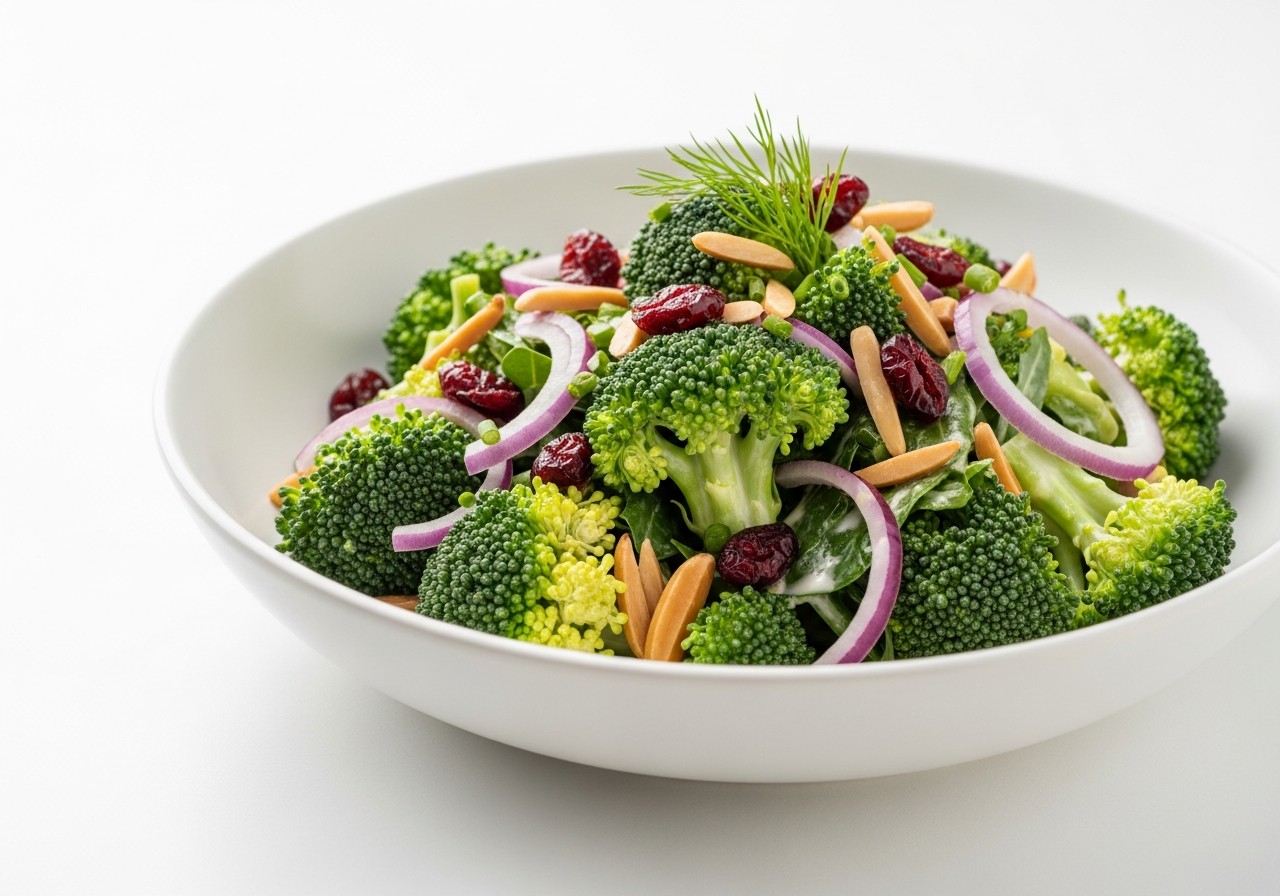
When we delve into the detailed nutrition facts of broccoli salad, it is crucial to understand that recipes vary significantly. A standard creamy broccoli salad often includes raw broccoli florets, sometimes carrots or red onion, dried cranberries, sunflower seeds, and a dressing typically made with mayonnaise, sugar, and vinegar. Some versions might also incorporate bacon or cheese, further altering the macro and micronutrient breakdown.
For a representative 100g serving of a creamy broccoli salad:
* Calories: We generally see around 180-250 kcal. This range reflects the density of ingredients like mayonnaise, dried fruits, nuts, and any added bacon or cheese. Lighter dressings or omission of high-calorie add-ins can significantly reduce this.
* Macronutrients:
* Fat: Expect approximately 15-20g. This is predominantly from the dressing (mayonnaise) and any nuts or seeds. Saturated fat content will vary based on the type of mayo and additions like bacon or cheese.
* Carbohydrates: Typically 10-15g. This includes sugars from dried fruits (like cranberries) and any added sweeteners in the dressing, as well as complex carbohydrates and fiber from the broccoli and other vegetables.
* > Hero Nutrient: Dietary Fiber. A 100g serving often provides 2-3g of fiber, crucial for digestive health and satiety.
* Protein: Around 3-5g. While raw broccoli itself isn't a high-protein food, contributing about 2.6g per 100g, additions like bacon, nuts, seeds, or cheese can increase the overall protein content.
-
Micronutrients: Broccoli salad, particularly due to its star ingredient, is abundant in essential vitamins and minerals.
- Vitamins: It's an excellent source of Vitamin C, supporting immune function and collagen production, often exceeding 50% of the Daily Value per 100g. We also find significant amounts of Vitamin K, vital for blood clotting and bone health, and Vitamin A (from beta-carotene). Folate and some B vitamins are also present.
- Minerals: Key minerals include Potassium, important for blood pressure regulation, Calcium for bone density, and Iron. Magnesium, phosphorus, and zinc are also typically found in moderate amounts.
-
Serving Size Considerations: A "serving" can range anywhere from a half-cup (around 100g) to a full cup or more (150-200g). Since the calorie and macro content can be quite dense, understanding your portion size is critical for accurate macro tracking. We recommend using a food scale for precision, especially if you are closely monitoring your intake.
-
Comparison to Similar Foods: Broccoli salad is often compared to traditional coleslaw. Generally, broccoli salad tends to be a healthier, more nutrient-dense alternative, offering higher levels of vitamin C and fiber, particularly when prepared with a mindful dressing and abundant vegetables. Traditional coleslaw, while also vegetable-based, can sometimes lean heavier on creamy, sugar-laden dressings and may lack the diverse micronutrient profile that broccoli provides.
Health Benefits
The rich nutritional composition of broccoli salad offers a spectrum of health benefits, making it more than just a tasty side dish. We consider it a smart addition to a balanced diet due to its impact on several bodily functions.
Primary Benefits
- Immune System Support: The high content of Vitamin C in broccoli is a powerful antioxidant that helps bolster our immune defenses, protecting cells from oxidative stress and supporting overall immunity.
- Bone Health: Broccoli salad contributes significantly to bone health through its abundance of Vitamin K, which is essential for bone mineralization, and calcium.
- Digestive Wellness: Rich in dietary fiber, this salad promotes healthy digestion, aids in maintaining bowel regularity, and supports a thriving gut microbiome. Fiber also helps regulate blood sugar levels.
- Antioxidant Powerhouse: Broccoli contains numerous antioxidants, including sulforaphane, carotenoids, and flavonoids, which combat free radicals, reduce inflammation, and support cellular health.
- Potential Cancer-Protective Properties: Research suggests that compounds found in broccoli, such as sulforaphane and indole-3-carbinol, may offer protective effects against certain types of cancer by enhancing detoxification processes and inhibiting cancer cell growth.
- Heart Health: Regular consumption of cruciferous vegetables like broccoli may contribute to better heart health by helping to reduce total cholesterol levels and supporting healthy blood vessels.
Who Should Eat This Food
Broccoli salad is an excellent choice for nearly everyone. It's particularly beneficial for individuals looking to:
* Increase their intake of nutrient-dense vegetables.
* Support digestive health.
* Boost their immune system.
* Manage weight due to its fiber content and potential for lower calorie versions.
* Those interested in incorporating more anti-inflammatory and antioxidant-rich foods into their diet.
When to Eat It
Broccoli salad is incredibly versatile. We enjoy it:
* As a refreshing side dish with grilled proteins, sandwiches, or barbecue.
* As a light and satisfying lunch, especially when prepared with a protein boost.
* As part of a meal prep routine, as it often holds up well in the refrigerator (especially if dressing is added just before serving).
* Anytime you desire a crunchy, flavorful, and nutrient-packed addition to your meal.
How to Track Macros
Accurate macro tracking is the cornerstone of achieving your nutritional goals. While delicious, broccoli salad, due to its variable ingredients, requires a bit of attention to log correctly.
Portion Measurement Tips
To ensure precision in your macro tracking, especially with a dish like broccoli salad where density can vary:
1. Use a Digital Kitchen Scale: This is our golden rule for accuracy. Weigh your portion in grams. Many nutrition apps, including JustMacrosFit, allow you to log food by weight, providing the most precise data.
2. Measure by Volume (with caution): If a scale isn't available, use standard measuring cups (e.g., 1/2 cup, 1 cup). However, remember that how tightly you pack the salad can affect the actual weight and thus the nutritional values.
3. Know Your Recipe: If you're making it at home, calculate the total macros for the entire batch. Then, divide by the number of servings or by the total weight to get macros per serving or per 100g. This is the most reliable method for homemade versions.
Using Macro Tracking Apps
Apps like JustMacrosFit are designed to simplify this process. When logging broccoli salad:
* Search for Specific Entries: Look for entries that closely match your recipe (e.g., "creamy broccoli salad with bacon," "healthy broccoli salad").
* Create Custom Entries: If you make your own, create a custom food entry in JustMacrosFit. Input all ingredients and their quantities. The app will then calculate the macros for the entire recipe, and you can easily log portions from there. This allows you to account for every ingredient, from the type of mayonnaise to the amount of dried fruit and nuts.
* Adjust for Add-ins: Be mindful of ingredients like bacon, cheese, or extra dressing, as these can significantly impact the fat and calorie content. Always adjust your log to reflect what you've actually consumed.
Common Serving Sizes
While official serving sizes can vary, a common individual serving for broccoli salad is typically around 1/2 cup to 1 cup (approximately 100g to 200g). Keep in mind that a denser salad with more add-ins will have higher macros per gram than a lighter, vegetable-focused version. For instance, a 100g serving could range from 160 calories for a moderate recipe to 250 calories for a richer one.
Meal Ideas & Preparation
Broccoli salad is a wonderfully versatile dish that can complement a variety of meals or even stand alone as a light option. Its preparation methods can also influence its nutritional integrity.
Breakfast, Lunch, Dinner Ideas
- Lunch: A hearty serving of broccoli salad makes for a satisfying lunch. Pair it with a grilled chicken breast, a hard-boiled egg, or a scoop of cottage cheese for an extra protein boost. We also love it tucked into a whole-wheat pita or wrap.
- Dinner: As a vibrant and flavorful side, broccoli salad pairs perfectly with almost any main course. Consider serving it alongside baked salmon, lean pork chops, or a plant-based lentil loaf. Its crunch and tang provide a great contrast to richer main dishes.
- Breakfast (Unconventional but Possible): While not a traditional breakfast item, a lighter, vinaigrette-based broccoli salad could be a refreshing start to the day, especially if you're looking for a savory, vegetable-heavy meal. We recommend adding some scrambled eggs or a handful of roasted chickpeas for protein.
Meal Prep Tips
Broccoli salad is an excellent candidate for meal prepping, allowing you to enjoy nutritious meals throughout the week.
1. Chop Ahead: Prepare all your vegetables, like broccoli florets, shredded carrots, and diced red onion, in advance. Store them in an airtight container in the refrigerator.
2. Dressing on the Side: This is a crucial tip for maintaining freshness and crunch. Prepare your dressing separately and store it in a sealed jar. Add the dressing just before serving to prevent the salad from becoming soggy.
3. Toppings Stored Separately: Keep crunchy elements like nuts, seeds, and bacon bits separate until serving time to prevent them from becoming soft.
4. Shelf Life: When stored properly (dressing separate), broccoli salad components can last for 3 to 5 days in the refrigerator. Once dressed, we recommend consuming it within 1-2 days for optimal texture.
Cooking Methods That Preserve Nutrients
While many broccoli salad recipes use raw broccoli, some prefer a lightly blanched or steamed version for a softer texture.
* Raw: Eating broccoli raw maximizes the availability of certain heat-sensitive nutrients and enzymes, including sulforaphane, a potent health-promoting compound. Ensure florets are chopped into small, bite-sized pieces for better palatability and easier digestion.
* Light Steaming: If you prefer a slightly softer texture, we suggest light steaming for 3-5 minutes until the broccoli is bright green and tender-crisp. This method helps preserve most of its nutrients, unlike boiling which can leach out water-soluble vitamins.
* Chopping Ahead: An interesting tip for raw or lightly cooked broccoli is to chop it 40 minutes before serving or cooking. This allows certain enzymes to activate and maximize the formation of sulforaphane.
For Weight Loss
Broccoli salad can be a valuable ally in a weight loss journey, provided we make smart choices regarding its ingredients. Its inherent properties align well with calorie management and satiety.
Why It's Good for Weight Loss
- High Fiber Content: The star ingredient, broccoli, is rich in dietary fiber. Fiber is paramount for weight loss as it adds bulk to our meals, promoting feelings of fullness and satiety without adding significant calories. This helps reduce overall calorie intake by curbing overeating.
- Nutrient Density: Broccoli salad, especially when loaded with vegetables, offers a high concentration of vitamins, minerals, and antioxidants for relatively few calories (if kept light). This ensures our bodies receive essential nutrients even when in a calorie deficit, supporting metabolic health.
- Volume Eating: The high water and fiber content means we can consume a larger volume of broccoli salad for fewer calories (compared to more calorie-dense foods), which can be psychologically satisfying during weight loss.
Portion Recommendations
The key to including broccoli salad in a weight loss plan lies in mindful portion control, particularly concerning the dressing and high-calorie add-ins.
* Be Mindful of Dressing: Creamy, mayo-based dressings, while delicious, are often high in fat and sugar, significantly increasing the calorie count. We recommend opting for lighter dressings made with Greek yogurt, olive oil and vinegar, or reduced-fat mayonnaise, or simply using less of a traditional dressing.
* Control Add-ins: Ingredients like dried cranberries, candied nuts, bacon, and cheese can quickly add calories, sugar, and fat. Use them sparingly, or choose lower-sugar dried fruits and unsalted, raw nuts in moderation.
* Target Serving Size: Aim for a 1-cup (approximately 150g) serving as a side dish. As a main meal, a larger portion can be enjoyed, but we advise ensuring the dressing is very light and protein sources are lean.
Pairing Suggestions
To maximize the weight loss benefits, pair your broccoli salad with lean protein sources that contribute to satiety and muscle preservation:
* Grilled chicken breast or turkey slices.
* Baked fish (salmon, cod, tilapia).
* Hard-boiled eggs.
* Tofu or tempeh.
* A side of cottage cheese or Greek yogurt.
By prioritizing vegetables and lean proteins, and being strategic with dressings and high-calorie components, we can harness the power of broccoli salad for effective weight management.
For Muscle Gain
While broccoli salad isn't typically viewed as a primary muscle-building food, it plays a vital supporting role by providing essential micronutrients, fiber, and healthy fats that are crucial for overall health, recovery, and optimizing conditions for muscle growth.
Protein Content Benefits
On its own, broccoli is not a significant source of protein. However, the versatility of broccoli salad allows for the strategic inclusion of protein-rich ingredients to boost its muscle-building potential.
* Enhanced with Additions: When we incorporate ingredients like cooked bacon, shredded cheese, sunflower seeds, almonds, or even diced chicken, the protein content of broccoli salad can increase significantly. For example, a recipe with bacon, cheese, and seeds will offer more protein than a basic vegetable-only version.
* Amino Acid Profile: While plant-based, the combination of broccoli with nuts, seeds, and potentially dairy or meat provides a more complete amino acid profile, supporting muscle repair and synthesis.
Pre/Post Workout Timing
Broccoli salad can fit into both pre and post-workout nutrition, though its exact composition should be adjusted:
* Pre-Workout: A lighter version, perhaps with a vinaigrette dressing and fewer high-fat ingredients, can provide sustained energy from complex carbohydrates and fiber without causing digestive discomfort. The micronutrients are excellent for preparing the body for exertion.
* Post-Workout: After a workout, the body needs protein for repair and carbohydrates to replenish glycogen stores. We recommend pairing a more protein-fortified broccoli salad (with chicken, tuna, or extra seeds) alongside a faster-digesting carbohydrate source if needed, or making the salad itself a more substantial meal with plenty of carbs from dried fruit and a good dressing. The anti-inflammatory compounds in broccoli can also aid in recovery.
Bulking Meal Ideas
When aiming for muscle gain, increasing overall calorie and protein intake is key. Broccoli salad can be integrated into bulking meals by:
* Larger Portions: Don't shy away from larger servings to get a significant nutrient boost.
* Calorie-Dense Additions: Freely include healthy fats and protein sources such as:
* Extra nuts (walnuts, pecans, cashews) and seeds (pumpkin, chia).
* Full-fat cheese or feta.
* Crispy bacon bits (consider quality sources).
* Avocado slices for healthy monounsaturated fats.
* Generous servings of dried cranberries or raisins for added carbohydrates and calories.
* Serving it alongside fattier cuts of meat or in conjunction with other calorie-dense sides like pasta or rice for a complete muscle-gain meal.
By strategically enhancing its components, broccoli salad becomes a robust, nutrient-dense contributor to a muscle gain diet, supporting both performance and recovery.
Comparisons
Understanding how broccoli salad stacks up against similar food choices helps us make informed dietary decisions based on our health and fitness goals.
vs. Similar Foods
- Broccoli Salad vs. Traditional Coleslaw: As "veteran nutrition coaches," we frequently highlight this comparison. Broccoli salad, particularly when focusing on the core ingredients, is generally a more nutrient-dense option than traditional cabbage-based coleslaw. It typically contains higher amounts of vitamins C and K and unique antioxidants due to the broccoli itself. However, the calorie and fat content can be comparable or even higher if a creamy, sugar-rich dressing and abundant high-fat add-ins (like bacon or excessive mayonnaise) are used in either salad. A lighter dressing can make broccoli salad a clear winner for overall health.
- Broccoli Salad vs. Pasta Salad: Pasta salads are often perceived as a "salad" but can be significantly higher in refined carbohydrates and calories, especially those laden with oil, cheese, and processed meats. While they can provide quick energy, they typically offer less fiber and fewer micronutrients per serving compared to a vegetable-rich broccoli salad.
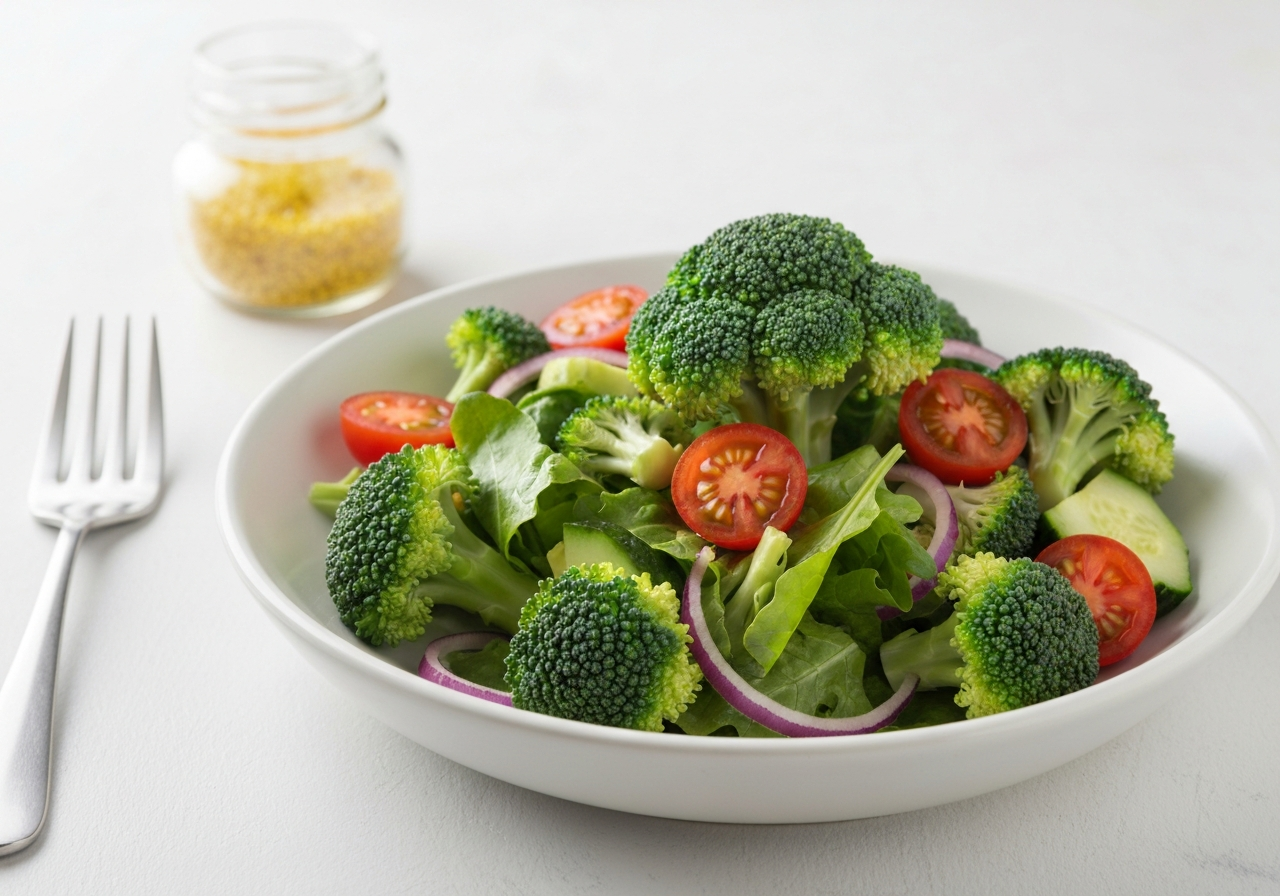
- Broccoli Salad vs. Green Leafy Salads (e.g., Garden Salad): A basic garden salad with lettuce, cucumber, and tomato might be lower in calories and fat (depending on dressing), but broccoli salad generally packs a more potent punch of specific nutrients like Vitamin C, Vitamin K, and unique phytonutrients like sulforaphane.
Best Alternatives
If broccoli salad isn't available or you're looking for variety, we recommend these alternatives:
* Cauliflower Salad: Similar cruciferous benefits, often prepared in similar creamy or vinaigrette styles.
* Kale Salad: Another nutrient-dense leafy green that stands up well to robust dressings and various add-ins.
* Broccoli Slaw: Pre-shredded broccoli stems and carrots, often a base for lighter salads. It's high in fiber and vitamins C and K.
* Mixed Vegetable Salad with Cruciferous Focus: Combine other cruciferous vegetables like shredded Brussels sprouts, red cabbage, and thinly sliced radishes for a similar nutrient profile.
When to Choose Each
- Choose Broccoli Salad: When you're seeking a substantial, crunchy, and highly nutrient-dense side dish or light meal. It's excellent for boosting fiber, vitamin C, and vitamin K intake, and for benefiting from powerful antioxidants. It's also great for meal prep due to its sturdy texture.
- Choose Traditional Coleslaw: When you specifically crave the classic tangy-sweet profile of cabbage, perhaps for a barbecue or specific cultural dishes. Opt for lighter dressings if macros are a concern.
- Choose Pasta Salad: For a heartier, more carb-heavy meal, perhaps as a picnic staple or a side for lighter proteins. Be mindful of portion sizes and ingredients if tracking macros closely.
- Choose Green Leafy Salads: For the lowest calorie and highest volume option, often providing a wide range of diverse micronutrients, especially when topped with a variety of colorful vegetables.
Each salad has its place in a balanced diet, but for a unique blend of texture, flavor, and powerful nutrition, broccoli salad often stands out.
FAQs
As dedicated nutrition experts, we receive many questions about popular dishes. Here are some common inquiries about broccoli salad:
1. Is broccoli salad good for you?
Yes, generally, broccoli salad is very good for you. It's rich in vitamins C and K, dietary fiber, and various antioxidants like sulforaphane, all of which contribute to immune function, bone health, and digestion. However, its healthfulness can greatly depend on the dressing and additional ingredients. Lighter, homemade versions are typically healthier than store-bought options that might contain excessive sugar and unhealthy fats.
2. How many calories are in a typical serving of broccoli salad?
A typical serving of creamy broccoli salad (around 100-150g or 1/2 to 1 cup) can range from 180 to 250 calories, depending on the richness of the dressing and the inclusion of high-calorie ingredients like bacon, cheese, nuts, and dried fruit. Lighter, vinaigrette-based versions with fewer add-ins will have fewer calories.
3. Can I make broccoli salad vegan or dairy-free?
Absolutely! To make broccoli salad vegan or dairy-free, we recommend substituting traditional mayonnaise with a plant-based mayo alternative (e.g., avocado oil or aquafaba-based mayo) and omitting any cheese or bacon. Ensure your dressing doesn't contain hidden dairy. Many recipes use a Greek yogurt base, which can be swapped for a dairy-free yogurt alternative.
4. How long does broccoli salad last in the refrigerator?
When stored properly in an airtight container, especially with the dressing kept separate, fresh broccoli salad components can last for 3 to 5 days in the refrigerator. Once the dressing is mixed in, it's best consumed within 1-2 days to maintain optimal texture and prevent sogginess.
5. Is raw or lightly cooked broccoli better for broccoli salad?
Both raw and lightly cooked broccoli have their merits. Raw broccoli offers maximum nutrient retention, particularly heat-sensitive vitamins and enzymes like sulforaphane. Lightly steaming or blanching the broccoli (for 3-5 minutes until tender-crisp) can make it easier to chew and digest for some, while still preserving most nutrients and enhancing its vibrant color. We suggest choosing based on your texture preference.
6. How do additions like bacon and dried cranberries impact the macros?
Additions significantly impact the macros. Bacon increases protein and fat, especially saturated fat, and also sodium content. Dried cranberries, while offering some fiber, are concentrated sources of sugar and carbohydrates, substantially raising the overall sugar and calorie count of the salad. Nuts and seeds contribute healthy fats, protein, and fiber, but also add calories. It's vital to track these ingredients to accurately understand your total macro intake.
7. What is the best way to reduce the sugar content in broccoli salad?
To reduce sugar, we advise using less or no added sugar in your dressing. Consider natural sweeteners in very small amounts, or opt for savory dressings. Replace high-sugar dried cranberries with fresh berries, chopped apples (in moderation), or other unsweetened dried fruits. Focusing on the natural sweetness of carrots and red onion can also help.
Track Broccoli Salad easily with JustMacrosFit - your free macro tracking app.