Shrimp: Complete Macros & Nutrition Guide
Complete macro and nutrition guide for Shrimp. Learn calories, protein, carbs, fat per serving plus meal ideas and tracking tips.
Table of Contents
- Quick Answer
- Detailed Nutrition Facts
- Serving Size Considerations
- Comparison to Similar Foods
- Health Benefits
- Primary Benefits
- Who Should Eat This Food
- When to Eat It
- How to Track Macros
- Portion Measurement Tips
- Using Macro Tracking Apps
- Common Serving Sizes
- Meal Ideas & Preparation
- Breakfast, Lunch, Dinner Ideas
- Meal Prep Tips
- Cooking Methods That Preserve Nutrients
- For Weight Loss
- Why It's Good for Weight Loss
- Portion Recommendations
- Pairing Suggestions
- For Muscle Gain
- Protein Content Benefits
- Pre/Post Workout Timing
- Bulking Meal Ideas
- Comparisons
- vs. Similar Foods
- Best Alternatives
- When to Choose Each
- FAQs
- Q1: Is shrimp high in cholesterol?
- Q2: How many calories are in 100g of cooked shrimp?
- Q3: Can shrimp help with weight loss?
- Q4: Is shrimp good for building muscle?
- Q5: What's the best way to cook shrimp to keep it healthy?
- Q6: How should I store cooked shrimp?
- Q7: Does shrimp contain omega-3 fatty acids?
Shrimp Macros: Complete Nutrition Guide
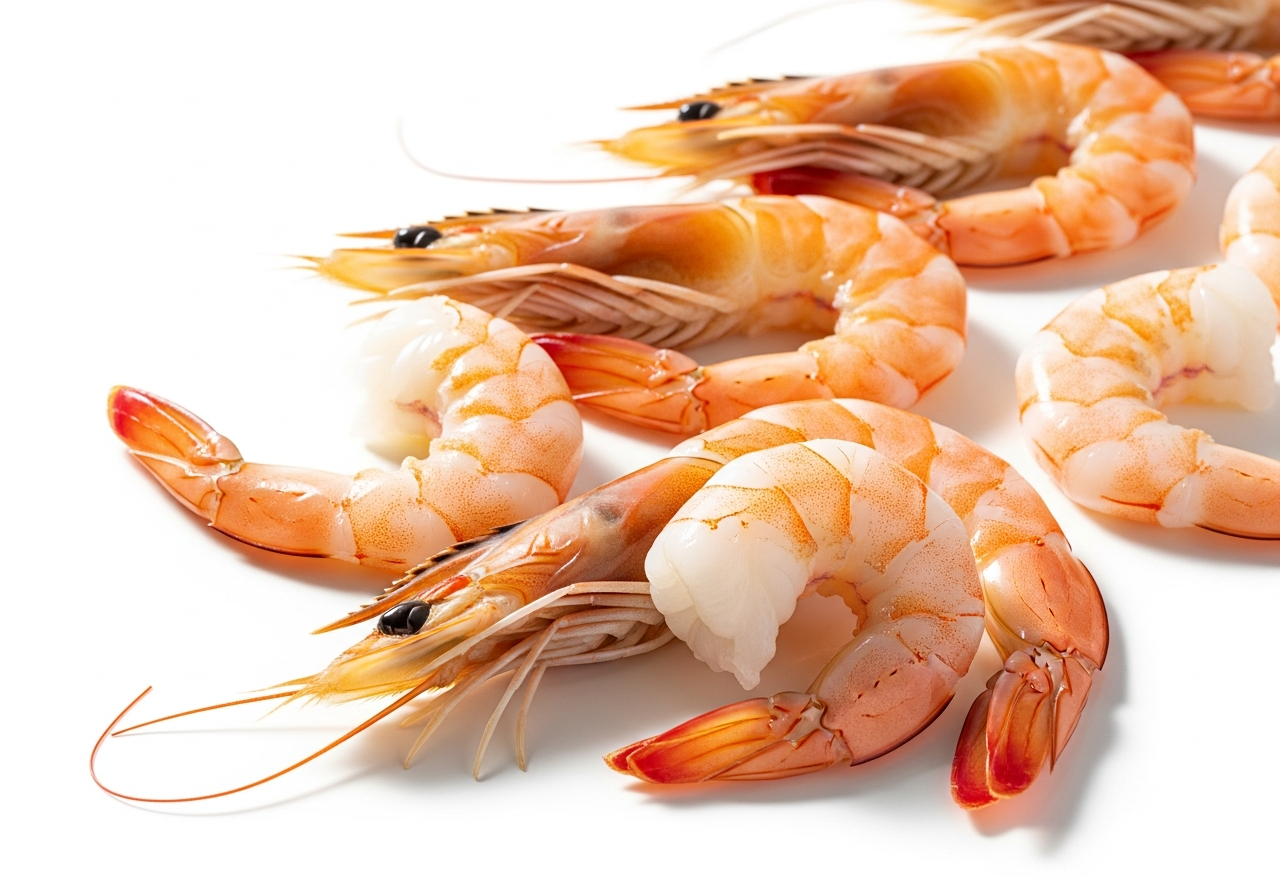
As nutrition experts and seasoned chefs at JustMacrosFit, we often field questions about the nutritional powerhouse that is shrimp. It's a protein-packed seafood choice that offers a wealth of benefits, whether your goals are weight loss, muscle gain, or simply maintaining a healthy, balanced diet. We're here to dive deep into the world of shrimp macros and nutrition, giving you all the data and practical advice you need to incorporate this versatile ingredient into your eating plan.
Quick Answer
Shrimp is an exceptionally lean protein source. A 100g serving of cooked shrimp typically provides approximately 99 calories, 24 grams of protein, and less than 1 gram of fat and carbohydrates. Its low calorie count coupled with its high protein makes it a standout choice for those focused on their macros and overall health.
Detailed Nutrition Facts
When we analyze the full nutritional profile of shrimp, its impressive density of both macronutrients and micronutrients becomes clear.
A 100g serving of cooked shrimp offers:
* Calories: Approximately 99 calories.
* Protein: Around 24 grams.
* Fat: Very low, typically about 0.28 to 0.3 grams. This includes minimal saturated fat and beneficial omega-3 fatty acids.
* Carbohydrates: Negligible, roughly 0.2 grams. This means virtually no sugar or fiber.
Hero Nutrients: Protein and Micronutrient Density
Shrimp stands out for its high protein content relative to its calorie count, providing roughly 24g of protein for just 99 calories per 100g. This makes it an ideal food for satiety and muscle maintenance. Beyond macros, shrimp is a treasure trove of essential micronutrients. It's an excellent source of selenium, an important antioxidant. It also provides significant amounts of Vitamin B12, phosphorus, copper, and iodine, all crucial for various bodily functions including energy metabolism, thyroid health, and immune support.
For example, a 100g serving of cooked shrimp contains approximately:
* Selenium: Contributes to antioxidant defense and immune function.
* Vitamin B12: Essential for nerve function and red blood cell formation.
* Phosphorus: Important for bone health and energy metabolism.
* Iodine: Crucial for healthy thyroid function and metabolism.
* Copper: Supports red blood cell health and cellular function.
* Zinc: Vital for immune function and cell growth.
* Choline: Important for heart and brain health.
* Magnesium: Supports blood pressure and bone health.
* Iron: Aids in red blood cell health.
* Potassium: Helps regulate blood pressure.
While shrimp is known for its cholesterol content (around 189 mg per 100g), current research suggests that dietary cholesterol has less impact on blood cholesterol levels for most healthy individuals compared to saturated and trans fats. Given its low saturated fat content, shrimp can generally be part of a heart-healthy diet.
Serving Size Considerations
A common serving size for shrimp is 3 ounces, which is roughly 85 grams. This portion would yield slightly fewer calories and macros than the 100g benchmark we use. For example, a 3-ounce (85g) serving provides about 84 calories and 20.4g of protein.
Comparison to Similar Foods
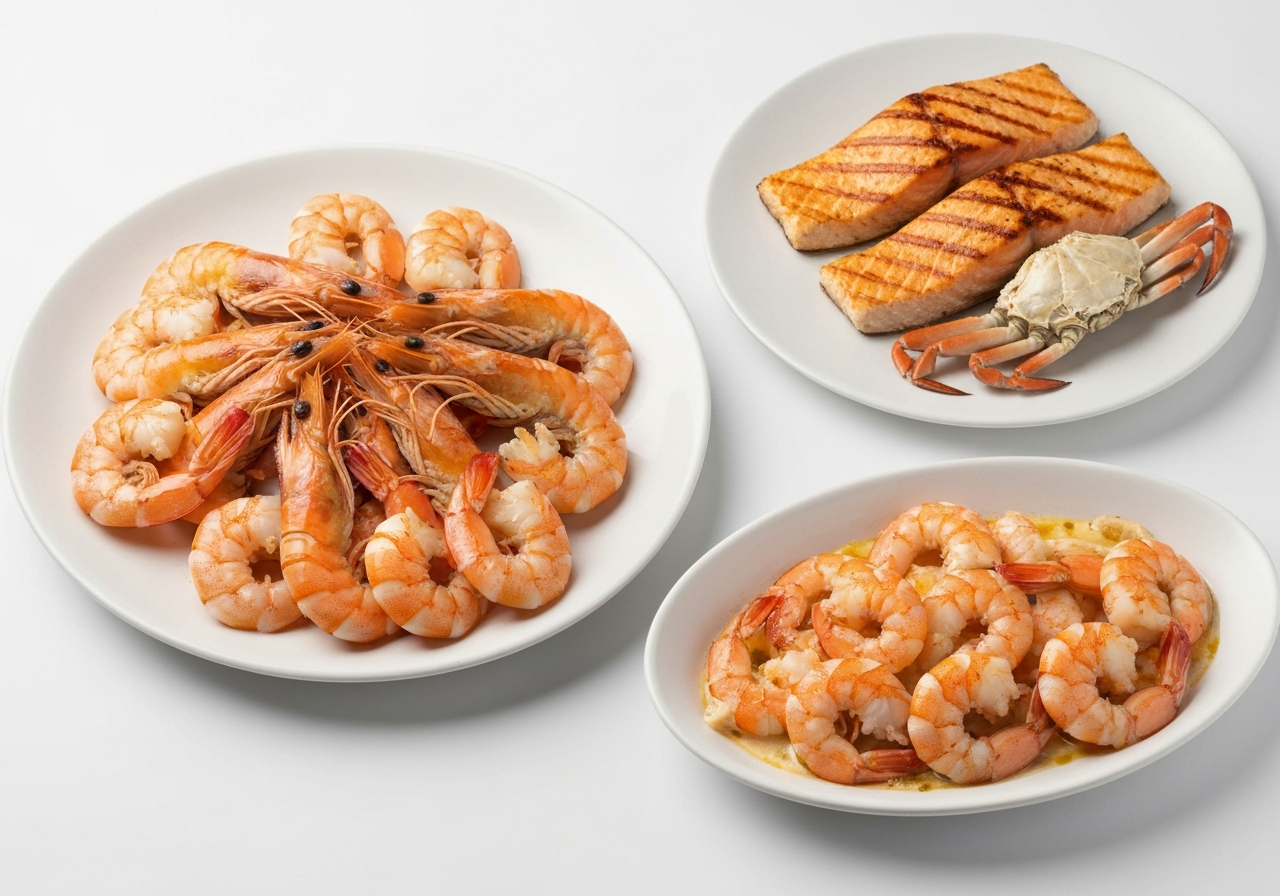
When we compare shrimp to other popular protein sources (per 100g cooked):
- Chicken Breast (skinless): Approximately 165 calories, 31g protein, 3.6g fat, 0g carbs.
- Cod: Around 105 calories, 23g protein, 0.86g fat, 0g carbs. (Note: Some sources indicate 100 calories, 12.4g protein, 2.9g fat, 5.3g carbs.)
- Salmon (Atlantic, farmed): Approximately 239 calories, 29.5g protein, 18.7g fat, 0g carbs.
Shrimp offers a similar protein punch to cod, with even lower fat content, making it an incredibly lean choice. It's significantly lower in calories and fat than salmon, and slightly lower in calories and higher in protein density than chicken breast, making it a competitive option for lean protein.
Health Benefits
The advantages of including shrimp in your diet extend far beyond just its favorable macro profile. As a team dedicated to holistic nutrition, we emphasize that quality protein and essential micronutrients are foundational to good health.
Primary Benefits
- Muscle Building and Repair: With its high protein content and complete amino acid profile, shrimp provides the necessary building blocks for muscle growth and repair. It's rich in leucine, an amino acid crucial for optimal muscle growth.
- Weight Management: Shrimp is low in calories and high in protein, which promotes satiety and can help reduce overall calorie intake. This makes it an excellent food for those looking to manage or lose weight.
- Thyroid Health: Shrimp is one of the best food sources of iodine, a critical mineral for proper thyroid function, which regulates metabolism and energy levels. It also contains selenium, another mineral important for thyroid health.
- Heart Health: Despite its cholesterol content, shrimp is low in saturated fat and contains beneficial omega-3 fatty acids (EPA and DHA), which can help reduce plaque buildup in arteries and lower the risk of heart disease. It also provides phosphorus and potassium, which help regulate blood pressure.
- Brain Health: Omega-3 fatty acids, choline, and astaxanthin in shrimp contribute to brain function and may offer neuroprotective effects.
- Antioxidant Power: Shrimp contains astaxanthin, a powerful antioxidant that protects cells from damage and may contribute to skin health and reduced inflammation. Selenium also acts as a robust antioxidant.
Who Should Eat This Food
Shrimp is a beneficial food for almost everyone. It is particularly valuable for:
* Athletes and fitness enthusiasts: For muscle repair and growth due to its high protein.
* Individuals on weight loss journeys: Its high protein and low-calorie nature promote fullness.
* Those looking to support thyroid function: Due to its rich iodine and selenium content.
* People seeking heart-healthy protein options: Given its lean profile and omega-3 content.
* Pregnant individuals: Shrimp is generally a safe seafood choice during pregnancy due to its low mercury content, and it provides vital nutrients like iron, B12, calcium, zinc, choline, and protein essential for fetal development.
When to Eat It
Shrimp's quick cooking time and lean profile make it suitable for any meal.
* Breakfast: Shrimp and grits, shrimp scrambles.
* Lunch: Salad topper, in wraps or light stir-fries.
* Dinner: As the main protein in stir-fries, pasta dishes, tacos, or grilled with vegetables.
* Snacks: Cooked shrimp can be a quick, high-protein snack.
How to Track Macros
Accurate macro tracking is fundamental to achieving your dietary goals, and shrimp is relatively easy to track due to its consistent nutritional profile.
Portion Measurement Tips
For precision, we recommend using a kitchen scale to weigh your cooked shrimp. A standard serving of cooked shrimp for macro tracking purposes is often 100 grams (approximately 3.5 ounces). Keep in mind that raw shrimp will weigh more than cooked shrimp, as water evaporates during cooking.
- Visual cues: While less precise, visual cues can help. A 3-ounce serving of cooked shrimp is roughly the size of a deck of cards or the palm of your hand.
- Count: For pre-portioned shrimp, some apps or packaging might provide estimates per shrimp (e.g., a "large" shrimp). However, size can vary greatly, so weighing is always best.
Using Macro Tracking Apps
Apps like JustMacrosFit make tracking shrimp simple. You can:
1. Search "shrimp, cooked": Our comprehensive database will provide detailed macro breakdowns.
2. Specify quantity: Enter your exact weight in grams or ounces for precise tracking.
3. Scan barcodes: For packaged shrimp, if available, scanning the barcode will pull up the specific nutrition facts for that product.
Common Serving Sizes
- Small meal/snack: 50-75g (approximately 12-18 medium shrimp)
- Standard meal: 100-150g (approximately 24-36 medium shrimp)
- High protein meal: 200g+ (48+ medium shrimp)
Always adjust serving sizes to fit your individual calorie and macro targets.
Meal Ideas & Preparation
Shrimp's delicate flavor and rapid cooking time make it a culinary dream for healthy meal creation. As chefs, we appreciate its versatility in absorbing different flavors without overwhelming a dish.
Breakfast, Lunch, Dinner Ideas
- Breakfast:
- Shrimp and Avocado Toast: Sautéed shrimp seasoned with a pinch of chili flakes, served atop whole-grain toast with mashed avocado.
- Shrimp Scramble: Diced shrimp folded into an egg scramble with spinach and a sprinkle of feta.
- Lunch:
- Shrimp Power Bowl: Grilled shrimp over a bed of mixed greens, quinoa, roasted vegetables, and a light vinaigrette.
- Shrimp Lettuce Wraps: Sautéed shrimp with Asian-inspired flavors, served in crisp lettuce cups.
- Dinner:
- Garlic Herb Shrimp Pasta: Whole wheat or lentil pasta tossed with quick-sautéed garlic shrimp, cherry tomatoes, and fresh herbs.
- Shrimp Stir-Fry: A vibrant mix of shrimp and colorful vegetables, quickly cooked in a light soy or tamari-based sauce with brown rice or cauliflower rice.
- Baked Lemon Pepper Shrimp: Shrimp baked with lemon slices, black pepper, and a touch of olive oil, paired with roasted asparagus.
Meal Prep Tips
Shrimp is fantastic for meal prep, but it's crucial not to overcook it initially, as it can become rubbery when reheated.
1. Cook just until opaque: Cook your shrimp until it just turns pink and opaque, then immediately remove it from the heat.
2. Cool quickly: Spread cooked shrimp on a baking sheet to cool rapidly, preventing further cooking.
3. Store separately: If preparing a meal with multiple components, store cooked shrimp in an airtight container separately from other ingredients to maintain texture.
4. Marinade ahead: Marinate raw shrimp for up to 24 hours to infuse flavor, then cook just before serving or as part of your meal prep.
Cooking Methods That Preserve Nutrients
To maximize shrimp's nutritional value and keep its macros lean, focus on cooking methods that use minimal added fats.
- Grilling: Excellent for a smoky flavor and very little added fat.
- Steaming/Boiling: Pure and simple, these methods add no extra fat.
- Sautéing: Use a small amount of healthy oil (like olive or avocado oil) and cook quickly over medium-high heat.
- Air Frying: Achieve a crispy texture with minimal oil, similar to deep frying but much healthier.
- Baking: A hands-off method that works well for larger batches, often with lemon and herbs.
Avoid deep-frying or drowning shrimp in heavy, creamy sauces, as these will significantly increase the calorie and fat content, potentially undermining your macro goals.
For Weight Loss
For individuals aiming to shed pounds, shrimp is a true dietary ally. Its unique macro profile directly supports effective and sustainable weight loss.
Why It's Good for Weight Loss
- High Protein, Low Calorie: We've highlighted that shrimp delivers a substantial protein punch for very few calories. This is the golden ticket for weight loss: protein is highly satiating, meaning it keeps you feeling fuller for longer, reducing the likelihood of overeating or snacking on unhealthy options.
- Minimal Fat and Carbs: The virtually non-existent carbohydrate and very low-fat content in plain shrimp means you get nearly pure protein without excess calories from other macronutrients. This leaves more room in your daily macro budget for nutrient-dense complex carbohydrates and healthy fats from other sources.
- Metabolism Support: A higher protein intake can also slightly boost your metabolic rate through the thermic effect of food (TEF), as protein requires more energy to digest than fats or carbohydrates. Additionally, protein helps preserve lean muscle mass during calorie deficits, which is crucial for maintaining a healthy metabolism.
- Versatility: Its ability to blend into countless healthy recipes prevents dietary boredom, a common pitfall in weight loss efforts.
Portion Recommendations
For weight loss, a typical serving size of cooked shrimp can range from 100g to 150g per meal, depending on your individual calorie goals and overall daily macro targets. It’s always best to consult your specific meal plan or macro tracking app for personalized recommendations.
Pairing Suggestions
To create balanced, weight-loss-friendly meals with shrimp, consider these pairings:
* Fiber-Rich Vegetables: Broccoli, asparagus, bell peppers, zucchini, green beans, or a large mixed green salad. Fiber adds bulk and satiety without many calories.
* Complex Carbohydrates (in moderation): Small portions of quinoa, brown rice, sweet potato, or whole-grain pasta. These provide sustained energy and essential nutrients.
* Healthy Fats (sparingly): A drizzle of olive oil, a few slices of avocado, or a small sprinkle of nuts or seeds can add flavor and healthy fats without overdoing calories.
* Light Sauces/Seasonings: Lemon juice, fresh herbs, garlic, spices, vinegar-based dressings, or a homemade salsa.
For Muscle Gain
For those dedicated to building lean muscle mass, shrimp should be a regular feature in your diet. Its protein quality and overall nutritional composition are highly favorable for anabolic processes.
Protein Content Benefits
Shrimp is a complete protein, meaning it contains all nine essential amino acids that your body cannot produce on its own. These amino acids are vital for muscle protein synthesis, the process by which your body builds and repairs muscle tissue. The high concentration of protein per serving, particularly amino acids like leucine, directly supports muscle growth. Furthermore, shrimp is a lean protein, allowing you to consume ample amounts of protein without significantly increasing your fat intake, which is beneficial for managing body composition during bulking or cutting phases.
Pre/Post Workout Timing
- Pre-Workout: While generally not ideal right before an intense workout due to its texture, a smaller portion of shrimp (e.g., 50-75g) consumed 2-3 hours before training as part of a balanced meal can provide sustained amino acid delivery. Pair it with a complex carbohydrate source for energy.
- Post-Workout: This is where shrimp truly shines. The rapid digestibility of its protein makes it an excellent choice for post-workout recovery meals. Consuming 100-150g of cooked shrimp within an hour or two after training can help kickstart muscle repair and glycogen replenishment when paired with a quick-digesting carbohydrate.
Bulking Meal Ideas
When bulking, the goal is to consume a calorie surplus, ensuring adequate protein for muscle growth. Shrimp can contribute significantly to this without excessive saturated fats.
- Shrimp and Rice Bowl with Peanut Sauce: Generous serving of shrimp with brown rice, a mix of steamed vegetables, and a homemade peanut sauce (using natural peanut butter, soy sauce, ginger, and a touch of honey).
- Spicy Shrimp and Quinoa Salad: Large portions of grilled shrimp, quinoa, black beans, corn, avocado, and a zesty lime vinaigrette.
- Creamy Shrimp Pasta (Protein-Boosted): Whole wheat pasta, a large serving of shrimp, and a lightened-up creamy sauce made with Greek yogurt or a small amount of cream, lots of vegetables, and herbs.
- Shrimp and Sweet Potato Hash: Sautéed shrimp with diced sweet potatoes, bell peppers, and onions, topped with a fried egg for extra protein and healthy fats.
Comparisons
Understanding how shrimp stacks up against other popular protein sources helps us make informed dietary choices for specific goals.
vs. Similar Foods
- Shrimp vs. Chicken Breast: Shrimp (99 kcal, 24g protein, 0.3g fat per 100g) is slightly lower in calories and fat than cooked chicken breast (165 kcal, 31g protein, 3.6g fat per 100g). Both are excellent lean protein sources, but shrimp offers a unique micronutrient profile including higher levels of iodine and selenium.
- Shrimp vs. Cod: These two are very similar in their lean profile. Cooked cod offers about 105 calories, 23g protein, and 0.86g fat per 100g. Shrimp edges out cod slightly in protein density per calorie and boasts more selenium and astaxanthin.
- Shrimp vs. Salmon: Salmon (239 kcal, 29.5g protein, 18.7g fat per 100g) is significantly higher in calories and fat due to its rich omega-3 content. While salmon is fantastic for healthy fats, shrimp is the clear winner for a lower-calorie, lower-fat protein source when those macros are prioritized.
Best Alternatives
If shrimp isn't available or doesn't suit your preference, consider these alternatives that offer similar nutritional benefits:
* Other Lean Fish: Cod, tilapia, haddock, or pollock are excellent low-calorie, high-protein fish options.
* Chicken Breast/Turkey Breast: Skinless poultry is a reliable, versatile lean protein.
* Egg Whites: Nearly pure protein with almost no fat or carbs.
* Tofu/Tempeh: Plant-based options that are also good sources of protein, though their macro profiles will differ (more carbs/fats depending on preparation).
When to Choose Each
- Choose Shrimp when: You need a very lean, high-protein option for minimal calories, are looking for a quick-cooking protein, or want to boost your intake of iodine, selenium, and astaxanthin. It's excellent for weight loss, muscle maintenance, and general healthy eating.
- Choose Chicken Breast when: You need a slightly more substantial protein source with a bit more satiety, or for a more budget-friendly option.
- Choose Cod when: You're seeking a very lean white fish similar to shrimp, offering a delicate flavor.
- Choose Salmon when: Your focus is on boosting omega-3 fatty acids and you have room for more healthy fats in your macros.
FAQs
Q1: Is shrimp high in cholesterol?
Yes, shrimp is relatively high in dietary cholesterol (around 189 mg per 100g). However, for most healthy individuals, dietary cholesterol has a minimal impact on blood cholesterol levels, especially when compared to saturated and trans fats. Shrimp is low in saturated fat, making it generally heart-healthy.
Q2: How many calories are in 100g of cooked shrimp?
A 100g serving of cooked shrimp contains approximately 99 calories.
Q3: Can shrimp help with weight loss?
Absolutely. Shrimp is an excellent food for weight loss due to its high protein and very low calorie content. The protein promotes satiety, helping you feel full and reduce overall calorie intake.
Q4: Is shrimp good for building muscle?
Yes, shrimp is nearly pure protein and an excellent source for muscle gain. It provides all essential amino acids, including leucine, critical for muscle protein synthesis, without adding excessive calories or fat.
Q5: What's the best way to cook shrimp to keep it healthy?
To maintain shrimp's lean macro profile, we recommend cooking methods such as grilling, steaming, boiling, air frying, or quick sautéing with minimal healthy oils. Avoid deep-frying or heavy, creamy sauces.
Q6: How should I store cooked shrimp?
Cooked shrimp should be stored in an airtight container in the refrigerator and consumed within 3-4 days. For longer storage, cooked shrimp can be frozen.
Q7: Does shrimp contain omega-3 fatty acids?
Yes, shrimp contains beneficial omega-3 fatty acids, specifically EPA and DHA, which contribute to heart and brain health.
Track Shrimp easily with JustMacrosFit, your free macro tracking app.