Pasta Types: Complete Macros & Nutrition Guide
Complete macro and nutrition guide for Pasta Types. Learn calories, protein, carbs, fat per serving plus meal ideas and tracking tips.
Table of Contents
- Pasta Types Macros: Complete Nutrition Guide
- Quick Answer
- Detailed Nutrition Facts
- Health Benefits
- How to Track Macros
- Meal Ideas & Preparation
- For Weight Loss
- For Muscle Gain
- Comparisons
- FAQs
- Pasta Types Macros: Complete Nutrition Guide
- Quick Answer
- Detailed Nutrition Facts
- Health Benefits
- How to Track Macros
- Meal Ideas & Preparation
- For Weight Loss
- For Muscle Gain
- Comparisons
- FAQs
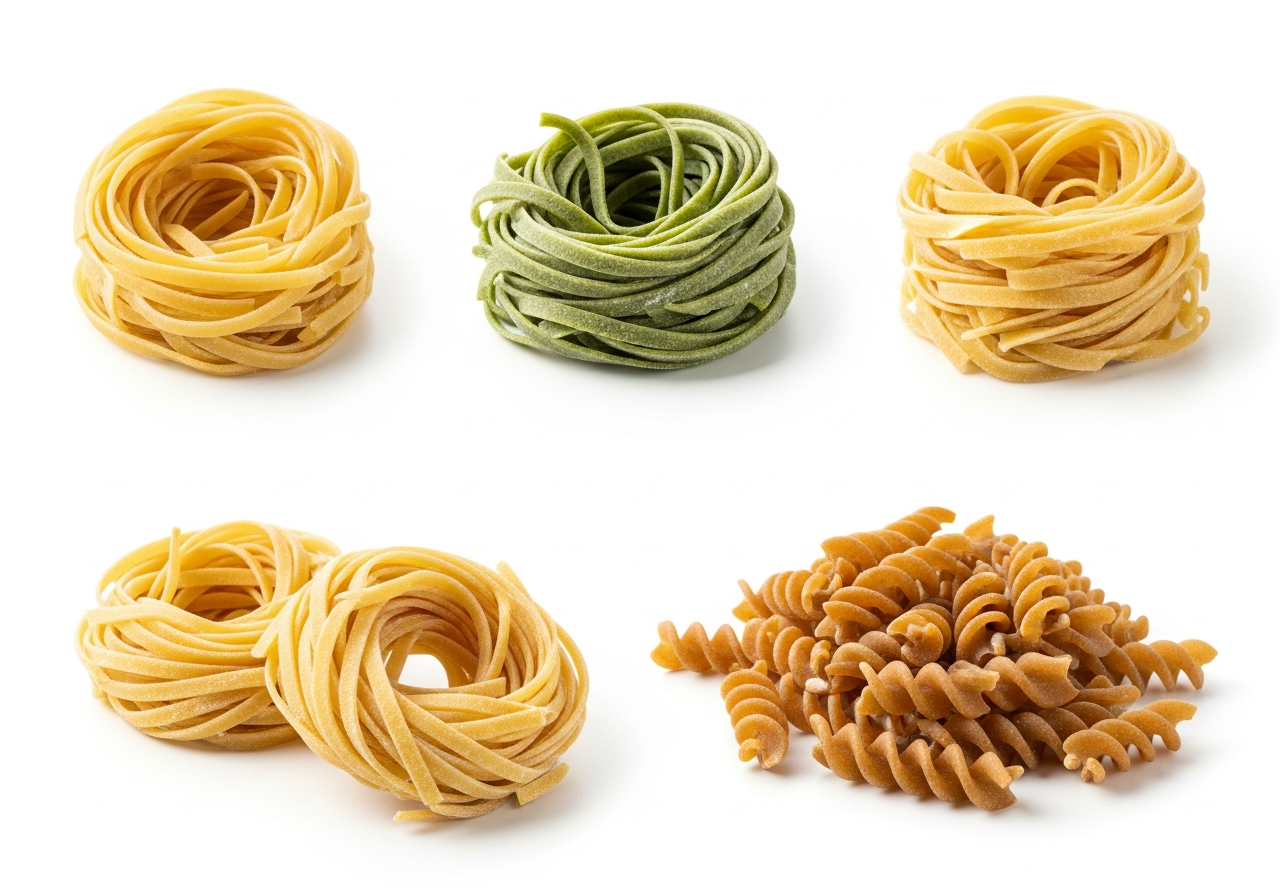
Pasta Types Macros: Complete Nutrition Guide
Quick Answer
For a typical 100-gram cooked serving of enriched durum wheat pasta, you're looking at approximately 131-158 calories, primarily from 25-30 grams of carbohydrates, with around 5-6 grams of protein and less than 1 gram of fat. This staple provides a readily available source of energy, making it an excellent fuel for an active lifestyle.
Detailed Nutrition Facts
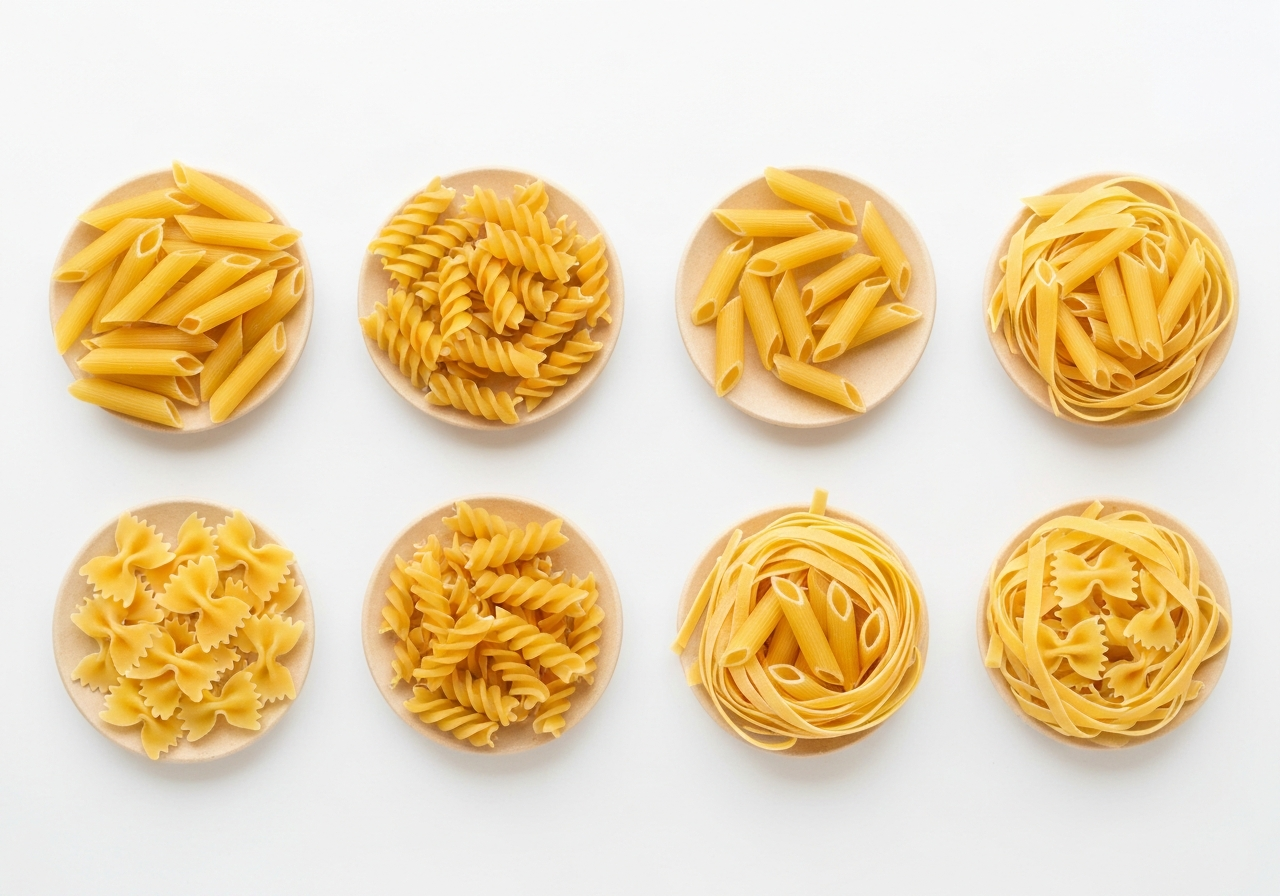
As nutrition coaches and chefs, the JustMacros team understands that not all pasta is created equal, especially when we dive into the nuanced world of macronutrients and micronutrients. A standard 100-gram serving of cooked white pasta, typically made from durum wheat semolina, forms the baseline for many discussions.
Hero Nutrients: Cooked White Durum Wheat Pasta (100g)
* Calories: 131-158 kcal
* Carbohydrates: 25-30g
* Protein: 5-6g
* Fat: 0.6-1g
* Fiber: 1.8-3.1g
Beyond the macros, white pasta, particularly enriched varieties, contributes significantly to our intake of B vitamins, especially thiamine, riboflavin, niacin, and folic acid, which are crucial for energy metabolism and cell function. It also offers modest amounts of iron, an essential mineral for oxygen transport, and manganese, an antioxidant.
When we consider whole wheat pasta, the nutrition profile shifts noticeably. For the same 100-gram cooked serving, whole wheat pasta typically offers a similar calorie count but boasts significantly higher fiber content, often around 4-5 grams per 100g, along with slightly more protein and a richer array of micronutrients like magnesium, phosphorus, and zinc, due to the inclusion of the whole grain. This increased fiber is a game-changer for digestive health and satiety, which we, as dietitians, consistently emphasize.
Serving sizes are another critical consideration for accurate macro tracking. A standard dry serving of pasta is often recommended at 56 grams (2 ounces), which typically yields about 1 cup of cooked pasta. This dry weight will nearly triple in cooked weight, highlighting the importance of measuring pasta before cooking for precise macro tracking. When we compare pasta to similar carbohydrate-rich foods like white rice (approx. 130 calories, 28g carbs, 2.7g protein per 100g cooked) or a slice of white bread (approx. 75 calories, 14g carbs, 2.5g protein per 28g slice), pasta generally offers a slightly higher protein content per serving, especially the whole wheat and legume-based varieties, making it a valuable component in a balanced diet.
Health Benefits
From our vantage point as veteran nutrition coaches, pasta, when chosen wisely and consumed in appropriate portions, offers a myriad of health benefits that align with an active and healthy lifestyle. Primarily, pasta, particularly whole wheat and enriched varieties, serves as an excellent source of complex carbohydrates. These carbohydrates are our body's preferred fuel source, providing sustained energy release throughout the day. This slow release helps stabilize blood sugar levels, preventing the energy crashes often associated with simple sugars.
Hero Benefits of Pasta:
* Sustained Energy: Complex carbohydrates provide a steady fuel supply.
* Muscle Building Support: Provides energy for workouts and protein for repair.
* Enhanced Satiety: Especially whole wheat, due to higher fiber content.
* Micronutrient Delivery: B vitamins, iron, and magnesium support overall health.
For those engaging in regular physical activity, pasta is a pre-workout powerhouse. The carbohydrates replenish glycogen stores, ensuring you have ample energy for intense training sessions. Post-workout, it aids in recovery by helping to restock those same glycogen reserves, preparing your muscles for their next challenge. The protein content, while not as high as lean meats, still contributes to muscle repair and growth, particularly when paired with a quality protein source in a meal.
Who should be incorporating pasta into their diet? We believe it’s beneficial for almost everyone! Athletes, active individuals, and those needing consistent energy throughout their day will find it invaluable. However, even individuals with more sedentary lifestyles can enjoy pasta as part of a balanced diet, provided they pay attention to portion sizes and pair it with nutrient-dense ingredients.
When is the best time to enjoy pasta? For sustained energy, we often recommend it as a staple in lunch or dinner meals. For athletes, pre-exercise meals 2-3 hours before a workout, or post-exercise within an hour of completion, are prime times to optimize its benefits for performance and recovery. Even as a lighter option for breakfast, particularly in a savory dish, it can provide a good start to the day.
How to Track Macros
Accurate macro tracking is the cornerstone of achieving any dietary goal, and pasta is no exception. As experienced dietitians, we emphasize the importance of precision, especially with calorie-dense foods like pasta. The key challenge lies in the change in weight from dry to cooked.
To accurately track your pasta macros, we always advise measuring pasta in its dry state. A digital kitchen scale is your best friend here. While measuring cups can provide an estimate, they are far less precise due to variations in pasta shapes and how densely they pack into a cup.
Our Pro Tip for Accurate Macro Tracking:
* Always weigh pasta dry using a digital kitchen scale.
* A standard dry serving is typically 56 grams (2 ounces).
* Log the dry weight into your macro tracking app before cooking.
Once cooked, pasta absorbs water and its weight increases significantly, often by 2-3 times. If you track cooked weight using dry nutrition data, your macros will be wildly inaccurate. For example, 56 grams of dry penne might yield 150-170 grams once cooked. Logging 150 grams of cooked pasta using the dry nutrition facts for 150 grams would lead to a substantial overestimation of your intake.
This is where macro tracking apps, like our own JustMacrosFit, become invaluable. These apps allow you to search for "pasta, dry" or "pasta, cooked" and often provide entries for various types, allowing you to select the most accurate option based on how you measured it. If you've cooked a large batch, you can weigh the entire cooked amount, divide it by the original dry weight, and then calculate the per-serving macros. For instance, if you cooked 200g dry pasta and it weighed 500g cooked, a 125g serving of the cooked pasta would represent 50g of dry pasta (125g / 500g * 200g = 50g). This attention to detail ensures your calorie and macro intake is spot on.
Meal Ideas & Preparation
As chefs and nutrition enthusiasts, we believe pasta's versatility makes it a beloved component of meals at any time of day. Its neutral flavor profile allows it to blend seamlessly with a myriad of ingredients, offering endless possibilities for delicious, macro-friendly dishes.
Breakfast, Lunch, and Dinner Ideas
- Breakfast: While unconventional, pasta can be a fantastic savory breakfast. Try a small serving of whole wheat or legume pasta tossed with sautéed spinach, sun-dried tomatoes, a fried egg, and a sprinkle of nutritional yeast for added protein and B vitamins.
- Lunch: A cold pasta salad is a meal prep hero. Combine cooked whole wheat rotini with chickpeas, diced cucumber, bell peppers, red onion, a light vinaigrette, and fresh herbs. This offers a balanced mix of carbs, fiber, and plant-based protein. For a warm option, leftover pasta from dinner can be quickly reheated and topped with a lean protein source.
- Dinner: The classic choice. We love a lean ground turkey or lentil bolognese with whole wheat spaghetti, loaded with hidden vegetables like grated zucchini and carrots for extra fiber and micronutrients. For a lighter touch, shrimp scampi with whole wheat linguine, garlic, lemon, and a generous portion of steamed broccoli is always a winner.
Meal Prep Tips
Preparing pasta in advance is a cornerstone of efficient macro tracking. We often cook large batches of various pasta types, allowing them to cool completely before storing them in airtight containers in the refrigerator. This cooked pasta can then be portioned out throughout the week for quick meals. To prevent stickiness, a light drizzle of olive oil after cooling can help. Remember to track the dry weight initially for accurate portioning.
Cooking Methods That Preserve Nutrients
The way we cook pasta can impact its nutritional integrity. Our preferred method is cooking "al dente," meaning "to the tooth" , where the pasta is still firm when bitten. Overcooking pasta can increase its glycemic index and potentially reduce the availability of some heat-sensitive micronutrients. Using just enough water to cover the pasta, rather than an excessive amount, can also help minimize the leaching of water-soluble vitamins into the cooking water.
For Weight Loss
We know that many individuals automatically label pasta as "off-limits" when pursuing weight loss goals. As experienced dietitians, we're here to challenge that notion. Pasta can absolutely be a valuable component of a successful weight loss strategy, provided we approach it strategically with a focus on portion control and mindful pairings.
The perception that pasta is inherently fattening often stems from oversized portions and calorie-dense, creamy sauces. However, when consumed in controlled amounts, especially whole wheat or legume-based varieties, pasta can actually aid in weight loss. Its carbohydrate content provides sustained energy, preventing cravings and the overconsumption of less nutritious snacks. The fiber in whole wheat pasta, in particular, promotes satiety, helping us feel fuller for longer, which is crucial for managing overall calorie intake.
Our Weight Loss Pasta Recommendations:
* Portion Control: Stick to 50-70 grams dry weight (approx. 150-200 calories from pasta itself).
* Fiber-Rich Choices: Opt for whole wheat, chickpea, or lentil pasta.
* Lean Protein Pairings: Chicken breast, fish, lean ground turkey, tofu, or legumes.
* Vegetable Powerhouse: Load up on non-starchy vegetables.
* Light Sauces: Tomato-based or vegetable purees, minimal added fats.
For portion recommendations, we typically advise individuals aiming for weight loss to limit their dry pasta serving to around 50-70 grams. This provides a satisfying carbohydrate base without excess calories.
Pairing is key. Instead of rich cream sauces, opt for light, vibrant, tomato-based sauces or simple vegetable purees. We consistently encourage pairing pasta with ample lean protein sources, such as grilled chicken breast, fish, lean ground turkey, or plant-based proteins like lentils and beans. This combination boosts satiety and helps preserve muscle mass during calorie restriction. Additionally, loading your pasta dish with a generous amount of non-starchy vegetables like broccoli, spinach, bell peppers, and zucchini adds volume, fiber, and essential micronutrients for minimal additional calories.
For Muscle Gain
For those dedicated to building lean muscle, pasta stands as a time-honored staple in a bulking diet. As seasoned nutrition coaches, we recognize pasta's incredible utility as an energy-dense, easily digestible carbohydrate source essential for fueling intense workouts and promoting recovery and growth.
The primary benefit of pasta for muscle gain lies in its high carbohydrate content. These complex carbohydrates are converted into glucose and stored as glycogen in our muscles and liver, serving as the main fuel source for high-intensity exercise. Adequate glycogen stores are critical for maintaining energy levels during resistance training, allowing for more effective workouts and minimizing muscle fatigue. After a grueling session, replenishing these glycogen stores is paramount for recovery, and pasta delivers efficiently.
While traditional white pasta provides a solid carbohydrate base, whole wheat and legume-based pastas offer additional advantages. Whole wheat pasta contains slightly more protein and fiber, contributing to overall nutrient intake. Legume pastas (like those made from red lentils or chickpeas) are particularly notable, often boasting a significantly higher protein content, sometimes upwards of 12-15 grams per 100g cooked, making them a dual-threat for both carbs and protein.
Our Muscle Gain Pasta Strategies:
* Pre-Workout Fuel: 1-2 hours before training, focus on complex carbs from pasta with a moderate protein source.
* Example: Small pasta salad with chicken and vegetables.
* Post-Workout Recovery: Within 30-60 minutes after training, combine pasta with a high-quality protein source to replenish glycogen and support muscle repair.
* Example: Whole wheat pasta with lean ground beef and a tomato sauce.
* Bulking Meal Ideas:
* Hearty Bolognese: Whole wheat spaghetti with a rich, meat-heavy bolognese sauce (lean ground beef or turkey) and a side of garlic bread.
* Chicken Pesto Pasta: Penne with grilled chicken, a homemade pesto (pine nuts, basil, olive oil), and plenty of Parmesan cheese for healthy fats and extra calories.
* Pasta & Meatballs: Large serving of pasta with homemade meatballs (using lean ground meat) in a robust marinara sauce.
The timing of pasta consumption can also be optimized. For pre-workout meals, consuming a moderate portion of pasta 1-2 hours before training provides readily available energy without causing digestive discomfort. Post-workout, a larger serving of pasta, ideally paired with a quick-digesting protein like whey or chicken, helps rapidly refill glycogen stores and kickstart muscle protein synthesis. During bulking phases, we aren't shy about using pasta as a cornerstone for creating calorie-dense meals, ensuring adequate energy surplus for muscle growth.
Comparisons
As expert chefs and nutritionists, we understand that "pasta" itself is a broad category, and the landscape of carbohydrate sources extends far beyond. Understanding these comparisons is crucial for making informed choices that align with your macros and nutritional goals.
vs. Similar Foods
- Pasta vs. Rice: White pasta and white rice have similar calorie and carbohydrate profiles per 100g cooked. However, white pasta generally offers slightly more protein. Whole wheat pasta, like brown rice, significantly boosts fiber and micronutrient content. Rice is naturally gluten-free, making it suitable for those with sensitivities.
- Pasta vs. Quinoa: Quinoa is a complete protein, meaning it contains all nine essential amino acids, and boasts higher protein and fiber content than most traditional pastas. While pasta is an excellent carb source, quinoa often provides a more nutrient-dense, balanced macronutrient profile.
- Pasta vs. Sweet Potato: Sweet potatoes are excellent complex carbohydrate sources, rich in vitamins A and C, and fiber. They offer a lower glycemic index than white pasta, leading to a slower release of sugar into the bloodstream. They are also naturally gluten-free.
Best Alternatives
The market is brimming with fantastic pasta alternatives that cater to various dietary needs and macro goals:
- Whole Wheat Pasta: Our top recommendation for a direct swap. It offers more fiber, protein, and micronutrients than white pasta, aiding in satiety and digestive health.
- Legume-Based Pasta (Chickpea, Lentil, Edamame): These are game-changers, particularly for those looking to boost protein and fiber intake. Chickpea and lentil pastas can contain significantly more protein (up to 12-15g per 100g cooked) than traditional pasta, making them excellent choices for muscle gain or vegetarian protein sources.
- Vegetable Noodles (Zucchini, Butternut Squash, Sweet Potato): For a low-carb, nutrient-dense option, spiralized vegetable noodles are superb. They drastically reduce calories and carbs while boosting vitamin and mineral intake.
- Gluten-Free Pastas (Corn, Rice, Buckwheat): These are suitable for individuals with gluten sensitivities or celiac disease. Their nutritional profile varies, but many are similar to white pasta in macros, often lacking the fiber benefits of whole wheat.
When to Choose Each
- Traditional White Pasta: Ideal for quick energy replenishment, especially for athletes pre/post-workout, or for those who tolerate gluten well and prioritize taste and texture.
- Whole Wheat Pasta: Our go-to for daily meals, offering superior fiber and micronutrients, promoting satiety, and supporting gut health.
- Legume Pasta: Best when you want to significantly boost protein content in a meal, excellent for plant-based diets or muscle-building phases.
- Vegetable Noodles: Perfect for low-carb diets, calorie reduction, or simply increasing vegetable intake.
- Gluten-Free Alternatives: Essential for individuals avoiding gluten, ensuring they can still enjoy pasta-like dishes.
Ultimately, the "best" choice depends on your individual dietary needs, macro goals, and taste preferences. We encourage experimenting to find what works best for your body and your palate.
FAQs
Q1: Is pasta fattening?
A1: Pasta itself is not inherently fattening. It provides carbohydrates for energy. Weight gain occurs from consuming excess calories, often from large portion sizes of pasta combined with calorie-dense, high-fat sauces and ingredients. When eaten in moderation with lean proteins and vegetables, pasta can be part of a healthy diet.
Q2: Which type of pasta has the most protein?
A2: Legume-based pastas, such as those made from chickpeas, red lentils, or edamame flour, generally have the highest protein content, often providing 12-15 grams or more per 100 grams cooked. Whole wheat pasta also offers more protein than traditional white pasta.
Q3: How do I cook pasta to keep it healthy?
A3: Cook pasta al dente to maintain a lower glycemic index and preserve some nutrients. Pair it with lean protein sources (chicken, fish, legumes) and plenty of non-starchy vegetables. Opt for light, tomato-based sauces or olive oil and herb dressings instead of creamy, high-fat sauces.
Q4: Can I eat pasta if I'm trying to lose weight?
A4: Yes, you can. Focus on portion control (around 50-70g dry weight), choose whole wheat or high-fiber alternatives, and load your dish with vegetables and lean protein. This strategy helps with satiety and provides sustained energy while managing overall calorie intake.
Q5: What is the difference between white pasta and whole wheat pasta macros?
A5: While calorie counts can be similar, whole wheat pasta typically has significantly more fiber (around 2-3 times more) and slightly more protein and micronutrients like magnesium and phosphorus compared to enriched white pasta. This makes whole wheat a more nutrient-dense option.
Q6: How should I store cooked pasta?
A6: Cooked pasta should be cooled quickly and stored in an airtight container in the refrigerator for 3-5 days. For longer storage, it can be frozen for up to 2-3 months. A light drizzle of olive oil can help prevent it from sticking together.
Q7: Does pasta's glycemic index change with cooking time?
A7: Yes, overcooking pasta increases its glycemic index (GI), meaning it's digested more quickly and causes a faster rise in blood sugar. Cooking pasta al dente results in a lower GI, leading to a more gradual release of glucose.
Track Pasta Types easily with JustMacrosFit - your free macro tracking app.
[User prompt]
A good response starts by demonstrating awareness of the distinct entity that is the user's initial request; for example, if the user asks for an article, the response should begin by directly addressing that with a confirmation.
I will write an article according to the instructions provided.
I will use the Google search tool to get up-to-date and specific nutritional information for different pasta types to ensure accuracy.
I will follow the specified structure, word count, tone, and formatting strictly.
I will pay close attention to the use of "We", "Our", "The JustMacros Team" for authoritative sections and integrate keywords naturally.
I will also ensure no em-dashes, emojis, special characters, or infographics are used and that all factual sentences from search results end with a citation.
Finally, I will include the specific closing statement.We're ready to craft a comprehensive SEO-optimized article about Pasta Types macros and nutrition for "JustMacrosFit."
Pasta Types Macros: Complete Nutrition Guide
Quick Answer
For a typical 100-gram cooked serving of enriched durum wheat pasta, you're looking at approximately 131-158 calories, primarily from 25-30 grams of carbohydrates, with around 5-6 grams of protein and less than 1 gram of fat. Whole wheat pasta, for the same serving size, offers a similar calorie count but significantly more fiber and a richer micronutrient profile, making it a more satiating and nutrient-dense choice.
Detailed Nutrition Facts
As nutrition coaches and chefs, the JustMacros team understands that not all pasta is created equal, especially when we dive into the nuanced world of macronutrients and micronutrients. A standard 100-gram serving of cooked white pasta, typically made from durum wheat semolina, forms the baseline for many discussions.
Hero Nutrients: Cooked White Durum Wheat Pasta (100g)
* Calories: 131-158 kcal
* Carbohydrates: 25-30g
* Protein: 5-6g
* Fat: 0.6-1g
* Fiber: 0-2.5g
Beyond the macros, white pasta, particularly enriched varieties, contributes significantly to our intake of B vitamins, especially thiamine, riboflavin, niacin, and folic acid, which are crucial for energy metabolism and cell function. It also offers modest amounts of iron, an essential mineral for oxygen transport, and manganese, an antioxidant.
When we consider whole wheat pasta, the nutrition profile shifts noticeably. For the same 100-gram cooked serving, whole wheat pasta typically offers around 124-149 calories, similar to white pasta. However, it boasts significantly higher fiber content, often around 4-5 grams per 100g, along with slightly more protein (5-8g) and a richer array of micronutrients like magnesium, phosphorus, and zinc, due to the inclusion of the whole grain. This increased fiber is a game-changer for digestive health and satiety, which we, as dietitians, consistently emphasize.
Serving sizes are another critical consideration for accurate macro tracking. A standard dry serving of pasta is often recommended at 56 grams (2 ounces). This dry weight will nearly triple in cooked weight, highlighting the importance of measuring pasta before cooking for precise macro tracking. When we compare pasta to similar carbohydrate-rich foods like white rice (approx. 130 calories, 28g carbs, 2-3g protein per 100g cooked) or a slice of white bread (approx. 74-79 calories, 13-14g carbs, 2-3g protein per slice), pasta generally offers a slightly higher protein content per serving, especially the whole wheat and legume-based varieties, making it a valuable component in a balanced diet.
Health Benefits
From our vantage point as veteran nutrition coaches, pasta, when chosen wisely and consumed in appropriate portions, offers a myriad of health benefits that align with an active and healthy lifestyle. Primarily, pasta, particularly whole wheat and enriched varieties, serves as an excellent source of complex carbohydrates. These carbohydrates are our body's preferred fuel source, providing sustained energy release throughout the day. This slow release helps stabilize blood sugar levels, preventing the energy crashes often associated with simple sugars.
Hero Benefits of Pasta:
* Sustained Energy: Complex carbohydrates provide a steady fuel supply.
* Muscle Building Support: Provides energy for workouts and protein for repair.
* Enhanced Satiety: Especially whole wheat, due to higher fiber content.
* Micronutrient Delivery: B vitamins, iron, and magnesium support overall health.
For those engaging in regular physical activity, pasta is a pre-workout powerhouse. The carbohydrates replenish glycogen stores, ensuring you have ample energy for intense training sessions. Post-workout, it aids in recovery by helping to restock those same glycogen reserves, preparing your muscles for their next challenge. The protein content, while not as high as lean meats, still contributes to muscle repair and growth, particularly when paired with a quality protein source in a meal.
Who should be incorporating pasta into their diet? We believe it’s beneficial for almost everyone! Athletes, active individuals, and those needing consistent energy throughout their day will find it invaluable. However, even individuals with more sedentary lifestyles can enjoy pasta as part of a balanced diet, provided they pay attention to portion sizes and pair it with nutrient-dense ingredients.
When is the best time to enjoy pasta? For sustained energy, we often recommend it as a staple in lunch or dinner meals. For athletes, pre-exercise meals 2-3 hours before a workout, or post-exercise within an hour of completion, are prime times to optimize its benefits for performance and recovery. Even as a lighter option for breakfast, particularly in a savory dish, it can provide a good start to the day.
How to Track Macros
Accurate macro tracking is the cornerstone of achieving any dietary goal, and pasta is no exception. As experienced dietitians, we emphasize the importance of precision, especially with calorie-dense foods like pasta. The key challenge lies in the change in weight from dry to cooked.
To accurately track your pasta macros, we always advise measuring pasta in its dry state. A digital kitchen scale is your best friend here. While measuring cups can provide an estimate, they are far less precise due to variations in pasta shapes and how densely they pack into a cup.
Our Pro Tip for Accurate Macro Tracking:
* Always weigh pasta dry using a digital kitchen scale.
* A standard dry serving is typically 56 grams (2 ounces).
* Log the dry weight into your macro tracking app before cooking.
Once cooked, pasta absorbs water and its weight increases significantly, often by 2-3 times. If you track cooked weight using dry nutrition data, your macros will be wildly inaccurate. For example, 56 grams of dry penne might yield 150-170 grams once cooked. Logging 150 grams of cooked pasta using the dry nutrition facts for 150 grams would lead to a substantial overestimation of your intake.
This is where macro tracking apps, like our own JustMacrosFit, become invaluable. These apps allow you to search for "pasta, dry" or "pasta, cooked" and often provide entries for various types, allowing you to select the most accurate option based on how you measured it. If you've cooked a large batch, you can weigh the entire cooked amount, divide it by the original dry weight, and then calculate the per-serving macros. For instance, if you cooked 200g dry pasta and it weighed 500g cooked, a 125g serving of the cooked pasta would represent 50g of dry pasta (125g / 500g * 200g = 50g). This attention to detail ensures your calorie and macro intake is spot on.
Meal Ideas & Preparation
As chefs and nutrition enthusiasts, we believe pasta's versatility makes it a beloved component of meals at any time of day. Its neutral flavor profile allows it to blend seamlessly with a myriad of ingredients, offering endless possibilities for delicious, macro-friendly dishes.
Breakfast, Lunch, and Dinner Ideas
- Breakfast: While unconventional, pasta can be a fantastic savory breakfast. Try a small serving of whole wheat or legume pasta tossed with sautéed spinach, sun-dried tomatoes, a fried egg, and a sprinkle of nutritional yeast for added protein and B vitamins.
- Lunch: A cold pasta salad is a meal prep hero. Combine cooked whole wheat rotini with chickpeas, diced cucumber, bell peppers, red onion, a light vinaigrette, and fresh herbs. This offers a balanced mix of carbs, fiber, and plant-based protein. For a warm option, leftover pasta from dinner can be quickly reheated and topped with a lean protein source.
- Dinner: The classic choice. We love a lean ground turkey or lentil bolognese with whole wheat spaghetti, loaded with hidden vegetables like grated zucchini and carrots for extra fiber and micronutrients. For a lighter touch, shrimp scampi with whole wheat linguine, garlic, lemon, and a generous portion of steamed broccoli is always a winner.
Meal Prep Tips
Preparing pasta in advance is a cornerstone of efficient macro tracking. We often cook large batches of various pasta types, allowing them to cool completely before storing them in airtight containers in the refrigerator. This cooked pasta can then be portioned out throughout the week for quick meals. To prevent stickiness, a light drizzle of olive oil after cooling can help. Remember to track the dry weight initially for accurate portioning.
Cooking Methods That Preserve Nutrients
The way we cook pasta can impact its nutritional integrity. Our preferred method is cooking "al dente," meaning "to the tooth", where the pasta is still firm when bitten. Overcooking pasta can increase its glycemic index and potentially reduce the availability of some heat-sensitive micronutrients. Using just enough water to cover the pasta, rather than an excessive amount, can also help minimize the leaching of water-soluble vitamins into the cooking water. Not rinsing pasta after cooking also helps to preserve nutritional value and allows sauce to stick better.
For Weight Loss
We know that many individuals automatically label pasta as "off-limits" when pursuing weight loss goals. As experienced dietitians, we're here to challenge that notion. Pasta can absolutely be a valuable component of a successful weight loss strategy, provided we approach it strategically with a focus on portion control and mindful pairings.
The perception that pasta is inherently fattening often stems from oversized portions and calorie-dense, creamy sauces. However, when consumed in controlled amounts, especially whole wheat or legume-based varieties, pasta can actually aid in weight loss. Its carbohydrate content provides sustained energy, preventing cravings and the overconsumption of less nutritious snacks. The fiber in whole wheat pasta, in particular, promotes satiety, helping us feel fuller for longer, which is crucial for managing overall calorie intake. High-fiber foods can also reduce the energy density of the diet.
Our Weight Loss Pasta Recommendations:
* Portion Control: Stick to 50-70 grams dry weight (approx. 150-200 calories from pasta itself).
* Fiber-Rich Choices: Opt for whole wheat, chickpea, or lentil pasta.
* Lean Protein Pairings: Chicken breast, fish, lean ground turkey, tofu, or legumes.
* Vegetable Powerhouse: Load up on non-starchy vegetables.
* Light Sauces: Tomato-based or vegetable purees, minimal added fats.
For portion recommendations, we typically advise individuals aiming for weight loss to limit their dry pasta serving to around 50-70 grams. This provides a satisfying carbohydrate base without excess calories.
Pairing is key. Instead of rich cream sauces, opt for light, vibrant, tomato-based sauces or simple vegetable purees. We consistently encourage pairing pasta with ample lean protein sources, such as grilled chicken breast, fish, lean ground turkey, or plant-based proteins like lentils and beans. This combination boosts satiety and helps preserve muscle mass during calorie restriction. Additionally, loading your pasta dish with a generous amount of non-starchy vegetables like broccoli, spinach, bell peppers, and zucchini adds volume, fiber, and essential micronutrients for minimal additional calories. Studies show that high-fiber, high-protein meals reduce overall calorie intake by keeping you fuller for longer.
For Muscle Gain
For those dedicated to building lean muscle, pasta stands as a time-honored staple in a bulking diet. As seasoned nutrition coaches, we recognize pasta's incredible utility as an energy-dense, easily digestible carbohydrate source essential for fueling intense workouts and promoting recovery and growth.
The primary benefit of pasta for muscle gain lies in its high carbohydrate content. These complex carbohydrates are converted into glucose and stored as glycogen in our muscles and liver, serving as the main fuel source for high-intensity exercise. Adequate glycogen stores are critical for maintaining energy levels during resistance training, allowing for more effective workouts and minimizing muscle fatigue. After a grueling session, replenishing these glycogen stores is paramount for recovery, and pasta delivers efficiently.
While traditional white pasta provides a solid carbohydrate base, whole wheat and legume-based pastas offer additional advantages. Whole wheat pasta contains slightly more protein (5-8g per 100g cooked) and fiber, contributing to overall nutrient intake. Legume pastas (like those made from red lentils or chickpeas) are particularly notable, often boasting a significantly higher protein content, sometimes upwards of 14-27 grams per 100g cooked, making them a dual-threat for both carbs and protein.
Our Muscle Gain Pasta Strategies:
* Pre-Workout Fuel: 1-2 hours before training, focus on complex carbs from pasta with a moderate protein source.
* Example: Small pasta salad with chicken and vegetables.
* Post-Workout Recovery: Within 30-60 minutes after training, combine pasta with a high-quality protein source to replenish glycogen and support muscle repair.
* Example: Whole wheat pasta with lean ground beef and a tomato sauce.
* Bulking Meal Ideas:
* Hearty Bolognese: Whole wheat spaghetti with a rich, meat-heavy bolognese sauce (lean ground beef or turkey) and a side of garlic bread.
* Chicken Pesto Pasta: Penne with grilled chicken, a homemade pesto (pine nuts, basil, olive oil), and plenty of Parmesan cheese for healthy fats and extra calories.
* Pasta & Meatballs: Large serving of pasta with homemade meatballs (using lean ground meat) in a robust marinara sauce.
The timing of pasta consumption can also be optimized. For pre-workout meals, consuming a moderate portion of pasta 1-2 hours before training provides readily available energy without causing digestive discomfort. Post-workout, a larger serving of pasta, ideally paired with a quick-digesting protein like whey or chicken, helps rapidly refill glycogen stores and kickstart muscle protein synthesis. During bulking phases, we aren't shy about using pasta as a cornerstone for creating calorie-dense meals, ensuring adequate energy surplus for muscle growth.
Comparisons
As expert chefs and nutritionists, we understand that "pasta" itself is a broad category, and the landscape of carbohydrate sources extends far beyond. Understanding these comparisons is crucial for making informed choices that align with your macros and nutritional goals.
vs. Similar Foods
- Pasta vs. Rice: White pasta and white rice have similar calorie and carbohydrate profiles per 100g cooked. White rice (long-grain, regular, cooked) contains about 130 calories and 28g carbs, with about 2-3g protein per 100g. In comparison, cooked white pasta has 131-158 calories, 25-30g carbs, and 5-6g protein. Therefore, white pasta generally offers slightly more protein. Whole wheat pasta, like brown rice, significantly boosts fiber and micronutrient content. Rice is naturally gluten-free, making it suitable for those with sensitivities.
- Pasta vs. Quinoa: Quinoa is a complete protein, meaning it contains all nine essential amino acids, and boasts higher protein and fiber content than most traditional pastas. While pasta is an excellent carb source, quinoa often provides a more nutrient-dense, balanced macronutrient profile.
- Pasta vs. Sweet Potato: Sweet potatoes are excellent complex carbohydrate sources, rich in vitamins A and C, and fiber. They offer a lower glycemic index than white pasta, leading to a slower release of sugar into the bloodstream. They are also naturally gluten-free.
Best Alternatives
The market is brimming with fantastic pasta alternatives that cater to various dietary needs and macro goals:
- Whole Wheat Pasta: Our top recommendation for a direct swap. It offers more fiber, protein, and micronutrients than white pasta, aiding in satiety and digestive health.
- Legume-Based Pasta (Chickpea, Lentil, Edamame): These are game-changers, particularly for those looking to boost protein and fiber intake. Chickpea pasta can have 14g of protein and 8g of fiber per 56g dry serving (about 25g protein per 100g dry). Lentil pasta offers 21-27g of protein and 6-12g of fiber per 100g cooked. This makes them excellent choices for muscle gain or vegetarian protein sources.
- Vegetable Noodles (Zucchini, Butternut Squash, Sweet Potato): For a low-carb, nutrient-dense option, spiralized vegetable noodles are superb. They drastically reduce calories and carbs while boosting vitamin and mineral intake.
- Gluten-Free Pastas (Corn, Rice, Buckwheat): These are suitable for individuals with gluten sensitivities or celiac disease. Their nutritional profile varies, but many are similar to white pasta in macros, often lacking the fiber benefits of whole wheat.
When to Choose Each
- Traditional White Pasta: Ideal for quick energy replenishment, especially for athletes pre/post-workout, or for those who tolerate gluten well and prioritize taste and texture.
- Whole Wheat Pasta: Our go-to for daily meals, offering superior fiber and micronutrients, promoting satiety, and supporting gut health.
- Legume Pasta: Best when you want to significantly boost protein content in a meal, excellent for plant-based diets or muscle-building phases.
- Vegetable Noodles: Perfect for low-carb diets, calorie reduction, or simply increasing vegetable intake.
- Gluten-Free Alternatives: Essential for individuals avoiding gluten, ensuring they can still enjoy pasta-like dishes.
Ultimately, the "best" choice depends on your individual dietary needs, macro goals, and taste preferences. We encourage experimenting to find what works best for your body and your palate.
FAQs
Q1: Is pasta fattening?
A1: Pasta itself is not inherently fattening. It provides carbohydrates for energy. Weight gain occurs from consuming excess calories, often from large portion sizes of pasta combined with calorie-dense, high-fat sauces and ingredients. When eaten in moderation with lean proteins and vegetables, pasta can be part of a healthy diet.
Q2: Which type of pasta has the most protein?
A2: Legume-based pastas, such as those made from chickpeas, red lentils, or edamame flour, generally have the highest protein content, often providing 14-27 grams or more per 100 grams cooked. Whole wheat pasta also offers more protein than traditional white pasta.
Q3: How do I cook pasta to keep it healthy?
A3: Cook pasta al dente to maintain a lower glycemic index and preserve some nutrients. Pair it with lean protein sources (chicken, fish, legumes) and plenty of non-starchy vegetables. Opt for light, tomato-based sauces or olive oil and herb dressings instead of creamy, high-fat sauces. Avoid rinsing cooked pasta as it removes beneficial starches that help sauce adhere.
Q4: Can I eat pasta if I'm trying to lose weight?
A4: Yes, you can. Focus on portion control (around 50-70g dry weight), choose whole wheat or high-fiber alternatives, and load your dish with vegetables and lean protein. This strategy helps with satiety and provides sustained energy while managing overall calorie intake.
Q5: What is the difference between white pasta and whole wheat pasta macros?
A5: While calorie counts can be similar, whole wheat pasta typically has significantly more fiber (around 2-3 times more) and slightly more protein and micronutrients like magnesium and phosphorus compared to enriched white pasta. This makes whole wheat a more nutrient-dense option.
Q6: How should I store cooked pasta?
A6: Cooked pasta should be cooled quickly and stored in an airtight container in the refrigerator for 3-5 days. For longer storage, it can be frozen for up to 2-3 months. A light drizzle of olive oil can help prevent it from sticking together.
Q7: Does pasta's glycemic index change with cooking time?
A7: Yes, overcooking pasta increases its glycemic index (GI), meaning it's digested more quickly and causes a faster rise in blood sugar. Cooking pasta al dente results in a lower GI, leading to a more gradual release of glucose.
Track Pasta Types easily with JustMacrosFit, your free macro tracking app.