Quinoa Nutrition: Complete Macros & Nutrition Guide
Complete macro and nutrition guide for Quinoa Nutrition. Learn calories, protein, carbs, fat per serving plus meal ideas and tracking tips.
Table of Contents
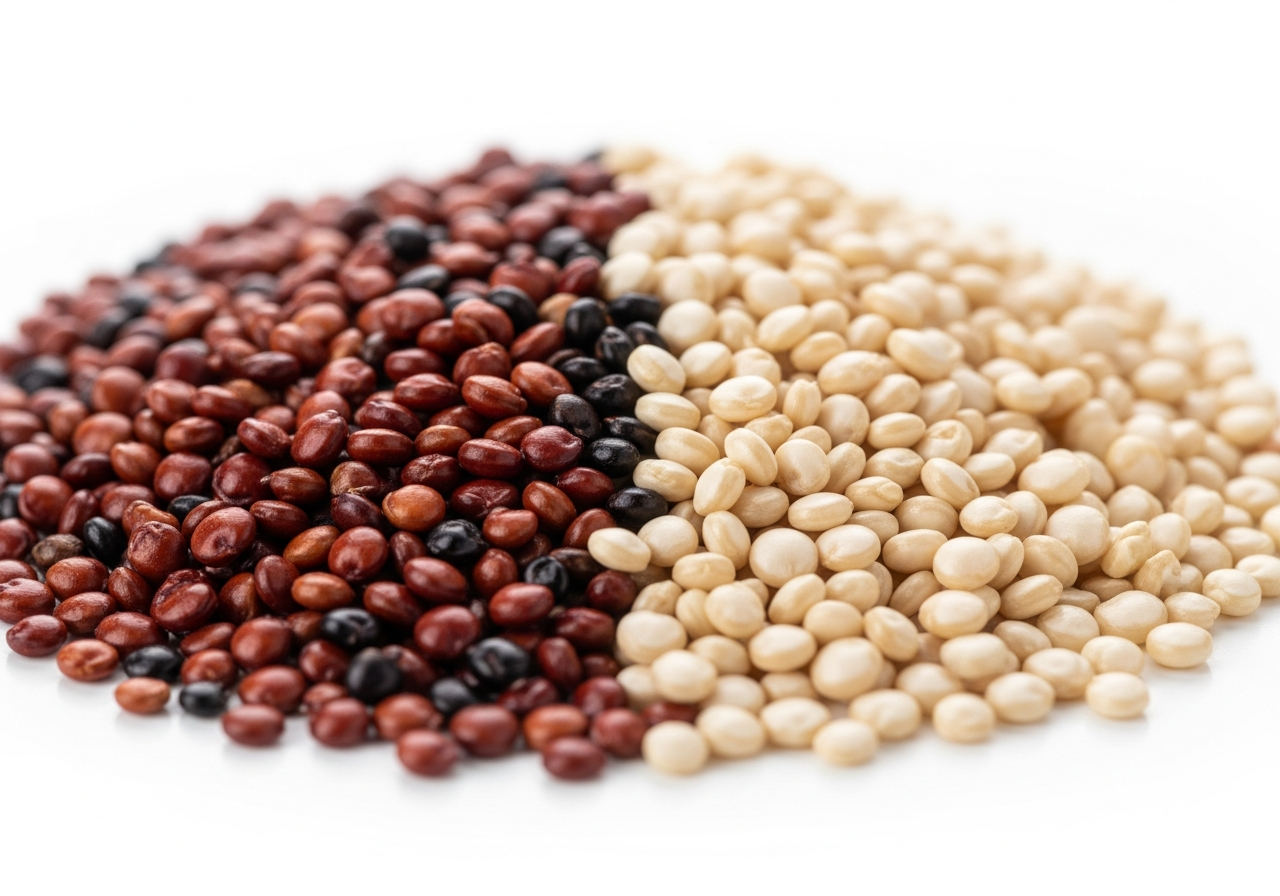
Quinoa Nutrition Macros: Complete Nutrition Guide
As nutrition coaches and chefs at JustMacrosFit, we're always on the lookout for foods that pack a serious nutritional punch while remaining versatile and delicious. Quinoa, often hailed as a "superfood," consistently tops our list. This ancient seed offers an impressive macro and micronutrient profile that supports a wide range of health and fitness goals. Whether you're aiming for weight loss, muscle gain, or simply a healthier diet, understanding quinoa nutrition is key.
Quick Answer
A 100-gram serving of cooked quinoa provides approximately 120 calories, with a balanced macro breakdown of about 4.4 grams of protein, 1.9 grams of fat, and 21.3 grams of carbohydrates, including 2.8 grams of dietary fiber. Its standout feature is its high-quality protein, which includes all nine essential amino acids, making it a complete protein source rare among plant-based foods.
Detailed Nutrition Facts
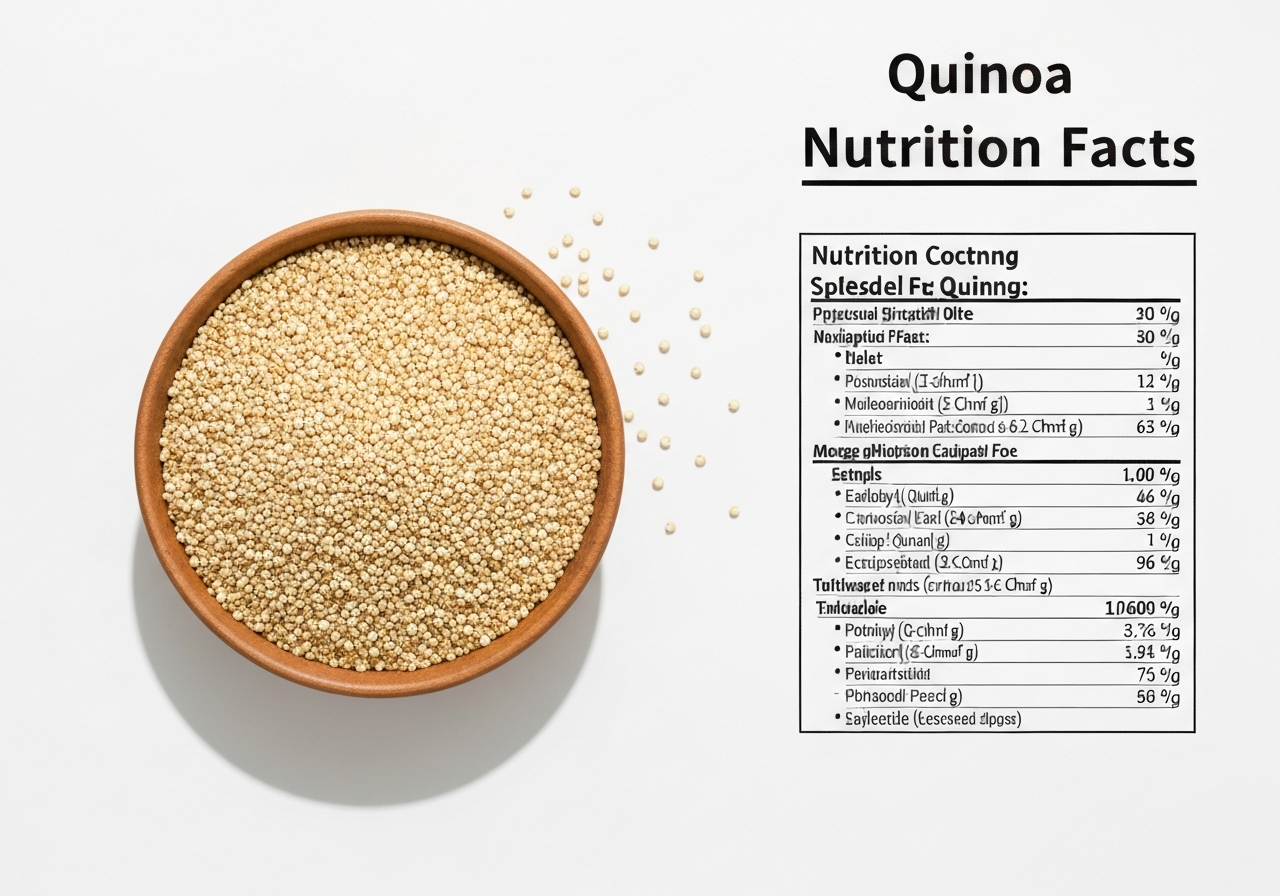
When we delve deeper into quinoa's nutritional composition, it's clear why it's a staple in many healthy eating plans. A standard one-cup (185-gram) serving of cooked quinoa offers roughly 222 calories.
- Complete Macro Breakdown (per 1 cup cooked / 185g):
- Calories: 222 calories
- Protein: 8 grams
- Fat: 3.55 grams (predominantly unsaturated fats, including beneficial omega-3 and omega-6 fatty acids)
- Carbohydrates: 39 grams
- Fiber: 5 grams
Quinoa is particularly rich in complex carbohydrates, providing sustained energy. Its fiber content is notably higher than many other grains, contributing to digestive health and satiety.
Beyond the macros, quinoa is a treasure trove of essential micronutrients. A single serving can significantly contribute to your daily intake of several vital vitamins and minerals:
- Micronutrients (per 1 cup cooked / 185g):
- Manganese: 51% of the Daily Value (DV)
- Magnesium: 28% of the DV
- Phosphorus: 22% of the DV
- Folate (Vitamin B9): 19% of the DV
- Copper: 39% of the DV
- Iron: 15% of the DV
- Zinc: 18% of the DV
- Vitamin B6: 13% of the DV
- Vitamin E: 8% of the DV
- Potassium: 7% of the DV
Hero Nutrients Highlight:
Quinoa is an excellent source of Manganese, Magnesium, and Copper, all crucial for various bodily functions, from bone health to energy metabolism and antioxidant defense.
Compared to other common grains like brown rice, quinoa often has more protein, fiber, and a broader spectrum of micronutrients. For instance, 1 cup of cooked brown rice provides around 216 calories, 5.0g protein, 45.0g carbs, and 3.5g fiber, whereas quinoa offers more protein and fiber with slightly fewer carbs.
Health Benefits
The extensive nutritional profile of quinoa translates into a wealth of health benefits that make it a cornerstone of a balanced diet.
- Complete Protein Powerhouse: Quinoa stands out as one of the few plant-based foods that provides all nine essential amino acids, making it a complete protein. This is crucial for muscle repair, growth, and overall cellular health. For individuals following vegetarian or vegan diets, quinoa is an invaluable protein source to ensure adequate amino acid intake.
- Digestive Health and Satiety: With its high fiber content (5 grams per cooked cup), quinoa supports a healthy digestive system by promoting regular bowel movements and nourishing beneficial gut bacteria. The combination of protein and fiber also contributes to increased satiety, helping us feel fuller for longer periods, which can be advantageous for appetite control.
- Antioxidant and Anti-inflammatory Properties: Quinoa contains potent flavonoid plant compounds like quercetin and kaempferol, which act as antioxidants and possess anti-inflammatory qualities. These compounds help protect cells from damage caused by free radicals, potentially reducing the risk of chronic diseases.
- Blood Sugar Management: Quinoa has a relatively low glycemic index (GI of 53), which means it causes a slower, more stable rise in blood sugar levels compared to high-GI foods. This can be particularly beneficial for managing blood sugar and reducing cravings.
- Rich in Essential Minerals: The abundant magnesium in quinoa is important for blood sugar control and may help lower the risk of Type 2 diabetes. Iron is vital for oxygen transport, while potassium supports heart health and blood pressure regulation.
Who should eat this food: Quinoa is an excellent choice for almost anyone. It's especially beneficial for vegetarians and vegans seeking complete protein sources, individuals looking to manage their weight due to its fiber and protein content, and athletes needing sustained energy and muscle recovery support. It's also naturally gluten-free, making it a safe and nutritious option for those with celiac disease or gluten sensitivities.
When to eat it: Quinoa's versatility means it can be enjoyed at any meal. We recommend incorporating it into breakfast bowls for sustained morning energy, adding it to salads or as a side for lunch, or using it as a hearty base for dinner to optimize nutrient intake and satiety throughout the day. For athletes, consuming it before or after workouts provides complex carbohydrates for fuel and protein for recovery.
How to Track Macros
Accurately tracking your macros is fundamental to achieving your nutrition goals, and quinoa, like any food, requires mindful portioning.
-
Portion Measurement Tips:
- Use a Food Scale: The most precise method is to weigh your cooked quinoa using a digital food scale. For consistent macro tracking, this is our top recommendation.
- Measuring Cups: While less precise than a scale, measuring cups are convenient. Remember that 1 cup of cooked quinoa is approximately 185 grams. Be aware that dry quinoa expands significantly when cooked, roughly tripling in volume. So, 1/4 cup of uncooked quinoa yields about 3/4 to 1 cup cooked. Always measure cooked quinoa for accuracy when tracking.
- Visual Cues: For quick estimates, a typical serving size of cooked quinoa is about 1/2 to 1 cup. Visualizing this amount can help in situations where scales aren't available, but it should not replace precise measurement for strict macro tracking.
-
Using Macro Tracking Apps: Apps like JustMacrosFit make tracking quinoa nutrition effortless. Simply search for "quinoa, cooked," enter your portion size (in grams or cups), and the app will automatically calculate the calories, protein, fats, and carbohydrates, along with key micronutrients, against your daily targets. This seamless integration ensures you stay on track with your dietary goals.
-
Common Serving Sizes:
- Small Serving (Side Dish): 1/2 cup cooked (approx. 90-95g)
- Standard Serving (Main Component): 1 cup cooked (approx. 185g)
Meal Ideas & Preparation
Quinoa's mild, nutty flavor and fluffy texture make it incredibly adaptable in the kitchen. As chefs, we appreciate its ability to seamlessly integrate into almost any meal.
-
Breakfast Ideas:
- Quinoa Porridge: Cook quinoa with milk (dairy or non-dairy), cinnamon, and a touch of maple syrup. Top with fresh berries, nuts, and seeds for a fiber- and protein-rich start to your day.
- Breakfast Bowl: Combine cooked quinoa with Greek yogurt, fruit, and a sprinkle of granola for added crunch.
- Quinoa Pancakes/Muffins: Incorporate cooked quinoa or quinoa flour into your favorite breakfast baked goods for an extra boost of protein and fiber.
-
Lunch Ideas:
- Quinoa Salad: Toss chilled cooked quinoa with chopped vegetables (cucumber, bell peppers, tomatoes), fresh herbs, a lean protein (grilled chicken, chickpeas), and a light vinaigrette.
- Grain Bowl Base: Use quinoa as the base for a vibrant Buddha bowl, layered with roasted vegetables, a healthy protein, and a creamy dressing.
- Stuffed Bell Peppers: Mix cooked quinoa with ground turkey or black beans, spices, and a touch of tomato sauce, then bake in bell peppers.
-
Dinner Ideas:
- Substitute for Rice: Easily replace white or brown rice with quinoa in stir-fries, curries, or as a side dish.
- Quinoa Pilaf: Sauté onions and garlic, then cook quinoa in vegetable or chicken broth with your favorite herbs and spices for a flavorful side.
- Soups and Stews: Add cooked quinoa to hearty soups or stews to boost their nutritional value and make them more filling.
-
Meal Prep Tips: Quinoa is excellent for meal prepping. Cook a large batch at the beginning of the week and store it in airtight containers in the refrigerator for 3-5 days, or freeze for up to 6-12 months. This saves time and ensures you always have a healthy base for your meals.
-
Cooking Methods that Preserve Nutrients: The simplest cooking method involves combining 1 part quinoa with 1.5 to 2 parts liquid (water or broth), bringing it to a boil, then simmering covered for about 15 minutes until the liquid is absorbed and the quinoa is fluffy. Rinsing raw quinoa before cooking is often recommended to remove saponins, a natural bitter coating, although many commercially processed quinoas are pre-rinsed. To preserve nutrients, avoid overcooking, as this can lead to a mushy texture and potential nutrient loss.
For Weight Loss
For those focused on weight loss, quinoa is a truly valuable ally. Its unique nutritional profile can significantly contribute to a successful and sustainable journey.
-
Why it's Good for Weight Loss:
- High in Protein: The substantial protein content (8 grams per cooked cup) in quinoa is a game-changer for weight loss. Protein boosts metabolism and increases satiety, helping to reduce overall calorie intake by making you feel full and satisfied for longer. This thermic effect means your body expends more energy digesting protein compared to fats or carbs.
- Rich in Fiber: Quinoa's impressive fiber content also plays a crucial role. Fiber adds bulk to meals without adding many calories, further enhancing feelings of fullness and preventing overeating. It also helps stabilize blood sugar levels, preventing the spikes and crashes that can lead to cravings and energy dips.
- Nutrient Density: Often, during weight loss, we reduce calorie intake, which can inadvertently lead to nutrient deficiencies. Quinoa helps mitigate this risk by providing a wide array of vitamins and minerals, supporting overall health and energy production.
-
Portion Recommendations: To harness quinoa's weight loss benefits, we typically recommend a serving of 1/2 cup to 1 cup of cooked quinoa per meal. This portion provides significant protein and fiber without contributing excessive calories, aligning perfectly with a calorie-controlled diet. For example, a 1/2 cup serving of cooked quinoa contains approximately 110 calories, 4 grams of protein, and nearly 3 grams of fiber.
-
Pairing Suggestions: Pair quinoa with lean proteins (like chicken breast, fish, or tofu) and a generous portion of non-starchy vegetables. This combination maximizes satiety, nutrient intake, and creates a balanced meal that supports fat loss while preserving muscle mass. For example, a grilled salmon and roasted broccoli quinoa bowl makes for a perfect weight loss meal.
For Muscle Gain
Quinoa is not just for weight loss, it's a phenomenal food for muscle gain, especially for those prioritizing plant-based nutrition or looking for a clean carbohydrate source.
-
Protein Content Benefits: As a complete protein, quinoa provides all nine essential amino acids required for muscle protein synthesis, making it an effective choice for building and repairing muscle tissue. While the protein content (8 grams per cooked cup) might not be as high as some animal sources, it's of excellent quality and can be strategically combined with other protein sources.
-
Pre/Post Workout Timing:
- Pre-Workout: The complex carbohydrates in quinoa provide a steady and sustained release of energy, fueling intense training sessions without causing a rapid blood sugar spike and subsequent crash. Consuming quinoa 1-2 hours before a workout can optimize performance.
- Post-Workout: After exercise, our bodies need both protein for muscle repair and carbohydrates to replenish glycogen stores. Quinoa's balanced macro profile makes it an ideal post-workout food to support recovery and promote muscle growth.
-
Bulking Meal Ideas:
- Hearty Quinoa & Bean Chili: A robust chili with quinoa, various beans, vegetables, and lean ground meat (or plant-based alternative) offers a substantial macro hit for bulking.
- Quinoa Stuffed Sweet Potatoes: Bake sweet potatoes and fill them with cooked quinoa mixed with chicken, black beans, corn, and a sprinkle of cheese.
- Power Bowls: Create larger power bowls with quinoa as the base, adding extra portions of protein (e.g., tempeh, grilled steak, eggs), healthy fats (avocado, nuts), and a variety of nutrient-dense vegetables.
- Quinoa Shakes: Blend quinoa flour into smoothies with protein powder, fruits, and nut butter for a convenient, calorie-dense, and nutrient-rich shake.
Comparisons
Understanding how quinoa stacks up against similar foods helps us make informed dietary choices for our specific macro and nutrition goals.
-
vs. Brown Rice:
- Calories: Very similar, with brown rice having slightly fewer calories per cup (216 vs. 222 for quinoa).
- Protein: Quinoa consistently wins, offering 8 grams per cup compared to brown rice's 5 grams. It's also a complete protein, unlike brown rice.
- Carbohydrates: Brown rice typically has more carbohydrates (45g vs. 39g for quinoa).
- Fiber: Quinoa generally contains more fiber (5g vs. 3.5g for brown rice).
- Micronutrients: Quinoa tends to have a higher concentration of micronutrients like iron, magnesium, and phosphorus.
- Glycemic Index: Both have a low GI, but quinoa is slightly lower (53 vs. around 55-60 for brown rice).
-
vs. Couscous:
- Calories: Couscous has fewer calories per cup (176 vs. 222 for quinoa).
- Protein: Quinoa has significantly more protein (8.1g vs. 6.0g per cup), and importantly, it's a complete protein, whereas couscous is not.
- Carbohydrates: Couscous has slightly fewer carbs (36g vs. 39g for quinoa).
- Fat: Couscous is much lower in fat (0.3g vs. 3.6g for quinoa).
- Fiber: Quinoa provides more than double the fiber (5.2g vs. 2.2g per cup).
- Gluten: Quinoa is naturally gluten-free, while couscous, made from wheat, contains gluten.
-
Best Alternatives: If quinoa isn't available or you're looking for variety, some excellent alternatives include:
- Brown Rice: A good source of complex carbs and fiber, though lower in protein and micronutrients than quinoa.
- Farro: A chewy, nutty grain, good source of fiber and protein, but contains gluten.
- Buckwheat: Technically a pseudo-cereal like quinoa, it's gluten-free and a good source of protein and fiber.
- Oats: Excellent for fiber (especially soluble fiber) and a decent plant-based protein source.
-
When to Choose Each:
- Choose Quinoa when: you need a complete plant-based protein, are looking for a significant fiber and micronutrient boost, or follow a gluten-free diet. It's often superior for weight loss and muscle gain due to its higher protein and fiber content.
- Choose Brown Rice when: you prioritize slightly lower calories per serving, are looking for a budget-friendly staple, or want a readily available complex carbohydrate.
- Choose Couscous when: you want a quick-cooking, lighter-tasting option, or are less concerned about protein quantity and gluten.
FAQs
Here are some common questions we receive about quinoa nutrition and preparation:
1. Is quinoa a grain or a seed?
Technically, quinoa is a pseudocereal, meaning it's botanically a seed (related to spinach and beets) but is cooked and consumed like a grain.
2. Is quinoa a complete protein?
Yes, quinoa is one of the few plant-based foods that is considered a complete protein, containing all nine essential amino acids necessary for human health.
3. How many calories are in 100g of cooked quinoa?
A 100-gram serving of cooked quinoa contains approximately 120 calories.
4. Do I need to rinse quinoa before cooking?
While many commercially packaged quinoas are pre-rinsed, it's often recommended to rinse raw quinoa to remove saponins, a natural bitter coating that can affect flavor.
5. What is the ideal water-to-quinoa ratio for cooking?
Most recipes suggest a ratio of 1 part quinoa to 1.5 to 2 parts liquid. We often find 1 cup quinoa to 1.5-1.75 cups liquid works best for fluffy results.
6. How long does cooked quinoa last in the fridge?
Cooked quinoa should be stored in an airtight container in the refrigerator and is best consumed within 3-5 days.
7. Can quinoa help with weight loss?
Absolutely. Quinoa's high protein and fiber content promote satiety, reduce appetite, and support a healthy metabolism, all of which are beneficial for weight management.
Track Quinoa Nutrition easily with JustMacrosFit - your free macro tracking app.