Potatoes: Complete Macros & Nutrition Guide
Complete macro and nutrition guide for Potatoes. Learn calories, protein, carbs, fat per serving plus meal ideas and tracking tips.
Table of Contents
- Quick Answer
- Detailed Nutrition Facts
- Complete Macro Breakdown
- Micronutrients
- Serving Size Considerations
- Comparison to Similar Foods
- Health Benefits
- Primary Benefits
- Who Should Eat This Food
- When to Eat It
- How to Track Macros
- Portion Measurement Tips
- Using Macro Tracking Apps
- Common Serving Sizes
- Meal Ideas & Preparation
- Breakfast, Lunch, Dinner Ideas
- Meal Prep Tips
- Cooking Methods That Preserve Nutrients
- For Weight Loss
- Why It's Good for Weight Loss
- Portion Recommendations
- Pairing Suggestions
- For Muscle Gain
- Protein Content Benefits
- Pre/Post Workout Timing
- Bulking Meal Ideas
- Comparisons
- vs. Similar Foods
- Best Alternatives
- When to Choose Each
- FAQs
- Q1: Are potatoes high in sugar?
- Q2: Do potatoes cause blood sugar spikes?
- Q3: Is it healthier to eat potatoes with the skin on?
- Q4: Are potatoes good for gut health?
- Q5: Can potatoes be part of a low-carb diet?
- Q6: What's the best way to store cooked potatoes to maximize resistant starch?
Potatoes Macros: Complete Nutrition Guide
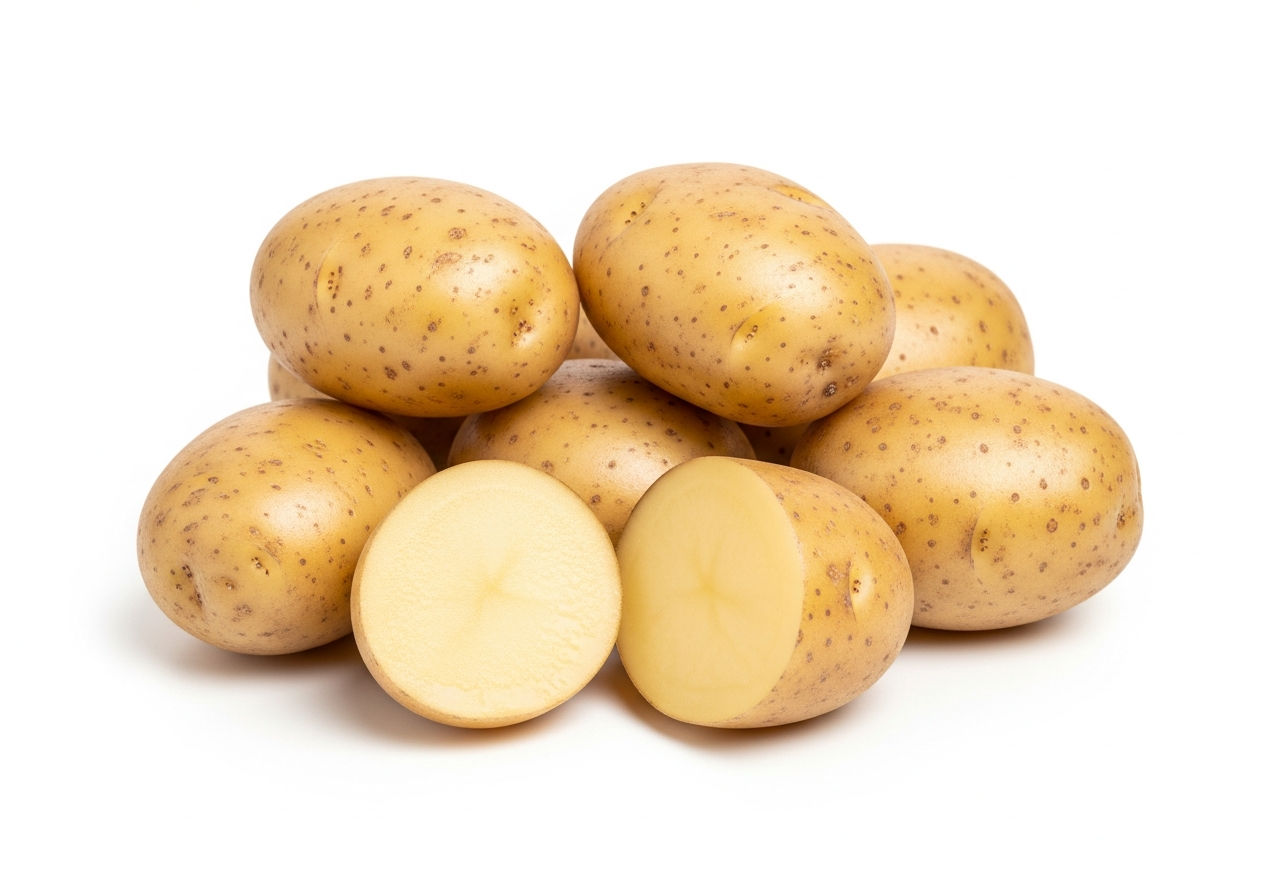
As a veteran nutrition coach and chef, I've seen countless foods unfairly categorized, and potatoes are often at the top of that list. For far too long, these humble tubers have been demonized in the nutrition world, primarily due to misinformation surrounding their carbohydrate content and glycemic impact. However, I'm here to set the record straight: potatoes are a nutritional powerhouse, offering a remarkable blend of energy, essential vitamins, and critical minerals that can profoundly support your health and fitness goals. When prepared thoughtfully, potatoes are not just a calorie vehicle, they are a versatile, nutrient-dense staple that deserves a prime spot in your healthy eating pattern.
Quick Answer
A 100g serving of raw potato, with its skin, provides approximately 77 calories. The macronutrient breakdown is predominantly carbohydrates, with about 17-20g, followed by 1.9-2.6g of protein, and a minimal 0.1g of fat. Potatoes are an excellent source of vitamin C and a good source of potassium.
Detailed Nutrition Facts
Let's dive deeper into what makes potatoes a nutritional MVP. While the macros are important, the micronutrient profile is where potatoes truly shine.
Complete Macro Breakdown
For a 100g serving of raw potato (flesh and skin):
- Calories: Approximately 77 kcal.
- Total Carbohydrates: Around 17-20g.
- Dietary Fiber: Approximately 1.6-2.3g, especially when the skin is consumed. This contributes significantly to digestive health and satiety.
- Sugars: About 1g.
- Protein: Roughly 1.9-2.6g. While not a primary protein source, it's a valuable contribution for a vegetable.
- Total Fat: A negligible 0.1g.
- Saturated Fat: 0g.
- Trans Fat: 0g.
- Cholesterol: 0mg.
- Sodium: 0-2mg.
Micronutrients
Potatoes are brimming with essential vitamins and minerals, many of which are often overlooked:
- Vitamin C: A medium 5.3 oz (148g) potato with skin provides 27mg of Vitamin C, which is 30% of the daily value. This powerful antioxidant is crucial for immune function and collagen formation.
- Potassium: An outstanding source, with a medium 5.3 oz potato (148g) containing 620mg, surpassing a medium-sized banana. Potassium is vital for blood pressure regulation, muscle function, and nerve signals.
- Vitamin B6: A medium baked potato with skin can provide nearly one-third of your recommended daily allowance. Vitamin B6 aids in red blood cell production, energy conversion from food, and regulating mood and sleep.
- Iron: Approximately 1.1mg per 148g serving.
- Magnesium: Essential for muscle and nerve function, blood sugar control, and blood pressure regulation.
- Phosphorus: Important for bone health and energy metabolism.
- Folate: Contributes to cell growth and function.
Serving Size Considerations
A standard serving of potato is generally considered 148 grams (5.3 ounces) of raw potato, which is about the size of a computer mouse or a small fist. This translates to roughly 1/2 cup of cooked, diced, or mashed potato, or one small whole potato. It's crucial to remember that cooked potatoes lose water, so a 150g raw potato may yield around 110g cooked.
Comparison to Similar Foods
When stacked against common staples like white rice or even sweet potatoes, white potatoes hold their own. Per 100g, boiled potato generally has fewer calories (77 kcal) than cooked white rice (130 kcal). Potatoes also offer more fiber (2.2g vs. 0.4g for white rice) and significantly more vitamin C and potassium than white rice. While sweet potatoes are renowned for Vitamin A, white potatoes often contain more potassium and Vitamin B6.
Hero Nutrient Highlight: A medium 5.3 oz potato (148g) with skin contains 620 mg of potassium, which is 15% of the daily value and more than a medium-sized banana. This makes potatoes an incredibly affordable and accessible source of this vital electrolyte.
Health Benefits
Don't let the "starchy carb" label fool you. Potatoes, especially when prepared healthily, offer a wealth of health advantages.
Primary Benefits
- Sustained Energy Source: Potatoes are rich in complex carbohydrates, providing a steady release of glucose, which is the body's preferred fuel source. This makes them excellent for fueling daily activities and workouts.
- Blood Pressure Management: The high potassium content in potatoes plays a crucial role in balancing sodium levels, which can help reduce the risk of high blood pressure and stroke.
- Immune System Support: With their significant Vitamin C content, potatoes act as powerful antioxidants, protecting cells from damage and boosting overall immune function.
- Digestive Health: The fiber in potatoes, particularly in the skin, aids in maintaining regular bowel movements and supports a healthy gut microbiome. When cooked and cooled, potatoes develop resistant starch, which acts as a prebiotic, further benefiting gut health.
- Satiety and Weight Management: Potatoes have a high satiety index, meaning they help you feel full and satisfied for longer, which can be beneficial for managing calorie intake and supporting weight loss goals.
Who Should Eat This Food
Potatoes are a fantastic food for almost everyone. Athletes and active individuals can benefit from their readily available carbohydrates for energy and recovery. Those looking to manage blood pressure or boost their immune system will appreciate the potassium and vitamin C. People aiming for weight loss can leverage their satiating properties and nutrient density. Even individuals with insulin resistance can include potatoes in their diet when prepared appropriately, as studies show they do not negatively affect blood glucose levels and can assist with weight loss.
When to Eat It
Potatoes are versatile and can be enjoyed at any meal:
* Pre-workout: As a source of complex carbohydrates, potatoes can provide sustained energy for your training session.
* Post-workout: To replenish glycogen stores quickly and aid muscle recovery.
* Main Meals: As a filling and nutritious base for breakfast, lunch, or dinner, offering energy and satiety.
How to Track Macros
Accurate macro tracking is key to achieving your nutritional goals, and potatoes are no exception.
Portion Measurement Tips
- Use a Food Scale: The most accurate method is to weigh your potatoes (raw or cooked) using a digital food scale. A standard raw serving is 148 grams (5.3 ounces). Remember that cooking changes weight due to water loss, so if tracking cooked, be mindful that 150g raw might become ~110g cooked.
- Visual Cues: If a scale isn't available, a single serving of raw potato is roughly the size of a computer mouse or a small fist. For cooked, diced, or mashed potatoes, 1/2 cup is a standard serving.
- Beware of "Medium": What's sold as a "medium" potato can vary significantly, often weighing more than the standard 148g serving. Always check or weigh if precision is critical.
Using Macro Tracking Apps
Apps like JustMacrosFit are invaluable tools for precise tracking. When logging potatoes:
- Select the Correct Entry: Look for "potato, raw, skin on" for the most accurate starting point. If cooked, search for "potato, boiled," "potato, baked," etc., making sure to specify "with skin" if applicable, as nutrient content can vary.
- Enter Measured Weight: Input the weight in grams directly from your food scale for the most accurate macro breakdown.
- Adjust for Preparation: If your app provides options, distinguish between raw, boiled, baked, or mashed, as cooking methods and added ingredients (like butter or oil) will alter the final macro count.
Common Serving Sizes
- Small Potato: ~130g raw, counts as roughly one serving.
- Medium Potato (USDA standard): 148g raw.
- Large Potato: Can be 300-400g cooked, which is 2-3 standard servings.
- 1 cup diced raw potato: ~150g.
- 1/2 cup cooked, diced, or mashed potato: Approximately one serving.
Meal Ideas & Preparation
As a chef, I can tell you that potatoes' versatility is unmatched, allowing for delicious and nutritious meals throughout the day.
Breakfast, Lunch, Dinner Ideas
- Breakfast:
- Savory Potato Hash: Diced and roasted potatoes with bell peppers, onions, and lean turkey sausage, topped with a fried egg.
- Breakfast Burrito: Scrambled eggs, black beans, salsa, and roasted potato cubes wrapped in a whole-wheat tortilla.
- Lunch:
- Loaded Baked Potato: A baked potato topped with Greek yogurt or cottage cheese, chives, steamed broccoli, and grilled chicken or chickpeas.
- Potato and Lentil Soup: A hearty, fiber-rich soup with diced potatoes, lentils, carrots, and celery.
- Dinner:
- Sheet Pan Roasted Chicken and Veggies: Chicken breast, potato wedges, and your favorite vegetables (like asparagus or bell peppers) roasted with olive oil and herbs.
- Fish and Boiled Potatoes: Simple boiled potatoes with pan-seared white fish and a side of green beans, a light and balanced meal.
- Shepherd's Pie with Potato Topping: A lean ground meat and vegetable filling topped with mashed potatoes.
Meal Prep Tips
- Batch Cook Roasted Potatoes: Roast a large batch of diced or wedged potatoes at the beginning of the week. Store them in the fridge for quick additions to meals.
- Pre-Boil and Cool: Boil potatoes in their skin, then cool them completely in the refrigerator. This process increases resistant starch, which has benefits for gut health and blood sugar control. You can then reheat or use them cold in salads.
- Potato Salad Reinvented: Prepare a healthy, mayo-free potato salad with cooled boiled potatoes, fresh herbs, celery, red onion, and a vinaigrette dressing.
Cooking Methods That Preserve Nutrients
The way you prepare potatoes significantly impacts their nutritional value.
- Boiling (with skin): Considered one of the healthiest methods, especially when the skin is left on, as it preserves nutrients without added fats. Use minimal water and cover the pot to prevent vitamin loss.
- Baking (with skin): An excellent method that requires no added fat (unless you choose to add oil). Leaving the skin on boosts fiber and micronutrient content.
- Steaming: Widely considered the "gold standard" for retaining water-soluble vitamins like Vitamin C and B vitamins due to lower temperatures and shorter cooking times.
- Microwaving (with skin): A surprisingly nutritious option due to short cooking times and minimal water, which helps preserve water-soluble vitamins.
- Avoid Prolonged Soaking: Soaking cut potatoes for too long can cause water-soluble vitamins and potassium to leach out.
- Cooling After Cooking: For all methods, cooling potatoes after cooking increases resistant starch, which has positive effects on glycemic impact and gut health.
For Weight Loss
Potatoes are often mistakenly blamed for weight gain, but studies demonstrate they can be a valuable part of a weight loss strategy.
Why It's Good for Weight Loss
- High Satiety: Potatoes rank high on the satiety index, meaning they keep you feeling fuller for longer compared to other carbohydrate sources. This can naturally lead to reduced overall calorie intake.
- Low Energy Density: When prepared without excessive fats, potatoes have a low energy density, allowing you to consume a larger volume of food for fewer calories. This can be very satisfying on a calorie-controlled diet.
- Fiber Content: The fiber, especially in the skin and the resistant starch formed upon cooling, aids digestion and contributes to fullness, helping to curb appetite.
- Nutrient Rich: They provide essential vitamins and minerals, preventing nutrient deficiencies that can sometimes occur during calorie restriction.
Portion Recommendations
Focus on standard serving sizes (148g raw or 1/2 cup cooked) and be mindful of your overall daily calorie goals. For weight loss, 1-2 servings per day as part of balanced meals is a good starting point. Pay close attention to how your body responds and adjust as needed.
Pairing Suggestions
To maximize weight loss benefits and slow glucose absorption:
* Pair with Protein: Combine potatoes with lean protein sources like chicken, fish, eggs, Greek yogurt, or legumes. Protein increases satiety and helps stabilize blood sugar.
* Add Healthy Fats: A small amount of healthy fat, like olive oil, can further slow digestion and improve nutrient absorption.
* Load Up on Fiber-Rich Veggies: Non-starchy vegetables add bulk, fiber, and nutrients without significantly increasing calories.
For Muscle Gain
For those looking to pack on lean muscle, potatoes are an indispensable tool in your dietary arsenal.
Protein Content Benefits
While not a primary protein source, the protein in potatoes, though modest (1.9-2.6g per 100g), contributes to your overall daily protein intake, which is critical for muscle repair and growth. Studies even suggest that potato protein concentrate can effectively increase muscle protein synthesis rates.
Pre/Post Workout Timing
- Pre-workout: The complex carbohydrates in potatoes provide sustained energy, helping you power through intense training sessions. Aim for 1-2 servings 1-2 hours before your workout.
- Post-workout: After exercise, your body needs to replenish glycogen stores quickly. Potatoes are an easily digestible source of carbohydrates that can help speed up recovery and prepare your muscles for the next session. Pair them with a high-quality protein source immediately after your workout.
Bulking Meal Ideas
- Hearty Chicken and Potato Bowl: Roasted potato chunks with grilled chicken breast, a generous serving of steamed vegetables, and a light sauce.
- Steak and Mashed Potatoes: Lean steak with mashed potatoes (made with milk or Greek yogurt instead of heavy cream) and a side of green beans.
- Post-Workout Smoothie: Blend cooked and cooled potatoes with protein powder, milk (dairy or non-dairy), and a banana for a nutrient-dense recovery shake.
- Beef Stew with Potatoes: A slow-cooked stew with lean beef, carrots, celery, and plenty of potatoes to provide complex carbs and satiety.
Comparisons
Understanding how potatoes stack up against other common foods can help you make informed dietary choices.
vs. Similar Foods
- Potatoes vs. Sweet Potatoes: Both are highly nutritious. White potatoes generally offer more potassium and vitamin B6, while sweet potatoes are renowned for their high Vitamin A content (beta-carotene) and often slightly more fiber. Sweet potatoes also tend to have more sugar.
- Potatoes vs. White Rice: For the same cooked weight, potatoes typically have fewer calories and carbohydrates, and significantly more fiber, vitamin C, and potassium than white rice. Potatoes also offer slightly more protein per 100g.
- Potatoes vs. Pasta: While specific comparisons vary by type, potatoes often provide more micronutrients like potassium and vitamin C than many refined pasta varieties. Whole-wheat pasta offers comparable fiber.
Best Alternatives
If you're looking to diversify your carb sources or have specific dietary needs, consider these alternatives:
* Quinoa: A complete protein and excellent source of fiber, magnesium, and iron.
* Brown Rice: A whole grain offering good fiber and sustained energy.
* Oats: Another excellent whole grain, rich in soluble fiber and beneficial for heart health.
* Legumes (beans, lentils): High in fiber, protein, and various micronutrients.
* Winter Squash (butternut, acorn): Similar texture to potatoes when roasted or mashed, rich in vitamins A and C.
When to Choose Each
- Potatoes: Choose potatoes for their high potassium and vitamin C content, excellent satiety, and versatility in meal preparation. They're a fantastic choice for energy replenishment and blood pressure management.
- Sweet Potatoes: Opt for sweet potatoes when you want a boost of Vitamin A and slightly more fiber. Their natural sweetness lends itself well to different culinary applications.
- Rice/Pasta/Quinoa: These are great alternatives for variety. Brown rice and quinoa offer more fiber and nutrients than white rice or refined pasta, and quinoa provides a complete protein.
FAQs
Q1: Are potatoes high in sugar?
A: No, raw potatoes contain very little sugar, about 1 gram per 100g serving. The majority of their carbohydrate content comes from starch.
Q2: Do potatoes cause blood sugar spikes?
A: The glycemic index (GI) of potatoes varies significantly based on variety and cooking method. While some preparations (like baked Russet potatoes) can have a high GI, cooling potatoes after cooking increases resistant starch, which lowers their glycemic impact. Pairing potatoes with protein, fiber, and healthy fats can also help stabilize blood sugar response.
Q3: Is it healthier to eat potatoes with the skin on?
A: Absolutely. The skin of potatoes is rich in fiber, potassium, and vitamin C. Eating potatoes with the skin on maximizes nutrient intake and supports digestive health.
Q4: Are potatoes good for gut health?
A: Yes, particularly when cooked and then cooled. This process forms resistant starch, a type of fiber that acts as a prebiotic, feeding beneficial gut bacteria and promoting the production of short-chain fatty acids like butyrate, which are crucial for gut health.
Q5: Can potatoes be part of a low-carb diet?
A: Potatoes are primarily a carbohydrate source, so they might not fit into very strict ketogenic or extremely low-carb diets. However, for moderate low-carb approaches (e.g., 50-150g carbs per day), potatoes can be incorporated in controlled portions, especially considering their nutrient density and satiety value.
Q6: What's the best way to store cooked potatoes to maximize resistant starch?
A: Cook potatoes (boil or steam them), then cool or freeze them. Refrigerating cooked potatoes for 12-24 hours has been shown to significantly increase their resistant starch content. Reheating them later still retains some of this resistant starch.
Track Potatoes easily with JustMacrosFit - your free macro tracking app.