Eggs Up: Complete Macros & Nutrition Guide
Complete macro and nutrition guide for Eggs Up. Learn calories, protein, carbs, fat per serving plus meal ideas and tracking tips.
Table of Contents
- Quick Answer
- Detailed Nutrition Facts
- Complete Macro Breakdown
- Micronutrients
- Serving Size Considerations
- Comparison to Similar Foods
- Health Benefits
- Primary Benefits
- Who Should Eat This Food
- When to Eat It
- How to Track Macros
- Portion Measurement Tips
- Using Macro Tracking Apps
- Common Serving Sizes
- Meal Ideas & Preparation
- Breakfast, Lunch, Dinner Ideas
- Meal Prep Tips
- Cooking Methods That Preserve Nutrients
- For Weight Loss
- Why It's Good for Weight Loss
- Portion Recommendations
- Pairing Suggestions
- For Muscle Gain
- Protein Content Benefits
- Pre/Post Workout Timing
- Bulking Meal Ideas
- Comparisons
- vs. Similar Foods
- Best Alternatives
- When to Choose Each
- FAQs
- Are eggs bad for cholesterol?
- How many eggs can I eat in a day?
- What's the difference between white and brown eggs?
- Does cooking method affect macros?
- How long do eggs last?
- Are egg whites healthier than whole eggs?
- Are organic eggs better?
Eggs Up Macros: Complete Nutrition Guide
As the culinary and nutrition experts at JustMacrosFit, we know that understanding the food we eat is the cornerstone of achieving our health and fitness goals. Few foods spark as much debate and admiration as the humble egg. Often hailed as "nature's multivitamin," eggs are a versatile, affordable, and incredibly nutrient-dense option for anyone looking to optimize their diet. We're here to crack open the facts and provide you with a comprehensive guide to eggs' macros and nutrition.
Quick Answer
Eggs are a powerhouse of nutrition, offering a balanced profile of macros and a rich array of micronutrients. A typical large egg (approximately 50-60g) contains around 70-80 calories, 6 grams of high-quality protein, 5 grams of healthy fats, and less than 1 gram of carbohydrates. They are particularly noteworthy for their complete amino acid profile and significant vitamin and mineral content.
Detailed Nutrition Facts
When we delve into the full nutritional profile of eggs, we discover why they are a staple in so many healthy eating plans.
Complete Macro Breakdown
For a serving of 100 grams of whole egg (approximately two large eggs), you can expect:
* Calories: Around 155 calories
* Protein: Approximately 12.6 to 13 grams, providing all nine essential amino acids.
* Fats: Roughly 10.6 grams, with a healthy balance of saturated, monounsaturated, and polyunsaturated fats. Of this, about 3.3 grams are saturated fat.
* Carbohydrates: Less than 1.5 grams, making eggs an excellent low-carb food choice.
Micronutrients
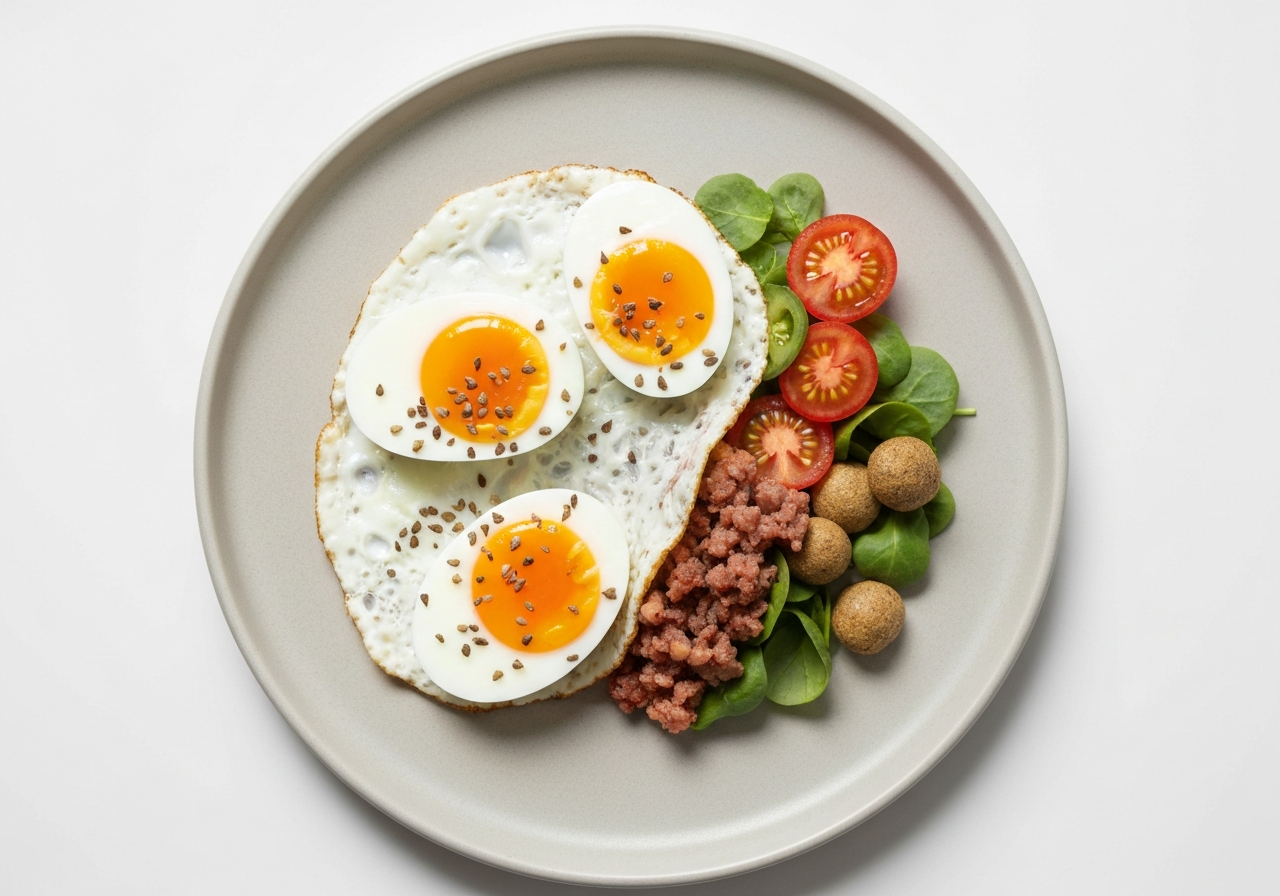
Eggs are a treasure trove of vitamins and minerals, many of which are concentrated in the yolk.
* Vitamins: They are a good to excellent source of several crucial vitamins.
> Hero Nutrients: Vitamin B12, Vitamin D, Choline, Selenium, Vitamin A, Vitamin E
* Vitamin B12: Essential for nerve function, red blood cell formation, and energy metabolism. Eggs provide a significant portion of the daily recommended intake.
* Vitamin D: One of the few natural food sources, vital for bone health, immune function, and mood regulation.
* Vitamin A: Important for vision, immune function, and skin health.
* Vitamin E: An antioxidant that helps protect cells from damage.
* Vitamin K: Plays a role in blood clotting and bone health.
* B Vitamins (Riboflavin B2, Pantothenic Acid B5, Folate B9, Biotin): Crucial for energy production and various metabolic processes.
* Minerals: Eggs also provide key minerals.
> Hero Nutrients: Choline, Selenium, Iron, Zinc
* Choline: An often-overlooked nutrient vital for brain development, memory, nerve function, and metabolic processes, especially important during pregnancy.
* Selenium: A powerful antioxidant that supports thyroid function and protects cells from damage.
* Iron: Essential for oxygen transport in the blood and energy levels.
* Zinc: Important for immune function and cell protection.
* Phosphorus: Contributes to strong bones and teeth, and normal cell membrane function.
* Iodine: Essential for proper thyroid function and metabolism.
Serving Size Considerations
The nutritional values mentioned typically refer to large eggs. However, eggs come in various sizes, and their macros will adjust accordingly:
* Small Egg: Approximately 54 calories, 5.2g protein, 3.7g fat.
* Medium Egg: Approximately 66 calories, 6.4g protein, 4.6g fat.
* Large Egg: Approximately 70-78 calories, 6-7.5g protein, 5-5.4g fat.
* Very Large/Jumbo Egg: Will have slightly higher values.
When tracking macros, it's always best to be precise by weighing your eggs or using the nutritional information specific to the size you are consuming.
Comparison to Similar Foods
Eggs stand out even when compared to other popular protein sources:
* Vs. Chicken Breast: Per 100g, skinless chicken breast offers significantly more protein (22.5-29g) but fewer calories (around 165 calories) and very little fat. Eggs, while having slightly less protein per 100g (12.6g), provide a broader spectrum of micronutrients, especially vitamins A, D, E, B12, choline, and selenium. Chicken breast is excellent for maximizing lean protein intake, while eggs offer a more complete nutritional package.
* Vs. Tofu: Per 100g, firm tofu provides around 144 calories, 17.27g protein, and 8.7g fat. Tofu is generally higher in calcium, iron, and magnesium, and lower in cholesterol. Eggs, however, excel in selenium, copper, choline, and vitamins A, D, B2, B5, B6, B12, and folate. Both are excellent protein sources, with eggs providing unique fat-soluble vitamins and choline.
Health Benefits
The rich nutritional profile of eggs translates into a multitude of health benefits that support overall well-being.
Primary Benefits
- Muscle Building and Repair: As one of the few foods considered a "complete protein," eggs contain all nine essential amino acids necessary for muscle protein synthesis, making them ideal for building and repairing muscle tissue. Research suggests that consuming whole eggs post-resistance exercise leads to greater muscle building compared to egg whites alone, likely due to the synergistic effect of the yolk's nutrients.
- Weight Management: Eggs are remarkably satiating due to their high protein content, which can help reduce appetite and overall calorie intake throughout the day. Studies indicate that an egg breakfast can lead to greater satiety and potentially more weight loss and a reduction in waist circumference when part of an energy-restricted diet, compared to a cereal-based breakfast. Their relatively low-calorie density (around 70-80 calories per large egg) makes them an excellent choice for those mindful of their caloric intake.
- Brain Health: The significant amount of choline in eggs is crucial for neurotransmitter production (acetylcholine), which is vital for memory, mood, and overall brain function. This makes eggs particularly beneficial for cognitive health across all age groups.
- Eye Health: Egg yolks are rich in lutein and zeaxanthin, powerful antioxidants that accumulate in the retina. These carotenoids protect the eyes from harmful blue light and reduce the risk of age-related macular degeneration and cataracts.
- Bone Health: Eggs are one of the few natural dietary sources of Vitamin D, which is essential for calcium absorption and bone mineralization, contributing to strong bones and teeth.
- Immune Support: Vitamins A, D, B12, and selenium found in eggs all play vital roles in supporting a robust immune system.
Who Should Eat This Food
Eggs are a fantastic addition to almost any diet.
* Athletes and Fitness Enthusiasts: For muscle growth, recovery, and sustained energy.
* Individuals Managing Weight: Due to their satiety-inducing protein and low-calorie count.
* Children and Pregnant Women: For brain development (choline) and essential nutrient intake.
* General Healthy Eaters: As a nutrient-dense whole food that supports overall health.
When to Eat It
Eggs are incredibly versatile and can be enjoyed at any meal:
* Breakfast: A classic for good reason. A protein-rich egg breakfast can help regulate blood sugar levels and reduce post-meal glucose levels, providing sustained energy throughout the morning.
* Lunch: Add hard-boiled eggs to salads, make an egg salad sandwich, or whip up a quick frittata.
* Dinner: Shakshuka, huevos rancheros, or a simple omelet can make for a nutritious and quick dinner.
* Snacks: Hard-boiled eggs are the ultimate grab-and-go snack for a protein boost.
How to Track Macros
Accurate macro tracking is crucial for achieving specific dietary goals, and eggs are no exception.
Portion Measurement Tips
Since eggs vary in size, precise measurement is key:
1. Use Standard Sizes: Most nutritional databases provide information for "large" eggs (approximately 50-60g). If you're using medium or extra-large eggs, be aware that the actual macros will differ.
2. Weigh Whole Eggs: For ultimate precision, weigh your eggs. Crack them into a bowl, whisk, and then weigh the desired portion. This is especially useful for recipes where you're using a specific amount of egg mixture.
3. Count by Number: For simplicity, if your diet allows for slight variations, you can count by the number of large eggs. One large egg is typically around 70-78 calories, 6g protein, and 5g fat.
Using Macro Tracking Apps
Apps like JustMacrosFit make tracking eggs incredibly easy. Simply search for "egg" or "large egg," select your serving size (e.g., "1 large egg," "100g whole egg"), and the app will automatically log the macros for you. This eliminates guesswork and ensures you stay on target with your daily goals.
Common Serving Sizes
- One Large Egg: ~70-78 calories, 6g protein, 5g fat, <1g carbs.
- Two Large Eggs: ~140-156 calories, 12g protein, 10g fat, <2g carbs.
- Three Large Eggs: ~210-234 calories, 18g protein, 15g fat, <3g carbs.
Remember, these are for whole eggs. If you opt for egg whites only, the fat and calorie content will be significantly lower, while protein remains high. A single egg white provides approximately 17 calories and 3.6-4g of protein with no fat or cholesterol.
Meal Ideas & Preparation
The versatility of eggs makes them a chef's dream. We love incorporating them into a myriad of dishes, proving that healthy eating doesn't have to be bland or boring.
Breakfast, Lunch, Dinner Ideas
- Breakfast:
- Classic Scramble with Veggies: Whisk eggs with a splash of milk or water, scramble with your favorite chopped vegetables (spinach, bell peppers, onions), and a sprinkle of herbs.
- Power Omelet: Fill a fluffy omelet with lean turkey, mushrooms, and a small amount of low-fat cheese.
- Avocado Toast with Poached Egg: A nutrient-dense start to the day. Spread mashed avocado on whole-grain toast and top with a perfectly poached egg.
- Hard-Boiled Eggs: The ultimate meal prep breakfast or snack.
- Lunch:
- Cobb Salad: A vibrant salad with mixed greens, grilled chicken, bacon (in moderation), avocado, tomatoes, and sliced hard-boiled eggs.
- Egg Salad Wraps: Mix chopped hard-boiled eggs with Greek yogurt, mustard, and celery, then wrap in a whole-wheat tortilla or lettuce cups.
- Frittata or Quiche: Prepare a frittata loaded with vegetables and serve a slice cold or reheated.
- Dinner:
- Shakshuka: Eggs poached in a rich, spicy tomato sauce, often served with crusty bread for dipping.
- Stir-fry with Eggs: Add scrambled or fried eggs to your vegetable and lean protein stir-fry for an extra protein boost.
- Baked Eggs in Avocado: Crack an egg into a hollowed-out avocado half, season, and bake until set.
Meal Prep Tips
- Hard-Boiled Eggs: Boil a batch of eggs at the beginning of the week for quick additions to salads, snacks, or meal components. They typically last for about a week in the refrigerator.
- Pre-chopped Veggies: Have your favorite omelet or scramble vegetables pre-chopped and ready to toss into your egg dishes.
- Mini Frittatas/Egg Muffins: Bake individual egg muffins with various fillings for grab-and-go breakfasts or snacks.
Cooking Methods That Preserve Nutrients
The way we cook our eggs can impact their nutritional value, particularly the absorption of certain nutrients.
* Gentle Cooking Methods: Poaching, soft boiling, or lightly scrambling can help preserve the delicate fat-soluble vitamins and antioxidants in the yolk.
* Avoid Overcooking: Overcooking eggs, especially frying them at very high temperatures, can potentially reduce some of their nutrient content, though eggs remain highly nutritious regardless of cooking method.
* Pair with Healthy Fats: While eggs contain healthy fats, research suggests that eating eggs with salads can increase the absorption of fat-soluble vitamins like Vitamin E and carotenoids from the salad.
For Weight Loss
For those on a weight loss journey, eggs are an undisputed ally in the kitchen.
Why It's Good for Weight Loss
- High Satiety: The high protein content in eggs promotes feelings of fullness, reducing overall calorie intake throughout the day. This powerful satiating effect is a game-changer for appetite control.
- Low Calorie Density: One large egg packs around 70-78 calories with a significant amount of nutrients, making it a highly efficient food for calorie-restricted diets.
- Metabolic Boost: Protein has a higher thermic effect of food (TEF) compared to fats and carbohydrates, meaning your body burns more calories digesting and metabolizing protein.
- Stable Blood Sugar: A protein-rich breakfast, like eggs, can help regulate blood sugar levels, preventing the spikes and crashes that often lead to cravings and overeating.
Portion Recommendations
For weight loss, we typically recommend 1-2 large eggs per meal, depending on your overall calorie and protein goals. Pairing eggs with fiber-rich vegetables further enhances satiety and nutrient intake. For example, a two-egg omelet with a generous serving of spinach and mushrooms is a satisfying and low-calorie meal.
Pairing Suggestions
- With Plenty of Vegetables: Add spinach, bell peppers, onions, or broccoli to your scrambled eggs or omelets. This increases fiber and micronutrient intake without adding many calories.
- Whole Grains: Pair eggs with a slice of whole-wheat toast or a small portion of oats for sustained energy and fiber.
- Healthy Fats (in moderation): A slice of avocado or a sprinkle of seeds can add healthy fats, but be mindful of portion sizes as these are calorie-dense.
For Muscle Gain
For individuals focused on building muscle, eggs are a fundamental food, thanks to their superior protein quality.
Protein Content Benefits
Eggs are considered a "gold standard" for protein quality because they contain all nine essential amino acids in the right proportions needed by the body for muscle protein synthesis. This makes them highly effective for building and repairing muscle tissue. The protein in eggs is also highly digestible, meaning the body can efficiently utilize it.
Pre/Post Workout Timing
- Post-Workout: Consuming whole eggs after resistance exercise has been shown to stimulate muscle protein synthesis more effectively than consuming an equivalent amount of protein from egg whites alone. This is attributed to the synergistic effect of nutrients found in the yolk. Aim for 2-3 whole eggs or a combination of whole eggs and egg whites (if you need more protein volume with fewer calories) within an hour or two post-workout.
- Anytime: Eggs are excellent at any meal to contribute to your daily protein target, supporting consistent muscle protein synthesis throughout the day.
Bulking Meal Ideas
- Hearty Breakfast Burrito: Scramble 2-3 eggs with black beans, rice, avocado, and a little cheese wrapped in a whole-wheat tortilla.
- Egg & Oat Power Bowl: Mix scrambled eggs into a bowl of oatmeal with a dollop of nut butter for a balanced macro profile.
- Protein-Packed Frittata: A large frittata with multiple eggs, potatoes, and lean meats like chicken sausage or ham can be a great meal prep option for bulking.
- Loaded Egg Sandwich: Serve 2-3 fried or scrambled eggs on whole-grain bread with slices of lean turkey or ham and a generous serving of spinach.
Comparisons
Understanding how eggs stack up against other foods helps us make informed dietary choices for our unique needs.
vs. Similar Foods
- Chicken Breast: As discussed, chicken breast (especially skinless) offers a higher protein-to-calorie ratio, making it ideal for very lean protein intake. Eggs, however, provide a more diverse micronutrient profile, including fat-soluble vitamins A, D, E, K, and choline, which are less abundant in chicken.
- Tofu: Tofu is a great plant-based protein, offering good amounts of protein, iron, and calcium. Eggs surpass tofu in several vitamins (A, D, E, B2, B5, B6, B12, folate) and minerals like selenium and copper, along with being a superior source of choline.
- Other Protein Sources (e.g., Greek Yogurt, Cottage Cheese): These dairy options are excellent for protein and calcium. Eggs offer a different array of micronutrients, particularly fat-soluble vitamins and choline, which are less prevalent in dairy.
Best Alternatives
- For Protein: Lean meats (chicken, turkey, fish), legumes (beans, lentils), dairy products (Greek yogurt, cottage cheese), tofu, tempeh, and protein powders.
- For Micronutrients: A varied diet rich in fruits, vegetables, nuts, seeds, and fortified foods will help cover the broad spectrum of nutrients found in eggs. For specific nutrients like Vitamin D, fortified milk or fatty fish are good alternatives. For choline, beef liver is a top source, along with soybeans and certain nuts.
When to Choose Each
- Choose Eggs when: You want a complete, highly bioavailable protein source with a rich array of vitamins, minerals, and healthy fats, especially choline and Vitamin D. They are perfect for satiety and overall nutritional density.
- Choose Chicken Breast when: Your primary goal is to maximize lean protein intake with minimal fat, particularly for muscle building and calorie control.
- Choose Tofu when: You need a versatile plant-based protein, are looking for higher calcium and iron, or are following a vegan diet.
FAQs
Here, we address some of the most common questions our JustMacrosFit community asks about eggs.
Are eggs bad for cholesterol?
No, for most healthy individuals, the dietary cholesterol in eggs does not significantly raise blood cholesterol levels. Research indicates that saturated and trans fats in the diet have a much greater impact on blood cholesterol than dietary cholesterol. However, if you have pre-existing heart disease, diabetes, or high cholesterol, it's wise to consult with a healthcare professional or dietitian, as some guidelines suggest limiting yolk intake to around four per week.
How many eggs can I eat in a day?
For most healthy individuals, eating up to seven eggs per week (one per day on average) is considered safe and beneficial for heart health. Some studies suggest even higher intakes (2-3 eggs per day) can be safe for healthy adults, provided they are part of an overall nutritious diet. Those with specific health conditions, like heart disease or diabetes, should be more cautious and may need to limit whole egg intake, typically to around four yolks per week.
What's the difference between white and brown eggs?
The color of an eggshell simply depends on the breed of the hen and has no bearing on the nutritional value, taste, or quality of the egg. Both white and brown eggs offer the same macros and micronutrients.
Does cooking method affect macros?
The cooking method itself does not change the inherent macronutrient profile of an egg. However, what you cook eggs with can add calories and alter the overall macro count. For example, frying eggs in butter or oil will increase the fat and calorie content compared to poaching or boiling them. Also, cooking can affect protein digestibility; cooked eggs have significantly higher protein digestibility than raw eggs.
How long do eggs last?
Unwashed, uncracked fresh eggs can last for several weeks in the refrigerator, typically 3-5 weeks beyond the pack date. Hard-boiled eggs should be consumed within one week when stored in the refrigerator.
Are egg whites healthier than whole eggs?
Egg whites are nearly pure protein and water, with virtually no fat or cholesterol and very few calories. They are an excellent choice for those looking to maximize protein intake while minimizing calories, fat, or cholesterol. However, the majority of an egg's vitamins, minerals, and antioxidants (including Vitamin D, A, E, K, B12, choline, and selenium) are found in the yolk. For comprehensive nutrition and better muscle protein synthesis, whole eggs are generally considered superior.
Are organic eggs better?
While organic eggs are produced under specific farming standards (e.g., hens fed organic feed, free-range access), the nutritional differences between organic and conventional eggs are often minimal. Some studies suggest organic or pasture-raised eggs may have slightly higher omega-3 fatty acid and micronutrient content. The choice often comes down to personal values, animal welfare considerations, and budget.
Eggs truly are a nutrient-dense superfood, offering a robust package of protein, healthy fats, and essential micronutrients. Whether your goal is weight loss, muscle gain, or simply maintaining a healthy lifestyle, incorporating eggs into your diet is a smart and delicious strategy.
Track Eggs Up easily with JustMacrosFit - your free macro tracking app.