Bell Peppers Stuffed: Complete Macros & Nutrition Guide
Complete macro and nutrition guide for Bell Peppers Stuffed. Learn calories, protein, carbs, fat per serving plus meal ideas and tracking tips.
Table of Contents
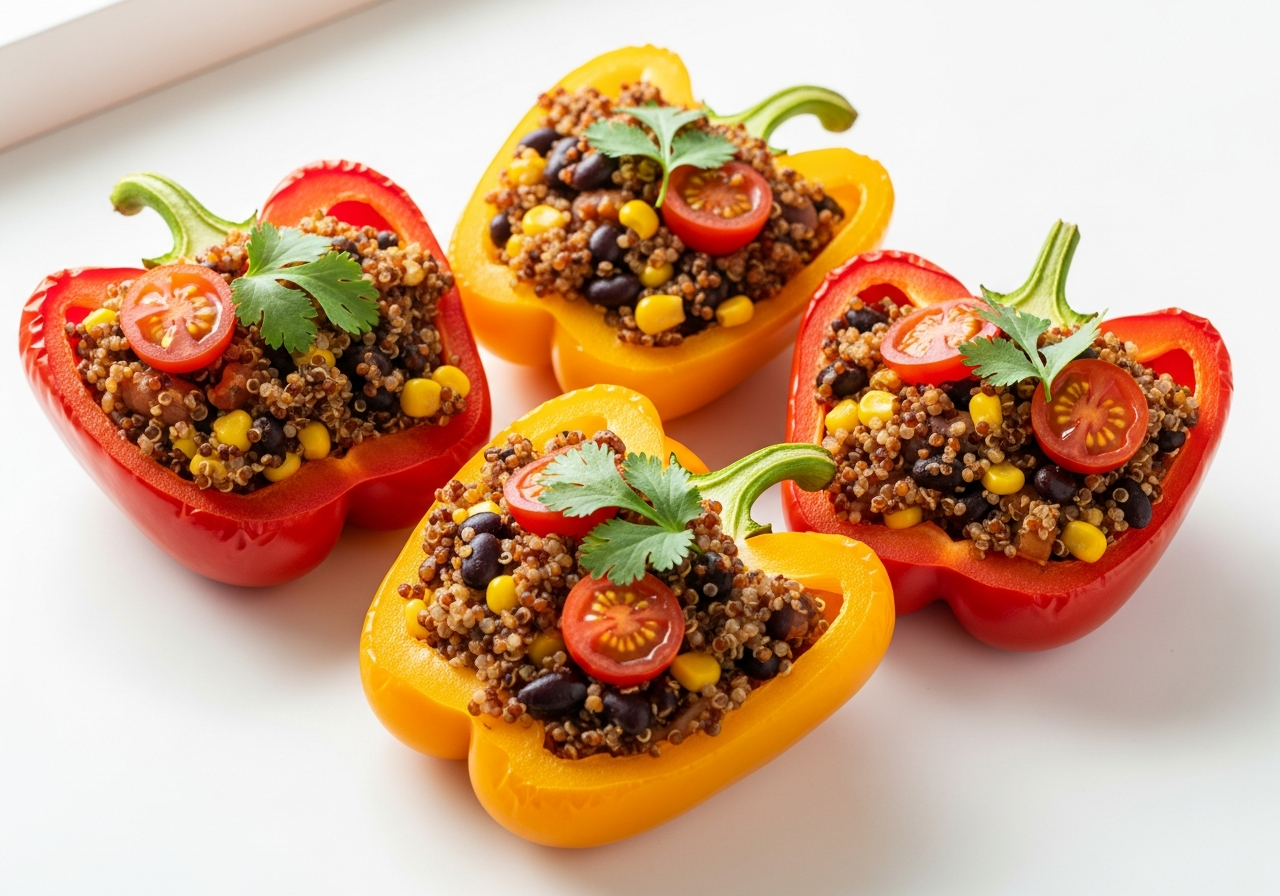
"JustMacrosFit" is dedicated to empowering you with precise, actionable nutrition knowledge. As expert nutrition writers and chefs, we understand the critical role macros and micronutrients play in achieving your health and fitness goals. Today, we're diving deep into a beloved comfort food that, when prepared mindfully, can be a nutritional powerhouse: stuffed bell peppers. We'll uncover their complete macro profile, health benefits, and how to integrate them seamlessly into your diet, whether you're aiming for weight loss, muscle gain, or simply balanced eating.
Bell Peppers Stuffed Macros: Complete Nutrition Guide
Quick Answer
A typical serving of bell peppers stuffed with a balanced mix of lean ground meat (like turkey or beef), rice, and vegetables provides a moderate calorie count, excellent protein, and a good balance of carbohydrates and healthy fats. Per 100 grams, you can expect approximately 100-150 calories, 8-12 grams of protein, 8-12 grams of carbohydrates, and 4-8 grams of fat, with variations depending on the specific ingredients.
Hero Nutrient Highlight: Stuffed bell peppers are a fantastic source of Vitamin C, especially from the bell pepper itself, and can be rich in lean protein and fiber depending on the filling.
Detailed Nutrition Facts
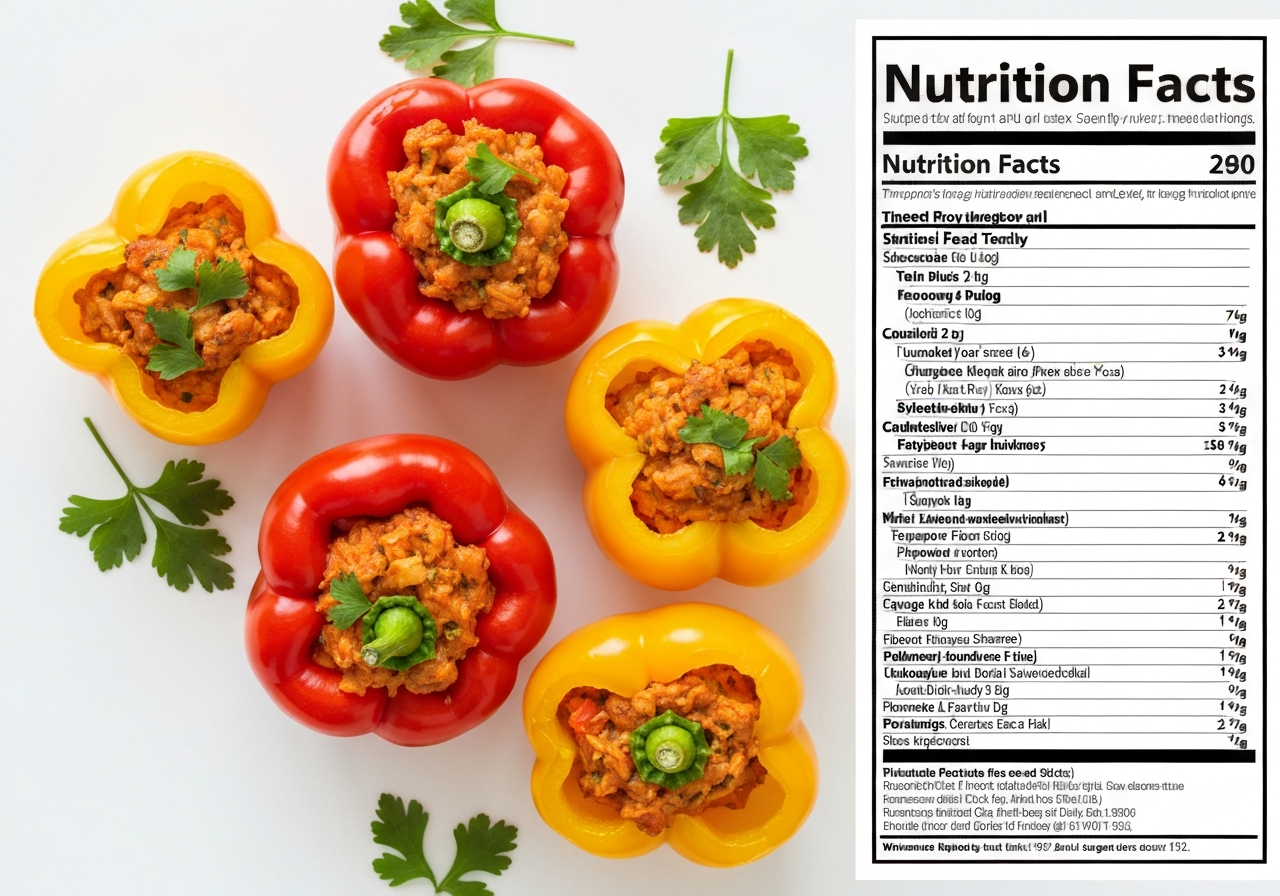
When we analyze the detailed nutrition facts of stuffed bell peppers, we see a dish that can be incredibly versatile and nutritionally dense. The exact composition, as we often emphasize at JustMacrosFit, hinges entirely on your chosen ingredients. Our typical recipe, which forms the basis of this guide, involves bell peppers filled with lean ground turkey or beef, brown rice, diced tomatoes, onions, and a medley of herbs and spices.
Complete Macro Breakdown (per 100g, typical recipe):
- Calories: 100-150 kcal
- Protein: 8-12 grams (Primarily from the ground meat, contributing to satiety and muscle repair.)
- Carbohydrates: 8-12 grams (From rice and vegetables, providing energy. About 1-2 grams are typically fiber.)
- Fats: 4-8 grams (Mainly from the ground meat, with healthier fats from olive oil if used in cooking.)
Micronutrients:
Beyond the macros, stuffed bell peppers are a treasure trove of essential vitamins and minerals. The bell pepper itself is a nutritional star, particularly red bell peppers, which are packed with Vitamin C, often exceeding the daily recommended intake in a single medium pepper. They also provide Vitamin A, B6, folate, and potassium. The filling, especially if it includes tomatoes and onions, further boosts the micronutrient profile with lycopene, more Vitamin C, and various B vitamins.
- Vitamin C: Abundant, crucial for immune function and collagen synthesis.
- Vitamin A: Important for vision and immune health.
- B Vitamins (B6, Folate): Essential for energy metabolism and cell function.
- Potassium: Vital for blood pressure regulation and muscle function.
- Iron: From the ground meat, essential for oxygen transport.
Serving Size Considerations:
A common serving size for stuffed bell peppers is one whole medium bell pepper, which can weigh anywhere from 200-300 grams depending on the size of the pepper and the density of the filling. This means that a single serving could easily provide 20-36 grams of protein, a substantial amount for a meal.
Comparison to Similar Foods:
Compared to a traditional pasta dish with meat sauce, stuffed bell peppers often offer a higher vegetable content and lower overall carbohydrate count, particularly if brown rice is used sparingly or replaced with cauliflower rice. They also tend to be less calorically dense than many casseroles, making them an excellent option for those mindful of their energy intake while maximizing nutrient density.
Health Benefits
Stuffed bell peppers are more than just a delicious meal, they're a symphony of health benefits, expertly crafted by nature and thoughtful preparation. The combination of ingredients contributes to several key aspects of our well-being.
Primary Benefits:
- Muscle Building and Repair: With a significant protein content, especially when filled with lean ground meat, stuffed bell peppers provide the essential amino acids needed for muscle synthesis and recovery. This is crucial whether you're an athlete or simply aiming to maintain lean muscle mass as you age.
- Weight Management: The high fiber content from the bell pepper and brown rice, combined with the satiating protein, helps you feel fuller for longer. This natural appetite suppression can significantly aid in reducing overall calorie intake, a cornerstone of effective weight loss.
- Enhanced Immune Function: Bell peppers, particularly the red and yellow varieties, are extraordinarily rich in Vitamin C, a powerful antioxidant vital for bolstering the immune system. This helps our bodies fight off infections and stay healthy.
- Antioxidant Powerhouse: Beyond Vitamin C, bell peppers contain various carotenoids and other antioxidants that combat free radicals, reducing oxidative stress and inflammation throughout the body. This contributes to long-term cellular health and disease prevention.
- Digestive Health: The fiber from the bell pepper and any whole grains in the filling promotes healthy digestion, preventing constipation and supporting a thriving gut microbiome.
Who Should Eat This Food:
Stuffed bell peppers are a fantastic meal choice for almost everyone.
- Fitness Enthusiasts: Excellent for pre or post-workout meals due to balanced macros for energy and recovery.
- Individuals on a Weight Loss Journey: High satiety, lower calorie density (when prepared lean), and rich in nutrients.
- Health-Conscious Eaters: A great way to increase vegetable intake and enjoy a balanced meal.
- Families: Highly customizable, making it easy to cater to different tastes and dietary needs.
When to Eat It:
This dish is incredibly versatile. We enjoy stuffed bell peppers as:
- A Hearty Lunch: Provides sustained energy for the afternoon.
- A Satisfying Dinner: A complete meal that doesn't leave you feeling heavy.
- Meal Prep Staple: They reheat beautifully, making them ideal for planning meals for the week.
How to Track Macros
Accurate macro tracking is the cornerstone of achieving specific dietary goals, and stuffed bell peppers, with their customizable nature, require a thoughtful approach. We, at JustMacrosFit, encourage precision.
Portion Measurement Tips:
1. Weigh Ingredients Separately (Pre-Cooking): For the most accurate data, measure each component of your filling (ground meat, rice, tomatoes, onions, etc.) before cooking and stuffing the peppers. This allows you to log the raw weight of each ingredient.
2. Calculate Per-Pepper (Post-Cooking): Once cooked, weigh the total yield of your stuffed peppers. Divide the total weight by the number of peppers to get an average weight per pepper. Then, divide the total macros of your entire recipe by the number of peppers to get the macros per pepper.
3. Standardize Your Recipe: If you make stuffed bell peppers frequently, create a consistent recipe with precise measurements for each ingredient. This makes subsequent tracking much easier.
Using Macro Tracking Apps:
Our JustMacrosFit app is designed to simplify this process.
- Recipe Builder: Utilize the "Recipe Builder" feature in JustMacrosFit. Input all your ingredients and their raw quantities. The app will calculate the total macros for the entire recipe.
- Serving Size: Once your recipe is built, you can specify that it yields, for example, 6 stuffed peppers. The app will then automatically calculate the macros per pepper, allowing you to simply log "1 serving" when you eat one.
- Barcode Scanner/Database: For pre-made ingredients like specific ground meat or canned tomatoes, use our barcode scanner or search our extensive database for quick and accurate logging.
Common Serving Sizes:
While a "serving" can vary, we typically consider one medium stuffed bell pepper (approximately 200-300g, depending on the filling) as a standard individual serving. Be mindful of the density of your filling. A pepper packed with mostly meat and cheese will have a very different macro profile than one filled primarily with vegetables and a small amount of lean ground turkey and brown rice. Always refer back to your recipe's specific calculations.
Meal Ideas & Preparation
As nutrition coaches and chefs, we love stuffed bell peppers not just for their macros, but for their incredible versatility and the sheer joy they bring to the table. They’re a canvas for culinary creativity, making meal prep exciting and delicious.
Breakfast, Lunch, Dinner Ideas:
While typically a lunch or dinner item, don't shy away from creative breakfast adaptations!
- Breakfast Stuffed Peppers: Fill bell peppers with scrambled eggs, diced ham or turkey sausage, spinach, and a sprinkle of low-fat cheese. Bake until tender. It's a protein-packed start to your day.
- Classic Lunch/Dinner: Our go-to involves a savory mix of lean ground turkey or beef, cooked brown rice, diced tomatoes, onions, garlic, and Italian herbs. Top with a touch of marinara and bake until the pepper is tender and the filling is bubbly.
- Mediterranean Twist: Swap the ground meat for a lentil and quinoa filling, add feta cheese, kalamata olives, sun-dried tomatoes, and a sprinkle of oregano. Serve with a side of tzatziki.
- Southwestern Fiesta: Use ground chicken or black beans, corn, salsa, cilantro, and a dash of cumin. Top with a dollop of Greek yogurt or avocado for healthy fats.
Meal Prep Tips:
Stuffed bell peppers are meal prep champions.
1. Assemble Ahead: Prepare your filling mixture entirely and stuff the peppers. You can store the uncooked stuffed peppers in an airtight container in the refrigerator for up to 3 days.
2. Bake and Store: Bake a large batch and let them cool completely. Store individual peppers in meal prep containers in the refrigerator for 3-4 days. They reheat beautifully in the microwave or oven.
3. Freezing for Later: Stuffed peppers (especially those with a rice and meat filling) freeze well. Wrap individual cooked and cooled peppers in foil, then place them in freezer-safe bags or containers. Thaw overnight in the refrigerator and reheat in the oven until warmed through.
Cooking Methods That Preserve Nutrients:
- Baking/Roasting: This is our preferred method. Baking at moderate temperatures (around 375°F or 190°C) allows the peppers to soften while retaining their vibrant color and most of their heat-sensitive nutrients like Vitamin C. Overcooking can diminish some of these vitamins.
- Steaming (for peppers only): If you prefer a softer pepper and want to ensure maximum nutrient retention, you can par-steam the bell peppers before stuffing and baking them for a shorter period.
- Avoid Excessive Boiling: Boiling peppers for extended periods can leach water-soluble vitamins into the cooking water, reducing the overall nutrient content.
For Weight Loss
We often guide our clients toward nutrient-dense, satisfying meals that naturally support a caloric deficit, and stuffed bell peppers perfectly fit this mold. They are a staple in our weight loss recommendations for good reason.
Why It's Good for Weight Loss:
- High Satiety, Lower Calories: Bell peppers themselves are very low in calories and high in water content and fiber. When stuffed with lean protein (like ground turkey breast or extra-lean ground beef) and moderate amounts of whole grains or even cauliflower rice, they create a meal that is remarkably filling without being calorically dense. The protein and fiber work synergistically to suppress appetite and reduce cravings.
- Nutrient Density: In a weight loss phase, it's crucial to ensure you're still getting adequate vitamins and minerals. Stuffed bell peppers are packed with essential micronutrients, preventing deficiencies that can sometimes occur on restricted diets.
- Portion Control: The bell pepper naturally acts as a built-in portion control mechanism. Each pepper is a distinct serving, making it easier to manage your intake and avoid overeating.
Portion Recommendations:
For weight loss, we generally recommend one medium stuffed bell pepper per meal. This typically provides a good balance of protein, complex carbohydrates, and healthy fats, keeping you satisfied. We always advise clients to weigh their ingredients when preparing the filling to accurately calculate the macros and calories per pepper, especially for a weight loss strategy.
Pairing Suggestions:
- Large Green Salad: A side salad with a light vinaigrette adds even more fiber and volume without significant calories, enhancing satiety.
- Steamed Non-Starchy Vegetables: Broccoli, green beans, or asparagus complement the meal, boosting micronutrient intake and fiber.
- Light Soup: A clear broth-based vegetable soup can be a good starter to further enhance feelings of fullness before the main course.
For Muscle Gain
For those dedicated to building muscle, protein is paramount. Stuffed bell peppers, when strategically prepared, can be an excellent addition to a bulking or muscle maintenance diet.
Protein Content Benefits:
- High-Quality Protein Source: By using lean ground beef, turkey, or even a mix of meats, stuffed bell peppers deliver a substantial dose of high-quality complete protein. This provides all the essential amino acids necessary for muscle protein synthesis, repair, and growth.
- Balanced Macronutrient Profile: Unlike a pure protein shake, stuffed bell peppers offer protein alongside complex carbohydrates (from rice and the pepper itself) and healthy fats. This balanced profile supports sustained energy for workouts and efficient nutrient absorption for muscle recovery.
- Sustained Amino Acid Release: The combination of protein, fiber, and other macronutrients in a whole food meal like stuffed bell peppers can lead to a more sustained release of amino acids into the bloodstream compared to isolated protein sources, which can be beneficial for muscle recovery over a longer period.
Pre/Post Workout Timing:
- Pre-Workout (2-3 hours before): A smaller portion of a stuffed bell pepper, particularly one with brown rice, can provide sustained energy without feeling too heavy, fueling your workout.
- Post-Workout (within 1-2 hours): A full stuffed bell pepper, rich in protein and complex carbs, is ideal for replenishing glycogen stores and kick-starting muscle repair and growth. The carbohydrates help drive amino acids into muscle cells.
Bulking Meal Ideas:
For a bulking phase, we aim to increase caloric density without sacrificing nutrition.
- Higher Fat Ground Meat: Use 85/15 or 80/20 ground beef for increased calories and healthy fats.
- More Rice/Grains: Increase the proportion of brown rice, quinoa, or even add some cooked lentils to the filling for extra carbohydrates and fiber.
- Cheese Topping: A generous layer of cheese (mozzarella, cheddar) on top adds significant calories, protein, and fat.
- Sauce Enrichment: Mix in some full-fat marinara sauce or a creamy sauce into the filling to boost caloric density.
- Side of Whole Grains: Serve your stuffed bell pepper with an additional side of quinoa, couscous, or a slice of whole-grain bread to further increase carb and calorie intake.
Comparisons
Understanding how stuffed bell peppers stack up against similar foods helps us make informed dietary choices at JustMacrosFit.
vs. Similar Foods:
- vs. Lasagna/Pasta Bakes: Stuffed bell peppers, especially when filled with lean ingredients and brown rice, generally offer a significantly higher vegetable-to-carb ratio. They tend to be lower in calories and fat (depending on the cheese and cream content of the pasta dish) and provide more direct fiber from the pepper itself.
- vs. Meatloaf: While both are comforting, meatloaf can sometimes be higher in fat due to the meat blend and binders. Stuffed bell peppers, with their lean meat and vegetable focus, often present a lighter, more nutrient-dense option with a better micronutrient profile from the pepper.
- vs. Burritos/Wraps: A well-made stuffed bell pepper can be comparable in macros to a healthy burrito bowl, offering similar protein and fiber. However, bell peppers naturally eliminate the need for a tortilla, reducing refined carbohydrate intake and often overall calories.
Best Alternatives:
If you love the concept of a stuffed vegetable but want variety, consider these alternatives:
- Stuffed Zucchini/Eggplant: Similar to bell peppers, these provide a low-carb base for your savory fillings.
- Stuffed Cabbage Rolls: Traditionally made with ground meat and rice, these are a hearty and nutritious option, though they can be more labor-intensive.
- Stuffed Portobello Mushrooms: A fantastic vegetarian alternative, offering an earthy flavor and a good source of B vitamins and selenium. Fill with grains, vegetables, and cheese for a satisfying meal.
When to Choose Each:
- Stuffed Bell Peppers: Choose these when you're looking for a vibrant, Vitamin C-rich, and fiber-packed meal with excellent portion control, suitable for both weight loss and muscle gain when adjusted appropriately. They're also great for meal prepping.
- Stuffed Zucchini/Eggplant: Opt for these if you're aiming for a lower-carb meal or want to enjoy different seasonal vegetables.
- Stuffed Portobello Mushrooms: Ideal for vegetarian meals or when you want a rich, umami flavor.
- Lasagna/Pasta Bakes: Enjoy these as an occasional comfort food, being mindful of portion sizes and ingredient choices to keep them more macro-friendly.
FAQs
Here, we address some of the most common questions our community asks about stuffed bell peppers.
1. Are stuffed bell peppers good for you?
Yes, absolutely! When prepared with lean protein, whole grains, and plenty of vegetables, they are a highly nutritious, balanced, and satisfying meal packed with vitamins, minerals, protein, and fiber.
2. How many calories are in a stuffed bell pepper?
The calorie count varies significantly based on ingredients. A typical medium stuffed bell pepper (200-300g) with lean ground meat and brown rice can range from 200-450 calories per pepper. Using fattier meat, more cheese, or larger portions of rice will increase the calorie count.
3. What is the best type of meat to use for stuffing?
For a lean option, we recommend ground turkey breast or extra-lean ground beef. For more flavor and healthy fats during a bulking phase, 85/15 ground beef works well. Lentils or black beans are excellent plant-based protein alternatives.
4. Can I make stuffed bell peppers ahead of time?
Yes, they are excellent for meal prepping. You can assemble them raw and refrigerate for up to 3 days before baking, or bake them completely and store them in the refrigerator for 3-4 days. They also freeze well.
5. How can I make stuffed bell peppers lower in carbs?
Replace brown rice with cauliflower rice, finely chopped mushrooms, or additional non-starchy vegetables like zucchini or spinach in your filling. You can also opt for a filling primarily composed of meat and low-carb vegetables.
6. Do bell peppers lose nutrients when cooked?
While some heat-sensitive nutrients like Vitamin C can be reduced with prolonged high-heat cooking, the overall nutritional value remains high. Baking or roasting helps retain most nutrients. The fiber and mineral content are largely unaffected.
7. What side dishes pair well with stuffed bell peppers?
A fresh green salad with a light vinaigrette, steamed broccoli or asparagus, or a simple side of roasted root vegetables are all excellent choices that complement the meal without adding excessive calories.
Track Bell Peppers Stuffed easily with JustMacrosFit - your free macro tracking app.