Almonds: Complete Macros & Nutrition Guide
Complete macro and nutrition guide for almonds. Learn calories, protein, carbs, fat per serving plus meal ideas and tracking tips.
Table of Contents
Almonds Macros: Complete Nutrition Guide
Quick Answer
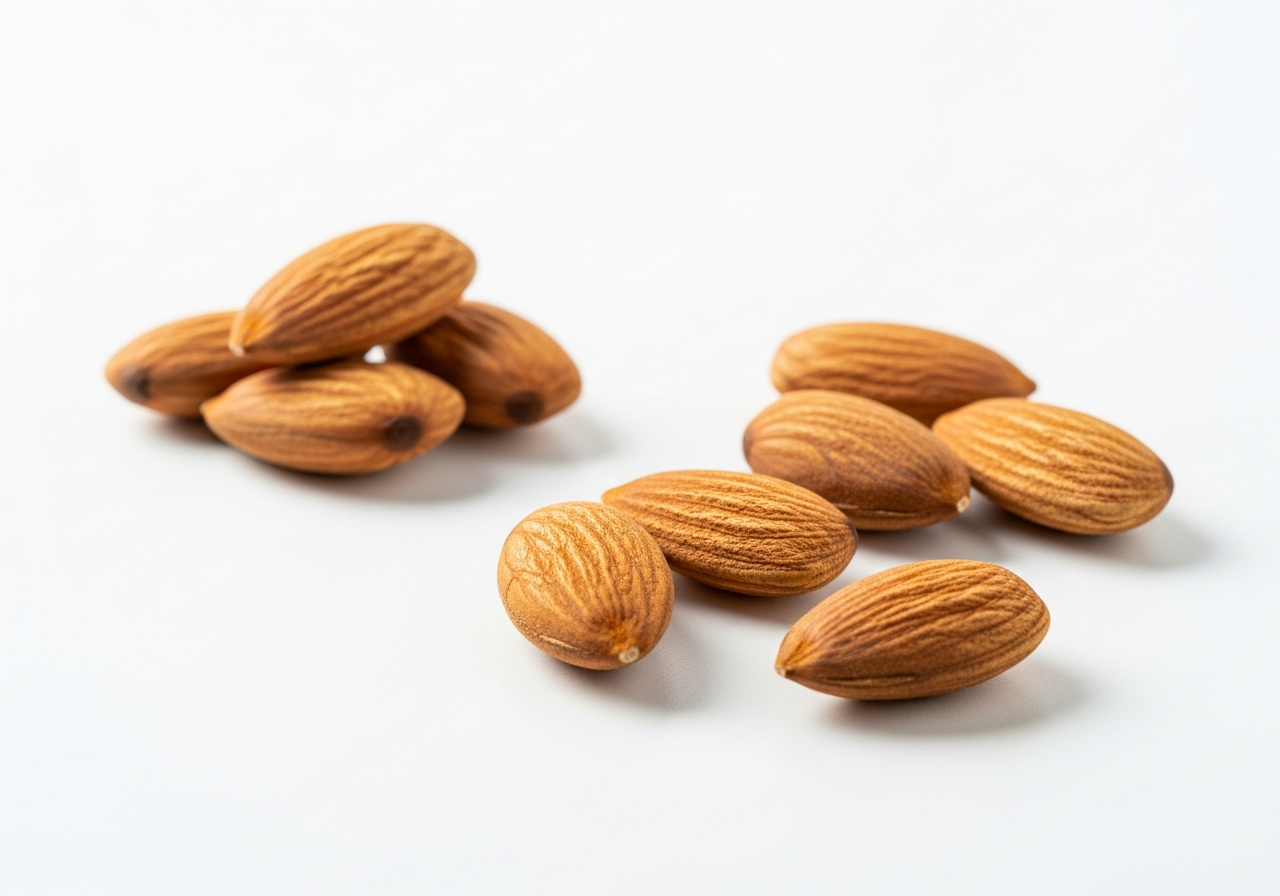
A 100g serving of raw almonds contains approximately 579 calories, 21.15g of protein, 49.93g of fat, and 21.55g of carbohydrates, with 12.5g of that being fiber. Almonds are a powerhouse of monounsaturated and polyunsaturated fats, offering significant amounts of Vitamin E and magnesium, making them a nutrient-dense snack.
Detailed Nutrition Facts
Almonds are renowned for their impressive nutritional profile, providing a rich blend of macronutrients and micronutrients essential for overall health. Per 100 grams of raw almonds, you can expect the following detailed nutrition facts:
Macronutrients:
- Calories: Around 579 kcal. This energy density is primarily derived from their fat content, making them an excellent source of sustained energy.
- Fat: Approximately 49.93g. The majority of these fats are healthy monounsaturated fats (around 31.55g) and polyunsaturated fats (around 12.33g), with a smaller proportion of saturated fats (around 3.8g). This fat composition is beneficial for heart health.
- Protein: About 21.15g. This makes almonds a good plant-based protein source, crucial for muscle repair, growth, and satiety.
- Carbohydrates: Roughly 21.55g. A significant portion of these carbohydrates, about 12.5g, is dietary fiber. This high fiber content aids digestion and helps manage blood sugar levels.
- Fiber: Around 12.5g.
- Sugar: Approximately 4.37g. The low sugar content, combined with high fiber, contributes to almonds' low glycemic impact.
Micronutrients:
Almonds are also packed with essential vitamins and minerals. Per 100g, they are an excellent source of:
- Vitamin E: About 25.63mg. This potent antioxidant helps protect cells from damage.
- Magnesium: Around 268mg. Crucial for over 300 biochemical reactions in the body, including energy production and muscle function.
- Manganese: Approximately 2.22mg. Important for bone health and metabolism.
- Phosphorus: Around 481mg. Works with calcium to build strong bones and teeth.
- Copper: About 1.03mg. Involved in energy production and iron metabolism.
- Potassium: Around 733mg. Helps regulate blood pressure.
- Riboflavin (Vitamin B2): About 1.14mg. Essential for energy metabolism.
- Folate: Around 44µg. Important for cell growth and DNA formation.
Serving Size Considerations:
It's important to be mindful of serving sizes when consuming almonds due to their calorie density. A standard serving size is typically considered to be one ounce, which is about 23 almonds, weighing approximately 28 grams. In this serving, you'll find around 164 calories, 6g of protein, 14g of fat, and 6g of carbohydrates with 3.5g of fiber. This smaller portion allows for enjoyment without exceeding calorie goals.
Comparison to Similar Foods:
Compared to other nuts like walnuts, almonds generally offer a higher protein content and a more favorable monounsaturated to polyunsaturated fat ratio. For instance, while walnuts are higher in omega-3 fatty acids, almonds provide more Vitamin E and magnesium. Pistachios offer a similar calorie profile but are typically lower in protein and fat per serving. When compared to seeds like sunflower seeds, almonds provide more protein and fewer polyunsaturated fats. Understanding these nutritional differences helps in making informed dietary choices based on individual macro tracking and health objectives.
Health Benefits
The nutrient-dense nature of almonds translates into a wide array of health benefits, making them a valuable addition to a balanced diet. Their unique macro and micronutrient composition supports various bodily functions and can contribute to disease prevention and management.
Primary Benefits:
- Heart Health: The high content of monounsaturated and polyunsaturated fats, coupled with antioxidants like Vitamin E, helps to lower LDL (bad) cholesterol levels while maintaining HDL (good) cholesterol. This can reduce the risk of heart disease and stroke. The magnesium content also plays a role in blood pressure regulation.
- Weight Management: Despite their calorie density, almonds can be a powerful ally for weight loss. Their combination of protein, fiber, and healthy fats promotes satiety, helping to curb appetite and reduce overall calorie intake. Studies suggest that individuals who consume almonds as part of a calorie-controlled diet tend to experience greater weight loss and improved body composition.
- Blood Sugar Control: The low glycemic index of almonds, due to their minimal impact on blood sugar levels, is beneficial for individuals managing diabetes or aiming to prevent it. The fiber and healthy fats slow down glucose absorption, preventing sharp spikes and crashes in blood sugar.
- Muscle Building and Repair: For those engaged in fitness activities, the protein content in almonds is significant. Protein is the building block of muscle tissue, and consuming adequate protein is essential for muscle repair and growth. Almonds provide a good source of amino acids that support these processes.
- Antioxidant Protection: Vitamin E, a prominent nutrient in almonds, acts as a powerful antioxidant. It neutralizes free radicals, unstable molecules that can cause cellular damage and contribute to aging and chronic diseases like cancer.
Who Should Eat This Food:
Almonds are a beneficial food for a broad range of individuals. They are particularly recommended for:
- Heart-conscious individuals: Those looking to improve cholesterol levels and reduce cardiovascular risk.
- Individuals managing their weight: As part of a balanced, calorie-controlled diet, almonds can aid satiety and reduce cravings.
- Diabetics and pre-diabetics: The low glycemic impact and fiber content help in blood sugar management.
- Athletes and active individuals: To support muscle repair, growth, and sustained energy levels.
- Vegetarians and vegans: As a good source of plant-based protein and essential minerals like magnesium.
- Anyone seeking a nutrient-dense snack: Almonds offer a convenient way to boost the intake of essential vitamins, minerals, and healthy fats.
When to Eat It:
Almonds can be incorporated into the diet at various times, depending on individual goals and preferences:
- As a healthy snack: Between meals to prevent overeating and maintain energy levels.
- Pre-workout: A small handful can provide sustained energy for physical activity.
- Post-workout: To aid in muscle recovery due to their protein content.
- As a meal component: Added to salads, yogurt, oatmeal, or smoothies for a nutritional boost.
- Incorporated into breakfast: To start the day with sustained energy and satiety.
How to Track Macros
Accurately tracking the macros of almonds, like any food, is crucial for achieving specific dietary goals, whether it's weight loss, muscle gain, or general health. Understanding portion sizes and utilizing available tools can make this process straightforward.
Portion Measurement Tips:
- Use a Kitchen Scale: This is the most precise method for measuring food. Weighing your almonds in grams will give you the most accurate macro count. For example, 28 grams (one ounce) is a common and manageable portion size.
- Standard Measuring Cups: While less precise than a scale, a ¼ cup measuring cup can approximate a serving size. However, the weight can vary slightly based on almond size and how tightly they are packed.
- Count the Almonds: For a rough estimate, know that a standard one-ounce serving (approximately 28 grams) contains about 23 almonds. This can be helpful when you're on the go and don't have access to a scale.
Using Macro Tracking Apps:
Macro tracking apps are invaluable tools for monitoring your daily intake of protein, carbohydrates, and fats.
- Log Your Food: Once you've measured your almonds using a scale or other method, simply enter them into your chosen app. Most apps have a comprehensive database where you can search for "almonds."
- Select the Correct Unit: Be sure to select the correct unit of measurement (e.g., grams, ounces, number of almonds) and input the quantity you consumed. The app will then automatically calculate the calories and macro breakdown.
- Record Consistently: Make it a habit to log your food immediately after eating or preparing it to avoid forgetting or inaccurately recalling consumption. This consistency ensures your macro tracking is reliable.
Common Serving Sizes and Their Macro Impact:
Understanding common serving sizes and their corresponding macro breakdowns can help with quick estimations and planning:
- 1 Almond (approx. 1.2g): ~7 calories, 0.2g protein, 0.6g fat, 0.3g carbs (0.1g fiber)
- 10 Almonds (approx. 12g): ~69 calories, 2.5g protein, 5.9g fat, 2.6g carbs (1.3g fiber)
- 23 Almonds (1 ounce or approx. 28g): ~164 calories, 6g protein, 14g fat, 6g carbs (3.5g fiber)
- ¼ Cup (approx. 35g): ~205 calories, 7.4g protein, 17.5g fat, 7.6g carbs (4.4g fiber)
- 100g Almonds: ~579 calories, 21.15g protein, 49.93g fat, 21.55g carbs (12.5g fiber)
By consistently measuring and logging your almond consumption, you gain valuable insights into how this nutrient-dense food fits into your overall macro targets.
Meal Ideas & Preparation
Incorporating almonds into your meals is versatile and can enhance both the flavor and nutritional profile of your dishes. Their crunchy texture and slightly sweet, nutty taste make them a welcome addition to various culinary creations.
Breakfast Ideas:
- Almond Butter Toast: Spread a generous layer of natural almond butter on whole-grain toast. Top with sliced bananas and a sprinkle of chia seeds for added fiber and omega-3s.
- Overnight Oats with Almonds: Combine rolled oats, almond milk, chia seeds, and your preferred sweetener in a jar. In the morning, stir in chopped almonds and berries for a satisfying and nutrient-rich breakfast.
- Almond Granola: Make your own granola by mixing rolled oats, almonds, seeds, a natural sweetener, and a little oil. Bake until golden and crunchy. Enjoy with Greek yogurt or as a cereal.
- Almond Smoothie: Blend almond milk, a scoop of protein powder, spinach, a banana, and a tablespoon of almond butter for a protein-packed morning drink.
Lunch Ideas:
- Almond Crusted Chicken Salad: Chop grilled chicken breast and mix with celery, grapes, and a light mayonnaise or Greek yogurt dressing. Stir in a handful of slivered almonds for added texture and healthy fats.
- Quinoa Salad with Almonds: Combine cooked quinoa with chopped cucumber, bell peppers, cherry tomatoes, and a lemon-tahini dressing. Toss in toasted almonds for a delightful crunch.
- Almond Pesto Pasta: Prepare a homemade pesto with basil, garlic, pine nuts (or a mix of pine nuts and almonds), Parmesan cheese, olive oil, and a squeeze of lemon. Toss with whole-wheat pasta.
Dinner Ideas:
- Salmon with Almond Crust: Top a salmon fillet with a mixture of crushed almonds, herbs, and a touch of lemon zest. Bake until the salmon is cooked through and the almonds are golden brown.
- Stir-Fry with Almonds: Add whole or sliced almonds to your favorite vegetable and protein stir-fry. They provide a pleasant textural contrast and healthy fats.
- Roasted Vegetables with Almond Gremolata: Roast seasonal vegetables like broccoli, asparagus, or sweet potatoes. Top with a gremolata made from finely chopped almonds, lemon zest, and parsley.
Meal Prep Tips:
- Roast a Big Batch: Roast a large quantity of almonds at the beginning of the week to have them ready for snacking or adding to meals. Store them in an airtight container at room temperature.
- Portion Snack Bags: Divide almonds into pre-portioned baggies (e.g., 1 ounce or 23 almonds) for easy grab-and-go snacks that help with macro tracking.
- Prepare Almond Butter: Homemade almond butter is simple to make and allows you to control ingredients. Store it in the refrigerator.
Cooking Methods That Preserve Nutrients:
- Raw: Eating almonds raw preserves all their natural nutrients and enzymes.
- Dry Roasting: Roasting almonds in a dry oven (without oil) at a moderate temperature (around 300-350°F or 150-175°C) can enhance their flavor and crunch without significantly degrading nutrients. Be careful not to overcook them, as this can lead to nutrient loss.
- Lightly Sautéing: A quick sauté in a pan with minimal healthy oil, like avocado or olive oil, can also be used, but be mindful of the added fat from the oil.
When preparing almonds, avoid excessive heat or prolonged cooking times, which can diminish their beneficial nutrient content.
For Weight Loss
Almonds can be a valuable tool for individuals aiming to lose weight, not in spite of their calorie content, but because of it. Their unique macro profile contributes to satiety, helping to manage hunger and reduce overall calorie intake, which is the cornerstone of effective weight loss.
Why It's Good for Weight Loss:
- Satiety Boost: The combination of protein, healthy fats, and fiber in almonds is highly satiating. This means that a small serving can help you feel fuller for longer, reducing the urge to snack on less healthy options between meals. This increased fullness is a key factor in preventing overeating.
- Metabolic Support: The healthy fats and magnesium found in almonds can support a healthy metabolism. Magnesium, in particular, is involved in numerous metabolic processes.
- Blood Sugar Stability: By helping to stabilize blood sugar levels, almonds can prevent the energy crashes and subsequent cravings that often accompany diets high in refined carbohydrates. This consistent energy helps maintain focus and adherence to a weight loss plan.
- Nutrient Density: Almonds provide essential vitamins and minerals. When calories are restricted for weight loss, it's important to ensure you're still getting adequate micronutrient intake, which almonds help with.
Portion Recommendations:
Given their calorie density, mindful portion control is essential. A typical recommendation for weight loss is a single serving of one ounce (approximately 28 grams), which is about 23 almonds. This portion provides around 164 calories, 6 grams of protein, and 14 grams of healthy fats, offering significant satiety for those calories. Consuming more than this in one sitting can easily lead to exceeding calorie targets.
Pairing Suggestions:
To maximize the weight loss benefits of almonds, consider pairing them with other nutrient-dense, low-calorie foods:
- With Fruit: A small handful of almonds paired with an apple or a pear can make a satisfying and filling snack. The fiber from the fruit complements the fiber and protein from the almonds.
- In Salads: Sprinkle a few almonds onto your salads to add crunch, healthy fats, and protein, making the meal more filling and satisfying.
- With Yogurt: Add a small amount of chopped almonds to plain Greek yogurt for added texture, protein, and healthy fats. This turns a simple snack into a more complete and satiating option.
- Almond Butter on Vegetables: Instead of crackers, try a small amount of almond butter on celery sticks or cucumber slices for a crunchy, protein-rich snack.
Remember that while almonds are beneficial for weight loss, they are part of a larger dietary picture. Consistent calorie monitoring and a balanced approach to nutrition are crucial.
For Muscle Gain
For individuals focused on building muscle mass, almonds can serve as a valuable component of a well-structured diet. Their protein content, combined with healthy fats and carbohydrates, offers a beneficial nutritional profile for supporting muscle growth and recovery.
Protein Content Benefits:
Almonds provide approximately 6 grams of protein per ounce (28g serving). While not as high in protein as some other sources like lean meats or legumes, this plant-based protein contributes to your daily protein intake, which is crucial for muscle protein synthesis. Protein is composed of amino acids, the building blocks of muscle tissue. Consuming adequate protein ensures that your body has the necessary components to repair muscle fibers damaged during exercise and to build new muscle tissue.
Pre/Post Workout Timing:
- Pre-Workout: A small serving of almonds, perhaps about half an ounce (around 11-12 almonds), can be consumed 30-60 minutes before a workout. The healthy fats and protein can provide sustained energy throughout your training session without causing digestive discomfort. It's generally advisable to keep pre-workout snacks relatively light to avoid feeling heavy during exercise.
- Post-Workout: Almonds can be part of a post-workout meal or snack. While they are not a rapid source of carbohydrates for immediate glycogen replenishment, their protein content aids in muscle repair. For optimal post-workout recovery, consider pairing almonds with a faster-digesting carbohydrate source, such as a piece of fruit, or including them as part of a larger meal that contains a good balance of protein and carbohydrates. For example, a smoothie containing almond milk, protein powder, and banana, with a few almonds blended in, can be an effective recovery option.
Bulking Meal Ideas:
When bulking, the goal is to consume a caloric surplus to support muscle growth. Almonds can be easily incorporated into higher-calorie meals:
- Almond Butter Smoothies: Blend almond milk, protein powder, oats, banana, and a generous tablespoon of almond butter. This creates a calorie-dense, nutrient-rich smoothie perfect for bulking.
- Trail Mixes: Create a homemade trail mix with almonds, other nuts, seeds, dried fruits (in moderation), and dark chocolate chips. This is a calorie-dense snack that can be consumed throughout the day.
- Added to Main Meals: Sprinkle chopped almonds generously on top of chicken dishes, stir-fries, or yogurt bowls. They add extra calories, healthy fats, and protein without significantly increasing the volume of the meal.
- Almond Crusted Meats: Use crushed almonds as a coating for chicken or fish when baking or pan-frying. This adds calories and a delicious crunch to your protein source.
Remember that for muscle gain, overall calorie intake and a consistent resistance training program are paramount. Almonds are a supportive element within this larger strategy.
Comparisons
Understanding how almonds stack up against similar foods can help you make informed choices based on your specific nutritional needs and dietary goals.
vs. Similar Foods:
- vs. Walnuts: Walnuts are often highlighted for their higher omega-3 fatty acid content, specifically alpha-linolenic acid (ALA), which is beneficial for heart health. Almonds, however, generally contain more Vitamin E and magnesium. While both are excellent sources of healthy fats, protein, and fiber, their micronutrient profiles differ, making them complementary rather than interchangeable for specific nutrient targets.
- vs. Pecans: Pecans tend to be slightly higher in fat and calories per serving than almonds and are lower in protein. They are a good source of monounsaturated fats and zinc. Almonds offer a better protein-to-calorie ratio and higher amounts of Vitamin E and calcium compared to pecans.
- vs. Pistachios: Pistachios are comparable to almonds in terms of calories, fat, protein, and carbohydrates. They are a good source of Vitamin B6 and potassium. Almonds generally provide more Vitamin E and magnesium. The fiber content is also similar.
- vs. Macadamia Nuts: Macadamia nuts are very high in monounsaturated fats and are calorie-dense. They are lower in protein and carbohydrates compared to almonds. Almonds offer a more balanced macro profile with a higher protein content, making them a more versatile choice for those focusing on protein intake.
- vs. Peanuts (Legumes): While often grouped with nuts, peanuts are botanically legumes. They are a very good source of protein and are generally more affordable. Almonds typically contain more fiber and Vitamin E than peanuts. Both are good options for healthy fats and protein.
Best Alternatives:
The "best" alternative depends on your primary nutritional goal.
- For Higher Omega-3s: Walnuts are the top choice.
- For Calorie-Dense, High-Fat Snacks: Macadamia nuts or Brazil nuts (which are also an excellent source of selenium) can be good options in moderation.
- For a More Budget-Friendly Protein Source: Peanuts or sunflower seeds can be excellent alternatives.
- For Overall Nutrient Balance: Almonds often strike a great balance between protein, healthy fats, fiber, and micronutrients like Vitamin E and magnesium.
When to Choose Each:
- Choose Almonds: When you want a good balance of protein, healthy fats, and fiber, with a particular focus on Vitamin E and magnesium intake, or when aiming for satiety and mindful eating. They are excellent for heart health and blood sugar management.
- Choose Walnuts: When your primary concern is increasing omega-3 fatty acid intake for brain health and cardiovascular benefits.
- Choose Pecans or Macadamia Nuts: For a richer, buttery flavor and a higher proportion of monounsaturated fats, often in moderation due to their calorie density and lower protein content.
- Choose Peanuts or Sunflower Seeds: When seeking a more economical option for healthy fats and protein, or for a different micronutrient profile.
Ultimately, a variety of nuts and seeds in your diet offers the broadest range of health benefits. Understanding the macro and micronutrient differences allows for strategic selection based on your individual needs.
FAQs
Q1: What are the main macros in almonds?
Almonds are primarily composed of healthy fats, protein, and carbohydrates, with a significant amount of fiber. Per 100 grams, they contain roughly 49.9g of fat, 21.1g of protein, and 21.5g of carbohydrates, of which 12.5g is fiber.
Q2: How many calories are in a typical serving of almonds?
A standard serving of almonds is one ounce (about 28 grams), which contains approximately 164 calories. This serving size is often used for macro tracking.
Q3: Are almonds good for weight loss despite their calorie content?
Yes, almonds can be beneficial for weight loss because their combination of protein, healthy fats, and fiber promotes satiety, helping you feel fuller for longer and potentially reducing overall calorie intake.
Q4: How much protein do almonds provide?
A one-ounce serving of almonds (approximately 23 almonds) provides about 6 grams of protein, making them a good plant-based protein source.
Q5: Should I eat raw or roasted almonds for better nutrition?
Both raw and dry-roasted almonds are nutritionally sound. Dry roasting can enhance flavor and texture without significantly degrading nutrient content. Avoid almonds roasted in oil, as this adds extra fat and calories.
Q6: How should I store almonds to maintain freshness?
Store almonds in an airtight container in a cool, dry place. For longer storage, especially in warmer climates, keeping them in the refrigerator or freezer can help preserve their freshness and prevent them from becoming rancid.
Q7: Can I track my almond intake easily for my diet?
Absolutely. Using a kitchen scale to measure almonds by weight in grams is the most accurate method for macro tracking. Alternatively, counting the number of almonds (approx. 23 per ounce) or using a ¼ cup measure can provide a good estimate. Logging these measurements into a macro tracking app will give you precise nutrition facts for your diet.
Track almonds easily with JustMacros - your free macro tracking app.