Pumpkin Seeds: Complete Macros & Nutrition Guide
Complete macro and nutrition guide for Pumpkin Seeds. Learn calories, protein, carbs, fat per serving plus meal ideas and tracking tips.
Table of Contents
Pumpkin Seeds Macros: Complete Nutrition Guide
Quick Answer
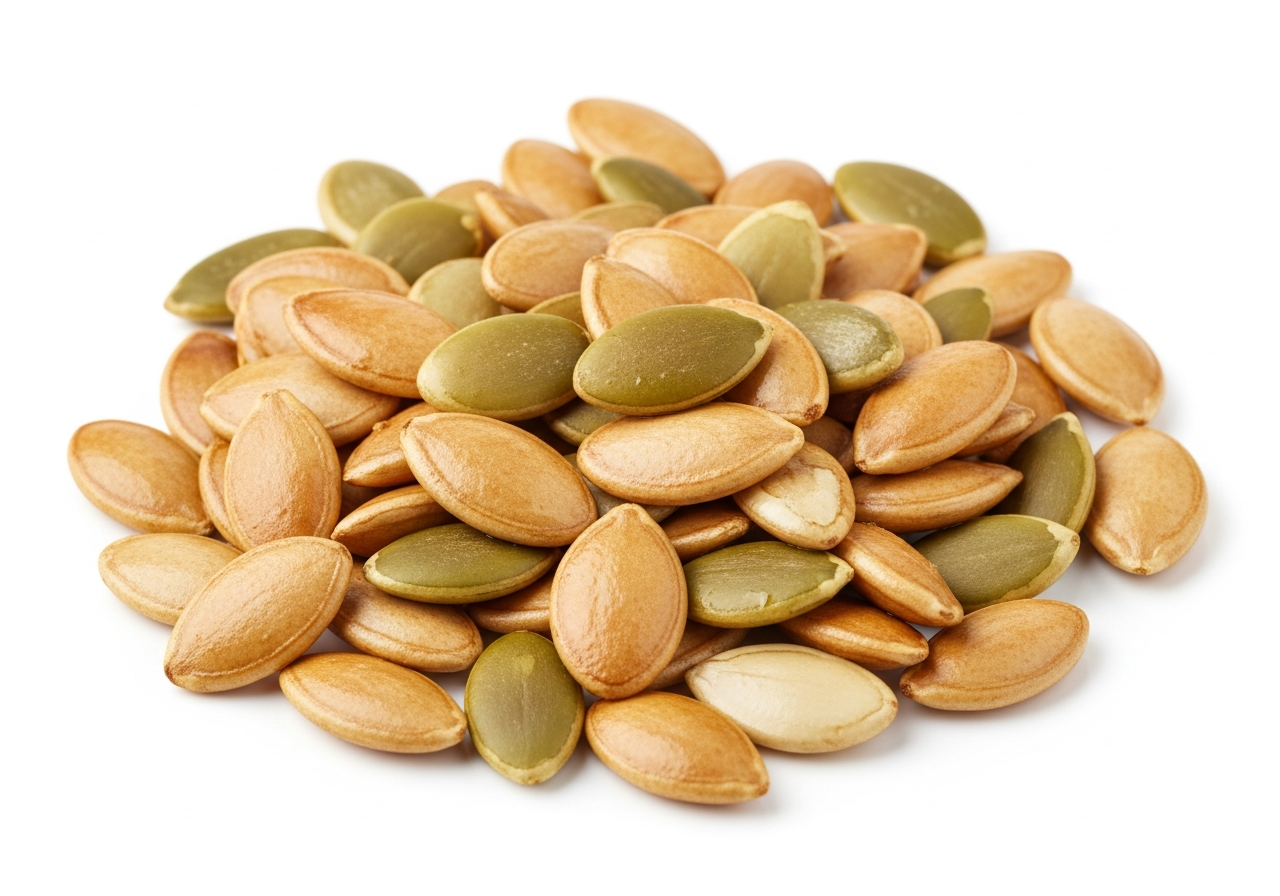
Pumpkin seeds, also known as pepitas, are a nutritional powerhouse offering a balanced macro profile. Per 100 grams, they typically contain around 446 calories, 30 grams of fat, 19 grams of protein, and 11 grams of carbohydrates, with 6 grams being fiber. Their standout feature is their rich content of magnesium, zinc, and healthy fats, making them a smart addition to any diet.
Detailed Nutrition Facts
When we delve into the specifics, pumpkin seeds reveal a robust nutritional profile that supports numerous bodily functions. A 100-gram serving, which is a substantial amount, provides a good overview of their macro and micronutrient contributions.
Macronutrient Breakdown (per 100g, roasted, unsalted):
- Calories: Approximately 446 kcal. This caloric density signifies they are energy-rich, making them excellent for those needing to increase their energy intake, like athletes or individuals in recovery.
- Total Fat: Around 30 grams. This is a significant amount, but it's crucial to understand the type of fats. A large portion of this is unsaturated, including monounsaturated and polyunsaturated fats, which are beneficial for heart health.
- Saturated Fat: Typically around 6 grams. While present, this is a relatively moderate amount compared to the total fat content.
- Carbohydrates: Approximately 11 grams. This is relatively low, especially considering the fiber content.
- Dietary Fiber: Around 6 grams. This is a substantial amount of fiber, contributing to digestive health, satiety, and blood sugar management.
- Protein: Roughly 19 grams. This is a respectable protein content for a plant-based food, making pumpkin seeds a valuable source for vegetarians and vegans, and a great addition for anyone looking to boost protein intake.
Micronutrient Highlights (per 100g):
Beyond the macros, pumpkin seeds are exceptionally rich in vital micronutrients.
Hero Nutrient Highlight: Magnesium. A 100g serving can provide well over 100% of the recommended daily intake for magnesium, an essential mineral for muscle and nerve function, blood sugar control, and blood pressure regulation.
Other significant micronutrients include:
- Zinc: Crucial for immune function, cell growth and division, wound healing, and sense of taste and smell.
- Iron: Essential for oxygen transport in the blood and energy production.
- Copper: Involved in energy production, iron metabolism, and connective tissue formation.
- Manganese: Plays a role in bone formation, blood clotting, and metabolism.
- Phosphorus: Important for bone and teeth formation, and part of cell membranes.
- Potassium: Helps regulate fluid balance, nerve signals, and muscle contractions.
- Selenium: A powerful antioxidant that protects against cell damage.
- Vitamin K: Essential for blood clotting and bone health.
Serving Size Considerations:
It's important to note that 100 grams is a large serving of pumpkin seeds. More typical serving sizes are around 1 ounce (28 grams), which equates to roughly 1/4 cup or a small handful. In a 28-gram serving, the numbers are significantly lower, making them more manageable for daily macro tracking:
- Calories: ~150 kcal
- Total Fat: ~13g
- Carbohydrates: ~4g (with ~2g fiber)
- Protein: ~7g
Comparison to Similar Foods:
Compared to other nuts and seeds, pumpkin seeds offer a unique nutritional profile. They are higher in magnesium and zinc than almonds and walnuts. While sunflower seeds are also rich in healthy fats and vitamin E, pumpkin seeds often edge them out in mineral content, particularly magnesium and iron. Chia seeds and flaxseeds are superior in omega-3 fatty acids, but pumpkin seeds provide a more robust spectrum of other minerals and a higher protein density per serving.
Health Benefits
Pumpkin seeds are more than just a tasty snack. Their rich nutrient composition translates into a broad range of health benefits, making them a valuable addition for a healthy lifestyle.
Primary Benefits:
- Muscle Building and Repair: The protein content, while not as high as animal sources, is significant for a plant-based food. Protein is the fundamental building block for muscle tissue. Combined with the magnesium content, which plays a role in muscle function and relaxation, pumpkin seeds can support muscle growth and recovery, especially when incorporated into a balanced diet for athletes.
- Weight Management and Satiety: The combination of healthy fats and high fiber content is a winning formula for weight loss. Fats and protein slow down digestion, promoting a feeling of fullness and satisfaction. This can help reduce overall calorie intake by curbing cravings and preventing overeating. The magnesium also plays a role in regulating appetite.
- Heart Health: The unsaturated fats, magnesium, and antioxidants present in pumpkin seeds contribute to cardiovascular wellness. Magnesium helps regulate blood pressure, while antioxidants combat oxidative stress, a key factor in heart disease. The fiber content also aids in cholesterol management.
- Blood Sugar Control: The fiber and magnesium in pumpkin seeds can help improve insulin sensitivity and blood sugar regulation, making them beneficial for individuals managing diabetes or seeking to prevent it.
- Improved Sleep Quality: Pumpkin seeds are a natural source of tryptophan, an amino acid that the body converts into serotonin and then melatonin, hormones crucial for sleep regulation. They also provide magnesium, which is known to calm the nervous system and improve sleep quality.
Who Should Eat This Food:
Pumpkin seeds are beneficial for nearly everyone looking to enhance their diet with nutrient-dense foods.
- Athletes and Fitness Enthusiasts: For muscle repair, energy replenishment, and mineral intake.
- Individuals Seeking Weight Management: Their satiety-promoting properties make them an excellent snack choice.
- Vegetarians and Vegans: As a source of plant-based protein and essential minerals often found in lower amounts in plant-rich diets.
- Those Concerned About Heart Health: Due to their beneficial fat profile and magnesium content.
- Individuals Experiencing Sleep Issues: As a natural source of tryptophan and magnesium.
When to Eat It:
Pumpkin seeds are incredibly versatile and can be consumed at various times:
- As a Snack: A handful (about 1 ounce or 28g) is an ideal between-meal snack to keep hunger at bay and provide sustained energy.
- Pre or Post-Workout: Their protein and healthy fat content can aid in muscle recovery and energy stores. For a pre-workout snack, pair them with a carbohydrate source for quick energy.
- In Meals: Added to salads, yogurt, oatmeal, or baked goods to boost their nutritional value and texture.
- Before Bed: A small portion can support sleep due to their tryptophan and magnesium content.
How to Track Macros
Accurate macro tracking of pumpkin seeds is essential for anyone using a macro-focused approach to diet, whether for weight loss, muscle gain, or general health. Their calorie and fat density mean portion control is key.
Portion Measurement Tips:
- Use a Kitchen Scale: This is the most accurate method. Weigh your pumpkin seeds in grams or ounces. A standard 1-ounce (28g) serving is a good starting point for tracking.
- Measure by Volume (with caveats): While less precise, using measuring cups can work. A standard 1/4 cup of whole pumpkin seeds weighs approximately 1 ounce (28 grams). However, this can vary based on the size and shape of the seeds and how they are packed. Shelled seeds might weigh differently than those with shells.
- Understand "Handfuls": A "handful" is subjective. For consistent tracking, aim for a specific weight or volume rather than relying on a loose handful.
Using Macro Tracking Apps:
Macro tracking apps like JustMacrosFit are invaluable tools.
- Search the Database: Most apps have extensive databases. Search for "pumpkin seeds," "pepitas," or "roasted pumpkin seeds." Specify if they are salted or unsalted, as sodium content can vary.
- Enter the Correct Serving Size: Input the weight (in grams or ounces) or volume you consumed. The app will automatically calculate the calories, protein, fat, and carbohydrate breakdown based on its verified data.
- Log Consistently: Make it a habit to log your pumpkin seeds immediately after eating or preparing them to avoid forgetting and to maintain accuracy.
Common Serving Sizes:
- 1 Ounce (28g): This is a widely accepted standard serving size for nuts and seeds, providing approximately 150 calories and a good balance of macros with significant micronutrient benefits.
- 1/4 Cup (approx. 28g): Equivalent to 1 ounce for whole seeds.
- 1/2 Cup (approx. 56g): A more substantial serving, doubling the above figures, suitable for those with higher calorie needs or as part of a larger meal.
Remember, even though pumpkin seeds are healthy, their calorie and fat content can quickly add up. Mindful portioning is crucial for successful macro tracking.
Meal Ideas & Preparation
Pumpkin seeds can be seamlessly integrated into your daily meals, adding a delightful crunch and a nutritional boost. Their versatility allows them to be used in both sweet and savory dishes.
Breakfast Ideas:
- Oatmeal or Yogurt Topping: Sprinkle a tablespoon or two of raw or roasted pumpkin seeds over your morning oatmeal, Greek yogurt, or smoothie bowl. This adds texture, protein, and healthy fats to start your day.
- Savory Breakfast Bowl: Combine quinoa or farro with roasted vegetables, a fried egg, and a generous sprinkle of pumpkin seeds for a hearty and protein-rich breakfast.
Lunch and Dinner Ideas:
- Salad Enhancer: Toss a handful of pumpkin seeds into any salad. They pair particularly well with leafy greens, roasted root vegetables, goat cheese, and vinaigrette dressings.
- Soup Garnish: A sprinkle of pumpkin seeds on top of creamy butternut squash soup, lentil soup, or tomato soup adds a gourmet touch and a satisfying crunch.
- Stir-fry or Grain Bowl Addition: Mix pumpkin seeds into your favorite stir-fry or grain bowl just before serving. They add a nutty flavor and a healthy fat component to balance the meal.
- Breaded Meats/Veggies: For a gluten-free or lower-carb breading option, finely crush pumpkin seeds and mix them with herbs and spices to coat chicken, fish, or tofu before baking or pan-frying.
Meal Prep Tips:
- Roast in Batches: Roast a large tray of unsalted pumpkin seeds at home. Spread them on a baking sheet, drizzle lightly with olive oil (optional), and roast at 350°F (175°C) for 10-15 minutes, or until lightly golden and fragrant. Let them cool completely before storing.
- Portion Control: Once roasted and cooled, portion them into small containers or snack bags (around 1 ounce each) for easy grab-and-go snacks or meal additions throughout the week.
- Create Seed Mixes: Combine roasted pumpkin seeds with other nuts and seeds (like almonds, walnuts, or sunflower seeds) to create your own custom trail mix.
Cooking Methods That Preserve Nutrients:
- Roasting: Roasting at moderate temperatures (around 300-350°F or 150-175°C) is an excellent way to enhance flavor and crunch without significantly degrading the nutrient profile. Avoid over-roasting, which can lead to loss of beneficial oils.
- Raw: Consuming pumpkin seeds raw is also a great option, preserving all their inherent nutrients. They can be eaten as-is or added to dishes where they will be consumed without further cooking.
- Avoid High-Heat Frying: Deep-frying or excessive pan-frying at very high temperatures can degrade some of the healthy fats and delicate nutrients. Stick to lower-heat roasting or raw consumption for maximum benefit.
For Weight Loss
Pumpkin seeds can be a valuable ally in your weight loss journey, provided they are consumed mindfully. Their nutrient density and macronutrient composition promote satiety and provide sustained energy, which are key factors in successful weight management.
Why It's Good for Weight Loss:
- Satiety Boost: The combination of healthy fats and protein is a well-established strategy for increasing feelings of fullness. This means you're likely to feel satisfied for longer after eating pumpkin seeds, reducing the urge to snack on less healthy options or overeat at subsequent meals.
- Controlled Blood Sugar: The fiber content helps to slow down the absorption of sugar into the bloodstream. This prevents sharp spikes and crashes in blood sugar levels, which can trigger cravings for sugary or high-carbohydrate foods. Stable blood sugar levels contribute to more consistent energy and reduced appetite.
- Nutrient Density: Despite being calorie-dense, pumpkin seeds are packed with essential vitamins and minerals. This ensures that even when consuming fewer calories for weight loss, you are still meeting your body's micronutrient needs, which supports overall health and metabolic function.
- Magnesium's Role: As previously mentioned, magnesium plays a role in regulating appetite and can help manage cravings. It also aids in energy metabolism, which is crucial when adjusting calorie intake.
Portion Recommendations:
For weight loss, portion control is paramount. A typical serving size of 1 ounce (28 grams) is usually recommended. This portion provides:
- Approximately 150 calories
- Around 7 grams of protein
- About 13 grams of healthy fats
- Roughly 4 grams of carbohydrates, with 2 grams of fiber
This portion offers significant satiety without contributing an excessive number of calories to your daily intake. Consuming more than 1-2 ounces in a single sitting can quickly add up in calories, potentially hindering your weight loss goals.
Pairing Suggestions:
To maximize the weight loss benefits of pumpkin seeds, pair them strategically:
- With Lean Protein: Add them to salads topped with grilled chicken, fish, or lean turkey. The combined protein will enhance satiety further.
- With Fiber-Rich Vegetables: Sprinkle them onto large green salads, roasted vegetable platters, or incorporate them into vegetable-based soups.
- As a Replacement for Crispy Toppings: Use them instead of croutons on salads or as a topping for casseroles, providing crunch and nutrients without the refined carbohydrates.
- In Moderation with Fruit: A small amount of pumpkin seeds can complement a serving of fruit, balancing the natural sugars with protein and fat for a more sustained energy release.
When incorporating pumpkin seeds into a weight loss plan, always account for their calories and fat content within your daily macro targets.
For Muscle Gain
For individuals focused on muscle gain and bulking, pumpkin seeds offer a valuable contribution to their dietary strategy, providing essential nutrients for muscle synthesis and recovery.
Protein Content Benefits:
While not a primary protein source like chicken breast or whey protein, the 7 grams of protein per 1-ounce serving of pumpkin seeds is substantial for a plant-based snack. Protein is crucial for muscle protein synthesis, the process by which muscle tissue is repaired and built. Including pumpkin seeds as part of a varied protein intake supports this process effectively.
Pre/Post Workout Timing:
- Pre-Workout: Consuming a handful of pumpkin seeds (1 ounce) about 1-2 hours before a workout can provide sustained energy. The healthy fats and moderate protein content offer a slow release of energy, preventing energy crashes during intense training sessions. Pairing them with a readily digestible carbohydrate source, like a piece of fruit, can optimize pre-workout fuel.
- Post-Workout: While immediate post-workout nutrition often focuses on fast-acting protein and carbohydrates, incorporating pumpkin seeds into a post-workout meal or snack within a few hours can contribute to the ongoing muscle repair and recovery process. Their protein content aids in rebuilding muscle fibers, and the magnesium can help with muscle relaxation and reducing soreness.
Bulking Meal Ideas:
- High-Calorie Smoothie: Blend pumpkin seeds into your bulking smoothie along with protein powder, fruits, oats, and milk for an extra calorie and nutrient boost.
- Savory Grain Bowls: Add a generous portion of pumpkin seeds to hearty grain bowls featuring rice, quinoa, lean meats, and roasted vegetables. This increases calorie density and adds healthy fats and protein.
- Trail Mix Creation: Combine pumpkin seeds with other calorie-dense nuts and dried fruits to create a high-energy trail mix for snacking between meals.
- Topping for Meals: Sprinkle liberally onto chicken or lean beef dishes, or mix into chili and stews to increase the overall calorie and nutrient profile of your bulking meals.
When bulking, it's important to remember that while pumpkin seeds are nutrient-dense, their high fat content contributes significantly to calorie intake. This is beneficial for bulking but requires careful tracking to ensure you are meeting your total calorie goals without overconsuming fats beyond your targets.
Comparisons
Understanding how pumpkin seeds stack up against similar foods can help you make informed choices for your diet and macro tracking.
vs. Other Nuts and Seeds:
- vs. Almonds: Almonds are typically higher in calories, fiber, and vitamin E but lower in magnesium and zinc than pumpkin seeds. Both are excellent sources of healthy fats.
- vs. Walnuts: Walnuts are renowned for their omega-3 fatty acid content, which pumpkin seeds lack in significant amounts. However, pumpkin seeds generally offer more magnesium and zinc.
- vs. Sunflower Seeds: Sunflower seeds are a good source of vitamin E and selenium. Pumpkin seeds often provide higher amounts of magnesium, zinc, and iron. Their macro profiles are quite similar, with slight variations in specific micronutrients.
- vs. Chia Seeds/Flaxseeds: These are powerhouse sources of omega-3 fatty acids and fiber. Pumpkin seeds offer a broader spectrum of minerals like magnesium and zinc and a higher protein density per serving.
Best Alternatives:
If pumpkin seeds are unavailable or you wish to vary your intake, consider:
- Sunflower Seeds: For a similar crunch and healthy fat profile, with a good dose of vitamin E.
- Almonds: A good all-around nut with high fiber and vitamin E content.
- Hemp Seeds: An excellent complete protein source and a good source of omega-3s, though with a slightly different macro breakdown (higher protein, lower fat than pumpkin seeds per ounce).
When to Choose Each:
- Choose Pumpkin Seeds: When your primary goal is to increase magnesium and zinc intake, support heart health, or add a versatile plant-based protein source. They are also excellent for satiety.
- Choose Walnuts or Flax/Chia Seeds: When prioritizing omega-3 fatty acid intake for brain health and anti-inflammatory benefits.
- Choose Almonds or Sunflower Seeds: For a good balance of healthy fats, fiber, and a variety of vitamins and minerals, offering a slightly different nutrient profile.
Ultimately, a varied intake of different nuts and seeds provides the broadest spectrum of nutrients.
FAQs
1. Are pumpkin seeds good for tracking macros?
Yes, pumpkin seeds are excellent for macro tracking due to their well-defined nutritional profile. They provide a good source of protein and healthy fats, but their calorie density means portion control is key.
2. How many calories are in a typical serving of pumpkin seeds?
A standard 1-ounce (28-gram) serving of roasted, unsalted pumpkin seeds contains approximately 150-160 calories.
3. What are the main macro components of pumpkin seeds?
The primary macros are healthy fats (about 13g per ounce), protein (about 7g per ounce), and carbohydrates (about 4g per ounce, with roughly 2g being fiber).
4. Should I eat pumpkin seeds raw or roasted?
Both raw and roasted pumpkin seeds are nutritious. Roasting can enhance flavor and texture. Opt for unsalted and ideally dry-roasted versions to avoid added sodium and oils. Nutritional content is largely preserved in both forms.
5. How should I store pumpkin seeds to maintain freshness?
Store pumpkin seeds in an airtight container in a cool, dry place. For longer shelf life, especially for roasted seeds, refrigeration or freezing is recommended to prevent them from becoming rancid.
6. Can I eat pumpkin seeds if I am trying to lose weight?
Yes, in moderation. Their high fiber and protein content promote satiety, which can help control appetite. Stick to a 1-ounce serving to manage calorie intake effectively.
7. Are salted pumpkin seeds a good option?
While still nutritious, salted pumpkin seeds are best consumed sparingly if you are monitoring sodium intake. Unsalted varieties allow you to control your sodium consumption more precisely.
Track Pumpkin Seeds easily with JustMacrosFit - your free macro tracking app.