Sunflower Seeds: Complete Macros & Nutrition Guide
Complete macro and nutrition guide for Sunflower Seeds. Learn calories, protein, carbs, fat per serving plus meal ideas and tracking tips.
Table of Contents
Sunflower Seeds Macros: Complete Nutrition Guide
Quick Answer
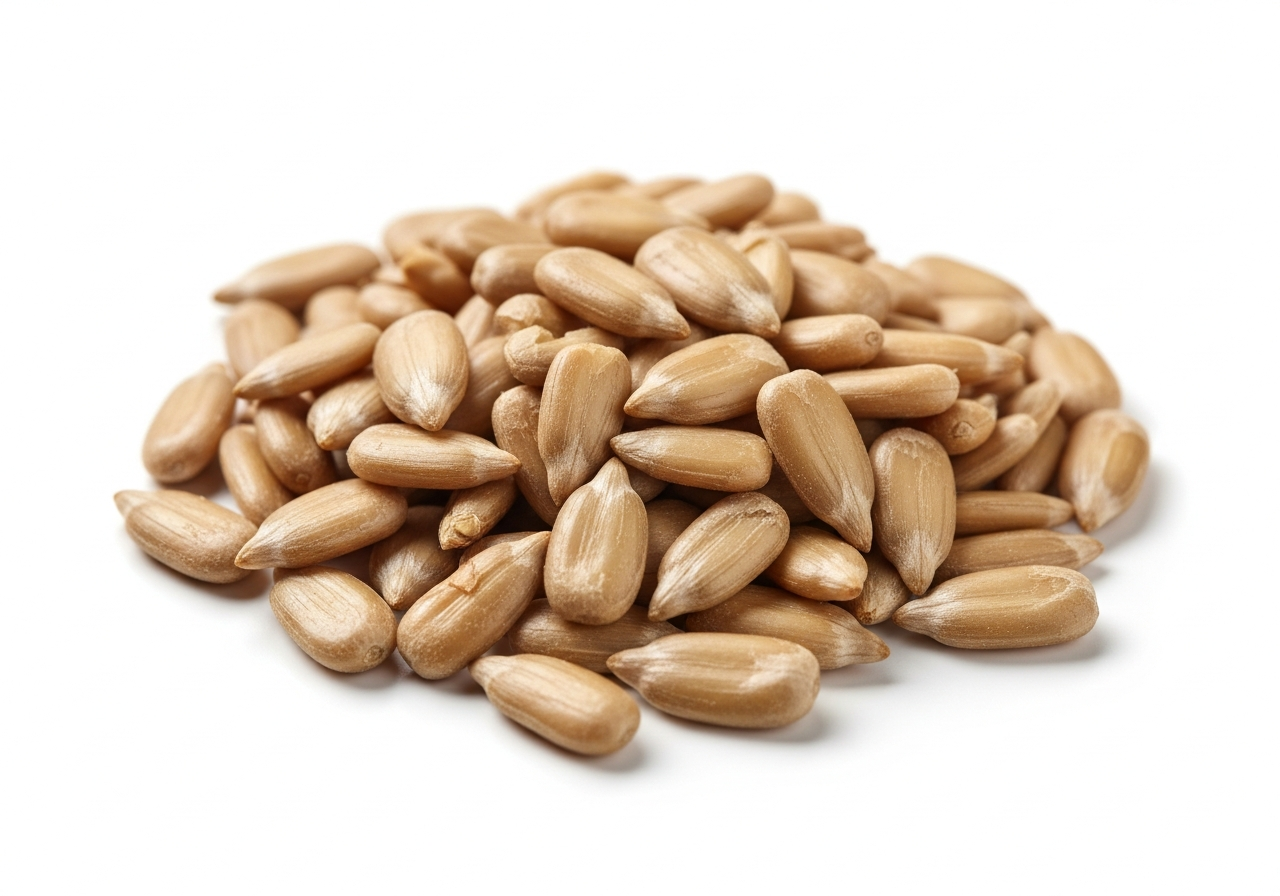
Sunflower seeds are a powerhouse of nutrients, boasting an impressive macro profile per 100g: approximately 584 calories, 21g of protein, 51g of fat, and 20g of carbohydrates, with a significant portion being dietary fiber. They are a particularly rich source of Vitamin E, magnesium, and selenium, offering substantial health benefits when incorporated into a balanced diet.
Detailed Nutrition Facts
Sunflower seeds, particularly hulled and roasted varieties, offer a dense nutritional profile that makes them a valuable addition to any macro-focused eating plan. Understanding their detailed nutrition facts is crucial for effective macro tracking and leveraging their health benefits.
Per 100 grams, the typical macronutrient breakdown for roasted, unsalted sunflower seeds is as follows:
- Calories: Around 584 kcal. This calorie density means they contribute significantly to daily energy intake, so portion control is key for those managing weight.
- Protein: Approximately 21 grams. This makes them a decent plant-based protein source, essential for muscle repair, growth, and satiety.
- Fat: Roughly 51 grams. The fat content is predominantly unsaturated, featuring a healthy mix of monounsaturated and polyunsaturated fats, including omega-6 fatty acids. A smaller amount of saturated fat is also present.
- Carbohydrates: Around 20 grams. Of this, a significant portion, about 8-9 grams, is dietary fiber. This high fiber content is excellent for digestive health and blood sugar regulation. The net carbs (total carbs minus fiber) are therefore lower, around 11-12 grams.
Beyond the macronutrient profile, sunflower seeds are a treasure trove of micronutrients.
Hero Nutrient Highlight: Vitamin E
Sunflower seeds are one of the best dietary sources of Vitamin E, an antioxidant that protects cells from damage. A 100g serving can provide well over 100% of the daily recommended intake.
Other notable micronutrients include:
- Minerals:
- Magnesium: Crucial for over 300 biochemical reactions in the body, including muscle and nerve function, blood sugar control, and blood pressure regulation. A 100g serving can contribute over 70% of the daily value.
- Selenium: A potent antioxidant that supports thyroid function and immune health.
- Phosphorus: Essential for bone health and energy metabolism.
- Zinc: Important for immune function, wound healing, and cell division.
- Copper: Plays a role in energy production and iron metabolism.
- Manganese: Involved in bone formation and carbohydrate metabolism.
- Vitamins:
- B Vitamins: Particularly thiamine (B1) and niacin (B3), which are vital for energy metabolism.
Serving Size Considerations:
It's important to note that the 100g serving is quite substantial. A more common serving size is 1 ounce (approximately 28 grams). This smaller portion contains about 165 calories, 6g of protein, 14g of fat, and 6g of carbohydrates, with 2g of fiber. When tracking macros, using smaller, more manageable portions is essential to avoid exceeding calorie and fat targets.
Comparison to Similar Foods:
Compared to other seeds like chia or flax seeds, sunflower seeds are higher in fat and calories but also offer more protein and are exceptionally rich in Vitamin E and magnesium. Almonds, a popular nut, share a similar calorie and fat profile, but sunflower seeds generally contain more Vitamin E and magnesium per serving.
Health Benefits
Sunflower seeds are far more than just a crunchy snack. Their rich nutrient profile translates into a wide array of health benefits, making them a valuable addition to a balanced diet, especially for those focused on fitness and overall well-being.
Primary Benefits:
- Heart Health: The abundance of unsaturated fats, particularly monounsaturated and polyunsaturated fats, helps to improve cholesterol levels by lowering LDL (bad) cholesterol and increasing HDL (good) cholesterol. Magnesium also plays a role in regulating blood pressure, contributing to cardiovascular health.
- Antioxidant Powerhouse: The exceptionally high Vitamin E content acts as a powerful antioxidant, neutralizing free radicals that can cause oxidative stress and damage to cells. This can contribute to slowing down aging processes and reducing the risk of chronic diseases. Selenium further enhances this antioxidant effect, protecting cells and supporting immune function.
- Improved Digestion: The high dietary fiber content aids in promoting regular bowel movements, preventing constipation, and supporting a healthy gut microbiome. Fiber also contributes to satiety, which can be beneficial for weight management.
- Bone Health: Magnesium and phosphorus are vital minerals for maintaining strong and healthy bones. Adequate intake supports bone density and can help prevent conditions like osteoporosis.
- Blood Sugar Control: The combination of fiber and healthy fats helps to slow down the absorption of sugar into the bloodstream. This can lead to more stable blood sugar levels, which is particularly important for individuals managing diabetes or looking to prevent blood sugar spikes and crashes.
- Muscle Support and Repair: While not as high in protein as some other sources, the protein content in sunflower seeds, combined with magnesium, is beneficial for muscle function, contraction, and recovery after exercise.
Who Should Eat This Food:
Sunflower seeds are beneficial for a broad range of individuals, including:
- Athletes and Fitness Enthusiasts: The protein and magnesium content supports muscle health and recovery.
- Individuals Seeking Heart Health Support: The healthy fat profile and magnesium contribute to better cardiovascular function.
- Those Looking to Manage Blood Sugar: The fiber and healthy fats help stabilize blood sugar levels.
- Vegans and Vegetarians: They provide a good source of plant-based protein, healthy fats, and essential minerals.
- Anyone Seeking a Nutrient-Dense Snack: They are a convenient way to boost intake of important vitamins and minerals.
When to Eat It:
Sunflower seeds can be enjoyed at various times of the day, depending on your dietary goals:
- As a Snack: Their portability and satiety-promoting qualities make them an ideal mid-morning or afternoon snack to keep hunger at bay and energy levels stable.
- Pre-Workout: A small handful can provide sustained energy without being too heavy.
- Post-Workout: Combined with other protein sources, they can aid in muscle recovery.
- Added to Meals: Sprinkle them on salads, yogurt, oatmeal, or incorporate them into stir-fries and baked goods for added texture and nutrition.
How to Track Macros
Accurate macro tracking of sunflower seeds is essential for aligning your intake with your fitness and health goals. Their dense calorie and fat content means that even small deviations in portion size can significantly impact your daily totals.
Portion Measurement Tips:
- Use a Kitchen Scale: This is the most accurate method. Weigh your sunflower seeds in grams for precise macro tracking. This is especially important for calorie-conscious individuals or those following strict macro targets.
- Standard Measuring Cups/Spoons: While less precise than a scale, using measuring cups and spoons can be a practical alternative. A common serving size is often listed as 1 ounce, which equates to about 1/4 cup or 2 tablespoons of shelled seeds. However, density can vary slightly.
- Pre-Portioning: Bagging out individual servings (e.g., 1 ounce or 28 grams) in advance can save time and prevent overconsumption.
- Be Mindful of Shells: If consuming in-shell sunflower seeds, remember that the shells are not eaten and add weight. Always calculate macros based on the edible portion. For simplicity and accuracy, it's best to use hulled seeds.
Using Macro Tracking Apps:
Macro tracking apps like JustMacrosFit are invaluable tools for managing your intake of foods like sunflower seeds.
- Search and Select: Most apps have extensive food databases. Search for "sunflower seeds" and select the appropriate entry (e.g., roasted, unsalted, hulled).
- Input Serving Size: Enter the amount you consumed in grams, ounces, or cups, depending on the app's interface and your measurement method.
- Review Your Totals: The app will automatically update your daily macro and calorie counts based on your entry. This allows you to see how sunflower seeds fit into your overall targets for protein, carbohydrates, and fat.
- Log Consistently: Make it a habit to log your sunflower seed consumption immediately after eating to ensure accuracy and prevent forgetting.
Common Serving Sizes and Macro Estimates:
To give you a practical reference for macro tracking:
- 1 Ounce (28 grams):
- Calories: ~165
- Protein: ~6g
- Fat: ~14g
- Carbohydrates: ~6g (approx. 2g fiber)
- 2 Tablespoons (approx. 20 grams):
- Calories: ~120
- Protein: ~4g
- Fat: ~10g
- Carbohydrates: ~4g (approx. 1.5g fiber)
Remember that these are estimates, and actual values can vary slightly by brand and preparation method (e.g., presence of added oil or salt). Always refer to the nutrition label on your specific product or use a reliable database within your tracking app.
Meal Ideas & Preparation
Incorporating sunflower seeds into your meals can be simple, delicious, and incredibly beneficial for your macro goals. Their nutty flavor and satisfying crunch make them a versatile ingredient.
Breakfast Ideas:
- Energizing Oatmeal: Stir a tablespoon or two of hulled sunflower seeds into your morning oatmeal for added protein, healthy fats, and a delightful crunch. Pair with berries and a sprinkle of cinnamon.
- Yogurt Parfait Boost: Top Greek yogurt or plant-based yogurt with a handful of sunflower seeds, fresh fruit, and a drizzle of honey or maple syrup. This adds texture and makes your breakfast more filling.
- Smoothie Enhancer: Blend a tablespoon of sunflower seeds into your morning smoothie. They add healthy fats and a subtle nutty flavor, contributing to a smoother, more satiating drink.
Lunch & Dinner Ideas:
- Salad Topper: Sprinkle raw or lightly toasted sunflower seeds over salads. They add a much-needed crunch and a dose of healthy fats that complement leafy greens and vegetables.
- Stir-Fry Addition: Toss a small amount of sunflower seeds into your vegetable or protein stir-fries during the last few minutes of cooking. They absorb flavors well and add a pleasing texture.
- Crusted Chicken or Fish: Use finely ground sunflower seeds as a binder or coating for baked chicken breasts or fish fillets. Mix them with herbs and spices for a flavorful, high-protein meal.
- Vegetable Medley: Roast vegetables like broccoli, Brussels sprouts, or sweet potatoes and then toss them with a light dressing and a sprinkle of sunflower seeds for a flavorful side dish.
Meal Prep Tips:
- Batch Toasting: Toast a larger batch of sunflower seeds at the beginning of the week. Store them in an airtight container at room temperature. This makes them ready to add to any meal.
- Pre-Portioning Snack Packs: Divide roasted, unsalted sunflower seeds into individual snack-sized bags or containers (e.g., 1 ounce servings) for easy grab-and-go options.
- Creating Seed Mixes: Combine sunflower seeds with other nuts and seeds (like pumpkin seeds or almonds) for a custom trail mix. Portion these into small bags for controlled snacking.
Cooking Methods That Preserve Nutrients:
- Roasting (Dry Roasting): This is a popular method that enhances flavor and crunch. To dry roast, spread seeds in a single layer on a baking sheet and bake at around 300-350°F (150-175°C) for 10-15 minutes, stirring occasionally, until golden. This method generally preserves nutrient integrity well.
- Raw: Consuming sunflower seeds raw maintains their full nutrient profile, as no heat-induced degradation occurs.
- Light Sautéing: If sautéing, use minimal healthy oils (like olive or avocado oil) and cook over medium heat for a short duration to avoid excessive fat addition or nutrient loss.
Important Note on Added Oils and Salt:
When preparing or purchasing sunflower seeds, opt for unsalted and unroasted (or dry-roasted) varieties whenever possible. Added oils can increase unhealthy fat content, and excessive sodium is detrimental to health, especially for blood pressure management. Always check nutrition labels.
For Weight Loss
Sunflower seeds can be a surprisingly effective ally in weight loss efforts, provided they are consumed mindfully. Their macronutrient composition, particularly the fiber and healthy fats, contributes to satiety and can help manage appetite.
Why It's Good for Weight Loss:
- Satiety: The combination of protein, fiber, and healthy fats in sunflower seeds promotes a feeling of fullness. This can help reduce overall calorie intake by curbing cravings and preventing overeating between meals. The fiber slows digestion, leading to sustained energy release rather than sharp blood sugar spikes that can trigger hunger.
- Nutrient Density: Despite their calorie density, they are packed with essential vitamins and minerals. This means you can include them in moderation without sacrificing crucial nutrients, which is vital during a calorie-restricted diet.
- Metabolic Support: Minerals like magnesium play a role in regulating metabolism and energy production, indirectly supporting weight loss efforts.
Portion Recommendations:
The key to using sunflower seeds for weight loss lies in strict portion control. Their high fat and calorie content means overconsumption can quickly derail your progress.
- Stick to 1-ounce (28g) servings. This provides approximately 165 calories, making it a manageable addition to your daily macro budget.
- Use them as a "finisher" ingredient rather than a main component. A sprinkle on a salad, a small amount in oatmeal, or a few seeds added to a yogurt cup is more appropriate than eating a large handful directly.
- Consider them a treat or a strategic snack rather than an everyday staple if you are very calorie-sensitive.
Pairing Suggestions:
To maximize their weight loss benefits, pair sunflower seeds with low-calorie, high-volume foods:
- With Vegetables: Add sunflower seeds to large, leafy green salads or sprinkle them over steamed or roasted vegetables. The fiber and water content of the vegetables, combined with the seeds' satiety factors, create a very filling meal.
- With Lean Protein: Combine a small portion of sunflower seeds with lean protein sources like grilled chicken breast, fish, tofu, or legumes. This amplifies satiety and ensures adequate protein intake, which is crucial for preserving muscle mass during weight loss.
- In Low-Fat Dairy/Alternatives: Add a sprinkle of sunflower seeds to unsweetened Greek yogurt or a low-fat cottage cheese for added texture and healthy fats without significantly increasing calories.
Avoid:
- Salted and Oil-Roasted Varieties: These often contain added sodium and unhealthy fats, negating some of the health benefits and increasing calorie counts.
- Eating Directly from the Bag: This is a common pitfall that leads to overconsumption. Always measure your portion.
By treating sunflower seeds as a nutrient-dense, flavor-enhancing addition in controlled portions, they can effectively support your weight loss journey.
For Muscle Gain
For individuals focused on muscle gain, sunflower seeds can be a valuable, albeit secondary, component of their diet. Their contribution to protein intake, along with their energy density and micronutrient profile, supports the demanding needs of muscle hypertrophy.
Protein Content Benefits:
While not a primary protein source like chicken breast or whey protein, sunflower seeds contribute approximately 6 grams of protein per 1-ounce serving. This protein provides essential amino acids that are the building blocks for muscle tissue repair and growth. When consistently incorporated into a high-calorie, high-protein diet necessary for bulking, this contribution adds up.
Pre/Post Workout Timing:
- Pre-Workout: A small portion (1/2 to 1 ounce) of sunflower seeds can be consumed about 60-90 minutes before a workout. The combination of protein and healthy fats provides sustained energy for your training session. Avoid consuming too close to your workout to prevent digestive discomfort.
- Post-Workout: While not the primary post-workout fuel, sunflower seeds can be part of a post-workout meal or snack. They are best combined with faster-digesting proteins and carbohydrates to optimize recovery. For example, adding them to a protein shake with fruit or including them in a post-workout meal with chicken and rice.
Bulking Meal Ideas:
Sunflower seeds are best utilized in bulking diets to add calorie density and essential nutrients without adding excessive bulk that might feel unpalatable.
- High-Calorie Smoothie: Blend sunflower seeds (1-2 ounces) into a mass gainer smoothie with oats, fruit, protein powder, and milk. This is an easy way to consume a significant number of calories and macros.
- Add to Grains and Legumes: Mix sunflower seeds into cooked quinoa, brown rice, or lentil dishes. They add texture and boost the overall calorie and fat content of the meal.
- "Power" Trail Mix: Create a bulking trail mix with sunflower seeds, other nuts (almonds, walnuts), dried fruit, and perhaps some dark chocolate chips. Portion these into larger servings for calorie-dense snacks.
- Seed-Crusted Meats: Use sunflower seeds as part of a crust for chicken, beef, or pork. This adds flavor, texture, and crucial calories to your protein sources.
- Incorporated into Baked Goods: Add sunflower seeds to homemade protein bars, muffins, or energy balls for an extra calorie and nutrient boost.
Considerations for Muscle Gain:
- Calorie Density is Key: For muscle gain, a calorie surplus is essential. Sunflower seeds, being calorie-dense, help achieve this surplus more easily.
- Balance Your Fat Intake: While healthy fats are important, ensure they are part of a balanced macronutrient profile. Do not let the fat from sunflower seeds dominate your intake to the exclusion of adequate protein and carbohydrates.
- Prioritize Protein: Always ensure your primary focus for muscle gain is on sufficient protein intake from lean sources. Sunflower seeds are a supplemental source.
Comparisons
When considering nuts and seeds for your diet, it's helpful to compare their nutritional profiles to make informed choices based on your specific macro targets and health goals.
Sunflower Seeds vs. Pumpkin Seeds (Pepitas):
- Macros: Both are similar in calorie density, fat content, and carbohydrate content. Sunflower seeds typically have slightly more protein per serving.
- Micronutrients:
- Sunflower Seeds: Excel in Vitamin E and magnesium.
- Pumpkin Seeds: Are a superior source of zinc and iron.
- Best For:
- Sunflower Seeds: Ideal for boosting Vitamin E and magnesium intake, beneficial for heart health and antioxidant protection.
- Pumpkin Seeds: Excellent for zinc and iron support, crucial for immune function and energy levels, respectively.
Sunflower Seeds vs. Almonds:
- Macros: Almonds are slightly lower in calories and fat but comparable in protein and carbohydrates per ounce.
- Micronutrients:
- Sunflower Seeds: Significantly higher in Vitamin E.
- Almonds: Offer more calcium and riboflavin (Vitamin B2).
- Best For:
- Sunflower Seeds: When Vitamin E is a priority.
- Almonds: Good all-around nut, offering a good balance of macros and a decent source of calcium.
Sunflower Seeds vs. Chia Seeds:
- Macros: Chia seeds are much lower in calories and fat but significantly higher in fiber. They are a lower-fat, higher-fiber seed option.
- Micronutrients: Both offer various micronutrients, but chia seeds are particularly noted for their calcium and phosphorus.
- Best For:
- Sunflower Seeds: For those needing more calories, protein, and healthy fats within a seed.
- Chia Seeds: For individuals focusing on fiber intake, gut health, and lower-calorie nutrient boosts.
Best Alternatives:
If sunflower seeds don't fit your macro goals or you're looking for variety, consider these alternatives:
- For a High-Protein Seed: Hemp seeds are an excellent choice, offering a complete protein profile with a favorable omega-3 to omega-6 ratio.
- For Healthy Fats and Micronutrients: Walnuts and flaxseeds are good sources of omega-3 fatty acids.
- For Calorie-Dense Snacking: Other nuts like pistachios, cashews, or Brazil nuts offer different macro and micronutrient profiles.
When to Choose Each:
- Choose Sunflower Seeds: When you want a significant boost of Vitamin E and magnesium, need a calorie-dense snack, or are looking for a plant-based protein source with healthy fats. They are excellent for adding crunch and flavor to salads and meals.
- Choose Pumpkin Seeds: When your focus is on increasing zinc and iron intake, supporting immune function, or when looking for a versatile seed for both sweet and savory dishes.
- Choose Almonds: For a balanced snack that provides healthy fats, protein, and some calcium, suitable for general healthy eating.
- Choose Chia Seeds: When you need to boost fiber intake, improve digestive health, or add a nutrient-dense thickener to smoothies and puddings without adding significant calories or fat.
Ultimately, variety is key. Rotating through different seeds and nuts allows you to benefit from a wider spectrum of nutrients.
FAQs
1. What are the main macros in sunflower seeds per 100g?
Per 100 grams, sunflower seeds typically contain around 584 calories, 21g of protein, 51g of fat, and 20g of carbohydrates, with about 8-9g of that being dietary fiber.
2. Are sunflower seeds good for weight loss?
Yes, when consumed in moderation. Their high fiber and healthy fat content promote satiety, helping to control appetite. However, their calorie density means portion control is crucial. A standard 1-ounce (28g) serving is recommended for weight management.
3. How do I track the macros for sunflower seeds accurately?
The most accurate method is to use a kitchen scale and weigh your seeds in grams. Alternatively, use measuring cups and spoons, noting that density can vary. Enter the measured amount into your macro tracking app, selecting the correct food item (e.g., roasted, unsalted, hulled).
4. What is the best way to prepare sunflower seeds to preserve nutrients?
Raw consumption preserves all nutrients. Dry roasting at moderate temperatures (around 300-350°F or 150-175°C) also preserves nutrients well and enhances flavor. Avoid deep frying or excessive added oils.
5. Are there any downsides to eating sunflower seeds?
While nutritious, sunflower seeds are calorie-dense due to their high fat content. Overconsumption can lead to weight gain. Some people may also be sensitive to the high omega-6 content if their diet is already imbalanced with omega-6s. It's also important to choose unsalted varieties to manage sodium intake.
6. How much protein is in a typical serving of sunflower seeds?
A typical 1-ounce (28g) serving of hulled sunflower seeds contains approximately 6 grams of protein. This makes them a good supplementary protein source, particularly for plant-based diets.
7. How should sunflower seeds be stored?
Store hulled sunflower seeds in an airtight container in a cool, dry place. For longer shelf life and to prevent rancidity, especially if they are roasted or have a higher oil content, refrigeration or freezing is recommended.
Track Sunflower Seeds easily with JustMacrosFit - your free macro tracking app.