Tuna Melt: Complete Macros & Nutrition Guide
Complete macro and nutrition guide for Tuna Melt. Learn calories, protein, carbs, fat per serving plus meal ideas and tracking tips.
Table of Contents
- Quick Answer
- Detailed Nutrition Facts
- Complete Macro Breakdown (per 150g-200g serving)
- Micronutrients
- Serving Size Considerations
- Comparison to Similar Foods
- Health Benefits
- Primary Benefits
- Who Should Eat This Food
- When to Eat It
- How to Track Macros
- Portion Measurement Tips
- Using Macro Tracking Apps
- Common Serving Sizes
- Meal Ideas & Preparation
- Breakfast, Lunch, Dinner Ideas
- Meal Prep Tips
- Cooking Methods That Preserve Nutrients
- For Weight Loss
- Why It's Good for Weight Loss
- Portion Recommendations
- Pairing Suggestions
- Smart Swaps for a Lighter Melt
- For Muscle Gain
- Protein Content Benefits
- Pre/Post-Workout Timing
- Bulking Meal Ideas
- Comparisons
- vs. Similar Foods
- Best Alternatives
- When to Choose Each
- FAQs
- 1. Is a tuna melt healthy for daily consumption?
- 2. How can I reduce the calories in my tuna melt?
- 3. What kind of bread is best for a tuna melt?
- 4. Can I make a tuna melt without mayonnaise?
- 5. What are the best ways to store a tuna melt?
- 6. Does the type of tuna matter for macros?
- 7. How can I boost the protein in my tuna melt?
Tuna Melt Macros: Complete Nutrition Guide
The tuna melt, a beloved comfort food, is more than just a nostalgic sandwich. When thoughtfully prepared, it can be a surprisingly robust source of macronutrients and essential vitamins, making it a valuable addition to a balanced diet. As experts in nutrition and culinary arts at JustMacrosFit, we're here to break down everything you need to know about the tuna melt's nutritional profile.
Quick Answer
A typical tuna melt, weighing around 150-200g, generally provides 350-500 calories with a significant protein punch, moderate carbohydrates, and a balanced fat content. This classic sandwich is a standout for its high-quality protein and beneficial omega-3 fatty acids, crucial for overall health and satiety.
Detailed Nutrition Facts
Understanding the full nutritional landscape of your tuna melt involves looking beyond just the major macros. The exact nutrition profile can vary considerably based on ingredients, portion sizes, and preparation methods. For a standard tuna melt, which typically includes canned tuna (often in water), mayonnaise, cheese, and two slices of bread, here's what we generally observe:
Complete Macro Breakdown (per 150g-200g serving)
- Calories: Expect a range from approximately 348 to 641 calories per serving. Variations often depend on the type of bread, amount of cheese, and mayonnaise used.
- Protein: This is where the tuna melt truly shines. A single serving can deliver 15.9g to 38g of protein, primarily from the tuna and cheese.
- Carbohydrates: Typically, a tuna melt contains 25.6g to 57g of carbohydrates, largely from the bread. Opting for whole-grain bread can increase dietary fiber.
- Fats: The fat content can range from 13g to 33g, depending on the mayonnaise and cheese choices. This includes both saturated and unsaturated fats.
Hero Nutrients Highlight:
* Protein: 15.9g - 38g per serving
* Omega-3 Fatty Acids: Significant amounts from tuna, supporting heart and brain health.
Micronutrients
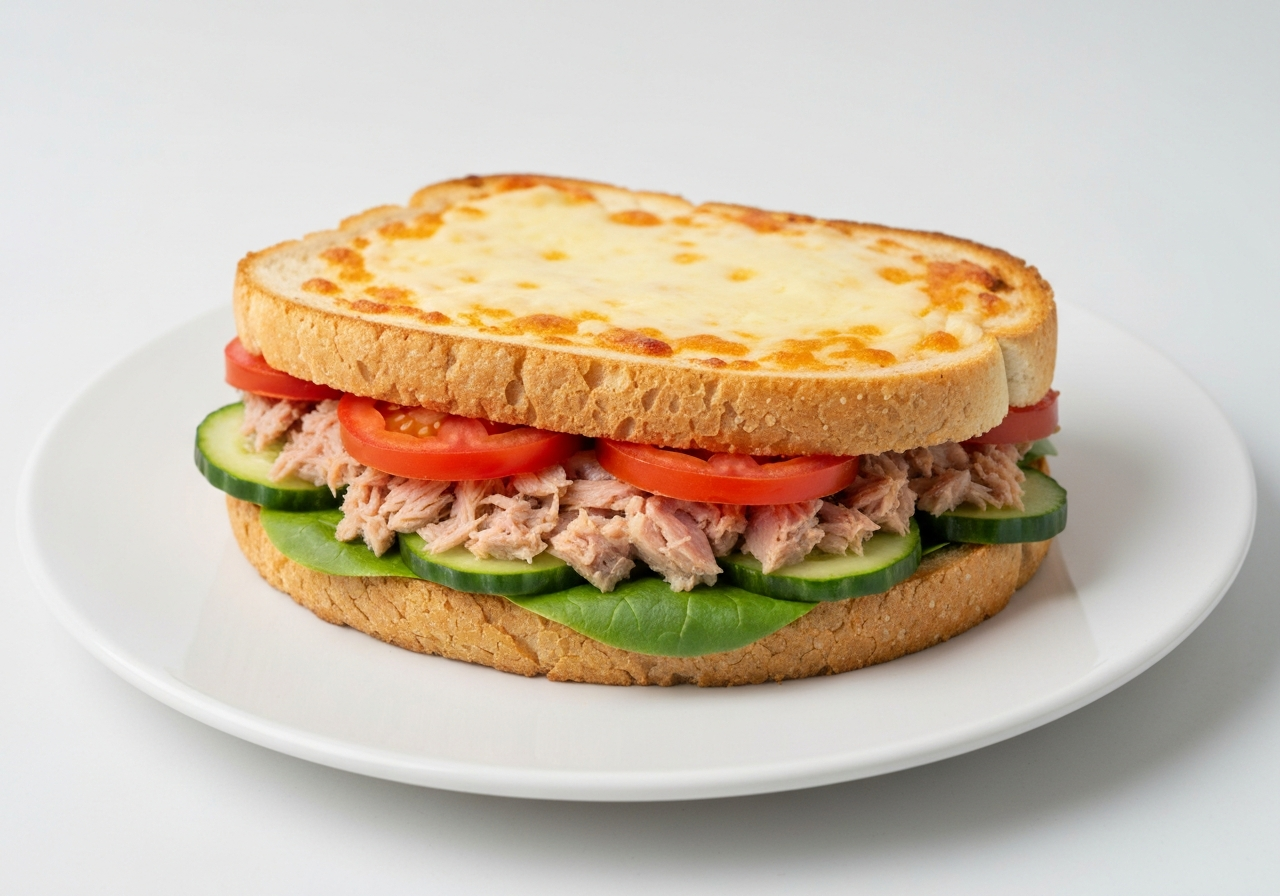
Beyond macros, the tuna melt offers a spectrum of vital micronutrients:
- Selenium: Tuna is an excellent source, providing up to 90% of the Daily Value (DV) in 100g, essential for antioxidant defense and thyroid function.
- Vitamin B12: Crucial for nerve function and red blood cell formation, with tuna melts often being an excellent source.
- Niacin (Vitamin B3): Contributes to energy metabolism and DNA repair, also abundantly found in tuna.
- Phosphorus & Calcium: Provided by both tuna and cheese, supporting bone health.
- Vitamin D: Tuna contributes to Vitamin D intake, which is vital for bone health and immune function.
Serving Size Considerations
The "standard" tuna melt varies widely. A 150g sandwich might contain around 348 calories, while a larger 280g version could reach 641 calories. Restaurant or deli versions often feature more generous portions of tuna, cheese, and mayonnaise, significantly increasing calorie, fat, and sodium content.
Comparison to Similar Foods
When we stack a tuna melt against other popular sandwiches, its nutritional profile stands out. A grilled cheese sandwich, for example, might offer similar calories but often less protein and a different fat profile. A turkey sandwich can be leaner, but might lack the omega-3 benefits unless fortified. Chicken salad sandwiches, while also protein-rich, typically contain less selenium and different fatty acid profiles than tuna melts.
Health Benefits
The tuna melt, when constructed mindfully, offers a compelling array of health benefits that make it a powerhouse for active individuals and those focusing on a balanced diet.
Primary Benefits
- Muscle Building and Repair: The high protein content from both tuna and cheese is fundamental for muscle synthesis and recovery, making it an excellent post-workout option.
- Satiety and Weight Management: Protein-rich meals like the tuna melt promote fullness, helping to reduce overall calorie intake throughout the day. The healthy fats can also contribute to sustained energy and satisfaction.
- Heart and Brain Health: Tuna is renowned for its omega-3 fatty acids (EPA and DHA), which are vital for reducing inflammation, supporting cardiovascular health, and promoting optimal brain function.
- Thyroid and Immune Support: The selenium found in tuna plays a critical role in thyroid hormone metabolism and boosts the immune system, acting as a powerful antioxidant.
Who Should Eat This Food
The tuna melt is a fantastic choice for:
- Active individuals and athletes: To meet higher protein requirements for muscle growth and repair.
- Those seeking satiety: Its protein and fat content can help keep hunger at bay.
- Individuals looking to boost omega-3 intake: A delicious way to get essential fatty acids.
- People needing nutrient-dense, quick meals: It's versatile and can be prepared efficiently.
When to Eat It
The tuna melt is incredibly versatile:
- Lunch: A classic and satisfying midday meal.
- Post-Workout: A fantastic option to replenish protein and energy stores.
- Dinner: A lighter, yet filling, dinner when paired with a side salad or soup.
- Meal Prep: Tuna salad can be prepared in advance for quick assembly.
How to Track Macros
Accurate macro tracking is crucial for achieving your fitness and health goals. Here's our expert advice for tracking your tuna melt:
Portion Measurement Tips
- Weigh your ingredients: The most precise method is to use a digital food scale for tuna, cheese, and even bread. Eyeballing can lead to significant discrepancies.
- Measure condiments: Mayonnaise can be calorie-dense, so use measuring spoons for accuracy. If using Greek yogurt, measure that as well.
- Be consistent: Use the same measuring tools and methods each time you prepare your tuna melt.
Using Macro Tracking Apps
Macro tracking apps like JustMacrosFit make logging your tuna melt straightforward.
- Search for "Tuna Melt": Many apps have pre-entered data, but remember these are often averages.
- Customize your entry: If your app allows, input individual ingredients (e.g., specific brand of tuna, type of bread, amount of cheese, light mayo vs. regular) for the most accurate reflection of your homemade version.
- Create custom recipes: For your go-to tuna melt recipe, create a custom entry in your app. This saves time and ensures consistent, accurate tracking for future meals.
Common Serving Sizes
Most nutritional data for tuna melts will refer to "1 sandwich" or a specific weight like "150g" or "200g". Be mindful of these serving sizes. If your sandwich is larger or smaller, adjust your macro tracking accordingly. For example, if you make an open-faced tuna melt with one slice of bread, halve the bread's contribution to your macro count.
Meal Ideas & Preparation
The beauty of the tuna melt lies in its adaptability. As chefs, we appreciate how small tweaks can transform this classic into a macro-friendly masterpiece suitable for any time of day.
Breakfast, Lunch, Dinner Ideas
- Breakfast: While unconventional, a small, open-faced tuna melt on whole-grain toast with a side of sliced avocado can offer a savory, protein-packed start to your day.
- Lunch (Classic): Our go-to for a satisfying lunch involves two slices of whole-wheat bread, a lean tuna salad (made with Greek yogurt or light mayo), a slice of low-fat cheese, and a few slices of tomato.
- Dinner (Deconstructed): Transform your tuna melt into a "tuna melt bowl." Serve a generous scoop of tuna salad over a bed of mixed greens or roasted vegetables, topped with melted low-fat cheese and a drizzle of balsamic glaze. This reduces carbs and increases fiber.
Meal Prep Tips
Preparing tuna melt components in advance is a game-changer for busy weeks:
- Make tuna salad in bulk: Mix drained canned tuna with your chosen binders (Greek yogurt, light mayo, mustard) and vegetables (celery, red onion, pickles). Store in an airtight container for up to 3-4 days in the refrigerator.
- Pre-slice cheese and bread: Have your whole-grain bread and cheese slices ready to go.
- Portion out tuna salad: If you're strict with macro tracking, portion your tuna salad into individual containers for quick assembly on the day of consumption.
Cooking Methods That Preserve Nutrients
While grilling or toasting is traditional, we recommend methods that prevent overcooking, especially the tuna.
- Broiling (our favorite): Assemble your tuna melt open-faced on toasted bread, top with cheese, and broil for 30-60 seconds until the cheese is bubbly and golden. This method melts the cheese without overcooking the tuna.
- Pan-Grilling: For a crispy exterior, lightly butter or spray your bread with cooking spray, assemble the sandwich, and grill in a skillet over medium heat until golden brown and cheese is melted.
- Toaster Oven: An excellent option for open-faced melts, providing even heat and easy monitoring.
For Weight Loss
The tuna melt can be an incredibly effective tool for weight loss when approached with strategic ingredient choices and mindful portion control. Its inherently high protein content is a significant advantage.
Why It's Good for Weight Loss
- High Protein, High Satiety: The ample protein from tuna and cheese helps us feel fuller for longer, reducing cravings and overall calorie intake. This prevents the post-meal hunger pangs that often lead to snacking on less nutritious foods.
- Metabolic Boost: Protein has a higher thermic effect of food (TEF) compared to fats and carbohydrates, meaning your body expends more energy to digest and metabolize it.
- Muscle Preservation: During a calorie deficit, adequate protein intake is crucial for preserving lean muscle mass, which helps maintain a higher resting metabolism.
Portion Recommendations
For weight loss, portion control is paramount. A single serving should be carefully considered:
- Aim for 300-400 calories: This typically means one sandwich or an open-faced version.
- Open-faced is often better: Using just one slice of whole-grain bread significantly reduces carbohydrate and calorie count while still delivering protein and flavor.
- Mind the cheese: While delicious, cheese is calorie-dense. Use 1-2 slices of low-fat cheese or a smaller portion of full-fat cheese.
Pairing Suggestions
To enhance the weight loss benefits, pair your tuna melt with nutrient-dense, low-calorie sides:
- Large green salad: Provides fiber, vitamins, and minerals without adding many calories. Use a light vinaigrette.
- Cucumber and tomato slices: Refreshing and hydrating.
- Vegetable sticks: Carrots, celery, bell peppers for added crunch and nutrients.
- Clear broth soup: Can add volume and warmth to your meal without significant calories.
Smart Swaps for a Lighter Melt
- Replace mayonnaise with Greek yogurt: This swap dramatically cuts fat and calories while boosting protein.
- Choose light canned tuna: Tuna packed in water instead of oil will lower fat content.
- Opt for whole-grain bread: Adds fiber, aiding digestion and satiety.
- Use reduced-fat cheese: Offers the cheesy flavor with fewer calories and saturated fat.
- Add extra vegetables to the tuna salad: Diced celery, onion, bell peppers, or even shredded carrots add volume and nutrients without many calories.
For Muscle Gain
For those focused on building lean muscle mass, the tuna melt can be a highly effective and delicious component of a bulking diet. Its robust protein content and customizable nature make it ideal for hitting those higher macro targets.
Protein Content Benefits
- High-Quality Protein: Tuna provides all essential amino acids, which are the building blocks for muscle repair and growth. Combined with the protein from cheese and bread, a tuna melt offers a complete protein profile.
- Efficient Recovery: Consuming protein post-workout aids in repairing muscle tissue damaged during exercise, promoting faster recovery and adaptation.
Pre/Post-Workout Timing
- Post-Workout: A tuna melt can be an excellent post-workout meal due to its combination of protein for muscle repair and carbohydrates for glycogen replenishment. We suggest a version with whole-grain bread for sustained energy release.
- Pre-Workout: If consumed as a pre-workout meal, ensure it's eaten 2-3 hours beforehand to allow for proper digestion, especially given its fat content. Focus on a slightly lower fat version to prevent digestive discomfort during exercise.
Bulking Meal Ideas
To maximize the muscle-gaining potential of your tuna melt, consider these strategies:
- Double Down on Tuna: Use more canned tuna in your salad mixture to significantly boost protein intake.
- Choose Denser Breads: Opt for sourdough, thicker whole-wheat slices, or even a hearty bagel to increase carbohydrate and calorie density.
- Add Healthy Fats: Incorporate sliced avocado into your sandwich or serve it on the side for additional healthy fats and calories.
- Extra Cheese: A second slice of your favorite cheese can add a good amount of protein and fat.
- Hearty Sides: Pair your tuna melt with calorie-dense, nutritious sides such as:
- Sweet potato fries or baked potato.
- Quinoa salad or pasta salad.
- A bowl of lentil or bean soup.
- A side of cottage cheese or Greek yogurt for even more protein.
- "Anabolic" Tuna Melts: Some recipes specifically designed for muscle gain integrate ingredients like cottage cheese for an extra protein boost and creamy texture, often with reduced fat mayo or Greek yogurt for better macro control.
Remember, for muscle gain, total calorie and protein intake over the day is key. The tuna melt can be a delicious and efficient way to contribute a substantial amount to these targets.
Comparisons
Understanding how the tuna melt stacks up against other popular meal choices helps us make informed dietary decisions based on our individual macro and nutritional goals.
vs. Similar Foods
- Tuna Melt vs. Grilled Cheese: A classic grilled cheese is often higher in saturated fat and typically lower in protein than a tuna melt. While both offer comfort, the tuna melt wins on the protein and omega-3 front.
- Tuna Melt vs. Chicken Salad Sandwich: Both are protein-rich, but tuna offers a distinct advantage with its omega-3 fatty acids and selenium. Chicken salad may be leaner depending on preparation, but might lack these specific micronutrients.
- Tuna Melt vs. Turkey Sandwich: A lean turkey sandwich can be lower in fat and calories, particularly if made with whole-grain bread and minimal condiments. However, tuna provides higher amounts of selenium, vitamin B3, and B12, along with the beneficial omega-3s that turkey typically lacks.
Best Alternatives
If you're looking to diversify or have specific dietary needs, several excellent alternatives exist:
- Salmon Melt: Substitute canned salmon for tuna. Salmon is also rich in omega-3s and offers a slightly different flavor profile.
- Chickpea "Tuna" Salad Sandwich: For a plant-based option, mashed chickpeas can mimic the texture of tuna salad, offering fiber and plant-based protein.
- Low-Carb Open-Faced Tuna: Skip the bread entirely and serve tuna salad on bell pepper halves, large tomato slices, or even lettuce cups for a significantly reduced carb count.
- Greek Yogurt Tuna Salad: If it's specifically the tuna salad you enjoy, preparing it with Greek yogurt instead of mayonnaise makes it a lighter, higher-protein, lower-fat option that can be enjoyed in salads or wraps.
When to Choose Each
- Choose Tuna Melt when: You need a high-protein, satisfying meal rich in omega-3s and essential micronutrients like selenium and Vitamin B12. It's excellent for muscle repair and sustained energy.
- Choose a Leaner Turkey Sandwich when: You prioritize very low fat and calorie intake, and still want a good source of lean protein.
- Choose a Chickpea Salad when: You're following a plant-based diet or want to increase fiber intake.
- Choose an Open-Faced Option when: You want to significantly reduce carbohydrate content while retaining the flavor and protein of the tuna melt.
Our goal at JustMacrosFit is to empower you with choices. By understanding the nutritional nuances, you can select the best option to align with your personal health and fitness objectives.
FAQs
We often receive questions about customizing tuna melts to fit various dietary needs and preferences. Here are some of the most common inquiries we address:
1. Is a tuna melt healthy for daily consumption?
A tuna melt can be part of a healthy diet, especially when made with whole-grain bread, light mayonnaise or Greek yogurt, and reduced-fat cheese. However, due to potential mercury levels in tuna, it's generally recommended to consume tuna (especially albacore) in moderation, typically 2-3 times per week, to balance benefits and risks. Chunk light tuna usually has lower mercury levels.
2. How can I reduce the calories in my tuna melt?
To reduce calories, we recommend several modifications:
* Use one slice of bread: Create an open-faced tuna melt.
* Swap mayo for Greek yogurt: Significantly cuts fat and boosts protein.
* Choose reduced-fat cheese: Maintains flavor with fewer calories and saturated fat.
* Load up on veggies: Add celery, onion, or bell peppers to the tuna salad for volume without many calories.
3. What kind of bread is best for a tuna melt?
Whole-grain bread is our top recommendation as it provides more fiber and complex carbohydrates, promoting better digestion and sustained energy compared to white bread. Sourdough is another popular and flavorful option. For low-carb diets, consider using low-carb bread or even vegetable bases like bell pepper halves.
4. Can I make a tuna melt without mayonnaise?
Absolutely! Many delicious and healthy alternatives exist. We often use plain non-fat Greek yogurt as a creamy, high-protein substitute. Other options include mashed avocado, hummus, or even a touch of olive oil and lemon juice for a lighter, Mediterranean-inspired twist.
5. What are the best ways to store a tuna melt?
It's best to assemble and eat a tuna melt fresh, as the bread can become soggy. However, you can meal prep the tuna salad mixture separately and store it in an airtight container in the refrigerator for 3-4 days. Assemble the sandwich just before eating. Leftover cooked tuna melts can be refrigerated but may lose some of their crispy texture when reheated.
6. Does the type of tuna matter for macros?
Yes, it does. Tuna packed in water generally has fewer calories and less fat than tuna packed in oil. Light tuna (skipjack or yellowfin) typically has lower mercury levels than albacore (white tuna). Both offer excellent protein, but for consistent daily consumption, chunk light tuna in water is often preferred for mercury considerations.
7. How can I boost the protein in my tuna melt?
To further amplify the protein content, we suggest:
* Adding more tuna to your filling.
* Incorporating fat-free cottage cheese or extra Greek yogurt into your tuna salad.
* Using higher protein bread or an English muffin.
* Pairing your tuna melt with a side of hard-boiled eggs or a protein shake.
Track Tuna Melt easily with JustMacrosFit - your free macro tracking app.