Sweet Potato Calories: Complete Macros & Nutrition Guide
Complete macro and nutrition guide for Sweet Potato Calories. Learn calories, protein, carbs, fat per serving plus meal ideas and tracking tips.
Table of Contents
- Sweet Potato Calories Macros: Complete Nutrition Guide
- Quick Answer
- Detailed Nutrition Facts
- Complete Macro Breakdown
- Micronutrients
- Serving Size Considerations
- Comparison to Similar Foods
- Health Benefits
- Primary Benefits
- Who Should Eat This Food
- When to Eat It
- How to Track Macros
- Portion Measurement Tips
- Using Macro Tracking Apps
- Common Serving Sizes
- Meal Ideas & Preparation
- Breakfast, Lunch, Dinner Ideas
- Meal Prep Tips
- Cooking Methods That Preserve Nutrients
- For Weight Loss
- Why It's Good for Weight Loss
- Portion Recommendations
- Pairing Suggestions
- For Muscle Gain
- Protein Content Benefits
- Pre/Post-Workout Timing
- Bulking Meal Ideas
- Comparisons
- vs. Similar Foods
- Best Alternatives
- When to Choose Each
- FAQs
- 1. Are sweet potatoes good for weight loss?
- 2. What are the main macros in sweet potatoes?
- 3. Do sweet potatoes have a high glycemic index?
- 4. What is the best way to cook sweet potatoes to retain nutrients?
- 5. Can I eat sweet potato skin?
- 6. How should I store sweet potatoes?
- 7. Are purple sweet potatoes healthier than orange ones?
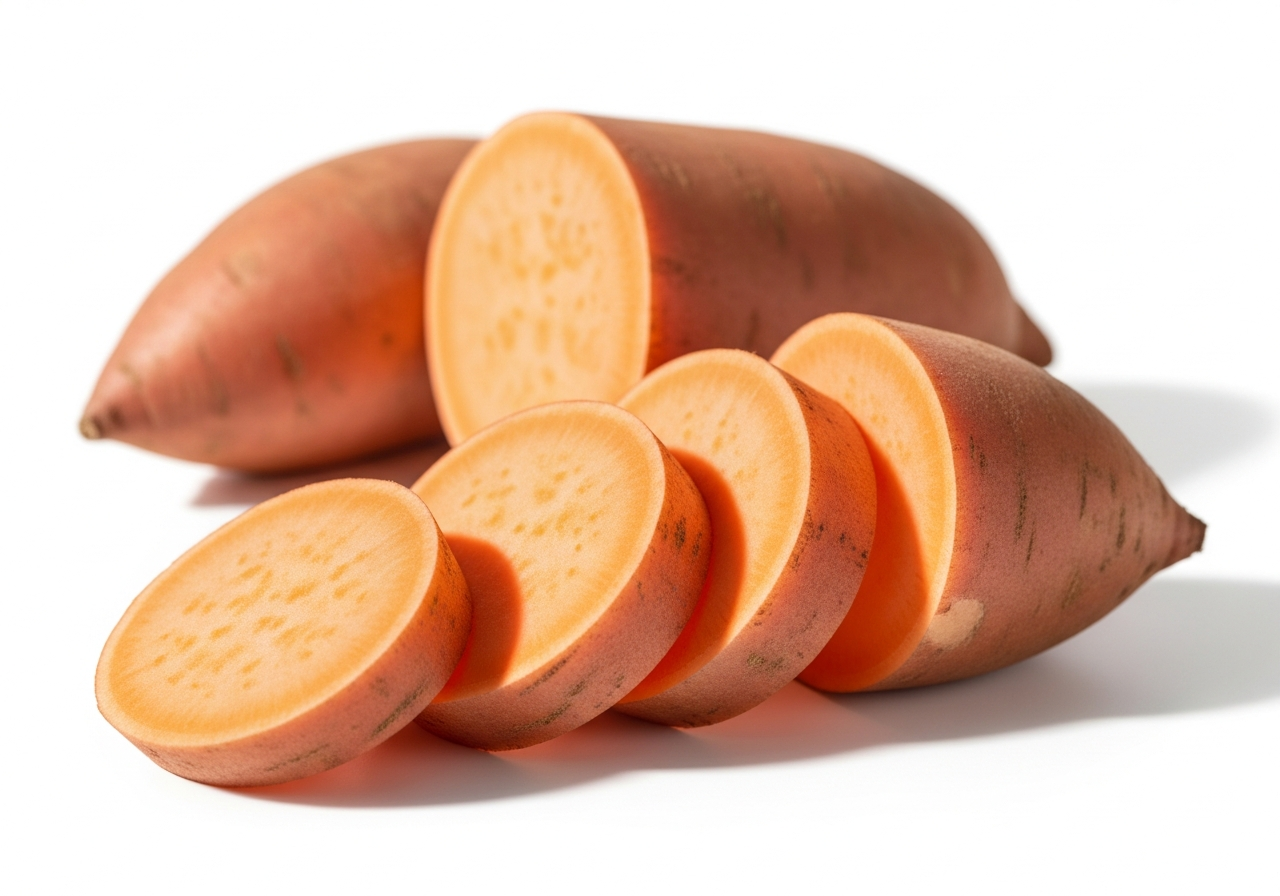
As dedicated nutritionists and chefs at JustMacrosFit, we are constantly exploring foods that not only fuel your body but also delight your palate. Today, we turn our expert lens to a vibrant, versatile, and nutrient-packed root vegetable: the sweet potato. Often hailed as a "superfood," sweet potatoes offer an impressive array of benefits that go far beyond their naturally sweet flavor. This comprehensive guide will break down everything you need to know about sweet potato calories, macros, and nutrition, ensuring you can confidently incorporate this healthful starch into your daily eating plan.
Sweet Potato Calories Macros: Complete Nutrition Guide
Quick Answer
A 100-gram serving of cooked sweet potato (boiled, peeled) provides approximately 76-90 calories, with roughly 17-21 grams of carbohydrates, 1-2 grams of protein, and less than 0.2 grams of fat. Its standout nutritional feature is its exceptionally high Vitamin A content, primarily from beta-carotene, often exceeding 100% of the daily recommended intake in a single serving.
Detailed Nutrition Facts
Sweet potatoes are a powerhouse of complex carbohydrates, essential vitamins, and vital minerals, making them a cornerstone of a balanced diet.
Complete Macro Breakdown
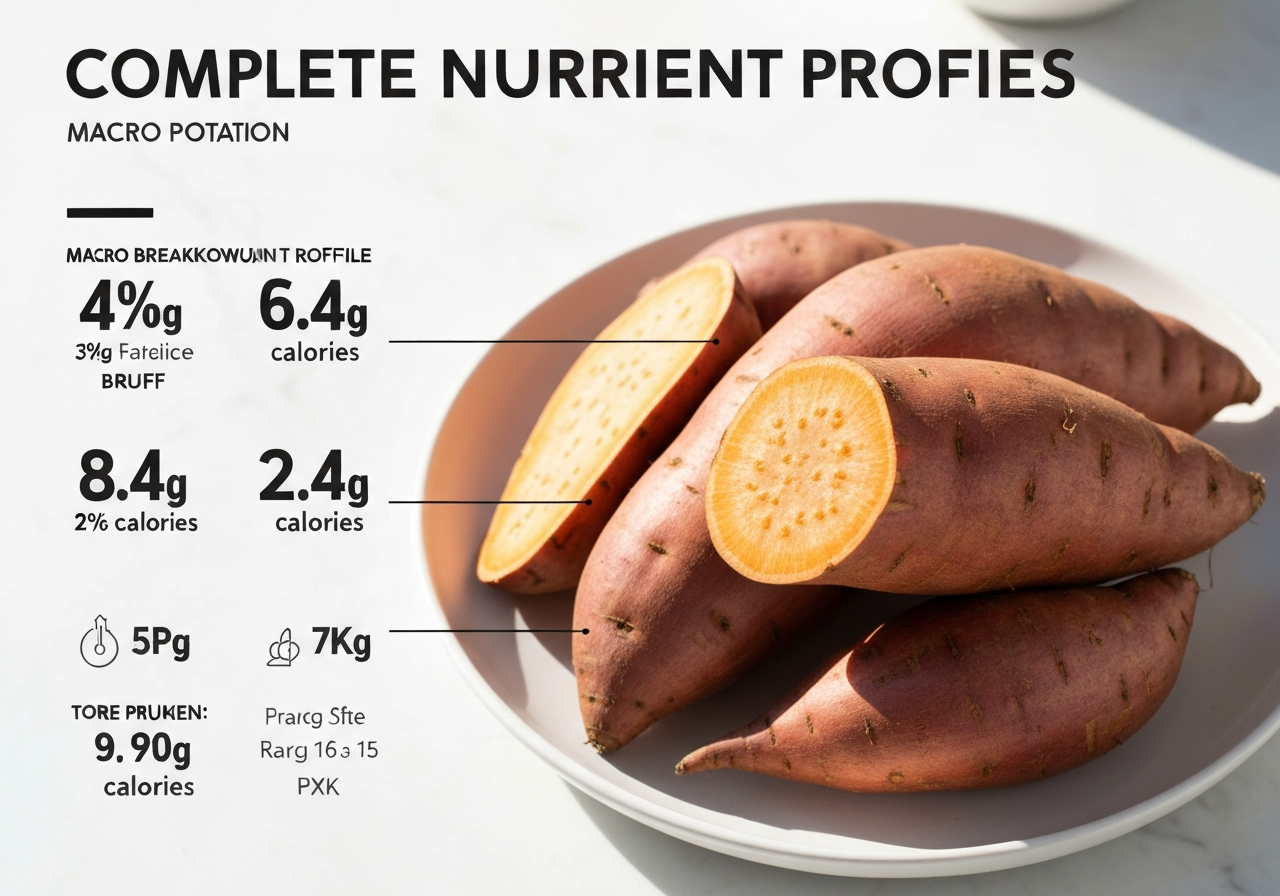
For a 100-gram serving of cooked sweet potato (specifically boiled and peeled, as this method often preserves nutrients and impacts glycemic index):
- Calories: Approximately 76-90 kcal.
- Carbohydrates: Roughly 17-21 grams. This primarily consists of:
- Dietary Fiber: Around 2.5-3 grams, especially when consumed with the skin. This includes both soluble and insoluble fibers crucial for digestive health.
- Sugars: Approximately 5.7-6.5 grams. These are natural sugars like fructose, glucose, sucrose, and maltose.
- Protein: About 1.3-1.6 grams. While not a primary protein source, it contributes to overall intake.
- Fats: A negligible amount, typically less than 0.2 grams. This makes sweet potatoes an excellent choice for low-fat diets.
Micronutrients
Sweet potatoes shine brightly in their micronutrient profile, offering a vast spectrum of vitamins and minerals.
Hero Nutrients:
* Vitamin A (from Beta-carotene): A single medium sweet potato can provide over 100% of your daily Vitamin A needs, often exceeding 200% DV in a 200g serving. This potent antioxidant is crucial for vision, immune function, and skin health.
* Vitamin C: Provides a significant portion of the daily value, essential for immune support, collagen synthesis, and acting as an antioxidant. A medium sweet potato can offer 30-44% of the daily value.
* Potassium: An important electrolyte that helps regulate blood pressure, fluid balance, and muscle contractions. A medium sweet potato can supply around 20-25% of the daily recommended amount.
* Manganese: Essential for bone health, metabolism, and antioxidant defense, sweet potatoes contribute significantly to its daily intake.
* Vitamin B6: Important for brain development, nerve function, and red blood cell production.
* Copper: Vital for iron absorption, energy production, and nerve health.
* Pantothenic Acid (Vitamin B5) and Niacin (Vitamin B3): These B vitamins play roles in energy metabolism.
* Magnesium and Iron: Present in moderate amounts, contributing to energy, muscle function, and oxygen transport.
Serving Size Considerations
A "medium" sweet potato typically weighs around 114-150 grams. This size offers approximately 100-150 calories and provides a substantial amount of the micronutrients listed above. We always recommend weighing your food, especially when tracking macros precisely, as sweet potato sizes can vary significantly.
Comparison to Similar Foods
When placed next to its starchy counterparts, the sweet potato often stands out. For example, while white potatoes and sweet potatoes have similar calorie and carbohydrate content per 100g, sweet potatoes are exceptionally rich in Vitamin A, often containing hundreds of times more than white potatoes. White potatoes, however, can be higher in potassium and folate. Sweet potatoes generally have a lower glycemic index (GI) than white potatoes, especially when boiled, meaning they cause a slower and more gradual rise in blood sugar. This difference in GI is influenced by the type of starches present and cooking methods.
Health Benefits
Sweet potatoes are much more than just a source of energy, they are packed with compounds that promote overall well-being.
Primary Benefits
- Supports Gut Health: The fiber content, both soluble and insoluble, aids digestion, promotes regular bowel movements, and acts as a prebiotic, feeding beneficial gut bacteria. This fermentation produces short-chain fatty acids that nourish intestinal lining cells.
- Boosts Vision and Immunity: Thanks to their high beta-carotene content, sweet potatoes are converted to Vitamin A in the body, which is vital for maintaining healthy vision and a robust immune system. Vitamin C also contributes to immune function.
- Powerful Antioxidant Properties: Sweet potatoes, especially orange and purple varieties, are rich in antioxidants like beta-carotene and anthocyanins. These compounds help protect our bodies from free radical damage, which is linked to chronic diseases like cancer and heart disease.
- Cardiovascular Health: The potassium in sweet potatoes helps regulate blood pressure by counteracting the effects of sodium, reducing the risk of heart disease. Fiber also plays a role in lowering LDL (bad) cholesterol.
- Blood Sugar Regulation: Despite their sweetness, the fiber and complex carbohydrates in sweet potatoes contribute to more stable blood sugar levels, particularly when boiled. This makes them a beneficial food for many, including those managing blood sugar.
- Sustained Energy: As a complex carbohydrate, sweet potatoes provide a steady, slow-releasing energy source without the rapid spikes and crashes often associated with simpler carbohydrates.
Who Should Eat This Food
Sweet potatoes are a fantastic addition for almost everyone! Athletes, active individuals, and those seeking sustained energy will benefit from their complex carbohydrates. People focusing on weight management can leverage their fiber and satiety. Individuals looking to boost their intake of vitamins A and C, or support gut and heart health, will find sweet potatoes incredibly beneficial. They are also a balanced option for those with diabetes, especially when prepared appropriately.
When to Eat It
Sweet potatoes are incredibly versatile. We enjoy them:
- Pre-workout: Their complex carbohydrates provide sustained energy for long training sessions.
- Post-workout: To replenish glycogen stores and support muscle recovery, especially when paired with a protein source.
- As a staple at any meal: Their fiber and nutrients make them a filling and healthy addition to breakfast, lunch, or dinner.
- For a nutritious snack: Baked or roasted sweet potato slices can be a wholesome alternative to processed snacks.
How to Track Macros
Accurately tracking your sweet potato calories and macros is key to achieving your fitness and health goals.
Portion Measurement Tips
For precise macro tracking, we recommend using a kitchen scale. Sweet potatoes vary widely in size, so relying on visual estimates like "medium" can lead to inaccuracies.
- Weigh Raw: If you're cooking a whole sweet potato, weigh it raw before cooking and peeling (if applicable). Most nutrition databases provide values for raw or cooked per 100 grams.
- Weigh Cooked: Alternatively, weigh your sweet potato after it's cooked and prepared (e.g., baked, boiled, mashed). Be sure to select the correct entry in your macro tracking app for "cooked sweet potato" to account for water loss or absorption.
- Understand Serving Sizes: While we advocate for weighing, common serving sizes include:
- 100 grams (approximately 76-90 calories)
- One medium sweet potato (around 100-150 grams, roughly 100-150 calories)
Using Macro Tracking Apps
Apps like JustMacrosFit make tracking sweet potato calories and macros incredibly straightforward. Simply search for "sweet potato," and you'll find various entries for raw, boiled, baked, or mashed. Select the one that matches your preparation method and input the weight in grams or a common serving size. This instant feedback helps you stay on target with your daily carbohydrate, protein, and fat goals.
Common Serving Sizes
As nutrition coaches, we often guide our clients to start with a standard serving and adjust based on their individual caloric needs and activity levels. For many, a medium sweet potato (around 120-150 grams cooked) is an ideal portion, providing satisfying energy and nutrients without excess calories.
Meal Ideas & Preparation
Sweet potatoes are celebrated in our JustMacrosFit kitchen for their versatility. They can be transformed into countless delicious and macro-friendly dishes.
Breakfast, Lunch, Dinner Ideas
- Breakfast: Sweet potato hash with eggs and spinach; mashed sweet potato topped with Greek yogurt, cinnamon, and a sprinkle of nuts.
- Lunch: Baked sweet potato stuffed with lean ground turkey or black beans, salsa, and avocado; sweet potato and kale salad with grilled chicken.
- Dinner: Roasted sweet potato wedges as a side to baked salmon or grilled steak; hearty sweet potato and lentil curry; sweet potato "toast" topped with savory or sweet ingredients.
Meal Prep Tips
Sweet potatoes are excellent for meal prepping. You can bake or boil a large batch at the beginning of the week and store them in the refrigerator for quick additions to meals. They hold up well and can be reheated easily. Cut them into cubes or slices for faster cooking and portioning.
Cooking Methods That Preserve Nutrients
The way you cook sweet potatoes can influence their nutrient content and glycemic response.
- Boiling/Microwaving: These methods are often recommended for preserving the most antioxidants and Vitamin A, as high, dry heat (like baking or roasting) can degrade these nutrients. Boiling also tends to result in a lower glycemic index compared to baking or roasting. Boiling sweet potatoes with the skin on further helps minimize nutrient leaching.
- Steaming: Another gentle cooking method that helps retain nutrients and can lead to lower sugar content and higher antioxidants than boiling or baking.
- Baking/Roasting: While popular for flavor and texture, baking and roasting at high temperatures can cause a significant loss of Vitamin A and antioxidants. They also increase the glycemic index due to caramelization. If you choose to bake, consider keeping the skin on, as much of the fiber and antioxidants are concentrated there.
- Avoid Deep Frying: Deep frying sweet potatoes should be avoided, as it can lead to the formation of acrylamide, a potential carcinogen, and significantly increases fat and calorie content.
To enhance nutrient absorption, particularly for beta-carotene (which is fat-soluble), pair your sweet potatoes with a healthy fat like olive oil, avocado, or nuts.
For Weight Loss
Sweet potatoes are an ally in your weight loss journey when consumed thoughtfully.
Why It's Good for Weight Loss
- High in Fiber: The significant fiber content promotes satiety, helping you feel full for longer and reducing overall calorie intake by curbing appetite between meals. This can be a game-changer for managing hunger.
- Low Calorie Density: With approximately 76-90 calories per 100 grams, sweet potatoes offer a substantial volume of food for a relatively low-calorie cost. This means you can enjoy a satisfying portion without overshooting your calorie budget.
- Stable Blood Sugar: Their complex carbohydrates and relatively lower glycemic index (especially when boiled) prevent rapid blood sugar spikes and crashes, which can often lead to cravings and increased fat storage.
- Nutrient Density: Sweet potatoes pack essential vitamins and minerals, including Vitamin B6 and potassium, which support metabolic processes, ensuring your body functions optimally even during a calorie deficit.
Portion Recommendations
For weight loss, a good starting point is a medium sweet potato (around 120-150 grams cooked) per meal or snack. Always monitor your total daily calorie intake and adjust your sweet potato portions to fit your individual macro goals.
Pairing Suggestions
Pairing sweet potatoes with lean protein and non-starchy vegetables maximizes their weight loss benefits:
- Protein: Grilled chicken or fish, lean ground turkey, eggs, tofu, or lentils.
- Healthy Fats: A small amount of avocado, a drizzle of olive oil, or a few nuts for improved satiety and nutrient absorption.
- Vegetables: Steamed broccoli, roasted asparagus, or a large green salad.
For Muscle Gain
For those dedicated to building lean muscle, sweet potatoes are a carbohydrate source we highly recommend.
Protein Content Benefits
While sweet potatoes themselves are not a high-protein food, their role in muscle gain is critical as an excellent carbohydrate source. Pairing them with adequate protein is where the magic happens. A medium sweet potato contributes about 2-4 grams of protein, and while small, this adds to your overall daily intake..
Pre/Post-Workout Timing
- Pre-Workout: Consuming sweet potatoes 1-2 hours before a workout provides a sustained release of energy, thanks to their complex carbohydrates and moderate glycemic index. This ensures your muscles have sufficient glycogen stores to power intense training sessions without experiencing energy crashes.
- Post-Workout: Within 60-120 minutes after training, your body is primed to absorb nutrients. Eating sweet potatoes post-workout helps rapidly replenish muscle glycogen depleted during exercise. When paired with a fast-digesting protein, this combination maximizes the "anabolic window," aiding muscle repair and growth.
Bulking Meal Ideas
- Hearty Post-Workout Bowl: Large baked sweet potato with seasoned ground beef or chicken, black beans, and a dollop of Greek yogurt.
- Sweet Potato & Egg Scramble: Diced sweet potatoes sautéed with bell peppers, onions, and scrambled eggs, alongside whole-wheat toast.
- Power-Packed Casserole: Layers of sliced sweet potato, lean ground turkey, spinach, and a light cheese sauce.
Sweet potatoes also contain beneficial micronutrients for muscle builders, such as copper, which helps replenish energy levels and strengthens tendons. Vitamin C aids in connective tissue repair, counteracting oxidative damage from exercise.
Comparisons
Understanding how sweet potatoes stack up against other staples helps in making informed dietary choices.
vs. Similar Foods
- Sweet Potato vs. White Potato:
- Calories & Carbs: Very similar per 100g.
- Fiber: Sweet potatoes generally have slightly more fiber, especially with the skin on.
- Vitamins: Sweet potatoes are vastly superior in Vitamin A (beta-carotene). White potatoes can be higher in potassium and folate. Both offer good amounts of Vitamin C and B6.
- Glycemic Index (GI): This is where preparation matters significantly. Boiled sweet potatoes typically have a lower GI (around 44-63) than boiled white potatoes (around 78-82). However, baked sweet potatoes can have a GI similar to or even higher than baked white potatoes (around 88-94 vs. 86-98, respectively).
- Sweet Potato vs. Rice (Brown/White):
- Sweet potatoes are typically lower in calories and carbohydrates per serving compared to white or brown rice.
- Sweet potatoes offer a broader spectrum of vitamins (especially A and C) and minerals than white rice, and often more than brown rice.
- Sweet potatoes generally have a lower GI than white rice, providing a more gradual blood sugar response.
Best Alternatives
If sweet potatoes aren't available or you need variety, consider these nutritious alternatives:
- Butternut Squash: Similar in flavor profile and rich in beta-carotene. Excellent for roasting or pureeing.
- Pumpkin: Another great source of Vitamin A and fiber, perfect for soups, stews, or baked goods.
- Carrots: High in beta-carotene and can be eaten raw, roasted, or steamed.
- Plantains: A starchy fruit that offers complex carbohydrates, though often higher in calories and starch than sweet potatoes.
- Quinoa: A complete protein and complex carbohydrate, excellent for a gluten-free option.
When to Choose Each
- Choose Sweet Potato: For maximum Vitamin A, a good fiber boost, and a lower glycemic impact (especially when boiled) to support stable energy and blood sugar. Ideal for general health, weight management, and pre/post-workout fueling.
- Choose White Potato: When higher potassium is a priority, or if you prefer its unique texture and slightly different micronutrient profile. Can be a good source of resistant starch when cooked and cooled.
- Choose Rice/Grains: For higher carbohydrate loading, or when a neutral flavor profile is desired for a dish. Brown rice offers more fiber than white rice.
Ultimately, we believe a varied diet is a healthy diet. Incorporating both sweet potatoes and other starchy vegetables allows you to enjoy a wider range of nutrients and flavors.
FAQs
1. Are sweet potatoes good for weight loss?
Yes, sweet potatoes are beneficial for weight loss due to their high fiber content, which promotes satiety, and their relatively low calorie density. Their complex carbohydrates also provide sustained energy, helping to curb cravings.
2. What are the main macros in sweet potatoes?
The primary macronutrient in sweet potatoes is carbohydrates, primarily complex carbohydrates, along with a good amount of dietary fiber. They contain very little fat and a modest amount of protein.
3. Do sweet potatoes have a high glycemic index?
The glycemic index (GI) of sweet potatoes varies with cooking method. Boiled sweet potatoes generally have a low-to-medium GI (around 44-63), leading to a slower rise in blood sugar. Baked or roasted sweet potatoes can have a higher GI, similar to white potatoes.
4. What is the best way to cook sweet potatoes to retain nutrients?
Boiling or microwaving sweet potatoes are considered the best methods for preserving antioxidants and Vitamin A, as high dry heat can cause significant nutrient loss. Cooking with the skin on further helps retain nutrients.
5. Can I eat sweet potato skin?
Yes, sweet potato skin is not only edible but also highly nutritious. It contains a significant amount of fiber and antioxidants, contributing to overall health benefits. Ensure you wash it thoroughly before cooking.
6. How should I store sweet potatoes?
Store sweet potatoes in a cool, dark, and dry place, away from direct sunlight. Do not refrigerate them, as this can affect their flavor and texture. They are best consumed within a week of purchase.
7. Are purple sweet potatoes healthier than orange ones?
Both orange and purple sweet potatoes are highly nutritious. Purple sweet potatoes contain anthocyanins, powerful antioxidants that give them their vibrant color and offer unique health benefits, including potential cancer-fighting properties. Orange sweet potatoes are exceptionally rich in beta-carotene (Vitamin A). We recommend enjoying a variety of colors for a broader spectrum of nutrients.
Track Sweet Potato Calories easily with JustMacrosFit - your free macro tracking app.