Sweet Potato Fries: Complete Macros & Nutrition Guide
Complete macro and nutrition guide for Sweet Potato Fries. Learn calories, protein, carbs, fat per serving plus meal ideas and tracking tips.
Table of Contents
- Quick Answer
- Detailed Nutrition Facts
- Micronutrients
- Serving Size Considerations
- Comparison to Similar Foods
- Health Benefits
- Primary Benefits
- Who Should Eat This Food
- When to Eat It
- How to Track Macros
- Portion Measurement Tips
- Using Macro Tracking Apps
- Common Serving Sizes
- Meal Ideas & Preparation
- Breakfast, Lunch, Dinner Ideas
- Meal Prep Tips
- Cooking Methods That Preserve Nutrients
- For Weight Loss
- Why It's Good for Weight Loss
- Portion Recommendations
- Pairing Suggestions
- For Muscle Gain
- Protein Content Benefits
- Pre/Post Workout Timing
- Bulking Meal Ideas
- Comparisons
- vs. Similar Foods
- Best Alternatives
- When to Choose Each
- FAQs
- 1. Are sweet potato fries really healthier than regular fries?
- 2. What are the main macros in sweet potato fries?
- 3. Can I eat sweet potato fries on a low-carb or keto diet?
- 4. How can I make sweet potato fries crispy without deep frying?
- 5. What is the glycemic index of sweet potato fries?
- 6. Do sweet potato fries have a lot of sugar?
- 7. How should I store cooked sweet potato fries?
Sweet Potato Fries Macros: Complete Nutrition Guide
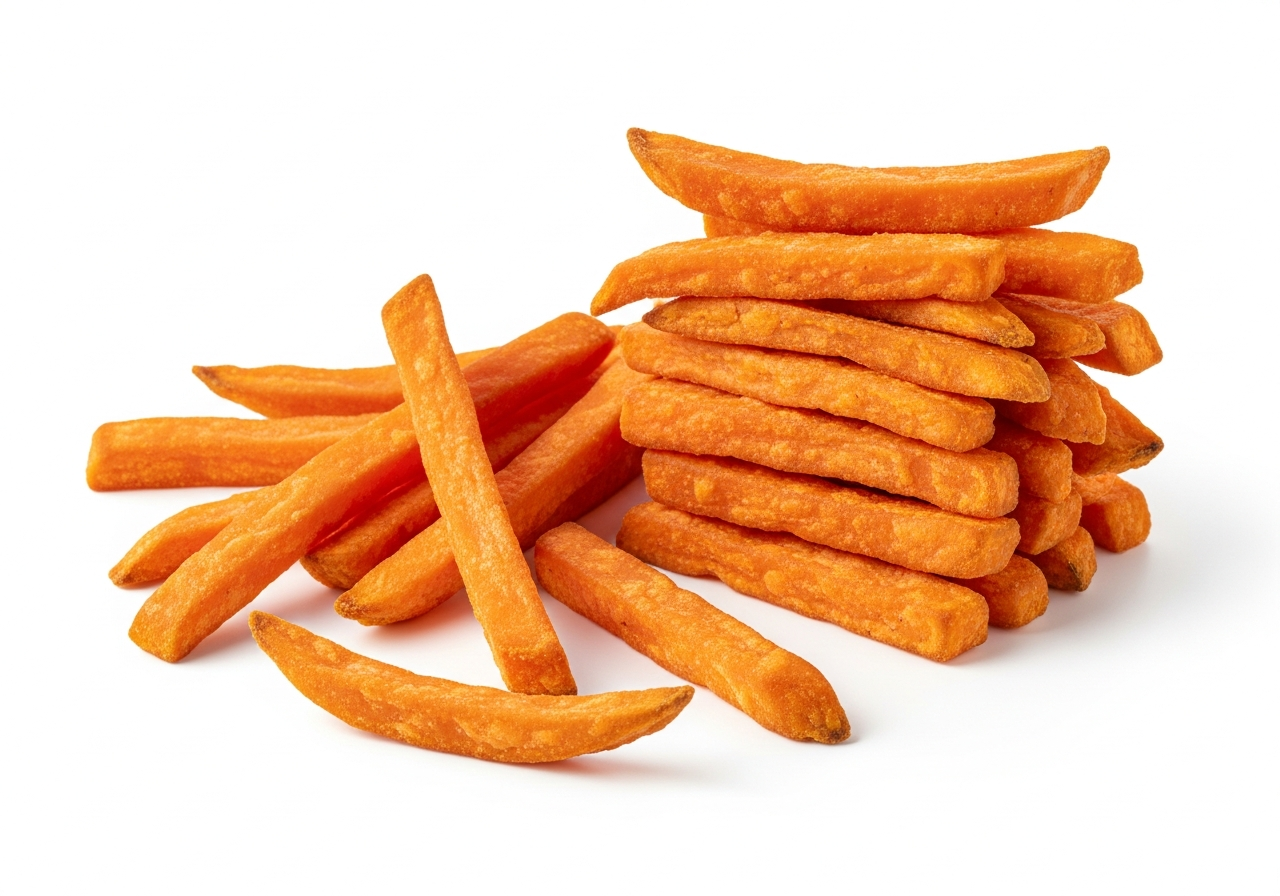
As a team dedicated to understanding and optimizing our nutrition, we at JustMacrosFit recognize the growing popularity of sweet potato fries as a perceived healthier alternative to their traditional counterparts. But what exactly are we getting when we indulge in these vibrant, often crispy delights? We delve into a comprehensive guide to their macronutrients, micronutrients, health benefits, and practical advice for incorporating them into any dietary goal.
Quick Answer
A 100-gram serving of baked sweet potato fries typically provides around 90-150 calories, with approximately 1-3 grams of protein, 15-25 grams of carbohydrates (including 2-4 grams of fiber), and 0.5-5 grams of fat, depending heavily on preparation methods and added oil. We consider them a good source of Vitamin A, offering a significant portion of the daily recommended intake.
Detailed Nutrition Facts
Understanding the full nutritional profile of sweet potato fries goes beyond just their macros. The way they are prepared significantly influences their calorie and fat content, with baked or air-fried versions being distinctly different from deep-fried ones.
For a 100-gram serving of baked sweet potato fries:
* Calories: Approximately 90-150 kcal.
* Carbohydrates: Around 15-25 grams. This includes complex carbohydrates, providing sustained energy.
* Fiber: Generally 2-4 grams, contributing to digestive health and satiety.
* Sugars: About 3-6 grams, which is naturally occurring sweetness from the sweet potato itself.
* Protein: Typically 1-3 grams, making them a relatively low protein source.
* Fats: Ranging from 0.2-5 grams, with minimal saturated fat, depending on the amount and type of oil used for baking.
For deep-fried sweet potato fries, the numbers shift considerably. A 100-gram serving can contain around 209-227 calories, 11-17 grams of fat (including saturated and trans fats), and higher carbohydrate content due to oil absorption.
Micronutrients
Sweet potato fries, especially when prepared with minimal added oil, are rich in several vital micronutrients that contribute to overall health.
Hero Nutrients:
* Vitamin A (from Beta-Carotene): Sweet potatoes are an excellent source of beta-carotene, which the body converts into Vitamin A. One medium sweet potato can provide over 100% of the daily value for Vitamin A, crucial for vision, immune function, and skin health.
* Vitamin C: A good source of this antioxidant, contributing to immune support and collagen production.
* Potassium: Essential for blood pressure regulation, fluid balance, and muscle function.
* Manganese: Important for bone health, metabolism, and antioxidant defense.
* B Vitamins (B5, B6): Contribute to energy metabolism and nerve function.
Serving Size Considerations
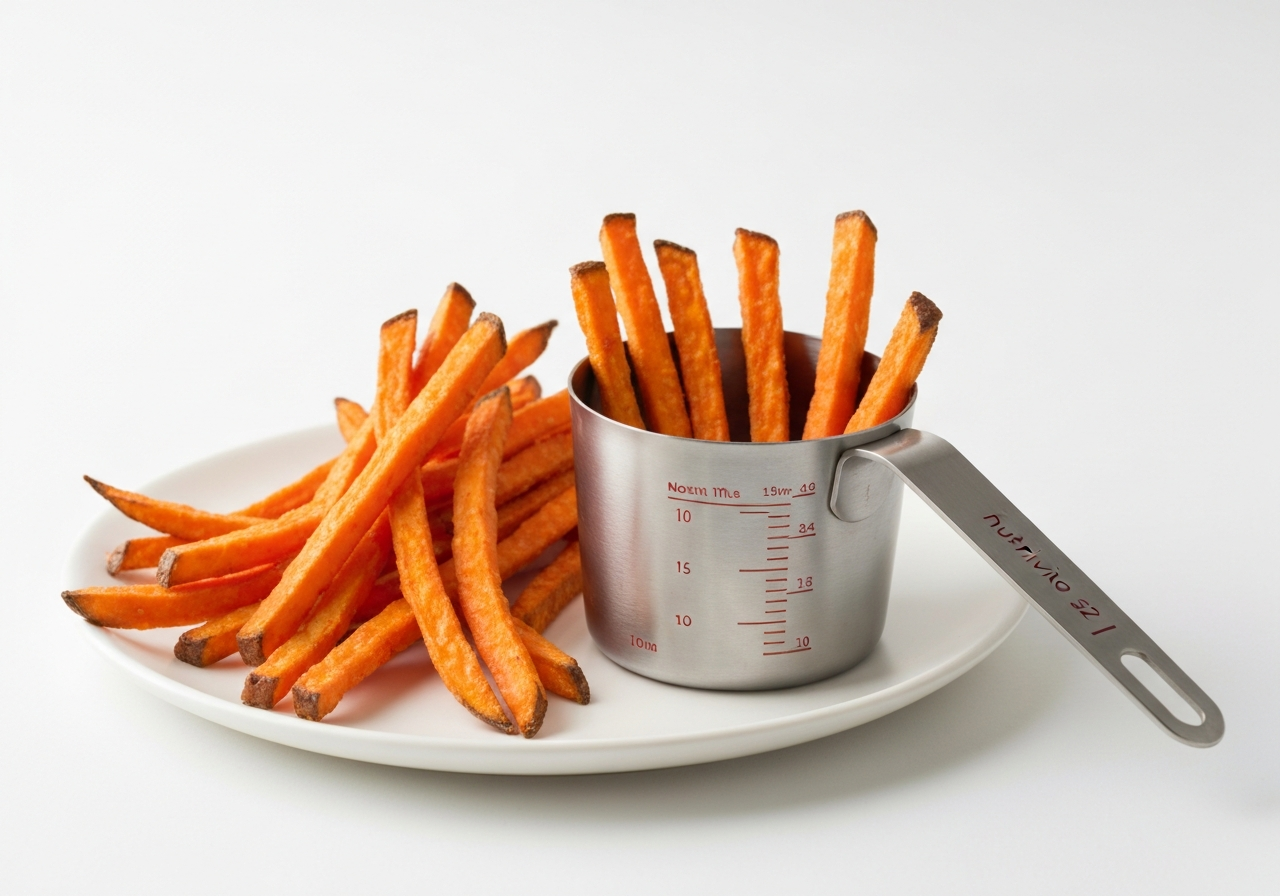
A common serving size for sweet potato fries is typically around 100-150 grams (approximately 2/3 cup to 1 cup). However, restaurant portions can often be significantly larger, easily doubling or tripling these amounts. We encourage awareness of portion sizes, especially when dining out, to accurately track your macro intake. For instance, a small cup (100g) of sweet potato fries can contain around 227 calories, 30g carbs, and 7g fat, if prepared with certain ingredients.
Comparison to Similar Foods
When compared to traditional white potato fries, sweet potato fries often boast a slightly more favorable micronutrient profile, particularly in Vitamin A. While both are comparable in calories, protein, and total carbohydrate content, sweet potatoes offer a higher amount of beta-carotene and fiber. The glycemic index (GI) can also differ; boiled sweet potatoes have a low to medium GI, but baking or frying can increase it. When fried, sweet potatoes can have a GI of around 76, similar to that of regular fries.
Health Benefits
Sweet potato fries, especially when prepared healthily, offer a range of benefits that extend beyond basic nutrition.
Primary Benefits
- Rich in Antioxidants: Sweet potatoes are packed with antioxidants like beta-carotene, vitamins A and C, which help protect our bodies from oxidative stress and chronic diseases.
- Supports Immune System: The high content of Vitamin A, a precursor to beta-carotene, is crucial for a healthy immune system, and Vitamin C further enhances this protective effect.
- Promotes Gut Health: The dietary fiber, both soluble and insoluble, aids in digestion, promotes regularity, and supports a healthy gut microbiome.
- Eye Health: Beta-carotene is vital for maintaining good vision.
- Supports Heart Health: Potassium and fiber contribute to cardiovascular wellness by helping to regulate blood pressure and cholesterol levels.
- Sustained Energy: As complex carbohydrates, sweet potatoes provide a steady release of glucose into the bloodstream, offering sustained energy without rapid blood sugar spikes, especially when not deep-fried.
Who Should Eat This Food
Sweet potato fries are a versatile food suitable for most individuals.
* Active Individuals: The complex carbohydrates provide excellent fuel for workouts and recovery.
* Those Seeking Nutrient-Density: For individuals looking to maximize nutrient intake per calorie, sweet potato fries (baked or air-fried) are a superior choice due to their vitamin and mineral content.
* People with Diabetes or Prediabetes: When baked or air-fried, sweet potatoes can have a lower glycemic index compared to white potatoes, potentially helping to manage blood sugar levels more gradually. Portion control and pairing with protein or healthy fats are still key.
When to Eat It
Sweet potato fries can be enjoyed at various times throughout the day, depending on your goals.
* As a Side Dish: A fantastic accompaniment to lean protein sources like grilled chicken, fish, or a veggie burger.
* Pre-Workout Fuel: The complex carbohydrates can provide energy for your training session.
* Post-Workout Recovery: Paired with a protein source, they help replenish glycogen stores and aid muscle recovery.
* Healthy Snack: A modest portion can be a satisfying and nutritious snack to curb cravings.
How to Track Macros
Accurate macro tracking is fundamental to achieving your health and fitness goals. Sweet potato fries, while healthy, require careful attention to portion sizes and preparation methods.
Portion Measurement Tips
- Use a Food Scale: This is the most accurate method. Weigh your sweet potato fries in grams to get precise macro information. For example, a 100g serving of baked sweet potato fries can range from 90-150 calories.
- Standard Measuring Cups: If a food scale isn't available, use measuring cups. A 2/3 cup serving of baked sweet potato fries (around 91g) has about 140 calories, 4.5g fat, 25g carbs, and 2g protein.
- Visual Cues: While less accurate, familiarizing yourself with how much a typical portion looks like can be helpful. A small handful might approximate a serving.
Using Macro Tracking Apps
Apps like JustMacrosFit make macro tracking simple and intuitive.
1. Search for "Sweet Potato Fries": Most apps will have entries for various preparations (baked, air-fried, deep-fried). Choose the one that matches your preparation.
2. Adjust Serving Size: Input the exact weight in grams or select a standard serving size (e.g., 1 cup, 100g).
3. Customize if Homemade: If you made them yourself, you can often input your specific ingredients and cooking oil to get a more precise calculation. This is particularly important for fat content.
Common Serving Sizes
- 100g Baked Sweet Potato Fries: ~90-150 calories, 1-3g protein, 15-25g carbs, 0.2-5g fat.
- 100g Air-Fried Sweet Potato Fries: ~140-227 calories, 1-4g protein, 25-54g carbs, 7-10g fat. (Note: Data can vary based on oil used and source.)
- 100g Deep-Fried Sweet Potato Fries: ~209-227 calories, 2-11g protein, 26-32g carbs, 7-17g fat. (Note: Deep-fried significantly increases fat and calorie content.)
Meal Ideas & Preparation
Sweet potato fries are incredibly versatile and can be incorporated into a variety of delicious and macro-friendly meals.
Breakfast, Lunch, Dinner Ideas
- Breakfast: We love a savory sweet potato hash. Sauté diced sweet potatoes (or use leftover fries) with onions, bell peppers, and spinach. Top with a poached egg and a sprinkle of fresh herbs.
- Lunch: Create a vibrant "Power Bowl" with baked sweet potato fries as the base. Add roasted chickpeas, mixed greens, avocado, and a lean protein like grilled salmon or shredded chicken. Drizzle with a light vinaigrette.
- Dinner: Serve air-fried sweet potato fries alongside a lean turkey burger on a whole-wheat bun or as a side to baked cod and steamed green beans. For a vegan option, pair with black bean burgers.
Meal Prep Tips
- Batch Cooking: Prepare a large batch of baked or air-fried sweet potato fries at the beginning of the week. Store them in an airtight container in the refrigerator for up to 3-4 days.
- Pre-Chopping: Cut sweet potatoes into fry-sized pieces and store them in water in the fridge to prevent browning. Drain and pat dry thoroughly before cooking.
- Seasoning Combinations: Pre-mix your favorite dry seasonings (paprika, garlic powder, onion powder, a pinch of cayenne, salt, and pepper) in a jar for quick seasoning when ready to cook.
Cooking Methods That Preserve Nutrients
The cooking method is paramount to maximizing the nutritional benefits and managing the macros of sweet potato fries.
* Baking: Our preferred method. Toss sweet potato strips with a minimal amount of healthy oil (like olive or avocado oil) and bake in a hot oven (400-425°F or 200-220°C) until crispy. This method uses less oil than frying, preserving more nutrients and keeping calorie and fat counts lower.
* Air Frying: An excellent option for achieving a crispy texture with even less oil than baking. Air frying can yield sweet potato fries with significantly fewer calories and fat compared to deep-frying. Aim for 10-15 minutes at 400°F (200°C), shaking the basket halfway.
* Avoid Deep Frying: While delicious, deep-frying sweet potato fries saturates them with oil, drastically increasing their calorie and fat content, and potentially altering their glycemic impact to be similar to regular fries.
For Weight Loss
Sweet potato fries, when prepared thoughtfully, can be a valuable component of a weight loss journey.
Why It's Good for Weight Loss
- Fiber Content: The insoluble and soluble fiber in sweet potatoes promotes satiety, helping us feel fuller for longer and reducing overall calorie intake. This can prevent overeating and snacking between meals.
- Complex Carbohydrates: They provide steady energy, preventing the energy crashes often associated with simple sugars, which can lead to cravings and poor food choices.
- Nutrient Density: Being rich in vitamins and minerals, sweet potato fries offer substantial nutritional value for their caloric cost, ensuring we nourish our bodies even in a calorie deficit.
Portion Recommendations
When aiming for weight loss, portion control is key. We recommend a serving size of 100-150 grams (about 2/3 to 1 cup) of baked or air-fried sweet potato fries. This provides a satisfying carbohydrate source without excessive calories. Be mindful of added oils and sauces, as these can quickly increase calorie density.
Pairing Suggestions
To optimize sweet potato fries for weight loss, pair them with lean protein and plenty of non-starchy vegetables.
* Lean Protein: Grilled chicken breast, baked fish, tofu, or lean ground turkey.
* Ample Vegetables: A large serving of steamed broccoli, roasted asparagus, or a fresh salad.
* Healthy Fats (in moderation): A small amount of avocado, a few nuts, or a light dressing can enhance satiety and nutrient absorption without derailing your calorie goals.
For Muscle Gain
For individuals focused on muscle gain, sweet potato fries offer an excellent source of performance-enhancing carbohydrates.
Protein Content Benefits
While sweet potato fries are not a primary protein source (typically 1-3g protein per 100g), their carbohydrate content is crucial for muscle gain. Carbohydrates fuel intense workouts, spare protein from being used for energy, and are essential for replenishing glycogen stores post-exercise, which aids in muscle repair and growth.
Pre/Post Workout Timing
- Pre-Workout: A serving of sweet potato fries 1-2 hours before a workout can provide sustained energy due to their complex carbohydrate profile, helping us push harder and maintain performance.
- Post-Workout: Consuming sweet potato fries within 30-60 minutes after training helps to quickly replenish muscle glycogen stores, which is vital for recovery and setting the stage for muscle protein synthesis. Pair them with a high-quality protein source like whey protein, chicken, or lean beef.
Bulking Meal Ideas
During a bulking phase, when caloric intake is higher, sweet potato fries can be a delicious and nutrient-dense way to increase carbohydrate consumption.
* Hearty Bowls: Combine a larger portion (e.g., 200g) of sweet potato fries with a generous serving of grilled steak or chicken thighs, black beans, and a sprinkle of cheese or a dollop of Greek yogurt.
* Loaded Fries: Top a substantial serving of sweet potato fries with seasoned ground turkey or lentils, a low-fat cheese sauce, and plenty of chopped veggies like green onions and jalapeños.
* Meal Prep Power Packs: Batch cook sweet potato fries and pair them with pre-portioned containers of chicken and roasted vegetables for easy, high-calorie, and high-carb meals throughout the week.
Comparisons
Making informed dietary choices often involves understanding how different foods stack up against each other.
vs. Similar Foods
- Sweet Potato Fries vs. White Potato Fries: Nutritionally, both are good sources of complex carbohydrates, fiber, and Vitamin C. However, sweet potatoes excel in Vitamin A content due to beta-carotene, while white potatoes may offer slightly more potassium and Vitamin B1. When deep-fried, their calorie and fat profiles become very similar, and the glycemic index can also align.
- Sweet Potato Fries vs. Regular Sweet Potatoes: Eating a whole baked sweet potato will generally offer more fiber and fewer added fats and calories than even baked sweet potato fries, as fries often involve some amount of oil. The whole potato also retains its skin, which is rich in fiber.
Best Alternatives
If you're looking for alternatives with different macro profiles or for specific dietary needs, consider these:
* Zucchini Fries: Much lower in carbohydrates and calories, suitable for low-carb diets.
* Turnip Fries: Lower in carbs and have a lower glycemic index than sweet potatoes, which can help reduce blood sugar spikes.
* Kale Chips: Very low in carbs, offering a crunchy texture with minimal impact on blood sugar.
* Carrot Fries: Offer a similar sweetness and nutrient profile to sweet potatoes, with slightly fewer calories and carbs.
* Jicama Fries: Very low in calories and carbohydrates, with a crisp texture.
When to Choose Each
The choice between sweet potato fries and other options often comes down to individual goals and preferences.
* Choose Sweet Potato Fries (baked/air-fried) when: You want a nutrient-dense carbohydrate source rich in Vitamin A, fiber, and antioxidants, with a moderate calorie and fat content. They are excellent for sustained energy and overall nutritional support.
* Choose White Potato Fries (baked/air-fried) when: You prefer their specific flavor profile and want a good source of potassium and Vitamin C, knowing their overall macro profile is quite similar to sweet potato fries.
* Choose Lower-Carb Alternatives (Zucchini, Turnip, Kale fries) when: You are following a ketogenic or very low-carb diet, or specifically aiming to minimize carbohydrate intake and blood sugar impact.
FAQs
1. Are sweet potato fries really healthier than regular fries?
When baked or air-fried, sweet potato fries are generally considered healthier due to their higher Vitamin A and fiber content, and typically lower fat and calorie count compared to deep-fried regular fries. However, deep-fried sweet potato fries can be nutritionally very similar to deep-fried white potato fries in terms of calories and fat.
2. What are the main macros in sweet potato fries?
The main macros in baked or air-fried sweet potato fries are carbohydrates (15-25g per 100g), followed by fats (0.2-10g per 100g, depending on oil) and a small amount of protein (1-3g per 100g).
3. Can I eat sweet potato fries on a low-carb or keto diet?
Sweet potato fries are generally not recommended for strict low-carb or keto diets due to their significant carbohydrate content (around 15-25g per 100g serving). Lower-carb alternatives like zucchini or turnip fries would be more suitable.
4. How can I make sweet potato fries crispy without deep frying?
For crispy results, slice the sweet potatoes evenly, pat them completely dry, toss with a small amount of oil and cornstarch (optional, but helps crispness), and bake at a high temperature (400-425°F or 200-220°C) or use an air fryer. Ensure they are in a single layer to allow for even cooking.
5. What is the glycemic index of sweet potato fries?
The glycemic index (GI) of sweet potatoes varies by cooking method. Boiled sweet potatoes have a low to medium GI (46-61). However, baking can raise it to 94, and frying can result in a GI of around 76, similar to white potato fries.
6. Do sweet potato fries have a lot of sugar?
Sweet potatoes naturally contain some sugar (around 3-6g per 100g for baked fries). This is part of their natural sweetness. Some commercial sweet potato fries may have added sugar, so checking labels is important.
7. How should I store cooked sweet potato fries?
Store cooked sweet potato fries in an airtight container in the refrigerator for up to 3-4 days. Reheat them in an oven or air fryer for the best texture.
Track Sweet Potato Fries easily with JustMacrosFit - your free macro tracking app.