Sweet Potato Pie: Complete Macros & Nutrition Guide
Complete macro and nutrition guide for Sweet Potato Pie. Learn calories, protein, carbs, fat per serving plus meal ideas and tracking tips.
Table of Contents
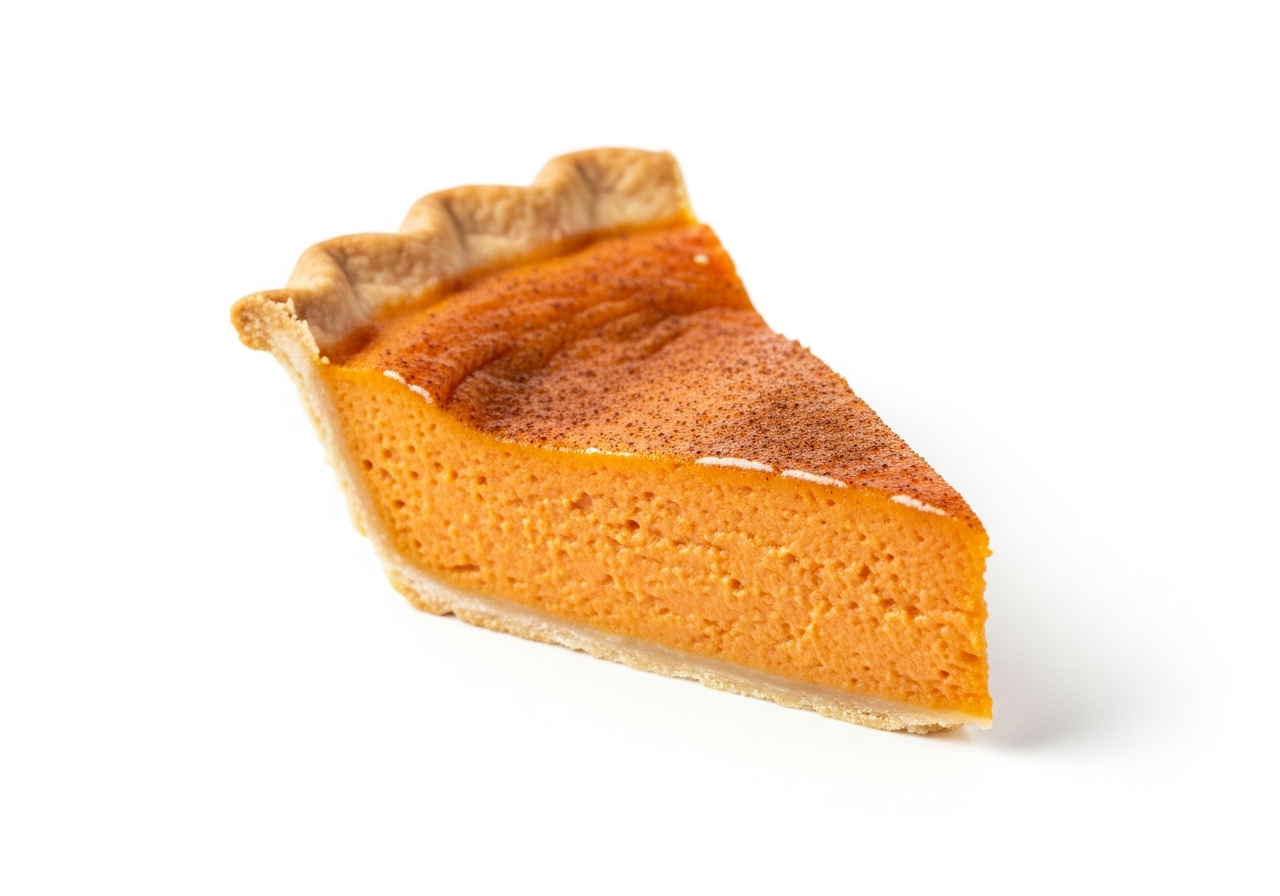
Sweet Potato Pie Macros: Complete Nutrition Guide
As nutrition experts and seasoned chefs at JustMacrosFit, we understand that every bite counts, even when indulging in a comforting classic like sweet potato pie. While often categorized as a dessert, sweet potato pie, at its core, leverages the robust nutritional profile of sweet potatoes, offering a surprisingly beneficial set of micronutrients alongside its macros. We're here to break down exactly what's in your slice, how it impacts your health goals, and how to enjoy it mindfully.
Quick Answer
A 100-gram serving of a typical sweet potato pie generally contains around 250-280 calories, with approximately 30-35 grams of carbohydrates, 10-15 grams of fat, and 3-4 grams of protein. Its most significant nutritional highlight is its exceptional Vitamin A content, primarily from the sweet potato base.
Detailed Nutrition Facts
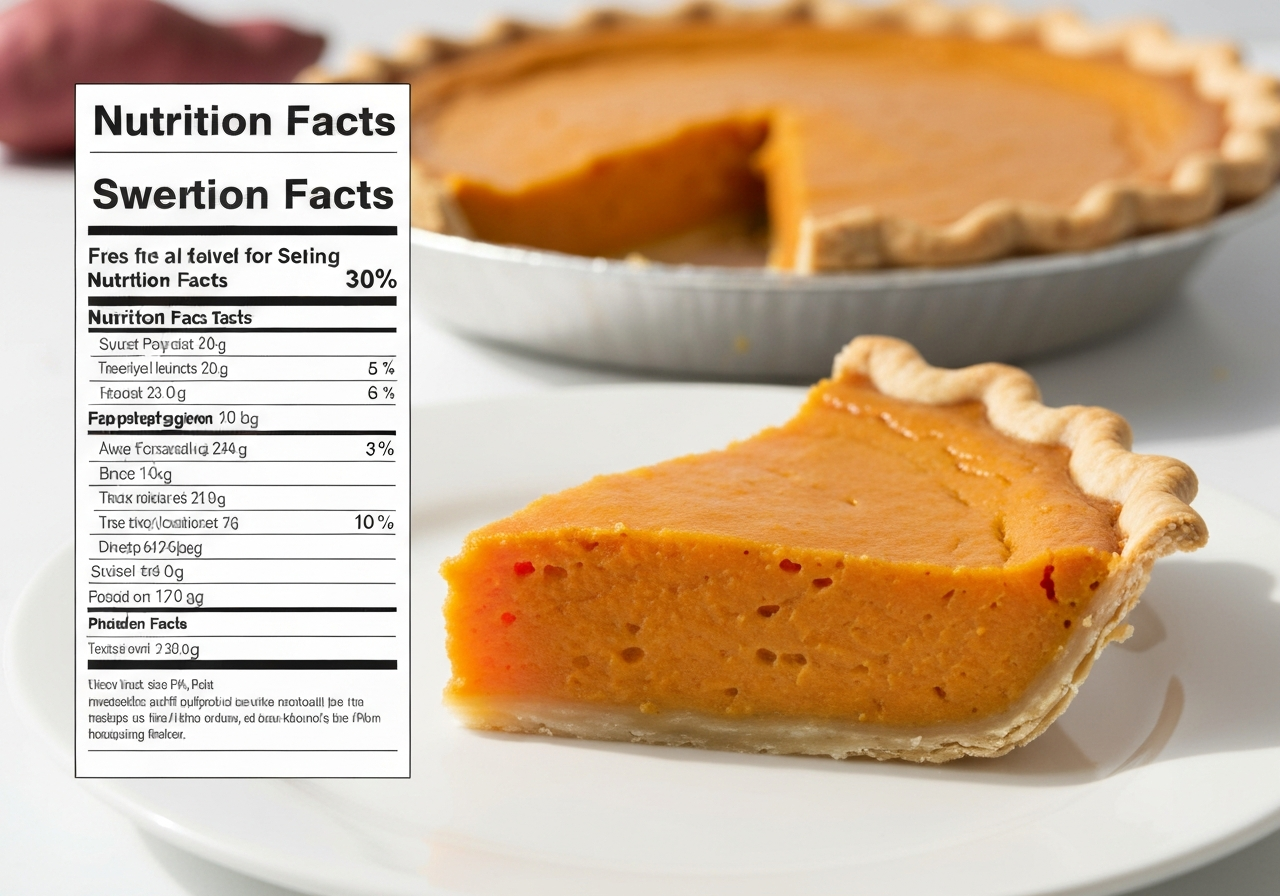
Sweet potato pie’s nutritional profile varies based on the recipe, particularly concerning added sugars, fats, and crust type. However, for a standard slice, approximately 1/8 of a 9-inch pie (roughly 130-136 grams), we can outline the typical breakdown.
Complete Macro Breakdown (per 130-136g slice)
- Calories: Expect around 285-360 calories per slice. This calorie density comes from the combination of sweet potatoes, added sugars, fats, and eggs.
- Carbohydrates: A single slice typically provides about 42-52 grams of carbohydrates. Of this, a significant portion, roughly 20-27 grams, comes from sugars, both natural and added. Dietary fiber usually ranges from 1-3 grams per slice.
- Fats: Total fat content is generally in the range of 11-21 grams per slice. Saturated fat can account for 5-6 grams of this, largely due to butter and other dairy components in many traditional recipes.
- Protein: A slice of sweet potato pie offers a modest 4-6 grams of protein. This protein primarily comes from eggs and milk used in the custard-like filling.
Micronutrients
Beyond the macronutrients, sweet potato pie delivers valuable micronutrients, largely thanks to its primary ingredient.
Hero Nutrients:
* Vitamin A: A standout, often exceeding 200% and sometimes even 400% of the Daily Value per slice, primarily as beta-carotene, essential for vision, immune function, and skin health.
* Potassium: Around 273-360 mg per slice, contributing to fluid balance, muscle function, and blood pressure regulation.
* Calcium: Approximately 82-116 mg per slice, important for bone health.
* Iron: Roughly 1-1.8 mg per slice.
* Vitamin C: Present in smaller amounts, acting as an antioxidant.
Serving Size Considerations
Understanding serving size is crucial for accurate macro tracking. A "slice" can vary dramatically. While we've discussed a standard 1/8 of a 9-inch pie, homemade versions might be larger, and store-bought options can have different designated serving sizes. Always refer to specific product labels or measure your portions when possible to get the most accurate picture of your intake.
Comparison to Similar Foods
Compared to many other common desserts, sweet potato pie holds its own. While its calorie and sugar content can be considerable, the base of actual sweet potatoes provides a unique advantage by delivering significant amounts of Vitamin A and some fiber, which are often lacking in highly refined sweet treats.
Health Benefits
Despite its dessert status, sweet potato pie, particularly when made with nutrient-conscious modifications, offers several health benefits stemming from its namesake ingredient.
Primary Benefits
- Vitamin A Powerhouse: The most significant benefit comes from the sweet potato's rich beta-carotene content, which the body converts to Vitamin A. This is vital for maintaining healthy vision, bolstering the immune system, and promoting healthy skin cell growth.
- Digestive Health Support: Sweet potatoes contain both soluble and insoluble fiber. While some fiber is diluted in the pie-making process, the presence of fiber still aids in promoting healthy digestion, regulating bowel movements, and contributing to feelings of fullness.
- Antioxidant Properties: Sweet potatoes are rich in antioxidants, including anthocyanins (especially in purple varieties) and other phytochemicals, which help combat oxidative stress and inflammation in the body.
- Mineral Contribution: Beyond Vitamin A, the potassium in sweet potatoes supports cardiovascular health by helping regulate blood pressure, and calcium contributes to strong bones.
Who Should Eat This Food
Sweet potato pie can be enjoyed in moderation by most individuals as part of a balanced diet. It is particularly appealing to those who appreciate a nutrient-dense dessert that still offers valuable vitamins and minerals. Individuals looking to incorporate more Vitamin A and dietary fiber into their diet, even through a treat, can find a place for it. However, those managing blood sugar levels or watching their calorie intake should be particularly mindful of portion sizes and preparation methods due to the added sugars and fats in traditional recipes.
When to Eat It
As a dessert, sweet potato pie is typically enjoyed after meals or as a special treat. From a nutritional timing perspective, the carbohydrates can provide a quick energy source, making it a potential option for refueling post-workout, especially if paired with a protein source, though healthier carbohydrate options might be preferred for regular recovery. For general enjoyment, we recommend savoring it as an occasional indulgence.
How to Track Macros
Accurately tracking your sweet potato pie macros is key to staying on top of your nutritional goals. While delicious, its calorie and sugar content can add up quickly if not monitored.
Portion Measurement Tips
The biggest variable in macro tracking for sweet potato pie is portion size. A "slice" can be highly subjective.
1. Weighing is Best: For ultimate accuracy, use a kitchen scale. Weigh your slice in grams. If you know the total weight of the pie and how many slices it's cut into, you can calculate the macros per gram and then multiply by your portion weight.
2. Standardizing Slices: If weighing isn't feasible, try to cut your pie into consistent 1/8 or 1/12 portions. Remember that a larger slice will significantly increase your calorie, carb, and fat intake.
3. Eyeballing with Caution: While not recommended for precision, if you must eyeball, compare your slice to common visual cues (e.g., the size of a deck of cards for a smaller portion). Be conservative with your estimates.
Using Macro Tracking Apps
Apps like JustMacrosFit are invaluable tools for tracking.
1. Search Database: Most tracking apps have extensive food databases. Search for "sweet potato pie" and look for entries that match your pie type (e.g., "homemade sweet potato pie," "store-bought sweet potato pie").
2. Adjust Serving Size: Once you find an entry, adjust the serving size to match your actual intake, whether that's "1 slice," "100 grams," or a custom weight you've measured.
3. Custom Entries: If you've made a pie from scratch or can't find a suitable entry, create a custom food. Input the ingredients and their quantities, and the app will calculate the total macros for the entire pie. You can then divide by the number of servings to get per-slice macros.
Common Serving Sizes
A typical serving of sweet potato pie is often considered 1/8 of a 9-inch pie. Depending on the recipe, this can range from 100g to 150g or more. Be aware that commercial pies might list a smaller serving size to make their product appear lower in calories, so always check the nutrition facts panel carefully.
Meal Ideas & Preparation
Sweet potato pie, while a classic dessert, can be creatively incorporated into various meals or enjoyed as a standalone treat. The key lies in strategic planning and mindful preparation to align with your macro goals.
Breakfast, Lunch, Dinner Ideas
- Breakfast Boost: Consider a small, crustless portion of sweet potato pie filling, warmed and topped with Greek yogurt for extra protein, or a sprinkle of nuts for healthy fats. This offers a sweet start with some complex carbohydrates and Vitamin A.
- Dessert Delight: The most common approach. Enjoy a measured slice after a balanced meal. The richness of the pie can satisfy your sweet tooth without needing excessive portions.
- Snack Smart: A smaller serving can make for a satisfying afternoon snack. Pair it with a handful of almonds or a hard-boiled egg to add protein and healthy fats, which can help balance blood sugar and increase satiety.
Meal Prep Tips
Making sweet potato pie part of your meal prep can help control portions and ingredients.
1. Batch Bake: Prepare a pie or individual ramekins of filling at the start of the week. This allows you to pre-portion servings and easily log them.
2. Crustless Option: For a lower-carb and lower-fat option, bake the sweet potato pie filling in a greased baking dish without the crust. This transforms it into a custardy, nutrient-rich casserole that can be scooped and served.
3. Portion and Freeze: Slice the cooled pie into individual servings and freeze them. This makes it easy to grab a single portion without the temptation to overeat from a whole pie.
Cooking Methods That Preserve Nutrients
While baking sweet potato pie inherently involves some nutrient loss due to heat, the initial preparation of the sweet potatoes can make a difference.
* Steaming or Boiling: Steaming sweet potatoes for the filling helps preserve more of their beta-carotene compared to baking at very high temperatures, while still ensuring a soft, mashable texture.
* Roasting: Roasting sweet potatoes can intensify their natural sweetness and depth of flavor, potentially reducing the need for excessive added sugars in the filling.
* Ingredient Swaps: To enhance nutrient density and manage macros, consider these chef-approved modifications:
* Reduce Added Sugar: Sweet potatoes are naturally sweet. Experiment with reducing the granulated or brown sugar, or use natural sweeteners like a small amount of maple syrup or stevia.
* Lighter Dairy: Swap heavy cream for evaporated milk or even a plant-based milk to reduce fat. Greek yogurt can also add creaminess and protein.
* Whole Wheat Crust: If making your own crust, using whole wheat flour can increase fiber content. Alternatively, consider a nut-based crust for healthy fats.
* Boost Protein: Adding a scoop of vanilla protein powder to the filling can increase protein content, turning it into a more macro-friendly dessert or snack.
For Weight Loss
Integrating sweet potato pie into a weight loss plan requires mindful consumption, but it's entirely possible. Our approach at JustMacrosFit emphasizes balance, not deprivation.
Why It's Good for Weight Loss (with caveats)
The inherent benefits of sweet potatoes still apply, even in pie form. They are rich in Vitamin A and provide some dietary fiber, which can contribute to satiety. The complex carbohydrates from the sweet potato can also offer sustained energy. However, the added sugars and fats in traditional recipes mean that sweet potato pie is calorie-dense. The trick is to leverage the nutritious base while managing the less desirable additions.
Portion Recommendations
Portion control is paramount when aiming for weight loss. We recommend limiting yourself to a smaller slice, perhaps 1/12 or even 1/16 of a standard 9-inch pie, rather than the typical 1/8. This allows you to enjoy the flavor and benefits without overshooting your calorie targets.
* Example: If a 1/8 slice is 300 calories, a 1/12 slice would be around 200 calories, and a 1/16 slice approximately 150 calories. This smaller portion can still satisfy a craving.
* Crustless Option: Consider eating just the filling, which can significantly reduce calories and fat, especially if the crust is made with a lot of butter or shortening.
Pairing Suggestions
To make your sweet potato pie serving more weight-loss friendly:
* Protein First: Pair your small slice with a lean protein source like grilled chicken, fish, or a protein shake. This helps you feel fuller and supports muscle mass, which is crucial for metabolism.
* Vegetable Balance: Ensure your main meal is packed with non-starchy vegetables to provide bulk, fiber, and nutrients for minimal calories.
* Healthy Fats: Instead of relying on the pie's fats, ensure you're getting healthy fats from other sources like avocados, nuts, or seeds earlier in the day.
* Mindful Eating: Eat your pie slowly, savoring each bite. This increases satisfaction and can prevent overconsumption.
For Muscle Gain
For those focused on muscle gain, sweet potato pie can serve as a calorie-dense, carb-rich option, particularly beneficial around workout times. The goal here isn't necessarily calorie restriction, but smart macro allocation.
Protein Content Benefits (and how to enhance it)
While sweet potato pie isn't a primary protein source, its modest 4-6 grams per slice contributes to daily protein intake. For muscle gain, we often advise increasing protein.
* Protein-Enhanced Recipes: Look for or create recipes that incorporate protein powder into the filling. Many chefs and nutritionists have developed versions that use vanilla whey or casein protein, significantly boosting the protein content without compromising flavor.
* Pair with Protein: Always pair your sweet potato pie with a dedicated protein source, such as a large serving of lean meat, poultry, or a protein shake.
Pre/Post Workout Timing
The carbohydrate content of sweet potato pie can be strategically used for workout performance and recovery.
* Pre-Workout Fuel (1-2 hours prior): A smaller portion can provide sustained energy for a longer workout due to its mix of complex carbs and natural sugars. The fiber, while present, is usually not enough to cause digestive distress for most.
* Post-Workout Recovery (within 60 minutes): The carbohydrates help replenish glycogen stores, and the natural sugars aid in insulin spike, which can drive nutrients into muscle cells. Combined with an ample protein source, it assists in muscle repair and growth.
Bulking Meal Ideas
During a bulking phase, when increased calorie and carbohydrate intake is desired, sweet potato pie can be a delicious component.
* Higher Calorie Dessert: Enjoy a standard or slightly larger slice as a dessert after a high-protein, high-carb main meal.
* "Muscle Builder" Shake: Blend sweet potato pie filling (especially a protein-enhanced version) with milk, extra protein powder, and perhaps some nut butter for a calorie- and nutrient-dense shake.
* Starchy Side (Modified): A small, crustless portion of the filling could even be served alongside a savory meal, acting as a sweeter, spiced starchy vegetable component.
Comparisons
Understanding how sweet potato pie stacks up against similar foods and alternatives helps us make informed dietary choices. It's not about declaring a "winner," but identifying what best suits your individual needs.
vs. Similar Foods
- Sweet Potato Pie vs. Pumpkin Pie: This is the most common comparison. Both are seasonal favorites with similar textures and spice profiles.
- Calories & Macros: Pumpkin pie generally has slightly fewer calories, carbohydrates, and fats per slice than sweet potato pie.
- Micronutrients: Sweet potato pie typically offers significantly more Vitamin A (often 280-400% DV vs. pumpkin pie's 200% DV) and often a bit more fiber. Pumpkin pie still provides good Vitamin A.
- Taste/Texture: Sweet potato pie tends to be denser, creamier, and has an earthier, richer sweetness. Pumpkin pie is often smoother with brighter, more vegetal notes and spices.
- Sweet Potato Pie vs. Apple Pie: Apple pie tends to have a higher carbohydrate content due to the fruit and often more added sugar. Its fat content can vary greatly depending on the crust. While apples offer some fiber and Vitamin C, they generally don't compare to sweet potatoes in terms of Vitamin A.
- Sweet Potato Pie vs. Pecan Pie: Pecan pie is typically much higher in calories and fat (especially saturated fat) due to the pecans and corn syrup-based filling. It offers healthy fats from the nuts but is often one of the most calorie-dense dessert options.
Best Alternatives
If you're looking to capture the essence of sweet potato pie with a different nutritional profile, consider these alternatives:
* Baked Sweet Potato with Spices: For a truly whole-food, nutrient-dense option, simply bake a sweet potato and top it with cinnamon, nutmeg, a dollop of Greek yogurt, or a drizzle of maple syrup. You get all the Vitamin A and fiber without the added fats and sugars of pie.
* Sweet Potato Custard (Crustless): Prepare the pie filling without a crust and bake it in ramekins. This significantly reduces calories and carbs while still providing the creamy, spiced flavor.
* Sweet Potato Smoothie: Blend cooked sweet potato with milk (dairy or non-dairy), protein powder, cinnamon, and a touch of sweetener for a nutritious, pie-flavored shake.
When to Choose Each
- Choose Sweet Potato Pie when: You want a comforting, traditional dessert that provides a significant boost of Vitamin A and some fiber. It's an excellent choice for special occasions or as an occasional treat where you're willing to account for the higher calorie and sugar content.
- Choose Pumpkin Pie when: You're looking for a slightly lighter pie option in terms of calories and fat, but still want a classic spiced flavor and a good source of Vitamin A.
- Choose Alternatives when: Your primary goal is to maximize the nutritional benefits of sweet potatoes while minimizing added sugars, fats, and calories. These alternatives are fantastic for daily consumption, pre/post-workout snacks, or if you're managing specific dietary restrictions.
FAQs
We often get asked various questions about sweet potato pie, especially regarding its place in a healthy diet. Here are some of the most common inquiries, answered directly by the JustMacrosFit team.
1. Is sweet potato pie healthy?
Sweet potato pie isn't a health food, but it's not entirely unhealthy either. It provides valuable nutrients like Vitamin A, potassium, and fiber from its sweet potato base. However, traditional recipes are often high in added sugars and fats, making it calorie-dense. We consider it a "healthier dessert option" when compared to many other highly processed sweets, especially if consumed in moderation or prepared with healthier modifications.
2. How many calories are in a typical slice of sweet potato pie?
A standard slice (1/8 of a 9-inch pie) typically ranges from 285 to 360 calories, depending on the ingredients and preparation. Store-bought versions can sometimes be higher, reaching up to 400 calories per slice.
3. Can I eat sweet potato pie on a diet?
Yes, you can. The key is moderation and portion control. Integrate a small, measured slice into your calorie and macro goals for the day. Opting for homemade versions where you can control sugar and fat content is also beneficial.
4. Is sweet potato pie better than pumpkin pie nutritionally?
Sweet potato pie generally contains more Vitamin A and slightly more fiber than pumpkin pie. However, pumpkin pie often has fewer calories, carbohydrates, and fats. The "better" option depends on your specific nutritional goals.
5. How can I make sweet potato pie healthier?
You can make sweet potato pie healthier by reducing added sugars, using lighter dairy (like evaporated skim milk or plant-based milk), incorporating a whole-grain or nut-based crust, and even adding a scoop of protein powder to the filling. Baking it crustless is another excellent option.
6. What's the best way to store leftover sweet potato pie?
Sweet potato pie should be stored in the refrigerator due to its custard-like filling containing eggs and dairy. Cover it tightly with plastic wrap or aluminum foil to prevent it from drying out and to maintain freshness. It will typically last for 3-5 days in the fridge. For longer storage, you can freeze slices wrapped individually for up to 2-3 months.
7. Does sweet potato pie have a lot of sugar?
Traditional sweet potato pie recipes can be high in sugar, with a single slice often containing 20-27 grams of total sugars, including natural sugars from the sweet potato and significant amounts of added sugar. This is why mindful consumption and ingredient modification are important.
Track Sweet Potato Pie easily with JustMacrosFit - your free macro tracking app.