Breadfruit: Complete Macros & Nutrition Guide
Complete macro and nutrition guide for Breadfruit. Learn calories, protein, carbs, fat per serving plus meal ideas and tracking tips.
Table of Contents
- Breadfruit Macros: Complete Nutrition Guide
- Quick Answer
- Detailed Nutrition Facts
- Health Benefits
- How to Track Macros
- Portion Measurement Tips
- Using Macro Tracking Apps
- Common Serving Sizes
- Meal Ideas & Preparation
- Breakfast Ideas
- Lunch & Dinner Ideas
- Meal Prep Tips
- Cooking Methods That Preserve Nutrients
- For Weight Loss
- Why It's Good for Weight Loss
- Portion Recommendations
- Pairing Suggestions
- For Muscle Gain
- Protein Content Benefits
- Pre/Post Workout Timing
- Bulking Meal Ideas
- Comparisons
- Vs. Similar Foods
- Best Alternatives
- When to Choose Each
- FAQs
- 1. Is breadfruit good for diabetics?
- 2. Is breadfruit high in protein?
- 3. How many calories are in 100g of breadfruit?
- 4. What is the healthiest way to cook breadfruit?
- 5. Can breadfruit be eaten raw?
- 6. How should I store breadfruit?
- 7. Is breadfruit gluten-free?
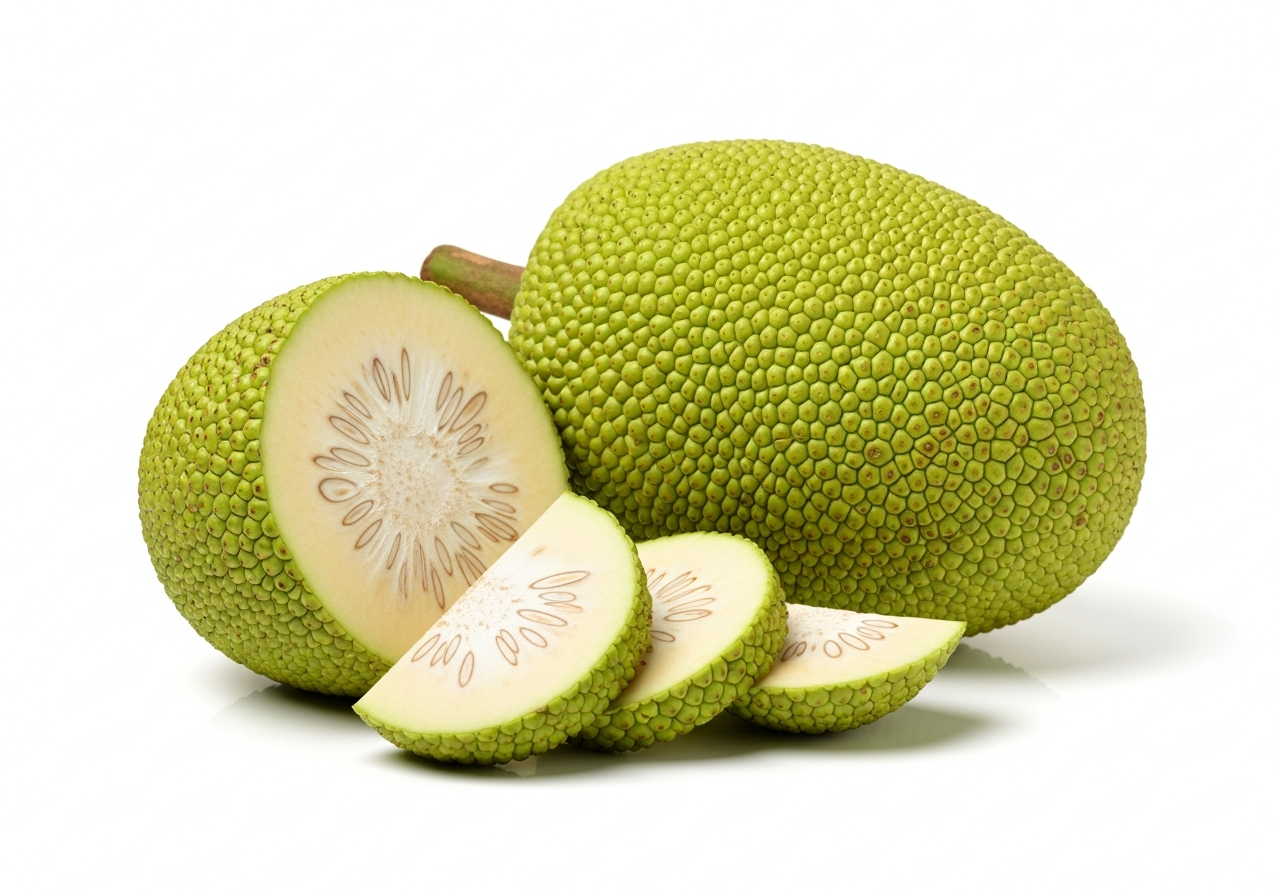
Breadfruit Macros: Complete Nutrition Guide
Quick Answer
Breadfruit (Artocarpus altilis) is a starchy fruit that serves as an excellent source of complex carbohydrates and dietary fiber. Per 100 grams, raw breadfruit typically provides around 103 calories, 27 grams of carbohydrates, 1-4 grams of protein, and less than 1 gram of fat. Its key nutritional highlight lies in its significant fiber content and a broad spectrum of essential amino acids, making it a versatile and nutrient-dense staple food.
Detailed Nutrition Facts
As seasoned nutrition coaches and chefs, we at JustMacrosFit recognize breadfruit as a powerhouse among starchy staples. It offers a unique combination of macronutrients and a rich profile of micronutrients that can profoundly impact your health and fitness goals.
A 100-gram serving of raw breadfruit (approximately ½ cup) presents the following macro and micronutrient breakdown:
Macros per 100g (raw breadfruit):
* Calories: 103 kcal
* Carbohydrates: 27.12 g (with around 4.9-5.4 g of dietary fiber and 11-24 g of sugar)
* Protein: 1.07-4.0 g
* Total Fat: 0.23-0.5 g
The carbohydrate content in breadfruit is primarily complex, contributing to sustained energy release and a feeling of fullness. We often emphasize that it is naturally low in fat and cholesterol-free, aligning with heart-healthy dietary patterns.
Beyond the macros, breadfruit shines with its micronutrient density. It is a good source of vital vitamins and minerals:
* Potassium: Approximately 376-490 mg per 100g, playing a crucial role in blood pressure regulation and nerve function. This is a significant amount, contributing about 14-23% of the Daily Value.
* Vitamin C: Provides 2.4-29 mg per 100g, which is about 32% of the Daily Value, essential for immune function and collagen production.
* Magnesium: Around 25-34.3 mg per 100g, important for muscle and nerve function, blood sugar control, and blood pressure regulation.
* Thiamine (Vitamin B1): Approximately 0.1-0.2 mg per 100g, vital for energy metabolism.
* Niacin (Vitamin B3): About 0.9-2 mg per 100g, also important for energy conversion and nervous system health.
* Phosphorus: Around 30-43.1 mg per 100g, contributing to bone strength.
* Carotenoids: Such as beta-carotene and lutein, which are precursors to Vitamin A and powerful antioxidants, supporting eye health and offering protection against certain diseases.
When considering serving sizes, a typical portion might be around 100g, which is roughly ½ cup cooked. However, nutritional values can vary slightly based on the specific breadfruit variety and its stage of ripeness. Immature green breadfruit tends to be starchier, while ripe breadfruit becomes softer and sweeter. This comprehensive nutritional profile makes breadfruit a superior choice compared to less nutrient-dense staples like white rice or white potatoes in many contexts.
Health Benefits
Integrating breadfruit into your diet offers a spectrum of health advantages, primarily due to its rich fiber, complex carbohydrates, and micronutrient profile.
- Digestive Health: Breadfruit is exceptionally high in dietary fiber, with approximately 4.9-5.4 grams per 100g serving. This includes both soluble and insoluble fiber, which are crucial for maintaining a healthy gut, promoting regular bowel movements, and preventing constipation. Adequate fiber intake is also linked to a reduced risk of various digestive issues.
- Sustained Energy and Blood Sugar Regulation: As a complex carbohydrate, breadfruit provides a steady and prolonged release of energy, avoiding the sharp blood sugar spikes often associated with simple sugars. It has a moderate glycemic index (GI of 60-65) and glycemic load, especially when cooked, making it a suitable food for managing blood sugar levels and beneficial for individuals with diabetes when consumed in moderation. The high fiber content further slows down glucose absorption.
- Heart Health: The fiber in breadfruit, including amylose, actively contributes to cardiovascular well-being. It helps lower cholesterol levels, particularly LDL ("bad") cholesterol, and reduces the risk of high blood pressure and other heart disease risk factors, including metabolic syndrome. The high potassium content (a "hero nutrient" here!) also supports healthy blood pressure regulation and nerve and muscle function, including heart contractions.
- Immune System Support: With its notable Vitamin C content, breadfruit aids in boosting the immune system and fighting infections. The presence of carotenoids like beta-carotene, a precursor to Vitamin A, further enhances immune function and protects against oxidative stress.
- Bone Health: Breadfruit provides essential minerals like magnesium, phosphorus, and calcium, all critical for maintaining strong bones and preventing conditions like osteoporosis.
Who Should Eat This Food & When to Eat It:
Breadfruit is an excellent choice for almost anyone seeking a nutritious, gluten-free, and energy-sustaining staple. It's particularly beneficial for:
* Individuals managing blood sugar levels or diabetes (in controlled portions).
* Those aiming for weight management due to its filling fiber content.
* Athletes or active individuals needing sustained energy.
* Anyone looking to increase their dietary fiber, potassium, and Vitamin C intake.
* People with celiac disease or gluten sensitivity, as it is naturally gluten-free.
We recommend incorporating breadfruit into meals throughout the day, depending on your energy needs. It's a fantastic complex carbohydrate source for lunch and dinner, providing steady fuel. As a pre-workout meal, it can offer sustained energy, and post-workout, its complex carbs can aid glycogen replenishment.
How to Track Macros
Accurately tracking your breadfruit macros is straightforward with a few simple techniques and the right tools. As veteran nutrition coaches, we know precision matters for achieving your fitness goals.
Portion Measurement Tips
The most accurate way to track breadfruit macros is by weighing your cooked portion. A digital kitchen scale is your best friend here.
1. Weigh Raw: If possible, weigh the breadfruit before cooking, as water content changes during preparation.
2. Weigh Cooked: If tracking after cooking, weigh your portion in grams. While cup measurements are common, they can be less accurate due to variations in how densely the food is packed. A 100g serving is a great benchmark for most nutrient data. A 1-cup serving of sliced breadfruit is approximately 220g.
Using Macro Tracking Apps
Apps like JustMacrosFit make macro tracking incredibly simple.
1. Search Function: Use the search bar within the app to find "breadfruit, raw" or "breadfruit, cooked."
2. Enter Quantity: Input the weight (in grams) or selected common serving size (like 1 cup) you've consumed. The app will automatically calculate the calories, carbohydrates, protein, and fat.
3. Adjust for Preparation: Be mindful that cooking methods can subtly alter the nutritional profile, especially if oils or other ingredients are added. If you fried your breadfruit, ensure you log any added fats separately.
Common Serving Sizes
For quick reference, here are some common breadfruit serving sizes:
* 100 grams: This is the standard reference serving used in most nutritional databases and a great starting point for macro tracking.
* ½ cup cooked/sliced: Roughly 100 grams, depending on density.
* 1 cup cooked/sliced: Approximately 220 grams, which significantly increases the macro intake.
Starting with a measured 100g portion allows you to easily scale up or down based on your individual dietary needs and macro targets.
Meal Ideas & Preparation
Breadfruit's versatility in the kitchen is one of its most appealing attributes. Its starchy, potato-like texture when mature makes it a fantastic canvas for a wide array of dishes across all meals.
Breakfast Ideas
- Breadfruit Hash: Dice cooked breadfruit and sauté with onions, bell peppers, and your choice of lean protein (chicken sausage, black beans). Season with herbs and spices for a savory start.
- Sweet Breadfruit Bowl: For a sweeter option, boil or steam ripe breadfruit until soft, then mash and mix with a touch of unsweetened coconut milk, cinnamon, and a few berries for natural sweetness.
- Breadfruit Pancakes/Waffles: Use breadfruit flour (naturally gluten-free) as a base for hearty, nutritious pancakes or waffles, topping with fresh fruit and a drizzle of maple syrup.
Lunch & Dinner Ideas
- Breadfruit Curry: Incorporate chunks of breadfruit into your favorite vegetable or chicken curry for a filling, complex carbohydrate base. Its ability to absorb flavors makes it ideal.
- Roasted Breadfruit Fries: Cut breadfruit into sticks, toss with a minimal amount of olive oil and your preferred seasonings, then roast until crispy for a healthier alternative to potato fries.
- Breadfruit Salad: Cube cooked, cooled breadfruit and toss with mixed greens, lean protein (grilled fish or chickpeas), and a light vinaigrette. The texture holds up well in salads.
- Stuffed Breadfruit: Hollow out half a cooked breadfruit and stuff with a savory mixture of ground turkey, vegetables, and herbs, then bake until heated through.
- Breadfruit "Rice": Process cooked breadfruit into smaller granules to resemble rice, then use as a side dish or in grain bowls.
Meal Prep Tips
Breadfruit is excellent for meal prepping.
* Cook in Batches: Cook a large batch of steamed or boiled breadfruit at the beginning of the week. Once cooled, store it in an airtight container in the refrigerator for 3-5 days.
* Pre-chop: Peel and chop raw breadfruit and store it submerged in water in the fridge to prevent browning, or blanch it briefly and freeze for longer storage.
* Frozen Convenience: Breadfruit can be easily frozen, either raw (blanched) or cooked, allowing for quick additions to meals whenever needed.
Cooking Methods That Preserve Nutrients
To maximize the nutritional value of breadfruit, we advocate for cooking methods that limit nutrient loss and avoid excessive added fats:
* Steaming: This is one of the best methods for preserving water-soluble vitamins (like Vitamin C and some B vitamins) and minerals, while retaining the fruit's natural flavor and texture.
* Boiling: While some water-soluble nutrients may leach into the cooking water, boiling is still a healthy option, especially if the water is used for soups or stews.
* Roasting/Baking: Dry heat cooking methods are excellent for bringing out breadfruit's natural sweetness and creating a satisfying texture. Using minimal healthy fats like olive oil is key.
* Grilling: Slices or chunks of breadfruit can be grilled for a smoky flavor, a delicious and healthy preparation.
Avoid deep-frying, which significantly increases the fat and calorie content, undermining many of its inherent health benefits.
For Weight Loss
Breadfruit can be a powerful ally in your weight loss journey when incorporated thoughtfully into a balanced diet. Its macronutrient profile and digestive benefits make it particularly suitable for those aiming to shed pounds.
Why It's Good for Weight Loss
- High Fiber Content: As we've highlighted, breadfruit is rich in dietary fiber. Fiber promotes satiety, meaning it helps you feel fuller for longer periods, thereby reducing overall calorie intake and curbing unhealthy cravings. This prolonged fullness is critical for adhering to a calorie deficit.
- Complex Carbohydrates: The complex carbohydrates in breadfruit provide sustained energy without rapid blood sugar spikes, which can prevent energy crashes and subsequent hunger pangs often leading to overeating.
- Low in Fat and Calories: Breadfruit is naturally low in fat and has a moderate calorie density (103 calories per 100g). This allows for a satisfying portion size without contributing an excessive amount of calories, making it an excellent choice over more calorie-dense refined grains.
- Nutrient Density: During weight loss, it's vital to consume nutrient-dense foods to ensure your body receives essential vitamins and minerals, even while eating fewer calories. Breadfruit delivers a wide array of micronutrients, supporting overall health and metabolic function.
Portion Recommendations
When focusing on weight loss, mindful portion control is essential. We recommend:
* Start with 100-150 grams (½ to ¾ cup) per meal: This portion provides a good amount of complex carbohydrates and fiber without being overly caloric.
* Adjust based on activity level: More active individuals might require slightly larger portions, while those with lower activity levels should stick to the smaller end of the spectrum.
* Integrate as a carb source: Treat breadfruit as your primary carbohydrate source for a meal, replacing items like white rice, pasta, or potatoes, to leverage its superior fiber and nutrient profile.
Pairing Suggestions
To create satiating and macro-balanced meals for weight loss, pair breadfruit with:
* Lean Protein: Grilled chicken, baked fish, tofu, tempeh, or legumes (e.g., lentils, black beans) to increase protein intake, which further enhances satiety and supports muscle maintenance.
* Non-Starchy Vegetables: Load up on greens, broccoli, cauliflower, bell peppers, and other low-calorie vegetables to boost fiber and micronutrients without adding significant calories.
* Healthy Fats (in moderation): A small amount of avocado, a few nuts, or a light dressing can add flavor and essential fatty acids, but be mindful of their calorie density.
For example, a meal of 120g roasted breadfruit alongside 150g grilled chicken breast and a large serving of steamed green beans provides balanced macros for effective weight management.
For Muscle Gain
While often overlooked for its protein content, breadfruit actually offers unique benefits for individuals focused on muscle gain. Its role extends beyond just a carbohydrate source, making it a valuable addition to a bulking or muscle-building diet.
Protein Content Benefits
Though not as protein-dense as meats or legumes, breadfruit provides a moderate amount of protein (1-4 grams per 100g). More importantly, research indicates that breadfruit contains a full spectrum of essential amino acids, making it a complete protein. This is a significant advantage, as complete proteins are crucial for muscle protein synthesis and repair after strenuous workouts. Specifically, it's noted to be high in leucine, isoleucine, phenylalanine, and valine, which are branched-chain amino acids (BCAAs) critical for muscle recovery and growth.
Pre/Post Workout Timing
The strategic timing of breadfruit consumption can optimize your workouts and recovery:
* Pre-Workout: As a complex carbohydrate, breadfruit delivers sustained energy, making it an excellent pre-workout fuel. Consuming a portion 1-2 hours before your training session can provide the steady glucose supply needed to power through intense workouts without causing blood sugar crashes. Pair it with a quickly digestible protein source.
* Post-Workout: Following a workout, your body needs to replenish glycogen stores and initiate muscle repair. The complex carbohydrates in breadfruit are ideal for glycogen repletion, while its complete amino acid profile supports muscle recovery and growth. Combine it with a fast-absorbing protein like whey protein or lean meat immediately post-training.
Bulking Meal Ideas
For those in a muscle-gaining phase, breadfruit can be integrated into calorie-dense, nutrient-rich meals:
* Hearty Breadfruit & Beef Bowl: Large serving of mashed or roasted breadfruit (200-300g) with lean ground beef or steak, topped with a rich sauce and a side of nutrient-dense greens.
* Breadfruit & Chicken Stir-fry: Incorporate generous chunks of breadfruit into a stir-fry with chicken breast, a variety of colorful vegetables, and a savory sauce. This provides ample carbs, protein, and micronutrients.
* Breadfruit and Lentil Stew: A robust stew featuring breadfruit, lentils (for extra plant-based protein and fiber), and other root vegetables. This is a great option for a comforting, calorie-dense meal.
* Loaded Breadfruit "Nachos": Use roasted breadfruit slices as a base, topped with seasoned ground turkey or shredded chicken, a sprinkle of cheese (if desired), black beans, salsa, and avocado. This provides a balanced mix of macros and flavor.
Remember to adjust portion sizes of breadfruit and accompanying protein/fats to meet your specific calorie and macro targets for muscle gain. The goal is to create a calorie surplus with high-quality nutrients, and breadfruit fits this bill perfectly.
Comparisons
Understanding how breadfruit stacks up against other common staples can help you make informed dietary choices. As dietitians, we appreciate the distinct advantages breadfruit offers.
Vs. Similar Foods
Let's compare breadfruit to two widely consumed starchy staples: white potato and white rice.
| Nutrient (per 100g cooked) | Breadfruit | White Potato (with skin) | White Rice (cooked, unenriched) |
|---|---|---|---|
| Calories | 103 | ~77 (raw) / ~87 (baked) | ~130 |
| Carbohydrates | 27.12 g | ~15.7 g | ~28.6 g |
| Fiber | 4.9-5.4 g | ~2.4 g | ~0.3 g |
| Protein | 1.07-4.0 g | ~1.7 g | ~2.4 g |
| Fat | 0.23-0.5 g | ~0.1 g | ~0.3 g |
| Potassium | 376-490 mg | ~407 mg | ~29 mg |
| Vitamin C | 2.4-29 mg | ~9.1 mg | 0 mg |
| Magnesium | 25-34.3 mg | ~21 mg | ~13 mg |
| Glycemic Index (GI) | Moderate (60-65) | High (~78-82) | High (~73-89) |
As you can see, breadfruit generally offers:
* Significantly more fiber than both white potato and white rice, which is crucial for digestion, satiety, and blood sugar control.
* Higher or comparable protein content to white potato and white rice, with the added benefit of being a complete protein.
* A moderate glycemic index, making it a more favorable choice for blood sugar management compared to the typically higher GI of white potatoes and white rice.
* Richer micronutrient profile, especially in potassium and Vitamin C, compared to white rice.
Best Alternatives
If breadfruit isn't readily available, here are some good alternatives based on nutritional profile and culinary use:
* Sweet Potatoes: Offer a similar complex carbohydrate base, high fiber, and a rich source of Vitamin A. Their slightly sweeter profile can be adapted to many breadfruit recipes.
* Plantains (green/unripe): These starchy fruits, when green, have a similar savory, potato-like texture and complex carbohydrate profile. They are also rich in fiber and potassium.
* Taro/Yam: Other tropical root vegetables that provide complex carbohydrates and a good amount of fiber. Their texture and flavor are also often compared to potatoes.
When to Choose Each
- Choose Breadfruit: When you desire a gluten-free, high-fiber, complete complex carbohydrate source that also delivers significant potassium and Vitamin C, and helps regulate blood sugar. It's excellent for balanced energy and digestive health.
- Choose Sweet Potatoes: When you want a slightly sweeter complex carb, a very high dose of Vitamin A, and still a good amount of fiber.
- Choose Plantains: When you're looking for another versatile tropical starch, especially if you enjoy savory preparations.
- Choose White Potatoes: For a quick source of energy, though be mindful of its higher GI and lower fiber compared to breadfruit. They are still a good source of potassium.
- Choose White Rice: For a very easily digestible carbohydrate, often preferred for quick energy or post-workout if fiber is to be minimized. However, we advocate for whole grains like brown rice or breadfruit for daily staples due to their superior nutrient density.
Our expert opinion: Breadfruit is often a nutritionally superior choice, particularly for those prioritizing fiber, a balanced amino acid profile, and blood sugar management.
FAQs
As registered dietitians and nutrition enthusiasts, we frequently encounter questions about less common superfoods like breadfruit. Here are some of the most common inquiries regarding its macros, cooking, and storage.
1. Is breadfruit good for diabetics?
Yes, in moderation, breadfruit can be a suitable food for individuals with diabetes. It has a low to moderate glycemic index (GI of 60-65) and its high fiber content helps to slow down sugar absorption, preventing rapid spikes in blood glucose levels. Portion control is key, and it should be integrated as part of a balanced meal plan.
2. Is breadfruit high in protein?
Compared to other fruits, breadfruit has a moderate protein content, typically ranging from 1 to 4 grams per 100g serving. More notably, it is considered a complete protein, meaning it contains all essential amino acids necessary for the body, making it a valuable plant-based protein source.
3. How many calories are in 100g of breadfruit?
A 100-gram serving of raw breadfruit contains approximately 103 calories. This makes it a relatively low-calorie, nutrient-dense carbohydrate source.
4. What is the healthiest way to cook breadfruit?
The healthiest ways to cook breadfruit are by steaming, boiling, roasting, or baking. These methods preserve its nutrient content and avoid the addition of excessive fats and calories. Steaming is particularly effective for retaining water-soluble vitamins.
5. Can breadfruit be eaten raw?
Ripe breadfruit, which becomes soft, creamy, and sweet, can be eaten raw. However, immature green breadfruit is typically cooked due to its firm, starchy texture.
6. How should I store breadfruit?
Unripe breadfruit can be stored at room temperature for several days until it softens slightly. Once ripe or cut, it should be refrigerated and consumed within a few days. For longer storage, cooked or blanched breadfruit can be frozen for several months.
7. Is breadfruit gluten-free?
Yes, breadfruit is naturally gluten-free, making it an excellent alternative for individuals with celiac disease, gluten sensitivities, or those following a gluten-free diet. Breadfruit flour is also a popular gluten-free flour alternative.
Track Breadfruit easily with JustMacrosFit - your free macro tracking app.