Shrimp Shack: Complete Macros & Nutrition Guide
Complete macro and nutrition guide for Shrimp Shack. Learn calories, protein, carbs, fat per serving plus meal ideas and tracking tips.
Table of Contents
- Quick Answer
- Detailed Nutrition Facts
- Health Benefits
- How to Track Macros
- Meal Ideas & Preparation
- Breakfast Ideas
- Lunch Ideas
- Dinner Ideas
- Meal Prep Tips
- Cooking Methods That Preserve Nutrients
- For Weight Loss
- Portion Recommendations for Weight Loss
- Pairing Suggestions
- For Muscle Gain
- Pre/Post-Workout Timing
- Bulking Meal Ideas
- Comparisons
- vs. Similar Foods
- Best Alternatives
- When to Choose Each
- FAQs
- Is shrimp high in cholesterol?
- Is farmed shrimp healthy?
- How many shrimp are in a serving?
- What's the best way to cook shrimp for macros?
- Can I eat shrimp every day?
- Are breaded and fried shrimp healthy?
Shrimp Shack Macros: Complete Nutrition Guide
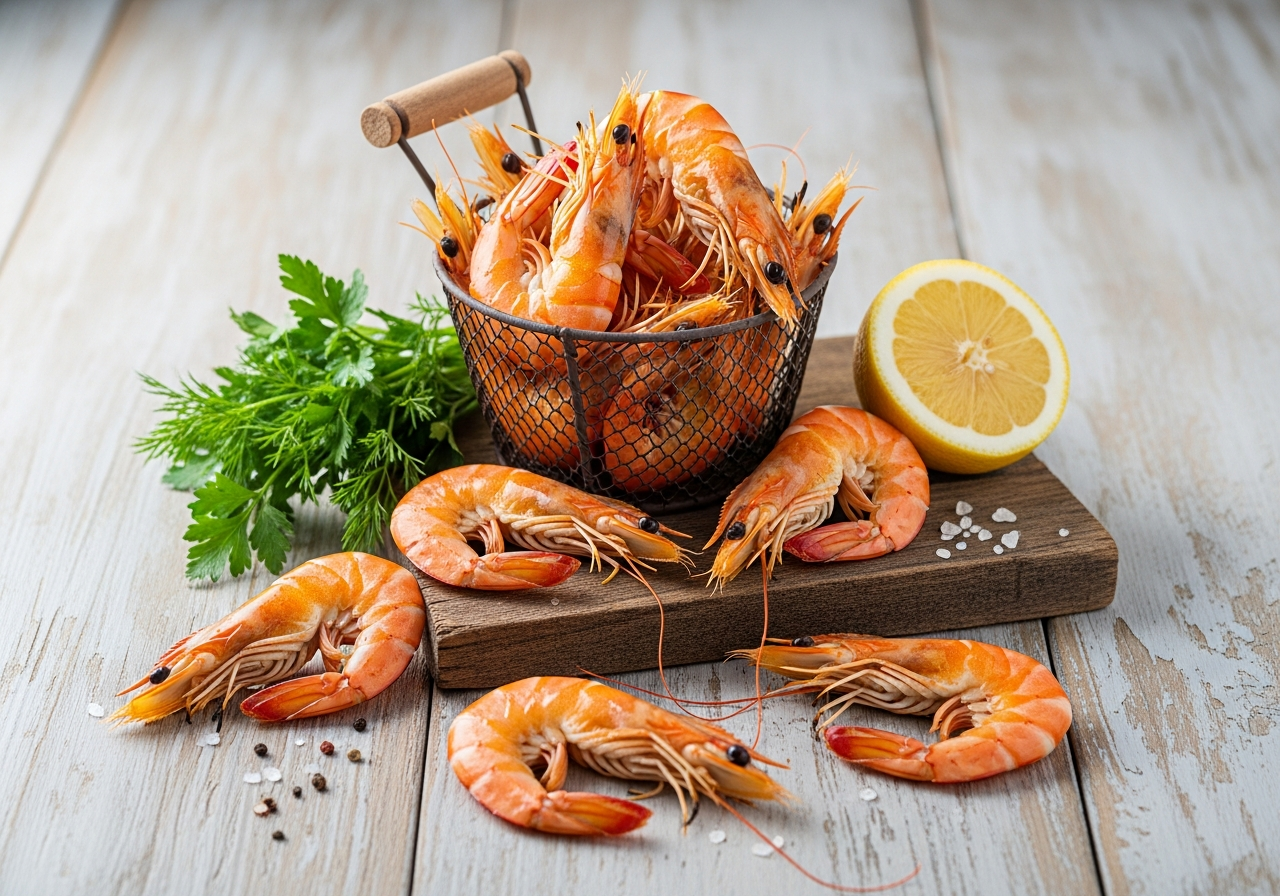
As nutrition experts and seasoned chefs at JustMacrosFit, we understand that tracking your food intake is paramount to achieving your health and fitness goals. Often, the foods we love, especially those from our favorite "shack" or casual eatery, can have wildly varying nutritional profiles depending on preparation. Shrimp is a prime example of a lean protein that can be incredibly beneficial, or surprisingly high in calories and unhealthy fats. This comprehensive guide will break down the macros and nutrition of shrimp, helping you make informed choices, whether you're dining out or cooking at home.
Quick Answer
Plain, cooked shrimp offers an impressive macro profile, with approximately 99 calories, 24 grams of protein, less than 1 gram of fat, and virtually no carbohydrates per 100 grams. This lean seafood is a powerhouse of essential micronutrients, making it an excellent choice for those focused on high-protein, low-calorie eating plans.
Detailed Nutrition Facts
When we delve into the full nutritional spectrum of shrimp, it's clear why it's a favorite among health-conscious individuals. For a standard 100-gram (approximately 3.5 ounces) serving of plain, cooked shrimp, we observe a stellar macronutrient breakdown:
- Calories: Around 99 calories.
- Protein: A robust 24 grams, making it an exceptional source of high-quality protein.
- Total Fat: Only about 0.3 grams, with a negligible amount of saturated fat (around 0.056 grams).
- Carbohydrates: Virtually zero, typically less than 0.2 grams.
This makes shrimp an ideal food for low-carb, keto-friendly, and protein-focused diets.
Beyond the macros, shrimp is a micronutrient marvel. It provides a wealth of vitamins and minerals vital for numerous bodily functions:
Hero Nutrients in 100g Cooked Shrimp:
* Selenium: Approximately 87% of the Daily Value (DV). This powerful antioxidant is crucial for thyroid health and immune function.
* Vitamin B12: Around 59% of the DV. Essential for nerve function, red blood cell production, and DNA synthesis.
* Iodine: A significant source, vital for proper thyroid hormone production and brain health.
* Phosphorus: Approximately 21-34% of the DV, important for bone health and energy metabolism.
* Copper: Roughly 24% of the DV, contributing to iron absorption and immune health.
* Zinc: Around 13-15% of the DV, important for metabolism, immune system, and wound healing.
* Magnesium: About 7-9% of the DV, supporting muscle and nerve function, blood sugar control, and blood pressure regulation.
* Omega-3 Fatty Acids: Provides beneficial EPA and DHA, known for heart and brain health benefits.
* Astaxanthin: A potent carotenoid antioxidant responsible for shrimp's reddish color when cooked, linked to anti-inflammatory and brain-protective properties.
It's crucial to acknowledge that preparation methods drastically alter these figures. While plain, grilled shrimp maintains its lean profile, fried and breaded shrimp can see calories, fat, and carbohydrates skyrocket due to added oils, flour, and breadcrumbs. For instance, a single serving of breaded and fried shrimp from a restaurant can easily contain 225-416 calories, with 13.7-24.9 grams of fat and 16-40 grams of carbohydrates.
For serving size, the American Heart Association recommends a 3-ounce (85-gram) serving of seafood, which for shrimp typically translates to 8-9 large shrimp or 11-12 medium shrimp.
Health Benefits
Shrimp offers a bounty of health benefits that make it an excellent addition to almost any diet.
- Muscle Building and Repair: With its high-quality protein content, shrimp provides all nine essential amino acids necessary for muscle protein synthesis. This makes it a fantastic food for individuals looking to build and maintain lean muscle mass. The amino acid leucine, abundant in shrimp, is particularly crucial for optimal muscle growth.
- Weight Loss Support: Shrimp is remarkably low in calories and fat, yet very high in protein, which promotes satiety and can help reduce overall calorie intake. The thermic effect of protein also means your body burns more calories digesting it. This combination makes it an ideal food for creating a calorie deficit necessary for weight loss.
- Heart Health: Despite its dietary cholesterol content, shrimp is low in saturated fat, which has a greater impact on blood cholesterol levels for most people. The omega-3 fatty acids (EPA and DHA) found in shrimp contribute to reduced inflammation and support cardiovascular health by helping to reduce plaque buildup in arteries.
- Brain Function: The presence of omega-3s, vitamin B12, choline, and the potent antioxidant astaxanthin makes shrimp beneficial for brain health. Astaxanthin, in particular, may help protect brain cells from damage and has been studied for its potential role in reducing the risk of neurodegenerative diseases.
- Thyroid Health: Shrimp is an excellent source of iodine and selenium, two minerals critical for the proper functioning of the thyroid gland. Iodine is required for thyroid hormone production, while selenium helps regulate thyroid function and acts as an antioxidant.
- Immune System Support: Key nutrients like zinc, selenium, and other antioxidants in shrimp contribute to a robust immune system, helping the body fight off infections and reduce oxidative stress.
Shrimp is a versatile and nutritious choice for nearly everyone, especially those targeting lean protein intake, weight management, or a heart-healthy dietary pattern. It can be consumed at any time of day, but its rapid digestibility and high protein content make it an excellent option for post-workout recovery.
How to Track Macros
Accurate macro tracking is fundamental to achieving your dietary goals. Here’s how you can effectively track shrimp in your diet:
- Portion Measurement Tips: The most accurate way to track your macros is by using a digital food scale. For raw or cooked shrimp, measure out your desired portion in grams. A standard serving is often considered 85-100 grams (3-3.5 ounces). Visually, a 3-ounce serving of cooked shrimp is roughly the size of a deck of cards or your palm. Remember that raw shrimp will lose some weight during cooking due to moisture loss.
- Using Macro Tracking Apps: Apps like JustMacrosFit are invaluable tools for precise tracking. Simply search for "shrimp, cooked" (or specify the preparation method like "grilled shrimp" or "fried shrimp") and input your measured portion size. The app will automatically calculate the calories, protein, fats, and carbohydrates for you. Be mindful that pre-packaged or restaurant shrimp dishes may have higher sodium or hidden fats, so always choose the most accurate entry available or input custom values if you have them.
- Common Serving Sizes: While a 3-ounce (85g) portion is a common reference, many people consume slightly more or less.
- For appetizers, aim for 2-3 ounces (approximately 4-6 medium shrimp).
- For a main course, 4-6 ounces (about 8-12 medium or 6-8 large shrimp) is a good starting point, depending on your overall macro goals and other meal components.
Meal Ideas & Preparation
Shrimp's mild flavor and quick cooking time make it incredibly versatile for any meal of the day.
Breakfast Ideas
Don't limit shrimp to just lunch and dinner. A savory shrimp breakfast can kickstart your protein intake.
* Shrimp and Avocado Scramble: Sauté chopped shrimp with bell peppers and onions, then fold into scrambled eggs with sliced avocado.
* Shrimp with Grits or Polenta: A classic Southern-inspired dish, use lean bacon or turkey sausage to keep fat in check.
Lunch Ideas
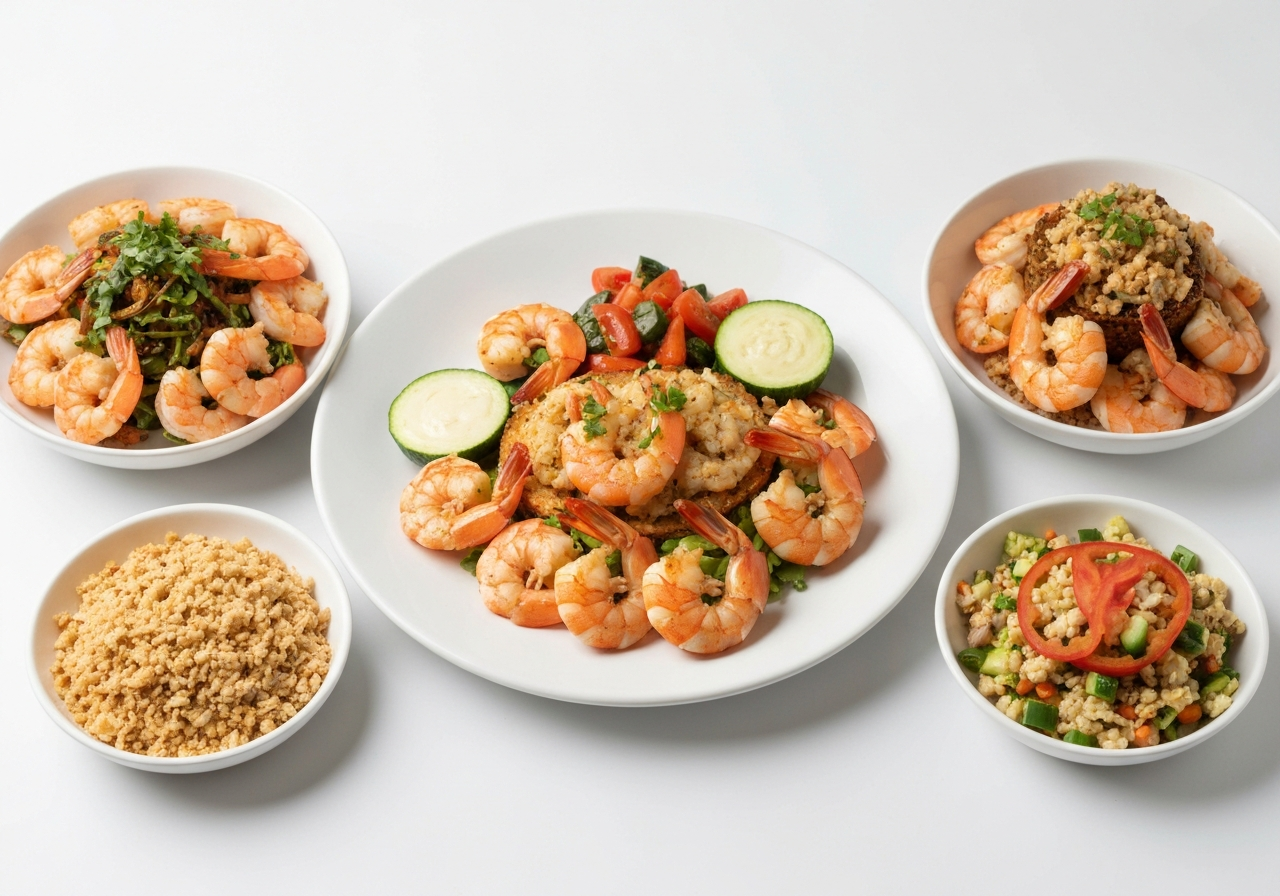
Light and refreshing, shrimp is perfect for a midday meal.
* Shrimp Salad: Toss cooked, chilled shrimp with mixed greens, cherry tomatoes, cucumber, and a light vinaigrette. Add quinoa for complex carbs.
* Shrimp Wraps or Tacos: Use lettuce cups or whole-wheat tortillas, filled with grilled shrimp, salsa, and a dollop of Greek yogurt.
* Shrimp and Quinoa Bowl: A balanced meal with grilled shrimp, colorful roasted vegetables, and a base of high-fiber quinoa.
Dinner Ideas
From quick weeknight meals to elegant preparations, shrimp shines at dinner.
* Grilled Shrimp Skewers: Marinate shrimp in herbs, lemon, and a touch of olive oil, then grill until pink. Serve with a side of steamed asparagus or brown rice.
* Shrimp Stir-fry: Quickly stir-fry shrimp with a medley of your favorite vegetables and a low-sodium soy-ginger sauce. Serve over cauliflower rice or a small portion of brown rice.
* Light Shrimp Pasta: Combine sautéed shrimp with whole-wheat pasta, cherry tomatoes, garlic, basil, and a light olive oil or tomato-based sauce.
Meal Prep Tips
Shrimp can be prepped in advance to save time.
1. Cook in Bulk: Grill or sauté a larger batch of shrimp at the beginning of the week.
2. Flavor Versatility: Keep seasonings simple during initial cooking (salt, pepper, garlic powder) so you can easily adapt the flavor profile for different meals throughout the week.
3. Proper Storage: Store cooked shrimp in an airtight container in the refrigerator for up to 3 days.
Cooking Methods That Preserve Nutrients
The way you prepare shrimp significantly impacts its nutritional value. To maximize health benefits and keep macros in check, prioritize these methods:
* Grilling: A fantastic option that adds flavor without excess fat or calories.
* Steaming: Preserves delicate flavors and nutrients, requiring no added fats.
* Sautéing: Use a minimal amount of healthy oil (like olive oil or avocado oil) or a cooking spray.
* Baking: A simple, hands-off method that works well for seasoned shrimp.
We strongly advise against deep-frying or preparing shrimp with heavy, creamy sauces, as these methods can dramatically increase calorie, fat, and sodium content, negating many of shrimp's inherent health benefits.
For Weight Loss
Shrimp is a champion food for weight loss, and here's why the JustMacrosFit team consistently recommends it:
- High Protein, Low Calorie Density: Shrimp provides a substantial amount of protein for very few calories. This "protein punch" keeps you feeling full and satisfied, reducing the likelihood of overeating or snacking on less healthy options. A 3.5-ounce serving delivers nearly half of your daily protein needs for under 100 calories.
- Boosts Metabolism: Protein has a higher thermic effect of food (TEF) compared to carbohydrates or fats, meaning your body expends more energy to digest and metabolize protein. This slight metabolic boost can contribute to your overall calorie deficit.
- Lean Protein Source: It's incredibly low in fat, especially saturated fat, aligning with guidelines for a balanced diet focused on weight management.
Portion Recommendations for Weight Loss
To harness shrimp's weight loss benefits, mindful portion control is key. Stick to 3-4 ounce (85-115 gram) servings as your primary protein source in a meal.
Pairing Suggestions
Combine shrimp with other nutrient-dense, low-calorie foods to create filling and satisfying meals.
* Abundant Vegetables: Pair with a large serving of non-starchy vegetables like broccoli, spinach, bell peppers, zucchini, or a substantial green salad.
* Healthy Fats: Incorporate small amounts of healthy fats from sources like avocado or a drizzle of olive oil.
* Fiber-Rich Carbs (in moderation): For sustained energy, include a controlled portion of whole grains like quinoa, brown rice, or sweet potato, especially if you're active.
Remember, the key to successful weight loss with shrimp is in its preparation. Always choose grilled, steamed, baked, or lightly sautéed options, and steer clear of breaded or fried variations and heavy, caloric sauces.
For Muscle Gain
For those dedicated to building lean muscle mass, shrimp is an invaluable dietary component, often overlooked in favor of more traditional protein sources.
- Superior Protein Content: Shrimp is an excellent source of complete protein, meaning it contains all nine essential amino acids necessary for muscle repair and growth. A 3-ounce (85-gram) serving provides approximately 20 grams of protein, roughly 40% of the recommended daily intake for an average adult. This high-quality protein is crucial for stimulating muscle protein synthesis, the process by which your body builds new muscle tissue.
- Leucine for Growth: Like many animal proteins, shrimp contains a high amount of the amino acid leucine, which is a key initiator of muscle protein synthesis.
- Low in Calories and Fat: While bulking requires a calorie surplus, clean bulking emphasizes gaining muscle with minimal fat. Shrimp allows you to consume significant protein without excessive calories or saturated fat, making it easier to control your macronutrient ratios for lean gains.
- Micronutrients for Performance: Zinc in shrimp supports healthy metabolism and energy levels, while selenium aids in muscle repair by reducing oxidative stress, both critical for intense training.
Pre/Post-Workout Timing
- Post-Workout: Shrimp's highly bioavailable protein makes it an ideal post-workout food. Your body can easily digest and rapidly absorb the amino acids, providing the necessary building blocks for muscle repair and recovery when your muscles are most receptive.
- Pre-Workout: When paired with complex carbohydrates, shrimp can also serve as a light, protein-rich pre-workout meal, offering sustained energy without feeling heavy.
Bulking Meal Ideas
To incorporate shrimp into your bulking diet, consider these ideas:
* Shrimp and Rice Bowls: Combine jumbo grilled shrimp with brown rice and a mix of colorful vegetables for a balanced, protein- and carb-rich meal.
* Shrimp and Pasta: Create a hearty dish with whole-wheat pasta, sautéed shrimp, a rich tomato sauce, and a sprinkle of Parmesan cheese.
* Shrimp and Sweet Potatoes: Pair a generous serving of seasoned shrimp with baked or roasted sweet potatoes for excellent complex carbohydrates and potassium.
* Shrimp Stir-Fry with Nuts: Add cashews or peanuts to a shrimp and vegetable stir-fry for extra healthy fats and calories.
Comparisons
When evaluating shrimp against other protein sources, it's essential to consider the nutritional nuances and how they align with your dietary goals.
vs. Similar Foods
- Shrimp vs. Chicken Breast: Per 100 grams cooked, shrimp is significantly lower in calories (around 99 vs. 165 for chicken breast) and fat (0.3g vs. 3.6g for chicken breast). While chicken breast typically offers more protein per 100g (around 31g vs. 24g for shrimp), shrimp often has a better calorie-to-protein ratio. Shrimp is richer in selenium, magnesium, phosphorus, copper, calcium, and vitamin B12, while chicken is a better source of zinc, iron, and several B vitamins (B2, B3, B5, B6).
- Shrimp vs. Fish (e.g., Salmon, Tilapia): Shrimp generally has fewer calories and less fat than fattier fish like salmon, which is known for its high omega-3 content. However, shrimp still provides beneficial omega-3 fatty acids. Compared to leaner white fish like tilapia or cod, shrimp has a similar lean protein profile. An advantage of shrimp is its position lower on the food chain, which typically means it contains lower levels of environmental toxins like mercury compared to larger, longer-lived fish such as swordfish or tuna.
Best Alternatives
If shrimp isn't available or you're looking for variety, excellent alternatives include:
* Lean Fish: Tilapia, cod, haddock, snapper, and mahi-mahi offer similar lean protein and quick cooking times.
* Chicken Breast: A versatile, widely available source of high-quality protein.
* Turkey Breast: Another lean poultry option that can be used in many dishes.
* Egg Whites: Almost pure protein, ideal for low-calorie, high-protein meals.
When to Choose Each
- Choose Shrimp: When you prioritize a very low-calorie, low-fat protein with virtually no carbs, and you want to boost your intake of specific micronutrients like iodine, selenium, and copper. It's also ideal for quick meals due to its rapid cooking time.
- Choose Chicken Breast: When you need a slightly higher protein content per serving or prefer its versatility in various cuisines, especially if you're not strictly limiting fat intake (e.g., skinless chicken breast still has more fat than plain shrimp).
- Choose Fattier Fish (like Salmon): When your goal is to maximize omega-3 fatty acid intake, even if it means a higher calorie and fat content.
FAQs
Is shrimp high in cholesterol?
Yes, shrimp is known for its high dietary cholesterol content. A 100-gram serving can contain around 189 milligrams. However, for most people, dietary cholesterol has a minimal impact on blood cholesterol levels. Saturated and trans fats in your diet are typically much larger drivers of elevated blood cholesterol. Since shrimp is very low in saturated fat and contains beneficial omega-3s, it is generally considered heart-healthy for the majority of the population when consumed in moderation as part of a balanced diet.
Is farmed shrimp healthy?
The healthfulness of farmed shrimp can vary. Some farmed shrimp may contain traces of antibiotics or preservatives, depending on their origin and farming practices. However, many reputable suppliers offer sustainably farmed shrimp that adhere to strict quality standards. Wild-caught shrimp is generally free from antibiotics. When purchasing, look for certifications for sustainable farming or wild-caught varieties from trusted sources to ensure high quality.
How many shrimp are in a serving?
A standard 3-ounce (85-gram) serving of cooked shrimp can vary in count depending on the size:
* Medium shrimp (41-50 count per pound): 11-12 pieces.
* Large shrimp (31-35 count per pound): 8-9 pieces.
* Jumbo shrimp (21-25 count per pound): 5-7 pieces.
* For a main course, 4-6 ounces might translate to 6-8 large shrimp or 12-15 small to medium shrimp.
What's the best way to cook shrimp for macros?
The best cooking methods for preserving shrimp's favorable macro profile are grilling, steaming, baking, or lightly sautéing. These methods add minimal fat and calories, keeping the focus on shrimp's lean protein. Use herbs, spices, lemon juice, and a small amount of healthy oil (like olive oil or cooking spray) for flavor.
Can I eat shrimp every day?
Yes, you can generally eat shrimp every day as part of a balanced diet. Its high protein and micronutrient content are beneficial. However, like all foods, moderation and variety are key. The FDA recommends 2-3 servings of low-mercury seafood, including shrimp, per week. For most healthy individuals, including shrimp regularly poses no issues, especially when prepared healthily.
Are breaded and fried shrimp healthy?
No, breaded and fried shrimp are typically not considered a healthy option if you're tracking macros or focused on overall nutrition. The breading significantly increases carbohydrate content, while deep-frying adds a substantial amount of unhealthy fats and calories. For example, a restaurant serving of breaded and fried shrimp can have 2-4 times the calories, much higher fat, and significant carbs compared to plain cooked shrimp.
Track Shrimp Shack easily with JustMacrosFit - your free macro tracking app.