Cooked Rice Macros: Complete Nutrition Guide
Complete cooked rice macro and nutrition guide. Learn calories, protein, carbs, fat per serving plus meal ideas and tracking tips.
Table of Contents
Cooked Rice Macros: Complete Nutrition Guide
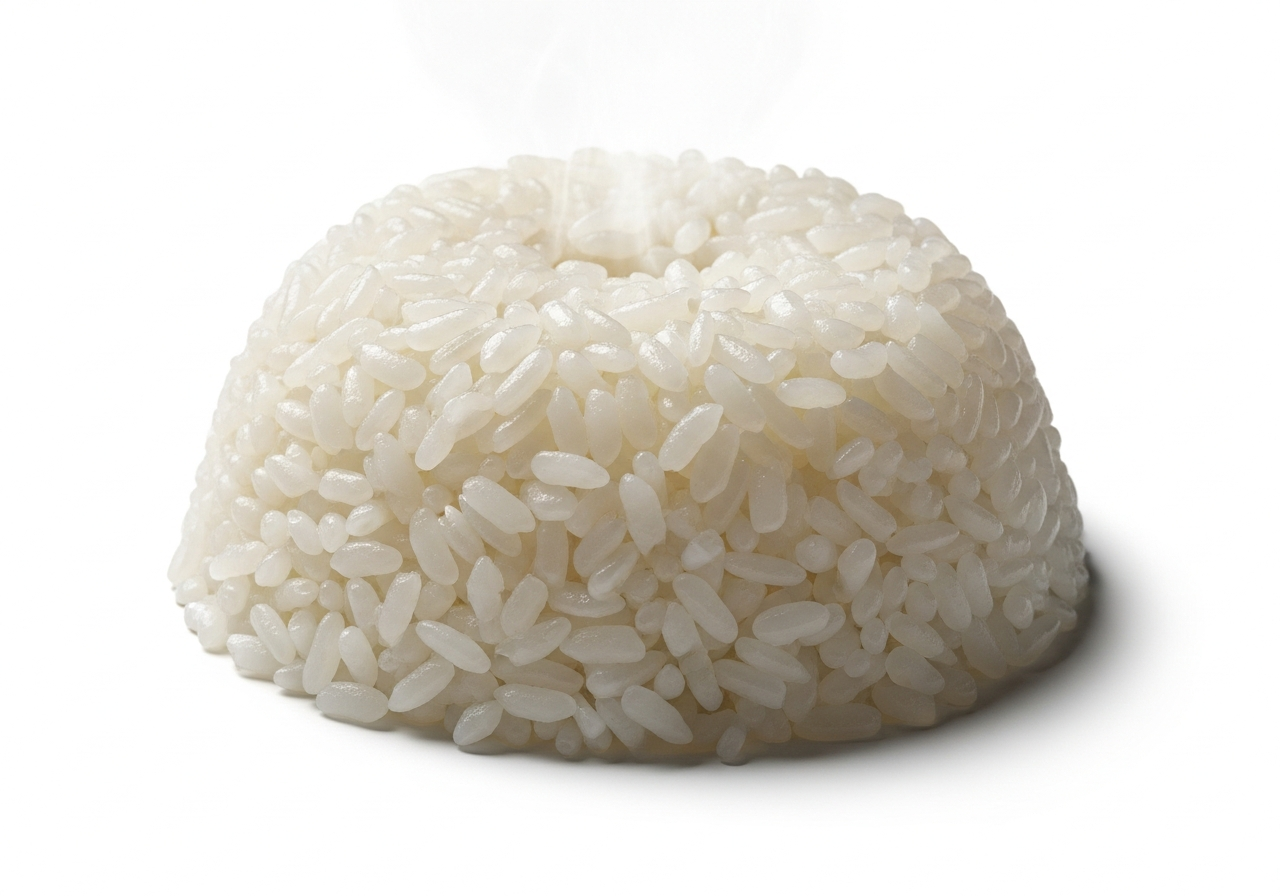
Rice, a staple food for billions worldwide, is a cornerstone of many diets. Understanding its nutritional profile, particularly its macros and micronutrients, is crucial for anyone aiming to optimize their health, fitness, or dietary goals. This comprehensive guide delves into the specifics of cooked rice nutrition, offering practical insights for effective macro tracking.
Quick Answer
One hundred grams of cooked white rice typically contains approximately 130 calories, 2.7 grams of protein, 28.2 grams of carbohydrates (including 0.4 grams of fiber and less than 1 gram of sugar), and 0.3 grams of fat. Rice is primarily a source of carbohydrates, providing essential energy, and also offers some B vitamins and minerals.
Detailed Nutrition Facts
The nutritional breakdown of cooked rice can vary slightly depending on the type of rice (e.g., white, brown, basmati, jasmine) and how it's prepared. However, for a general understanding, let's examine the nutrition facts for 100 grams of cooked white, long-grain rice.
Macronutrient Breakdown (per 100g cooked white rice):
- Calories: Approximately 130 kcal. This number is primarily derived from carbohydrates.
- Carbohydrates: Around 28.2 grams. This is the dominant macronutrient in rice.
- Fiber: About 0.4 grams. White rice is relatively low in fiber compared to whole grains.
- Sugar: Less than 1 gram. The sugars present are simple carbohydrates.
- Protein: Approximately 2.7 grams. While not a significant protein source, it contributes to daily intake.
- Fat: About 0.3 grams. Rice is very low in fat.
Micronutrient Profile:
Cooked rice, particularly white rice, is not a powerhouse of micronutrients, as many are lost during the milling process. However, it does contain trace amounts of:
- B Vitamins: Such as thiamine (B1), niacin (B3), and B6. These play vital roles in energy metabolism. Enriched rice often has added B vitamins.
- Minerals: Including manganese, phosphorus, and selenium. Manganese is important for bone health and metabolism, phosphorus for bones and teeth, and selenium acts as an antioxidant.
Serving Size Considerations:
It's important to note that a "serving" of rice can be subjective. Standard nutritional databases often use a 100-gram cooked portion. However, a typical serving in a meal might be closer to 150-200 grams, significantly altering the calories and macro totals. Accurate portion measurement is key for effective macro tracking.
Comparison to Similar Foods:
Compared to other staple carbohydrates like pasta or potatoes, cooked white rice generally has a slightly higher glycemic index, meaning it can raise blood sugar levels more quickly. Brown rice, a whole grain, offers a more robust fiber and micronutrient profile, with more complex carbohydrates and a lower glycemic index. Quinoa, another grain, provides a more complete protein source and higher fiber content than white rice.
Health Benefits
While often perceived as just a carbohydrate source, cooked rice offers several health benefits when incorporated thoughtfully into a balanced diet. Its primary role is to provide readily available energy, making it an excellent fuel for the body.
Primary Benefits:
- Energy Provision: The high carbohydrate content in rice is easily converted into glucose, the body's preferred energy source. This makes it ideal for athletes, individuals with physically demanding jobs, or anyone needing a quick energy boost.
- Digestive Ease: For individuals with sensitive digestive systems or certain gastrointestinal issues, plain cooked rice can be a well-tolerated food. Its low fiber content in white rice can be beneficial during recovery from digestive upset.
- Foundation for Balanced Meals: Rice serves as an excellent base for nutrient-dense meals. When paired with lean proteins, healthy fats, and a variety of vegetables, it contributes to a well-rounded nutritional intake.
- Potential for Weight Management: When consumed in appropriate portions and as part of a calorie-controlled diet, rice can support weight loss. Its satiating effect, particularly when paired with protein and fiber, can help manage hunger.
Who Should Eat This Food:
- Athletes and Active Individuals: The readily available energy from rice is crucial for fueling training sessions and replenishing glycogen stores after exercise.
- Individuals Needing Energy: Anyone experiencing fatigue or requiring sustained energy throughout the day can benefit from including rice in their diet.
- Those with Digestive Sensitivities: Plain white rice is often recommended for individuals recovering from gastrointestinal distress due to its easy digestibility.
- General Population: As a staple food, rice can be a healthy component of most diets, provided it is part of a balanced eating pattern.
When to Eat It:
- Before Exercise: Consuming rice a few hours before a workout can provide the necessary energy to perform optimally.
- After Exercise: Within a few hours post-workout, rice can help replenish glycogen stores depleted during physical activity, aiding in recovery.
- As Part of Balanced Meals: Rice is versatile and can be enjoyed at breakfast, lunch, or dinner, accompanying lean proteins, vegetables, and healthy fats.
- For Quick Energy Needs: When feeling low on energy, a moderate portion of cooked rice can offer a quick and effective pick-me-up.
How to Track Macros
Accurate macro tracking is essential for aligning your dietary intake with your fitness and health objectives. For rice, this involves understanding portion sizes and utilizing appropriate tools.
Portion Measurement Tips:
The most accurate way to measure rice for macro tracking is to weigh it after it has been cooked. This is because rice absorbs water during cooking, and its weight and volume increase significantly. Measuring dry rice and then calculating macros will lead to inaccurate results.
- Use a Kitchen Scale: A digital kitchen scale is the most reliable tool. Weigh your cooked rice in grams.
- Consistency is Key: Aim to use the same cooking method each time to ensure consistent water absorption and therefore, consistent weight for the same dry volume.
- Measure the Entire Batch: If cooking a large batch, weigh the total cooked rice and then divide by the number of servings you intend to create. This is more accurate than trying to scoop individual servings.
Using Macro Tracking Apps:
Many popular macro tracking apps allow you to log food items easily.
- Search for "Cooked Rice": Most apps have extensive databases. Specify the type of rice (e.g., "Cooked White Rice, Long Grain").
- Enter Weight in Grams: Input the weight of your cooked rice in grams using your kitchen scale.
- Verify Entries: Double-check that the app has accurately pulled the nutrition facts, including calories, protein, carbohydrates, and fat.
Common Serving Sizes:
While weighing is most accurate, understanding common serving sizes can be helpful.
- 100 grams cooked: This is a standard reference point for nutritional information.
- 1 cup cooked: This typically weighs around 150-180 grams, depending on the type of rice and how it's packed. This is a common serving size in many recipes.
By diligently weighing your cooked rice and using reliable tracking tools, you can confidently incorporate it into your macro tracking strategy.
Meal Ideas & Preparation
Rice is incredibly versatile, forming the foundation of countless delicious and nutritious meals. The key is in how you prepare it and what you pair it with to maximize its nutritional benefits.
Breakfast Ideas:
- Savory Rice Porridge: Cook rice with water or broth, and top with a poached or fried egg, avocado slices, and a sprinkle of chili flakes. This provides a good balance of carbs, protein, and healthy fats.
- Sweet Rice Pudding (Healthier Version): Cook rice with unsweetened almond milk or regular milk, a dash of cinnamon, and a touch of natural sweetener like stevia or a small amount of maple syrup. Top with fresh berries for added fiber and antioxidants.
Lunch and Dinner Ideas:
- Chicken and Vegetable Stir-Fry: Sauté lean chicken breast with a variety of colorful vegetables (broccoli, bell peppers, carrots, snap peas) in a light soy sauce or tamari based sauce. Serve over a portion of cooked brown or white rice.
- Lentil and Rice Bowl: Combine cooked brown rice with seasoned lentils, roasted sweet potatoes, spinach, and a tahini dressing. This offers a complete plant-based protein and fiber-rich meal.
- Salmon with Rice and Asparagus: Bake or pan-sear a salmon fillet seasoned with lemon and herbs. Serve alongside a portion of jasmine rice and steamed asparagus. This provides omega-3 fatty acids, protein, and fiber.
- Burrito Bowls: Use cooked white or brown rice as the base, topped with seasoned black beans, lean ground turkey or chicken, salsa, lettuce, and a small amount of cheese or Greek yogurt.
Meal Prep Tips:
- Cook a Large Batch: Cook a significant amount of rice at the beginning of the week. This saves time on busy weekdays.
- Portion Control: Once cooled, portion the cooked rice into individual containers. This makes it easy to grab a pre-portioned serving for meals.
- Store Properly: Ensure cooked rice is cooled completely before refrigerating in airtight containers to prevent bacterial growth. It can be stored for 3-4 days.
- Reheat Safely: Reheat rice thoroughly until steaming hot.
Cooking Methods that Preserve Nutrients:
- Boiling/Steaming: These are the most common and effective methods for cooking rice. They generally preserve the nutrient content well. For white rice, enrichment often adds back lost vitamins.
- Using Nutrient-Rich Liquids: Cooking rice in broth (vegetable or chicken) instead of plain water can add extra flavor and a small boost of nutrients.
- Brown Rice: Opting for brown rice in your preparation is a simple way to increase fiber and micronutrient intake. The outer bran layer and germ, which contain most of the nutrients, are retained.
By focusing on these preparation methods and meal combinations, you can ensure that your rice consumption supports your overall health and macro tracking goals effectively.
For Weight Loss
Incorporating rice into a weight loss plan is entirely feasible, provided it's done strategically. The key lies in portion control and the overall composition of your meals.
Why It's Good for Weight Loss:
- Satiety: When paired with lean protein and fiber-rich vegetables, rice can contribute to feelings of fullness, helping to curb overeating and reduce overall calorie intake.
- Energy for Exercise: For many, moderate carbohydrate intake is necessary for sustained energy levels, which can support more effective workouts. This increased energy expenditure can aid in calorie burning.
- Digestibility: For individuals who experience digestive discomfort with higher-fiber grains, white rice can be a more palatable option, allowing them to maintain a calorie deficit without gastrointestinal distress.
Portion Recommendations:
- Moderate Portions: Aim for portions typically between 100-150 grams of cooked rice per meal. This provides energy without significantly increasing your calorie count.
- Prioritize Brown Rice: If possible, choose brown rice. Its higher fiber content promotes greater satiety and a slower release of glucose, which can be more beneficial for blood sugar control and weight management.
- Measure Accurately: As mentioned previously, accurate measurement using a kitchen scale is crucial to avoid overconsumption.
Pairing Suggestions:
- Lean Proteins: Combine your rice with grilled chicken breast, fish, lean turkey, tofu, or legumes. Protein is essential for satiety and preserving muscle mass during weight loss.
- Abundant Vegetables: Fill at least half of your plate with non-starchy vegetables. They are low in calories, high in fiber, vitamins, and minerals, and contribute significantly to fullness.
- Healthy Fats (in moderation): Include small amounts of healthy fats like avocado, nuts, or seeds. These aid in nutrient absorption and satiety.
- Mindful Sauces: Opt for light, low-sodium sauces. Avoid creamy or sugary sauces that can significantly increase calories.
By focusing on these principles, rice can be a valuable component of a successful weight loss journey, providing sustained energy and contributing to a balanced, satisfying diet.
For Muscle Gain
For individuals focused on muscle gain, rice is a highly effective carbohydrate source that plays a crucial role in fueling workouts and supporting recovery.
Protein Content Benefits:
While rice itself is not a high-protein food, its primary benefit for muscle gain lies in its carbohydrate content. Carbohydrates are essential for replenishing muscle glycogen stores, which are depleted during intense resistance training. Adequate glycogen levels are vital for:
- Sustained Workout Performance: Sufficient glycogen allows for longer, more intense training sessions, which are necessary for muscle hypertrophy.
- Muscle Protein Synthesis: Carbohydrates, in conjunction with protein, help to create an anabolic (muscle-building) environment. They can spare protein from being used for energy, allowing it to be used for muscle repair and growth.
- Recovery: Replenishing glycogen stores post-workout aids in faster recovery, reducing muscle soreness and preparing your body for the next training session.
Pre/Post Workout Timing:
- Pre-Workout: Consuming a moderate to large portion of cooked rice 1-3 hours before a workout provides readily available energy. This helps ensure you have the fuel needed for peak performance. A meal containing rice, lean protein, and some vegetables is ideal.
- Post-Workout: Within 1-2 hours after training, consuming rice is highly beneficial. This is when your muscles are most receptive to nutrient uptake. Pairing rice with a fast-digesting protein source (like whey protein or lean chicken) helps to rapidly replenish glycogen stores and initiate muscle repair processes.
Bulking Meal Ideas:
When aiming for a calorie surplus for muscle gain, rice can be a central component of larger, more calorie-dense meals.
- Chicken and Rice with Sweet Potato: A generous portion of cooked chicken breast or thighs, a large serving of cooked rice, and a substantial portion of roasted sweet potatoes.
- Beef Stir-Fry with Noodles/Rice: Lean ground beef or steak stir-fried with a variety of vegetables and served with a substantial portion of cooked rice or egg noodles. Add a healthy sauce like teriyaki or a peanut-based sauce for extra calories.
- Salmon and Rice with Avocado: A large fillet of salmon, a generous serving of cooked rice, and half to a whole avocado. This provides healthy fats and protein alongside carbohydrates.
- Rice Bowls with Multiple Protein Sources: Combine cooked rice with seasoned ground turkey, black beans, and a dollop of Greek yogurt or sour cream for added calories and protein.
By strategically incorporating rice into pre and post-workout nutrition and bulking meals, individuals can effectively support their muscle-building goals.
Comparisons
Understanding how rice stacks up against similar foods can help you make informed dietary choices based on your specific goals.
vs. Similar Foods:
- vs. Quinoa: Quinoa is often considered a "complete protein," meaning it contains all nine essential amino acids. It also generally has more fiber and protein per serving than white rice. Brown rice, however, offers a comparable fiber content to quinoa. Quinoa also has a slightly lower glycemic index than white rice.
- vs. Pasta: Cooked white pasta and cooked white rice have very similar macronutrient profiles, with rice typically having slightly more carbohydrates and fewer calories per 100g. Both have a relatively high glycemic index. Whole wheat pasta, like brown rice, offers more fiber and a slower digestion rate.
- vs. Potatoes (Boiled): Boiled potatoes are a good source of carbohydrates and potassium. They can have a slightly higher glycemic index than white rice. Sweet potatoes, on the other hand, offer more vitamin A and fiber, and a lower glycemic index than white rice or regular potatoes.
- vs. Bread: The macronutrient content of bread varies widely based on the type (white, whole wheat, sourdough). Generally, a slice of bread provides fewer carbohydrates than a typical serving of cooked rice, but it can also contain more protein and fiber, especially whole grain varieties.
Best Alternatives:
- Brown Rice: For increased fiber, slower digestion, and a richer micronutrient profile, brown rice is an excellent alternative to white rice.
- Quinoa: Offers a more complete protein and higher fiber content, making it a nutrient-dense choice.
- Oats: Particularly rolled oats or steel-cut oats, are a fantastic source of complex carbohydrates and soluble fiber, promoting satiety and stable energy release.
- Sweet Potatoes: Rich in vitamin A, fiber, and antioxidants, with a lower glycemic index than white rice.
When to Choose Each:
- Choose Cooked Rice (White): When quick energy is needed, such as before intense physical activity, or for individuals with digestive sensitivities who find it easier to digest. It's also a budget-friendly staple.
- Choose Cooked Rice (Brown): For general health, increased fiber intake, better blood sugar management, and a more sustained energy release throughout the day.
- Choose Quinoa: When seeking a complete protein source, increased fiber, and a slightly lower glycemic impact. It's also a good option for a diverse nutrient profile.
- Choose Oats: For a hearty breakfast, sustained energy release, and significant fiber intake, especially soluble fiber which is beneficial for heart health.
- Choose Potatoes (especially Sweet Potatoes): As a versatile source of carbohydrates, vitamins, and minerals. Sweet potatoes are particularly beneficial for their vitamin A content and lower glycemic index.
Understanding these comparisons allows for more informed dietary decisions, ensuring that your carbohydrate choices align with your health, fitness, and macro tracking objectives.
FAQs
1. What are the main macros in cooked rice?
The primary macronutrients in cooked rice are carbohydrates. It also contains small amounts of protein and very little fat.
2. Is white rice bad for macro tracking?
White rice is not inherently "bad" for macro tracking. It is simply a source of carbohydrates with a higher glycemic index and lower fiber content compared to brown rice. For macro tracking, it's important to accurately measure its calories and carbohydrate contribution.
3. How many calories are in 1 cup of cooked rice?
A standard cup (approximately 150-180 grams) of cooked white rice typically contains around 180-200 calories, with the majority coming from carbohydrates.
4. Does cooking rice change its macros?
Cooking rice significantly increases its weight and volume due to water absorption. While the macronutrient composition per gram of dry rice remains the same, the nutrition facts change considerably when measured by cooked weight or volume. Always measure cooked rice for accurate macro tracking.
5. Is brown rice better than white rice for macros?
Brown rice is generally considered nutritionally superior for macro tracking and overall health due to its higher fiber and micronutrient content. It leads to a slower release of glucose, which can be more beneficial for sustained energy and blood sugar control.
6. How should I store cooked rice to maintain its nutrition?
Store cooked rice in an airtight container in the refrigerator for up to 3-4 days. Ensure it is cooled completely before refrigerating to prevent bacterial growth. When reheating, ensure it is heated thoroughly until steaming hot to maintain food safety.
7. Can I eat rice if I'm trying to lose weight and track my macros?
Yes, you can. The key is portion control. By accurately measuring your cooked rice and pairing it with lean protein and vegetables, you can effectively incorporate it into a weight loss plan while managing your macro tracking.
Track cooked rice easily with JustMacros - your free macro tracking app.