Avocado Calories: Complete Macros & Nutrition Guide
Complete macro and nutrition guide for Avocado Calories. Learn calories, protein, carbs, fat per serving plus meal ideas and tracking tips.
Table of Contents
- Quick Answer
- Detailed Nutrition Facts
- Health Benefits
- How to Track Macros
- Meal Ideas & Preparation
- Breakfast Ideas:
- Lunch Ideas:
- Dinner Ideas:
- Meal Prep Tips:
- Cooking Methods that Preserve Nutrients:
- For Weight Loss
- For Muscle Gain
- Pre/Post-Workout Timing:
- Bulking Meal Ideas:
- Comparisons
- vs. Similar Foods:
- Best Alternatives:
- When to Choose Each:
- FAQs
- 1. Are avocados high in calories?
- 2. What's the best way to store an avocado?
- 3. Can I eat avocado every day?
- 4. Do avocados have protein?
- 5. Is avocado good for cholesterol?
- 6. How much avocado is one serving?
- 7. Does cooking avocado change its nutrition?
Avocado Calories Macros: Complete Nutrition Guide
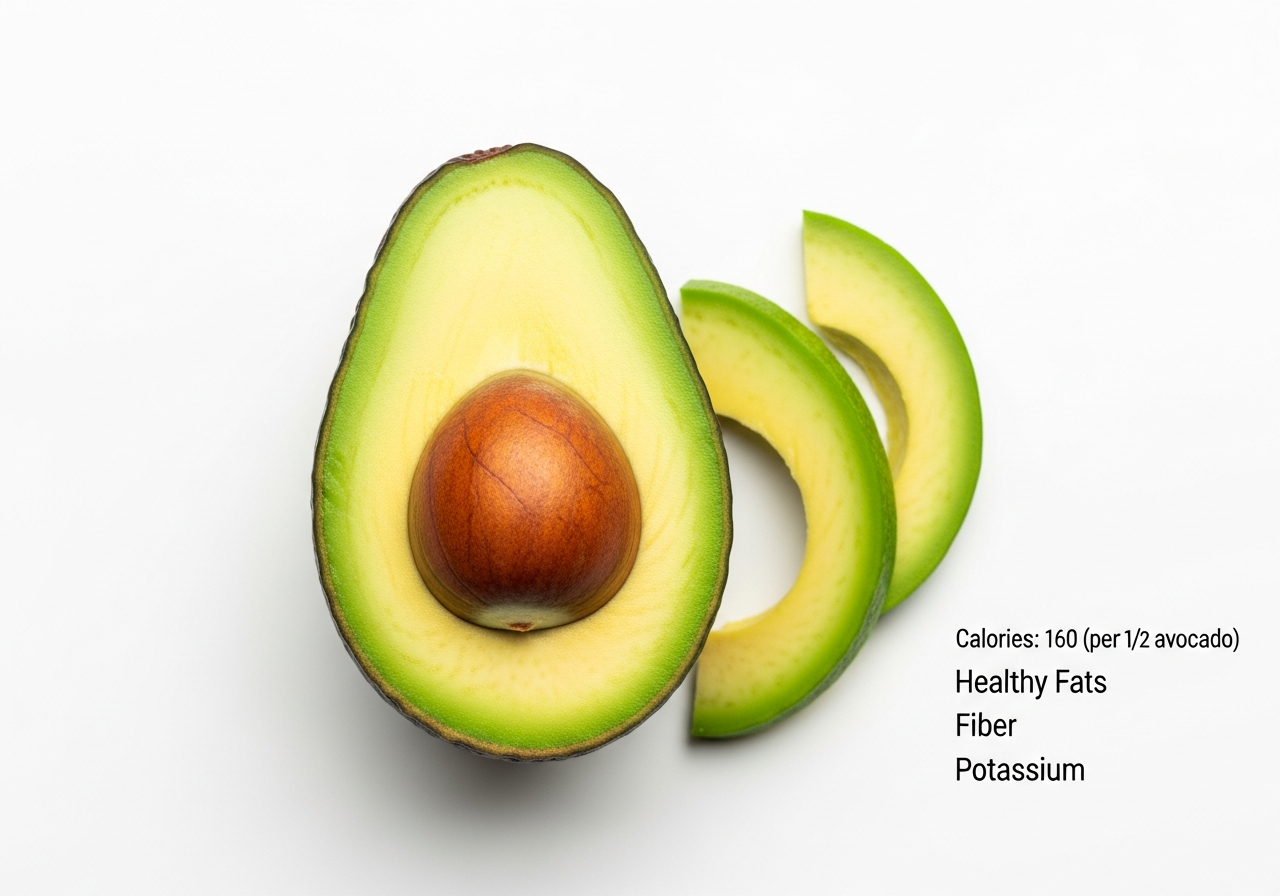
At JustMacrosFit, we understand that mastering your nutrition starts with a deep understanding of the foods you consume. Avocados, often lauded as a superfood, are a prime example of a nutrient-dense ingredient that can significantly enhance your diet. Far from being just a trendy toast topping, this creamy fruit packs a powerful punch of healthy fats, fiber, and essential micronutrients, making it a valuable addition for anyone looking to optimize their health, manage weight, or support muscle growth.
Quick Answer
A 100-gram serving of raw avocado typically contains around 160 calories, comprised primarily of healthy fats. Specifically, we're looking at approximately 14.7 grams of fat, 8.5 grams of carbohydrates (with a remarkable 6.7 grams of fiber), and 2 grams of protein.. The true star here is its monounsaturated fat content, making it a powerful ally for satiety and overall well-being.
Detailed Nutrition Facts
When we delve deeper into the avocado's nutritional profile, its richness becomes even more apparent. For a 100-gram portion, which is roughly half of a medium avocado, the macronutrient distribution is unique among fruits. The majority of its calories, about 76%, come from fat, followed by 20% from carbohydrates and 5% from protein. This distinct composition is what sets it apart and contributes to many of its health benefits.
**Hero Nutrients (per 100g):** * **Calories:** ~160 kcal * **Total Fat:** ~14.7 g (mostly monounsaturated) * **Carbohydrates:** ~8.5 g * **Dietary Fiber:** ~6.7 g * **Protein:** ~2 g * **Potassium:** ~485 mg * **Vitamin K:** ~21 mcg * **Vitamin C:** ~10 mg * **Vitamin E:** ~2.07 mg * **Folate:** ~81 mcg * **Vitamin B6:** ~0.2 mg * **Magnesium:** ~19.5 mg * **Lutein & Zeaxanthin:** ~185 µg
The fat content is predominantly monounsaturated fatty acids (MUFAs), notably oleic acid, which is also found in olive oil. These healthy fats are crucial for various bodily functions. The carbohydrate content is notable for its high fiber ratio; fiber makes up roughly 80% of the carbs in an avocado, consisting of both insoluble and soluble types. This impressive fiber content plays a significant role in digestive health and satiety. While not a primary protein source, avocado does contribute a modest amount of protein, including all nine essential amino acids.
Beyond macros, avocados are a treasure trove of micronutrients. They are an excellent source of Vitamin K, vital for blood clotting and bone health, and a good source of Vitamin C, an essential antioxidant.. We also find significant amounts of folate, crucial for cell function and growth, and Vitamin B6, which supports metabolic processes. Potassium, a key mineral often found in higher amounts in avocado than in bananas, is essential for blood pressure regulation and muscle function. Other notable minerals include magnesium, copper, and manganese. The presence of carotenoids like lutein and zeaxanthin further enhances its nutritional value, particularly for eye health.
Serving size is a key consideration when incorporating avocado into your diet. While the official USDA serving size is typically one-third of a medium avocado (about 50g) providing around 80 calories, many people consume half an avocado (approximately 68g-100g) which would be around 114-160 calories. A whole medium avocado (136-150g) can contribute between 227 to 250 calories. This flexibility allows for easy integration into various dietary plans, provided one accounts for the calorie density.
Compared to other fruits, avocados stand out due to their high fat content and lower sugar levels. While other fruits offer a wider array of carbohydrates and sugars, avocados provide a unique profile of healthy fats and fiber, making them an excellent choice for those focusing on satiety and stable blood sugar levels.
Health Benefits
The consistent inclusion of avocados in your diet offers a myriad of health benefits that align perfectly with the goals of "JustMacrosFit" and a healthy lifestyle.
- Heart Health: The rich supply of monounsaturated fats (MUFAs) in avocados is a cornerstone of cardiovascular well-being. These fats have been shown to help lower LDL ("bad") cholesterol levels and reduce the risk of heart disease and stroke. Furthermore, the potassium content contributes to blood pressure management, a crucial factor in heart health. Research suggests that regularly consuming avocados can significantly lower the risk of cardiovascular disease.
- Gut Health and Satiety: Avocados are an excellent source of dietary fiber, with both soluble and insoluble components. This fiber is vital for promoting healthy digestion, preventing constipation, and feeding beneficial gut bacteria. The combination of fiber and healthy fats also plays a significant role in increasing feelings of fullness and satiety, which can help reduce overall calorie intake throughout the day.
- Enhanced Nutrient Absorption: The healthy fats in avocados act as "nutrient boosters," significantly increasing the absorption of fat-soluble vitamins (A, D, E, and K) from other foods in your meal. This means pairing avocado with a vibrant salad, for instance, allows your body to extract more nutritional value from the other ingredients.
- Anti-inflammatory Properties: Avocados contain anti-inflammatory compounds and antioxidants, which can aid in post-workout recovery by reducing exercise-induced inflammation and muscle soreness.
- Brain and Eye Health: The presence of lutein, folate, and monounsaturated fats supports overall brain health, potentially improving cognitive function, memory, and mood regulation. Lutein and zeaxanthin are powerful carotenoids that accumulate in eye tissue, helping protect against damage from sunlight and free radicals, and reducing the risk of age-related macular degeneration.
- Skin Health: Daily avocado consumption has been linked to improved skin elasticity and firmness, with the healthy fats and antioxidants contributing to a more vibrant complexion.
Given these benefits, avocados are a beneficial food for almost everyone. They are particularly valuable for individuals looking to improve heart health, those managing their weight due to their satiety-inducing properties, and athletes seeking efficient post-workout recovery and sustained energy. We recommend integrating them into meals to enhance nutrient absorption and overall dietary quality. You can enjoy them at any time of day, whether for a nutritious breakfast, a satisfying lunch, or as part of a balanced dinner.
How to Track Macros
Accurately tracking avocado calories and macros is essential for anyone committed to their fitness and nutrition goals. As veteran nutrition coaches, we've seen how precise macro tracking can be a game-changer.
-
Portion Measurement Tips: Given the variability in avocado sizes, relying on visual estimates can lead to inaccuracies.
- Kitchen Scale is King: The most accurate method is to weigh your avocado. We recommend peeling and pitting the avocado, then weighing the edible flesh in grams. A standard 100-gram serving provides a consistent baseline for your macro calculations.
- Measuring Spoons/Cups: If a scale isn't available, diced or mashed avocado can be measured. One-third of a medium avocado is roughly 50g. Half an avocado can range from 68g to 100g, so be mindful of the difference. A ½ cup of sliced avocado is about one cupped handful.
- Visual Cues (with caution): While not ideal for precision, understanding that a small avocado might be around 100-150g, and a large one upwards of 200g, can help in a pinch. Always err on the side of caution with calorie-dense foods if you're estimating.
-
Using Macro Tracking Apps: Apps like JustMacrosFit simplify the process significantly.
- Search and Select: When logging avocado, search for "avocado raw" or "Hass avocado" to ensure you're pulling data from reliable sources like the USDA.
- Input by Weight: Whenever possible, enter the exact gram weight you measured with your kitchen scale. This bypasses common serving size estimations (e.g., "1 medium avocado") which can vary wildly.
- Customize Servings: Many apps allow you to create custom serving sizes. If you consistently eat a specific portion (e.g., 75g), you can save this for quicker logging.
-
Common Serving Sizes:
- 1/3 of an avocado (approx. 50g): This is the USDA standard serving and provides around 80 calories, 8g total fat, 4g carbs (3g fiber), and 1g protein.
- 1/2 of an avocado (approx. 68-100g): A commonly consumed portion, offering 114-160 calories depending on size, with proportionally higher macros.
- 1 whole avocado (approx. 136-150g): This could be around 227-250 calories, with up to 23g fat, 15g carbs (10g fiber), and 3g protein.
Being diligent with your macro tracking for avocado allows you to precisely fit this incredibly beneficial food into your daily caloric and macronutrient targets.
Meal Ideas & Preparation
As chefs and nutrition enthusiasts, we know the versatility of avocado extends far beyond guacamole. Its creamy texture and mild flavor make it an excellent ingredient for countless dishes across all meals, while certain preparation methods help preserve its valuable nutrients.
Breakfast Ideas:
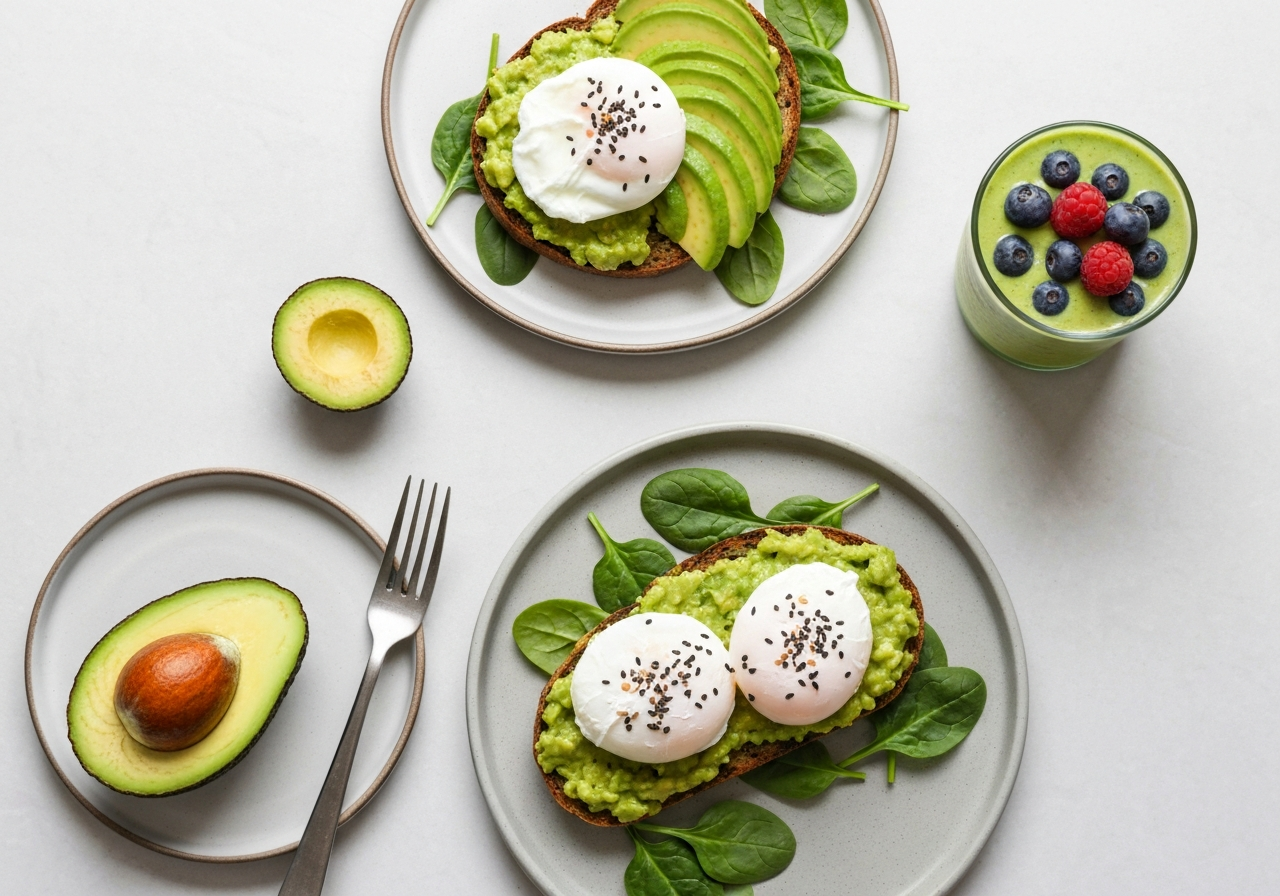
- Classic Avocado Toast: A perennial favorite. Mash ripe avocado onto whole-grain toast, season with salt, pepper, and red pepper flakes. For added protein, top with a fried egg, smoked salmon, or a sprinkle of hemp seeds.
- Avocado Smoothie: Blend half an avocado with spinach, banana, plant-based milk, and a scoop of protein powder for a creamy, nutrient-dense start to your day. The avocado adds a rich texture and healthy fats without overpowering the flavor.
- Scrambled Eggs with Avocado: Fold diced avocado into your scrambled eggs just before serving, or simply slice and place on top. This adds healthy fats and a velvety texture.
Lunch Ideas:
- Avocado and Chicken Salad: Swap out some of the mayonnaise for mashed avocado in your chicken salad for a healthier, equally creamy version. Serve in lettuce cups or on whole-grain bread.
- Power Bowl with Avocado: Combine grilled chicken or chickpeas, quinoa, mixed greens, cherry tomatoes, cucumbers, and a generous portion of sliced avocado. Drizzle with a light vinaigrette.
- Avocado-Cucumber Soup: A refreshing, no-cook soup perfect for warmer weather. Blend avocado, cucumber, Greek yogurt or coconut milk, a squeeze of lime, and fresh herbs.
Dinner Ideas:
- Taco or Fajita Topping: A spoonful of fresh guacamole or sliced avocado is an essential addition to tacos, fajitas, and burritos, adding healthy fats and a cooling counterpoint to spicy dishes.
- Avocado Pasta Sauce: Blend avocado with basil, garlic, lemon juice, and a touch of olive oil for a quick, creamy, and dairy-free pasta sauce.
- Grilled Fish with Avocado Salsa: Top grilled salmon or cod with a vibrant salsa made from diced avocado, mango, red onion, cilantro, and lime juice.
Meal Prep Tips:
Avocados are notorious for browning once cut due to oxidation. Here are our chef-approved tips to keep them fresh for meal prep:
- Citrus is Key: To prevent browning, lightly coat the exposed flesh of a cut avocado with lemon or lime juice.
- Airtight Seal: Wrap cut avocados tightly in plastic wrap, ensuring direct contact with the avocado flesh to minimize air exposure. Storing them in an airtight container in the refrigerator also helps.
- Leave the Pit In: While it doesn't protect the entire surface, leaving the pit in can help reduce browning in that specific area.
- Water Submersion: For a short period, submerging half an avocado (cut-side down) in a container of water in the fridge can prevent browning.
- Puree and Freeze: For longer storage, especially for smoothies or guacamole, you can puree avocado with a splash of lemon or lime juice and freeze it in an airtight container or zip-top bags. The texture may change slightly upon thawing, making it best for mashed applications.
Cooking Methods that Preserve Nutrients:
Avocados are best enjoyed raw to maximize their nutrient content, especially heat-sensitive vitamins like Vitamin C and some B vitamins, and antioxidants.
- Raw is Optimal: Incorporate sliced, diced, or mashed avocado into salads, sandwiches, wraps, and smoothies.
- Gentle Heating: If cooking, avoid prolonged high heat, which can cause the healthy fats to oxidize and reduce the nutritional value, and alter its desirable creamy texture to a bitter, metallic, or slimy one. Light grilling or baking at low temperatures for short durations is acceptable, and adding avocado towards the end of cooking (e.g., stirring into warm scrambled eggs) helps retain its benefits.
For Weight Loss
Avocado is a powerful ally in a weight loss journey, defying its reputation as a "high-calorie" food when consumed strategically. Our experience as nutrition coaches shows that its unique composition can make a significant difference in achieving sustainable weight loss.
-
Why It's Good for Weight Loss:
- Satiety Powerhouse: The high content of healthy monounsaturated fats and dietary fiber in avocados creates a powerful feeling of fullness and satisfaction. This satiety can significantly reduce the desire to snack between meals, leading to a natural reduction in overall calorie intake. Fiber slows down digestion, while fats trigger hunger-suppressing hormones like peptide YY (PYY) and glucagon-like peptide-1 (GLP-1).
- Nutrient Density: Avocados provide a wealth of vitamins, minerals, and antioxidants for relatively few carbohydrates, ensuring your body is well-nourished even while in a caloric deficit.
- Blood Sugar Stabilization: The combination of fiber and fat helps slow the absorption of carbohydrates, leading to more stable blood sugar levels. This prevents rapid spikes and crashes that can trigger cravings and overeating.
- Fat Redistribution: Emerging research suggests that daily avocado consumption in women may help redistribute belly fat towards a healthier profile, specifically reducing deeper visceral abdominal fat. While this doesn't directly translate to weight loss, it points to a beneficial impact on body composition.
-
Portion Recommendations: While avocados are beneficial, they are calorie-dense. Moderation is key for weight loss. We recommend starting with one-third to half of a medium avocado per day (approximately 50-100g). This portion provides substantial benefits without excessively increasing your caloric intake. Always remember to fit your avocado calories into your daily macro budget.
-
Pairing Suggestions: To maximize the weight loss benefits, pair avocado with lean proteins and other fiber-rich foods:
- Protein + Avocado: Add avocado slices to grilled chicken salads, turkey burgers, or a post-workout protein shake. The protein enhances satiety, and the avocado helps with nutrient absorption.
- Vegetables + Avocado: Incorporate avocado into large, colorful salads or alongside steamed vegetables. The healthy fats will aid in the absorption of fat-soluble vitamins from the vegetables.
- Replace Unhealthy Fats: Use avocado as a healthier fat source in place of less nutrient-dense options like butter or cheese in sandwiches and salads.
By being mindful of portion sizes and strategic pairings, avocados can be a delicious and effective tool for achieving your weight loss goals.
For Muscle Gain
For those focused on muscle gain, avocados offer a unique blend of benefits that support energy, recovery, and overall anabolic processes. While often not highlighted as a primary protein source, their role in a bulking diet is significant.
- Energy and Hormone Production: Building muscle requires a caloric surplus and ample energy. Avocados are an excellent source of healthy fats, which provide sustained energy for intense workouts without the rapid blood sugar spikes associated with simple carbohydrates. These healthy fats are also crucial for the production of hormones, including testosterone, which is vital for muscle development.
- Muscle Recovery and Repair: The monounsaturated fats in avocados possess anti-inflammatory properties, which can help reduce exercise-induced inflammation and muscle soreness, thereby speeding up post-workout recovery. Additionally, they are a source of magnesium, a mineral involved in muscle relaxation and energy production, and vitamin E, an antioxidant that can reduce oxidative stress and muscle damage after exercise. The potassium content also plays a key role in muscle function and preventing cramps.
- Protein Content Benefits: While not exceptionally high in protein compared to animal sources, avocados do contain all nine essential amino acids, making them a complete protein source. This small but complete protein contribution can support muscle growth and repair, especially when combined with other protein sources throughout the day.
Pre/Post-Workout Timing:
- Pre-Workout: Consuming a smaller portion (e.g., 1/3 avocado) a few hours before a workout can provide sustained energy from healthy fats, preventing a crash. Avoid large amounts immediately before training, as the fat can slow digestion.
- Post-Workout: Incorporating avocado into your post-workout meal or shake is excellent for recovery. The healthy fats aid in nutrient absorption, the anti-inflammatory compounds help with muscle repair, and the overall nutrient density replenishes what your body used during exercise.
Bulking Meal Ideas:
- High-Calorie Smoothies: Add half to a whole avocado to your bulking smoothies alongside protein powder, oats, nut butter, and fruits. This significantly boosts calories and healthy fats without adding excessive volume.
- Loaded Power Bowls: Increase your portion of avocado in power bowls with complex carbohydrates (like brown rice or quinoa), lean protein (chicken, beef, lentils), and a variety of vegetables.
- Hearty Avocado Toast: For a bulking snack, pile mashed avocado onto several slices of whole-grain toast and top with cottage cheese, smoked salmon, or even an extra fried egg.
- Avocado in Main Meals: Don't shy away from adding larger portions of avocado to your dinner. Think avocado-stuffed chicken, creamy avocado pasta (using avocado as the base), or generous slices alongside steak and sweet potatoes.
Avocados offer a nutrient-dense, energy-rich component that is invaluable for muscle gain, supporting both performance and crucial recovery processes.
Comparisons
Understanding how avocados stack up against similar foods, especially other healthy fat sources, helps us make informed dietary choices at JustMacrosFit. It's not always about choosing one over the other, but knowing when each option shines.
vs. Similar Foods:
- Avocado vs. Olive Oil: Both are excellent sources of monounsaturated fats, beneficial for heart health. However, there are key differences. Avocado oil has a higher smoke point, making it more suitable for high-heat cooking like frying and roasting, and it has a neutral taste. Extra virgin olive oil, on the other hand, is richer in antioxidants, particularly polyphenols, and offers a distinctive flavor, making it ideal for dressings, finishing dishes, and moderate-heat cooking.
- Avocado vs. Nuts (e.g., Almonds, Pistachios, Walnuts): Nuts are generally higher in calories and protein per 100g compared to avocado. For example, 100g of pistachios has around 560 calories and 20.2g protein, compared to avocado's 160 calories and 2g protein. Nuts also tend to have more fiber and certain minerals like calcium and iron. Avocados, however, have significantly less sugar and carbohydrates than most nuts. While walnuts are particularly noted for brain health due to alpha-linolenic acid and polyphenols, avocados provide different brain-supportive nutrients like lutein and glutathione.
Best Alternatives:
If avocado isn't available or doesn't fit your immediate dietary needs, other healthy fat sources can serve as excellent alternatives:
- For Monounsaturated Fats: Olive oil, macadamia nuts, almonds, and certain seeds (like pumpkin seeds) are good sources.
- For Fiber: Chia seeds, flax seeds, berries, and a wide variety of vegetables offer excellent fiber content.
- For Creaminess/Texture: Blended silken tofu, Greek yogurt (for savory applications), or pureed cashews can sometimes mimic the creamy texture in certain recipes, though they will alter the macro profile significantly.
When to Choose Each:
- Choose Avocado when: You desire a whole food source of healthy fats and fiber, need its unique creamy texture for dishes like guacamole, smoothies, or a spread, or are looking for a significant boost of potassium, Vitamin K, and folate. It’s particularly good for satiety and supporting overall nutrient absorption.
- Choose Olive Oil when: You need a liquid fat for cooking, dressings, or finishing, especially when seeking its distinct flavor profile and high antioxidant content for heart health.
- Choose Nuts when: You need a calorie-dense snack, a significant protein boost, or a source of diverse micronutrients and fiber, and when their crunch or specific flavor profile is desired (e.g., as a topping or in baked goods).
By understanding the distinct nutritional nuances of each, we can strategically incorporate these healthy foods to achieve a well-rounded and effective nutrition plan.
FAQs
We receive many questions about avocados, and as your nutrition coaches, we're here to provide clear, actionable answers.
1. Are avocados high in calories?
Yes, avocados are considered calorie-dense compared to most other fruits. A 100-gram serving (about half a medium avocado) typically contains around 160 calories.. This is primarily due to their high healthy fat content. However, these calories come packed with nutrients and contribute significantly to satiety.
2. What's the best way to store an avocado?
Unripe whole avocados should be stored at room temperature until they ripen. Once ripe, you can refrigerate whole avocados to extend their freshness for several days. For cut avocados, sprinkle the exposed flesh with lemon or lime juice, wrap tightly in plastic wrap (ensuring no air exposure), and store in an airtight container in the refrigerator. Leaving the pit in the half you store can also help reduce browning.
3. Can I eat avocado every day?
Yes, eating avocado daily can be a healthy habit, provided it fits within your overall caloric and macronutrient goals. Studies have shown benefits from daily consumption, including improved satiety and potentially beneficial changes in fat distribution for women. However, due to their calorie density, portion control is important.
4. Do avocados have protein?
Avocados contain a modest amount of protein. A 100-gram serving provides approximately 2 grams of protein. Notably, they contain all nine essential amino acids, making them a complete protein source, though not a primary one.
5. Is avocado good for cholesterol?
Absolutely. The monounsaturated fats (MUFAs) in avocados are known to help lower LDL ("bad") cholesterol levels and may increase HDL ("good") cholesterol, contributing to better heart health. Studies support their role in improving blood lipid profiles.
6. How much avocado is one serving?
According to the USDA, a standard serving size of fresh avocado is one-third of a medium avocado, or about 50 grams. This portion provides approximately 80 calories, 8 grams of fat, 4 grams of carbohydrates (3g fiber), and 1 gram of protein.
7. Does cooking avocado change its nutrition?
While avocados can be cooked, raw consumption is generally recommended to preserve maximum nutrient content. High heat can reduce levels of heat-sensitive vitamins like Vitamin C and some B vitamins, as well as certain antioxidants. The healthy monounsaturated fats remain relatively stable at moderate temperatures, but prolonged or very high heat can cause them to oxidize and alter the flavor.
Track Avocado Calories easily with JustMacrosFit - your free macro tracking app.