Tuna Noodle Casserole: Complete Macros & Nutrition Guide
Complete macro and nutrition guide for Tuna Noodle Casserole. Learn calories, protein, carbs, fat per serving plus meal ideas and tracking tips.
Table of Contents
Tuna Noodle Casserole Macros: Complete Nutrition Guide
Quick Answer
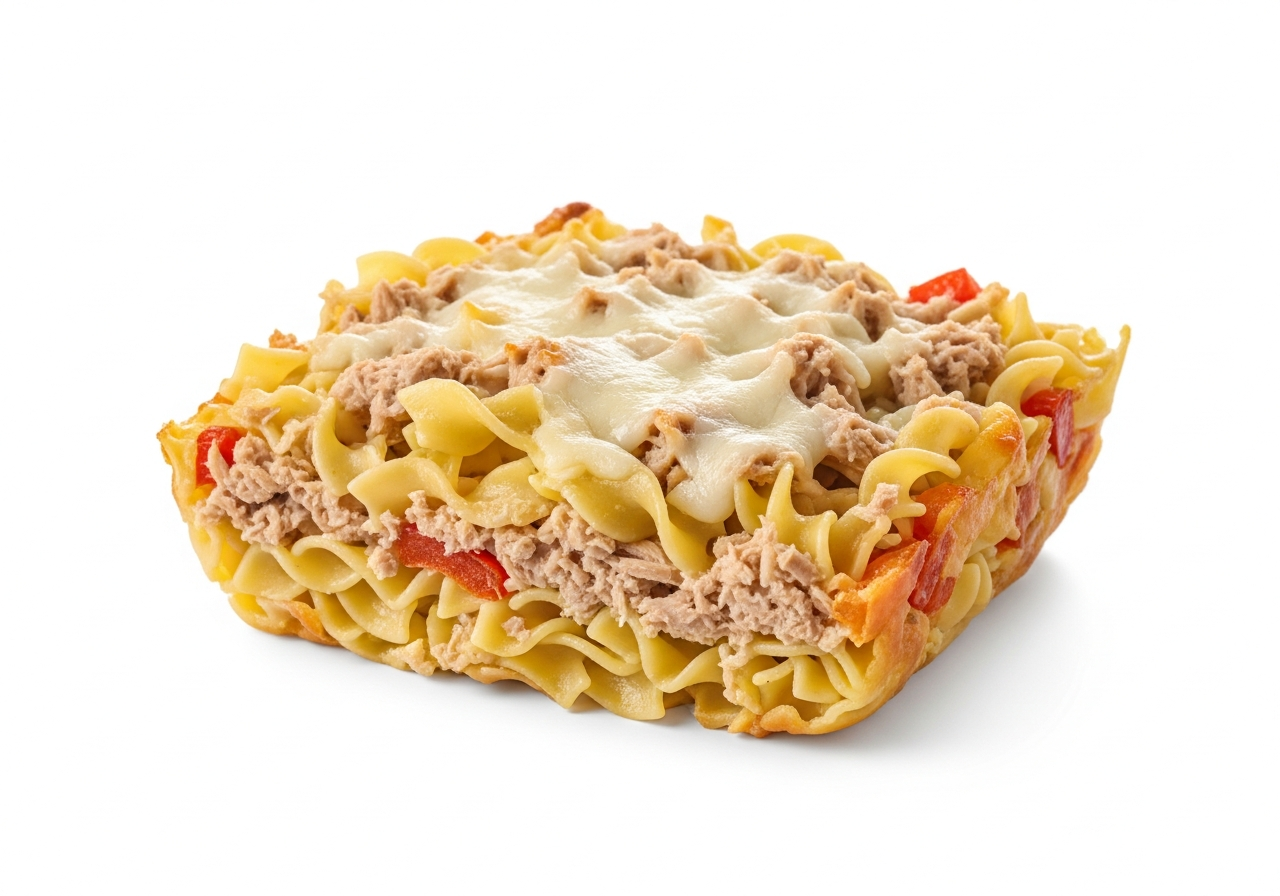
Tuna Noodle Casserole, when prepared mindfully, can be a surprisingly balanced and nutrient-dense meal. A typical serving (approximately 1 cup or 250g) of a healthier version of this classic comfort food often provides around 240-350 calories, 15-29 grams of protein, 25-35 grams of carbohydrates, and 5-15 grams of fat. Its key nutritional highlight is its rich protein content from tuna, coupled with essential omega-3 fatty acids and various micronutrients.
Detailed Nutrition Facts
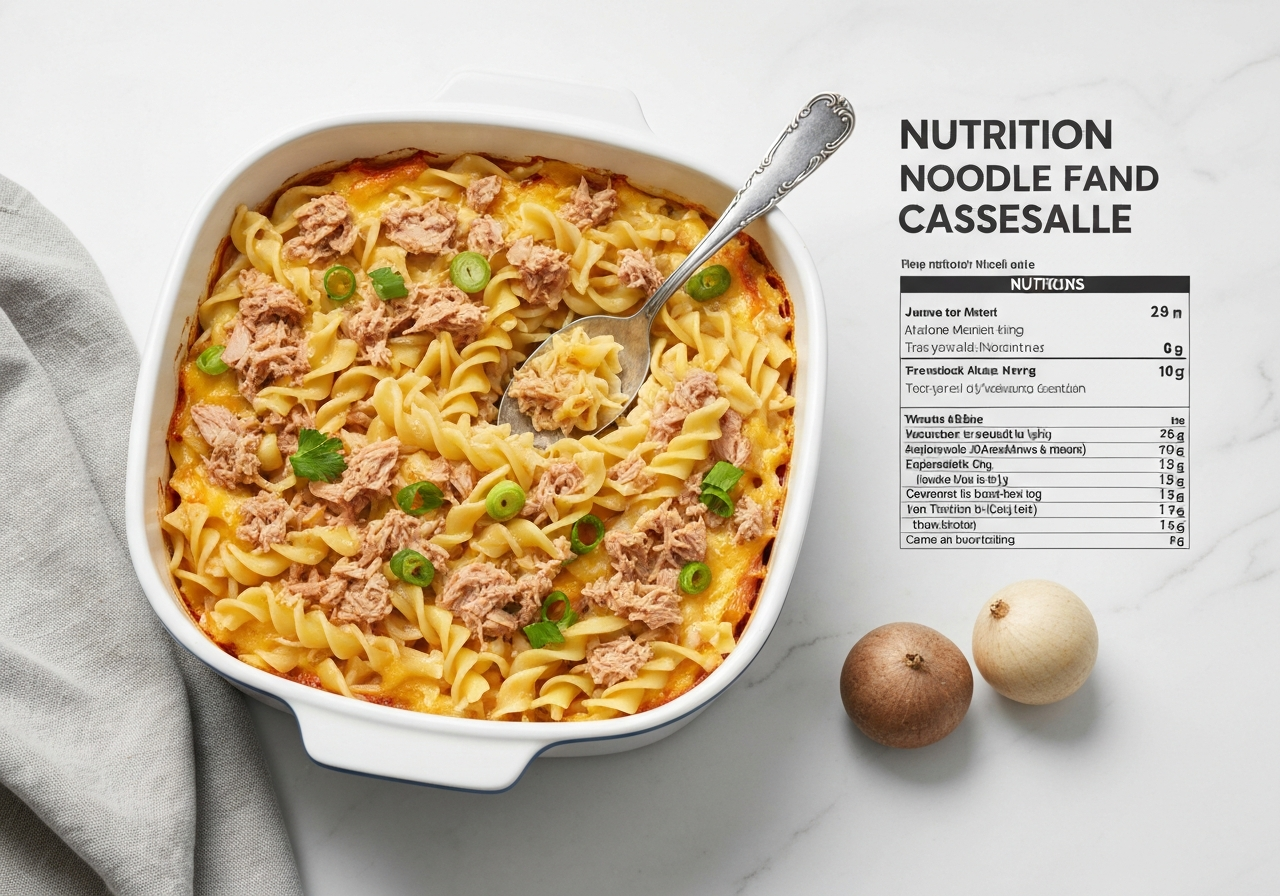
As veteran nutrition coaches and chefs, we at JustMacrosFit understand that the exact nutritional profile of Tuna Noodle Casserole can vary significantly based on ingredients and preparation methods. However, focusing on a "healthier" rendition, often incorporating whole-grain pasta, lean tuna, plenty of vegetables, and a lighter sauce, provides a robust nutritional breakdown.
For an average serving (roughly 250g or 1 cup) of a health-conscious Tuna Noodle Casserole, you can expect the following macro and micronutrient profile:
Macronutrients:
* Calories: Approximately 240-377 kcal per serving. For a specific example, some healthy recipes hover around 275-350 calories per serving.
* Protein: A significant component, ranging from 15 to 29 grams per serving. This is primarily derived from the canned tuna, making it an excellent source of lean protein.
* Carbohydrates: Typically between 25-38 grams per serving. The carbohydrate content largely comes from the noodles, with whole-grain options boosting fiber.
* Fat: Generally 5-15 grams per serving. This includes healthy fats from tuna's omega-3s and olive oil used in preparation, alongside some saturated fat from dairy if used.
* Fiber: 2-6 grams per serving. This is enhanced by the inclusion of vegetables and whole-grain pasta.
* Sugars: Typically 3-6 grams per serving, often naturally occurring from vegetables and milk.
Micronutrients:
Beyond the macros, a well-made Tuna Noodle Casserole is a treasure trove of essential vitamins and minerals.
Hero Nutrients: Tuna is a fantastic source of Selenium, crucial for antioxidant defense and immune health, and Vitamin B12, vital for red blood cell formation and nervous system function. It also provides beneficial Omega-3 fatty acids, supporting heart and brain health.
Other notable micronutrients commonly found include:
* Vitamin K: Important for blood clotting and bone health.
* Phosphorus: Essential for bone health and energy metabolism.
* Niacin (Vitamin B3): Plays a role in energy production.
* Vitamin A: Supports vision and immune function.
* Calcium: Critical for strong bones and teeth.
* Iron: Necessary for oxygen transport in the blood.
* Potassium: Important for fluid balance and blood pressure.
* Zinc and Copper: Support immune function and various metabolic processes.
* Vitamin D: Aids in calcium absorption and immune regulation.
When considering serving size, a "cup" can be a vague measurement. We typically recommend using a food scale for precise macro tracking, especially when aiming for specific dietary goals. Comparing it to similar comfort foods, a healthier Tuna Noodle Casserole often boasts a higher protein content and a better omega-3 profile than many chicken or vegetable-based casseroles, while potentially being lower in fat than dishes like Chicken Alfredo, though sodium content can be a concern if not prepared with low-sodium ingredients.
Health Benefits
Incorporating Tuna Noodle Casserole into your diet, particularly versions optimized for nutrition, can offer several health advantages.
Primary Benefits:
1. Muscle Building and Repair: The high-quality lean protein from tuna is fundamental for muscle growth, repair, and maintenance, making it an excellent post-workout meal or a staple for those focusing on increasing lean mass.
2. Heart and Brain Health: Tuna provides beneficial omega-3 fatty acids, specifically EPA and DHA, which are well-known for their role in supporting cardiovascular health, reducing inflammation, and promoting cognitive function.
3. Satiety and Weight Management: The combination of protein and fiber (from whole-grain pasta and added vegetables) helps promote feelings of fullness and satiety, which can be crucial for managing calorie intake and supporting weight loss efforts.
4. Boosted Immunity: Key micronutrients like selenium and B vitamins contribute to a robust immune system and overall cellular health.
Who Should Eat This Food:
Tuna Noodle Casserole is a versatile dish suitable for a wide range of individuals. It's particularly beneficial for:
* Active Individuals and Athletes: The high protein and complex carbohydrates support energy needs and recovery.
* Those Aiming for Weight Management: When made with lean ingredients, it offers a satisfying meal without excessive calories.
* Families: It's an affordable, comforting, and generally well-liked meal that can be easily customized to incorporate various vegetables.
* Anyone Seeking Nutrient Density: A well-prepared casserole packs a punch of macros and micros in one dish.
When to Eat It:
This dish is incredibly adaptable. We often recommend it as:
* A Hearty Dinner: Its comforting nature makes it perfect for a satisfying evening meal.
* Lunch Meal Prep: It reheats well, making it an ideal candidate for batch cooking and portioning for healthy lunches throughout the week.
* Post-Workout Recovery: The protein and carbs make it suitable for replenishing energy stores and aiding muscle recovery, especially if paired with additional fast-acting carbs or a protein shake.
How to Track Macros
Accurate macro tracking is the cornerstone of achieving any dietary goal, and Tuna Noodle Casserole is no exception. While it's a mixed dish, a few key strategies can help you track its macros effectively.
Portion Measurement Tips:
1. Weigh Ingredients Before Cooking: For the most accurate macro tracking, we recommend weighing all raw ingredients before combining them. This is particularly useful for homemade casseroles where you control the components.
2. Calculate Total Macros: Once the casserole is cooked, calculate the total macros for the entire dish based on the raw ingredient weights.
3. Determine Serving Size by Weight: After baking, weigh the entire casserole, then divide the total weight by your desired number of servings. For example, if your casserole weighs 1500g and you want 5 servings, each serving would be 300g. Divide the total macros by the number of servings to get the per-serving macro breakdown.
4. Consistent Scooping: If you don't have a food scale for every meal, use consistent measuring cups (e.g., a 1-cup scoop) to portion out your servings after the initial calculation.
Using Macro Tracking Apps:
Our "JustMacrosFit" app makes tracking complex dishes like Tuna Noodle Casserole seamless.
* Recipe Builder Feature: Enter all your ingredients and their quantities into the app's recipe builder. The app will automatically calculate the total macros for the entire dish.
* Custom Food Entry: If you're eating a pre-made or restaurant version, look for existing entries or create a custom food entry using general nutritional data per 100g or per serving size (if provided).
* Log by Weight or Volume: Once your custom recipe is saved, you can easily log your portion by entering the weight (in grams) or volume (e.g., 1 cup) you consumed.
Common Serving Sizes:
While recipes vary, common serving sizes for Tuna Noodle Casserole are often:
* 1 cup (approximately 200-250g): A standard portion for a balanced meal.
* 7.4 ounces (approximately 210g): Another frequently cited serving size.
* 1/6 to 1/8 of a standard 9x13 inch casserole dish: This can be a practical, albeit less precise, way to portion.
Remember, consistency is key in macro tracking. Even if a method isn't perfectly precise, being consistent in your measurement approach will allow you to accurately monitor your intake trends.
Meal Ideas & Preparation
As veteran nutrition coaches and chefs, we know that versatility and mindful preparation are crucial for integrating comforting classics like Tuna Noodle Casserole into a healthy lifestyle.
Breakfast, Lunch, Dinner Ideas (incorporating Tuna Noodle Casserole):
While Tuna Noodle Casserole typically shines as a lunch or dinner item, its components can be creatively repurposed or served alongside other foods.
- Lunch: A pre-portioned serving of Tuna Noodle Casserole reheats beautifully, making it an ideal grab-and-go lunch. Pair it with a side salad dressed with a light vinaigrette for added greens and fiber.
- Dinner: Serve a generous portion as the main course. To enhance the meal, consider serving it with steamed green beans, roasted broccoli, or a hearty mixed green salad. This adds volume, micronutrients, and fiber without significantly increasing calories.
- Creative Leftovers (Not Casserole for Breakfast, but inspired by components): While the casserole itself isn't a typical breakfast item, the principles of lean protein (tuna), complex carbs (noodles), and veggies can inspire. For example, a quick breakfast could be scrambled eggs with a small amount of leftover peas and mushrooms from the casserole, or a high-protein oat flour pancake with a side of tuna.
Meal Prep Tips:
Tuna Noodle Casserole is a meal prep superstar.
1. Batch Cooking: Prepare a large batch on the weekend. Once cooled, portion it into individual airtight containers for easy reheating throughout the week. It typically stays fresh in the refrigerator for 3-4 days.
2. Freezing for Later: For longer storage, freeze individual portions for up to two months. Thaw overnight in the refrigerator and reheat thoroughly for a quick meal.
3. Ingredient Prep: Chop all vegetables in advance. Cook pasta al dente so it doesn't get mushy when baked and reheated. Have tuna drained and ready.
4. Healthier Sauce Bases: Instead of traditional condensed cream soups, which can be high in sodium and unhealthy fats, opt for homemade béchamel sauces using skim milk or unsweetened almond milk, thickened with whole wheat or chickpea flour, and flavored with nutritional yeast for a cheesy taste. Greek yogurt can also add creaminess and a protein boost.
Cooking Methods That Preserve Nutrients:
To maximize the nutritional value of your Tuna Noodle Casserole:
* Steam or Sauté Vegetables Lightly: Overcooking vegetables can reduce their vitamin content. Lightly sautéing onions, celery, and mushrooms, and adding peas towards the end of cooking or during baking, helps retain their nutrients.
* Choose Lean Tuna: Always opt for tuna packed in water rather than oil to reduce unnecessary fat and calories.
* Whole-Grain Pasta: Use whole wheat, chickpea, or lentil pasta for increased fiber and protein content compared to refined white pasta.
* Minimize Processed Ingredients: Avoid ingredients high in sodium, such as certain canned soups or heavily processed cheeses. Homemade sauces and fresh ingredients are always preferred.
For Weight Loss
When it comes to weight loss, every macro counts. Tuna Noodle Casserole can be an excellent ally if strategized correctly.
Why It's Good for Weight Loss:
1. High Protein Content: The primary ingredient, tuna, is a lean protein powerhouse. Protein is crucial for weight loss because it helps you feel fuller for longer, reduces cravings, and supports the preservation of lean muscle mass during calorie restriction.
2. Fiber-Rich Potential: By incorporating whole-grain pasta and a generous amount of vegetables (like peas, mushrooms, celery, and onions), the casserole's fiber content increases. Fiber aids digestion, contributes to satiety, and helps regulate blood sugar levels, all beneficial for weight management.
3. Calorie Control: Healthy versions of Tuna Noodle Casserole can be surprisingly low in calories, with many recipes ranging from 275-350 calories per serving. This makes it easier to fit into a calorie deficit without feeling deprived.
4. Nutrient Density: Unlike many "diet" foods, a well-made casserole offers a wide array of vitamins and minerals, ensuring your body receives essential nutrients even while consuming fewer calories.
Portion Recommendations:
For weight loss, portion control is paramount. We recommend:
* 1-1.5 cup (200-350g) serving size: Depending on your individual calorie goals and activity level, a single serving should be carefully measured. Use a food scale to ensure accuracy.
* Focus on Protein-to-Carb Ratio: Aim for a serving that emphasizes protein and fiber. If you're on a lower-carb plan, you might use more vegetables and less pasta.
* Listen to Your Body: While macros are a guide, genuine hunger cues should also be respected. Start with a recommended portion and adjust based on your satiety.
Pairing Suggestions:
To maximize the weight loss benefits and boost nutrient intake:
* Large Green Salad: Serve your casserole with a substantial side salad featuring leafy greens, cucumbers, and tomatoes, dressed lightly with a vinegar-based dressing. This adds volume and nutrients with minimal calories.
* Steamed Non-Starchy Vegetables: Broccoli, cauliflower, asparagus, or green beans are excellent companions, adding fiber and vitamins.
* Avoid Additional Bread or High-Calorie Sides: Resist the urge to pair with garlic bread or other calorie-dense sides that can quickly undo your efforts.
* Drink Water: Hydrate with a large glass of water before and during your meal to further enhance satiety.
For Muscle Gain
For individuals focused on muscle gain, protein is king, and a well-constructed Tuna Noodle Casserole can be a valuable component of a bulking or maintenance diet.
Protein Content Benefits:
1. High-Quality Protein Source: Canned tuna provides a complete protein, meaning it contains all nine essential amino acids necessary for muscle protein synthesis. A single serving can deliver 15-29 grams of protein, a significant contribution to daily protein targets.
2. Affordable and Convenient: Tuna is a budget-friendly and shelf-stable protein source, making it accessible for consistent consumption needed for muscle growth.
3. Versatile for Calorie Adjustment: The casserole format allows for easy customization to increase overall calorie and protein density, which is essential for muscle gain.
Pre/Post Workout Timing:
* Post-Workout: A serving of Tuna Noodle Casserole (especially if made with whole-grain pasta) offers both protein for muscle repair and complex carbohydrates for glycogen replenishment, making it an excellent post-workout meal. Aim to consume it within 1-2 hours after intense training.
* Pre-Workout (Light Version): While generally heavier, a smaller portion with easily digestible carbs and moderate fat could work 2-3 hours before a workout if you tolerate it well. However, for immediate energy, simpler carb sources are often preferred.
Bulking Meal Ideas:
To optimize Tuna Noodle Casserole for muscle gain, focus on increasing its caloric and protein density:
* Increase Protein: Add an extra can of tuna, or combine with shredded chicken or cottage cheese in the sauce.
* More Complex Carbs: Use a larger portion of whole-grain pasta, or serve the casserole over a bed of quinoa or brown rice.
* Healthy Fats: Incorporate healthy fats by using olive oil liberally in the sauce, or topping with avocado slices after baking. If using cheese, opt for full-fat varieties.
* Higher Calorie Add-ins: Stir in additional nutrient-dense ingredients like corn, sweet potatoes, or a thicker, richer sauce made with milk or even a touch of cream (if calorie targets allow).
* Cheese Topping: A generous layer of cheese and breadcrumbs on top can add both calories and flavor, contributing to overall energy intake.
Comparisons
Understanding how Tuna Noodle Casserole stacks up against other dishes can help you make informed dietary choices.
Vs. Similar Foods:
* Vs. Macaroni and Cheese: Traditional macaroni and cheese is often very high in saturated fat and calories, with less protein and fiber. Tuna Noodle Casserole, even in its classic form, typically offers a higher protein content due to the tuna and beneficial omega-3s. A healthier TNC (with lean tuna, whole grains, and veggies) is almost always a more nutrient-dense option.
* Vs. Chicken Alfredo: Chicken Alfredo is notoriously high in saturated fat and calories from cream and cheese, and while it provides protein from chicken, it lacks the omega-3 benefits of tuna. Tuna Noodle Casserole is generally lower in fat and provides those essential fatty acids.
* Vs. Other Vegetable-Based Casseroles: While vegetable casseroles can be very healthy, Tuna Noodle Casserole often provides a superior protein profile, making it more satiating and beneficial for muscle maintenance and growth.
Best Alternatives:
If Tuna Noodle Casserole isn't quite fitting your macro goals or dietary preferences, consider these alternatives:
1. Tuna Melts (Open-Faced): A quicker, often lower-carb alternative, especially if made on whole-grain bread or lettuce wraps. Focus on lean tuna salad with Greek yogurt instead of mayo.
2. Baked Salmon with Roasted Vegetables: Offers a similar omega-3 boost and high protein, but often lower in carbohydrates, making it great for keto or low-carb diets.
3. Chicken and Vegetable Pasta Bake: Replace tuna with lean shredded chicken for a different flavor profile while maintaining a high protein content. Opt for whole-grain pasta and a light, tomato-based sauce.
4. Lentil or Chickpea Pasta Dishes: For a plant-based, high-fiber, and high-protein alternative, choose pasta made from lentils or chickpeas with a hearty vegetable and bean sauce.
When to Choose Each:
* Choose Tuna Noodle Casserole: When you're looking for an affordable, comforting, high-protein, and reasonably balanced meal that offers beneficial omega-3s. It's excellent for family dinners, meal prep, and moderate macro goals.
* Choose Macaroni and Cheese: Primarily for an indulgent treat; otherwise, opt for healthier, homemade versions with added protein and fiber.
* Choose Chicken Alfredo: Similar to mac and cheese, it's best reserved for occasional indulgence due to its high fat content.
* Choose Baked Salmon: When prioritizing omega-3s, aiming for lower carbohydrates, or seeking a lighter meal.
* Choose Chicken/Vegetable Pasta Bake: When you want a casserole without fish, or prefer a leaner white meat.
FAQs
Here are some frequently asked questions about Tuna Noodle Casserole macros and nutrition.
1. Is Tuna Noodle Casserole healthy?
Yes, it can be very healthy! While traditional recipes can be high in sodium and fat, preparing it with lean tuna, whole-grain pasta, plenty of vegetables, and a lighter, homemade sauce can make it a highly nutritious and balanced meal rich in protein, fiber, and essential micronutrients.
2. How many calories are in a serving of Tuna Noodle Casserole?
The calorie content varies significantly by recipe. A healthier, mindful serving (about 1 cup or 250g) typically ranges from 240-377 calories.
3. Is Tuna Noodle Casserole good for weight loss?
Absolutely. Its high protein content from tuna helps with satiety, while incorporating whole-grain pasta and ample vegetables boosts fiber, aiding in appetite control and digestion. Mindful portioning and ingredient choices are key for weight loss.
4. Can I make Tuna Noodle Casserole low-carb or keto-friendly?
Traditional Tuna Noodle Casserole is not keto-friendly due to the pasta. However, you can easily make it low-carb by substituting egg noodles with zucchini noodles, cauliflower rice, or other low-carb pasta alternatives.
5. What kind of tuna should I use for a healthy casserole?
Always choose tuna packed in water (not oil) to minimize extra fat and calories. Light tuna (like skipjack or tongol) is generally lower in mercury than albacore, especially if you consume tuna frequently.
6. How can I boost the protein content of my Tuna Noodle Casserole?
Aside from adding an extra can of tuna, you can stir in plain Greek yogurt to the sauce, use higher-protein pasta (like chickpea or lentil pasta), or even mix in some cooked, shredded chicken breast for an additional protein punch.
7. How long does Tuna Noodle Casserole last in the fridge and freezer?
Properly stored in an airtight container, Tuna Noodle Casserole typically lasts for 3-4 days in the refrigerator. For longer storage, you can freeze individual portions for up to two months, reheating thoroughly before serving.
Track Tuna Noodle Casserole easily with JustMacrosFit - your free macro tracking app.