Shrimp Cocktail: Complete Macros & Nutrition Guide
Complete macro and nutrition guide for Shrimp Cocktail. Learn calories, protein, carbs, fat per serving plus meal ideas and tracking tips.
Table of Contents
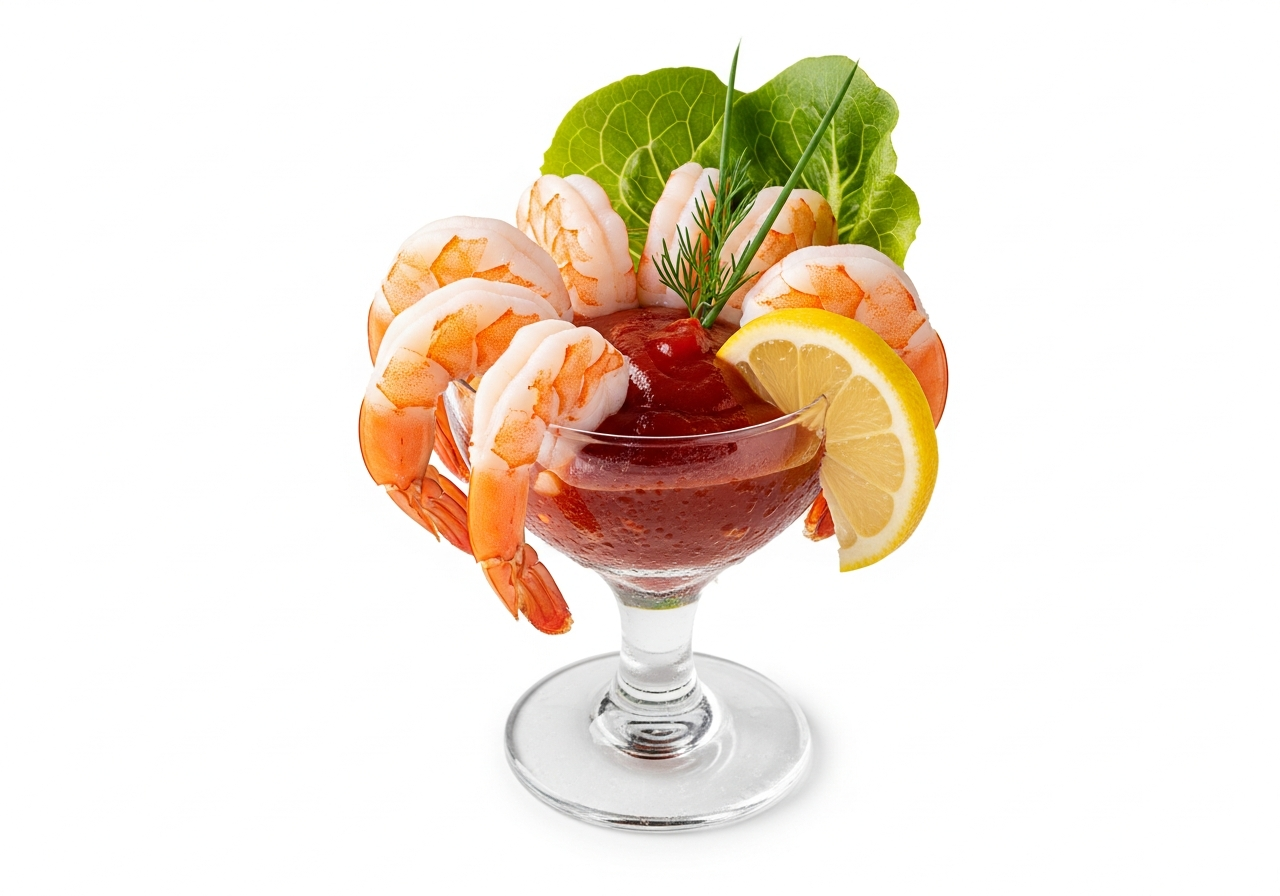
Shrimp Cocktail Macros: Complete Nutrition Guide
As veteran nutrition coaches and chefs at JustMacrosFit, we understand that navigating the world of macronutrients can feel like a complex culinary puzzle. When it comes to popular appetizers, shrimp cocktail often makes an appearance, but do we truly understand its macro and nutritional contributions? We are here to peel back the layers and provide a comprehensive, science-backed guide to shrimp cocktail, ensuring you can enjoy this classic without derailing your health goals.
Quick Answer
A 100-gram serving of plain, cooked shrimp, the star of any shrimp cocktail, offers an impressive macro profile: approximately 99 calories, a robust 24 grams of protein, a negligible 0.3 grams of fat, and only about 0.2 grams of carbohydrates. This makes shrimp an exceptionally lean protein source.
Detailed Nutrition Facts
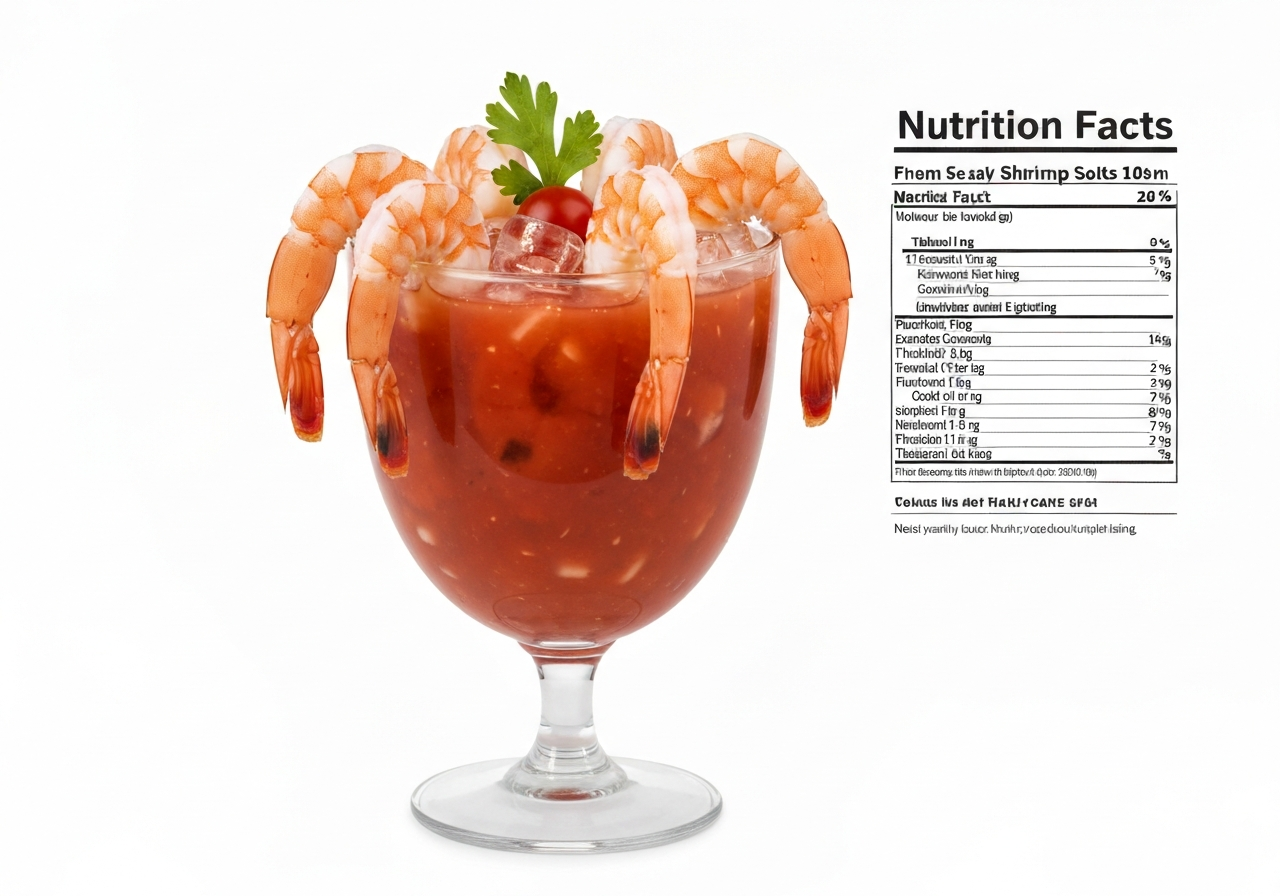
When we delve into the full nutrition facts of shrimp, we uncover a powerhouse of essential nutrients, even before we consider the accompanying cocktail sauce.
For a 100-gram (approximately 3.5 ounces) serving of plain, cooked shrimp:
* Calories: 99 kcal
* Protein: 24 grams
* Fat: 0.3 grams
* Saturated Fat: Approximately 0.056 grams
* Omega-3 Fatty Acids: Present in beneficial amounts
* Carbohydrates: 0.2 grams
* Fiber: 0 grams
* Sugar: 0 grams
* Cholesterol: 189 mg
* Sodium: 111 mg
Beyond the macros, shrimp is a treasure trove of micronutrients. We find significant amounts of:
* Selenium: Providing nearly 98% of the Daily Value per 100g, selenium is crucial for thyroid function and acts as a powerful antioxidant.
* Vitamin B12: Essential for red blood cell formation, neurological health, and DNA synthesis.
* Iodine: A vital mineral for proper thyroid function and brain health, often deficient in many diets.
* Phosphorus: Important for bone health, energy metabolism, and muscle recovery.
* Copper: Contributes to immune system health and helps prevent anemia.
* Zinc: Plays a role in immune function, cell production, and skin health.
* Choline: Supports brain health and liver function.
* Niacin (Vitamin B3): Important for energy production and nerve function.
* Vitamin E: An antioxidant that protects cells from damage.
**Hero Nutrients: Per 100g serving of cooked shrimp, we get 24 grams of high-quality protein, 98% of the Daily Value for Selenium, and a substantial amount of Vitamin B12 and Iodine, making it a micronutrient powerhouse for very few calories.**
Serving Size Considerations: A typical shrimp cocktail appetizer might consist of 5-7 medium shrimp, which could be around 85-100 grams of shrimp. However, the real variability comes from the cocktail sauce. Standard cocktail sauce, often made with ketchup, horseradish, and lemon juice, can add significant carbohydrates, primarily from sugar, and sodium. Two tablespoons of cocktail sauce can add anywhere from 35-50 calories, 9-12 grams of carbohydrates (mostly sugars), and up to 425 mg of sodium, with minimal protein or fat. Therefore, while plain shrimp is remarkably lean, the overall macro profile of a shrimp cocktail heavily depends on the amount and type of sauce consumed.
Comparison to Similar Foods: Compared to other lean protein sources, shrimp stands out. For example, 100 grams of cooked chicken breast offers similar protein content (around 31g) but slightly more calories (around 165 kcal) and fat (around 3.6g). White fish like cod or tilapia also provide excellent lean protein with similar calorie and fat profiles to shrimp, but often with different micronutrient compositions.
Health Benefits
The health benefits of incorporating shrimp into your diet are extensive, making it a smart choice for a variety of health objectives. As nutrition coaches, we regularly recommend lean protein sources like shrimp due to their multifaceted advantages.
Primary Benefits:
* Muscle Building and Repair: With its high protein content, shrimp provides all the essential amino acids needed for muscle synthesis and repair, making it an excellent food for athletes and those looking to build or maintain muscle mass.
* Weight Management: Shrimp is incredibly low in calories and fat, yet very high in protein, which promotes satiety and can help reduce overall calorie intake, supporting weight loss efforts. Its high protein-to-calorie ratio is among the best for feeling full and satisfied.
* Thyroid Health: The rich iodine and selenium content in shrimp are vital for optimal thyroid function, which regulates metabolism and hormone production.
* Antioxidant Power: Shrimp contains astaxanthin, a powerful carotenoid antioxidant responsible for its reddish-pink color. Astaxanthin helps protect cells from oxidative damage, reduces inflammation, and may offer benefits for brain and heart health.
* Heart Health: Despite historical concerns about its cholesterol content, research indicates that dietary cholesterol from foods like shrimp has a minimal impact on blood cholesterol levels for most people. Shrimp is low in saturated fat and contains omega-3 fatty acids, which are known to support cardiovascular health by reducing inflammation and improving blood pressure.
Who Should Eat This Food: Shrimp is a fantastic option for almost anyone seeking a lean, protein-rich food source. It's particularly beneficial for individuals focusing on:
* Weight loss or maintenance.
* Muscle gain or preservation.
* Those on low-carb or ketogenic diets, due to its minimal carbohydrate content.
* Individuals looking to boost their intake of essential micronutrients like selenium, iodine, and B12.
When to Eat It: Shrimp is incredibly versatile and can be enjoyed at any meal. It makes an excellent:
* Appetizer: Like shrimp cocktail, providing a light, protein-packed start to a meal.
* Lunch or Dinner Protein: Easily added to salads, stir-fries, pasta, or grilled as a main course.
* Post-Workout Meal: Its high-quality protein supports muscle recovery and growth.
How to Track Macros
Accurately tracking the macros for shrimp cocktail requires attention to detail, especially concerning portion sizes of both the shrimp and the cocktail sauce. We encourage our JustMacrosFit users to be precise to ensure their dietary goals are met.
Portion Measurement Tips:
1. Weigh Your Shrimp: The most accurate way to track your shrimp intake is to weigh the cooked, shelled shrimp using a food scale. We recommend weighing in grams for precision. A standard serving is typically 85-100 grams (3-3.5 ounces).
2. Measure Your Cocktail Sauce: This is where significant macro deviations can occur. Measure your cocktail sauce carefully using tablespoons. Most nutrition labels for cocktail sauce provide data per tablespoon or two tablespoons. Remember that store-bought sauces often contain added sugars, so checking the label is crucial.
3. Account for Cooking Methods: While shrimp itself is lean, how it's prepared can impact its macros. Frying or breading shrimp will significantly increase its fat and carbohydrate content, and thus its calories. For shrimp cocktail, the shrimp is typically boiled or steamed, preserving its lean profile.
Using Macro Tracking Apps:
Our JustMacrosFit app, like other reputable macro tracking apps, allows you to log foods accurately.
* Search for "Cooked Shrimp": Enter the exact weight you consumed.
* Search for "Cocktail Sauce": Add the measured amount (e.g., "2 tbsp cocktail sauce"). If you make your own sauce, you'll need to calculate the macros based on your ingredients, or input a custom food entry.
* Custom Recipes: For homemade shrimp cocktail, we recommend creating a custom recipe in your app. This allows you to input all ingredients (shrimp, ketchup, horseradish, lemon juice, etc.) and calculate the macros per serving of your specific preparation.
Common Serving Sizes:
* Small Shrimp: 6 grams (shelled)
* Medium Shrimp: 11 grams (shelled)
* Large Shrimp: 17 grams (shelled)
* Extra-Large Shrimp: 25 grams (shelled)
* Jumbo Shrimp: 30 grams (shelled)
* Typical Cocktail Sauce Serving: 1-2 tablespoons (approx. 15-30g)
Meal Ideas & Preparation
As chefs, we know that versatility is key to maintaining a healthy and enjoyable diet. Shrimp is incredibly adaptable and can be incorporated into a myriad of dishes, not just as a cocktail. Our goal is to inspire you to think beyond the appetizer plate.
Breakfast Ideas:
* Shrimp & Avocado Toast: Top whole-grain toast with mashed avocado, cooked shrimp, and a sprinkle of everything bagel seasoning for a protein-rich and satisfying start.
* Shrimp Scramble/Omelet: Fold cooked, chopped shrimp into egg whites or a whole-egg scramble with spinach and bell peppers for a quick and savory breakfast.
* Shrimp & Grits (Macro-Friendly): Use whole-grain grits, sautéed shrimp, and light seasoning to create a healthier version of this Southern classic.
Lunch Ideas:
* Mediterranean Shrimp Salad: Combine chilled cooked shrimp with cucumber, tomatoes, olives, feta cheese (optional), and a light lemon-herb vinaigrette.
* Shrimp Lettuce Wraps: Use large lettuce leaves as wraps for cooked shrimp, shredded carrots, bell peppers, and a macro-friendly peanut or chili-lime sauce.
* Shrimp & Quinoa Bowl: A base of quinoa topped with grilled or steamed shrimp, roasted vegetables, and a light dressing creates a balanced and filling lunch.
Dinner Ideas:
* Garlic Herb Shrimp Pasta: Use whole-wheat or chickpea pasta, sautéed shrimp with garlic, herbs, and a light olive oil or tomato-based sauce.
* Sheet Pan Lemon Herb Shrimp with Veggies: Toss shrimp with your favorite vegetables (broccoli, asparagus, cherry tomatoes), lemon slices, and herbs, then roast on a sheet pan for an easy, nutritious dinner.
* Shrimp Stir-Fry: Quickly stir-fry shrimp with a colorful array of vegetables and a light soy or tamari-based sauce, served over brown rice or cauliflower rice.
Meal Prep Tips:
* Pre-cook Shrimp: Cook a batch of plain shrimp (steamed, boiled, or grilled) at the beginning of the week. Store it in an airtight container in the refrigerator for 2-3 days, ready to be added to various meals.
* Portion Control: Divide cooked shrimp into individual serving sizes (e.g., 85g or 100g) to simplify macro tracking during busy weekdays.
* Homemade Cocktail Sauce: Prepare a healthier version of cocktail sauce using unsweetened ketchup, fresh horseradish, lemon juice, and spices to control sugar and sodium. Store it separately.
Cooking Methods that Preserve Nutrients:
* Steaming: This gentle method helps retain shrimp's delicate flavor and nutrients, requiring no added fats.
* Boiling: A quick and simple way to cook shrimp, often used for shrimp cocktail, also without added fats.
* Grilling/Broiling: These methods add a smoky flavor without heavy oils, keeping the shrimp lean.
* Sautéing: Using minimal healthy fats like olive oil or avocado oil, sautéing can infuse flavor while maintaining a healthy macro profile.
* Avoid Deep Frying: As nutrition coaches, we strongly advise against deep frying shrimp, as it dramatically increases calorie, fat, and carbohydrate content, undermining the natural health benefits of shrimp.
For Weight Loss
Shrimp cocktail, when prepared mindfully, is an exceptional food choice for those on a weight loss journey. We at JustMacrosFit frequently recommend it for its favorable macro profile.
Why It's Good for Weight Loss:
* High Protein, Low Calorie Density: Shrimp provides a significant amount of protein for very few calories (99 calories per 100g with 24g protein). This high protein-to-calorie ratio is crucial for weight loss as protein is highly satiating, meaning it helps you feel fuller for longer, reducing the likelihood of overeating.
* Minimal Fat and Carbs: Plain cooked shrimp is virtually fat and carbohydrate-free, making it easy to fit into restrictive diets without adding unwanted macros. This allows for greater flexibility in other meal components.
* Supports Muscle Mass: During calorie restriction, adequate protein intake is essential to preserve lean muscle mass. Shrimp's high-quality protein helps protect your muscles, ensuring that the weight you lose is primarily fat.
Portion Recommendations:
For weight loss, we typically recommend a serving of 85-115 grams (3-4 ounces) of cooked shrimp as a protein source for a main meal or a substantial snack. For shrimp cocktail, this might translate to about 6-8 medium shrimp. The most critical factor for weight loss is controlling the cocktail sauce. Opt for a serving of 1-2 tablespoons of a low-sugar, low-sodium cocktail sauce, or better yet, make your own from scratch using fresh ingredients to minimize added sugars and unhealthy fats.
Pairing Suggestions:
* With Fresh Vegetables: Serve your shrimp cocktail with extra cucumber sticks, celery, and bell pepper strips for added fiber and volume without significant calories.
* Leafy Green Salads: Incorporate plain cooked shrimp into a large, vibrant salad with a light vinaigrette.
* As a Lean Protein Topper: Add shrimp to a base of cauliflower rice, steamed green beans, or spiralized zucchini for a filling and low-calorie meal.
* Lemon and Herbs: Instead of heavy sauces, season shrimp simply with lemon juice, fresh herbs (dill, parsley), and a pinch of chili flakes for flavor without extra calories.
For Muscle Gain
For individuals focused on muscle gain, shrimp is an excellent protein source that should be a staple in their diet. Its lean profile allows for flexible meal planning while providing the necessary building blocks for muscle growth.
Protein Content Benefits:
* High-Quality Complete Protein: Shrimp delivers 24 grams of complete protein per 100 grams, meaning it contains all nine essential amino acids necessary for muscle protein synthesis. This makes it as effective as other animal proteins for muscle building.
* Lean Source: The very low fat content (0.3g per 100g) means you can consume a substantial amount of protein without adding excessive calories from fat, which is beneficial when managing overall calorie intake during a lean bulk.
* Digestibility: Shrimp protein is highly digestible, ensuring efficient absorption and utilization of amino acids by your muscles.
Pre/Post Workout Timing:
* Post-Workout: Due to its high protein content and rapid digestibility, shrimp is an ideal post-workout protein source. Pair it with a complex carbohydrate (like sweet potato, quinoa, or brown rice) to replenish glycogen stores and facilitate muscle repair and growth. A serving of 100-150 grams of shrimp with 1 cup of cooked quinoa would be a great recovery meal.
* Pre-Workout: A smaller serving of shrimp (e.g., 50-75 grams) combined with a small, easily digestible carbohydrate (like a banana) can provide sustained energy and amino acids without causing digestive discomfort before a workout.
Bulking Meal Ideas:
* Shrimp & Whole Grain Pasta Power Meal: Combine 150-200 grams of grilled or sautéed shrimp with a generous serving of whole-grain pasta, a vegetable-rich marinara sauce, and a drizzle of olive oil.
* Shrimp & Rice Bowl with Avocado: A large bowl featuring 150 grams of shrimp, 1-1.5 cups of brown rice, a quarter to half an avocado for healthy fats, and a variety of steamed or roasted vegetables.
* Shrimp and Lentil Stew: A hearty stew with shrimp, lentils, vegetables, and a flavorful broth can provide sustained energy and protein for muscle growth.
* Shrimp Tacos with Corn Tortillas: Load corn tortillas with seasoned shrimp, black beans, salsa, and a dollop of Greek yogurt for a protein- and carb-rich meal.
Comparisons
Understanding how shrimp cocktail stacks up against other food choices helps us make informed dietary decisions.
Vs. Similar Foods (Lean Proteins):
* Shrimp vs. Chicken Breast: 100g of cooked shrimp provides 24g protein, 0.3g fat, 0.2g carbs, and 99 calories. 100g of cooked chicken breast (skinless) typically offers around 31g protein, 3.6g fat, 0g carbs, and 165 calories. While chicken breast has slightly more protein and calories, both are excellent lean protein sources.
* Shrimp vs. White Fish (Cod/Tilapia): White fish varieties are also very lean. 100g of cooked cod, for instance, provides about 23g protein, 0.7g fat, 0g carbs, and 105 calories. The macro profiles are very similar, making them interchangeable in many meal plans.
* Shrimp vs. Salmon: Salmon is richer in healthy fats (omega-3s) but also higher in calories. 100g of cooked salmon can have around 20g protein, 13g fat, 0g carbs, and 200-220 calories. If you're looking for higher healthy fat intake, salmon is a great choice; for leaner protein, shrimp or white fish are preferable.
Best Alternatives:
If shrimp isn't available or if you have a shellfish allergy, excellent alternatives for a lean protein source include:
* Chicken breast or turkey breast: Versatile and low in fat.
* White fish (cod, tilapia, basa): Similar in texture and leanness to shrimp.
* Egg whites: Pure protein with no fat or carbs.
* Tofu or tempeh: Plant-based protein sources, though their macro profile is different with more carbs and fats.
When to Choose Each:
* Choose Shrimp Cocktail: When you desire a light, refreshing, and high-protein appetizer or snack, especially when you are mindful of overall calorie and fat intake. It's excellent for hot weather or as a starter before a heavier main course. Be vigilant about the cocktail sauce to maintain its macro-friendly profile.
* Choose Chicken/Turkey Breast: For larger, more filling meals where versatility in flavor and texture is desired, or when meal prepping for consistent protein intake throughout the week.
* Choose White Fish: When you want a light, flaky texture and similar macro benefits to shrimp, often at a lower cost.
* Choose Salmon: When prioritizing omega-3 fatty acids for heart and brain health, and when your calorie budget allows for a higher fat content.
Each protein source has its place in a balanced, macro-conscious diet. The key, as we always emphasize at JustMacrosFit, is understanding the nutrition facts and making choices that align with your personal health and fitness goals.
FAQs
As seasoned nutrition experts, we often encounter common questions about shrimp and its role in a healthy diet. Here are some of the most frequent inquiries we receive regarding shrimp cocktail macros and nutrition.
1. Is shrimp cocktail truly low in calories?
Yes, plain cooked shrimp is very low in calories, approximately 99 calories per 100 grams. However, the calorie count for shrimp cocktail significantly increases with the amount and type of cocktail sauce, which can be high in sugar and thus calories.
2. Is the cholesterol in shrimp bad for my heart?
Despite being high in dietary cholesterol (189 mg per 100g), numerous studies indicate that for most healthy individuals, dietary cholesterol has a minimal impact on blood cholesterol levels. Shrimp is low in saturated fat, which is a greater determinant of blood cholesterol. We consider it a heart-healthy food due to its omega-3 fatty acids and low saturated fat.
3. Can I eat shrimp cocktail on a keto diet?
Yes, plain cooked shrimp is an excellent food for a ketogenic diet as it is virtually carbohydrate-free. However, traditional cocktail sauce contains significant amounts of sugar, making it unsuitable for keto. If you are on a keto diet, opt for sugar-free cocktail sauce alternatives or enjoy the shrimp with lemon juice and spices.
4. What is the best way to cook shrimp to preserve its nutrients?
Steaming, boiling, grilling, and broiling are excellent methods that preserve shrimp's lean protein profile and nutrient content, as they don't require much added fat. Avoid deep frying, as it adds unhealthy fats and calories.
5. How much protein is in a typical serving of shrimp cocktail?
A typical serving of 100 grams of cooked shrimp provides 24 grams of protein. The cocktail sauce itself contributes negligible protein, so the protein content primarily comes from the shrimp. A larger serving of shrimp will naturally yield more protein.
6. Does shrimp contain mercury?
Shrimp is classified as a low-mercury seafood by health organizations like the FDA. It is considered safe to consume regularly, even for pregnant women and children, within recommended seafood intake guidelines (typically 8-12 ounces per week).
7. How should I store cooked shrimp cocktail?
Cooked shrimp should be stored in an airtight container in the refrigerator and consumed within 2-3 days for optimal freshness and safety. If you've mixed it with cocktail sauce, the same guidelines apply.
Track Shrimp Cocktail easily with JustMacrosFit - your free macro tracking app.