Rice Cakes: Complete Macros & Nutrition Guide
Complete macro and nutrition guide for Rice Cakes. Learn calories, protein, carbs, fat per serving plus meal ideas and tracking tips.
Table of Contents
- Quick Answer
- Detailed Nutrition Facts
- Health Benefits
- How to Track Macros
- Meal Ideas & Preparation
- For Weight Loss
- For Muscle Gain
- Comparisons
- FAQs
- Q1: Are rice cakes a good source of protein?
- Q2: Can I eat rice cakes on a keto diet?
- Q3: What is the recommended serving size for rice cakes?
- Q4: Are rice cakes healthy, or should I avoid them?
- Q5: How do rice cakes compare to bread as a snack?
- Q6: Can rice cakes help with weight loss?
- Q7: What are some healthy topping ideas for rice cakes?
Rice Cakes Macros: Complete Nutrition Guide
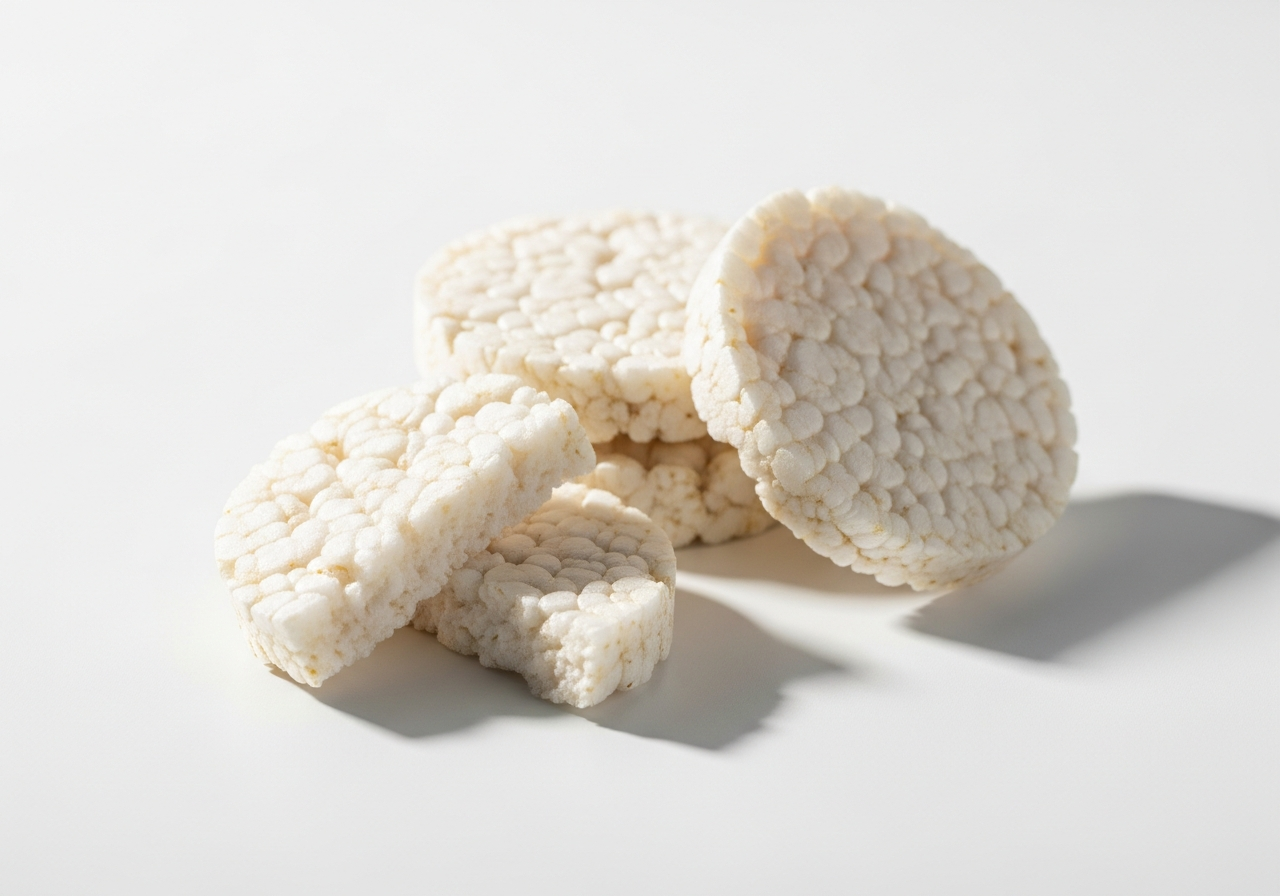
As expert nutrition writers and chefs at JustMacrosFit, we're dedicated to bringing you comprehensive, science-backed insights into the foods you love. Today, we're peeling back the layers on a pantry staple that has often been misunderstood in the world of health and fitness: rice cakes. These seemingly simple, puffed discs hold a unique place in various dietary strategies, from quick snacks to structured meal plans. We're here to provide a detailed look into their macros, nutrition, and how to effectively integrate them into your diet for optimal health and fitness goals.
Quick Answer
Plain rice cakes are primarily a source of carbohydrates, offering a quick energy boost with minimal fat and protein. A typical plain rice cake (around 9 grams) contains approximately 35-45 calories, with about 7-9 grams of carbohydrates, less than 1 gram of protein, and negligible fat and fiber. Their low calorie count per serving makes them a versatile base, but we always emphasize pairing them with protein and healthy fats to create a more balanced and satisfying snack.
Detailed Nutrition Facts
When we delve into the complete nutritional profile of plain rice cakes, we find they are largely a carbohydrate-centric food. For every 100 grams, plain rice cakes generally provide around 380-387 calories. The macro breakdown per 100g typically looks like this:
Hero Nutrients (Per 100g, approximate):
* Calories: 380-387 kcal
* Carbohydrates: 76-82 grams
* Protein: 8-9 grams
* Total Fat: 2-3 grams
* Fiber: 1-4 grams
However, it is crucial to consider the common serving size, which is typically one rice cake, weighing approximately 9 grams. One plain brown rice cake offers:
Hero Nutrients (Per 1 Plain Brown Rice Cake, ~9g):
* Calories: 35-45 kcal
* Carbohydrates: 7-9 grams
* Protein: 0.7-1 gram
* Fat: 0-0.3 grams
* Fiber: 0-0.5 grams
In terms of micronutrients, while not a powerhouse, plain brown rice cakes contribute small to moderate amounts of essential minerals. They can provide a decent source of manganese (up to 15% of the Daily Value per cake), which is vital for bone health and metabolism. Other trace minerals include niacin, pantothenic acid, selenium, magnesium, phosphorus, copper, and zinc. Sodium content can vary depending on whether the rice cakes are salted; checking the nutrition facts panel is always recommended.
Compared to similar foods, rice cakes are often chosen as a lower-calorie alternative to bread or crackers. However, it is important to note that ounce-for-ounce, rice cakes can sometimes contain more calories than white bread and a similar amount to saltine crackers. The perception of them being "lighter" often comes from their airy volume. While a slice of whole-grain bread (28 grams) might have around 69 calories, two rice cakes (18 grams) would have about 70 calories, meaning the calorie savings per gram are minimal, and you'd miss out on the fiber and other nutrients often found in whole-grain bread.
Health Benefits
Rice cakes, particularly those made from whole-grain brown rice, offer several health benefits, though their utility is maximized when consumed mindfully.
One of the primary advantages is their low calorie count per serving, making them an excellent tool for portion control in a calorie-conscious diet. For individuals aiming for weight loss, they can serve as a crunchy base for more nutrient-dense toppings without significantly increasing overall calorie intake.
Rice cakes are also naturally gluten-free, making them a safe and suitable snack alternative for individuals with gluten sensitivity or celiac disease. This offers a versatile option for those seeking wheat-free snacks.
For athletes or those needing quick fuel, rice cakes are predominantly carbohydrates, providing a readily available source of energy. This makes them an ideal pre-workout snack, offering easily digestible carbs to fuel exercise. Post-workout, they can aid in rapid glycogen replenishment, especially when paired with protein.
However, it's crucial to acknowledge that plain rice cakes are low in fiber and protein. These are key nutrients for satiety and stable blood sugar levels. Eating rice cakes alone, due to their high glycemic index (around 82), can lead to rapid blood sugar spikes followed by a crash, potentially causing increased hunger and cravings. Therefore, we strongly recommend pairing them with sources of protein and fiber, such as nut butter, avocado, or hummus, to mitigate this effect and enhance satiety.
Who should eat this food and when?
Rice cakes are particularly beneficial for:
* Athletes: As a quick source of carbohydrates before or after workouts.
* Individuals managing weight: When used as a low-calorie base for nutrient-rich snacks, helping with portion control.
* Those with gluten sensitivities: A safe and convenient gluten-free cracker alternative.
* Anyone needing a light, easily digestible snack: When paired with protein and fiber, they can be a satisfying option between meals.
How to Track Macros
Accurate macro tracking is fundamental to achieving your health and fitness goals, and rice cakes are no exception. While they may seem straightforward, portion measurement is key.
Portion Measurement Tips:
Most plain rice cakes are relatively consistent in size and weight, typically around 9 grams per cake. This makes tracking quite simple. We recommend:
* Counting: For individual rice cakes, simply count the number you consume.
* Weighing (for precision): If you're using broken pieces or a different brand, weighing them on a kitchen scale will give you the most accurate macro count. Always refer to the product's nutrition label for precise information, as calorie and macro content can vary slightly between brands and whether they are made from white or brown rice, or have added flavors.
Using Macro Tracking Apps:
Apps like JustMacrosFit make macro tracking effortless. You can typically:
1. Search: Look up "rice cake, plain" or "brown rice cake" in the app's database.
2. Scan: Many apps allow you to scan the barcode on the rice cake packaging for instant nutrition information.
3. Log: Enter the number of rice cakes consumed or the weight in grams.
Common serving sizes for plain rice cakes are usually 1 or 2 cakes, which would typically equate to 35-80 calories and 7-18 grams of carbohydrates. Remember that toppings will significantly alter the total macros, so track those diligently as well.
Meal Ideas & Preparation
Rice cakes are incredibly versatile, serving as a blank canvas for both savory and sweet creations. The key to maximizing their nutritional value and satiety is to pair them with protein, healthy fats, and fiber.
Breakfast Ideas:
* Nut Butter & Banana Boost: Spread 1-2 tablespoons of almond or peanut butter on a rice cake, top with sliced banana, and a sprinkle of cinnamon or chia seeds. This provides healthy fats, protein, and extra fiber.
* Avocado & Egg Power: Mash ¼ of an avocado onto a rice cake, add a sliced hard-boiled or fried egg, and season with "Everything Bagel" seasoning or a pinch of salt and pepper. This is a fantastic blend of healthy fats and protein to kickstart your day.
* Greek Yogurt & Berries: Spread plain Greek yogurt (a good protein source) on a rice cake, then top with fresh berries for natural sweetness and antioxidants.
Lunch & Dinner Ideas (Light Meals/Snacks):
* Hummus & Veggie Delight: Layer hummus with sliced cucumber, bell peppers, or tomatoes for a fiber-rich and satisfying savory option.
* Tuna Salad Crunch: Mix canned tuna with a touch of Greek yogurt or a light mayo, and pile it onto a rice cake with a lettuce leaf. This is a quick protein-packed mini-meal.
* Turkey & Cheese Stack: Top with lean turkey slices and a slice of low-fat cheese or cottage cheese for a quick protein boost.
Meal Prep Tips:
* Separate Components: To prevent sogginess, always store rice cakes and their toppings separately.
* Portion Out Toppings: Pre-portion nut butters, hummus, or cheese into small containers for quick assembly.
* Wash and Chop Veggies: Have your vegetables pre-washed and chopped, ready to grab and layer.
Cooking Methods that Preserve Nutrients:
Since rice cakes are already "cooked" (puffed), there's no traditional cooking involved. The key is in how you select and prepare your toppings. Opt for fresh, whole ingredients to maximize nutrient intake. If you're warming toppings like roasted vegetables or lean protein, use methods that retain nutrients, such as steaming, baking, or light sautéing.
For Weight Loss
Rice cakes can be a valuable tool in a weight loss strategy when used correctly. We've seen many clients mistakenly believe that eating plain rice cakes endlessly will lead to success, only to find themselves hungry and unsatisfied.
Why it's good for weight loss (when used wisely):
* Low Calorie Base: With approximately 35-45 calories per cake, they offer a low-calorie, crunchy foundation. This allows for a satisfying "crunch" sensation without a high caloric cost.
* Portion Control: Their individual size naturally promotes portion awareness, helping to prevent overconsumption often associated with higher-calorie snacks.
* Versatile "Vehicle": Rice cakes excel as a vehicle for more satiating and nutrient-dense toppings. The problem isn't the rice cake itself, but what's missing from it when eaten alone.
Portion recommendations:
We recommend sticking to 1-2 plain rice cakes per snack or mini-meal. The real magic happens with what you add.
Pairing suggestions for weight loss:
To ensure satiety and avoid the blood sugar spikes that can lead to cravings, always pair rice cakes with:
* Lean Protein: Cottage cheese, Greek yogurt, sliced turkey, hard-boiled eggs, or tuna. Protein is crucial for fullness and preserving muscle mass during weight loss.
* Healthy Fats: Avocado, nut butter (in measured portions), or a few olives. Fats help slow digestion and increase satisfaction.
* Fiber-Rich Foods: Sliced fruits, vegetables like cucumber or bell peppers, or chia seeds. Fiber adds bulk and helps stabilize blood sugar.
For example, a rice cake topped with a tablespoon of peanut butter and a few berries provides a better balance of macros and will keep you feeling fuller for longer than a plain rice cake alone.
For Muscle Gain
For those in a muscle gain phase, or "bulking," rice cakes can be a strategic component of your nutrition plan, particularly around workouts. They are predominantly simple carbohydrates, making them excellent for providing quick energy.
Protein content benefits (indirect):
While rice cakes themselves are low in protein (around 1 gram per cake), they serve as an ideal base to add protein-rich toppings. During muscle gain, meeting high protein targets is essential, and rice cakes facilitate this by being a flexible accompaniment.
Pre/post-workout timing:
* Pre-Workout: Consuming 2-3 plain rice cakes 30-60 minutes before a workout can provide readily available glucose to fuel intense training sessions. The easily digestible carbs help spare muscle glycogen and provide sustained energy without weighing you down.
* Post-Workout: Immediately after a workout, rice cakes are excellent for quickly replenishing muscle glycogen stores, especially when combined with a fast-digesting protein source like whey protein. This combination is crucial for initiating muscle repair and recovery.
Bulking meal ideas:
* Protein-Packed Spread: Top 2-3 rice cakes with a generous serving of nut butter (peanut, almond, cashew) and a scoop of protein powder mixed into a thick spread. Add sliced fruit like bananas for extra carbs and micronutrients.
* Savory & Substantial: Layer rice cakes with lean ground meat (turkey or beef) and a slice of cheese, or with cottage cheese and a drizzle of honey.
* Jam and Go: For a rapid carb hit, spread fruit jam (opt for lower sugar varieties if possible) on a few rice cakes, especially post-workout. Bodybuilders often utilize this for quick energy.
Remember, during a bulk, the goal is to be in a caloric surplus. While rice cakes are low in calories per individual cake, consuming several with calorie-dense, nutritious toppings can help you reach your macro targets effectively.
Comparisons
Understanding how rice cakes stack up against other common foods can help you make informed dietary choices.
vs. Similar Foods:
* Rice Cakes vs. Bread: Plain rice cakes are generally lower in calories per single serving than a slice of bread. However, bread, especially whole-grain varieties, often offers more fiber and a broader range of micronutrients. Per gram, rice cakes can actually be more calorie-dense than whole-grain bread. Bread tends to provide more sustained energy and satiety due to its fiber and protein content.
* Rice Cakes vs. Crackers: Similar to bread, plain rice cakes are often lower in calories than many types of crackers. However, some traditional rice crackers may contain more additives, oils, or sugars, while plain rice cakes are more neutral. Rice crackers can be made from ground rice or flour and are often seasoned, resulting in a denser, crunchier texture compared to the puffed lightness of rice cakes.
* Rice Cakes vs. Oats: Oats are a whole grain and a significant source of complex carbohydrates, fiber (especially soluble fiber like beta-glucan), and protein. They offer more sustained energy release and greater satiety compared to rice cakes. While rice cakes provide quick carbs, oats are superior for overall nutrient density and digestive health.
Best Alternatives:
If you're seeking alternatives with similar functions but different nutritional profiles, consider:
* Whole-grain crackers or crispbreads: These often provide more fiber and can be a good source of complex carbohydrates.
* Popcorn cakes: Similar airy texture, often made from corn.
* Almond flour crackers: A good grain-free, lower-carbohydrate option for those limiting carb intake.
* Homemade baked sweet potato slices: A nutrient-dense, complex carbohydrate alternative that can also serve as a base for toppings.
When to choose each:
* Choose Rice Cakes: For quick pre- or post-workout energy, a low-calorie crunchy base for snacks, or if you require a gluten-free option.
* Choose Bread (whole-grain): When you need more fiber, a broader range of micronutrients, or a more satiating and long-lasting energy source for general meals.
* Choose Crackers (whole-grain): For a slightly more dense crunch and potentially more flavor variety, but be mindful of added ingredients.
* Choose Oats: For a highly nutritious, fiber-rich, and complex carbohydrate source, especially for breakfast or sustained energy.
FAQs
Here, we address some of the most common questions our community asks about rice cakes.
Q1: Are rice cakes a good source of protein?
A: No, plain rice cakes are not considered a high-protein food. A single plain rice cake typically contains less than 1 gram of protein. We always recommend pairing them with protein-rich toppings to create a more balanced snack.
Q2: Can I eat rice cakes on a keto diet?
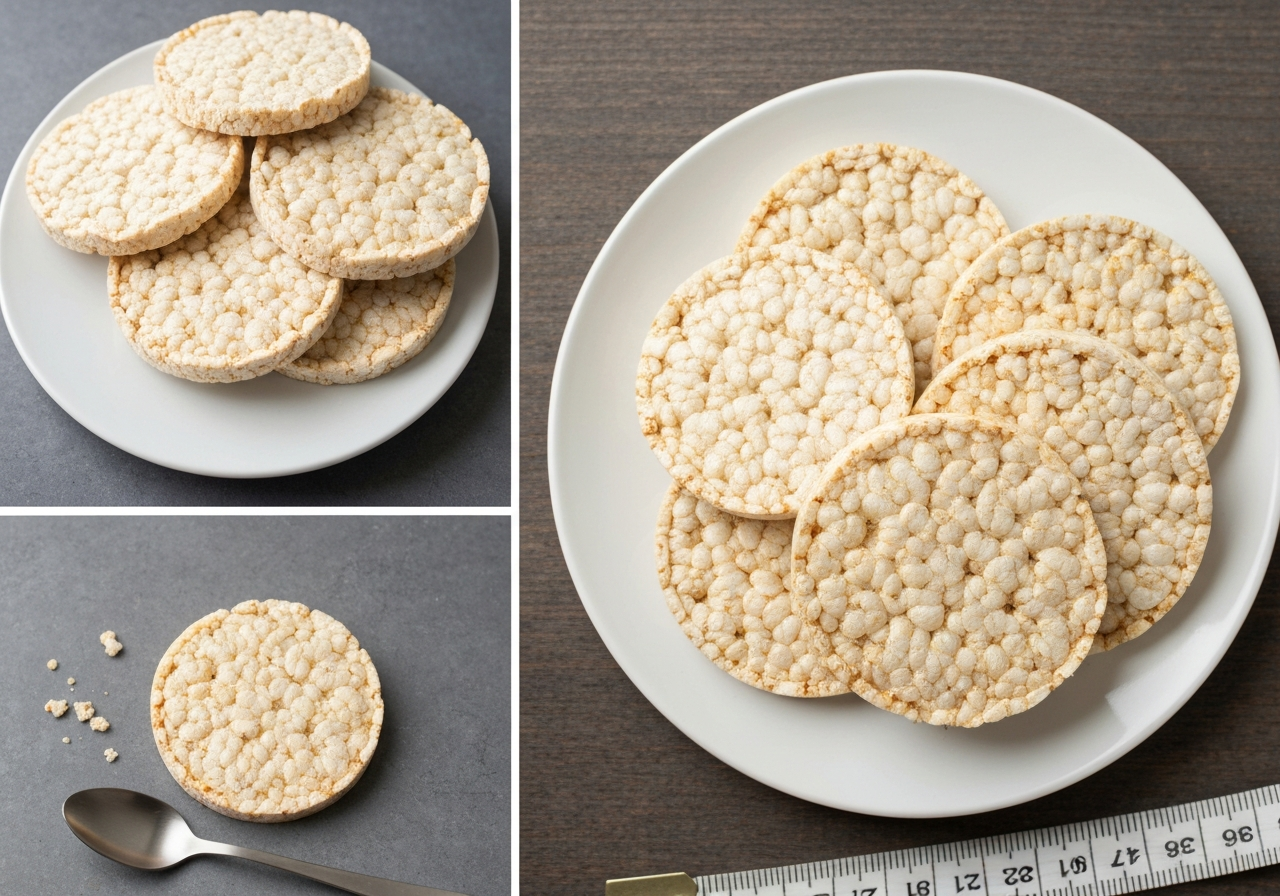
A: Generally, no, rice cakes are not suitable for a ketogenic (keto) diet. They are primarily composed of carbohydrates, with one average-sized rice cake containing about 7 grams of carbs. This can quickly exceed the daily carbohydrate limit for ketosis.
Q3: What is the recommended serving size for rice cakes?
A: The recommended serving size is typically 1-2 plain rice cakes, especially when used as part of a balanced snack with added protein and fiber. Always check the specific product's nutrition label for precise serving information.
Q4: Are rice cakes healthy, or should I avoid them?
A: Rice cakes can be a healthy part of your diet if consumed in moderation and paired with nutritious toppings. They are low in calories and fat, and naturally gluten-free. However, when eaten alone, their low fiber and protein content and high glycemic index can lead to blood sugar spikes and quick hunger. The key is mindful consumption and strategic pairing.
Q5: How do rice cakes compare to bread as a snack?
A: Rice cakes are lighter and lower in calories per piece than most bread slices. However, many types of bread, particularly whole-grain varieties, offer more fiber and nutrients, contributing to greater satiety. While rice cakes offer a light, crunchy snack, bread often provides more long-lasting energy.
Q6: Can rice cakes help with weight loss?
A: Yes, rice cakes can support weight loss when used as a low-calorie base for balanced, protein- and fiber-rich snacks. Their individual size aids in portion control. However, eating them plain and alone is unlikely to be effective, as they don't provide significant satiety.
Q7: What are some healthy topping ideas for rice cakes?
A: The possibilities are endless! For savory, try hummus and sliced veggies, avocado and a hard-boiled egg, cottage cheese with herbs, or tuna salad. For sweet, consider nut butter with fruit slices (banana, berries), Greek yogurt and cinnamon, or a light cream cheese spread.
Track Rice Cakes easily with JustMacrosFit - your free macro tracking app.