Potato Pancakes: Complete Macros & Nutrition Guide
Complete macro and nutrition guide for Potato Pancakes. Learn calories, protein, carbs, fat per serving plus meal ideas and tracking tips.
Table of Contents
- Quick Answer
- Detailed Nutrition Facts
- Complete Macro Breakdown
- Micronutrients
- Serving Size Considerations
- Comparison to Similar Foods
- Health Benefits
- Primary Benefits
- Who Should Eat This Food
- When to Eat It
- How to Track Macros
- Portion Measurement Tips
- Using Macro Tracking Apps
- Common Serving Sizes
- Meal Ideas & Preparation
- Breakfast, Lunch, Dinner Ideas
- Meal Prep Tips
- Cooking Methods That Preserve Nutrients
- For Weight Loss
- Why It's Good for Weight Loss
- Portion Recommendations
- Pairing Suggestions
- For Muscle Gain
- Protein Content Benefits
- Pre/Post Workout Timing
- Bulking Meal Ideas
- Comparisons
- Vs. Similar Foods
- Best Alternatives
- When to Choose Each
- FAQs
- Q1: Are potato pancakes healthy?
- Q2: What is the main macro in potato pancakes?
- Q3: Can I eat potato pancakes if I'm trying to lose weight?
- Q4: How many calories are in one potato pancake?
- Q5: Are potato pancakes a good source of protein?
- Q6: How can I store leftover potato pancakes?
- Q7: What are some healthier topping options?
Potato Pancakes Macros: Complete Nutrition Guide
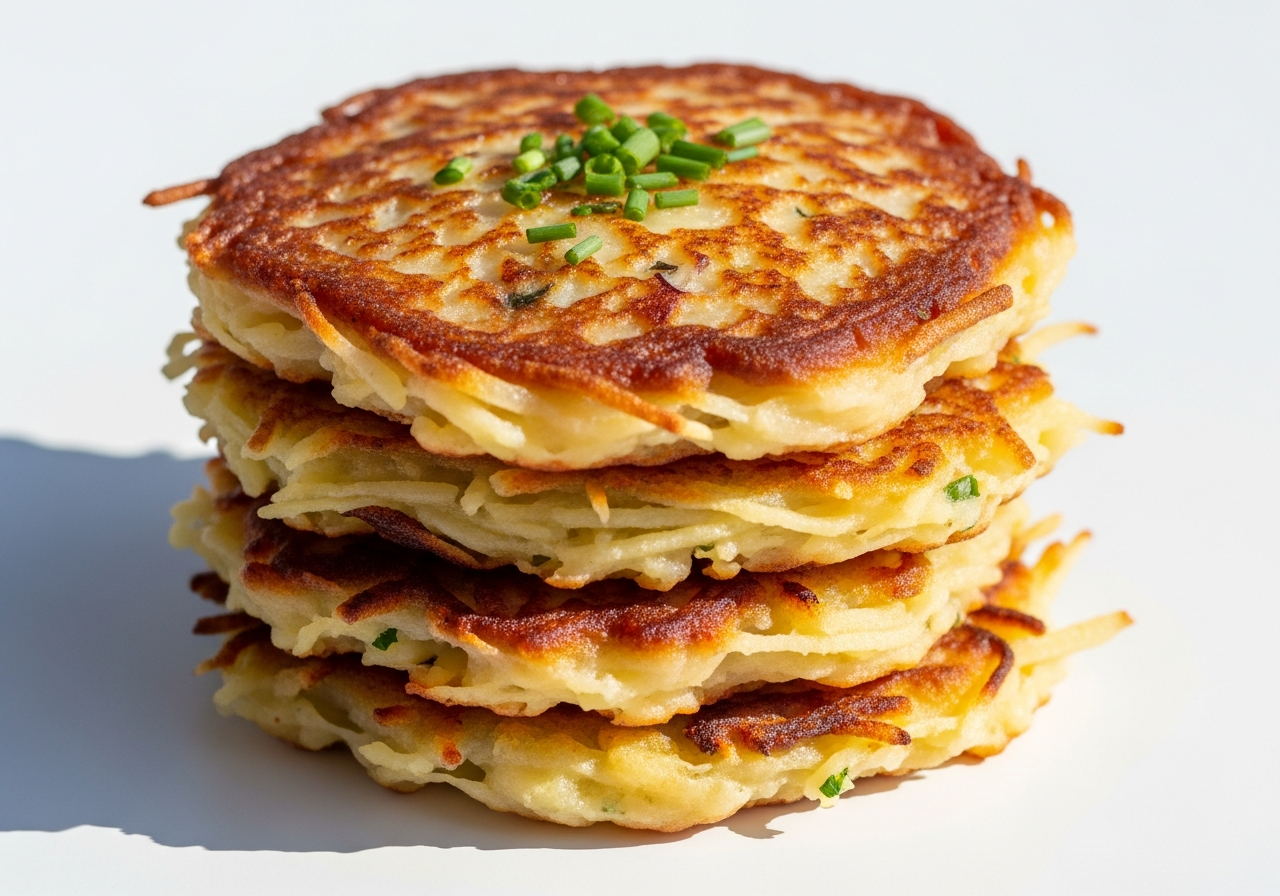
Potato pancakes, a beloved comfort food across many cultures, are more than just a crispy, golden delight. Often enjoyed for breakfast, brunch, or as a savory side, these humble discs of grated potato hold a surprisingly diverse nutritional profile. As seasoned nutrition coaches and culinary experts at JustMacrosFit, we're here to peel back the layers and reveal the complete macros and nutrition facts of potato pancakes, helping you understand how they fit into your health and fitness journey.
Quick Answer
A 100g serving of traditionally pan-fried potato pancakes typically provides approximately 268 calories, with a macro breakdown of around 27.8g carbohydrates, 14.8g fat, and 6.1g protein. Beyond their satisfying carb and fat content, potato pancakes are notable for offering a good source of potassium and Vitamin C, crucial for overall health.
Detailed Nutrition Facts
When we delve deeper into the nutrition facts of potato pancakes, we uncover a profile that’s highly dependent on ingredients and preparation methods. Our analysis focuses on a standard preparation, typically involving grated potatoes, egg, flour or matzo meal as a binder, onion, and frying in oil.
Hero Nutrients per 100g (Approximate, Traditional Preparation):
* Calories: 268 kcal
* Carbohydrates: 27.8g
* Protein: 6.1g
* Fat: 14.8g
Let's break down the macro and micronutrient composition:
Complete Macro Breakdown
- Carbohydrates: At approximately 27.8g per 100g, carbohydrates are a primary energy source in potato pancakes. The majority of these come from the potatoes themselves, which are rich in starch. Notably, about 3.3g of this carbohydrate content is dietary fiber, contributing to digestive health and satiety. The net carbs, crucial for those monitoring intake, would be around 24.5g per 100g.
- Protein: While not a primary protein source, potato pancakes offer a modest 6.1g of protein per 100g, largely from the eggs and a small contribution from the potatoes. This amount can still contribute to your daily protein goals, especially when paired with other protein-rich foods.
- Fat: The fat content, averaging around 14.8g per 100g, is largely influenced by the frying process. This includes both saturated and unsaturated fats, depending on the type of oil used. For instance, pan-frying in vegetable oil will contribute significantly to the fat content.
Micronutrients
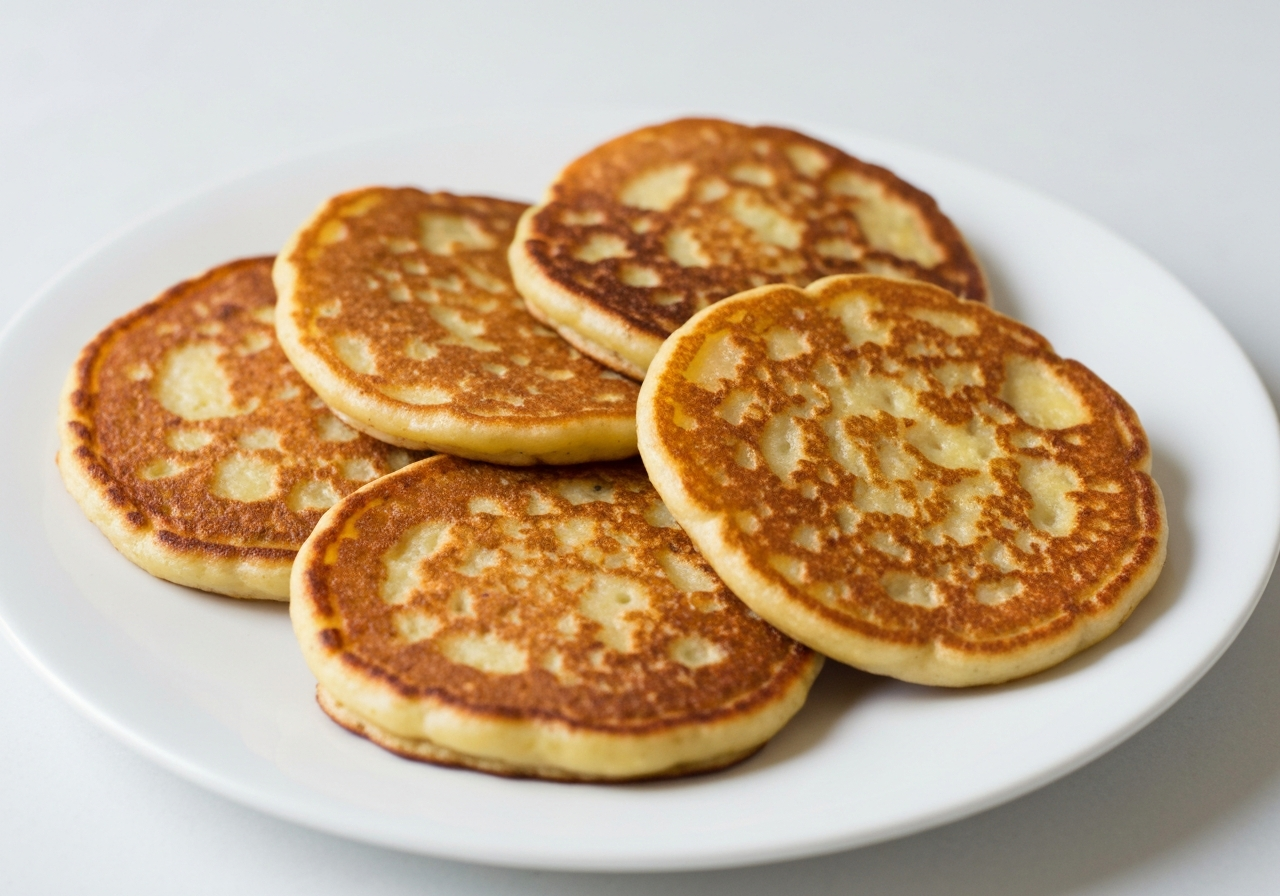
Potatoes are naturally rich in several essential vitamins and minerals, many of which are retained in potato pancakes:
- Potassium: A standout nutrient, potato pancakes are an excellent source of potassium, offering around 622mg per 100g. Potassium is vital for blood pressure regulation, fluid balance, and muscle function.
- Vitamin C: We find approximately 28mg of Vitamin C per 100g, an important antioxidant that supports immune function and skin health.
- Vitamin B6: With about 0.45mg per 100g, potato pancakes contribute to your intake of Vitamin B6, which plays a role in metabolism and brain development.
- Iron: These savory delights provide around 1.7mg of iron per 100g, essential for oxygen transport in the blood.
- Magnesium and Phosphorus: Also present are magnesium (around 36mg) and phosphorus (around 128mg), both critical for bone health and energy production.
- Sodium: Due to added salt, sodium content can be considerable, around 764mg per 100g, an important factor for those monitoring sodium intake.
Serving Size Considerations
A common serving size for potato pancakes can vary significantly, from a single small pancake (around 22-37g) to two or three medium ones (70g-100g or more). For instance, a medium potato pancake (approximately 37g) can provide around 99 calories. When tracking macros, it’s crucial to be mindful of the actual weight and size of your serving, as caloric and macro content can quickly accumulate.
Comparison to Similar Foods
Compared to a plain boiled potato, potato pancakes are significantly higher in calories and fat due to the added ingredients like oil, eggs, and flour. They also tend to be higher in fat and sometimes lower in protein than a traditional hash brown, which is typically just shredded potato fried with less binding agent. Regular flour-based pancakes, while also fried, generally have a different macro profile, often with more sugar and less fiber.
Health Benefits
Beyond their delicious taste, potato pancakes can offer several health benefits when consumed mindfully.
Primary Benefits
- Energy Provision: Rich in complex carbohydrates, potato pancakes provide a sustained release of energy, making them an excellent choice for fueling your day or recovering post-workout. The starch from potatoes is a readily available glucose source for your body.
- Satiety and Digestive Health: The dietary fiber, particularly from unpeeled potatoes, contributes to a feeling of fullness, which can aid in weight management by reducing overall calorie intake. Fiber also supports a healthy digestive system.
- Micronutrient Boost: As we've highlighted, they deliver essential micronutrients like potassium, vital for heart health and nerve function, and Vitamin C, an immune booster and collagen producer. Vitamin B6 also plays a role in mood regulation and red blood cell formation.
Who Should Eat This Food
Potato pancakes can be a great addition to the diet for a variety of individuals:
- Active Individuals: Athletes and those with high energy demands can benefit from the readily available carbohydrates to fuel their activities.
- Individuals Seeking Satiety: The combination of carbs, fiber, and fat can help promote a feeling of fullness, which is beneficial for managing hunger.
- Those Looking for Nutrient-Dense Comfort Food: When prepared with quality ingredients and mindful cooking methods, potato pancakes offer a comforting meal that still provides valuable nutrients.
When to Eat It
The versatility of potato pancakes allows them to be enjoyed at various times:
- Breakfast or Brunch: Traditionally, they're a popular breakfast or brunch item, providing a hearty start to the day.
- Pre-Workout Fuel: The complex carbohydrates can offer sustained energy for longer workouts if consumed a couple of hours beforehand.
- Post-Workout Recovery: Paired with a lean protein source, the carbohydrates help replenish glycogen stores while the protein aids in muscle repair.
- Savory Side Dish: They can serve as a delicious and filling side dish to a main meal, complementing lean proteins and vegetables.
How to Track Macros
Accurate macro tracking is key to achieving your fitness and nutrition goals. When it comes to potato pancakes, a dish where preparation can vary widely, precision is even more important.
Portion Measurement Tips
To accurately track your potato pancake macros, consider these tips:
- Weigh, Don't Guess: The most precise method is to weigh your portion in grams using a food scale. This eliminates the variability of "small," "medium," or "large" pancakes.
- Recipe-Specific Tracking: If you're making them from scratch, calculate the macros for the entire batch and then divide by the number of pancakes or the total weight to get per-serving data. Account for the oil absorbed during frying.
- Measure Ingredients: If a recipe provides ingredient weights, you can input these into a macro tracking app for a more accurate estimation of your homemade batch.
Using Macro Tracking Apps
Apps like JustMacrosFit are invaluable tools for tracking your intake. Here’s how to make the most of it for potato pancakes:
- Search Database: Start by searching our extensive database for "potato pancakes" or "latkes." You may find entries for homemade, generic, or even specific brands.
- Verify Data: Always cross-reference the app's data with the preparation style of your potato pancakes. If you know how they were made (e.g., pan-fried, baked, specific ingredients), choose the entry that most closely matches.
- Custom Entry: If you prepare your own, create a custom food entry in the app. Input the total ingredients and cooking oil used, then specify your serving size by weight. This provides the most accurate nutrition facts for your unique recipe.
Common Serving Sizes
While we advocate for weighing, common serving sizes can offer a quick reference:
- Small Pancake (approx. 22-37g): Roughly 59-99 calories, with proportionally lower macros.
- Medium Pancake (approx. 70g): Roughly 137-200 calories, providing a more substantial macro contribution.
- Two Medium Pancakes (approx. 140g): This can easily push you into the 200-400 calorie range, with corresponding increases in carbohydrates and fats.
Being aware of these variations helps you make informed choices, especially when you can't weigh your food.
Meal Ideas & Preparation
As veteran nutrition coaches and chefs, we know that variety is the spice of life, and that extends to how you enjoy your potato pancakes. Beyond traditional frying, there are myriad ways to prepare and incorporate them into balanced meals that align with your macros.
Breakfast, Lunch, Dinner Ideas
- Breakfast Power-Up: Serve baked potato pancakes with scrambled egg whites or a fried egg, a sprinkle of fresh chives, and a side of lean turkey bacon. For a sweet and savory twist, a small dollop of plain Greek yogurt (a great sour cream alternative for added protein) and a spoonful of unsweetened applesauce can be delightful.
- Lunch Revamp: Create a "latke salad" by topping a couple of air-fried potato pancakes with a vibrant mixed green salad, grilled chicken or salmon, and a light vinaigrette. The pancakes add a satisfying carb component to a protein-rich and veggie-packed meal.
- Dinner Delight: Pair potato pancakes with a lean protein like pan-seared pork tenderloin or roasted chicken breast, alongside a generous portion of steamed green beans or asparagus. This provides a balanced meal with complex carbs, protein, and essential micronutrients.
Meal Prep Tips
Potato pancakes are surprisingly meal-prep friendly, making them a convenient option for busy weeks.
- Batch Cook and Freeze: Prepare a large batch and let them cool completely. Layer them between parchment paper in an airtight container or freezer bag. They can be frozen for several weeks and reheated as needed.
- Pre-Shred Potatoes: To save time on cooking day, you can grate potatoes and onions ahead of time. Remember to thoroughly squeeze out excess moisture and store them in an airtight container in the refrigerator for up to 1-2 days to prevent browning.
- Portion Control: Once cooked, divide your potato pancakes into individual serving sizes for easy grab-and-go meals or sides, making macro tracking a breeze throughout the week.
Cooking Methods That Preserve Nutrients
While traditional pan-frying is delicious, we, as your nutrition coaches, often recommend alternative cooking methods to reduce fat content and enhance the overall health profile.
- Baking: Baking offers a lighter version with significantly less added fat. Preheat your oven to 400°F (200°C), lightly grease a baking sheet, and bake until golden and crispy, flipping halfway through. This method reduces overall calories and fat.
- Air Frying: The air fryer is a game-changer for achieving crispiness with minimal oil. Lightly spray your potato pancakes with cooking spray and air fry at 375°F (190°C) for about 10-15 minutes, flipping once, until golden and cooked through. This method helps maintain the integrity of heat-sensitive vitamins like Vitamin C, while dramatically cutting down on fat.
- Minimal Oil Pan-Frying: If you prefer the pan-fried method, use a non-stick skillet and just enough high-smoke-point oil (like avocado or grapeseed oil) to coat the bottom, rather than deep-frying. This still offers a crispy texture without excessive oil absorption.
For Weight Loss
For those on a weight loss journey, potato pancakes can absolutely fit into your plan, provided you make smart choices regarding preparation and portion sizes. We believe no food is inherently "bad," it's all about how it fits into your overall macros and calories.
Why It's Good for Weight Loss
- Satiety from Fiber and Carbs: Potatoes, the primary ingredient, are highly satiating due to their complex carbohydrate content and fiber. Eating filling foods helps reduce overall calorie intake by keeping hunger at bay. The fiber also aids in stable blood sugar levels, preventing energy crashes and subsequent cravings.
- Energy for Activity: Providing a good source of energy, potato pancakes can fuel your workouts and daily activities, supporting a more active lifestyle, which is crucial for weight loss.
- Nutrient Density: Despite their bad rap when deep-fried, potatoes are nutrient-dense, offering potassium and Vitamin C, which are important for metabolic health and general well-being during a deficit.
Portion Recommendations
When aiming for weight loss, portion control is paramount:
- Focus on One or Two: Instead of a large stack, opt for one or two medium-sized potato pancakes (around 70-140g) per serving. This keeps the calories and fat in check, typically in the 150-300 calorie range for the pancakes themselves.
- Baked or Air-Fried: Prioritize baking or air frying over pan-frying to significantly reduce the added fat and calories. This simple swap can make a huge difference in your macros.
- Mindful Toppings: Be wary of high-calorie toppings like full-fat sour cream or excessive butter. Opt for lighter alternatives like plain Greek yogurt, unsweetened applesauce, or a sprinkle of fresh herbs.
Pairing Suggestions
To create a balanced, weight loss-friendly meal, pair your potato pancakes with:
- Lean Protein: Combine with a generous serving of lean protein such as grilled chicken breast, baked cod, cottage cheese, or egg whites to boost satiety and support muscle mass during weight loss.
- Abundant Vegetables: Load up on non-starchy vegetables like a large mixed green salad, steamed broccoli, or roasted bell peppers. These add volume, fiber, and micronutrients with minimal calories, enhancing the overall nutritional value of your meal.
For Muscle Gain
For those focusing on muscle gain, potato pancakes can be a valuable component of a bulking diet, offering readily available carbohydrates and a good base for adding protein and healthy fats.
Protein Content Benefits
While potato pancakes themselves are not a high-protein food (around 6.1g per 100g), the carbohydrates they provide are excellent for:
- Glycogen Replenishment: Post-workout, the complex carbohydrates are crucial for replenishing muscle glycogen stores, which is essential for recovery and future performance.
- Spiking Insulin: The carbohydrate content can help create an insulin spike, which assists in shuttling nutrients, including amino acids, into muscle cells for repair and growth.
Pre/Post Workout Timing
- Pre-Workout: Consume potato pancakes 2-3 hours before a workout to provide sustained energy. Pair them with a moderate amount of protein to prevent muscle breakdown during intense exercise.
- Post-Workout: Within 30-60 minutes after your workout, combine potato pancakes with a high-quality protein source (e.g., whey protein shake, chicken breast, lean beef) to optimize muscle protein synthesis and glycogen replenishment. The faster-digesting carbs in potato pancakes can be beneficial here.
Bulking Meal Ideas
- Hearty Breakfast: Enjoy a larger portion of potato pancakes (3-4 medium) with several whole eggs or egg whites, a side of lean sausage, and perhaps some avocado for healthy fats.
- Post-Workout Power Plate: Serve 2-3 potato pancakes with a generous portion of grilled steak or salmon, and a side of roasted sweet potatoes or quinoa to further boost complex carbohydrate intake.
- Balanced Dinner: Combine potato pancakes with slow-cooked shredded chicken or beef, a creamy sauce made with Greek yogurt, and a side of hearty root vegetables for a nutrient-dense, calorie-rich meal. Incorporate healthy fats like olive oil or avocado into the meal to reach your desired macro targets.
Comparisons
Understanding how potato pancakes stack up against similar foods helps us make informed dietary choices for our specific goals.
Vs. Similar Foods
- Hash Browns: Often seen as a close cousin, hash browns are typically simpler, made mostly from shredded potatoes and seasoning, sometimes without a binding agent like egg or flour. This can make them slightly lower in calories and fat if prepared with minimal oil. However, the inclusion of egg and onion in potato pancakes often gives them a more complex flavor and a slightly denser, more cohesive texture.
- French Fries: While both are potato-based and often fried, French fries are typically deep-fried potato sticks. This usually results in a significantly higher fat and calorie content per serving compared to pan-fried potato pancakes. French fries also tend to have a lower fiber content depending on peeling.
- Regular Pancakes: Traditional flour-based pancakes are generally made with wheat flour, milk, eggs, and sugar. They tend to be higher in simple carbohydrates and sugars, and typically lower in fiber compared to potato pancakes, which derive most of their carbs from complex starches. The fat content can be comparable depending on frying.
Best Alternatives
If you're looking for alternatives that offer similar textures or flavors with different macro profiles, consider:
- Sweet Potato Fritters: Swapping russet potatoes for sweet potatoes introduces more Vitamin A and a different flavor profile, often with a slightly higher natural sugar content but still rich in complex carbohydrates and fiber.
- Cauliflower Fritters: For a lower-carb option, cauliflower fritters can mimic the texture of potato pancakes while significantly reducing carbohydrate content. They are also packed with Vitamin C and K.
- Baked Potato Wedges: If you're craving potatoes but want to minimize fat, simply baking potato wedges with herbs and spices provides the complex carbohydrates and nutrients of potatoes without the added oil from frying.
When to Choose Each
- Choose Potato Pancakes when: You desire a comforting, hearty meal with a good balance of complex carbohydrates, moderate protein, and the satisfying texture of a pan-fried dish. They are excellent for energy replenishment and a good source of certain micronutrients.
- Choose Hash Browns when: You prefer a simpler potato flavor and potentially a slightly lighter side dish, often with less binding agent, though still delicious when cooked crispy.
- Choose French Fries when: You occasionally indulge in a higher-fat, crispy treat. We recommend moderation and pairing them with a nutrient-dense meal to balance your intake.
- Choose Regular Pancakes when: You're looking for a traditional breakfast treat, often sweeter, and are comfortable with a higher simple carbohydrate and sugar profile.
FAQs
Here, we address some common questions we receive about potato pancakes and their nutritional impact.
Q1: Are potato pancakes healthy?
A1: Potato pancakes can be part of a healthy diet when consumed in moderation and prepared mindfully. While traditional pan-frying adds significant fat and calories, potatoes themselves offer complex carbohydrates, fiber, potassium, and vitamins C and B6. We recommend opting for baked or air-fried versions to reduce added fat.
Q2: What is the main macro in potato pancakes?
A2: The main macro in potato pancakes is carbohydrates, primarily from the potatoes' starch content. A 100g serving typically contains around 27.8g of carbohydrates.
Q3: Can I eat potato pancakes if I'm trying to lose weight?
A3: Yes, you can. The key is portion control and preparation. Opt for smaller servings (1-2 medium pancakes), and choose baking or air-frying over deep-frying to keep calories and fat lower. Pair them with lean protein and plenty of non-starchy vegetables to increase satiety and nutrient density.
Q4: How many calories are in one potato pancake?
A4: The calories in one potato pancake vary significantly by size and preparation. A small pancake (approx. 22g) can have around 59 calories, while a medium one (approx. 37g) may have about 99 calories. Larger or thicker pancakes, especially if pan-fried, will have more.
Q5: Are potato pancakes a good source of protein?
A5: No, potato pancakes are not considered a primary source of protein. A 100g serving typically contains around 6.1g of protein. While it contributes to your daily intake, we recommend pairing them with other protein-rich foods to meet your macro goals for muscle building or satiety.
Q6: How can I store leftover potato pancakes?
A6: Leftover potato pancakes can be stored in an airtight container in the refrigerator for 3-4 days. They can also be frozen for several weeks. Reheat them in a toaster oven, air fryer, or regular oven for best crispiness, rather than a microwave which can make them soggy.
Q7: What are some healthier topping options?
A7: Instead of high-fat sour cream, consider plain Greek yogurt, unsweetened applesauce, or cottage cheese. Fresh herbs like chives or dill, a sprinkle of black pepper, or a light sprinkle of nutritional yeast can also add flavor without excessive calories.
Track Potato Pancakes easily with JustMacrosFit - your free macro tracking app.