Gala Apples: Complete Macros & Nutrition Guide
Complete macro and nutrition guide for Gala Apples. Learn calories, protein, carbs, fat per serving plus meal ideas and tracking tips.
Table of Contents
- Quick Answer
- Detailed Nutrition Facts
- Health Benefits
- How to Track Macros
- Meal Ideas & Preparation
- For Weight Loss
- For Muscle Gain
- Comparisons
- FAQs
- 1. How many calories are in a Gala apple?
- 2. Are Gala apples good for weight loss?
- 3. How much fiber is in a Gala apple?
- 4. What is the best way to store Gala apples?
- 5. Can Gala apples be cooked?
- 6. Are Gala apples high in sugar?
- 7. What vitamins and minerals are found in Gala apples?
Gala Apples Macros: Complete Nutrition Guide
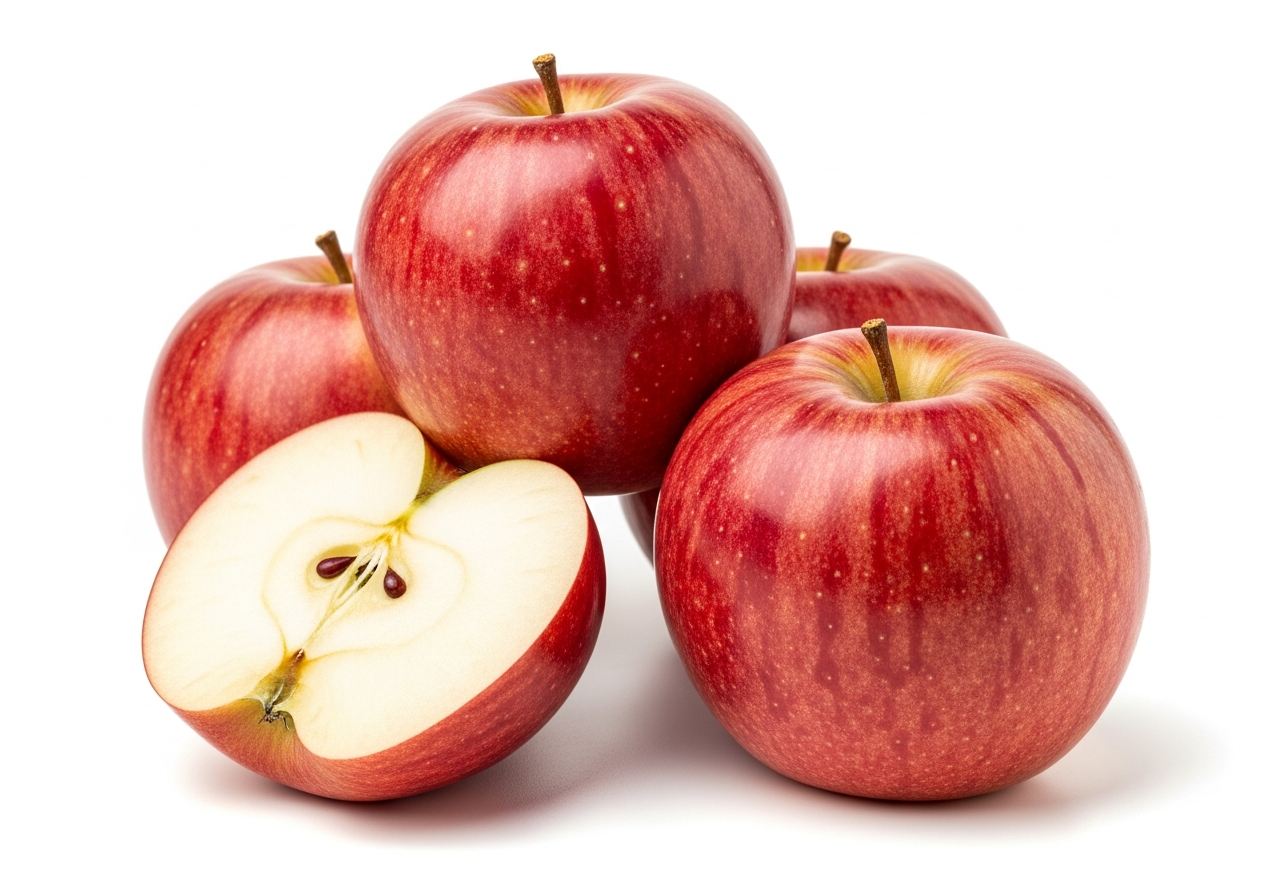
As expert nutrition writers and chefs at JustMacrosFit, we understand that every bite counts when it comes to optimizing your diet for health, performance, and body composition. Today, we turn our focus to a beloved fruit, the Gala apple, dissecting its macronutrient profile and comprehensive nutritional value. Often lauded for its crisp texture and sweet flavor, the Gala apple is more than just a tasty snack; it is a nutritional powerhouse that can seamlessly integrate into various dietary strategies.
Quick Answer
A 100-gram serving of Gala apple, with its skin, provides approximately 57 calories, comprised primarily of carbohydrates (around 14.9g, with 2.5g of dietary fiber and 11.3g of sugars), minimal protein (about 0.3g), and negligible fat (around 0.1g). Beyond its macros, the Gala apple is a notable source of dietary fiber and Vitamin C, alongside various potent antioxidants, contributing significantly to overall health and well-being.
Detailed Nutrition Facts
When we delve deeper into the nutritional composition of Gala apples, we discover a well-rounded profile that supports a healthy lifestyle. Understanding these nuances is key for precise macro tracking and informed dietary choices.
Macronutrient Breakdown (per 100g, raw, with skin):
* Calories: 57 kcal
* Total Carbohydrates: 14.9 g
* Dietary Fiber: 2.5 g
* Total Sugars: 11.3 g (comprising fructose, glucose, and sucrose)
* Protein: 0.3 g
* Total Fat: 0.1 g
This macro distribution highlights Gala apples as a predominantly carbohydrate-rich food, with a significant portion of those carbohydrates coming from natural sugars. However, the accompanying dietary fiber helps to moderate the impact of these sugars on blood glucose levels, promoting a more sustained energy release.
Micronutrients:
Gala apples offer a spectrum of essential micronutrients that contribute to our daily requirements. They are particularly recognized for:
* Vitamin C: An essential antioxidant that supports immune function and skin health. Gala apples provide a helpful boost of Vitamin C, with some sources indicating around 4.6 mg per 100g, contributing about 5% of the Recommended Daily Allowance.
* Potassium: Crucial for maintaining fluid balance, nerve signals, and muscle contractions. A 100g serving contains approximately 108-118 mg of potassium.
* Other Vitamins and Minerals: In smaller but meaningful amounts, Gala apples also supply Vitamin A, Vitamin K, several B vitamins (B1, B2, B6, folate), calcium, iron, magnesium, phosphorus, zinc, copper, and manganese.
Hero Nutrients: Gala apples are an excellent source of Dietary Fiber and Vitamin C, contributing to robust digestive health and a strong immune system.
Serving Size Considerations:
The nutritional content can vary based on the size of the apple:
* 100 grams (approx. a small apple or half a medium apple): As detailed above, around 57 calories.
* 1 medium Gala apple (approx. 172g): Typically contains about 80-98 calories, 22-23.6g carbohydrates, 4-5g fiber, and 16-17.9g sugar.
* 1 cup, sliced (approx. 109g): Offers about 62 calories, 14.9g carbohydrates, and 2.5g fiber.
When comparing Gala apples to similar fruits, they are generally among the lower-calorie apple varieties per 100g, making them an efficient choice for calorie-conscious individuals. For instance, Honeycrisp apples can be higher at 95 kcal per 100g, while Granny Smith apples are around 75 kcal per 100g.
Health Benefits
Integrating Gala apples into your diet offers a myriad of health benefits, supported by their unique blend of macronutrients and micronutrients. As nutrition coaches, we regularly recommend apples for their accessible and impactful contributions to well-being.
Primary Benefits:
* Digestive Health: Gala apples are rich in dietary fiber, including both soluble and insoluble types. Soluble fiber, particularly pectin, acts as a prebiotic, feeding beneficial gut bacteria and promoting a healthy gut microbiome. Insoluble fiber aids in regular bowel movements, preventing constipation and supporting overall digestive regularity.
* Heart Health: The fiber and potassium content in Gala apples are powerful allies for cardiovascular health. Fiber helps to reduce cholesterol levels, while potassium is vital for blood pressure regulation. Furthermore, Gala apples contain polyphenols, such as quercetin and catechin, concentrated in the peel. These antioxidants combat oxidative stress, which is a key factor in arterial damage and heart disease. Regular consumption can contribute to a lower risk of heart disease by reducing inflammation and improving cholesterol profiles.
* Weight Management: Gala apples are an excellent choice for those focused on weight management. Their low-calorie density and high fiber content contribute to satiety, helping you feel full and satisfied for longer, which can prevent overeating. Their high water content also aids in hydration, further supporting feelings of fullness.
* Immune Support: The presence of Vitamin C, a well-known antioxidant, plays a crucial role in strengthening the immune system, helping the body defend against infections and illnesses.
* Blood Sugar Management: Despite their natural sugar content, the fiber in Gala apples helps to slow down the absorption of sugar into the bloodstream, leading to a more gradual rise in blood glucose. This makes them a suitable fruit for maintaining stable blood sugar levels and can be beneficial for individuals managing blood sugar, especially given their low glycemic index of 36.
Who Should Eat This Food:
Gala apples are a beneficial addition to almost any diet. We recommend them for individuals looking to:
* Improve digestive regularity.
* Support heart health and manage cholesterol.
* Aid in weight management due to their satiating properties.
* Boost their daily intake of vitamins, minerals, and antioxidants.
* Maintain stable blood sugar levels.
When to Eat It:
Gala apples are incredibly versatile and can be enjoyed at various times throughout the day:
* Morning: Sliced into oatmeal, yogurt, or as a quick, energizing breakfast on the go.
* Mid-day Snack: A perfect pick-me-up between meals, providing sustained energy and satiety.
* Pre/Post-Workout: Their natural carbohydrates offer an easily digestible energy source before a workout or help replenish glycogen stores afterward.
* With Meals: Added to salads for crunch and sweetness, or incorporated into cooked dishes.
How to Track Macros
Accurate macro tracking is fundamental to achieving your health and fitness goals. For a food like Gala apples, which vary in size, precise measurement is key.
Portion Measurement Tips:
* Food Scale is Your Best Friend: The most accurate way to track Gala apples is by weighing them. We recommend using a digital food scale to measure grams, especially for whole apples or sliced portions. This ensures you account for the exact caloric and macronutrient contribution. For instance, 100g of Gala apple will consistently provide the macros we outlined earlier.
* Cup Measurements: If a food scale isn't available, you can use cup measurements for sliced apples. One cup of sliced Gala apple is approximately 109g. However, packing density can affect accuracy, so a scale is always preferred.
* Whole Apple Sizes: As a general guide, be aware of standard apple sizes:
* Small apple: ~150g
* Medium apple: ~172g
* Large apple: ~200-225g
Using these estimates can be helpful for quick tracking when weighing isn't possible, but remember that actual weight can vary.
Using Macro Tracking Apps:
Our JustMacrosFit app makes tracking Gala apples effortless. Simply search for "Gala apple" in our database, and you will find various serving sizes, including 100g, 1 medium apple, or 1 cup sliced. Selecting the option that matches your measured portion will automatically log the precise calories, carbohydrates, protein, and fat into your daily intake. This streamlined process ensures you stay on target with your personalized macro goals.
Common Serving Sizes:
For quick reference, here are common serving sizes and their approximate macros:
* 100g Gala Apple: 57 calories, 14.9g carbs (2.5g fiber, 11.3g sugar), 0.3g protein, 0.1g fat.
* 1 medium Gala Apple (approx. 172g): 98 calories, 23.6g carbs (4g fiber, 17.9g sugar), 0.4g protein, 0.1g fat.
* 1 cup sliced Gala Apple (approx. 109g): 62 calories, 14.9g carbs (2.5g fiber, 11.3g sugar), 0.3g protein, 0.1g fat.
Meal Ideas & Preparation
As chefs and nutrition enthusiasts, we believe that integrating healthy foods like Gala apples into delicious meals should be both simple and inspiring. Their natural sweetness and crisp texture make them incredibly versatile.
Breakfast Ideas:
* Apple Cinnamon Oatmeal: Dice a Gala apple and stir it into your morning oatmeal with a dash of cinnamon. The apple's natural sugars can reduce the need for added sweeteners.
* Yogurt Parfait: Layer sliced Gala apples with Greek yogurt, a sprinkle of granola, and a drizzle of honey for a protein-packed and satisfying breakfast.
* Smoothie Booster: Add half a peeled Gala apple to your protein smoothie for added sweetness, fiber, and micronutrients. It blends beautifully with spinach, protein powder, and almond milk.
* Apple Pancakes/Waffles: Fold finely grated Gala apple into your pancake or waffle batter for a touch of natural sweetness and moisture.
Lunch Ideas:
* Harvest Chicken Salad: Add finely diced Gala apple to a chicken salad (made with Greek yogurt or light mayonnaise) for a delightful crunch and sweet counterpoint. Serve in lettuce cups or on whole-grain bread.
* Apple and Cheddar Sandwich: Pair thin slices of Gala apple with sharp cheddar cheese and lean turkey or ham on whole-wheat bread for a balanced and flavorful lunch.
* Green Salad with Apples: Toss mixed greens with sliced Gala apples, walnuts, goat cheese, and a light vinaigrette for a refreshing and nutritious meal.
Dinner Ideas:
* Roasted Pork with Apples: Quarter Gala apples and roast them alongside pork tenderloin and root vegetables. The apples caramelize, adding a sweet and savory element to the dish.
* Apple and Butternut Squash Soup: Simmer diced Gala apples with butternut squash, vegetable broth, and warming spices for a creamy and comforting soup.
* Baked Apples: Core whole Gala apples, fill them with a mixture of oats, cinnamon, and a touch of maple syrup, then bake until tender. A perfect healthy dessert.
Meal Prep Tips:
* Prevent Browning: Sliced apples can quickly brown due to oxidation. To prevent this, toss apple slices with a small amount of lemon juice, orange juice, or a commercial anti-browning product. This can keep them fresh for several hours at room temperature or up to 3-5 days in the refrigerator when stored in an airtight container or resealable bag.
* Batch Slicing: Prepare a larger batch of sliced and treated Gala apples at the beginning of the week for easy grab-and-go snacks or meal additions.
Cooking Methods That Preserve Nutrients:
While eating Gala apples raw provides the most complete nutrient profile, their structure holds up well to gentle cooking methods.
* Steaming or Light Sautéing: These methods can soften the apple while retaining many of its vitamins and minerals.
* Baking and Roasting: While some heat-sensitive vitamins like Vitamin C may degrade slightly, the fiber and many antioxidants remain intact. Gala apples are a popular choice for baking due to their ability to maintain shape and sweet flavor.
For Weight Loss
Gala apples are an excellent ally in any weight loss journey. As nutrition coaches, we consistently highlight them as a smart, satisfying choice for those looking to shed pounds sustainably.
Why It's Good for Weight Loss:
* Low Calorie Density: With approximately 57 calories per 100g, Gala apples offer a substantial volume of food for a relatively low-calorie cost. This allows you to feel full without consuming excessive calories, which is crucial for creating a caloric deficit.
* High Fiber Content: The 2.5 grams of dietary fiber per 100g significantly contributes to satiety. Fiber slows down digestion, promoting a prolonged feeling of fullness and reducing the likelihood of snacking between meals.
* High Water Content: Gala apples are composed of over 85% water, which also adds to their satiating effect and helps keep you hydrated.
* Natural Sweetness: They provide a healthy way to satisfy sweet cravings, helping to curb the desire for calorie-dense, processed sweets that can derail weight loss efforts.
Portion Recommendations:
For weight loss, we recommend enjoying 1 to 2 medium Gala apples per day as part of a balanced diet. This provides ample fiber and nutrients without significantly impacting your overall calorie budget. Always ensure your apple intake aligns with your individual daily caloric and carbohydrate targets.
Pairing Suggestions:
To maximize the weight loss benefits and enhance satiety, pair Gala apples with sources of lean protein or healthy fats:
* With Protein: A medium Gala apple with a tablespoon of natural peanut butter, a handful of almonds, or a serving of cottage cheese. The protein further slows digestion and keeps you feeling satisfied.
* With Healthy Fats: Slices of Gala apple with a small portion of walnuts or a slice of avocado in a salad. Healthy fats also contribute to fullness and nutrient absorption.
By strategically incorporating Gala apples into your diet, you can enjoy a delicious and effective tool for managing your weight.
For Muscle Gain
While Gala apples are not a primary protein source, their carbohydrate content plays a vital role in fueling muscle growth and recovery, making them a valuable component of a muscle gain diet.
Carbohydrate Content Benefits:
* Energy for Workouts: The natural sugars in Gala apples provide readily available energy for your muscles during intense training sessions. Adequate carbohydrate intake ensures that protein is spared for muscle repair and growth, rather than being used for energy.
* Glycogen Replenishment: Post-workout, carbohydrates are essential for replenishing muscle glycogen stores, which are depleted during exercise. This replenishment is critical for recovery and preparing muscles for subsequent training.
* Insulin Response: The carbohydrates in apples can elicit a moderate insulin response, which helps transport amino acids into muscle cells, aiding in muscle protein synthesis.
Pre/Post-Workout Timing:
* Pre-Workout: Consuming a medium Gala apple approximately 30-60 minutes before a workout can provide a quick and sustained energy boost without causing digestive discomfort. The fiber content helps prevent a rapid sugar spike and crash.
* Post-Workout: Pairing a Gala apple with a protein source immediately after training is an excellent strategy for muscle recovery. The carbohydrates help to kickstart glycogen replenishment, while the protein provides the building blocks for muscle repair.
Bulking Meal Ideas:
For those aiming for muscle gain, Gala apples can be incorporated into calorie-dense and nutrient-rich meals:
* Nut Butter Apple Slices: Slice a large Gala apple and spread with 2 tablespoons of almond or peanut butter for a caloric, carb, and healthy fat-rich snack.
* Post-Workout Shake: Blend a whole Gala apple (peeled if preferred) into your post-workout protein shake along with milk or plant-based alternative, protein powder, and a banana for a comprehensive recovery drink.
* High-Calorie Oatmeal: Add diced Gala apples, a generous spoonful of nut butter, a scoop of protein powder, and a sprinkle of seeds (chia, flax) to your morning oatmeal.
* Fruit and Cottage Cheese: Combine sliced Gala apples with a cup of cottage cheese and a dash of cinnamon for a satiating snack that provides both slow-digesting protein and carbohydrates.
Gala apples, therefore, serve as a versatile carbohydrate source that supports the energy demands and recovery needs crucial for muscle gain.
Comparisons
Understanding how Gala apples stack up against other popular apple varieties and similar foods can help you make the best choices for your nutritional needs and culinary preferences.
Gala vs. Similar Apple Varieties (per 100g, rough averages):
* Gala Apples: ~57 kcal, 14.9g carbs, 2.5g fiber, 11.3g sugar. Known for their sweet, mild flavor and firm, but slightly softer, crisp texture.
* Fuji Apples: Typically 90 kcal, 22g carbs, 2.1g fiber, 12g sugar. Fuji apples are denser, notably crisper, and often sweeter than Galas, with a more robust texture that holds up exceptionally well in baking. They also tend to have a higher polyphenol content.
* Granny Smith Apples: Approximately 75 kcal, 17g carbs, 2.8g fiber, 9.6g sugar. Granny Smith apples are distinctly tart, with a firm, crisp texture. They generally offer slightly more Vitamin C and fiber but have lower sugar content compared to sweeter varieties like Gala.
* Honeycrisp Apples: Around 95 kcal, 25g carbs, 2.5g fiber, 12.5g sugar. Honeycrisp apples are larger, exceptionally juicy, and offer a unique balance of sweet and tart flavors with a very crisp texture, but come with a higher calorie count per 100g.
* Red Delicious Apples: Roughly 80 kcal, 21g carbs, 2.4g fiber, 10.5g sugar. These are characterized by their classic bright red skin, sweet, mild flavor, and tend to have a slightly higher antioxidant level compared to some other varieties.
Best Alternatives:
* For Sweetness: If you love the sweetness of Gala, Fuji or Honeycrisp apples are great alternatives, though they may be slightly higher in calories and sugar.
* For Tartness/Lower Sugar: Granny Smith is the go-to if you prefer a tart flavor and potentially lower sugar content.
* For Baking: Fuji apples are often preferred for baking due to their ability to hold their shape better, while Galas can soften more.
* For Maximum Fiber: Granny Smith apples often boast slightly higher fiber content per 100g.
When to Choose Each:
* Choose Gala: When you desire a balanced sweet, mild, and crisp apple for raw snacking, adding to salads, or in recipes where a slightly softer texture after cooking is acceptable (like applesauce or muffins). They are also a good option if you are looking for one of the lower-calorie apple varieties.
* Choose Fuji: For robust baking where you want the apple slices to retain their form, or if you prefer a very crisp and intensely sweet bite for fresh eating.
* Choose Granny Smith: Ideal for baking (pies, tarts) where their tartness balances other sweet ingredients, or for a refreshing, lower-sugar, higher Vitamin C snack.
* Choose Honeycrisp: If juiciness and an incredibly crisp texture are your top priorities, and you don't mind the slightly higher calorie count.
Ultimately, the "best" apple depends on your specific macro goals, taste preferences, and how you plan to use it.
FAQs
As nutrition experts, we often encounter common questions about Gala apples. Here, we address some of the most frequent inquiries to help you make informed choices.
1. How many calories are in a Gala apple?
A medium Gala apple (approximately 172g) contains about 80 to 98 calories. A 100g serving typically has around 57 calories.
2. Are Gala apples good for weight loss?
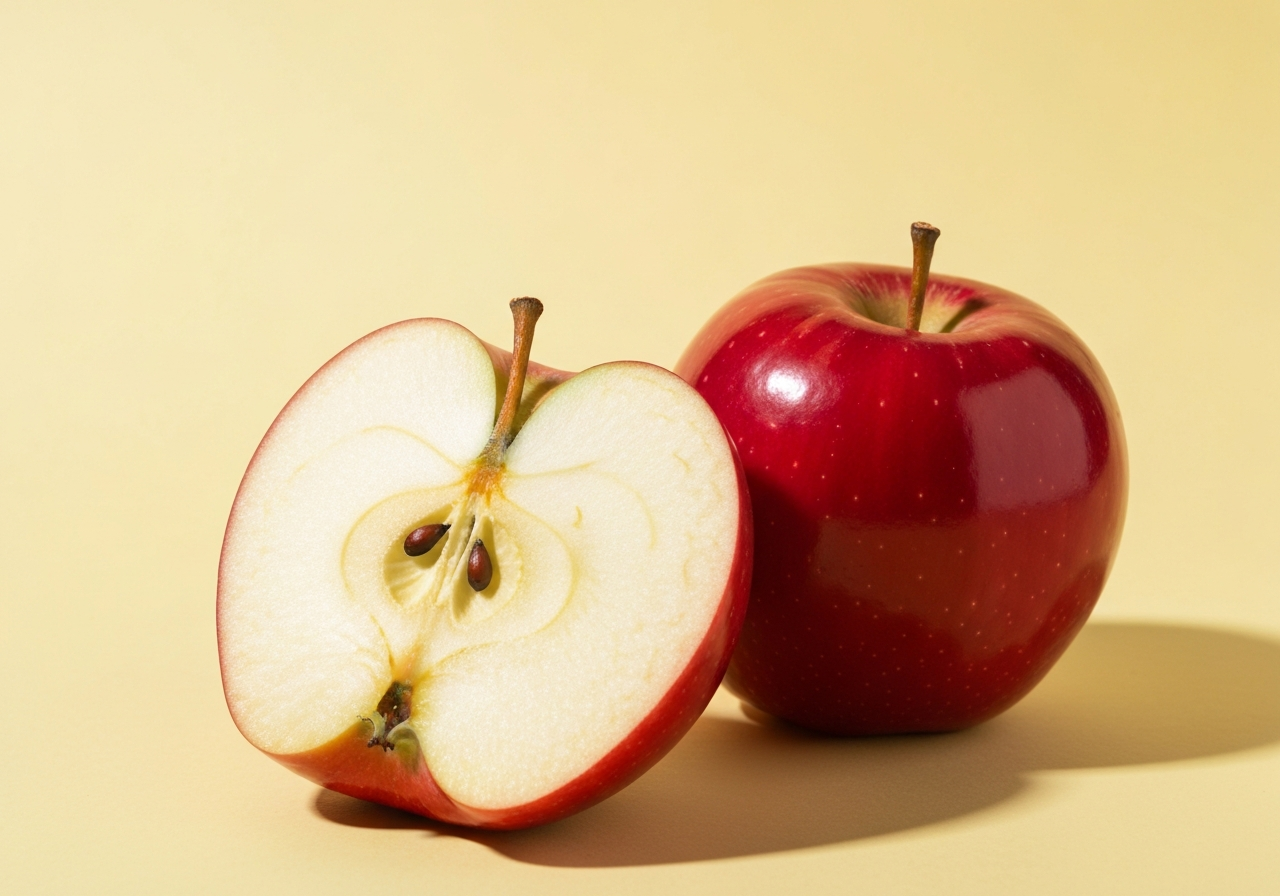
Yes, Gala apples are excellent for weight loss. They are low in calories and high in dietary fiber, which promotes satiety and helps reduce overall calorie intake. Their high water content also contributes to feelings of fullness.
3. How much fiber is in a Gala apple?
A 100g serving of Gala apple contains approximately 2.5 grams of dietary fiber. A medium Gala apple (around 172g) can provide about 4 to 5 grams of fiber.
4. What is the best way to store Gala apples?
Store whole, unwashed Gala apples in the crisper drawer of your refrigerator. This cool, humid environment helps to maintain their freshness and crispness for several weeks. It is best to store them separately from ethylene-producing fruits and vegetables like bananas and potatoes, as apples themselves release ethylene gas which can hasten the ripening and spoilage of other produce.
5. Can Gala apples be cooked?
Absolutely. Gala apples are versatile for cooking. While their texture may soften more than some other varieties, they are excellent for making applesauce, apple butter, and can be used in baked goods like pies, crisps, and muffins, lending a naturally sweet flavor.
6. Are Gala apples high in sugar?
Gala apples contain natural sugars, with about 11.3 grams per 100g. While this is a moderate amount, the fiber content helps to slow down sugar absorption, contributing to more stable blood sugar levels compared to refined sugars.
7. What vitamins and minerals are found in Gala apples?
Gala apples are a good source of Vitamin C and potassium. They also contain smaller amounts of Vitamin A, Vitamin K, several B vitamins (such as B6), calcium, iron, magnesium, and phosphorus, along with beneficial antioxidants like polyphenols.
Track Gala Apples easily with JustMacrosFit - your free macro tracking app.