Apple Fruit: Complete Macros & Nutrition Guide
Complete macro and nutrition guide for Apple Fruit. Learn calories, protein, carbs, fat per serving plus meal ideas and tracking tips.
Table of Contents
Apple Fruit Macros: Complete Nutrition Guide
Quick Answer
An apple, often hailed as nature's perfect snack, offers a compelling macronutrient profile, primarily consisting of carbohydrates. Per 100 grams, a raw apple typically provides approximately 52 calories, with around 0.3 grams of protein, 0.2 grams of fat, and a significant 13.8 grams of carbohydrates, including about 2.4 grams of dietary fiber. This makes it an excellent source of quick energy and essential fiber for digestive health.
Detailed Nutrition Facts
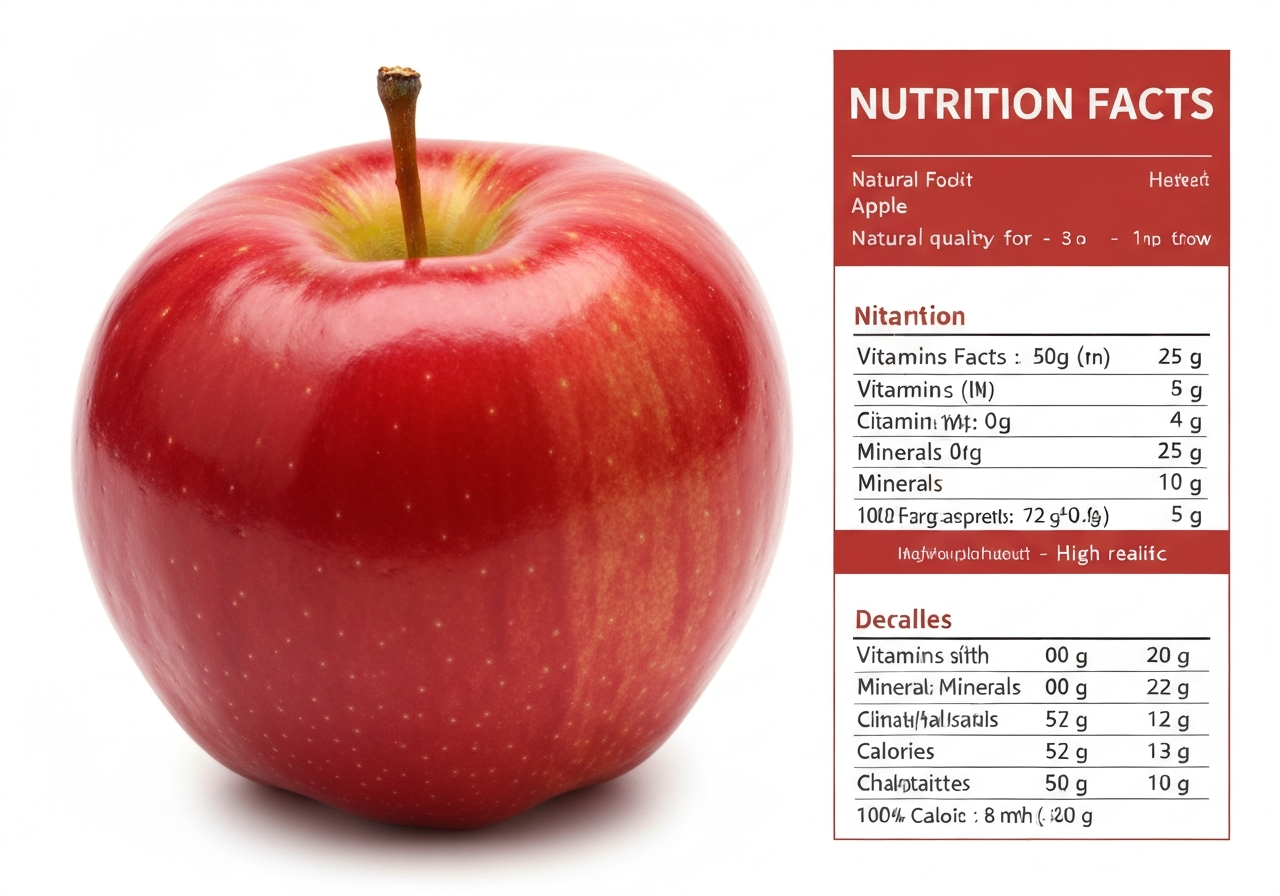
Apples are far more than just a sweet treat; they are a nutritional powerhouse packed with essential macronutrients and a spectrum of micronutrients that contribute significantly to overall health. Understanding the complete nutrition facts of an apple allows us to appreciate its role in a balanced diet.
Let's delve into the detailed breakdown per 100-gram serving of a raw apple with skin:
- Calories: Approximately 52 kcal
- Protein: Around 0.3 grams
- Total Fat: Approximately 0.2 grams
- Saturated Fat: Negligible
- Monounsaturated Fat: Negligible
- Polyunsaturated Fat: Negligible
- Total Carbohydrates: Roughly 13.8 grams
- Dietary Fiber: About 2.4 grams
- Sugars: Approximately 10.4 grams (primarily fructose, glucose, and sucrose)
Beyond the macros, apples are rich in vital micronutrients. While not leading in any single vitamin or mineral, they contribute meaningfully to daily intake.
Hero Nutrients: Apples are a good source of Vitamin C, providing about 4 mg per 100g, which is roughly 4-5% of the Daily Value. They also contain smaller amounts of B vitamins (B1, B2, B6), Vitamin K, and minerals such as potassium, manganese, and copper.
A medium apple, which weighs roughly 182 grams, would therefore contain about 95 calories, 0.5 grams of protein, 0.4 grams of fat, and 25 grams of carbohydrates, with 4.4 grams of fiber. When considering serving sizes, it is crucial to account for the weight of the specific apple you are consuming, as size can vary significantly. Compared to similar fruits like a banana, apples are lower in calories and sugars, while offering comparable fiber content. For instance, 100g of banana contains around 89 calories and 22.8g carbs, making the apple a slightly less calorically dense option per equal weight.
Health Benefits
The old adage, "An apple a day keeps the doctor away," holds a surprising amount of truth, especially when we examine the extensive health benefits this humble fruit offers. Our team at JustMacrosFit consistently advocates for incorporating whole foods like apples into your daily routine due to their multifaceted advantages.
One of the primary benefits of apples is their high fiber content. The 2.4 grams of dietary fiber per 100 grams, particularly soluble fiber like pectin, plays a crucial role in digestive health. Pectin acts as a prebiotic, feeding beneficial gut bacteria, which can improve gut flora diversity and function. This also aids in regulating bowel movements, preventing constipation, and supporting overall gastrointestinal wellness.
Apples are also potent sources of antioxidants, including quercetin, catechin, phloridzin, and chlorogenic acid. These compounds combat oxidative stress and inflammation, which are underlying factors in many chronic diseases. Regular consumption of apples has been linked to a reduced risk of chronic conditions such as heart disease, type 2 diabetes, and certain cancers. Their antioxidant profile contributes to improved cardiovascular health by helping to lower cholesterol levels and blood pressure.
Key Benefit: The combination of fiber and antioxidants in apples supports heart health, digestive regularity, and may reduce the risk of chronic diseases.
Who should eat this food? Practically everyone can benefit from incorporating apples into their diet. They are particularly beneficial for individuals focusing on weight management due to their low-calorie density and high fiber, which promotes satiety. Diabetics can enjoy apples in moderation due to their relatively low glycemic index compared to other fruits, and the fiber helps stabilize blood sugar levels. Athletes and active individuals can utilize apples as a quick, natural source of energy before or after workouts.
When to eat it? Apples are incredibly versatile. They make an excellent mid-morning or afternoon snack to curb hunger and provide a sustained energy boost. Eating an apple before a meal can help reduce overall calorie intake due to its filling fiber. As part of a breakfast, they add natural sweetness and fiber to oats or yogurt. We also enjoy them as a light dessert or a refreshing palate cleanser.
How to Track Macros
Accurate macro tracking is a cornerstone of achieving your nutritional and fitness goals, and apples are no exception. While seemingly straightforward, understanding how to measure and log your apple intake correctly ensures you stay precisely on track.
The most accurate way to measure your apple for macro tracking is by weight. We always recommend using a digital kitchen scale.
- Portion Measurement Tips:
- Whole Apple (with skin): Place the entire apple on a kitchen scale and record its weight in grams. Most nutrition databases, including JustMacrosFit, provide data per 100 grams, making it easy to calculate your specific portion.
- Peeled/Cored Apple: If you plan to peel or core your apple, weigh it after these steps to get the most accurate macro count for the edible portion. The peel and core contribute negligible macros, but weighing the actual edible part is best practice.
- Sliced Apple: If you're cutting an apple into slices for a snack or meal, weigh the total amount of slices you intend to consume.
Using Macro Tracking Apps: Our JustMacrosFit app makes tracking apples incredibly simple. You can:
1. Search for "apple" in the food database.
2. Select the appropriate entry (e.g., "apple, raw, with skin").
3. Enter the weight in grams (e.g., "182g" for a medium apple), and the app will automatically calculate and log the calories, protein, fat, and carbohydrates.
4. Alternatively, you can select common serving sizes like "1 medium apple" or "1 small apple," but weighing provides superior accuracy.
Common Serving Sizes:
* Small Apple: Approximately 140-150 grams
* Medium Apple: Approximately 180-200 grams
* Large Apple: Approximately 220-250+ grams
Understanding these common sizes can be helpful for quick estimates, but for precise macro tracking, especially during a cutting or bulking phase, weighing is paramount.
Meal Ideas & Preparation
As veteran nutrition coaches and chefs, we know that variety and proper preparation are key to making healthy eating enjoyable and sustainable. Apples are incredibly versatile and can be incorporated into a wide array of delicious and nutritious meals throughout the day.
Breakfast Ideas:
* Apple Cinnamon Oatmeal: Slice a medium apple and cook it with rolled oats, a sprinkle of cinnamon, and a touch of stevia or maple syrup for a warming, fiber-rich start to your day. This combination provides complex carbohydrates for sustained energy.
* Apple & Nut Butter Toast: Spread your favorite nut butter on a slice of whole-grain toast and top with thin apple slices. A fantastic balance of healthy fats, protein, and carbohydrates.
* Apple Smoothie: Blend half an apple with Greek yogurt, a handful of spinach, a scoop of protein powder, and a splash of almond milk for a nutrient-dense, on-the-go breakfast.
Lunch Ideas:
* Apple Pecan Salad: Add chopped apple to a spinach salad with grilled chicken or chickpeas, pecans, and a light vinaigrette. The apple's crispness and sweetness complement savory ingredients beautifully.
* Apple and Cheese Quesadilla: A simple whole wheat quesadilla with a light cheese and thinly sliced apples provides a satisfying and balanced meal.
Dinner Ideas:
* Roasted Pork with Apples: Apples pair wonderfully with savory meats. Roast apple wedges alongside pork tenderloin and root vegetables for a flavorful and balanced dinner.
* Apple and Sweet Potato Hash: Dice apples and sweet potatoes, then sauté them with onions and herbs for a hearty side dish or light main course.
Meal Prep Tips:
* Prevent Browning: To prevent sliced apples from browning in meal prep, toss them lightly with a squeeze of lemon juice or a pinch of citric acid. Store them in an airtight container in the refrigerator for up to 3-4 days.
* Batch Cooked Apple Sauce: Make a large batch of unsweetened apple sauce to use as a topping for yogurt, oatmeal, or as a healthy snack component.
Cooking Methods that Preserve Nutrients:
* Raw: Eating apples raw is the best way to preserve their full vitamin C content, which can be heat-sensitive.
* Steaming or Light Sautéing: If cooking, brief steaming or lightly sautéing apple slices helps retain many of their nutrients while softening them for dishes. Avoid overcooking, as this can lead to greater nutrient loss.
* Baking/Roasting: While baking or roasting can reduce some heat-sensitive vitamins, the fiber and many antioxidants remain intact, and it can enhance the apple's natural sweetness.
For Weight Loss
When it comes to weight loss, apples are a true ally, and we consistently recommend them as a staple for individuals aiming to shed pounds effectively and sustainably. Their unique nutritional profile makes them an ideal choice.
Why it's good for weight loss:
1. High Fiber Content: As we've discussed, apples are rich in dietary fiber, especially pectin. Fiber adds bulk to your diet without adding significant calories. It helps you feel full and satisfied for longer, reducing the likelihood of overeating and snacking on less healthy options.
2. Low Calorie Density: With approximately 52 calories per 100 grams, apples are a low-calorie-dense food. This means you can eat a relatively large volume of apple for a modest calorie intake, which is crucial for managing hunger during a caloric deficit.
3. Hydration: Apples have a high water content (around 85%), which further contributes to satiety and helps keep you hydrated, an often overlooked aspect of weight management.
4. Natural Sweetness: They provide a healthy way to satisfy sweet cravings without resorting to processed sugars, which often come with empty calories and can hinder weight loss progress.
Portion Recommendations: For weight loss, we typically suggest one medium-sized apple (around 180-200g) as a snack or part of a meal. This provides approximately 95-105 calories and about 4-4.5 grams of fiber, which is an excellent contribution to your daily fiber goals without significantly impacting your overall calories.
Pairing Suggestions: To maximize satiety and nutrient absorption for weight loss, consider pairing apples with a source of protein or healthy fats.
* Apple slices with a tablespoon of almond butter: The fat and protein from the almond butter will slow down sugar absorption from the apple and keep you feeling full for longer.
* Apple with a small handful of walnuts or pecans: Similar to nut butter, the healthy fats and protein in nuts enhance satiety.
* Apple with a slice of low-fat cheese or a hard-boiled egg: These protein-rich options create a balanced snack that can effectively curb hunger.
For Muscle Gain
While apples aren't typically the first food that comes to mind for muscle gain, they play a valuable supportive role in a comprehensive bulking or muscle-building diet. As veteran nutrition coaches, we understand that successful muscle accretion requires more than just protein; it demands adequate energy, micronutrients, and intelligent fueling strategies.
Protein Content Benefits: It's true that apples have minimal protein (around 0.3g per 100g). Therefore, we don't look to apples as a direct source of muscle-building protein. However, their contribution lies in providing readily available carbohydrates, which are essential for fueling intense workouts and replenishing glycogen stores, thereby sparing protein for its primary role in muscle repair and growth. Without sufficient carbohydrates, your body might start breaking down muscle tissue for energy, which is counterproductive to muscle gain.
Pre/Post Workout Timing:
* Pre-Workout: An apple 30-60 minutes before a workout can provide a quick, easily digestible source of simple carbohydrates (sugars) for energy. The fiber content is moderate enough not to cause digestive distress during exercise for most individuals, while still offering a sustained release compared to pure sugar. This helps ensure your muscles have the fuel they need to perform at their best.
* Post-Workout: After an intense training session, your muscle glycogen stores are depleted. Consuming an apple, particularly when paired with a rapid-absorbing protein source (like whey protein), can help quickly replenish these stores. The natural sugars in the apple contribute to an insulin spike, which helps shuttle nutrients, including amino acids from your protein shake, into muscle cells for repair and growth.
Bulking Meal Ideas:
* Apple and Peanut Butter Sandwich: Spread peanut butter on whole wheat bread, add apple slices, and grill for a warm, calorie-dense snack. This provides a good mix of carbs, protein, and healthy fats.
* Apple Cinnamon Protein Pancakes: Grate or finely chop apples into your protein pancake batter for added carbohydrates, fiber, and flavor. Serve with a dollop of Greek yogurt for extra protein.
* Fruit and Nut Oatmeal: Stir chopped apples, nuts, and a scoop of protein powder into your morning oatmeal for a calorie- and nutrient-dense breakfast that supports your muscle gain goals.
* Apple Slices with Cottage Cheese: A simple yet effective pairing. The cottage cheese provides slow-digesting casein protein, while the apple offers quick carbs and micronutrients.
Comparisons
Understanding how apples stack up against similar foods helps us make informed dietary choices. As dieticians, we frequently guide our clients through these comparisons to optimize their macros and nutrient intake.
vs. Similar Foods (e.g., Bananas, Oranges, Pears):
- Apples vs. Bananas: Apples are generally lower in calories and carbohydrates per 100 grams than bananas. A banana typically provides more potassium and slightly more carbohydrates, making it a quicker energy source, often preferred by athletes mid-workout. Apples, with their higher fiber-to-sugar ratio, offer a more sustained energy release.
- Apples vs. Oranges: Oranges are renowned for their exceptionally high Vitamin C content. While apples contain Vitamin C, oranges provide significantly more. Apples, however, often contain more fiber per serving. Both are excellent choices, offering different micronutrient profiles.
- Apples vs. Pears: Pears are quite similar to apples in terms of macro breakdown and fiber content. Pears tend to be slightly softer and can have a grittier texture. Both are excellent sources of dietary fiber and various antioxidants. The choice often comes down to personal preference for taste and texture.
Best Alternatives: If apples aren't available or you're looking to diversify, good alternatives that offer similar benefits include:
* Pears: As mentioned, very close in nutritional profile.
* Berries (strawberries, blueberries, raspberries): Lower in natural sugars and often higher in specific antioxidants, making them excellent for overall health and weight management.
* Plums: Offer a good source of fiber and antioxidants, though typically smaller in size and thus lower in total calories per fruit.
When to Choose Each:
* Choose Apples: When you need a versatile, crunchy, and refreshing snack that provides sustained energy and digestive support. Ideal for weight loss due to its low calorie density and high fiber.
* Choose Bananas: When you need a quick burst of energy, higher potassium intake, or a softer fruit for smoothies or post-workout recovery.
* Choose Oranges: When your primary goal is a significant boost of Vitamin C, especially during cold and flu season.
* Choose Pears: When you desire a similar nutritional profile to apples but prefer a different taste or texture, and for their unique set of antioxidants.
* Choose Berries: When you are looking for lower sugar fruit options, higher antioxidant levels, or more variety in your diet.
We believe in a diverse diet, and while apples are fantastic, rotating your fruit intake ensures you get a broader spectrum of vitamins, minerals, and phytonutrients.
FAQs
As nutrition experts, we often encounter common questions about apples and their role in a healthy lifestyle. Here are some of the most frequent inquiries we receive regarding apple macros and nutrition facts.
1. Are apples good for diabetics?
Yes, apples can be a healthy part of a diabetic diet in moderation. Their fiber content helps to slow down sugar absorption, preventing sharp blood sugar spikes. We recommend pairing them with protein or healthy fats to further stabilize blood glucose levels.
2. Is it better to eat an apple with or without the skin?
We strongly recommend eating apples with the skin on. The skin contains a significant portion of the apple's fiber, antioxidants, and some vitamins. Peeling an apple reduces these beneficial components.
3. How many calories are in a medium apple?
A medium apple, weighing approximately 182 grams, contains about 95 calories. This can vary slightly based on the apple's exact size and variety.
4. Can apples help with digestion?
Absolutely. Apples are rich in dietary fiber, particularly pectin, which acts as a soluble fiber. This helps regulate bowel movements, adds bulk to stool, and can alleviate both constipation and diarrhea by promoting a healthy gut microbiome.
5. Do apples contain much protein?
No, apples are not a significant source of protein. A 100-gram serving typically contains only about 0.3 grams of protein. For substantial protein intake, you would need to pair apples with protein-rich foods like nuts, yogurt, or lean meats.
6. What is the best way to store apples?
For optimal freshness and to prolong shelf life, store whole apples in the crisper drawer of your refrigerator. They can last for several weeks this way. If cut, store them in an airtight container in the fridge, ideally tossed with a little lemon juice to prevent browning.
7. Are all apple varieties nutritionally similar?
While the core macronutrient profile is quite consistent across most common apple varieties (like Gala, Fuji, Granny Smith), there can be minor variations in sugar content, acidity, and specific antioxidant levels. However, the overall health benefits remain largely similar.
Track Apple Fruit easily with JustMacrosFit - your free macro tracking app.