Eggs Macros: Complete Nutrition Guide
Complete eggs macro and nutrition guide. Learn calories, protein, carbs, fat per serving plus meal ideas and tracking tips.
Table of Contents
Eggs Macros: Complete Nutrition Guide
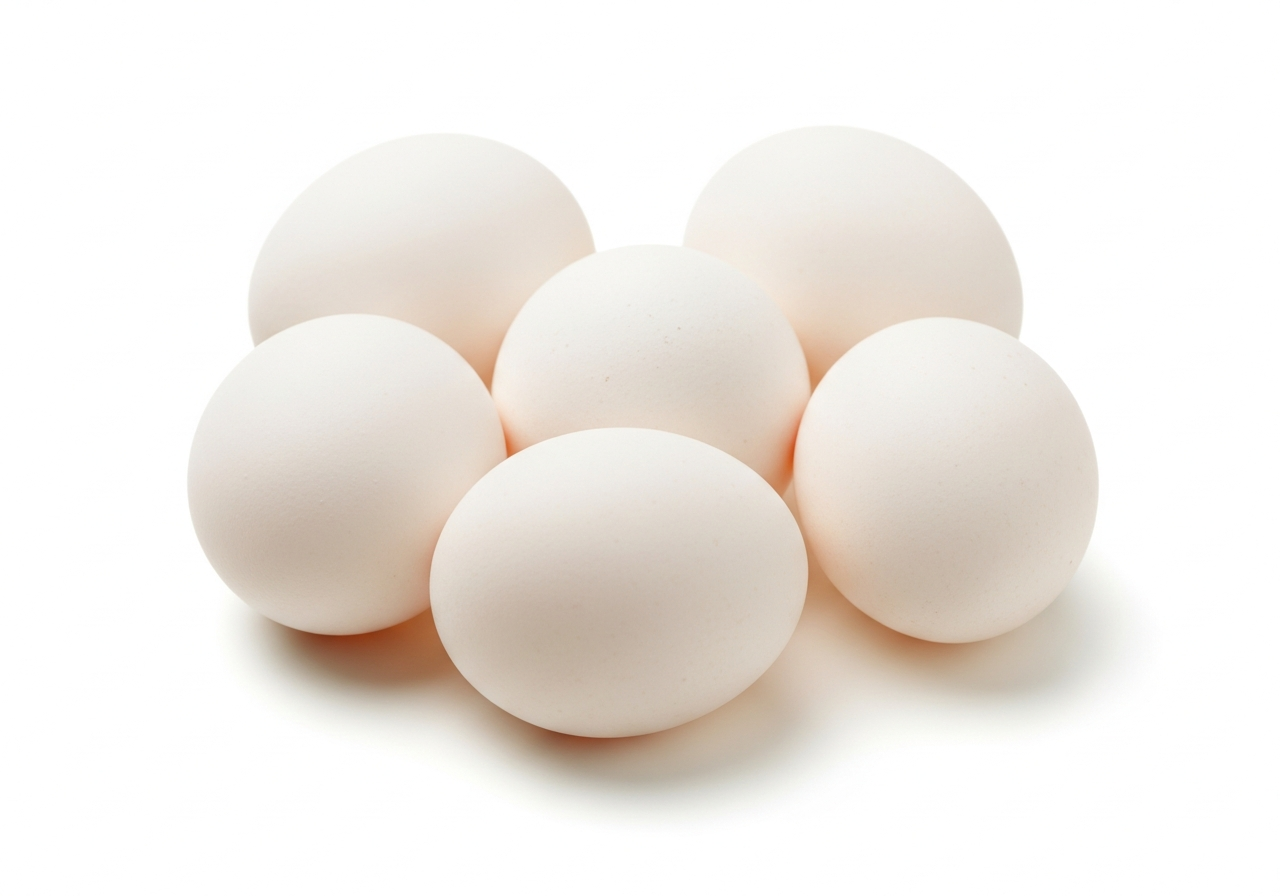
Eggs are a nutritional powerhouse, offering a complete macronutrient profile and a rich array of micronutrients. A standard large egg (approximately 50 grams) contains about 6 grams of protein, 5 grams of fat, and less than 1 gram of carbohydrates. This makes them an exceptionally versatile food for various dietary goals.
Detailed Nutrition Facts
A typical large egg, weighing around 50 grams, provides a well-balanced macronutrient profile. It contains approximately 6.2 grams of protein, with about 3.6 grams found in the yolk and 2.7 grams in the white. The fat content is around 5.3 grams, almost entirely concentrated in the yolk, with approximately 1.6 grams of saturated fat, 2.0 grams of monounsaturated fat, and 1.0 gram of polyunsaturated fat. Carbohydrates are minimal, usually less than 1 gram per egg.
Beyond macronutrients, eggs are a treasure trove of essential micronutrients. They are an excellent source of choline, vital for brain health and metabolism. Eggs also provide significant amounts of vitamins, including A, D, E, K, and several B vitamins like B12, riboflavin, and folate. Minerals found in eggs include selenium, phosphorus, and iron. The yolk is particularly rich in these fat-soluble vitamins and minerals, while the egg white is almost pure protein.
When considering nutrition facts, serving size is crucial. A single large egg is a common reference point. However, depending on your dietary needs, you might consume two or even three eggs in a meal. This means your macro tracking will need to account for the total consumed. For example, two large eggs would essentially double the macronutrient and micronutrient content.
Compared to other protein sources, eggs offer a complete amino acid profile, meaning they contain all nine essential amino acids that the body cannot produce on its own. This is a significant advantage for muscle synthesis and overall bodily functions. While lean meats and fish also offer complete protein, eggs are often more affordable and easier to prepare. For instance, 100 grams of chicken breast has about 31 grams of protein and very little fat. In comparison, 100 grams of whole eggs (approximately two large eggs) would yield about 12.4 grams of protein and 10.6 grams of fat. This difference highlights the higher fat content in whole eggs, which also contributes to satiety and nutrient absorption.
Health Benefits
The nutritional profile of eggs makes them a cornerstone for several health and fitness goals. Their high-quality protein content is essential for muscle protein synthesis, making them ideal for individuals looking to build and repair muscle tissue, especially after exercise. This protein also contributes to satiety, helping to reduce overall calorie intake and supporting weight management efforts.
Eggs are also beneficial for cognitive function due to their rich choline content. Choline plays a critical role in neurotransmitter production, memory, and overall brain development. Furthermore, the vitamins and minerals present in eggs, such as vitamin D and selenium, contribute to immune system function and antioxidant defense. The unique combination of nutrients in eggs can support eye health, thanks to lutein and zeaxanthin, antioxidants found in the yolk.
Eggs are a suitable food for a wide range of individuals. Athletes, fitness enthusiasts, and those looking to increase their protein intake will find them highly beneficial. People aiming for weight loss can incorporate eggs into their diet to enhance feelings of fullness and manage hunger. Individuals seeking to improve their cognitive health or ensure adequate nutrient intake will also benefit.
The timing of egg consumption can be strategic. For muscle gain, consuming eggs post-workout can aid in muscle recovery and growth. For weight loss, a protein-rich breakfast featuring eggs can help control appetite throughout the day. Eggs can be enjoyed at any meal, but they are particularly popular for breakfast due to their energy-providing capabilities and how they can set a healthy tone for the day.
How to Track Macros
Accurate macro tracking is key to achieving specific dietary goals, whether it's weight loss, muscle gain, or general health maintenance. Understanding how to measure and record the macronutrients in eggs is straightforward but requires attention to detail.
When measuring eggs for macro tracking, the most common and practical approach is to count them as individual units, typically large eggs. A standard large egg (approximately 50 grams) serves as a good baseline. If you are weighing your eggs, you can use a kitchen scale for greater precision, especially if you are consuming multiple eggs or varying sizes. For example, if you eat three large eggs, you are consuming approximately 150 grams of whole egg.
Many people find macro tracking apps to be invaluable tools. These applications allow you to search for "eggs" and select the appropriate serving size, whether it's by count or by weight. The app will then automatically calculate the calories, protein, carbohydrates, and fats for the quantity you have logged. This simplifies the process significantly, especially when combining eggs with other ingredients in a meal.
Common serving sizes for eggs in macro tracking include:
* 1 large egg (approx. 50g)
* 2 large eggs (approx. 100g)
* 1 egg white (approx. 33g)
* 1 egg yolk (approx. 17g)
When preparing eggs with other ingredients, such as in an omelet or scramble, it is important to also track the macros of those additional components to get a complete picture of your meal's nutritional content. This holistic approach ensures that your macro tracking is as accurate as possible.
Meal Ideas & Preparation
Eggs are incredibly versatile and can be incorporated into countless delicious and nutritious meals across all meal times. Their ability to absorb flavors and pair well with various ingredients makes them a chef's favorite and a home cook's best friend.
Breakfast Ideas:
* Scrambled Eggs with Spinach and Feta: A quick and protein-packed start. Scramble two large eggs with a handful of fresh spinach and a sprinkle of feta cheese.
* Omelet with Vegetables: Fill an omelet made from two to three eggs with diced bell peppers, onions, mushrooms, and a touch of cheese.
* Hard-Boiled Eggs: A convenient grab-and-go option. Prepare a batch of hard-boiled eggs at the beginning of the week for easy access.
* Shakshuka: Eggs poached in a flavorful tomato and pepper sauce. This dish is hearty and rich in vitamins.
Lunch and Dinner Ideas:
* Egg Salad Sandwiches or Wraps: Mash hard-boiled eggs with a light mayonnaise or Greek yogurt, celery, and seasonings. Serve on whole-wheat bread or in a lettuce wrap.
* Frittata or Quiche: A more substantial meal. Use eggs as the base for a baked dish loaded with vegetables, lean meats, or cheese.
* Fried Eggs as a Topping: Top salads, grain bowls, or even avocado toast with a perfectly fried egg for an extra boost of protein and healthy fats.
* Egg Drop Soup: A light and comforting soup where beaten eggs are drizzled into simmering broth.
Meal Prep Tips:
* Batch Cooking: Hard-boil a dozen eggs at the start of the week. This provides a ready-to-eat protein source for snacks or quick meals.
* Pre-Chopped Vegetables: Chop vegetables for omelets, frittatas, or scrambles in advance and store them in airtight containers in the refrigerator.
* Portioning: Divide cooked egg dishes like frittatas into individual portions for easy grabbing during busy weekdays.
Cooking Methods that Preserve Nutrients:
* Boiling and Poaching: These methods use minimal to no added fat and are excellent for preserving the nutritional integrity of eggs.
* Scrambling and Frying (with minimal oil): When using a non-stick pan and a small amount of healthy fat like olive oil or avocado oil, these methods are also great. Overcooking can degrade some nutrients, so aim for a tender cooked egg.
* Steaming: Similar to boiling, steaming is a gentle cooking method that retains nutrients well.
For Weight Loss
Eggs are an excellent ally for those aiming to lose weight, primarily due to their impact on satiety and their nutrient density. The high protein content in eggs is a key factor. Protein takes longer to digest than carbohydrates or fats, leading to a sustained feeling of fullness. This can significantly reduce cravings and the urge to snack between meals, thereby helping to lower overall calorie intake.
A protein-rich breakfast featuring eggs has been shown in studies to be more effective at promoting satiety and reducing subsequent food intake compared to a carbohydrate-heavy breakfast. This means starting your day with eggs can set a positive tone for your entire day's eating habits.
When incorporating eggs into a weight loss plan, portion control is still important, although their calorie density is relatively low for the volume and nutrients they provide. A common recommendation is one to two large eggs per serving. This provides ample protein without excessively increasing calorie intake. For example, two large eggs contain roughly 140 calories, 12 grams of protein, and 10 grams of fat. This is a very favorable macronutrient ratio for weight management.
Pairing eggs with high-fiber, low-calorie foods can further enhance their weight loss benefits. Consider pairing your eggs with a side of non-starchy vegetables like spinach, tomatoes, or bell peppers. Whole-grain toast or a small portion of avocado can also be good additions, provided they fit within your overall calorie and macronutrient targets. Avoid excessive use of high-fat additions like butter, cheese, or creamy sauces, which can quickly increase the calorie count of your meal.
For Muscle Gain
For individuals focused on muscle gain and hypertrophy, eggs are an indispensable food source. Their high-quality protein content is the primary reason. Protein is the building block of muscle tissue, and consuming adequate amounts is crucial for repairing muscle damage that occurs during resistance training and for synthesizing new muscle protein.
A large egg contains about 6 grams of complete protein, meaning it provides all nine essential amino acids necessary for muscle protein synthesis. This makes eggs a highly bioavailable and effective source of protein for recovery and growth. When combined with other protein-rich foods, eggs can easily contribute to the higher daily protein intake often recommended for muscle gain, which can range from 1.6 to 2.2 grams of protein per kilogram of body weight.
The timing of egg consumption can be strategically leveraged for muscle gain. Consuming eggs as part of a post-workout meal or snack can provide the amino acids needed for muscle repair and rebuilding. While the "anabolic window" concept is debated, ensuring a protein source is available within a few hours after training is generally beneficial. Eggs are convenient and easily digestible, making them a good choice for this purpose.
For those on a "bulking" diet, which involves consuming a calorie surplus to maximize muscle growth, eggs can be easily incorporated into higher-calorie meals. This could involve adding an extra egg or two to a meal, making larger omelets or scrambles, or including eggs in protein shakes (though less common, it's possible). For example, a bulking breakfast could consist of three to four scrambled eggs with whole-grain toast, avocado, and a side of lean turkey sausage. This provides a substantial amount of protein and healthy fats to support energy needs and muscle development.
Comparisons
When evaluating the nutritional landscape, comparing eggs to similar foods helps in making informed dietary choices. Eggs stand out for their complete protein profile and nutrient density relative to their calorie count.
Eggs vs. Other Protein Sources:
- Chicken Breast: 100g of cooked chicken breast offers about 31g of protein and minimal fat. While higher in protein per gram, it lacks the yolk's beneficial fats and micronutrients like choline and vitamin D.
- Salmon: 100g of cooked salmon provides around 20g of protein and about 13g of fat, including beneficial omega-3 fatty acids. Salmon is also rich in vitamin D and selenium, but eggs offer a more economical and accessible option for similar benefits.
- Greek Yogurt: 100g of plain Greek yogurt (non-fat) typically contains about 10g of protein and is low in fat. It is a good source of calcium and probiotics but lacks the complete range of micronutrients found in eggs.
- Tofu: 100g of firm tofu offers about 8g of protein and 4.5g of fat. It's a complete protein source but often requires fortification or careful meal planning to match the micronutrient profile of eggs.
Best Alternatives:
If someone has an egg allergy or intolerance, or simply wishes to diversify their protein sources, excellent alternatives include:
* Lean Meats: Chicken, turkey, and lean beef are excellent sources of complete protein and iron.
* Fish: Salmon, tuna, and mackerel provide high-quality protein and essential omega-3 fatty acids.
* Dairy Products: Milk, cheese, and Greek yogurt are good protein sources, with Greek yogurt being particularly high in protein.
* Legumes: Lentils, beans, and chickpeas are plant-based protein powerhouses, rich in fiber and various micronutrients.
* Nuts and Seeds: While not as concentrated in protein as other sources, they contribute protein, healthy fats, and fiber.
When to Choose Each:
- Choose Eggs when: you need a quick, affordable, and nutrient-dense protein source for any meal. They are ideal for breakfast, post-workout recovery, and general protein intake.
- Choose Chicken Breast when: you are aiming for very high protein intake with minimal fat, such as during strict cutting phases or when preparing meals where fat content needs to be carefully controlled.
- Choose Salmon when: you want to boost your omega-3 fatty acid intake alongside protein, or when seeking a rich source of vitamin D.
- Choose Greek Yogurt when: you want a convenient, protein-rich snack or breakfast that is also a good source of calcium and probiotics.
- Choose Legumes when: you are following a plant-based diet or seeking to increase fiber intake alongside protein.
FAQs
Q1: What are the primary macros in a large egg?
A large egg (approximately 50g) contains about 6.2 grams of protein, 5.3 grams of fat, and less than 1 gram of carbohydrates.
Q2: Are eggs good for macro tracking?
Yes, eggs are excellent for macro tracking due to their consistent macronutrient content per unit. They are easy to measure by count or weight.
Q3: How many calories are in two large eggs?
Two large eggs contain approximately 140-150 calories.
Q4: Can I eat eggs on a low-carb diet?
Absolutely. With less than 1 gram of carbohydrates per egg, they are very low-carb friendly and a great source of protein and fat.
Q5: What is the best way to cook eggs to preserve nutrients?
Boiling, poaching, and steaming are excellent methods that use minimal added fat and preserve nutrients well. Lightly scrambled or fried eggs also retain most of their nutritional value.
Q6: Is it okay to eat egg yolks if I am watching my fat intake?
Egg yolks contain all the fat and cholesterol in an egg, as well as many of its essential vitamins and minerals. While they are calorie-dense, the fats are mostly healthy unsaturated fats. For most healthy individuals, the dietary cholesterol in egg yolks does not significantly impact blood cholesterol levels. If you are very concerned about fat, you can opt for egg whites, but you will miss out on the yolk's micronutrient benefits.
Q7: How should I store raw eggs?
Raw eggs should be stored in their original carton in the coldest part of the refrigerator, typically on a middle shelf, not in the door. This helps them maintain freshness and reduces the risk of contamination.
Track eggs easily with JustMacros - your free macro tracking app.