Broccoli Casserole: Complete Macros & Nutrition Guide
Complete macro and nutrition guide for Broccoli Casserole. Learn calories, protein, carbs, fat per serving plus meal ideas and tracking tips.
Table of Contents
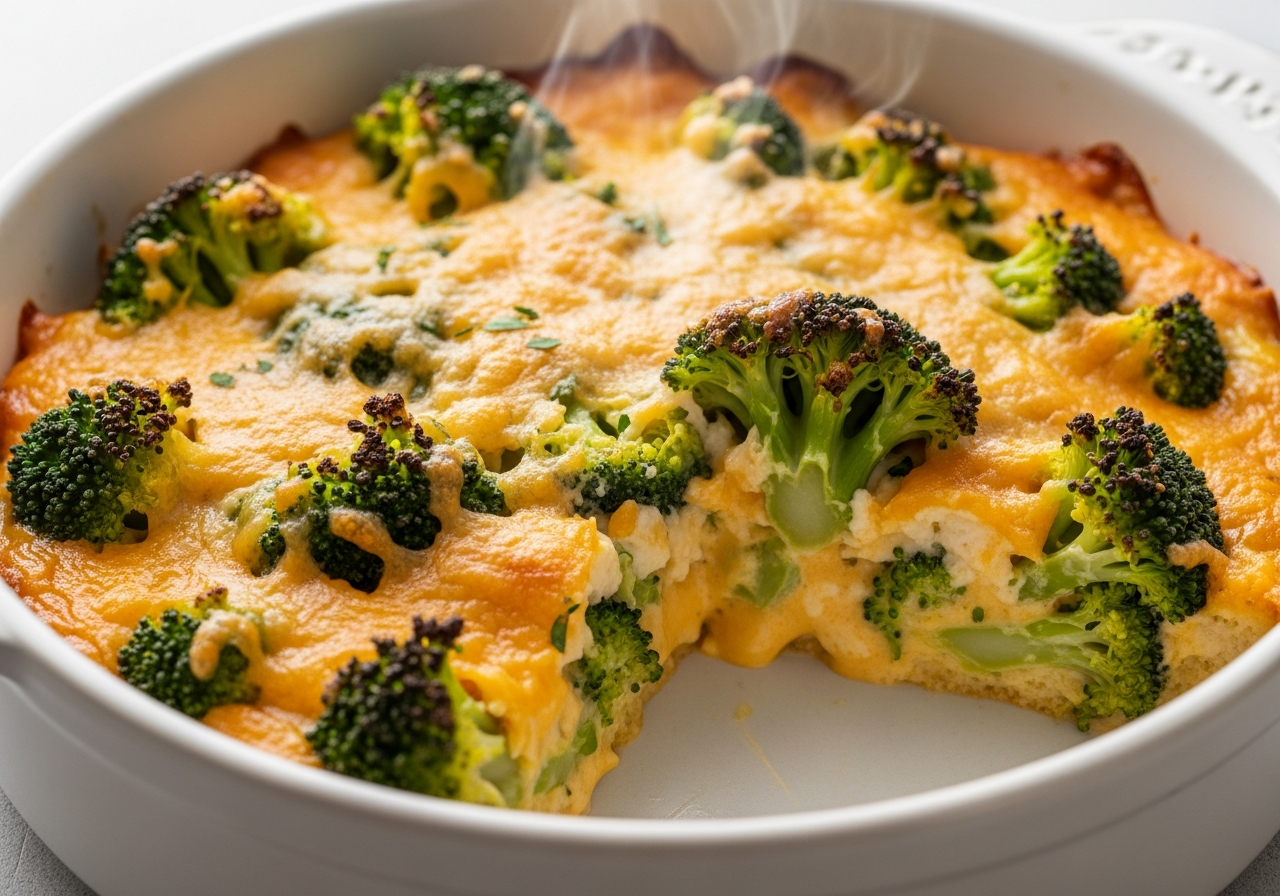
Broccoli Casserole Macros: Complete Nutrition Guide
As your trusted nutrition coaches and culinary experts at JustMacrosFit, we understand the importance of knowing exactly what you're fueling your body with. Broccoli casserole, a beloved comfort food, often sparks questions about its nutritional impact. Is it a healthy side dish or a caloric indulgence? The truth, as with many homemade dishes, lies in the ingredients. We're here to demystify broccoli casserole macros and nutrition, providing you with a comprehensive guide to make informed dietary choices.
Quick Answer
A typical serving of broccoli casserole, approximately 100 grams, generally provides around 115-130 calories, with a macro breakdown of approximately 4-5 grams of protein, 6-8 grams of carbohydrates, and 7-9 grams of fat. While recipes vary significantly, it offers notable amounts of Vitamin C and K from the broccoli, alongside calcium from dairy.
Detailed Nutrition Facts
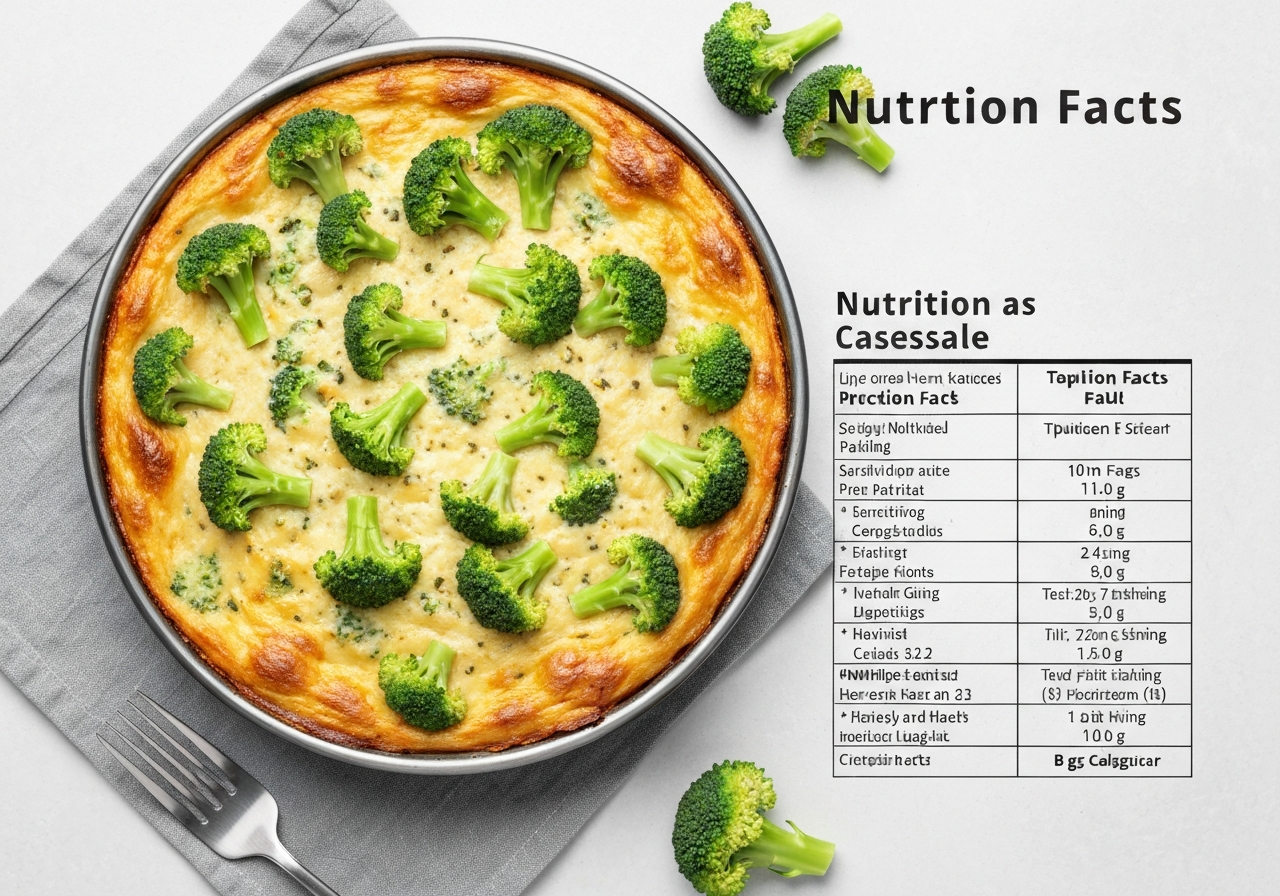
Broccoli casserole is a dish with a nutritional profile that is highly dependent on its specific preparation. A standard recipe often includes broccoli, a creamy cheese sauce, and sometimes a breadcrumb or cracker topping. When we look at a common serving size, such as one cup (approximately 200-228 grams), the macronutrients can range widely. For instance, some recipes report a 1-cup serving with around 244-250 calories, 8-10 grams of fat, 9-10 grams of protein, and 15-34 grams of carbohydrates, including a good amount of dietary fiber. Other variations can push these numbers higher, with some servings reaching up to 364 calories, 28g fat, 11g protein, and 19g carbs.
For a general understanding, a 100g portion of classic broccoli casserole (without added rice or noodles) typically contains:
* Calories: 115-130 kcal
* Protein: 4-5 grams
* Carbohydrates: 6-8 grams (with 1-2 grams of dietary fiber)
* Fat: 7-9 grams (often including 3-4 grams of saturated fat)
Micronutrients: Beyond the macros, broccoli casserole, particularly due to its star ingredient, broccoli, is a powerhouse of essential micronutrients.
* Vitamins: It is an excellent source of Vitamin C, crucial for immune function and skin health, and Vitamin K1, vital for blood clotting and bone health. We also find notable amounts of Vitamin A (from broccoli and sometimes cheese), several B vitamins (including Folate, B1, B2, B3, B6, B9, B12), and Vitamin E.
* Minerals: Calcium, primarily from the cheese, is essential for strong bones and teeth. The dish also provides potassium, important for blood pressure regulation, and iron, necessary for oxygen transport. Other minerals present include phosphorus, magnesium, zinc, selenium, copper, and manganese.
Serving Size Considerations: What constitutes a "serving" of broccoli casserole can vary widely based on individual recipes and how it's portioned. While some may consider ½ cup a serving, a typical individual serving often ranges from 1 cup (200-228 grams) to 1¼ cups. Be mindful that adding ingredients like rice, pasta, or larger quantities of high-fat cheese and cream will significantly increase the calorie, carbohydrate, and fat content per serving.
Comparison to Similar Foods: When compared to plain steamed broccoli, the casserole version is, understandably, more calorie-dense and higher in fat and sodium due to the cheese, butter, and often cream or condensed soups used in its preparation. However, it generally provides more protein and calcium than a simple vegetable side. Compared to other cheesy vegetable casseroles, broccoli casserole can hold its own, often providing a robust micronutrient profile thanks to the broccoli. For instance, a broccoli casserole with rice can have 242-244 calories per 228g serving, while some healthier chicken and broccoli casseroles can be under 250 calories per serving.
Health Benefits
Broccoli casserole, when prepared thoughtfully, offers a range of health benefits primarily stemming from its core ingredient, broccoli, and the complementary nutrients from dairy.
Primary Benefits:
* Rich in Antioxidants: Broccoli is packed with antioxidants like Vitamin C, Vitamin E, beta-carotene, and various flavonoids. These compounds help protect our cells from damage caused by harmful free radicals, potentially reducing the risk of chronic diseases.
* Immune System Support: The high Vitamin C content significantly contributes to a robust immune system.
* Bone Health: Broccoli provides Vitamin K1, essential for blood clotting and bone health, while the cheese contributes substantial amounts of calcium, a key nutrient for maintaining strong bones and teeth.
* Digestive Health: Broccoli is a good source of dietary fiber, which aids in digestion, promotes satiety, and supports a healthy gut microbiome.
* Heart Health: The fiber, potassium, and antioxidants in broccoli may contribute to heart health by helping to lower cholesterol and maintain proper blood pressure.
* Potential Anti-inflammatory Properties: Certain compounds in broccoli, such as sulforaphane, possess anti-inflammatory properties, which can be beneficial for overall health.
Who Should Eat This Food: Broccoli casserole can be a nutritious addition to the diet for most individuals, especially those looking to increase their vegetable intake in a palatable way. It’s particularly beneficial for:
* Individuals seeking nutrient-dense vegetable options.
* Those needing a boost in calcium and Vitamin K.
* Families with picky eaters, as the creamy, cheesy nature often makes broccoli more appealing.
When to Eat It: Broccoli casserole is versatile and can be enjoyed at various times:
* Main Meal: When combined with a lean protein source like chicken, it can serve as a complete and satisfying dinner.
* Side Dish: It makes an excellent side dish for holiday meals or everyday dinners, complementing roasted meats or other main courses.
* Meal Prep: It's a fantastic option for meal prepping, as it reheats well and can be portioned out for lunches throughout the week.
How to Track Macros
Accurately tracking the macros in broccoli casserole can feel daunting given the variability in recipes, but with a few practical tips, it becomes manageable. We, the JustMacros team, emphasize precision for optimal results.
Portion Measurement Tips:
1. Use a Food Scale: This is the most accurate method. After cooking, weigh the entire casserole and note the total weight. Then, divide by the number of servings you intend to make or by the weight of your individual portion. For example, if your entire casserole weighs 1800g and you plan for 8 servings, each serving is 225g.
2. Standardized Serving Sizes: While recipes vary, a common serving is often considered to be around 1 cup (200-228g). If you're not weighing, try to portion out visually into equal segments or use a measuring cup.
3. Track Ingredients Individually (for homemade): The most precise way to track a homemade casserole is to log each ingredient as you add it to the recipe in your tracking app. This provides the exact nutritional breakdown for your specific creation. Then, when you portion it out, the app can calculate the macros per serving.
Using Macro Tracking Apps:
Apps like JustMacrosFit are invaluable for this process.
* Recipe Builders: Our app, like many others, allows you to create custom recipes. Input all your ingredients and their quantities, and the app will calculate the total macros for the entire dish.
* Portioning: Once your recipe is built, you can specify the number of servings or the serving size in grams, and JustMacrosFit will automatically provide the macro breakdown per portion.
* Search Function: For store-bought or restaurant versions, use the app's search function. While results for "broccoli casserole" will vary, you can often find entries that are close to what you're eating. Always cross-reference with any available nutritional information on packaging or menus.
Common Serving Sizes:
* 1 cup: Roughly 200-228g, often containing 240-300 calories, 8-12g protein, 15-35g carbs, and 8-22g fat, depending on added ingredients like rice or extra cheese.
* ½ cup: A smaller portion, ideal for lighter meals or as a rich side dish. This would approximately halve the macro content of a 1-cup serving.
Expert Tip: When making your own broccoli casserole, experiment with ingredient swaps to tailor the macros to your goals. For instance, using reduced-fat cheese, skim milk, or incorporating additional lean protein can significantly alter the macro profile.
Meal Ideas & Preparation
Broccoli casserole is a versatile dish that can be adapted for any meal of the day or as a cornerstone of your meal prep strategy. As veteran nutrition coaches and chefs, we love how a simple casserole can transform into various exciting meals.
Breakfast Ideas:
* Broccoli Casserole Egg Muffins: Portion leftover casserole into muffin tins, crack an egg over each, and bake for a quick, protein-packed breakfast.
* Savory Breakfast Bowl: Combine a small scoop of casserole with scrambled eggs, a sprinkle of fresh herbs, and a side of avocado for healthy fats. Some recipes even incorporate eggs directly into the casserole for a breakfast-friendly version.
Lunch Ideas:
* Casserole Salad: Serve a generous portion of cold or reheated broccoli casserole over a bed of mixed greens with a light vinaigrette.
* Broccoli Casserole Wraps: Warm up casserole and tuck it into a whole-wheat tortilla with some shredded chicken or hummus for a portable and satisfying lunch.
* Pair with Soup: A smaller serving of casserole makes a comforting companion to a light vegetable or lentil soup.
Dinner Ideas:
* Classic Side Dish: Serve alongside roasted chicken, baked salmon, or lean pork loin for a balanced and complete meal.
* Casserole with Added Protein: Stir in pre-cooked shredded chicken, ground turkey, or white beans directly into the casserole mixture before baking to make it a one-dish dinner.
* Vegetarian Main: For a hearty vegetarian dinner, pair a larger serving of casserole with a quinoa salad or a bean-based side.
Meal Prep Tips:
* Batch Cook: Prepare a large casserole on the weekend and divide it into individual portions for quick meals throughout the week. It typically stores well in an airtight container in the refrigerator for 3-4 days.
* Freezing: Broccoli casserole freezes surprisingly well. Allow it to cool completely, then portion into freezer-safe containers. Thaw overnight in the refrigerator and reheat in the oven or microwave.
* Ingredient Prep: Chop all your broccoli and shred cheese in advance to minimize active cooking time on busy days. You can even prepare the cheese sauce ahead of time and store it separately.
Cooking Methods That Preserve Nutrients:
* Steaming or Microwaving Broccoli: Before adding to the casserole, lightly steam or microwave your broccoli until tender-crisp. This method helps retain more of broccoli's water-soluble vitamins, such as Vitamin C, compared to boiling. Avoid overcooking it to a mushy consistency.
* Baking at Moderate Temperatures: Baking the casserole at around 350-375°F (175-190°C) allows it to heat through and develop a golden crust without excessively degrading heat-sensitive nutrients.
* Minimize Water: When steaming, use minimal water, and ensure broccoli is well-drained before mixing into the sauce to prevent a watery casserole and nutrient loss.
For Weight Loss
Broccoli casserole can absolutely fit into a weight loss plan, provided we approach it with strategic modifications and portion control. As nutrition coaches, we've seen how flexible this dish can be.
Why It's Good for Weight Loss:
* Fiber Content: Broccoli is rich in dietary fiber. Fiber is crucial for weight loss as it promotes satiety, helping us feel full for longer and reducing the likelihood of overeating.
* Nutrient Density: Despite its potential for higher calories, broccoli casserole, particularly in its healthier forms, delivers a significant amount of vitamins, minerals, and antioxidants. This means you're getting valuable nutrients without consuming excessive empty calories.
* Satiety from Protein and Fat: The protein from cheese and any added lean meat, combined with healthy fats, also contributes to sustained fullness, helping to manage hunger cravings.
Portion Recommendations:
The key to including broccoli casserole in a weight loss strategy is mindful portioning. We recommend:
* A ½ to ¾ cup serving: Aim for a serving size that keeps your total meal calories in check. This is generally around 150-250 calories for a modified recipe.
* Balance Your Plate: Treat broccoli casserole as a component of your meal, not the entire meal. Fill half your plate with non-starchy vegetables, a quarter with lean protein, and the remaining quarter with your portion of casserole.
Pairing Suggestions for Weight Loss:
* Lean Protein: Pair your broccoli casserole with grilled chicken breast, baked cod, or tofu to boost protein intake without adding excessive fat. Some recipes already incorporate chicken, making it a complete meal.
* More Greens: Add a large side salad with a light, oil-free dressing to increase your overall vegetable consumption and further enhance satiety.
* Limit Starchy Sides: If your casserole contains rice or pasta, be mindful of additional starchy sides. If it's a pure broccoli and cheese version, a small portion of quinoa or brown rice can complement it.
* Healthy Modifications: Consider using lower-fat dairy options (e.g., skim milk, reduced-fat cheese), swapping butter for olive oil (in moderation), and using whole-wheat breadcrumbs or crushed crackers sparingly, or opting for no topping for reduced calories. Some recipes even use cottage cheese or Greek yogurt for creaminess instead of heavy cream.
For Muscle Gain
For individuals focused on muscle gain, broccoli casserole can be an excellent vehicle for nutrient delivery, especially when optimized for protein and healthy calories. As your veteran nutrition coaches, we know that fueling muscle growth requires strategic macro intake.
Protein Content Benefits:
While traditional broccoli casserole isn't typically considered a high-protein dish on its own, it does provide protein primarily from the cheese and milk.
* Quality Protein: Dairy-based proteins contribute essential amino acids crucial for muscle repair and growth.
* Versatility for Protein Boosting: The beauty of casserole is its adaptability. It serves as an excellent base to incorporate additional high-quality protein sources.
Pre/Post Workout Timing:
* Post-Workout: A serving of broccoli casserole, especially one fortified with extra protein, can be a good post-workout meal. The carbohydrates (especially if rice or pasta is included) help replenish glycogen stores, while protein aids in muscle recovery and synthesis.
* Pre-Workout: While generally a heavier meal, a smaller, lighter version (less fat) could be consumed 2-3 hours before a workout if it contains complex carbohydrates to provide sustained energy.
Bulking Meal Ideas:
To make broccoli casserole a powerhouse for muscle gain, we suggest these modifications and pairings:
* Add Lean Meats: Incorporate generous amounts of cooked shredded chicken, turkey, or lean ground beef into the casserole. This significantly boosts the protein content, making it a complete meal for muscle building.
* Boost Healthy Fats: For those needing extra calories for bulking, add healthy fats. This could be through a sprinkle of nuts (like slivered almonds or walnuts) in the topping, or a drizzle of olive oil post-baking. Using full-fat dairy can also increase calorie and fat intake.
* Complex Carbohydrates: If your recipe doesn't include rice, consider adding brown rice or whole-wheat pasta to increase complex carbohydrate intake, which is essential for energy during intense workouts and for recovery.
* Cheese Power-Up: Don't shy away from using full-fat, flavorful cheeses to add calories, protein, and calcium.
* Serve with Additional Sides: Pair your protein-rich broccoli casserole with other calorie-dense, nutrient-rich sides like a baked sweet potato, a hearty whole-grain bread, or a side of legumes to meet higher caloric needs.
Key Macro Focus: For muscle gain, aim for a balanced intake of protein (around 20-30g per meal), complex carbohydrates, and healthy fats. Broccoli casserole can be engineered to hit these targets effectively.
Comparisons
Understanding how broccoli casserole stacks up against similar foods and its best alternatives is crucial for making informed dietary choices. As expert dieticians, we know context is everything.
vs. Similar Foods:
* Broccoli Casserole vs. Steamed Broccoli: This is the most direct comparison. Steamed broccoli is very low in calories (around 35 kcal per cup/90g), carbs, and fat, while being exceptionally high in vitamins C and K and fiber. Broccoli casserole, due to its cheese, cream, and often butter/breadcrumbs, is significantly higher in calories, fat, protein, and sodium. It's a trade-off: steamed broccoli offers maximum nutrient purity, while the casserole offers enhanced palatability and often more calcium and a more satisfying meal.
* Broccoli Casserole vs. Green Bean Casserole: Both are popular vegetable casseroles. Green bean casserole often contains cream of mushroom soup and crispy fried onions, making it similar in calorie and fat content to a traditional broccoli casserole. However, broccoli generally offers a more robust micronutrient profile, particularly in Vitamins C and K, compared to green beans.
* Broccoli Casserole with Rice vs. Chicken & Rice Casserole: When rice is added, broccoli casserole's carbohydrate content increases, making it more akin to a full meal casserole like chicken and rice casserole. A chicken and rice casserole will typically have a higher protein content due to the chicken, but a well-fortified broccoli casserole can compete.
Best Alternatives:
* Roasted Broccoli: For a simpler, healthier alternative that retains much of broccoli's natural goodness, roasting with a drizzle of olive oil, garlic, and seasoning is an excellent choice. It's lower in calories and fat than most casseroles but still incredibly flavorful.
* Broccoli Salad: A cold broccoli salad, often made with a creamy dressing, nuts, and dried cranberries, offers a different texture and flavor profile. Macros will depend on the dressing and additions, but it can be a good way to enjoy raw broccoli benefits.
* Broccoli and Cheese Soup: This creamy soup offers similar flavors to the casserole but typically has a different texture. Depending on the recipe, it can be lower in calories than a rich casserole, especially if made with lighter dairy or broth.
* Other Roasted or Steamed Vegetables: If you're simply looking for a healthy vegetable side, any roasted or steamed vegetable (Brussels sprouts, cauliflower, asparagus) is a great alternative to provide fiber and micronutrients.
When to Choose Each:
* Choose Broccoli Casserole: When you're craving comfort food, need a more substantial and satisfying side dish, or want to make vegetables more appealing, especially for those who are less keen on plain veggies. It’s also excellent for meal prepping when you want a complete, reheat-friendly option.
* Choose Steamed/Roasted Broccoli: When your primary goal is maximum nutrient intake with minimal added calories and fat, or when you want a very light accompaniment to a rich main course. Ideal for strict macro tracking.
* Choose a Healthy Casserole Alternative: If you're looking for similar creamy, cheesy flavors but need to control calories and fat more closely, explore "lightened-up" recipes that use reduced-fat ingredients or alternative binders.
FAQs
As your nutrition coach, we frequently encounter questions about broccoli casserole. Here are some of the most common ones, with concise, science-backed answers.
1. Is broccoli casserole healthy?
Broccoli casserole can be healthy, depending on the ingredients and portion size. While broccoli itself is highly nutritious, traditional recipes often contain high amounts of saturated fat and sodium from cheese, butter, and processed soups. Healthier versions use less fat, reduced-fat dairy, and whole, unprocessed ingredients.
2. How many calories are in a serving of broccoli casserole?
The calorie content varies significantly. A typical 1-cup serving (around 200-228 grams) can range from approximately 240 to over 360 calories, depending on the recipe's fat content, cheese amount, and whether rice or noodles are included.
3. Can I make broccoli casserole low-carb or keto-friendly?
Yes, absolutely. To make it low-carb or keto, omit any rice, crackers, or breadcrumbs. Focus on broccoli, high-fat cheese, cream, and healthy fats. Some recipes use alternative thickeners or dairy-free cheese sauces made with ingredients like coconut cream and cashews.
4. How can I increase the protein content?
To boost protein, add lean cooked protein sources such as shredded chicken breast, ground turkey, or firm tofu to the casserole mixture. Using Greek yogurt or cottage cheese in the sauce can also increase protein.
5. Is broccoli casserole good for meal prep?
Yes, broccoli casserole is excellent for meal prep. It holds up well when stored in an airtight container in the refrigerator for 3-4 days and reheats nicely in the microwave or oven.
6. How do I store and reheat leftovers?
Store leftovers in an airtight container in the refrigerator for up to 3-4 days. To reheat, you can microwave individual portions until hot or warm larger amounts in the oven at 300-350°F (150-175°C) until heated through, which can help restore a crispy topping.
7. Does cooking broccoli in a casserole destroy its nutrients?
While some heat-sensitive nutrients, like Vitamin C, can be reduced during cooking, the overall nutritional benefits of broccoli remain. Lightly steaming or microwaving the broccoli before baking the casserole helps retain more nutrients than boiling. The fat in the casserole can also aid in the absorption of fat-soluble vitamins like Vitamin A and K.
Track Broccoli Casserole easily with JustMacrosFit - your free macro tracking app.