Black Rice Macros: Complete Nutrition Guide
Complete black rice macro and nutrition guide. Learn calories, protein, carbs, fat per serving plus meal ideas and tracking tips.
Table of Contents
Black Rice Macros: Complete Nutrition Guide
Quick Answer
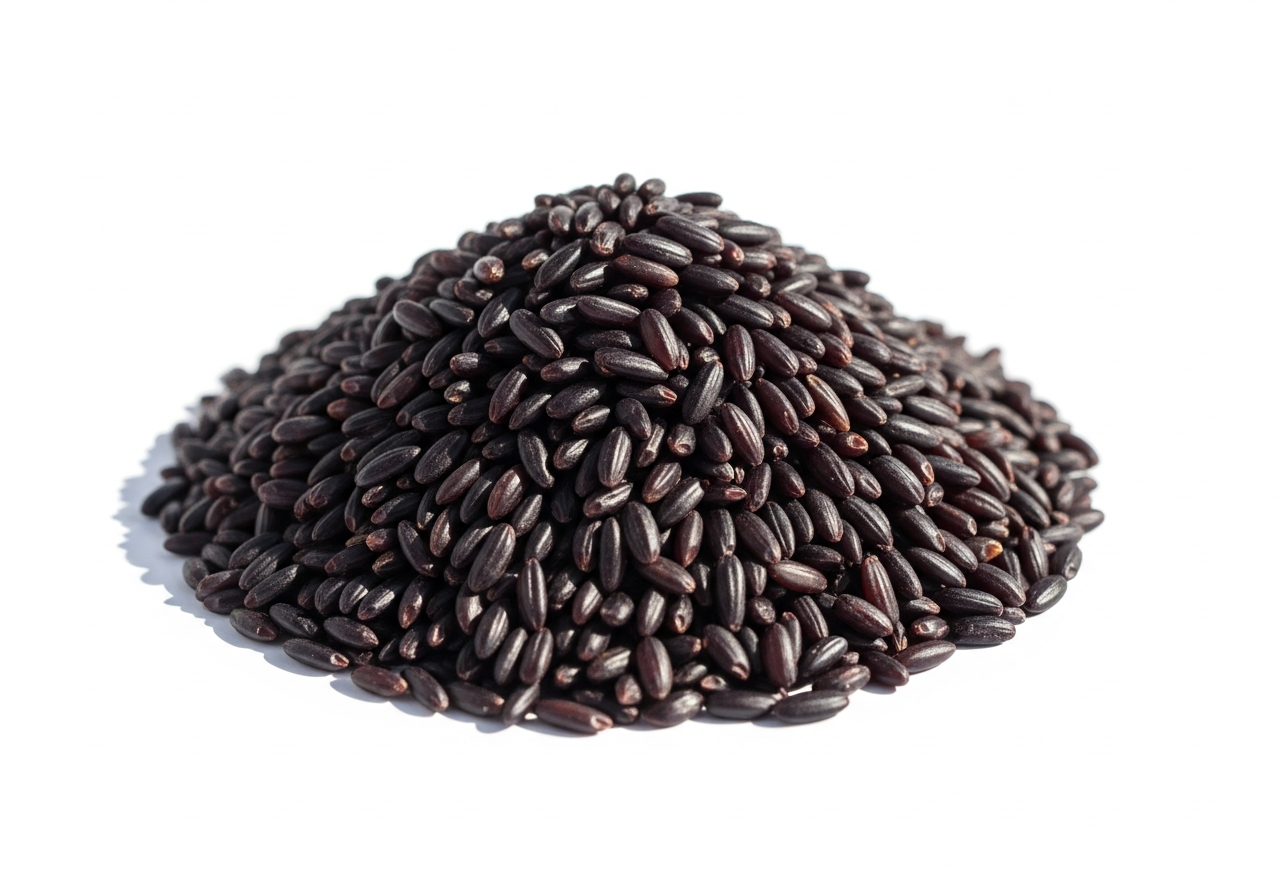
Black rice, often called forbidden rice, offers a compelling macro profile per 100 grams cooked: approximately 130 calories, 23 grams of carbohydrates, 5 grams of protein, and a mere 1 gram of fat. Its standout nutritional highlight is its exceptionally high antioxidant content, particularly anthocyanins, contributing to its rich color and numerous health benefits.
Detailed Nutrition Facts
Understanding the macro and micronutrient breakdown of black rice is crucial for anyone mindful of their dietary intake. Per 100 grams of cooked black rice, you can expect the following approximate nutrition facts:
- Calories: Around 130 kcal. This makes it a moderately calorie-dense food, suitable for various dietary goals.
- Carbohydrates: Approximately 23 grams. The majority of these are complex carbohydrates, which are digested slowly, providing sustained energy and contributing to feelings of fullness.
- Protein: About 5 grams. While not a primary protein source, this contribution is significant for a grain and adds to muscle repair and satiety.
- Fat: Roughly 1 gram. Black rice is inherently a low-fat food, making it an excellent choice for those managing fat intake.
- Fiber: Around 2 grams. This soluble and insoluble fiber content aids digestion, helps regulate blood sugar levels, and supports a healthy gut microbiome.
Beyond the macronutrients, black rice is a good source of several essential micronutrients, including:
- Iron: Important for oxygen transport in the blood.
- Magnesium: Plays a role in over 300 enzymatic reactions in the body, including energy production and muscle function.
- Phosphorus: Essential for bone health and energy metabolism.
- Antioxidants: Most notably anthocyanins, the pigments responsible for its deep purple-black hue. These powerful compounds combat oxidative stress and inflammation.
Serving Size Considerations: The nutrition facts presented are for cooked black rice. The volume and weight can change significantly after cooking due to water absorption. A standard serving size is typically around half a cup to one cup cooked, which would be approximately 80-100 grams. When you are macro tracking, it is vital to weigh your cooked rice to ensure accuracy.
Comparison to Similar Foods: Compared to white rice, black rice contains more protein and fiber. While brown rice also boasts a good fiber content, black rice often surpasses it in antioxidant levels. White rice is generally lower in calories and protein but higher in easily digestible carbohydrates. This makes black rice a more nutrient-dense option for those seeking the benefits of whole grains.
Health Benefits
The unique nutritional profile of black rice translates into a range of significant health benefits, making it a valuable addition to a balanced diet. Its rich antioxidant content is its most celebrated attribute. The high concentration of anthocyanins, the same compounds found in blueberries and blackberries, provides powerful anti-inflammatory and antioxidant effects. These nutrition facts translate into tangible advantages for your well-being.
Primary Benefits:
- Antioxidant Powerhouse: Anthocyanins combat free radicals, which are unstable molecules that can damage cells and contribute to chronic diseases like heart disease and certain cancers. This protective effect is a key reason to incorporate black rice into your diet.
- Heart Health Support: The antioxidants in black rice may help improve cholesterol levels and reduce the risk of heart disease by protecting blood vessels from damage.
- Blood Sugar Management: Despite being a carbohydrate, the fiber content in black rice helps to slow down the absorption of sugar into the bloodstream, preventing sharp spikes and crashes. This makes it a more beneficial choice than refined grains for individuals managing blood sugar levels.
- Digestive Health: The fiber promotes regular bowel movements and can contribute to a healthier gut microbiome, which is linked to numerous aspects of overall health.
- Weight Management: As a whole grain, black rice provides sustained energy and promotes satiety, which can help control appetite and reduce overall calorie intake, thus supporting weight management efforts.
Who Should Eat This Food:
Black rice is an excellent choice for almost everyone looking to improve their diet. It is particularly beneficial for:
- Individuals seeking to increase their antioxidant intake.
- Those managing blood sugar levels or looking for healthier carbohydrate alternatives.
- People interested in supporting heart health.
- Anyone aiming for better digestive health.
- Athletes and fitness enthusiasts looking for complex carbohydrates that provide sustained energy.
When to Eat It:
Black rice can be enjoyed at any meal. Its versatile flavor and texture make it suitable for:
- Breakfast: As a base for a savory breakfast bowl with eggs and vegetables.
- Lunch: In a hearty grain salad with lean protein and colorful vegetables.
- Dinner: As a side dish to complement lean meats, fish, or plant-based protein sources.
- Pre or Post-Workout: Its complex carbohydrates can provide sustained energy before a workout and aid in glycogen replenishment afterward.
How to Track Macros
Accurate macro tracking is essential for achieving specific dietary goals, whether that involves weight loss, muscle gain, or general health maintenance. Black rice, like any food, needs to be measured properly to fit into your daily targets.
Portion Measurement Tips:
The most reliable method for macro tracking black rice is to weigh it after it has been cooked. Raw rice has a different weight and water content compared to cooked rice. Use a digital kitchen scale for precision. Measure out your desired portion in grams. For instance, if your macro tracking app indicates you need 50 grams of cooked rice, weigh out exactly 50 grams.
Using Macro Tracking Apps:
Most popular macro tracking apps have extensive food databases that include black rice. When logging your intake, search for "cooked black rice." You will typically be prompted to enter the weight in grams or ounces, or you can select a standard serving size if you are confident in its accuracy. Ensure you are selecting the correct entry, as raw rice will have different nutrition facts.
Common Serving Sizes:
While weighing is best, understanding common serving sizes can be helpful for quick estimates or when a scale is unavailable.
- 1 cup cooked black rice: This is roughly equivalent to 160-180 grams, containing approximately 210-235 calories, 40-45 grams of carbohydrates, 8-10 grams of protein, and about 1-2 grams of fat.
- Half a cup cooked black rice: This is approximately 80-90 grams, providing about 105-118 calories, 20-23 grams of carbohydrates, 4-5 grams of protein, and less than 1 gram of fat.
When macro tracking, always err on the side of caution. If you are unsure about a portion, it is better to slightly overestimate than underestimate to avoid going over your targets. Remember that these are approximate values, and slight variations can occur based on the specific variety of black rice and cooking method.
Meal Ideas & Preparation
Incorporating black rice into your meals is simple and delicious, offering a nutritious alternative to more common grains. Its slightly nutty flavor and chewy texture make it a versatile base for a variety of dishes. The key is to prepare it in ways that maximize its nutritional value and flavor.
Breakfast Ideas:
- Savory Black Rice Bowl: Cook black rice and top with a fried or poached egg, sautéed spinach, sliced avocado, and a sprinkle of chili flakes for a protein-packed start to your day.
- Black Rice Pudding: Simmer cooked black rice with your choice of milk (dairy or non-dairy), a touch of sweetener, cinnamon, and vanilla extract. Top with berries and nuts.
Lunch and Dinner Ideas:
- Black Rice Salad: Combine cooked black rice with chopped cucumber, bell peppers, cherry tomatoes, black beans, corn, and a lime-cilantro dressing. Add grilled chicken or shrimp for extra protein.
- Stuffed Bell Peppers: Mix cooked black rice with lean ground turkey or lentils, diced onions, garlic, and herbs. Stuff into halved bell peppers and bake until tender.
- Black Rice Stir-fry: Use cooked black rice as the base for a vibrant stir-fry. Combine with your favorite vegetables like broccoli, carrots, snap peas, and a protein source like tofu, chicken, or beef, seasoned with soy sauce or tamari.
- Side Dish Staple: Serve as a hearty and nutritious side to grilled fish, roasted chicken, or a vegetarian curry.
Meal Prep Tips:
Black rice is an excellent grain for meal prepping because it holds its texture well after cooking and refrigeration.
- Cook in Batches: Prepare a large batch of black rice at the beginning of the week. Once cooled, portion it into airtight containers for easy access throughout the week.
- Cool Quickly: After cooking, spread the rice on a baking sheet to cool rapidly before storing it. This helps prevent bacterial growth.
- Store Properly: Keep cooked black rice in an airtight container in the refrigerator for up to 3-4 days.
Cooking Methods That Preserve Nutrients:
- Simmering: The most common and effective method. Rinse the rice thoroughly before cooking. Use a ratio of approximately 1 part black rice to 2 parts liquid (water or broth). Bring to a boil, then reduce heat, cover, and simmer for about 30-45 minutes, or until tender and the liquid is absorbed.
- Steaming: Similar to simmering, steaming can also be an effective method for cooking black rice while preserving its nutrients.
- Avoid Overcooking: Overcooking can lead to a mushy texture and potential loss of some nutrients. Cook until tender but still slightly firm.
When preparing black rice, always rinse it thoroughly under cold water to remove excess starch and any potential debris. This step also helps to improve digestibility.
For Weight Loss
Black rice can be a strategic ally in your weight loss journey due to its satisfying nature and nutrient density. Understanding its macros and how to incorporate it effectively can make a significant difference.
Why It's Good for Weight Loss:
- Satiety and Fullness: The complex carbohydrates and fiber content in black rice are key. Fiber slows digestion, promotes a feeling of fullness, and helps to prevent overeating. This sustained energy release also prevents the energy crashes often associated with refined carbohydrates, which can lead to cravings.
- Nutrient Density: Despite being a moderate source of calories, black rice is packed with micronutrients and antioxidants. This means you are nourishing your body while consuming fewer calories, supporting overall health during a calorie deficit.
- Blood Sugar Regulation: By preventing sharp spikes and dips in blood sugar, black rice helps to manage cravings for sugary or high-calorie snacks, a common challenge during weight loss.
- Low Fat Content: Its inherently low fat content means you can enjoy a filling portion without consuming a large amount of fat calories.
Portion Recommendations:
For weight loss, portion control is paramount. A typical serving of cooked black rice for weight management might range from half a cup to one cup (approximately 80-180 grams). This will contribute around 105-235 calories, primarily from carbohydrates, but with beneficial fiber and a modest protein boost. Always integrate this into your total daily calorie and macro targets. Weighing your cooked rice is the most accurate way to ensure you stay within your limits.
Pairing Suggestions:
To maximize its weight loss benefits, pair black rice with lean protein sources and plenty of non-starchy vegetables.
- Lean Proteins: Grilled chicken breast, fish (salmon, cod), lean turkey, tofu, tempeh, or legumes like black beans or lentils.
- Non-Starchy Vegetables: Broccoli, spinach, kale, bell peppers, zucchini, asparagus, and leafy greens. These add volume, fiber, and essential vitamins and minerals with minimal calories.
- Healthy Fats in Moderation: A small amount of avocado or a drizzle of olive oil can enhance satiety.
For example, a meal of grilled salmon with a side of 1 cup of cooked black rice and a large portion of steamed broccoli provides a balanced intake of protein, complex carbohydrates, fiber, and healthy fats, promoting satiety and supporting your weight loss goals.
For Muscle Gain
When aiming for muscle gain, your diet needs to provide sufficient calories and protein to support muscle repair and growth. Black rice can play a role in this dietary strategy by providing quality complex carbohydrates and a notable protein contribution.
Protein Content Benefits:
While not as high in protein as legumes or meat, the 5 grams of protein per 100 grams of cooked black rice is a valuable addition, especially when consumed as part of a balanced meal. Protein is the building block of muscle tissue. Adequate protein intake ensures that your body has the necessary amino acids to repair muscle fibers damaged during intense workouts and to synthesize new muscle tissue. This makes black rice a good carbohydrate source that also contributes to your overall protein goals.
Pre and Post-Workout Timing:
- Pre-Workout: Consuming black rice 1-3 hours before a workout can provide sustained energy due to its complex carbohydrate nature. This helps fuel your training session, allowing you to perform at a higher intensity and potentially lift heavier weights. A serving of cooked black rice can be part of a meal that also includes lean protein and some healthy fats.
- Post-Workout: Within 2-3 hours after your workout, your body is primed to replenish glycogen stores and begin muscle repair. Black rice can be an excellent carbohydrate source in your post-workout meal. Pairing it with a protein source like chicken, fish, or a protein shake ensures you are providing both the energy for recovery and the building blocks for muscle growth.
Bulking Meal Ideas:
For individuals in a caloric surplus phase (bulking) to gain muscle mass, black rice can be a staple.
- Chicken and Black Rice Bowl: A generous portion of cooked black rice topped with grilled chicken breast, a moderate amount of healthy fats like avocado or almonds, and a side of roasted vegetables.
- Beef and Black Rice Stir-fry: Lean ground beef or steak stir-fried with mixed vegetables and served over a substantial portion of black rice.
- Black Rice with Lentils and Vegetables: A hearty vegetarian option where cooked black rice is mixed with protein-rich lentils, various vegetables, and seasoned with herbs and spices.
- Post-Workout Smoothie Addition: While less common, some may add a small amount of cooked black rice to a post-workout smoothie for added complex carbohydrates, though this should be carefully considered within total intake.
Remember, for muscle gain, the total calorie intake must exceed expenditure, and protein intake should be adequate, typically ranging from 1.6 to 2.2 grams per kilogram of body weight. Black rice contributes valuable complex carbohydrates to meet energy needs and supports muscle protein synthesis with its modest protein content.
Comparisons
Understanding how black rice stacks up against other grains can help you make informed dietary choices based on your specific nutrition facts and goals.
vs. Similar Foods:
- vs. White Rice: White rice is primarily starch, offering quick energy but lacking in fiber and most micronutrients. Black rice, on the other hand, is significantly richer in fiber, protein, and antioxidants. In terms of macros, white rice generally has fewer calories and less protein per serving but more easily digestible carbohydrates.
- vs. Brown Rice: Brown rice is a whole grain and a good source of fiber and some micronutrients. Black rice often surpasses brown rice in antioxidant content, particularly anthocyanins. Their macro profiles are quite similar, with black rice sometimes having a slightly higher protein and fiber count, depending on the variety.
- vs. Quinoa: Quinoa is a complete protein, meaning it contains all nine essential amino acids. While black rice offers a decent amount of protein, quinoa is superior in this regard. Both are excellent sources of complex carbohydrates and fiber, but black rice is typically higher in antioxidants.
Best Alternatives:
If black rice is unavailable or you are looking for variety, consider these alternatives:
- Brown Rice: A widely available and nutritious whole grain, offering similar benefits in terms of fiber and complex carbohydrates.
- Farro: An ancient grain with a chewy texture and nutty flavor, rich in fiber and protein.
- Barley: Another good source of fiber, particularly beta-glucan, which is beneficial for heart health.
- Quinoa: Excellent for its complete protein profile and versatility.
When to Choose Each:
- Choose Black Rice when: You want to maximize antioxidant intake, benefit from sustained energy release, support heart health, and enjoy a visually appealing, nutrient-dense grain. It’s an excellent choice for general health, weight management, and as a component of muscle-gain diets.
- Choose Brown Rice when: You need a readily available, nutritious whole grain that offers good fiber and complex carbohydrates. It is a solid everyday choice.
- Choose Quinoa when: You are prioritizing complete protein intake, perhaps as a primary protein source in a vegetarian or vegan meal, or when you need a grain that cooks relatively quickly.
- Choose Farro or Barley when: You are looking for diverse whole grains with robust flavors and textures, and you want to increase your intake of dietary fiber.
Each grain offers unique benefits, and incorporating a variety into your diet can ensure a broad spectrum of nutrients.
FAQs
Q1: What are the primary macros in black rice?
A1: The primary macros in 100 grams of cooked black rice are approximately 23 grams of carbohydrates, 5 grams of protein, and 1 gram of fat, with around 130 calories.
Q2: Is black rice good for weight loss?
A2: Yes, black rice is good for weight loss due to its high fiber content which promotes satiety, its complex carbohydrates for sustained energy, and its ability to help regulate blood sugar levels, thus reducing cravings.
Q3: How much protein does black rice have, and is it enough for muscle gain?
A3: Black rice contains about 5 grams of protein per 100 grams of cooked rice. While it contributes to your protein intake, it is usually not sufficient as a sole protein source for muscle gain; it should be complemented with other protein-rich foods.
Q4: How should I cook black rice for optimal nutrition?
A4: Rinse black rice thoroughly and then simmer it in a 1:2 ratio of rice to liquid (water or broth) for about 30-45 minutes until tender. Avoid overcooking to preserve nutrients.
Q5: How long can I store cooked black rice?
A5: Cooked black rice can be stored in an airtight container in the refrigerator for 3-4 days. Ensure it is cooled properly before storing.
Q6: What is the difference in nutrition between black rice and white rice?
A6: Black rice is a whole grain with more fiber, protein, and significantly higher antioxidant levels than white rice, which is refined and stripped of most of its nutrients. White rice offers more easily digestible carbohydrates.
Q7: Do I need to weigh black rice before or after cooking for macro tracking?
A7: For accurate macro tracking, it is essential to weigh black rice after it has been cooked, as its weight and volume increase significantly due to water absorption during the cooking process.
Track black rice easily with JustMacros - your free macro tracking app.