Spinach Artichoke Dip: Complete Macros & Nutrition Guide
Complete macro and nutrition guide for Spinach Artichoke Dip. Learn calories, protein, carbs, fat per serving plus meal ideas and tracking tips.
Table of Contents
- Quick Answer
- Detailed Nutrition Facts
- Micronutrients
- Serving Size Considerations
- Comparison to Similar Foods
- Health Benefits
- Primary Benefits
- Who Should Eat This Food
- When to Eat It
- How to Track Macros
- Portion Measurement Tips
- Using Macro Tracking Apps
- Common Serving Sizes
- Meal Ideas & Preparation
- Breakfast, Lunch, Dinner Ideas
- Meal Prep Tips
- Cooking Methods That Preserve Nutrients
- For Weight Loss
- Why It's Good for Weight Loss
- Portion Recommendations
- Pairing Suggestions
- For Muscle Gain
- Protein Content Benefits
- Pre/Post Workout Timing
- Bulking Meal Ideas
- Comparisons
- vs. Similar Foods
- Best Alternatives
- When to Choose Each
- FAQs
- Is Spinach Artichoke Dip high in calories?
- What are the main macros in Spinach Artichoke Dip?
- Can Spinach Artichoke Dip be keto-friendly?
- Is homemade Spinach Artichoke Dip healthier than store-bought?
- How can I make Spinach Artichoke Dip higher in protein?
- What are the best dippers for a macro-conscious approach?
- How long does Spinach Artichoke Dip last in the refrigerator?
Spinach Artichoke Dip Macros: Complete Nutrition Guide
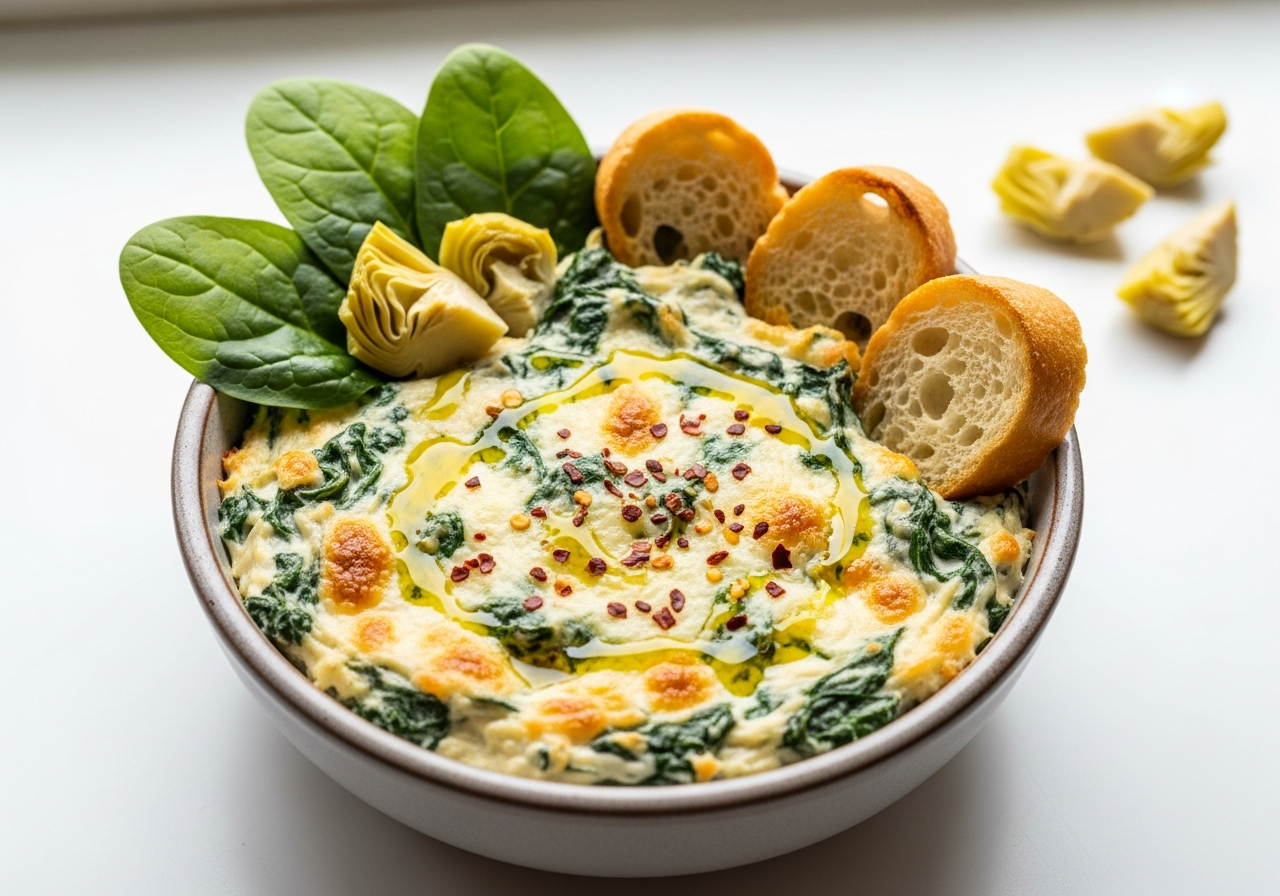
Spinach Artichoke Dip, a beloved appetizer, often conjures images of indulgent, creamy goodness. But for those of us meticulously tracking our nutrition, the question naturally arises: what are we truly dipping into? As expert nutrition writers and chefs for JustMacrosFit, we're here to break down the macros and nutritional profile of this classic dish, offering insights for every health goal.
Quick Answer
A 100g serving of traditional spinach artichoke dip typically contains around 250-640 calories, with a macro breakdown heavily skewed towards fats (69-90%), moderate carbohydrates (5-21%), and lower protein (4-21%). Healthier versions, however, can significantly reduce calories and fat while boosting protein and fiber, making it a surprisingly adaptable dish.
Detailed Nutrition Facts
Understanding the full nutritional landscape of Spinach Artichoke Dip is crucial for integrating it into your daily macro tracking. The exact figures can vary widely based on ingredients, with traditional recipes using full-fat dairy, mayonnaise, and sour cream, while healthier alternatives often incorporate Greek yogurt or reduced-fat cheeses.
For a typical 100g serving of a traditional spinach artichoke dip:
* Calories: Expect anywhere from 265 to 643 calories. This high caloric density is primarily due to the generous use of cheese and other fatty bases.
* Total Fat: This is usually the dominant macronutrient, ranging from 20g to over 60g, with saturated fat making up a significant portion.
* Carbohydrates: Typically, carbohydrates fall between 5g and 20g. This includes a small amount of dietary fiber from the spinach and artichokes, and some sugars from dairy.
* Protein: Protein content is generally modest, ranging from 4g to 10g, sourced mainly from the dairy products.
However, healthier homemade versions can drastically alter these numbers. A recipe using reduced-fat cream cheese and Greek yogurt can bring a serving down to around 95-185 calories, 5-12g total fat (with significantly less saturated fat), 5-6g carbs (including higher fiber), and 7-10g protein.
Micronutrients
Beyond the macros, Spinach Artichoke Dip also offers a decent profile of micronutrients, especially when made with fresh, quality ingredients:
* Vitamin K: Spinach is an excellent source of Vitamin K, crucial for blood clotting and bone health.
* Vitamin A: Another powerhouse, spinach provides significant amounts of Vitamin A, supporting vision and immune function.
* Vitamin C: Found in both spinach and artichokes, Vitamin C acts as an antioxidant and supports immune health.
* Folate: Spinach is rich in folate, essential for cell growth and function.
* Iron: This dip provides some dietary iron, important for red blood cell production and preventing iron deficiency anemia.
* Fiber: Artichokes are a standout for their high fiber content, which aids digestion and promotes gut health.
Serving Size Considerations
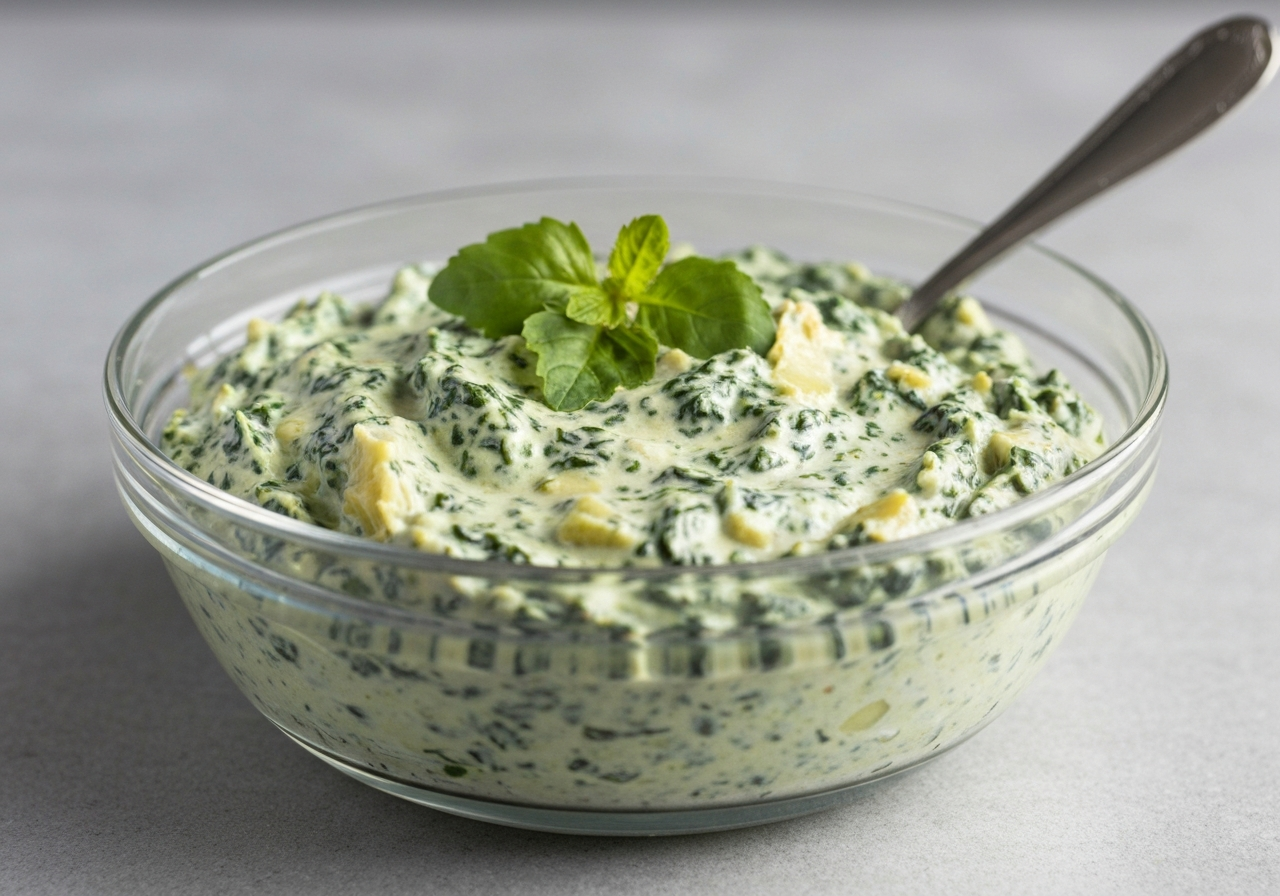
A "serving" of spinach artichoke dip can be deceiving. While a typical serving size might be listed as 2 tablespoons (around 30-40g), it's easy to consume much more, especially in a social setting. We often see restaurant servings being substantially larger, sometimes equating to 300-500 calories per half-cup serving, making portion control vital for macro tracking.
Comparison to Similar Foods
Compared to other popular dips like cheesy queso or creamy ranch, traditional spinach artichoke dip can be similarly calorie-dense and high in fat. However, its inclusion of significant vegetables like spinach and artichokes gives it an edge in micronutrient and fiber content. Healthier, yogurt-based versions can significantly outperform many other dips in terms of protein and lower saturated fat.
Health Benefits
When prepared thoughtfully, Spinach Artichoke Dip offers more than just deliciousness; it can provide tangible health benefits, thanks to its star ingredients.
Primary Benefits
- Nutrient Density: The core vegetables, spinach and artichokes, are true nutritional powerhouses. Spinach brings a wealth of vitamins A, C, and K, along with folate and iron. Artichokes contribute substantial dietary fiber, magnesium, and antioxidants.
- Antioxidant Power: Both spinach and artichokes are packed with antioxidants, which help combat inflammation and oxidative stress in the body. This can contribute to reducing the risk of chronic diseases.
- Digestive Health: Artichokes are particularly noteworthy for their high fiber content and the presence of inulin, a prebiotic fiber that supports a healthy gut microbiome and aids digestion.
- Bone Health: The high vitamin K content from spinach is essential for bone strength and proper calcium metabolism.
Hero Nutrients:
* Spinach: Rich in Vitamin K (120%+ Daily Value per cup raw), Vitamin A, Vitamin C, Folate, Iron.
* Artichoke: High in dietary fiber (10g per medium artichoke), magnesium, and antioxidants like cynarin and silymarin.
Who Should Eat This Food
Spinach Artichoke Dip, particularly in its healthier forms, can be a great addition for:
* Individuals seeking nutrient-dense snacks: The vegetables provide crucial vitamins, minerals, and fiber.
* Those looking for high-fiber options: Artichokes significantly boost the fiber content, beneficial for satiety and gut health.
* People needing a calcium boost: If made with dairy, it contributes to calcium intake.
* Anyone wanting a satisfying, flavorful dish: It can satisfy cravings for creamy, indulgent flavors without the heaviness associated with traditional versions, especially when using lighter bases.
When to Eat It
Due to its caloric density, even in healthier versions, we recommend consuming Spinach Artichoke Dip:
* As an appetizer or snack: Pair it with vegetable sticks (carrots, celery, bell peppers) or whole-grain crackers for a balanced snack.
* As part of a balanced meal: Incorporate it as a side dish, ensuring overall macros align with your goals.
* Pre-workout (in moderation): A small portion of a higher-carb version can provide quick energy, while a higher protein version can contribute to muscle fuel.
* Post-workout (in moderation): If focusing on protein and some carbs for recovery, a balanced, protein-rich version can be suitable.
How to Track Macros
Accurate macro tracking is the cornerstone of achieving your nutrition goals. Spinach Artichoke Dip, with its variable recipes, requires a bit of diligence.
Portion Measurement Tips
The biggest challenge with dips is portion control. A "serving" can quickly become multiple servings without careful measurement.
1. Use a Food Scale: This is our golden rule for precision. Weigh your portion of dip in grams to get the most accurate macro count.
2. Measure by Volume: If a scale isn't available, use measuring spoons (tablespoons) or cups. Remember, 2 tablespoons is a common serving size.
3. Be Mindful of Dippers: The macros of your dippers (chips, bread, vegetables) also contribute to your total intake and should be tracked separately.
4. Homemade vs. Store-Bought: For homemade recipes, calculate the total macros of all ingredients, then divide by the number of servings to get a precise per-serving breakdown. Store-bought dips will have nutrition labels, but always verify the serving size.
Using Macro Tracking Apps
Apps like JustMacrosFit make tracking Spinach Artichoke Dip straightforward.
* Search Database: Our app’s extensive database often includes various brands and homemade recipes for spinach artichoke dip. Look for entries that closely match your recipe or chosen product.
* Customize Entries: If you're making your own, you can input the ingredients and quantities directly. The app will calculate the total macros, and you can then divide by your intended number of servings.
* Scan Barcodes: For store-bought varieties, simply scan the barcode on the packaging to instantly log its nutrition facts.
* Adjust Serving Sizes: Once an item is logged, you can easily adjust the serving size (e.g., from 1 serving to 1.5 servings or specify grams) to accurately reflect what you’ve consumed.
Common Serving Sizes
As we've noted, serving sizes can vary. Here are a few common examples to keep in mind:
* 1 tablespoon (15g): Approximately 49 calories, 5g fat, 0.8g carbs, 0.6g protein (for a traditional recipe).
* 2 tablespoons (30-40g): Roughly 80-120 calories, 7-12g fat, 2-3g carbs, 1-4g protein.
* Homemade (healthier, ⅓ cup/75g): Around 95 calories, 5g fat, 5g carbs, 7g protein.
Always consult the specific product label or recipe you are using for the most accurate information.
Meal Ideas & Preparation
Spinach Artichoke Dip is incredibly versatile and can be more than just an appetizer. With a few creative twists, it can become a staple in your macro-friendly meals.
Breakfast, Lunch, Dinner Ideas
- Breakfast: While unconventional, a dollop of a protein-rich spinach artichoke dip can be mixed into scrambled eggs or spread on a whole-grain toast for a savory start to your day. Or, consider a spinach artichoke and egg muffin cup.
- Lunch: Transform your dip into a satisfying lunch. Spread it on a whole-wheat wrap with grilled chicken or turkey, or use it as a creamy base for a hearty salad. We often use it to stuff bell peppers or mushrooms for a lighter, nutrient-packed meal.
- Dinner: Integrate it into main courses. Spinach artichoke dip can be a fantastic topping for baked chicken or fish. It can also be stirred into pasta dishes or used as a filling for lasagna rolls, providing both flavor and a boost of vegetables.
Meal Prep Tips
Preparing a large batch of spinach artichoke dip at the beginning of the week can streamline your meal prep.
1. Batch Cook: Make a larger quantity of your chosen recipe.
2. Portion and Store: Divide the dip into individual, airtight containers. This pre-portioned approach makes macro tracking effortless and prevents overeating.
3. Versatile Use: Keep a container in the fridge to quickly add to meals throughout the week. It reheats well in the microwave or oven.
4. Freeze for Later: Many recipes freeze well, allowing you to have a ready supply for busy days. Thaw in the refrigerator overnight before reheating.
Cooking Methods That Preserve Nutrients
To maximize the nutritional value of your dip:
* Steam or Sauté Vegetables Lightly: When preparing spinach and artichokes, avoid overcooking them. Light steaming or a quick sauté helps retain water-soluble vitamins like Vitamin C and some B vitamins.
* Choose Baking over Frying: If your recipe involves heating, baking the dip is generally healthier than frying, which adds excessive fat.
* Mind Your Dairy: Opt for reduced-fat or non-fat Greek yogurt, Neufchatel cheese (reduced-fat cream cheese), and skim milk mozzarella to cut down on saturated fats and calories without sacrificing creaminess.
* Fresh Ingredients: Whenever possible, use fresh spinach and artichoke hearts. If using frozen, ensure they are thoroughly thawed and drained to avoid a watery dip.
For Weight Loss
Navigating weight loss goals requires strategic food choices, and Spinach Artichoke Dip can certainly fit, provided you make smart adjustments.
Why It's Good for Weight Loss
The inherent goodness of spinach and artichokes makes this dip a strong contender for weight loss, especially in its modified forms.
* Fiber-Rich: Artichokes are packed with dietary fiber, which promotes satiety, helping you feel fuller for longer and reducing overall calorie intake.
* Nutrient Density: The vitamins and minerals from the vegetables support overall bodily functions, which are crucial during a calorie deficit.
* Protein Boost (with modifications): When made with Greek yogurt or cottage cheese, the protein content significantly increases. Protein is essential for satiety and preserving lean muscle mass during weight loss.
* Satisfies Cravings: A well-made, healthier dip can satisfy cravings for rich, creamy foods, preventing you from reaching for less nutritious, higher-calorie alternatives.
Portion Recommendations
Portion control is paramount for weight loss. We recommend:
* Stick to 1-2 tablespoons per serving: This keeps calories in check while still allowing you to enjoy the flavor.
* Pair with non-starchy vegetables: Ditch the chips and opt for raw carrots, celery, cucumber slices, bell pepper strips, or cherry tomatoes. These add volume and fiber with minimal calories.
* Consider a lighter base: Instead of full-fat sour cream and mayonnaise, opt for plain non-fat Greek yogurt or blended cottage cheese as your creamy base.
* Reduce Cheese Quantity: While cheese provides flavor, it also adds calories and fat. Experiment with reduced amounts or lighter cheese options.
Pairing Suggestions
- Vegetable Sticks: Our top recommendation for guilt-free dipping.
- Whole-Wheat Pita or Crackers (measured): For a moderate carb option, choose whole-grain versions and count out a specific number.
- Lettuce Wraps: Use large lettuce leaves as scoops for a crunchy, low-carb alternative.
- As a Spread: Use a thin layer on a turkey or chicken sandwich, or inside a lean protein wrap.
For Muscle Gain
For those focused on muscle gain, maximizing protein intake while managing overall calories is key. Spinach Artichoke Dip, when optimized, can contribute positively to your bulking efforts.
Protein Content Benefits
While traditional dip might be lower in protein, strategic modifications can make it a valuable asset for muscle growth.
* Greek Yogurt Base: Swapping cream cheese or mayonnaise for non-fat Greek yogurt significantly boosts the protein content, providing essential amino acids for muscle repair and growth.
* Cheese for Additional Protein: While high in fat, cheeses also contribute protein. Opting for a combination of reduced-fat and regular cheeses can offer a good balance.
* Adding Lean Protein: Consider mixing cooked, shredded chicken breast or white beans directly into your dip recipe to further elevate the protein per serving.
Pre/Post Workout Timing
- Pre-Workout: A serving of a protein-and-carb balanced version can provide sustained energy for your workout. The carbs from the vegetables and any added yogurt or lighter dairy can fuel your training.
- Post-Workout: Following a workout, your muscles are primed for nutrient uptake. A protein-rich spinach artichoke dip, perhaps served with whole-grain crackers or as a topping for a lean protein source like grilled chicken, can contribute to muscle recovery and glycogen replenishment. The protein helps repair muscle tissue, and the carbs aid in restocking energy stores.
Bulking Meal Ideas
- Loaded Baked Potato Topping: Use a generous serving of protein-fortified spinach artichoke dip as a topping for a large baked potato or sweet potato, adding complex carbs and flavor.
- Chicken or Steak Stuffer: Stuff chicken breasts or flank steak with the dip before baking or grilling for a rich, protein-packed meal.
- Pasta Sauce Base: Blend a larger portion of dip into a whole-wheat pasta sauce for a creamy, nutrient-dense meal that supports higher calorie and protein needs during a bulk.
- "Deconstructed" Dip Bowl: Combine a large scoop of dip with a serving of brown rice or quinoa, and a side of lean protein for a complete, calorie-dense meal.
Comparisons
Understanding how Spinach Artichoke Dip stacks up against other popular foods helps us make informed dietary choices.
vs. Similar Foods
- Vs. Cheesy Queso: Traditional spinach artichoke dip can be similar in fat and calorie content to cheesy queso. However, our dip has a significant advantage due to the high nutritional value of spinach and artichokes, which typically are not found in queso.
- Vs. Hummus: Hummus is generally lower in fat and calories, and higher in fiber and plant-based protein, making it a strong competitor for a healthier dip option. However, our dip can offer a creamier, richer texture that hummus may not replicate.
- Vs. Guacamole: Guacamole is rich in healthy monounsaturated fats from avocados and provides fiber. While higher in fat than some healthier spinach artichoke dip versions, it's a good source of healthy fats. Our dip provides a different micronutrient profile, particularly in Vitamin K and iron.
- Vs. Other Creamy Vegetable Dips: Many creamy vegetable dips might feature less nutrient-dense vegetables or rely on more processed bases. Our dip, with its potent combination of spinach and artichokes, often provides a superior micronutrient profile.
Best Alternatives
If you're looking for alternatives that offer similar creamy satisfaction or nutrient benefits, consider these:
* Greek Yogurt Dips: Plain Greek yogurt can be seasoned with herbs, garlic, and lemon juice for a high-protein, low-fat dip.
* White Bean Dips: Blended cannellini beans with herbs, garlic, and a touch of olive oil offer a fiber and protein-rich alternative.
* Roasted Red Pepper Hummus: Provides a different flavor profile with good fiber and plant protein.
* Avocado-Based Dips (e.g., Guacamole): Excellent for healthy fats, though higher in calories.
When to Choose Each
- Choose Spinach Artichoke Dip when: You crave a warm, creamy, savory dip that delivers a good dose of vitamins, minerals, and fiber. Opt for a healthier, homemade version to keep macros in check.
- Choose Hummus when: You need a consistently high-fiber, plant-based protein option that is typically lower in saturated fat.
- Choose Guacamole when: You want a rich source of healthy monounsaturated fats and a different flavor profile, perhaps with a Mexican-inspired meal.
- Choose Greek Yogurt Dips when: You prioritize very high protein and low fat, especially for a quick, refreshing snack.
Ultimately, variety is key. We encourage our JustMacrosFit community to enjoy a range of dips, always mindful of portion sizes and overall macro goals.
FAQs
Here, we address some of the most common questions we receive about Spinach Artichoke Dip's nutrition and preparation.
Is Spinach Artichoke Dip high in calories?
Yes, traditional spinach artichoke dip can be quite high in calories, typically ranging from 250 to over 600 calories per 100g, largely due to high fat content from cheeses and creamy bases. Healthier versions, however, can significantly reduce the caloric load.
What are the main macros in Spinach Artichoke Dip?
The main macros are fats, which usually constitute 69-90% of the calories, followed by carbohydrates (5-21%), and then protein (4-21%).
Can Spinach Artichoke Dip be keto-friendly?
Yes, spinach artichoke dip can be keto-friendly, especially when prepared with high-fat, low-carb dairy products and no added sugars or high-carb dippers. Many recipes keep net carbs to 2-3 grams per serving.
Is homemade Spinach Artichoke Dip healthier than store-bought?
Generally, yes. Homemade versions allow for control over ingredients, enabling you to choose reduced-fat dairy, less sodium, and no artificial additives, making it a significantly healthier option than many restaurant or store-bought varieties.
How can I make Spinach Artichoke Dip higher in protein?
To boost protein, substitute some or all of the cream cheese/mayonnaise with plain non-fat Greek yogurt or cottage cheese. You can also add lean protein like finely shredded chicken or blended white beans to the mix.
What are the best dippers for a macro-conscious approach?
For macro-conscious dipping, we recommend non-starchy vegetables like celery sticks, carrot sticks, bell pepper strips, cucumber slices, or cherry tomatoes. Whole-grain crackers or baked pita chips can be used in moderation, but ensure you track their macros.
How long does Spinach Artichoke Dip last in the refrigerator?
When stored in an airtight container, homemade or leftover spinach artichoke dip typically lasts for 3-5 days in the refrigerator.
Track Spinach Artichoke Dip easily with JustMacrosFit - your free macro tracking app.