Pasta Fagioli Soup: Complete Macros & Nutrition Guide
Complete macro and nutrition guide for Pasta Fagioli Soup. Learn calories, protein, carbs, fat per serving plus meal ideas and tracking tips.
Table of Contents
- Quick Answer
- Detailed Nutrition Facts
- Health Benefits
- Primary Benefits
- Who Should Eat This Food
- When to Eat It
- How to Track Macros
- Portion Measurement Tips
- Using Macro Tracking Apps
- Common Serving Sizes
- Meal Ideas & Preparation
- Breakfast, Lunch, Dinner Ideas
- Meal Prep Tips
- Cooking Methods That Preserve Nutrients
- For Weight Loss
- Why It's Good for Weight Loss
- Portion Recommendations
- Pairing Suggestions
- For Muscle Gain
- Protein Content Benefits
- Pre/Post Workout Timing
- Bulking Meal Ideas
- Comparisons
- vs. Similar Foods
- Best Alternatives
- When to Choose Each
- FAQs
- Q1: Is Pasta Fagioli Soup good for you?
- Q2: How many calories are in a typical serving of Pasta Fagioli?
- Q3: Is Pasta Fagioli high in carbs?
- Q4: Can I eat Pasta Fagioli if I'm trying to lose weight?
- Q5: How can I increase the protein in my homemade Pasta Fagioli?
- Q6: Does Pasta Fagioli freeze well?
- Q7: What are the main ingredients in Pasta Fagioli?
Pasta Fagioli Soup Macros: Complete Nutrition Guide
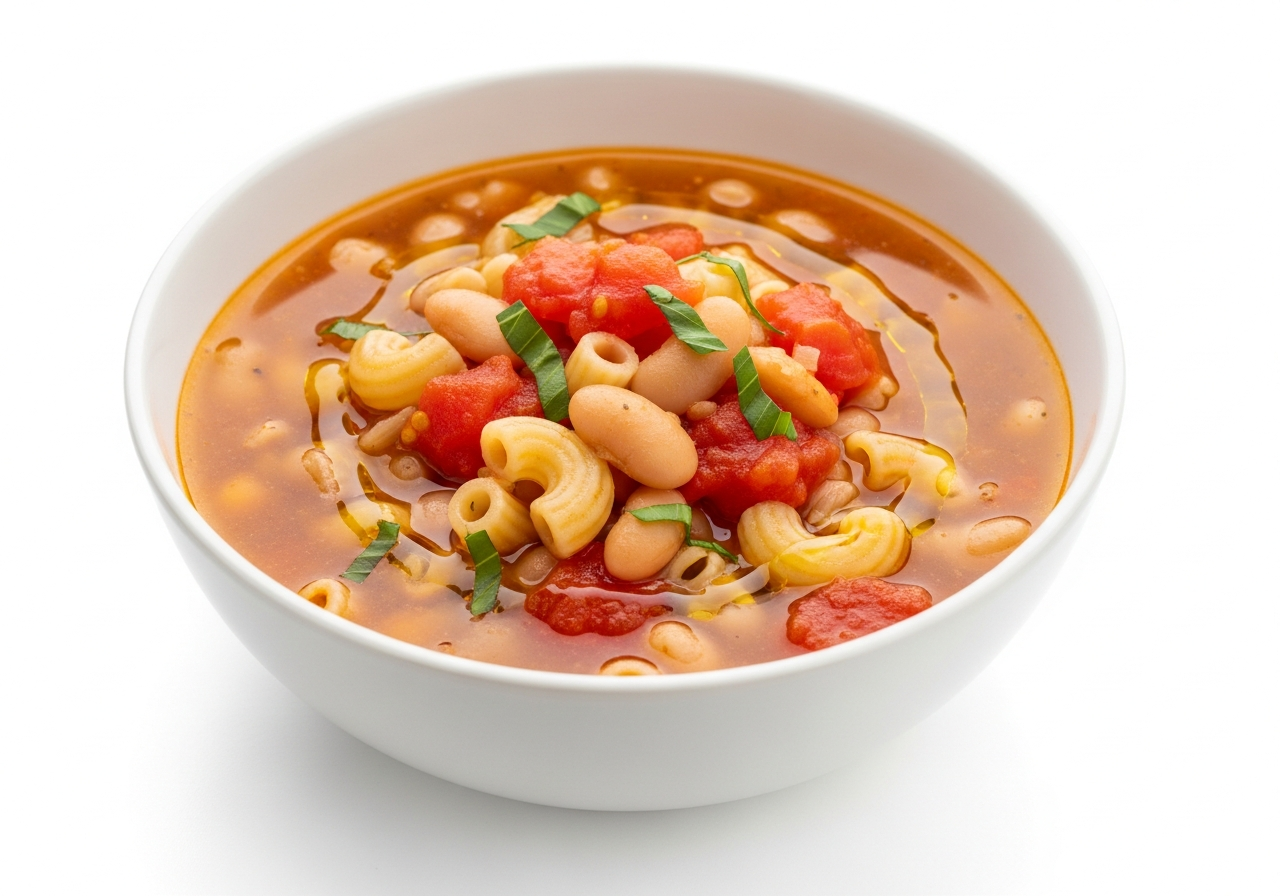
As expert nutrition writers and chefs at JustMacrosFit, we understand that tracking your food macros is paramount to achieving your health and fitness goals. Today, we're diving deep into a beloved Italian classic: Pasta Fagioli Soup. This hearty, comforting dish is more than just a delicious meal; it's a nutritional powerhouse when prepared thoughtfully. We'll break down its macro and micronutrient profiles, discuss its health benefits, and provide actionable advice for incorporating it into your diet, whether you're aiming for weight loss, muscle gain, or simply balanced eating.
Quick Answer
A typical serving of Pasta Fagioli Soup (around 1 cup or 240g) generally provides approximately 150-250 calories with a balanced macronutrient profile, often high in carbohydrates from pasta and beans, moderate protein, and relatively low fat. It's a key source of dietary fiber, contributing significantly to daily intake, and offers essential micronutrients like iron and potassium.
Detailed Nutrition Facts
Understanding the complete nutrition facts of Pasta Fagioli Soup goes beyond just calories. This traditional Italian bean and pasta soup offers a wealth of essential nutrients, making it a valuable addition to a balanced diet. The precise macro breakdown can vary significantly based on ingredients and preparation methods, with homemade versions often being healthier than many restaurant or canned options.
For a standard serving (e.g., 1 cup or 240-250g), the calories typically range from 150 to 250. For example, a 1-cup serving of Pasta Too Pasta Fagioli provides 160 calories, while Olive Garden's Pasta Fagioli soup contains 150 calories per serving. A homemade recipe might lean higher, with some reaching 264 calories per serving for a Tufts Health & Nutrition Letter recipe or 391 calories for a Physicians Committee recipe.
In terms of macros, Pasta Fagioli soup is generally considered moderate in protein and fat, and high in carbohydrates. Let's break down the typical ranges:
- Carbohydrates: This is often the dominant macronutrient, largely due to the pasta and beans. A serving can contain anywhere from 16g (Olive Garden) to 52g (Tufts recipe) or even 66g (Physicians Committee recipe) of total carbohydrates. Of this, dietary fiber is a significant component, often ranging from 3g to 10g per serving.
- Protein: Pasta Fagioli is a good source of plant-based protein from the beans. A typical serving can offer 8g (Olive Garden) to 13g (Tufts recipe) or even 18g (Emily Bites, Physicians Committee recipes).
- Fats: Generally, Pasta Fagioli soup is relatively low in fat, especially saturated fat, depending on the ingredients used (e.g., lean protein, olive oil in moderation). A serving might contain 1g (Tufts recipe) to 6g (Emily Bites recipe). Olive Garden's version contains 5g of fat.
Beyond the macros, Pasta Fagioli soup is a treasure trove of micronutrients. It's often an excellent source of dietary fiber, which is crucial for digestive health and satiety. You'll also find notable amounts of:
* Potassium: Important for blood pressure regulation and nerve function, with some recipes offering as much as 672mg per serving.
* Iron: Essential for oxygen transport in the blood, often providing 4-6mg per serving.
* Calcium: Important for bone health, with values around 78-127mg per serving.
* Vitamin A: Crucial for vision and immune function, with one source indicating 2,000 IU per 100g.
* Vitamin C: Found in tomatoes, contributing to immune support and skin health, with some recipes providing 19mg per serving.
Sodium content can vary widely; restaurant versions often contain higher amounts, such as Olive Garden's 710mg or even 1079mg in some recipes, while homemade versions can be controlled, potentially as low as 206mg per serving.
Hero Nutrients: Pasta Fagioli soup stands out for its impressive fiber content, often providing 3-10 grams per serving, and its significant contribution of protein, ranging from 8-18 grams, depending on the recipe.
When comparing it to similar foods like other bean or vegetable soups, Pasta Fagioli often offers a more substantial protein and fiber boost due to the combination of beans and pasta. Minestrone, for instance, might be similar in vegetable content but can vary greatly in bean and pasta quantity, impacting its macro balance.
Health Benefits
Pasta Fagioli Soup, particularly when prepared with whole ingredients and mindful sodium levels, offers a spectrum of health benefits that align perfectly with our philosophy at JustMacrosFit.
Primary Benefits
- Digestive Health: The high fiber content, primarily from the beans and vegetables, is fantastic for promoting regular bowel movements and maintaining a healthy gut microbiome. This dietary fiber aids in satiety, helping you feel full longer and potentially reducing overall calorie intake.
- Heart Health: With its rich supply of legumes, tomatoes, and often olive oil, Pasta Fagioli can contribute to cardiovascular wellness. Beans are known to help lower cholesterol, and the potassium content supports healthy blood pressure. The antioxidants from tomatoes and vegetables further protect heart health.
- Blood Sugar Regulation: The complex carbohydrates and high fiber content in beans and whole-grain pasta (if used) lead to a slower release of glucose into the bloodstream, helping to stabilize blood sugar levels. This is particularly beneficial for managing energy throughout the day and preventing sharp spikes and crashes.
- Muscle Support and Satiety: The protein from the beans and, in some recipes, a small amount of meat or cheese, contributes to muscle maintenance and growth. Protein is also a key player in satiety, making this soup a satisfying meal that can curb cravings.
- Rich in Micronutrients: Beyond the macros, this soup delivers a broad array of vitamins and minerals, including iron, potassium, calcium, and vitamins A and C, which are vital for overall bodily functions, energy production, and immune support.
Who Should Eat This Food
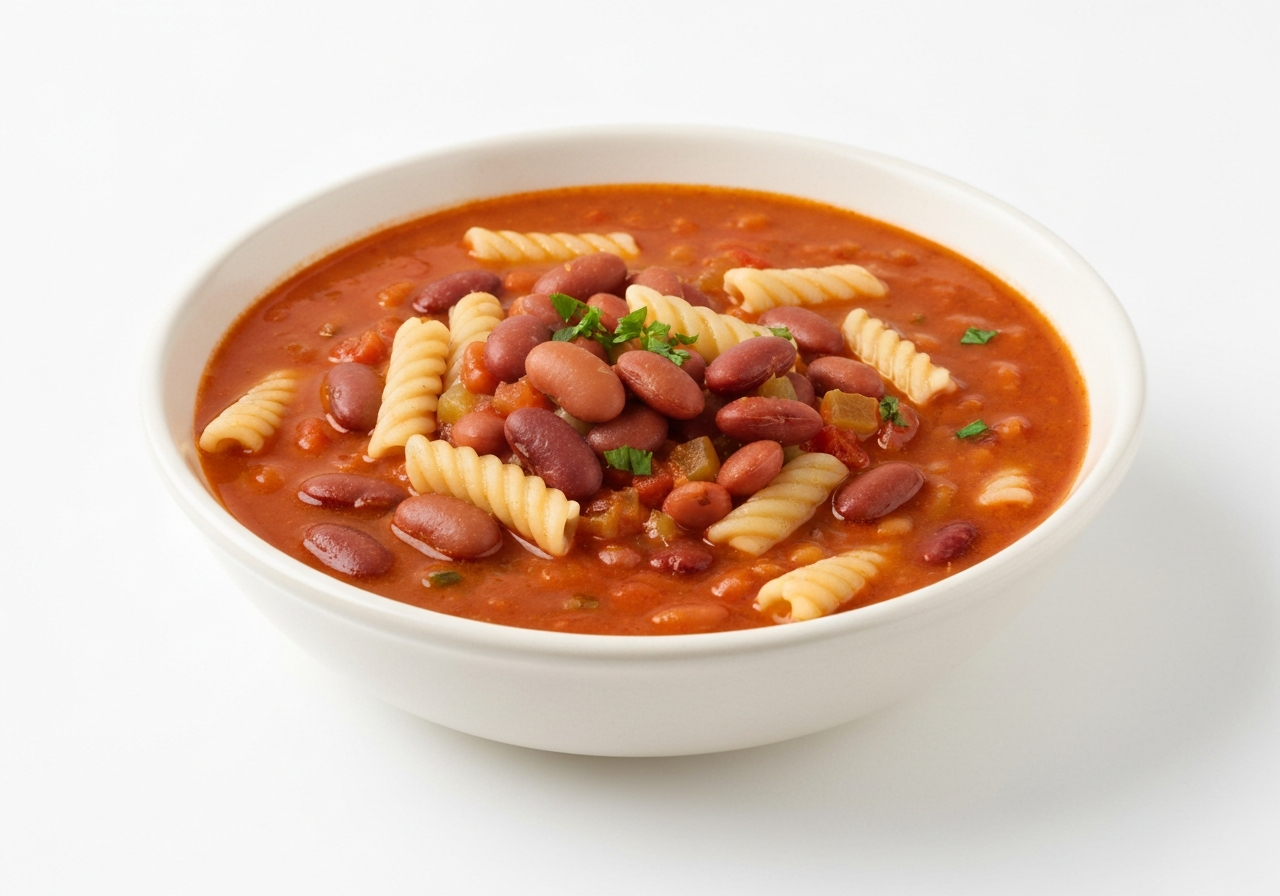
Pasta Fagioli soup is a versatile and beneficial meal for almost everyone!
* Individuals focused on weight management: Its high fiber and protein content make it incredibly filling, which can aid in reducing overall calorie consumption.
* Athletes and active individuals: The complex carbohydrates provide sustained energy, while the protein supports muscle recovery.
* Those seeking to increase fiber intake: If your diet lacks sufficient fiber, this soup is a delicious way to boost it.
* People looking for plant-forward meals: With beans as a primary component, it's an excellent option for vegetarians or those aiming to reduce meat consumption.
When to Eat It
Pasta Fagioli is a fantastic choice for:
* Lunch or Dinner: It's a complete meal on its own, especially when paired with a side salad.
* Meal Prep: It reheats beautifully, making it an ideal candidate for batch cooking and healthy meals throughout the week.
* Colder Months: Its warmth and heartiness make it particularly comforting during cooler weather.
* Post-Workout: The combination of carbohydrates for glycogen replenishment and protein for muscle repair makes it a suitable post-exercise meal.
How to Track Macros
Accurately tracking the macros in your Pasta Fagioli Soup is crucial for precise dietary management. While the nutrition data we've provided gives you a general idea, homemade recipes or different restaurant preparations will vary.
Portion Measurement Tips
The first step to accurate macro tracking is precise portion measurement.
1. Use a Food Scale: This is the most accurate method. Weigh your serving of soup in grams. Many nutrition apps allow you to input custom food entries based on weight.
2. Standard Measuring Cups: While less precise than a scale for varying densities, using a standard 1-cup or 1.5-cup measuring cup can give you a consistent serving size. Keep in mind that a "cup" of soup can vary in weight depending on the ingredient ratio.
3. Eyeballing (with caution): If a scale isn't available, familiarize yourself with what a standard 1-cup portion looks like in your typical bowl. This should be a last resort and used only after you've calibrated your eye with actual measurements.
Using Macro Tracking Apps
Apps like JustMacrosFit are designed to simplify macro tracking.
1. Search Database: Start by searching for "Pasta Fagioli Soup." You'll likely find several entries, including those from popular restaurants like Olive Garden. Select the one that most closely matches your soup.
2. Adjust Serving Size: Once an entry is selected, adjust the serving size to match your measured portion (e.g., 1.5 cups, 200g).
3. Custom Recipe Entry: For homemade versions, creating a custom recipe is the most accurate approach. Input each ingredient and its quantity. The app will then calculate the total macros for the entire batch. You can then log your portion by weight or volume.
4. Scan Barcodes: If you're using a pre-packaged or canned Pasta Fagioli, simply scan the barcode for instant nutrition information.
Common Serving Sizes
Common serving sizes for Pasta Fagioli soup typically range from 1 cup (approximately 240g) to 1.5 cups (approximately 360g). For instance, Olive Garden lists one serving as 150 calories, and a popular recipe site uses 1.5 cups as a serving size. Always refer to the specific recipe or packaging for the most accurate serving size.
Meal Ideas & Preparation
Pasta Fagioli Soup is incredibly versatile, making it easy to incorporate into various meal plans. Whether you're a seasoned chef or a kitchen novice, preparing this nourishing soup can be simple and rewarding.
Breakfast, Lunch, Dinner Ideas
While traditionally a lunch or dinner item, its nutrient density means Pasta Fagioli can adapt to fit different meal slots, especially when portioned correctly.
- Breakfast: For those who prefer a savory and hearty breakfast, a smaller portion of Pasta Fagioli (e.g., 0.5-1 cup) can provide a good start to the day, offering fiber and protein to keep you full. Pair it with a slice of whole-grain toast.
- Lunch: A generous bowl (1-1.5 cups) makes for an incredibly satisfying and balanced lunch. Serve it with a fresh side salad dressed with a light vinaigrette for extra greens and micronutrients.
- Dinner: As a main course, Pasta Fagioli soup shines. Consider adding a lean protein source like grilled chicken or a sprinkle of Parmesan cheese for an extra protein boost. For a lighter dinner, opt for a smaller portion.
Meal Prep Tips
Pasta Fagioli is a champion of meal prep. We often recommend it for busy weeks.
- Batch Cook: Make a large batch on a Sunday to have healthy, ready-to-eat meals throughout the week. The flavors often deepen overnight.
- Cook Pasta Separately (Optional): To prevent the pasta from getting too soft or absorbing too much broth, you can cook and store the pasta separately, adding it to individual servings when reheating.
- Portion and Freeze: This soup freezes exceptionally well. Portion individual servings into freezer-safe containers. Thaw overnight in the refrigerator or reheat directly from frozen on the stovetop or in the microwave. Freezing can help preserve nutrients and prevent waste.
- Ingredient Prep: Chop all your vegetables (onions, carrots, celery) in advance and store them in airtight containers. This significantly cuts down on cooking time on a busy weeknight.
Cooking Methods That Preserve Nutrients
To maximize the nutritional value of your Pasta Fagioli:
- Gentle Simmering: Avoid overcooking vegetables and pasta. A gentle simmer is ideal to retain the vitamins and minerals. Cook pasta al dente (firm to the bite).
- Use Fresh, Whole Ingredients: Opt for fresh vegetables and high-quality canned tomatoes (low sodium, if possible) to ensure maximum nutrient density.
- Include Variety of Vegetables: Don't limit yourself to just carrots and celery. Adding spinach, zucchini, or bell peppers can boost the vitamin and antioxidant profile.
- Healthy Fats: Use extra virgin olive oil for sautéing; its healthy monounsaturated fats contribute to nutrient absorption.
For Weight Loss
For those on a weight loss journey, Pasta Fagioli Soup can be a formidable ally. Its unique nutritional composition makes it an excellent choice for satisfying hunger while adhering to calorie targets.
Why It's Good for Weight Loss
We champion Pasta Fagioli for weight loss for several compelling reasons:
- High Satiety: The combination of protein and exceptionally high fiber content from the beans and vegetables is a powerhouse for fullness. Fiber expands in the stomach, and protein is known to be the most satiating macronutrient, meaning you'll feel full and satisfied for longer, reducing the urge to snack unnecessarily.
- Calorie Density: When prepared thoughtfully (e.g., using lean broths, minimal added oils, and plenty of vegetables), Pasta Fagioli can be relatively low in calorie density. This means you can eat a substantial, satisfying portion without consuming excessive calories.
- Complex Carbohydrates: The carbohydrates in Pasta Fagioli, primarily from beans and whole-grain pasta (if chosen), are complex carbohydrates. These are digested slowly, providing a steady release of energy and preventing the blood sugar spikes that can lead to cravings and overeating.
- Nutrient-Dense: It provides a wide array of essential vitamins and minerals, ensuring your body receives necessary nutrients even when in a calorie deficit. This prevents nutritional deficiencies that can hinder weight loss efforts.
Portion Recommendations
Portion control is key for weight loss. For Pasta Fagioli, we recommend:
- 1 to 1.5 cups (240-360g) per serving: This provides a satisfying amount of food without excess calories. A 1-cup serving of Olive Garden's version is 150 calories, while a 1.5-cup homemade recipe can be around 254 calories. Adjust based on your individual calorie goals.
- Prioritize Vegetables and Beans: When serving, ensure your bowl has a generous amount of beans and vegetables relative to the pasta. This boosts fiber and nutrients without significantly increasing calories.
Pairing Suggestions
To enhance the weight loss benefits:
- Side Salad: Pair your soup with a large, fresh green salad. Use a light, oil-free or low-oil dressing. This adds volume, fiber, and micronutrients for minimal calories.
- Whole-Grain Bread (Small Portion): If you enjoy bread with soup, opt for a small slice of whole-grain bread for added fiber, rather than white bread.
- Lean Protein: If your soup recipe is very low in protein, consider adding a small side of grilled chicken breast or a hard-boiled egg.
For Muscle Gain
For those dedicated to muscle gain, Pasta Fagioli Soup might not be the first food that comes to mind, but its components can certainly play a supportive role in a bulking diet, especially when adjusted for higher protein and calorie needs.
Protein Content Benefits
The protein content in Pasta Fagioli, primarily from the beans, is a significant advantage. While not as high as a steak, a good serving can provide 8g to 18g of protein.
- Plant-Based Protein: For individuals looking to diversify their protein sources or incorporate more plant-based meals, the beans in Pasta Fagioli offer a quality protein source. Protein is fundamental for muscle repair, recovery, and hypertrophy following resistance training.
- Amino Acid Profile: While plant proteins can sometimes be incomplete, combining beans with pasta (which is typically wheat-based) helps to create a more complete amino acid profile, providing all essential amino acids necessary for muscle protein synthesis.
- Sustained Anabolism: Regular intake of protein throughout the day, including through meals like Pasta Fagioli, helps maintain a positive nitrogen balance, which is crucial for continuous muscle growth.
Pre/Post Workout Timing
The balanced macro profile of Pasta Fagioli makes it suitable for both pre and post-workout nutrition, with slight considerations:
- Pre-Workout (2-3 hours before): A bowl of Pasta Fagioli can provide sustained energy due to its complex carbohydrates. Its moderate fat and fiber content can help maintain stable blood sugar levels without causing digestive distress during exercise. Ensure adequate time for digestion before a strenuous workout.
- Post-Workout (within 1-2 hours): The carbohydrates are excellent for replenishing glycogen stores depleted during exercise. The protein supports muscle repair and initiates recovery processes. Consider adding an extra scoop of lean protein (e.g., chicken, a protein powder mixed into the broth, or even extra beans) to boost the protein content if your goal is aggressive muscle gain.
Bulking Meal Ideas
To optimize Pasta Fagioli for muscle gain, we often advise increasing its calorie and protein density:
- Larger Portions: Simply consuming a larger serving size (e.g., 2-3 cups) will increase overall calorie, carb, and protein intake.
- Add Lean Meat: Incorporate lean ground turkey or chicken sausage into the soup. This significantly boosts the protein content without adding excessive unhealthy fats.
- Extra Beans and Pasta: Increase the quantity of beans and pasta in your recipe. Opt for whole-wheat pasta for additional fiber and micronutrients.
- Healthy Fat Boost: A drizzle of extra virgin olive oil just before serving can add healthy calories and fats without making the soup overly heavy.
- Cheese Topping: A sprinkle of grated Parmesan or Pecorino Romano cheese adds flavor, calories, and a small amount of extra protein.
- Pair with High-Calorie Sides: Serve the soup with a hearty sandwich on whole-grain bread, a generous portion of roasted vegetables, or a protein-rich side dish.
Comparisons
When choosing meals for your macro goals, it's helpful to compare Pasta Fagioli to other popular options. We aim for informed choices at JustMacrosFit.
vs. Similar Foods
- Pasta Fagioli vs. Minestrone Soup: Both are Italian vegetable and pasta soups. Pasta Fagioli typically features a more prominent bean component (often cannellini or great northern beans) and a robust tomato-based broth, resulting in higher protein and fiber content than many Minestrone variations. Minestrone, while also hearty, often has a wider variety of vegetables and may or may not include beans, leading to potentially lower protein and fiber depending on the recipe.
- Pasta Fagioli vs. Chili: Chili is another bean-heavy, hearty dish. While both are excellent sources of fiber and protein, chili often contains ground meat, leading to a higher protein and fat content overall. Pasta Fagioli tends to be lighter, with a more distinct pasta component and a less spicy flavor profile.
- Pasta Fagioli vs. Lentil Soup: Lentil soup is similar in its legume-based protein and fiber content. However, lentil soup usually lacks pasta, making it lower in carbohydrates unless served with a grain. Pasta Fagioli offers the satisfaction of both beans and pasta in one bowl.
Best Alternatives
If Pasta Fagioli isn't an option or you're looking for variety, consider these alternatives:
- Three-Bean Chili: Offers similar protein and fiber benefits, often with a spicier kick and a richer flavor profile, and can be made vegetarian or with lean meats.
- Hearty Vegetable and Barley Soup: Provides complex carbohydrates from barley and a good array of micronutrients from various vegetables.
- Split Pea Soup: Another legume-based soup rich in fiber and protein, offering a different flavor and texture.
- Chicken Noodle Soup (with added beans): If you crave the comfort of chicken noodle, adding cannellini or great northern beans can boost its fiber and protein content to be more comparable to Pasta Fagioli.
When to Choose Each
- Choose Pasta Fagioli:
- When you crave a balance of complex carbohydrates, plant-based protein, and high fiber.
- For a satisfying, nutrient-dense meal that can support weight management or muscle gain, depending on portioning.
- When you want a comforting, flavorful Italian-inspired dish that is relatively easy to prepare.
- Choose Minestrone: For a lighter, more vegetable-forward soup with a broader range of vegetable textures.
- Choose Chili: When you need a very high-protein, substantial meal, possibly with a spicier flavor.
- Choose Lentil Soup: If you're looking for a pasta-free, high-fiber, and high-protein legume-based meal.
FAQs
We receive many questions about Pasta Fagioli Soup and its role in a macro-focused diet. Here are some of the most common inquiries.
Q1: Is Pasta Fagioli Soup good for you?
A1: Yes, absolutely! Pasta Fagioli soup, particularly when made with wholesome ingredients, is rich in fiber, plant-based protein, complex carbohydrates, and essential micronutrients like iron and potassium, making it a highly nutritious and beneficial meal.
Q2: How many calories are in a typical serving of Pasta Fagioli?
A2: A typical 1-cup serving of Pasta Fagioli soup generally contains between 150-250 calories, though this can vary based on ingredients and portion size. For example, Olive Garden's version is 150 calories per serving.
Q3: Is Pasta Fagioli high in carbs?
A3: Yes, Pasta Fagioli soup is typically high in carbohydrates due to the pasta and beans. A single serving can contain 16g to over 60g of carbs, predominantly complex carbohydrates and dietary fiber.
Q4: Can I eat Pasta Fagioli if I'm trying to lose weight?
A4: Definitely! Its high fiber and protein content promote satiety, helping you feel full and satisfied, which can aid in managing calorie intake for weight loss. Portion control and mindful preparation (e.g., using lean ingredients, less oil) are key.
Q5: How can I increase the protein in my homemade Pasta Fagioli?
A5: You can easily boost the protein by adding more beans, incorporating lean ground turkey or chicken, using a protein-enriched pasta, or topping your serving with a sprinkle of low-fat cheese or a dollop of Greek yogurt (for a creamy texture and added protein).
Q6: Does Pasta Fagioli freeze well?
A6: Yes, Pasta Fagioli soup freezes exceptionally well. Allow it to cool completely, then portion it into freezer-safe containers. It can be stored for several months and reheated on the stovetop or in the microwave. You might want to cook pasta separately if you prefer firmer pasta upon reheating.
Q7: What are the main ingredients in Pasta Fagioli?
A7: The core ingredients typically include beans (such as cannellini, great northern, or kidney beans), ditalini or other small pasta, a tomato-based broth (often with crushed or diced tomatoes and tomato paste), and aromatic vegetables like onions, carrots, and celery. Some recipes also include a small amount of pork or chicken base.
Track Pasta Fagioli Soup easily with JustMacrosFit - your free macro tracking app.