Pasta Fagioli: Complete Macros & Nutrition Guide
Complete macro and nutrition guide for Pasta Fagioli. Learn calories, protein, carbs, fat per serving plus meal ideas and tracking tips.
Table of Contents
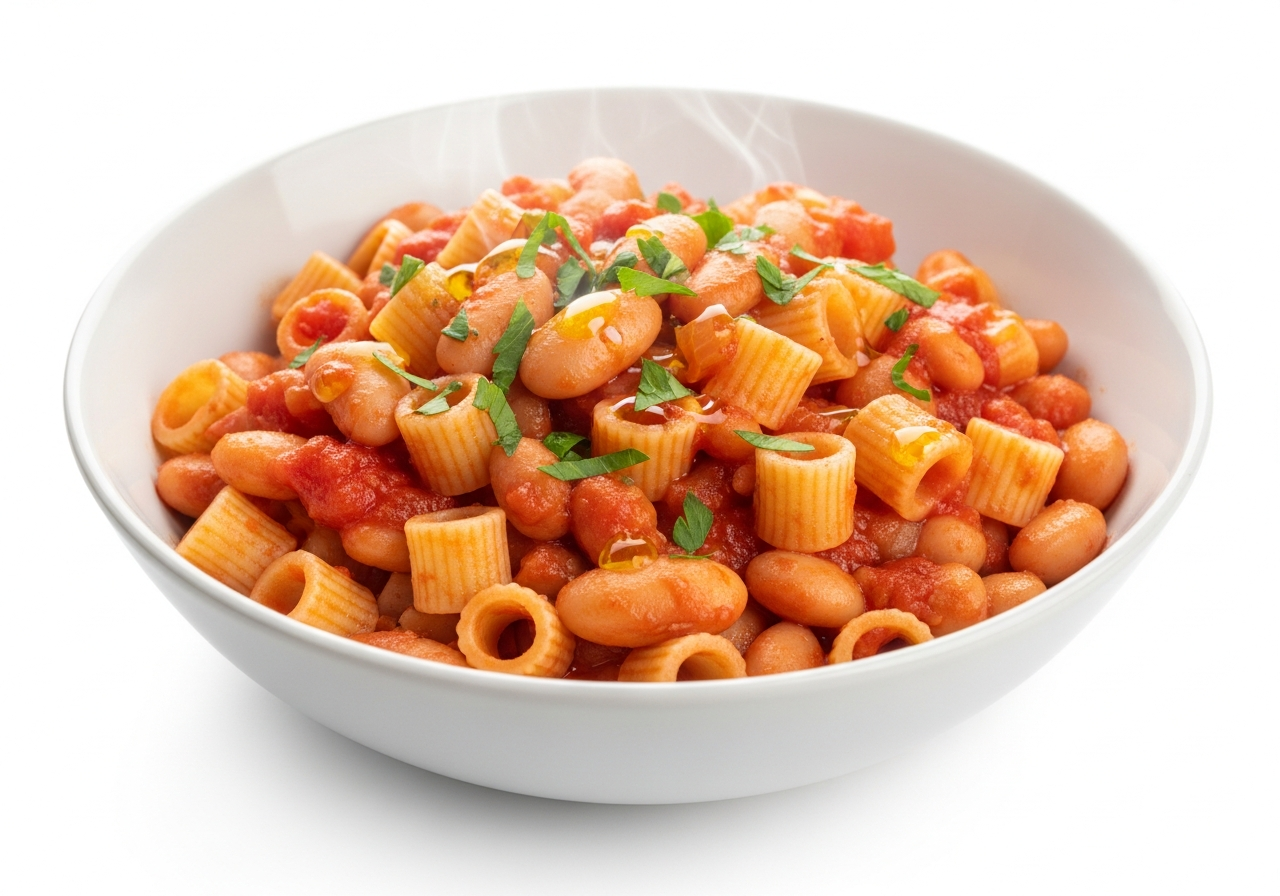
Pasta Fagioli Macros: Complete Nutrition Guide
For those of us dedicated to understanding what fuels our bodies, analyzing the macro and micronutrient profiles of our favorite dishes is a non-negotiable step. Pasta Fagioli, a beloved Italian-American classic, is far more than just comfort food. It's a hearty, wholesome meal packed with nutrients that can fit seamlessly into a well-structured macro plan. The JustMacros Team is here to break down everything you need to know about Pasta Fagioli's nutrition, helping you make informed dietary choices.
Quick Answer
Pasta Fagioli is a nutrient-dense dish, typically offering a balanced mix of complex carbohydrates, plant-based protein, and healthy fats. A standard 100-gram serving can contain approximately 90-120 calories, with roughly 15-20g of carbohydrates, 4-6g of protein, and 1-3g of fat, depending on the specific recipe and ingredients used. It's particularly notable for its high fiber content and an array of essential micronutrients derived from its bean and vegetable base.
Detailed Nutrition Facts
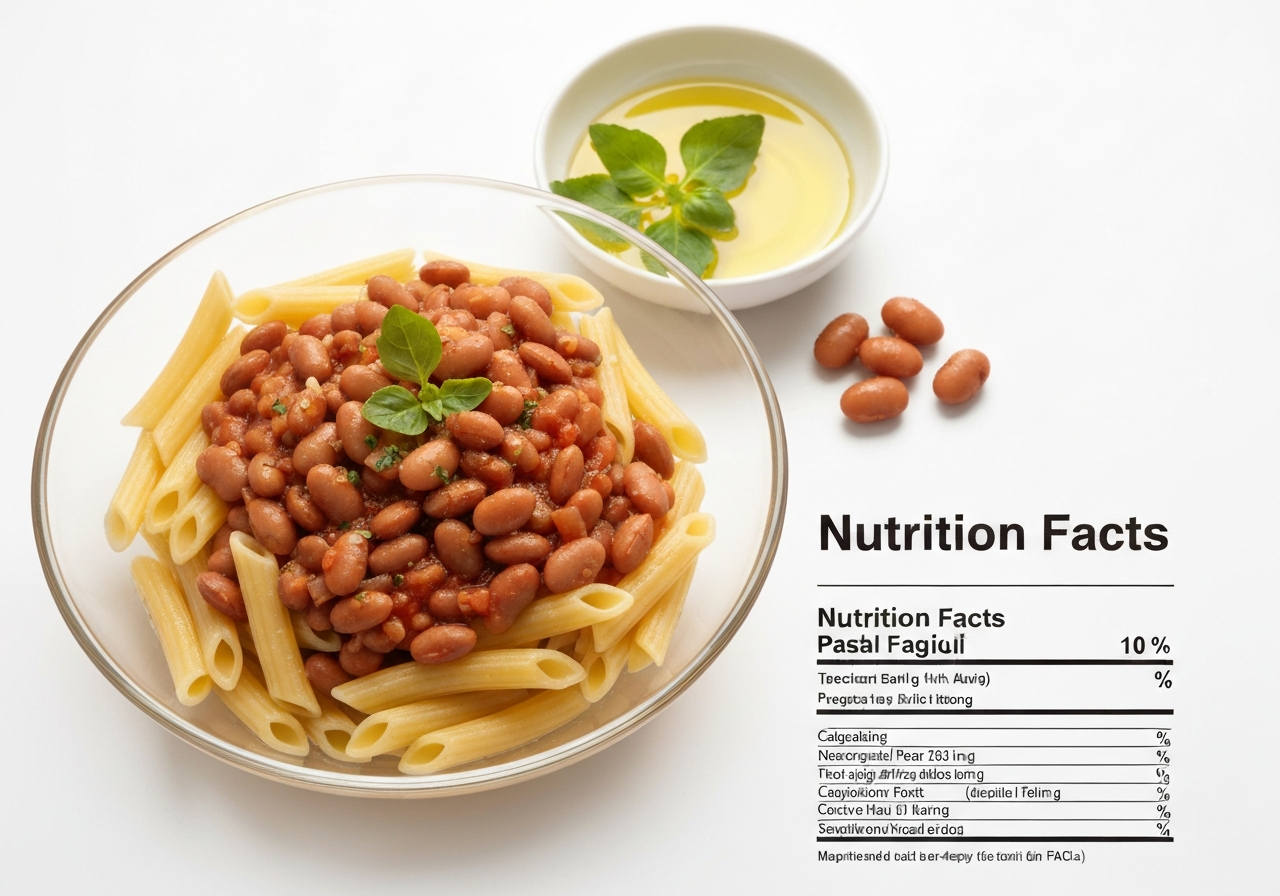
When we delve into the comprehensive nutrition facts of Pasta Fagioli, we uncover a powerhouse of beneficial components. While exact figures vary wildly based on the recipe, our analysis focuses on a typical homemade version featuring ditalini pasta, cannellini or borlotti beans, a tomato base, and common aromatics like celery, carrots, and onions, often with a touch of olive oil.
Complete Macro Breakdown
- Carbohydrates: Pasta Fagioli is predominantly a carbohydrate-rich dish. The pasta provides readily available energy, while the beans contribute complex carbohydrates and a significant amount of dietary fiber. A generous 250-300g serving can easily provide 40-60 grams of carbohydrates, making it an excellent choice for sustained energy release.
- Protein: The protein content in Pasta Fagioli primarily comes from the beans. Legumes are fantastic plant-based protein sources, making this soup a valuable component of vegetarian and vegan diets, or for anyone looking to increase their plant-protein intake. A typical serving might offer 10-15 grams of protein, crucial for muscle repair and satiety.
- Fats: The fat content is generally low, often stemming from olive oil used for sautéing vegetables and any trace fats in the pasta or broth. A standard serving usually contains 3-8 grams of fat, with a good portion being heart-healthy monounsaturated fats from olive oil.
Micronutrients
Beyond the macros, Pasta Fagioli shines in its micronutrient profile. The combination of beans, tomatoes, and other vegetables delivers a spectrum of vital vitamins and minerals.
Hero Nutrients:
* Fiber: Abundant from the beans and vegetables, promoting digestive health and satiety.
* Iron: Crucial for oxygen transport, especially from the beans.
* Folate: Important for cell growth and function.
* Potassium: Essential for blood pressure regulation and muscle function.
* Vitamin C: From tomatoes, an antioxidant and immune booster.
* Manganese: Involved in bone health and metabolism.
Serving Size Considerations
A typical serving size for Pasta Fagioli is often considered to be around 1.5 to 2 cups (approximately 250-350 grams). However, for precise macro tracking, we always recommend weighing your portion. Our estimates are based on this common serving, but remember that adding extra cheese, oil, or meat can significantly alter the overall nutritional values.
Comparison to Similar Foods
Compared to other hearty Italian soups, Pasta Fagioli often stands out for its high bean content, which translates to superior fiber and plant-based protein. While minestrone can be similar, Pasta Fagioli typically features a more prominent bean presence and a simpler vegetable blend, often leading to a denser, more calorically concentrated profile per serving. Other bean and pasta dishes like lentil soup with pasta would offer similar macro profiles, with variations based on the type of legume used.
Health Benefits
The composition of Pasta Fagioli lends itself to a host of significant health benefits, making it a valuable addition to a balanced diet.
Primary Benefits
- Digestive Health and Satiety: The exceptionally high fiber content from the beans is a game-changer. Dietary fiber promotes healthy digestion, prevents constipation, and, perhaps most importantly for those managing weight, contributes significantly to feelings of fullness and satiety. This can help reduce overall caloric intake throughout the day.
- Stable Blood Sugar Levels: The combination of complex carbohydrates from pasta and the soluble fiber from beans helps to slow down glucose absorption, leading to more stable blood sugar levels. This is particularly beneficial for sustained energy and preventing energy crashes.
- Heart Health: Legumes are known for their cholesterol-lowering properties. The soluble fiber binds to cholesterol in the digestive tract, facilitating its excretion. Furthermore, the potassium content supports healthy blood pressure, and the inclusion of olive oil adds heart-healthy monounsaturated fats.
- Muscle Building and Repair: While not a primary source of animal protein, the plant-based protein from the beans, especially when combined with the amino acids from pasta, contributes to a complete protein profile necessary for muscle maintenance and growth. This makes it an excellent recovery meal or a protein boost for plant-based eaters.
- Rich in Antioxidants: Tomatoes are a fantastic source of lycopene, a powerful antioxidant known for its role in fighting free radicals and potentially reducing the risk of certain chronic diseases.
Who Should Eat This Food
Pasta Fagioli is a versatile dish suitable for a wide range of individuals:
- Athletes and Active Individuals: The complex carbohydrates provide excellent fuel for workouts, and the protein aids in recovery.
- Individuals Aiming for Weight Management: Its high fiber and protein content promote satiety, helping to manage hunger and control portions.
- Those Seeking Plant-Based Nutrition: A fantastic source of plant protein and fiber, easily adaptable to fully vegan recipes.
- Budget-Conscious Eaters: Made with inexpensive pantry staples like beans and pasta, it's a cost-effective way to get nutrient-dense meals.
- People with Digestive Concerns: The fiber content can aid in regulating bowel movements, though sensitive individuals should introduce fiber gradually.
When to Eat It
Due to its hearty and satisfying nature, Pasta Fagioli is most commonly enjoyed as a substantial lunch or dinner.
* Lunch: A perfect mid-day meal to provide sustained energy without a heavy post-lunch slump.
* Dinner: A comforting and nutritious end to the day, ensuring you feel full until morning.
* Pre-Workout (smaller portion): If consumed 2-3 hours before a long endurance workout, the complex carbs can provide sustained energy.
* Post-Workout: Combined with an additional lean protein source (if desired) and a bit more liquid, it can aid in glycogen replenishment and muscle recovery.
How to Track Macros
Accurately tracking macros for a dish like Pasta Fagioli requires a bit of attention, but with our guidance, it becomes second nature. Precision in portioning is key to ensuring your daily intake aligns with your fitness goals.
Portion Measurement Tips
- Use a Food Scale: This is our golden rule for accuracy. Weighing your cooked Pasta Fagioli in grams provides the most precise data for macro tracking. A standard kitchen scale is an invaluable tool for any serious macro tracker.
- Measuring Cups: While less precise than a scale, measuring cups can be a useful alternative, especially for estimating. Be consistent with how you fill the cup (e.g., level it off) to minimize variability.
- Recipe Tracking: If you make your own Pasta Fagioli, input the ingredients and their quantities into your tracking app before cooking. Then, weigh the total yield of the finished soup. Divide the total macros by the number of servings you get, or by the weight of your individual portion. This method is the most accurate for homemade meals.
Using Macro Tracking Apps
Apps like JustMacrosFit are designed to simplify this process.
1. Search Database: Look for "Pasta Fagioli" in the app's database. Be aware that generic entries might vary widely. Choose an entry that most closely matches your ingredients.
2. Scan Barcodes: If you're using a pre-made or canned version, scan the barcode for instant nutrition facts.
3. Custom Entry: For homemade versions, create a custom food entry. Input each ingredient and its quantity. The app will calculate the total macros for the entire batch. Then, when you serve yourself, you can log your portion by weight or volume.
Common Serving Sizes
- Small Serving: Approximately 1 cup (200-250g) might be suitable for a light lunch or as a side.
- Standard Serving: Typically 1.5 to 2 cups (300-400g) is a common main course portion, offering a balanced macro profile for many individuals.
- Large Serving: 2.5 cups or more (500g+) could be ideal for those with higher caloric needs, such as athletes in a bulking phase.
Meal Ideas & Preparation
Pasta Fagioli is incredibly versatile and lends itself beautifully to various meal ideas and efficient preparation.
Breakfast, Lunch, Dinner Ideas
While traditionally a lunch or dinner item, its nutrient density allows for flexibility.
* Lunch: A warm bowl of Pasta Fagioli paired with a small side salad dressed with vinaigrette makes for a satisfying and energizing lunch.
* Dinner: Serve it as a hearty main course. We often enjoy it with a slice of whole-grain bread for dipping and perhaps some steamed greens on the side to boost micronutrient intake.
* Breakfast (unconventional): For individuals with very high caloric needs or those who prefer savory breakfasts, a smaller portion could provide sustained energy. Think of it as a hearty alternative to oatmeal.
Meal Prep Tips
Pasta Fagioli is a superstar when it comes to meal prepping.
1. Batch Cooking: Make a large pot on the weekend. It often tastes even better the next day as the flavors meld.
2. Separate Pasta: To prevent the pasta from getting too mushy, some veteran chefs recommend cooking the pasta separately and adding it to individual servings just before reheating. However, for most home cooks, cooking the pasta directly in the soup is fine, especially if you prefer a thicker consistency. If batch cooking for more than 3-4 days, consider cooking and storing the pasta separately.
3. Storage: Store cooled Pasta Fagioli in airtight containers in the refrigerator for up to 3-4 days. It also freezes exceptionally well for up to 3 months. Portion it into individual servings before freezing for easy grab-and-go meals.
Cooking Methods That Preserve Nutrients
- Low and Slow Simmering: This method allows the flavors to develop beautifully and helps break down the beans for better digestibility, while generally preserving the heat-sensitive vitamins better than rapid boiling.
- Minimizing Cooking Time for Vegetables: While the base vegetables like carrots and celery need to soften, avoid overcooking them to mush. This helps retain their vitamin content. Adding more delicate vegetables (like spinach) towards the end of cooking preserves their vibrant color and nutrients.
- Using High-Quality Ingredients: Start with good quality canned or dried beans, fresh vegetables, and a good olive oil. The better the raw ingredients, the more nutrient-dense your final dish will be.
For Weight Loss
Pasta Fagioli can be a powerful ally in your weight loss journey, provided we approach it with mindful portion control and strategic pairings.
Why It's Good for Weight Loss
The secret lies in its composition:
* High Fiber Content: As we've emphasized, the abundant fiber from beans and vegetables is crucial. It promotes satiety, meaning you feel fuller for longer, which naturally helps reduce overall calorie intake throughout the day.
* Plant-Based Protein: The protein in Pasta Fagioli contributes to satiety and helps preserve lean muscle mass during caloric restriction, which is vital for maintaining a healthy metabolism.
* Complex Carbohydrates: These provide steady energy, preventing the blood sugar spikes and crashes that can lead to cravings and overeating.
Portion Recommendations
For weight loss, portion control is paramount. We recommend starting with a 1.5-cup serving (around 300g). Focus on a recipe that isn't overly heavy on oil or cheese.
* Be Mindful of Add-ins: Avoid excessive amounts of parmesan cheese or a heavy drizzle of olive oil after cooking if you are strictly watching calories. While these add flavor, they also add significant calories.
* Increase Vegetable Ratio: Consider adding more non-starchy vegetables like zucchini, spinach, or kale to your Pasta Fagioli recipe to boost volume and nutrients without adding many calories.
Pairing Suggestions
- Lean Protein Boost: Pair a smaller bowl of Pasta Fagioli with a grilled chicken breast, baked fish, or a hard-boiled egg for an extra protein punch without excessive calories.
- Large Green Salad: Serve alongside a generous green salad with a light vinaigrette. This adds more fiber and micronutrients, further enhancing satiety.
- Avoid Extra Bread: While tempting, if weight loss is the goal, skip the crusty bread or limit it to a very small, measured portion of whole-grain bread.
For Muscle Gain
For individuals focused on building muscle mass, Pasta Fagioli offers an excellent blend of macronutrients to support your goals, particularly when optimized for caloric and protein density.
Protein Content Benefits
The plant-based protein in Pasta Fagioli, primarily from the beans, combined with the carbohydrates from pasta, creates a favorable anabolic environment.
* Amino Acid Profile: While beans are slightly deficient in methionine and cysteine, and pasta in lysine, combining them creates a more complete amino acid profile, supporting muscle protein synthesis.
* Carbohydrate Source: The complex carbohydrates are crucial for replenishing muscle glycogen stores, which are depleted during intense training. Adequate glycogen ensures your muscles have the energy they need for recovery and growth.
Pre/Post-Workout Timing
- Pre-Workout (2-3 hours prior): A moderate serving provides sustained energy for your training session without causing digestive discomfort. The complex carbs will fuel you throughout.
- Post-Workout (within 1-2 hours): This is where Pasta Fagioli can really shine. The combination of carbs and protein is ideal for initiating muscle repair and glycogen replenishment. Consider a larger serving to meet increased caloric and macro needs.
Bulking Meal Ideas
To optimize Pasta Fagioli for muscle gain, we suggest these modifications:
* Increase Portion Size: Simply consume a larger bowl (2.5-3 cups or more) to meet higher caloric demands.
* Add More Protein: Incorporate cooked ground turkey, lean ground beef, or shredded chicken directly into the soup. For plant-based bulking, add extra beans, lentils, or a scoop of plant-based protein powder (unflavored) to a portion, though the latter might alter texture.
* Healthy Fat Boost: Drizzle a more generous amount of extra virgin olive oil over the top of your serving. You could also add a dollop of pesto for extra flavor and healthy fats.
* Pair with Calorie-Dense Sides: Enjoy with a thick slice of artisanal whole-grain bread, perhaps topped with avocado or nut butter, to further boost calories and healthy fats.
Comparisons
Understanding how Pasta Fagioli stacks up against similar dishes helps us make the best dietary choices for our individual needs.
vs. Similar Foods
- Pasta Fagioli vs. Minestrone: Both are hearty Italian vegetable and pasta soups. However, Pasta Fagioli typically has a higher concentration of beans, leading to more protein and fiber per serving compared to many minestrone recipes that emphasize a wider variety of vegetables and less bean content. Minestrone might be slightly lower in calories if it's very broth-heavy.
- Pasta Fagioli vs. Lentil Soup: Lentil soup is another bean-based powerhouse. Often, lentil soup will have a similar or even higher protein and fiber content due to the density of lentils. If made without pasta, lentil soup can be a lower-carb option, but adding pasta to either brings their macro profiles closer.
- Pasta Fagioli vs. Chili: While a different flavor profile, chili, especially bean-heavy vegetarian chili, shares a similar macro breakdown in terms of high protein, fiber, and complex carbs. Chili might often have a higher fat content if made with ground meat and cheese.
Best Alternatives
If Pasta Fagioli isn't quite what you're looking for, or you need to adjust for specific dietary needs, consider these alternatives:
* For Lower Carbs: Opt for a bean and vegetable soup without pasta, or replace the pasta with a low-carb alternative like spiralized zucchini noodles or cauliflower florets.
* For Higher Protein (Animal-Based): A hearty beef and vegetable stew or chicken chili would offer more animal protein while still providing vegetables.
* For Gluten-Free: Ensure your Pasta Fagioli is made with gluten-free pasta, or omit the pasta entirely and serve it as a bean and vegetable stew.
When to Choose Each
- Choose Pasta Fagioli: When you desire a balanced meal with excellent complex carbohydrates for sustained energy, ample plant-based protein, and significant fiber, especially if you enjoy a comforting, classic Italian flavor. It's a great all-rounder for general health, weight management, and muscle support.
- Choose Minestrone: If you prefer a lighter, more vegetable-forward soup with a broader variety of non-starchy vegetables and slightly less density.
- Choose Lentil Soup: When prioritizing maximum plant-based protein and fiber, or if you want a naturally gluten-free option (ensure no gluten-containing broth or ingredients).
- Choose Chili: When you crave a bolder, spicier flavor profile, often with a richer meat base, but still want the benefits of legumes and vegetables.
FAQs
Here are some of the most common questions our community asks about Pasta Fagioli and its nutritional profile.
Is Pasta Fagioli good for you?
Yes, absolutely. Pasta Fagioli is generally considered a very healthy dish due to its high fiber and plant-based protein content from beans, along with numerous vitamins and minerals from vegetables and tomatoes. It supports digestion, heart health, and sustained energy.
Can Pasta Fagioli be made gluten-free?
Yes, it can. To make Pasta Fagioli gluten-free, simply use a certified gluten-free pasta (made from corn, rice, or legumes) and ensure that your broth and any other ingredients are also gluten-free.
Is Pasta Fagioli vegetarian or vegan?
Traditionally, Pasta Fagioli is vegetarian, but many authentic recipes are also naturally vegan, especially if they use a vegetable broth and no cheese or meat. Always check the specific recipe ingredients to confirm.
How many calories are in a serving of Pasta Fagioli?
The calorie count varies significantly based on ingredients and portion size. A typical 1.5 to 2-cup (300-400g) serving of homemade Pasta Fagioli can range from 300 to 500 calories. Factors like the amount of olive oil, type of pasta, and any added meat or cheese will influence this.
How long does homemade Pasta Fagioli last in the fridge?
Properly stored in an airtight container, homemade Pasta Fagioli will last for 3-4 days in the refrigerator. It's an excellent candidate for meal prepping!
Can I freeze Pasta Fagioli?
Yes, Pasta Fagioli freezes very well. Allow it to cool completely, then portion it into airtight, freezer-safe containers or bags. It can be stored in the freezer for up to 3 months. Thaw overnight in the refrigerator and reheat gently on the stovetop or in the microwave.
How can I increase the protein content?
To increase the protein, you can add more beans, lentils, or a scoop of unflavored plant-based protein powder (for vegan versions). For non-vegan options, incorporating cooked ground turkey, lean ground beef, or shredded chicken will significantly boost the protein.
Track Pasta Fagioli easily with JustMacrosFit - your free macro tracking app.
https://www.fatsecret.com/calories-nutrition/generic/pasta-fagioli-soup