Strawberries Calories: Complete Macros & Nutrition Guide
Complete macro and nutrition guide for Strawberries Calories. Learn calories, protein, carbs, fat per serving plus meal ideas and tracking tips.
Table of Contents
- Quick Answer
- Detailed Nutrition Facts
- Health Benefits
- How to Track Macros
- Meal Ideas & Preparation
- For Weight Loss
- For Muscle Gain
- Comparisons
- FAQs
- Q1: Are strawberries good for weight loss?
- Q2: How many carbs are in strawberries?
- Q3: Are strawberries high in sugar?
- Q4: Can people with diabetes eat strawberries?
- Q5: What is the best way to store strawberries to keep them fresh?
- Q6: Do frozen strawberries lose their nutritional value?
- Q7: What are the main health benefits of strawberries?
Strawberries Calories Macros: Complete Nutrition Guide
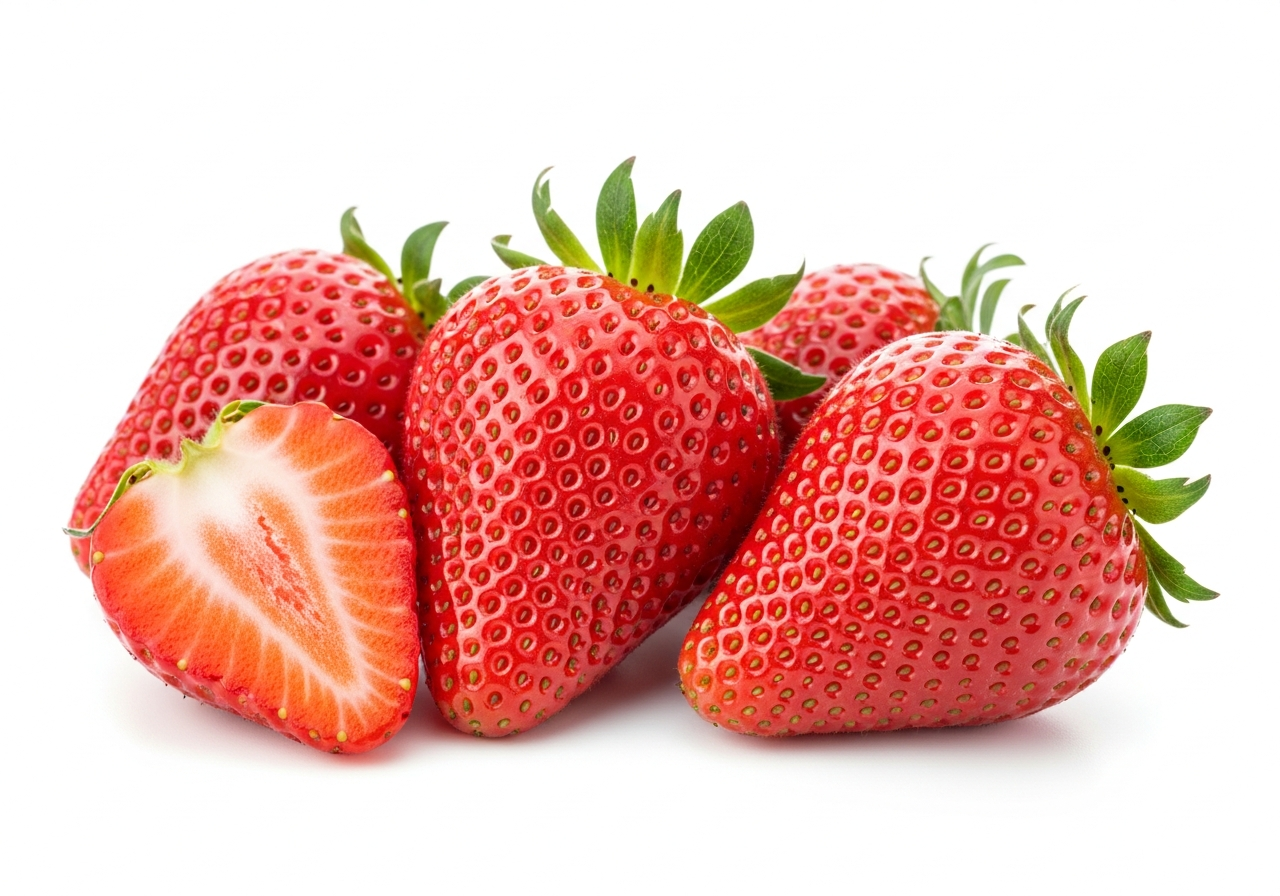
As nutrition coaches and chefs at JustMacrosFit, we're dedicated to empowering you with the knowledge to make informed food choices. Today, we're diving deep into the vibrant world of strawberries, exploring their macro and micronutrient profiles, and uncovering why these juicy red gems deserve a regular spot in your diet. Forget the sugary treats and processed snacks, because strawberries offer a naturally sweet, nutrient-dense package that supports everything from weight management to heart health.
Quick Answer
Strawberries are a low-calorie, nutrient-rich fruit. A 100-gram serving typically provides around 32 calories, primarily from carbohydrates (approximately 7.7g) with minimal fat (0.3g) and protein (0.7g). They are particularly known for their exceptional vitamin C content.
Detailed Nutrition Facts
When we analyze strawberries, we see a nutritional powerhouse that defies its small size. These berries are largely composed of water (about 91%), making them incredibly hydrating.
Complete Macro Breakdown (per 100g raw strawberries):
* Calories: 32 kcal
* Water: 91%
* Protein: 0.7 grams
* Total Carbohydrates: 7.7 grams
* Sugars: 4.9 grams (primarily glucose, fructose, and sucrose)
* Dietary Fiber: 2 grams
* Total Fat: 0.3 grams
The carbohydrate content in strawberries is noteworthy. While they contain natural sugars, the fiber content helps to mitigate rapid blood sugar spikes, giving them a relatively low glycemic index (GI) of around 40 to 41. This makes them a smart choice even for individuals managing blood sugar levels.
Micronutrients (per 100g raw strawberries):
Strawberries are loaded with essential vitamins and minerals.
* Vitamins:
* Vitamin C: An outstanding source, providing 58.8mg, or about 65% of the Daily Value (DV).
* Manganese: 0.39mg, approximately 17% of the DV.
* Folate (Vitamin B9): Around 24µg, contributing to about 6% of the DV.
* Potassium: 153mg, roughly 4-5% of the DV.
* Smaller amounts of Vitamin K, Vitamin E, Vitamin B6, Iron, Copper, and Magnesium are also present.
Hero Nutrients Spotlight:
Vitamin C: A single 100g serving of strawberries delivers more than half of your daily recommended Vitamin C intake, a critical antioxidant for immune function and skin health.
Manganese: Important for bone health, metabolism, and antioxidant defense.
Folate (Vitamin B9): Crucial for cell growth and function, particularly vital during pregnancy.
Serving Size Considerations:
A common serving size for strawberries is about 1 cup, which is approximately 152g. This provides about 49 calories, 1g protein, 12g carbohydrates (with 3g fiber), and 0.5g fat. Alternatively, about 6-8 medium strawberries also constitute a serving.
Comparison to Similar Foods:
When comparing strawberries to other popular berries, we notice some interesting differences.
* Strawberries vs. Raspberries: Strawberries have fewer calories (32 kcal vs. 52 kcal per 100g) and slightly less total carbohydrates. However, raspberries are significantly higher in dietary fiber (6.5g vs. 2g per 100g) and offer more iron, zinc, copper, manganese, magnesium, calcium, and most B vitamins, though strawberries boast considerably more Vitamin C (58.8mg vs. 26.2mg per 100g) and folate.
* Strawberries vs. Blueberries: Strawberries typically contain fewer calories (32 kcal vs. 57 kcal per 100g) and significantly fewer carbs (7.7g vs. 14.2g per 100g) and sugar. They also have remarkably higher Vitamin C content (60mg vs. 9.7mg per 100g). Blueberries, however, often contain more total antioxidants and higher levels of certain other vitamins like Vitamin K.
Health Benefits
Strawberries are not just delicious; they are a nutritional powerhouse offering a wide array of health benefits that align perfectly with a healthy lifestyle.
Primary Benefits:
1. Antioxidant Powerhouse: Strawberries are rich in antioxidants, particularly anthocyanins (which give them their vibrant red color), ellagic acid, ellagitannins, and procyanidins. These compounds protect our cells from damage caused by oxidative stress, reducing the risk of chronic diseases. The redder the berry, the more anthocyanins it contains.
2. Heart Health Support: Regular strawberry consumption is strongly linked to improved cardiovascular health. Research indicates that strawberries can help lower levels of LDL (bad) cholesterol and triglycerides, reduce inflammation, and improve blood pressure. This leads to enhanced overall heart health and better management of cardiovascular risk factors.
3. Blood Sugar Management: With a low glycemic index (GI of 40-41) and a good fiber content, strawberries help prevent rapid spikes in blood sugar levels. This makes them an excellent choice for individuals managing diabetes or those aiming for stable energy levels. Studies suggest they can improve insulin sensitivity.
4. Anti-inflammatory Effects: The rich array of antioxidants and phytonutrients in strawberries contributes to their anti-inflammatory properties. This can be beneficial for conditions like arthritis pain and overall systemic inflammation.
5. Digestive Health: The dietary fiber in strawberries (both soluble and insoluble) is crucial for promoting healthy digestion and feeding beneficial gut bacteria. This aids in regular bowel movements and can help prevent various digestive issues.
6. Brain Health: Strawberries may help delay cognitive decline and protect against dementia, thanks to their rich flavonoid content and antioxidant capacity. They help combat oxidative stress, a key factor in age-related cognitive issues.
7. Skin Health: The high Vitamin C content in strawberries is vital for collagen synthesis, supporting skin health, elasticity, and protection against damage.
Who should eat this food:
Strawberries are a universally beneficial fruit. They are particularly recommended for:
* Individuals seeking to improve heart health and manage cholesterol.
* Those aiming for weight loss or maintenance due to their low-calorie and high-fiber profile.
* People managing diabetes or looking to stabilize blood sugar levels.
* Anyone looking to boost their antioxidant intake and reduce inflammation.
* Pregnant women, due to their folate content, which is essential for fetal development.
When to eat it:
Strawberries are incredibly versatile and can be enjoyed at any time of the day.
* Breakfast: Add them to oatmeal, yogurt, smoothies, or whole-grain cereal for a sweet and nutritious start to your day.
* Snacks: Enjoy them fresh on their own or paired with a source of protein like cottage cheese or Greek yogurt for sustained energy and satiety.
* Desserts: Use them as a natural sweetener in healthy desserts, replacing higher-calorie, higher-sugar options.
* Before/After Workouts: While not a primary source of protein for muscle repair, their quick-digesting carbohydrates can provide energy pre-workout, and their antioxidants can aid in post-workout recovery by reducing oxidative stress.
How to Track Macros
For those of us at JustMacrosFit, tracking macros is about precision and understanding what we're putting into our bodies. Strawberries are relatively easy to track due to their consistent nutritional profile, but a few tips can help you stay accurate.
Portion Measurement Tips:
* Weight is King: The most accurate way to track strawberries is by weight using a food scale. A 100-gram serving is a standard reference for nutrition facts.
* Volume Measurements: If a scale isn't available, common volume measurements can be used. One cup of sliced strawberries is about 152 grams, and a cup of whole strawberries is also around 152g. Roughly 6-8 medium strawberries constitute one cup.
* Visual Cues: While less precise, visually recognizing a standard portion can be helpful once you've calibrated with a scale.
Using Macro Tracking Apps:
Our JustMacrosFit app, and similar tools, make macro tracking straightforward.
1. Search: Simply search for "strawberries raw" or "strawberries, fresh."
2. Enter Quantity: Input the weight (in grams) or volume (in cups, whole, or sliced) based on your measurement. The app will automatically calculate the calories, carbohydrates, protein, and fats.
3. Log: Add it to your daily food diary.
Common Serving Sizes and Their Macros (Approximate):
* 100 grams (raw): 32 calories, 7.7g carbs (2g fiber), 0.7g protein, 0.3g fat.
* 1 cup (sliced or whole, approx. 152g): 49 calories, 12g carbs (3g fiber), 1g protein, 0.5g fat.
* 6-8 medium strawberries (approx. 100g): 32 calories, 7.7g carbs (2g fiber), 0.7g protein, 0.3g fat.
Consistency in your measurement method is key to accurate macro tracking. We recommend using a food scale whenever possible for the most precise data.
Meal Ideas & Preparation
As veteran nutrition coaches and chefs, we know that variety and deliciousness are crucial for sustainable healthy eating. Strawberries offer both in spades.
Breakfast Ideas:
* Strawberry & Greek Yogurt Parfait: Layer Greek yogurt (high in protein!), sliced strawberries, and a sprinkle of low-sugar granola. This provides a balanced start with protein, healthy carbs, and fiber.
* Strawberry Oatmeal Boost: Stir fresh or frozen (and thawed) strawberries into your morning oatmeal. For extra macros, add a scoop of protein powder or a tablespoon of nut butter.
* Berry Green Smoothie: Blend strawberries with spinach, a scoop of vanilla protein powder, a bit of unsweetened almond milk, and a few ice cubes for a nutrient-packed, refreshing drink.
* Whole-Wheat Pancakes/Waffles with Strawberries: Top your favorite whole-wheat pancakes or waffles with fresh strawberries instead of syrup for natural sweetness and added fiber.
Lunch & Dinner Ideas:
* Strawberry Spinach Salad: Combine fresh spinach, sliced strawberries, goat cheese (optional, for healthy fats and protein), candied pecans, and a light balsamic vinaigrette. This is a refreshing and nutrient-dense salad.
* Chicken and Strawberry Skewers: Grill marinated chicken pieces alternately with whole strawberries. The sweetness of the strawberries caramelizes beautifully with the savory chicken.
* Strawberry Salsa for Fish or Chicken: Dice strawberries with red onion, cilantro, jalapeño, and lime juice for a vibrant, fresh salsa that pairs wonderfully with grilled salmon or chicken breast.
Meal Prep Tips:
* Wash Just Before Use: Strawberries are prone to molding quickly when wet. Always wash them just before you plan to eat or use them, not when you first bring them home.
* Proper Storage: Store unwashed strawberries in a single layer on paper towels in a container with a loose-fitting lid in the refrigerator. This absorbs excess moisture and allows for air circulation, helping them last longer (up to a week, or even 10-14 days with a vinegar soak method). Avoid airtight containers or plastic bags as strawberries need air.
* Freezing for Longevity: For longer storage (up to 12 months), wash, hull, thoroughly dry, and then spread strawberries in a single layer on a baking sheet to freeze. Once solid, transfer them to a freezer-safe bag or container. Frozen strawberries retain nearly all their nutrients and are perfect for smoothies, sauces, and baking.
Cooking Methods that Preserve Nutrients:
Strawberries are best enjoyed raw to maximize their nutrient content, particularly the delicate Vitamin C. If cooking, quick methods that minimize heat exposure are preferred:
* Light Sautéing: A quick sauté for a few minutes can soften them slightly for sauces or warm toppings without significant nutrient loss.
* Baking: When baked into muffins or crumbles, some heat-sensitive vitamins may decrease, but antioxidants and fiber largely remain.
* Minimal Processing: Opt for methods that keep them as close to their natural state as possible.
For Weight Loss
For anyone on a weight loss journey, we know that finding satisfying, low-calorie foods is essential. Strawberries fit this bill perfectly.
Why it's good for weight loss:
* Low in Calories, High in Volume: At just 32 calories per 100 grams, strawberries are a low-energy-density food. This means you can eat a generous portion for relatively few calories, helping you feel full without overeating.
* Fiber-Rich for Satiety: With 2-3 grams of fiber per 100g to 1 cup serving, strawberries contribute to feelings of fullness and can help curb unhealthy cravings. Fiber slows digestion, promoting sustained energy and reducing the likelihood of reaching for sugary snacks.
* Low Glycemic Index: Their GI of 40-41 means they won't cause drastic blood sugar spikes, which can often lead to increased hunger and fat storage. Stable blood sugar helps manage appetite and reduces the risk of weight gain.
* Natural Sweetness: Strawberries provide a naturally sweet flavor profile, making them an excellent substitute for high-calorie, high-sugar desserts and processed treats. This swap can significantly reduce overall calorie and sugar intake.
Portion Recommendations:
While strawberries are healthy, portion control remains important for any food when managing calories. We typically recommend:
* 150-200g (about 1 to 1.5 cups) daily: This amount, according to some studies, can provide significant health benefits without excess calories.
* As a snack: A serving of about 1 cup (approx. 152g) of fresh strawberries is a satisfying, low-calorie option for snacks or meals.
Pairing Suggestions:
To maximize satiety and nutritional benefits for weight loss, pair strawberries with protein and healthy fats:
* Greek yogurt: The protein in Greek yogurt combined with strawberry fiber creates a filling snack or breakfast.
* Nuts or seeds: A small handful of almonds, walnuts, or chia seeds provides healthy fats and protein, further slowing digestion and increasing fullness.
* Cottage cheese: Another excellent protein source that pairs well with the sweetness of strawberries.
For Muscle Gain
When it comes to muscle gain, protein is paramount, but carbohydrates and micronutrients play crucial supporting roles. While strawberries aren't a primary protein source, they offer unique advantages.
Protein Content Benefits:
Strawberries contain a modest amount of protein (around 0.7g per 100g, or 1g per cup). While this isn't enough to significantly contribute to your daily protein target for muscle building, it's worth noting that every gram counts in a well-structured macro plan. Their low calorie and high micronutrient density mean they contribute essential vitamins and antioxidants without adding unnecessary "empty" calories, allowing you to allocate more of your caloric budget to protein-rich foods.
Pre/Post Workout Timing:
* Pre-Workout: The natural sugars (glucose and fructose) in strawberries provide a quick and easily digestible source of carbohydrates, fueling your workout without feeling heavy. The fiber is low enough not to cause digestive discomfort for most people.
* Post-Workout: While protein is critical for muscle repair post-workout, carbohydrates are essential for replenishing glycogen stores. Strawberries offer those clean carbs, and their powerful antioxidants can help combat exercise-induced oxidative stress, potentially aiding recovery and reducing muscle soreness.
Bulking Meal Ideas:
In a bulking phase, when caloric intake is higher, strawberries can be a fantastic way to add nutrient-dense calories without relying solely on processed options.
* High-Calorie Smoothies: Blend strawberries with protein powder, whole milk or a dairy alternative, nut butter, and oats for a calorie-dense, macro-balanced shake.
* Loaded Oatmeal/Pancakes: Increase the portion of strawberries in your oatmeal or on your pancakes/waffles, and pair them with higher-calorie additions like full-fat Greek yogurt, honey, maple syrup, or extra nuts and seeds.
* Strawberry & Chicken/Steak Salad with Quinoa: A generous salad with leafy greens, grilled protein, strawberries, and a substantial serving of quinoa provides complex carbs, protein, and all the micronutrient benefits.
Comparisons
Understanding how strawberries stack up against other foods can help us make the best choices for our individual macro and nutrition goals.
vs. Similar Foods:
* Strawberries vs. Blueberries: As discussed, strawberries are lower in calories, total carbs, and sugar per 100g. They also boast significantly more Vitamin C. Blueberries, however, often have a higher total antioxidant capacity and more Vitamin K. For low-carb diets, strawberries are typically preferred.
* Strawberries vs. Raspberries: Strawberries contain fewer calories and total carbs per 100g than raspberries. However, raspberries are a clear winner in terms of fiber content (6.5g vs. 2g per 100g) and offer more minerals like iron, zinc, and magnesium. Strawberries lead in Vitamin C and folate.
* Strawberries vs. Apples/Bananas: Strawberries are considerably lower in calories and sugar compared to fruits like apples (52 kcal/100g) or bananas (89 kcal/100g). This makes them a more volume-friendly option for those managing calorie intake.
Best Alternatives:
If strawberries aren't available or you're looking to diversify, other berries are excellent alternatives:
* Raspberries: Higher in fiber, good for digestive health, and offer a different mineral profile.
* Blueberries: Packed with a distinct set of antioxidants, particularly beneficial for brain health.
* Blackberries: Similar to raspberries in fiber content and rich in antioxidants.
When to Choose Each:
* Choose Strawberries when:
* You are prioritizing Vitamin C intake.
* You need a low-calorie, low-sugar fruit option.
* You are following a low-carb or ketogenic diet (in moderation).
* You want a fruit with a low glycemic index.
* Choose Raspberries when:
* You are aiming for maximum dietary fiber.
* You need higher amounts of certain minerals like iron or zinc.
* Choose Blueberries when:
* You are specifically targeting high antioxidant capacity and brain health benefits.
* You need more Vitamin K.
* Eat Both! The JustMacrosFit team strongly advocates for a diverse intake of all berries to benefit from their unique nutritional compounds.
FAQs
Q1: Are strawberries good for weight loss?
Yes, strawberries are excellent for weight loss. They are low in calories (32 calories per 100g) and high in fiber (2-3g per 100g/cup), which promotes fullness and helps curb cravings. Their low glycemic index also helps manage blood sugar and prevent hunger spikes.
Q2: How many carbs are in strawberries?
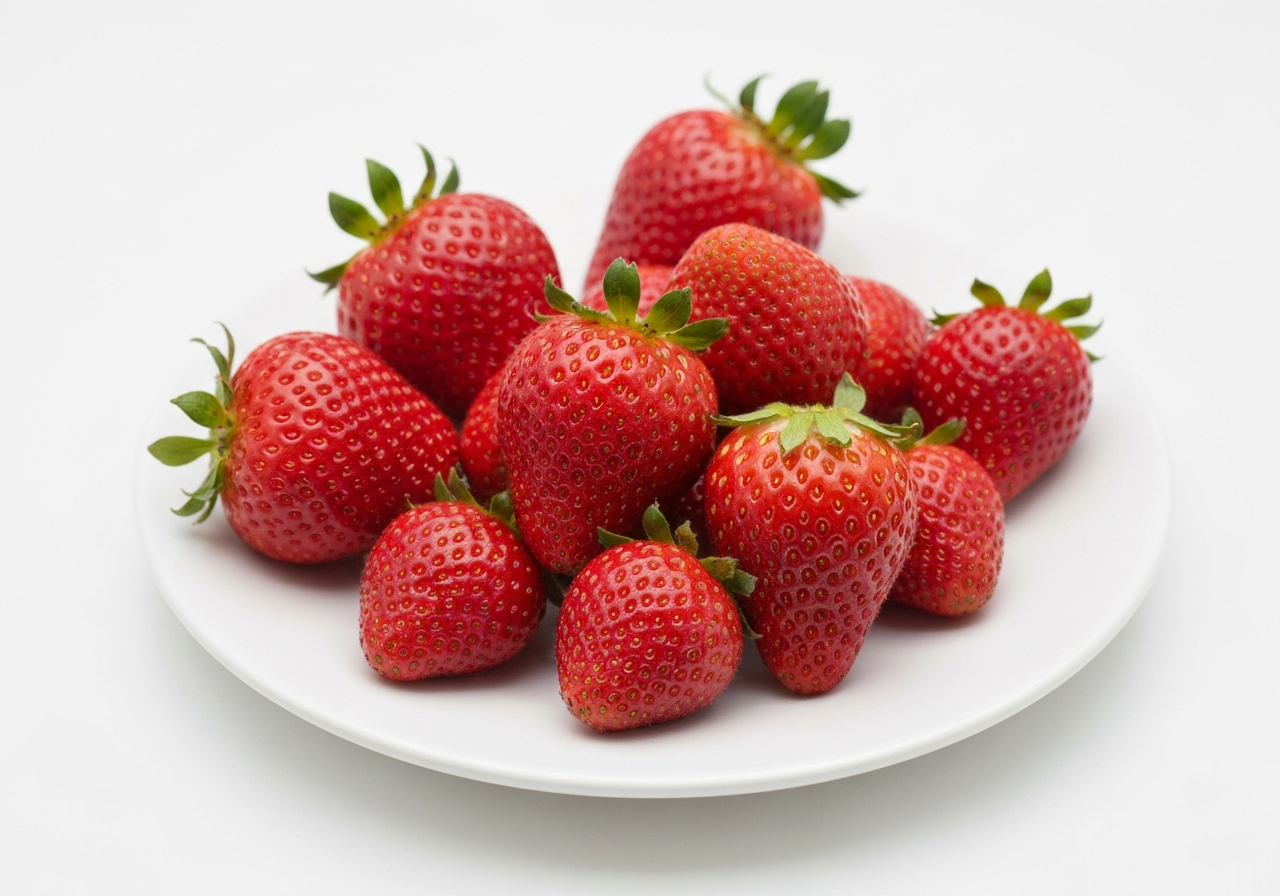
A 100-gram serving of raw strawberries contains approximately 7.7 grams of total carbohydrates. A 1-cup serving (around 152g) contains about 12 grams of carbohydrates, with 3 grams coming from fiber.
Q3: Are strawberries high in sugar?
No, strawberries are considered one of the lower-sugar fruits. A 100-gram serving contains about 4.9 grams of natural sugar. By comparison, grapes contain 16g and bananas 12g per 100g.
Q4: Can people with diabetes eat strawberries?
Yes, strawberries are a smart choice for individuals with diabetes. They have a low glycemic index (GI of 40-41), meaning they won't cause significant blood sugar spikes. Their fiber content further helps to stabilize blood glucose levels.
Q5: What is the best way to store strawberries to keep them fresh?
To keep strawberries fresh, avoid washing them until just before use. Store unwashed berries in a single layer on paper towels in a container with a loose-fitting lid in the refrigerator's crisper drawer. This method absorbs excess moisture and allows air circulation, extending their freshness for several days. For longer storage, freeze them after washing and hulling.
Q6: Do frozen strawberries lose their nutritional value?
No, frozen strawberries retain nearly all their nutrients, including anthocyanins and vitamin C. Freezing actually helps preserve nutrients at their peak ripeness. They are an excellent option for year-round consumption.
Q7: What are the main health benefits of strawberries?
Strawberries offer numerous health benefits, including protecting against cell damage with powerful antioxidants, supporting heart health by lowering cholesterol and blood pressure, aiding blood sugar control due to their low GI and fiber, reducing inflammation, promoting digestive health, and potentially boosting brain function and skin health.
Track Strawberries Calories easily with JustMacrosFit - your free macro tracking app.