Blueberries Nutrition: Complete Macros & Nutrition Guide
Complete macro and nutrition guide for Blueberries Nutrition. Learn calories, protein, carbs, fat per serving plus meal ideas and tracking tips.
Table of Contents
- Quick Answer
- Detailed Nutrition Facts
- Health Benefits
- How to Track Macros
- Meal Ideas & Preparation
- For Weight Loss
- For Muscle Gain
- Comparisons
- vs. Similar Foods
- Best Alternatives
- When to Choose Each
- FAQs
- Are blueberries good for you every day?
- How many blueberries should I eat a day?
- Do frozen blueberries have the same nutrition as fresh?
- Can blueberries help with blood sugar?
- What are the side effects of eating too many blueberries?
- Are blueberries high in carbs?
- How to store blueberries?
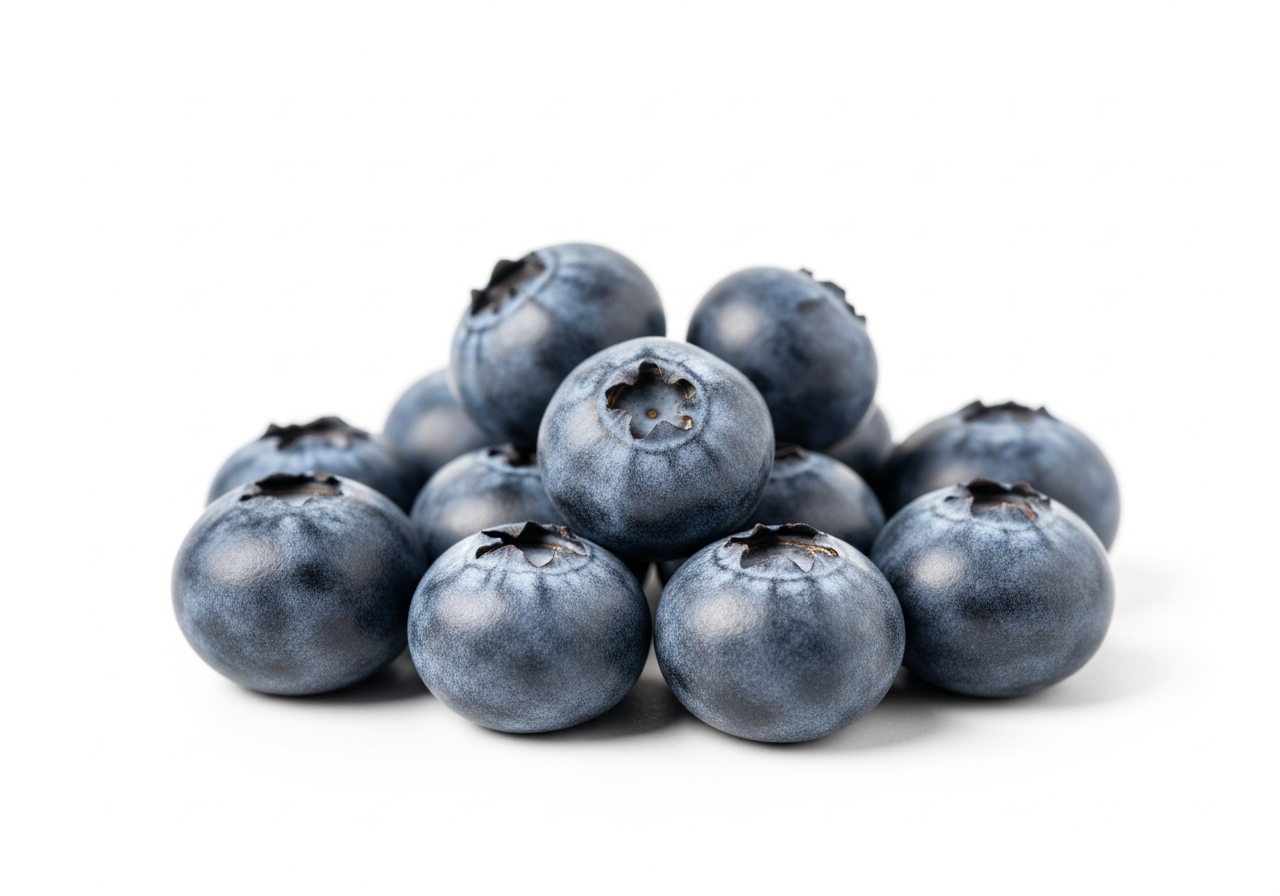
Title: "Blueberries Nutrition Macros: Complete Nutrition Guide"
Quick Answer
Blueberries are a low-calorie, nutrient-dense fruit. Per 100g, they typically contain around 57 calories, with approximately 14.5g carbohydrates, 0.7g protein, and 0.3g fat. Their key nutritional highlight lies in their rich antioxidant profile, particularly anthocyanins, which are responsible for their vibrant blue color and numerous health benefits.
Detailed Nutrition Facts
As veteran nutrition coaches and dietitians at JustMacrosFit, we often highlight blueberries as a stellar addition to any diet. Their comprehensive nutritional profile makes them a powerhouse of micronutrients and beneficial compounds, while keeping macro counts balanced.
For a 100-gram serving of raw blueberries, you can expect the following:
* Calories: 57 kcal
* Water: Approximately 84%
* Carbohydrates: 14.5g
* Sugars: 10g (primarily glucose and fructose)
* Dietary Fiber: 2.4g
* Protein: 0.7g
* Fat: 0.3g
Hero Nutrients per 100g (Approximate Daily Value Percentages):
* Vitamin K: 16%
* Vitamin C: 11%
* Manganese: 15%
Beyond these core macros, blueberries are a good source of several important micronutrients. They provide Vitamin C, crucial for immune function and skin health, and Vitamin K, which plays a role in blood clotting and bone health. You'll also find manganese, essential for bone formation and various enzymatic reactions, along with smaller amounts of Vitamin A, Vitamin E, and some B vitamins.
When considering serving sizes, a common reference is 1 cup of fresh blueberries, which typically weighs around 148g. This serving provides about 84 calories, 1.1g protein, 21g carbs, and 0.5g fat. Fresh and frozen blueberries generally offer comparable nutritional value, with freezing often preserving nutrients effectively.
Comparing blueberries to similar fruits, they hold their own. While strawberries might offer more Vitamin C per 100g and a lower glycemic index, blueberries generally provide a broader spectrum of antioxidant compounds, including a higher amount of Vitamin K, Vitamin A, Vitamin E, copper, and zinc. Raspberries, on the other hand, are often lower in calories and sugar, and higher in fiber and Vitamin C than blueberries. However, blueberries still stand out for their antioxidant capacity.
Health Benefits
The reputation of blueberries as a "superfood" is well-earned, stemming from a wealth of scientific evidence supporting their diverse health advantages. We emphasize incorporating these small, potent berries for their significant impact on overall well-being.
One of the most celebrated aspects of blueberries is their high antioxidant content, primarily due to compounds called anthocyanins. These powerful antioxidants combat oxidative stress, a process linked to aging and chronic diseases like heart disease and cancer. Regular consumption of blueberries has been associated with:
- Heart Health: Blueberries may help protect against cardiovascular disease by improving vascular function, reducing inflammation, and positively affecting cholesterol levels. Some studies suggest they can contribute to lowering blood pressure.
- Brain and Cognitive Function: Research indicates that blueberries can support brain health, improve memory function, and potentially slow cognitive decline, especially in older adults. This is attributed to their antioxidant and anti-inflammatory effects.
- Blood Sugar Regulation: For individuals managing blood sugar, blueberries can be particularly beneficial. They have a relatively low glycemic index (GI of 53), which means they don't cause major spikes in blood sugar. Studies suggest that blueberries can improve insulin sensitivity, helping the body process glucose more efficiently and potentially lowering the risk of type 2 diabetes.
- Gut Health: The fiber content in blueberries supports a healthy digestive system. Emerging research suggests chronic blueberry consumption may confer favorable health effects through interactions with the gut microbiome, potentially reducing systemic inflammation.
- Weight Management: Their low calorie density and high fiber content contribute to satiety, making them an excellent food for weight loss and control.
Who should eat this food? Virtually everyone can benefit from incorporating blueberries into their diet. They are particularly valuable for:
* Individuals seeking to boost antioxidant intake.
* Those aiming for better heart health and blood sugar management.
* People focused on supporting cognitive function and memory.
* Anyone looking for a nutritious, low-calorie snack.
* Athletes, for their role in recovery and energy.
When to eat it? Blueberries are versatile and can be enjoyed at any time of day. They make a perfect addition to breakfast, a refreshing snack, or a vibrant component of lunch and dinner. Their natural sugars offer a quick energy boost, making them suitable for pre-workout fuel, while their antioxidants aid in post-workout recovery.
How to Track Macros
Accurate macro tracking is fundamental to achieving your nutrition and fitness goals. Blueberries, while seemingly simple, require attention to portion sizes to ensure you're accurately accounting for their carbohydrate content.
Portion Measurement Tips:
* Use a Food Scale: The most precise method for tracking is to weigh your blueberries in grams. This eliminates discrepancies that can arise from variations in berry size or how tightly they're packed into a measuring cup. For example, 100g of raw blueberries provides 14.5g of carbohydrates.
* Measuring Cups: If a food scale isn't available, standard measuring cups are the next best option. A common serving size is 1 cup, which is approximately 148 grams. This typically contains around 21g of total carbohydrates. Be mindful that how loosely or tightly you pack the berries can alter the actual weight.
* Visual Estimation (with caution): While not ideal for precise tracking, you can learn to visually estimate a cup's worth. However, for serious macro tracking, we always recommend objective measurements.
Using Macro Tracking Apps:
Apps like JustMacrosFit simplify the process. When logging blueberries:
1. Search for "blueberries raw": This ensures you're selecting the most accurate entry, avoiding sweetened or processed versions.
2. Input your measured amount: Enter the quantity in grams (if weighed) or cups (if measured by volume). The app will automatically calculate the calories, carbohydrates, protein, and fat.
3. Be consistent: Always measure your portions using the same method to ensure consistency in your daily macro logging.
Common Serving Sizes:
* 100g raw blueberries: ~57 calories, 14.5g carbs, 0.7g protein, 0.3g fat.
* 1 cup raw blueberries (approx. 148g): ~84 calories, 21g carbs, 1.1g protein, 0.5g fat.
Remember, even with natural sugars, blueberries contribute to your overall carbohydrate intake. Tracking allows you to integrate them strategically into your daily macro targets, whether you're aiming for weight loss, muscle gain, or general health.
Meal Ideas & Preparation
As veteran chefs and nutrition coaches, we know that the best way to consistently enjoy the benefits of a food like blueberries is to make them a delicious and integral part of your meals. Their versatility shines in both sweet and savory applications.
Breakfast Ideas:
* Blueberry Oatmeal or Yogurt Parfait: Stir fresh or frozen blueberries into your morning oatmeal or layer them with Greek yogurt and a sprinkle of nuts for a protein-packed start.
* Blueberry Smoothies: Blend blueberries with protein powder, spinach, almond milk, and a banana for a nutrient-dense, on-the-go breakfast. This is also a fantastic way to utilize frozen berries.
* Whole-Grain Blueberry Pancakes or Waffles: Fold fresh blueberries into your whole-grain pancake or waffle batter for a naturally sweet burst in every bite.
* Cereal Topper: Simply sprinkle a handful over your favorite high-fiber cereal.
Lunch Ideas:
* Salads with a Berry Twist: Add blueberries to spinach or mixed green salads with grilled chicken or goat cheese for a refreshing, sweet, and tangy element.
* Blueberry & Turkey Lettuce Wraps: A surprising but delightful addition, a few blueberries can complement the savory flavors in a lean protein wrap.
Dinner Ideas:
* Blueberry Balsamic Glaze for Poultry: Create a simple glaze by simmering blueberries with balsamic vinegar, a touch of honey, and herbs. This pairs wonderfully with roasted chicken or duck.
* Fruit Salsa for Fish Tacos: Dice blueberries with red onion, cilantro, and jalapeño for a vibrant, antioxidant-rich salsa to accompany grilled fish tacos.
Meal Prep Tips:
* Wash and Store Properly: Store unwashed blueberries in their original container in the refrigerator to maximize freshness. Wash them just before consumption.
* Freeze for Convenience: Purchase blueberries in bulk when in season and freeze them. Spread them in a single layer on a baking sheet, freeze until solid, then transfer to airtight bags or containers. This prevents clumping and makes them easy to add to smoothies or baked goods throughout the year. Frozen blueberries retain their nutritional value, often matching or even exceeding fresh berries that have been stored for days.
* Pre-portion Snacks: Divide washed blueberries into small containers for quick, grab-and-go snacks.
Cooking Methods that Preserve Nutrients:
Blueberries are best consumed raw or with minimal cooking to retain their heat-sensitive nutrients, such as some of their antioxidants and Vitamin C.
* Raw: Ideal for salads, yogurts, and snacking.
* Lightly Cooked: If cooking, aim for short durations. For instance, in baked goods, the overall nutrition remains largely intact, though some delicate compounds might be slightly reduced. Steaming or quick simmering is preferable to prolonged, high-heat cooking.
Embracing these ideas and preparation tips ensures you're consistently enjoying the delightful taste and powerful nutrition of blueberries without compromising their macro and micronutrient benefits.
For Weight Loss
When it comes to weight loss, integrating nutrient-dense, low-calorie foods is a strategy we consistently advocate at JustMacrosFit. Blueberries fit this bill perfectly, making them an excellent ally in your journey towards a healthier weight.
Why it's good for weight loss:
* Low Calorie Density: With only about 57 calories per 100 grams, blueberries allow you to consume a satisfying volume of food without a high caloric cost. This is crucial for creating the calorie deficit needed for weight loss.
* High in Fiber: Blueberries provide a good source of dietary fiber, with approximately 2.4g per 100g and 3.6g per cup. Fiber is renowned for promoting satiety, helping you feel fuller for longer and reducing the likelihood of overeating or snacking on less healthy options.
* Natural Sweetness: Their inherent sweetness can help curb cravings for refined sugars and processed desserts, which are often high in calories and low in nutrients. Opting for blueberries can satisfy your sweet tooth in a much healthier way.
* Supports Blood Sugar Stability: As discussed, blueberries can help improve insulin sensitivity and manage blood sugar levels. Stable blood sugar prevents energy crashes and subsequent hunger pangs, further aiding in appetite control.
Portion Recommendations:
While blueberries are beneficial, moderation is still key, especially if you are strictly tracking carbohydrates. We recommend incorporating a standard serving of 1 cup (about 148g) into your daily routine. This provides around 21g of carbohydrates and 84 calories, making it easy to fit within most weight loss macro plans. Listen to your body and adjust portions based on your individual calorie and carbohydrate targets. Some studies suggest a daily intake of 1/2 to 2 cups of blueberries for health benefits.
Pairing Suggestions:
To maximize satiety and keep your blood sugar even, we suggest pairing blueberries with sources of protein and healthy fats. This combination slows digestion and absorption.
* Greek yogurt or cottage cheese: Provides protein for muscle maintenance and satiety.
* A small handful of nuts or seeds: Adds healthy fats and additional fiber.
* In a smoothie with protein powder: A convenient way to combine all macronutrients.
* With a sprinkle of cinnamon: Cinnamon can further assist with blood sugar regulation.
By strategically including blueberries in your weight loss regimen, you leverage their nutritional advantages to feel satisfied, manage cravings, and support your metabolic health.
For Muscle Gain
While blueberries are not a primary protein source, they play a crucial supporting role in a muscle gain diet. As nutrition experts, we understand that muscle growth isn't just about protein intake; it's also about energy, recovery, and overall cellular health.
Protein Content Benefits (Indirect):
Per 100g, blueberries offer a modest 0.7g of protein, and a 1-cup serving provides about 1.1g. While this won't single-handedly build muscle, these small amounts contribute to your overall daily protein target. More importantly, blueberries indirectly support muscle gain through their rich micronutrient profile and active compounds.
* Antioxidants for Recovery: Intense training generates oxidative stress. The high levels of anthocyanins and other antioxidants in blueberries help combat this, reducing exercise-induced muscle damage and inflammation, thereby accelerating recovery. Faster recovery means you can train harder and more frequently, which is essential for muscle hypertrophy.
* Carbohydrates for Energy and Glycogen Replenishment: The carbohydrates in blueberries provide readily available energy for workouts and are vital for replenishing muscle glycogen stores post-exercise. Adequate glycogen stores are critical for preventing muscle breakdown and supporting muscle protein synthesis.
Pre/Post Workout Timing:
* Pre-Workout: A small serving of blueberries (1/2 to 1 cup) about 30-60 minutes before a workout can provide a quick, natural source of carbohydrates for energy without causing digestive discomfort. Their relatively low glycemic index ensures a steady release of glucose.
* Post-Workout: Combine blueberries with a protein source (like whey protein in a smoothie, or Greek yogurt) immediately after training. The carbohydrates will help drive amino acids into muscle cells for repair, while the antioxidants will kickstart the recovery process.
Bulking Meal Ideas:
During a bulking phase, when calorie and carbohydrate intake is higher, blueberries can be seamlessly integrated into calorie-dense meals and snacks:
* High-Calorie Smoothies: Blend 1-2 cups of frozen blueberries with full-fat Greek yogurt, milk, a scoop of protein powder, a tablespoon of nut butter, and a drizzle of honey or maple syrup for a delicious, nutrient-packed, and calorie-dense shake.
* Oatmeal with All the Fixings: Add a generous serving of blueberries to your cooked oatmeal, along with nuts, seeds, and extra protein powder for a robust, muscle-building breakfast.
* Protein Pancakes/Waffles: Incorporate blueberries into protein pancake or waffle batters, served with a side of high-protein yogurt or a couple of eggs.
* Dessert Alternative: Enjoy a bowl of blueberries with a dollop of high-protein whipped cream or a sprinkle of chopped dark chocolate as a healthier, satisfying dessert that still contributes to your overall calorie goals.
By leveraging blueberries strategically, you enhance your recovery, provide essential energy, and support the cellular health necessary for optimal muscle growth.
Comparisons
Understanding how blueberries stack up against other fruits helps in making informed dietary choices to optimize your macros and micronutrient intake. As nutrition experts, we guide our clients to select foods based on their unique profiles and individual goals.
vs. Similar Foods
Let's compare blueberries to two popular berry counterparts: raspberries and strawberries.
- Blueberries (per 100g): ~57 calories, 14.5g carbs (10g sugar, 2.4g fiber), 0.7g protein, 0.3g fat. Rich in Vitamin K, Manganese, and a broad spectrum of antioxidants.
- Raspberries (per 100g): ~52 calories, 12g carbs (4.4g sugar, 6.5g fiber), 1.5g protein, 0.8g fat. Known for higher fiber and Vitamin C content, and lower sugar.
- Strawberries (per 100g): ~32 calories, 7.7g carbs (4.9g sugar, 2g fiber), 0.7g protein, 0.3g fat. Excellent source of Vitamin C and folate, with a lower glycemic index.
Key Differentiators:
* Antioxidant Power: Blueberries consistently rank high for their total antioxidant capacity, largely due to anthocyanins, which give them their distinct blue hue. While other berries also contain antioxidants, blueberries are often highlighted for their potency in this area.
* Fiber Content: Raspberries generally lead in fiber content, offering significantly more per 100g than blueberries or strawberries.
* Vitamin C: Strawberries are a superior source of Vitamin C, providing a much higher amount per serving compared to blueberries.
* Sugar and Calories: Strawberries are typically the lowest in calories and sugar per 100g, making them a top choice for those strictly limiting sugar or calories. Blueberries have slightly more sugar and calories than strawberries and raspberries.
* Vitamin K and Manganese: Blueberries stand out for their higher content of Vitamin K and Manganese.
Best Alternatives
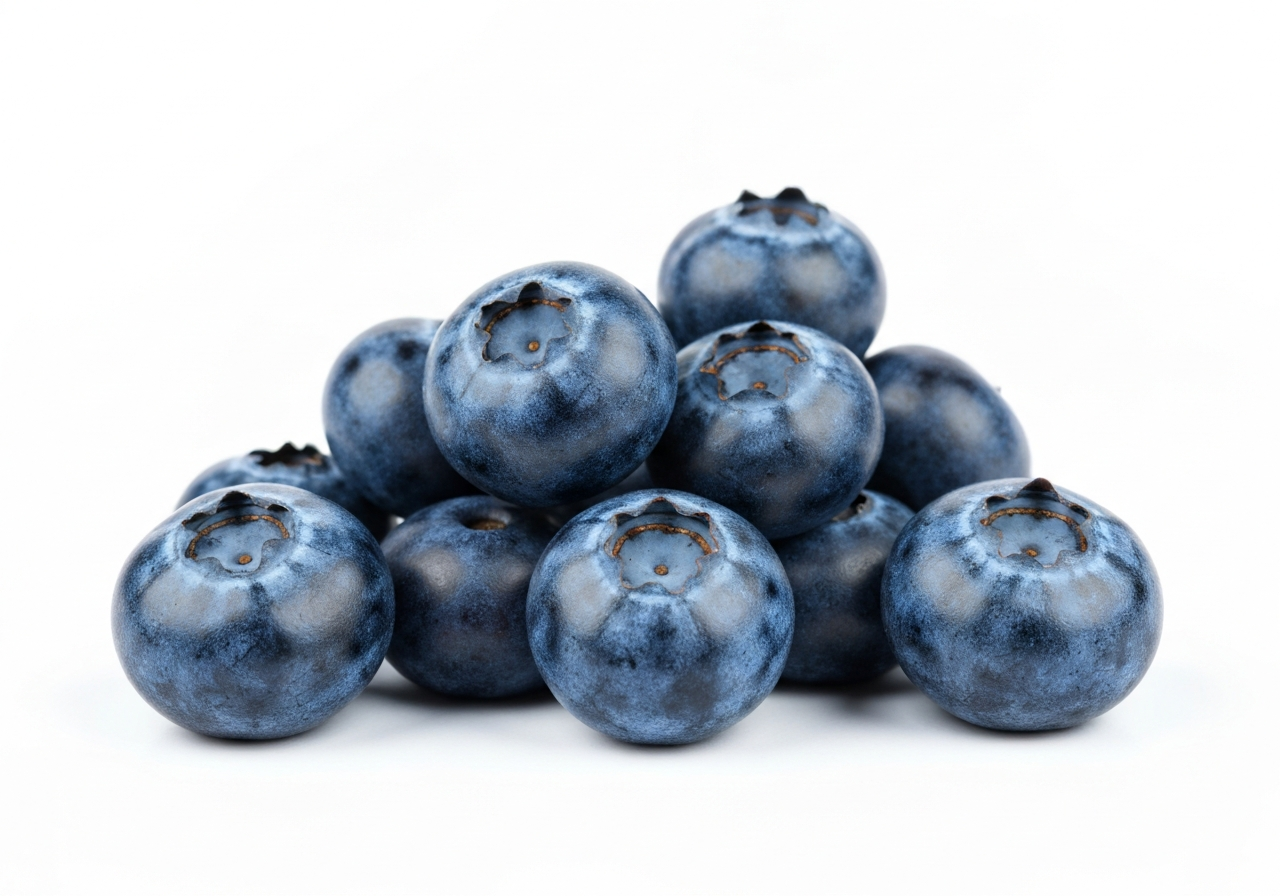
If blueberries aren't available or you're looking to diversify, other berries make excellent alternatives, offering similar benefits with slightly different nutrient profiles:
* Blackberries: Similar antioxidant profile, good fiber content.
* Cherries: Especially tart cherries, known for anti-inflammatory properties and aiding muscle recovery.
* Acai Berries: Exceptionally high in antioxidants, though often consumed in powder or juice form.
* Other dark fruits: Such as plums or red grapes, also offer valuable antioxidants.
When to Choose Each
The best choice often depends on your specific nutritional goals and preferences:
* Choose Blueberries when: You're prioritizing a high intake of diverse antioxidants, especially anthocyanins, for brain health, heart health, and overall cellular protection. You appreciate their natural sweetness and moderate carbohydrate content for sustained energy or post-workout recovery.
* Choose Raspberries when: You need a significant fiber boost, are looking for a lower-sugar fruit option, or want to maximize Vitamin C intake. They're excellent for digestive health and blood sugar management.
* Choose Strawberries when: You want to load up on Vitamin C and folate, prefer a lower-calorie and lower-sugar fruit, or are aiming for a fruit with a very low glycemic impact.
Ultimately, we recommend incorporating a variety of berries into your diet. Each offers a unique blend of nutrients that synergistically contribute to optimal health. Don't limit yourself to just one "winner"; enjoy the full spectrum of nature's candy!
FAQs
Are blueberries good for you every day?
Absolutely. We encourage daily consumption of blueberries due to their rich profile of antioxidants, vitamins, and fiber. Regular intake is associated with numerous health benefits, including improved heart and brain health, and better blood sugar regulation.
How many blueberries should I eat a day?
While there's no strict universal rule, research often suggests consuming between half a cup to one cup (approximately 75-150 grams) of blueberries daily to reap significant health benefits. Some studies even indicate benefits from up to two cups. It's essential to consider your overall carbohydrate intake if you're tracking macros closely.
Do frozen blueberries have the same nutrition as fresh?
Yes, largely. Modern freezing techniques lock in nutrients shortly after harvest, meaning frozen blueberries often retain comparable, and sometimes even higher, levels of vitamins, minerals, and antioxidants than fresh blueberries that have been stored or transported for several days.
Can blueberries help with blood sugar?
Yes. Blueberries have a relatively low glycemic index (GI of 53) and are known to help improve insulin sensitivity, which aids the body in processing glucose more efficiently. This makes them a beneficial fruit for individuals managing blood sugar levels, including those with type 2 diabetes.
What are the side effects of eating too many blueberries?
While highly nutritious, excessive consumption of blueberries, particularly if you're not accustomed to a high-fiber diet, can lead to digestive issues such as bloating, gas, stomachaches, or diarrhea due to their fiber content. Blueberries also contain Vitamin K, which can interfere with blood-thinning medications, so individuals on such medications should consult a healthcare professional about appropriate intake.
Are blueberries high in carbs?
Blueberries are a moderate source of carbohydrates. A 100-gram serving contains about 14.5g of carbohydrates, with 10g of that being natural sugars and 2.4g being fiber. A 1-cup serving (approx. 148g) has around 21g of total carbohydrates. While not as low in carbs as some other berries like raspberries, they can certainly fit into most macro-tracking plans when portioned mindfully.
How to store blueberries?
To keep fresh blueberries at their best, store them unwashed in their original container in the refrigerator. Washing them before storage can promote mold growth. Only wash them just before you're ready to eat them. For longer storage, blueberries freeze exceptionally well.
Track Blueberries Nutrition easily with JustMacrosFit - your free macro tracking app.