Sourdough Bread Macros: Complete Nutrition Guide
Complete sourdough bread macro and nutrition guide. Learn calories, protein, carbs, fat per serving plus meal ideas and tracking tips.
Table of Contents
Sourdough Bread Macros: Complete Nutrition Guide
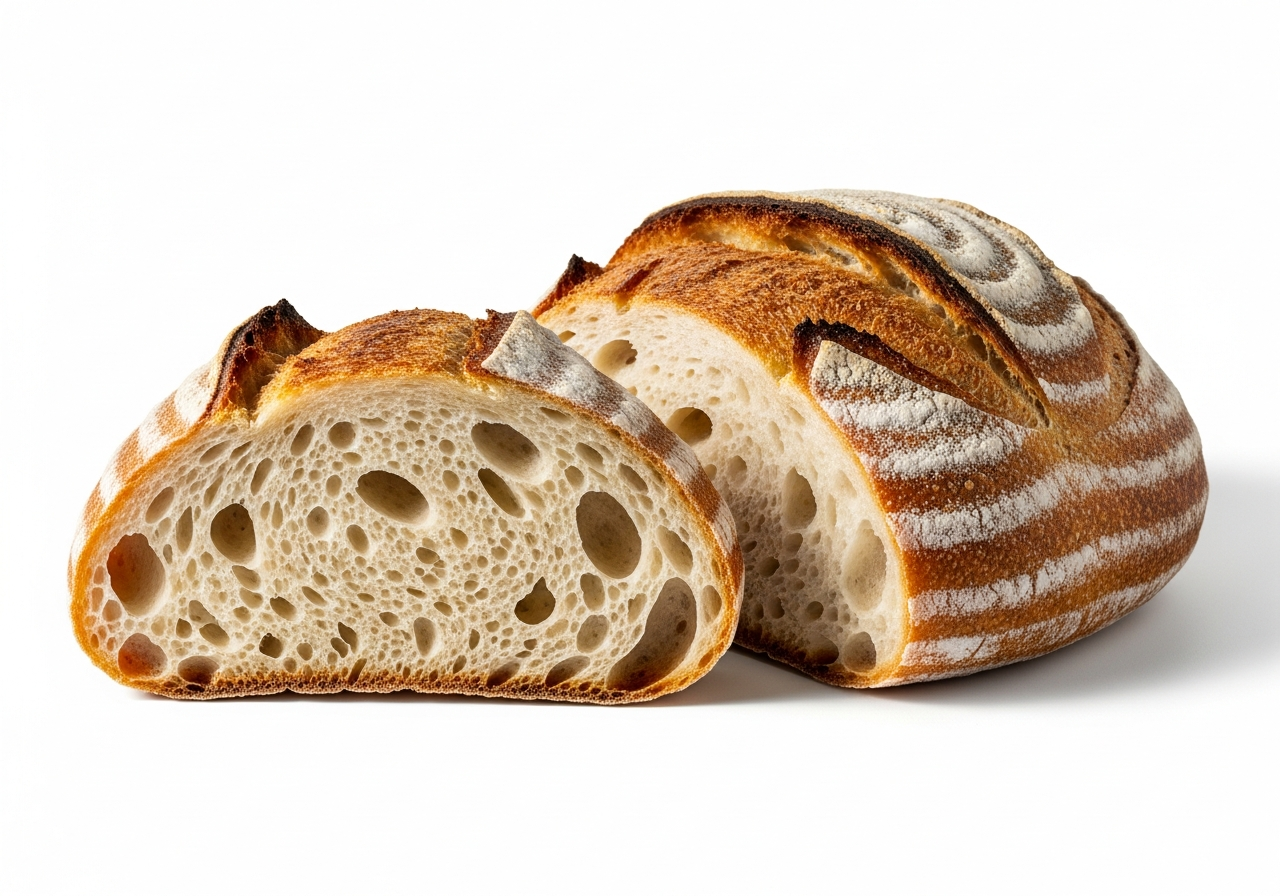
Sourdough bread, a culinary staple with a distinct tangy flavor and chewy texture, offers a unique nutritional profile. Per 100 grams, it typically contains around 250-270 calories, with approximately 45-55 grams of carbohydrates, 8-10 grams of protein, and 2-3 grams of fat. Its fermentation process also contributes to its digestibility and potential prebiotic benefits.
Detailed Nutrition Facts
Understanding the macronutrient composition of sourdough bread is key to incorporating it effectively into a balanced diet. A standard serving of sourdough bread, often considered two slices (approximately 50-60 grams), provides a moderate amount of energy.
For 100 grams of typical sourdough bread, you can expect the following macro breakdown:
- Calories: 250-270 kcal. This energy content makes it a viable option for individuals needing sustained energy throughout the day.
- Carbohydrates: 45-55 grams. The majority of these carbohydrates are complex, meaning they are digested slowly, leading to a more gradual rise in blood sugar levels compared to refined grains. Within this, fiber content is usually around 2-4 grams per 100 grams, contributing to digestive health and satiety.
- Protein: 8-10 grams. While not a primary protein source, sourdough provides a respectable amount of plant-based protein, contributing to muscle repair and satiety.
- Fat: 2-3 grams. Sourdough bread is generally low in fat, making it a leaner option compared to many other bread types, especially those enriched with oils or butter.
Beyond macronutrients, sourdough offers several micronutrients. It's a source of B vitamins, particularly thiamine (B1), riboflavin (B2), niacin (B3), and folate (B9), which are crucial for energy metabolism and various bodily functions. It also contains minerals like iron, magnesium, phosphorus, and zinc. The phytic acid content, often found in whole grains, is also reduced during the sourdough fermentation process, potentially improving the bioavailability of certain minerals.
Serving Size Considerations: It's important to note that serving sizes can vary significantly based on the thickness of the slice and the density of the bread. A typical sandwich slice might be around 30-40 grams, while a thicker, artisan slice could be 60 grams or more. Always weigh your bread for accurate macro tracking.
Comparison to Similar Foods: Compared to white bread, sourdough often has a slightly higher protein and fiber content and a lower glycemic index due to its fermentation. Whole wheat bread, especially 100% whole wheat, typically boasts higher fiber and mineral content than most sourdough varieties, although the type of flour used in sourdough significantly impacts this.
Health Benefits
The nutritional benefits of sourdough bread extend beyond its basic macro counts, making it a potentially valuable addition to a healthy lifestyle for many individuals.
Primary Benefits:
- Improved Digestibility: The long fermentation process breaks down complex carbohydrates and gluten, making sourdough easier to digest for some people who experience mild gluten sensitivities or digestive discomfort with other bread types. This fermentation also aids in the breakdown of phytic acid, a compound found in grains that can inhibit nutrient absorption.
- Gut Health Support: The fermentation process can create beneficial prebiotics, which feed the good bacteria in your gut. A healthy gut microbiome is linked to numerous health benefits, including improved digestion, enhanced immune function, and even positive effects on mood.
- Stable Blood Sugar Levels: The lower glycemic index of sourdough bread, due to its fermentation and often the use of whole grains or a blend of flours, can lead to a slower and more controlled release of glucose into the bloodstream. This is particularly beneficial for individuals managing blood sugar levels, such as those with prediabetes or type 2 diabetes.
- Nutrient Absorption: As mentioned, the reduction of phytic acid during fermentation can enhance the absorption of minerals like iron, zinc, and magnesium from the bread.
Who Should Eat This Food: Sourdough bread can be a good choice for individuals looking for a more digestible and potentially gut-friendly bread option. It is suitable for those aiming for a balanced diet, managing blood sugar, or seeking a source of complex carbohydrates and some protein. People with moderate gluten sensitivities might find it more tolerable, though it is not suitable for individuals with celiac disease, as it still contains gluten.
When to Eat It: Sourdough bread can be enjoyed at any meal. It serves as an excellent base for breakfast toast, a satisfying component of a lunchtime sandwich, or a flavorful accompaniment to dinner dishes. Its sustained energy release makes it a good option before or after physical activity.
How to Track Macros
Accurate macro tracking is essential for understanding how sourdough bread fits into your dietary goals, whether for weight management, muscle gain, or general health.
Portion Measurement Tips: The most crucial step in accurate macro tracking is precise portion measurement.
* Weighing: The most accurate method is to weigh your sourdough bread using a kitchen scale. Bread density can vary, so volume measurements (like slices) are less reliable. Weigh the bread before slicing if possible for the most precise results.
* Slice Consistency: If weighing is not an option, aim for consistently sized slices. Understand the approximate weight of your typical slice. You can weigh a few slices over several days to get an average.
* App Integration: Most macro tracking apps allow you to enter the weight of your food in grams. If the bread is prepackaged with nutrition information, check if the app has a database entry for that specific brand and product.
Using Macro Tracking Apps: Macro tracking applications are invaluable tools for monitoring your daily intake.
1. Find Your Bread: Search for "sourdough bread" in the app's food database. Look for entries that closely match the type of sourdough you are eating (e.g., whole wheat sourdough, white sourdough).
2. Enter Weight: Enter the exact weight of the sourdough bread you consumed in grams. This is far more accurate than selecting a generic "slice" option, which can vary wildly.
3. Adjust Database Entries: If you bake your own sourdough, or if a specific brand's nutrition facts differ significantly from generic entries, you can often create custom food entries within the app, inputting the specific macro and calorie information.
Common Serving Sizes: While precise weighing is recommended, common serving sizes to consider for tracking might be:
* One Slice: Typically around 30-50 grams, depending on thickness.
* Two Slices: Commonly used for sandwiches, around 60-100 grams.
* 100 grams: A standard unit for nutritional comparison.
By diligently weighing and logging your sourdough bread consumption, you gain a clear understanding of its contribution to your daily macronutrient targets.
Meal Ideas & Preparation
Sourdough bread's versatility makes it a fantastic ingredient for a wide array of meals, from simple breakfasts to more elaborate dinners.
Breakfast Ideas:
- Avocado Toast: Top a slice of toasted sourdough with mashed avocado, a sprinkle of chili flakes, and a squeeze of lime. Add a poached egg for extra protein.
- Eggs Benedict: Use thick slices of toasted sourdough as the base instead of English muffins.
- Jam and Butter: A classic and simple option, allowing the flavor of the sourdough to shine.
- French Toast: Sourdough's slightly denser texture and tangy flavor create a unique and delicious French toast experience.
Lunch Ideas:
- Classic Sandwiches: Turkey and Swiss, ham and cheese, or a simple grilled cheese all benefit from the chewiness and flavor of sourdough.
- Open-Faced Sandwiches: Load a toasted slice with smoked salmon, cream cheese, and capers, or with hummus, roasted vegetables, and feta.
- Soup Accompaniment: A thick slice of sourdough is perfect for dipping into hearty soups like tomato, lentil, or French onion.
Dinner Ideas:
- Bruschetta: Top toasted sourdough slices with diced tomatoes, garlic, basil, and olive oil.
- Garlic Bread: Elevate your garlic bread game by using sourdough as the base.
- Bread Pudding: Savory or sweet, sourdough makes an excellent base for bread pudding.
- Side to Entrees: Serve alongside grilled meats, fish, or stews.
Meal Prep Tips:
* Freezing: Sourdough freezes remarkably well. Slice it before freezing and toast it directly from frozen.
* Toasting Ahead: Toast slices of sourdough and store them in an airtight container at room temperature for up to two days. They will remain crisp.
* Drying Out: If your sourdough becomes a little stale, it's perfect for croutons, breadcrumbs, or French toast.
Cooking Methods that Preserve Nutrients:
* Toasting: Minimal nutrient loss. Enhances flavor and texture.
* Baking: As per its original preparation.
* Boiling (as in dumplings or bread pudding): Some water-soluble vitamins might leach out, but overall nutrient profile remains largely intact.
The key is to use sourdough in ways that complement its unique characteristics, leveraging its texture and flavor to enhance your meals.
For Weight Loss
While often perceived as a carb-heavy food, sourdough bread can be a valuable component of a weight loss plan when consumed mindfully and portion-controlled.
Why it's Good for Weight Loss:
* Satiety: The complex carbohydrates and moderate protein content in sourdough contribute to feelings of fullness, which can help reduce overall calorie intake by curbing cravings and preventing overeating.
* Slower Digestion: The fermentation process and the complex carbohydrates lead to a slower release of glucose into the bloodstream. This helps prevent sharp energy spikes and subsequent crashes, which can often lead to snacking.
* Digestibility: For some, improved digestibility means less bloating and digestive discomfort, making adhering to a diet easier and more comfortable.
* Nutrient Density: Compared to highly processed white breads, sourdough offers a better nutrient profile with B vitamins and minerals, contributing to overall health during weight loss.
Portion Recommendations:
* Mindful Portions: Limit yourself to one or two slices per serving. Aim for approximately 50-70 grams of sourdough for a meal.
* Combine with Protein and Fiber: Pair sourdough with lean protein sources (like eggs, chicken, or fish) and plenty of vegetables or fruits. This combination enhances satiety and provides a balanced meal. For example, a slice of sourdough with avocado and a hard-boiled egg.
* Avoid Sugary Toppings: Be mindful of toppings. Opt for unsweetened nut butters, avocado, or lean protein instead of jams, honey, or excessive butter.
Pairing Suggestions:
* Lunch: A sandwich with lean turkey breast, lettuce, tomato, and a thin spread of mustard on sourdough.
* Breakfast: One slice of sourdough toast with a scrambled egg and a side of berries.
* Snack: A small piece of sourdough with a few slices of lean ham or cheese.
By focusing on portion control and pairing sourdough with nutrient-dense foods, you can effectively incorporate it into your weight loss strategy without derailing your progress.
For Muscle Gain
Sourdough bread can serve as a beneficial carbohydrate source for individuals focused on muscle gain, providing the energy necessary for intense workouts and aiding in recovery.
Protein Content Benefits: While not a primary protein source, the 8-10 grams of protein per 100 grams of sourdough bread contributes to your daily protein intake. Protein is crucial for muscle protein synthesis, the process by which muscles repair and grow after exercise. Consuming adequate protein alongside carbohydrates supports this muscle-building process.
Pre/Post Workout Timing:
* Pre-Workout: Consuming sourdough bread 1-2 hours before a workout can provide sustained energy. The complex carbohydrates offer a steady release of glucose, fueling your muscles during training without causing energy slumps. A slice or two with a lean protein source, like chicken or Greek yogurt, can be an effective pre-workout meal.
* Post-Workout: After strenuous exercise, your body needs carbohydrates to replenish glycogen stores and protein to initiate muscle repair. Sourdough can be a part of a post-workout meal or snack. For instance, a sandwich with grilled chicken or tuna after a workout can provide both the needed carbs and protein.
Bulking Meal Ideas:
* Hearty Sandwiches: Build substantial sandwiches with multiple layers of lean protein like chicken breast, lean roast beef, or turkey, along with some cheese and plenty of vegetables on sourdough.
* Pre-Workout Fuel: Two slices of sourdough toast topped with peanut butter and banana slices.
* Post-Workout Recovery: A large bowl of chili with a side of sourdough bread for dipping and absorbing the rich sauce.
* Meal Additions: Add a slice of sourdough alongside your regular muscle-building meals, such as steak and potatoes, to increase your overall calorie and carbohydrate intake.
By strategically incorporating sourdough bread into your diet, especially around your training sessions, you can leverage its carbohydrate content for energy and its moderate protein for muscle recovery and growth.
Comparisons
Understanding how sourdough bread stacks up against other common bread types and carbohydrate sources can help you make informed dietary choices.
Sourdough vs. Similar Foods:
- White Bread: Sourdough generally has a lower glycemic index than white bread due to its fermentation process and often the use of less refined flours. White bread is typically higher in refined carbohydrates and lower in nutrients and fiber.
- Whole Wheat Bread: 100% whole wheat bread usually boasts a higher fiber content and a broader spectrum of micronutrients compared to most sourdough varieties, especially those made with a significant proportion of white flour. However, the digestibility of sourdough can be an advantage for some.
- Rye Bread: Rye bread, particularly dense, dark rye, often has more fiber and a lower glycemic index than sourdough made with white flour. Its distinct flavor is a matter of preference.
- Gluten-Free Bread: This is a fundamentally different category. Gluten-free bread is made from alternative flours like rice, almond, or tapioca and is suitable for individuals with celiac disease or gluten intolerance. Its nutritional profile varies widely depending on the specific ingredients used.
Best Alternatives:
- For Highest Fiber: 100% whole grain breads (whole wheat, whole rye, multi-grain with visible grains) are excellent choices.
- For Lowest Glycemic Index: Dense rye breads, pumpernickel, and certain sprouted grain breads often have the lowest impact on blood sugar.
- For Digestibility (if sensitive to gluten but not celiac): Sourdough can be a good option. For those with celiac disease, only certified gluten-free breads are suitable.
- For Overall Nutrient Density: Look for breads where whole grains are the primary ingredient and the ingredient list is short and recognizable.
When to Choose Each:
- Choose Sourdough: When you are seeking improved digestibility, potential prebiotic benefits, a nuanced flavor, and a moderate carbohydrate source that is generally less impactful on blood sugar than standard white bread.
- Choose Whole Wheat: When maximizing fiber intake and mineral content is your primary goal.
- Choose Rye: For a dense, flavorful bread with a typically lower glycemic response.
- Choose Gluten-Free: If you have celiac disease or a diagnosed gluten sensitivity or intolerance.
Ultimately, the "best" choice depends on your individual dietary needs, health goals, and taste preferences.
FAQs
Here are answers to common questions about sourdough bread's nutrition and macros.
Q1: Are sourdough bread macros significantly different from regular bread?
A1: Sourdough bread generally has similar macronutrient profiles to other artisan breads. However, due to its fermentation, it can sometimes have a slightly lower glycemic index and be easier to digest than standard white bread. The exact macros depend heavily on the flours used and the baking process.
Q2: Is sourdough bread good for weight loss?
A2: Yes, sourdough can be part of a weight loss diet. Its complex carbohydrates and protein contribute to satiety, and its slower digestion helps manage blood sugar levels. Portion control and pairing with lean protein and vegetables are key.
Q3: Does sourdough bread have a lot of protein?
A3: Sourdough bread contains a moderate amount of protein, typically around 8-10 grams per 100 grams. While it's not a primary protein source like meat or legumes, it contributes to your daily protein intake, which is beneficial for muscle maintenance and repair.
Q4: Can people with gluten sensitivity eat sourdough bread?
A4: Some individuals with mild gluten sensitivity find sourdough more tolerable because the fermentation process breaks down gluten. However, sourdough still contains gluten and is not suitable for people with celiac disease or diagnosed gluten intolerance.
Q5: How should I store sourdough bread to maintain its freshness and texture?
A5: Store sourdough bread at room temperature in a bread box or a loosely tied paper bag for a few days. For longer storage, slice the bread and freeze it in an airtight container or freezer bag. Toasting from frozen is an effective way to enjoy it.
Q6: What are the main benefits of the fermentation process in sourdough bread?
A6: Fermentation breaks down carbohydrates, making the bread easier to digest. It also reduces phytic acid, potentially improving mineral absorption, and can create prebiotics that support gut health.
Q7: Is sourdough bread high in calories?
A7: Sourdough bread is moderately caloric, typically around 250-270 calories per 100 grams. This is comparable to many other types of bread. The caloric impact depends on portion size and what it's paired with.
Track sourdough bread easily with JustMacros - your free macro tracking app.