Edamame Nutrition: Complete Macros & Nutrition Guide
Complete macro and nutrition guide for Edamame Nutrition. Learn calories, protein, carbs, fat per serving plus meal ideas and tracking tips.
Table of Contents
- Quick Answer
- Detailed Nutrition Facts
- Health Benefits
- How to Track Macros
- Portion Measurement Tips
- Using Macro Tracking Apps
- Common Serving Sizes
- Meal Ideas & Preparation
- Breakfast, Lunch, Dinner Ideas
- Meal Prep Tips
- Cooking Methods That Preserve Nutrients
- For Weight Loss
- Why It's Good for Weight Loss
- Portion Recommendations
- Pairing Suggestions
- For Muscle Gain
- Protein Content Benefits
- Pre/Post Workout Timing
- Bulking Meal Ideas
- Comparisons
- vs. Similar Foods
- Best Alternatives
- When to Choose Each
- FAQs
- Q1: What are the main macros in 100g of edamame?
- Q2: Is edamame a complete protein?
- Q3: How many calories are in a typical serving of edamame?
- Q4: Is edamame suitable for a ketogenic (keto) diet?
- Q5: Does edamame contain purines?
- Q6: What's the best way to cook edamame to preserve its nutrients?
- Q7: How should I store edamame?
Edamame Nutrition Macros: Complete Nutrition Guide
Quick Answer
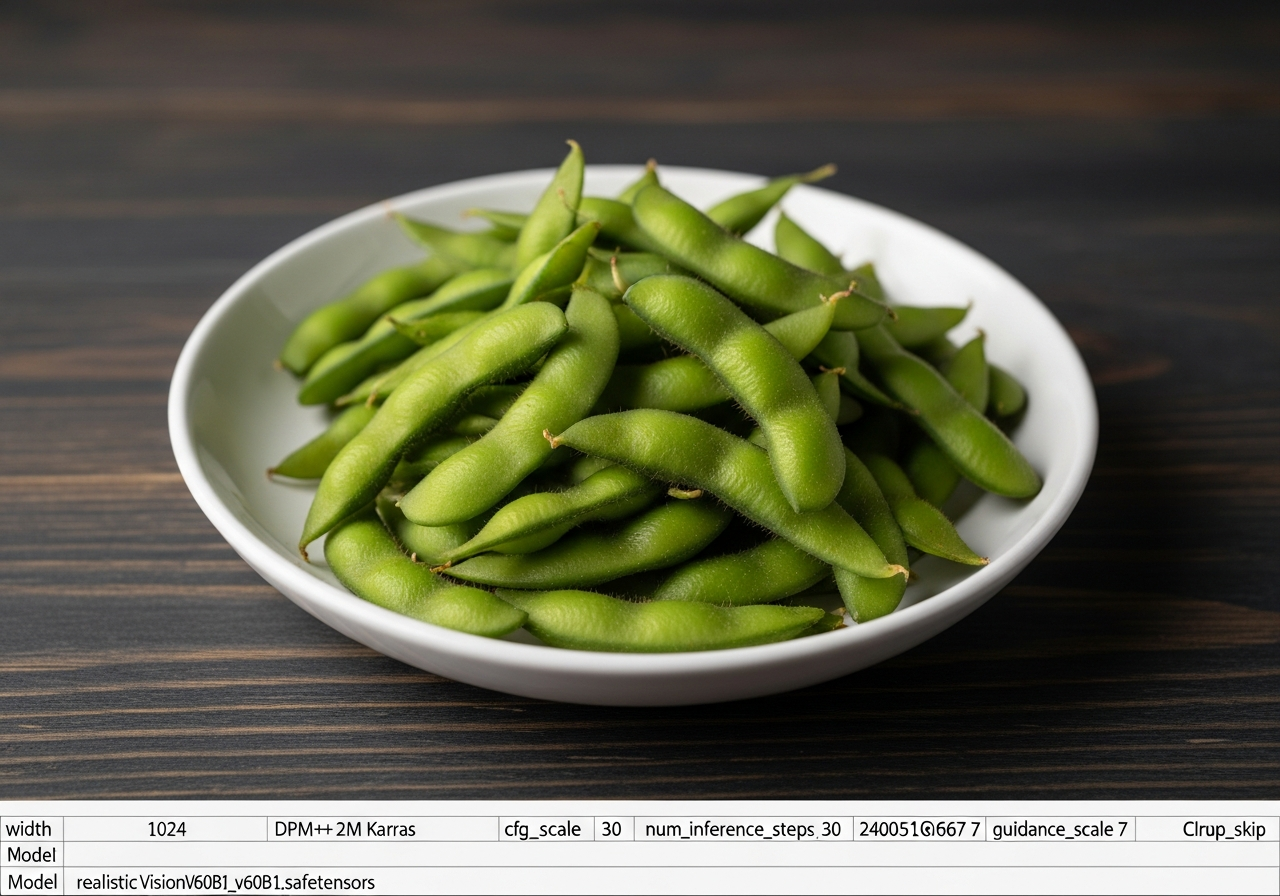
Edamame, or young soybeans, are a nutritional powerhouse, offering an excellent balance of macronutrients. Per 100 grams of cooked, shelled edamame, we typically find around 121-122 calories, approximately 11.9 grams of complete plant-based protein, about 8.9 grams of carbohydrates (with a significant 5.2 grams coming from fiber), and around 5.2 grams of healthy fats. These vibrant green legumes are also packed with essential vitamins and minerals, making them a superb addition to any diet.
Detailed Nutrition Facts
As nutrition experts and seasoned chefs, we at JustMacrosFit recognize edamame as a truly versatile and nutrient-dense food. Its macro profile is particularly appealing for those focused on balanced eating, whether for weight management, muscle gain, or overall health.
Hero Nutrients per 100g Cooked, Shelled Edamame:
* Calories: 121-122 kcal
* Protein: 11.9 g
* Total Carbohydrates: 8.9 g (with Net Carbs around 3.7-5g)
* Dietary Fiber: 5.2 g
* Total Fat: 5.2 g
Looking deeper into the fat content, edamame primarily contains healthy unsaturated fats, including monounsaturated and polyunsaturated fats, with small amounts of beneficial omega-3 and omega-6 fatty acids. The saturated fat content is commendably low, typically around 0.6-1 gram per 100g.
Beyond the macros, edamame is a treasure trove of micronutrients. We consistently see it highlighted for its robust vitamin and mineral profile. It is an exceptional source of Folate (Vitamin B9), which is crucial for DNA synthesis and cell division, providing over 50% of the Daily Value per ½ cup serving. Vitamin K, vital for blood clotting and bone health, is also abundant. Furthermore, edamame contributes significantly to our intake of Manganese, Copper, and Magnesium. We also find notable amounts of iron, phosphorus, potassium, zinc, and B vitamins such as Thiamine (B1), Riboflavin (B2), Niacin (B3), and Vitamin B6, along with some Vitamin C and A.
A standard serving size often referred to in nutritional contexts is 1 cup of shelled edamame, which is approximately 155 grams. This larger portion provides around 188 calories, 18-18.5 grams of protein, 13 grams of carbohydrates, and 8.1 grams of fiber. This generous serving offers a substantial nutrient boost for a relatively modest calorie count.
When comparing edamame to similar plant-based foods, its profile stands out. For example, while lentils are also high in protein and fiber, edamame offers a more balanced macronutrient ratio with more healthy fats and fewer carbohydrates per 100 grams, as well as higher levels of several vitamins and minerals like Vitamin K and Vitamin A.
Health Benefits
The health benefits of incorporating edamame into your diet are extensive and well-supported by scientific research. As nutrition coaches, we regularly recommend this legume for its multifaceted positive impacts on the body.
One of the most significant advantages of edamame is its status as a complete plant-based protein. Unlike many other plant proteins, edamame contains all nine essential amino acids that our bodies cannot produce on their own. This makes it an invaluable food for vegetarians, vegans, and anyone looking to diversify their protein sources beyond animal products.
Edamame is an excellent food for weight management and promoting satiety. Its impressive combination of protein and dietary fiber helps us feel fuller for longer, naturally reducing overall calorie intake and curbing cravings between meals. The fiber adds volume to meals, aids in steadying blood sugar, and slows digestion, while protein is known to increase feelings of fullness and can help reduce levels of ghrelin, often called the hunger hormone.
For heart health, edamame offers a beneficial package. The soy protein and isoflavones found in edamame may help lower LDL ("bad") cholesterol levels, while the healthy unsaturated fats, fiber, and antioxidants contribute to an improved blood lipid profile and reduced risk of heart disease. It also contains phytosterols, plant-based compounds that block the absorption of cholesterol.
Edamame also plays a role in blood sugar regulation. With its low glycemic index and high fiber content, it helps stabilize blood glucose levels, making it a smart choice for individuals managing diabetes or those aiming for more consistent energy throughout the day.
Furthermore, the isoflavones in edamame are phytoestrogens, compounds that mimic estrogen in the body, which may contribute to bone health by impacting bone metabolism and increasing bone mineral density. This is particularly beneficial for postmenopausal women who are at an increased risk of bone loss. These phytoestrogens may also help alleviate common menopausal symptoms such as hot flashes, night sweats, and mood swings.
Research suggests that soy products, including edamame, may offer protection against certain types of cancer, specifically prostate and breast cancer, due to their isoflavone and antioxidant content. The folate content also supports DNA production and cell division, which is crucial for preventing certain cancers and for overall cellular health.
Finally, edamame's high fiber content promotes improved digestion and can relieve issues like bloating and constipation. The iron it provides is essential for oxygen transport and can boost energy levels, while its plant-based protein and iron can also support fertility.
How to Track Macros
Accurate macro tracking is fundamental for achieving specific fitness and health goals. Edamame, with its consistent nutritional profile, is relatively straightforward to track.
Portion Measurement Tips
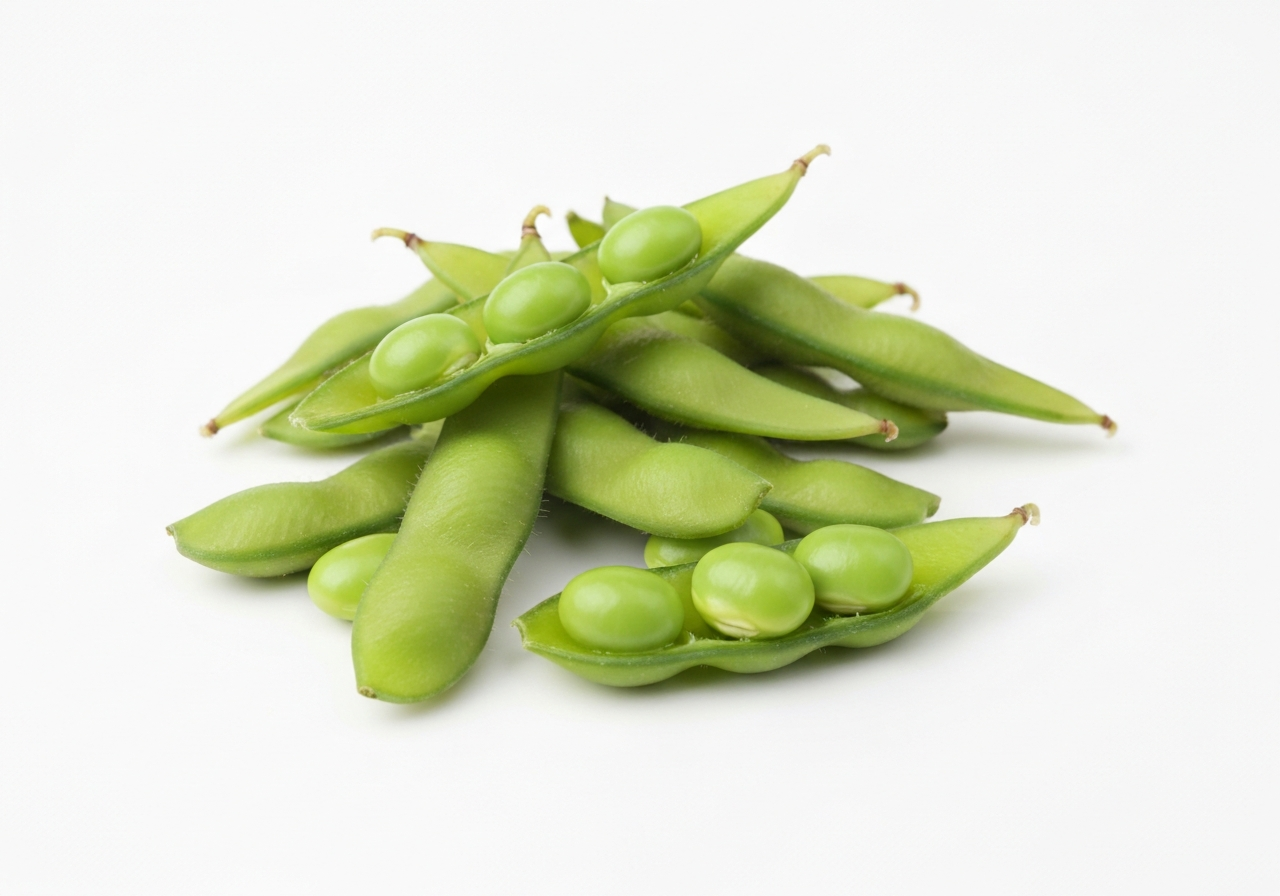
For precise macro tracking, we always recommend weighing your food using a digital kitchen scale. While measuring cups provide a good estimate, weighing ensures accuracy, especially when you're diligently working towards specific macro targets. A standard serving of shelled edamame is typically about 1 cup, which weighs around 155 grams. If you are eating edamame in the pod, remember to only count the edible beans for your macro calculations. For smaller portions, consider half a cup, which is approximately 77 grams.
Using Macro Tracking Apps
Apps like JustMacrosFit make tracking edamame nutrition incredibly easy. Our comprehensive database includes detailed nutritional information for various forms of edamame (shelled, in-pod, cooked, frozen). Simply search for "edamame cooked shelled" or "edamame in pod," enter your measured quantity in grams or a common serving size like "1 cup," and the app will automatically calculate your protein, carbs, fats, and calories. This streamlines the process, allowing you to focus on your meal and your goals.
Common Serving Sizes
Beyond the 1-cup (155g) serving, here are some common portion sizes we often recommend:
* Small Snack: 1/2 cup (approximately 77g) shelled edamame.
* Side Dish: 1 cup (approximately 155g) shelled edamame.
* Meal Addition: 1 to 1.5 cups (155g to 232g) shelled edamame, depending on your individual macro needs and the role it plays in your meal.
Remember, consistency in measuring your portions is key to effective macro tracking.
Meal Ideas & Preparation
As veteran nutrition coaches and chefs, we know that great nutrition goes hand-in-hand with delicious and easy preparation. Edamame is incredibly versatile, making it simple to incorporate into almost any meal of the day.
Breakfast, Lunch, Dinner Ideas
- Breakfast: While not a traditional breakfast food, shelled edamame can be a fantastic protein booster in a savory breakfast bowl. Try adding a quarter to half a cup to scrambled eggs or a tofu scramble, or mix it into a breakfast hash with sweet potatoes and spinach.
- Lunch: Edamame shines in salads and grain bowls. We often toss cooked and cooled shelled edamame into a vibrant quinoa salad with mixed greens, cherry tomatoes, cucumber, and a light vinaigrette. It also makes a satisfying addition to wraps and sandwiches for an extra protein and fiber punch.
- Dinner: For dinner, edamame is a natural fit for Asian-inspired dishes. Stir-fries are a classic, where it adds texture and nutrition alongside your choice of vegetables and lean protein. It can also be added to noodle dishes, curries, or even incorporated into a plant-based pasta sauce for a hidden boost.
Meal Prep Tips
Edamame is a meal prep superstar. We recommend buying it frozen, either shelled or in the pod. It cooks quickly from frozen, making it ideal for batch preparation.
1. Steam or Boil a Large Batch: Cook a larger quantity of edamame at the beginning of the week. Once cooked, let it cool completely.
2. Portion and Store: Divide the shelled edamame into individual serving containers. It will last in the refrigerator for 3-4 days.
3. Versatile Addition: Having pre-cooked edamame ready makes it effortless to add to salads, stir-fries, or snack on directly throughout the week.
Cooking Methods That Preserve Nutrients
Steaming and boiling are our preferred methods for cooking edamame, as they best preserve its delicate nutrients.
- Steaming: Place shelled or in-pod edamame in a steamer basket over boiling water. Steam for 5-7 minutes until tender-crisp. This method helps retain more water-soluble vitamins.
- Boiling: Bring a pot of salted water to a rolling boil. Add shelled or in-pod edamame and boil for 3-5 minutes until heated through and tender.
- Microwaving: For a quick option, place frozen edamame (shelled or in-pod) in a microwave-safe bowl with a splash of water, cover, and microwave for 2-3 minutes, stirring halfway through.
Avoid overcooking, as this can degrade some of the heat-sensitive vitamins. A light steaming or quick boil is all that's needed to enjoy its full nutritional goodness.
For Weight Loss
When it comes to weight loss, we consistently highlight edamame as an exceptional ally. Its unique nutritional composition makes it a standout choice for those aiming to shed pounds while maintaining satiety and energy.
Why It's Good for Weight Loss
Edamame is particularly effective for weight loss due to its powerful combination of high protein and fiber content, coupled with a relatively low calorie density.
* High Protein: With approximately 11.9 grams of protein per 100g (and 18-18.5g per cup), edamame helps increase feelings of fullness and reduces the desire to snack between meals. Protein also requires more energy to digest than carbohydrates or fats, contributing to a slight boost in metabolism.
* Rich in Fiber: The 5.2 grams of fiber per 100g adds bulk to our diet without adding many calories. Fiber slows digestion, which helps stabilize blood sugar levels, prevents energy crashes, and further contributes to sustained satiety.
* Nutrient Density: For roughly 121-122 calories per 100g, edamame delivers a significant amount of essential vitamins and minerals, ensuring our bodies remain well-nourished even when operating in a calorie deficit.
This trio of protein, fiber, and nutrient density means we can feel satisfied and energized on fewer calories, a crucial factor for successful weight loss.
Portion Recommendations
For weight loss, portion control is key. We typically recommend a serving of 1/2 to 1 cup (shelled) of edamame as a snack or a component of a meal.
* Snack: 1/2 cup (approx. 77g) of steamed edamame with a light sprinkle of sea salt makes for a filling and satisfying snack for under 100 calories.
* Meal Component: Incorporate 1 cup (approx. 155g) into salads, stir-fries, or grain bowls to add substantial protein and fiber without significantly increasing the overall calorie count of the meal.
Pairing Suggestions
To maximize its weight loss benefits, pair edamame with other whole, unprocessed foods:
* With Lean Protein: Combine with grilled chicken, fish, or tofu for a meal that is exceptionally high in protein and extremely satiating.
* With Non-Starchy Vegetables: Mix with leafy greens, broccoli, bell peppers, or zucchini to add volume and a wider array of micronutrients with minimal extra calories.
* As a Healthy Snack: Enjoy it on its own or with a handful of almonds for an extra boost of healthy fats and sustained fullness.
For Muscle Gain
For those dedicated to building and maintaining muscle mass, edamame is a plant-based champion. Its comprehensive protein profile and supporting micronutrients make it an excellent choice for fueling muscle growth and recovery.
Protein Content Benefits
The standout feature of edamame for muscle gain is its status as a complete protein. This means it provides all nine essential amino acids necessary for muscle protein synthesis. Our bodies cannot produce these amino acids, making dietary sources critical for muscle repair and growth. With around 11.9 grams of protein per 100g and a robust 18-18.5 grams per 1-cup serving, edamame offers a significant protein boost that rivals many animal sources on a per-calorie basis. Moreover, its rich folate content helps the body efficiently build protein from these amino acids, directly supporting muscle tissue development.
Pre/Post Workout Timing
Incorporating edamame into your pre and post-workout nutrition strategy can optimize muscle recovery and growth.
- Pre-Workout: A serving of edamame can provide sustained energy for your workout. The combination of protein, fiber, and complex carbohydrates ensures a steady release of glucose, preventing energy crashes. We often recommend pairing roasted edamame (which has a concentrated protein content of up to 46g per 100g) with a carbohydrate source, ensuring amino acids are already circulating to protect muscle tissue during training.
- Post-Workout: Immediately after a workout, your muscles are primed for nutrient uptake. The complete protein in edamame helps kickstart muscle repair and recovery. The amino acids provided by edamame are readily available to rebuild and strengthen muscle fibers damaged during exercise.
Bulking Meal Ideas
For those in a muscle-building phase, incorporating edamame into calorically dense, nutrient-rich meals is simple:
- High-Protein Stir-Fry: Create a hearty stir-fry with a base of brown rice or quinoa, lean protein like chicken or tempeh, a generous portion of edamame, and a variety of colorful vegetables.
- Edamame and Grain Bowls: Layer cooked edamame with nutrient-dense grains like farro or wild rice, roasted sweet potatoes, avocado, and a protein-rich dressing.
- Snacks: Roasted edamame can be an excellent high-protein snack, offering concentrated protein content to help meet higher daily protein targets. This is especially useful if you are finding it challenging to consume enough protein from other sources.
Comparisons
Understanding how edamame stacks up against other popular legumes can help us make informed dietary choices based on our specific macro and micronutrient needs.
vs. Similar Foods
We often compare edamame to other plant-based protein sources like chickpeas and lentils, as they frequently appear in similar culinary applications.
- Edamame vs. Lentils: Both are excellent sources of plant protein and fiber. However, edamame typically offers a slightly higher fat content (healthy unsaturated fats) and lower carbohydrate count per 100g compared to lentils. In terms of micronutrients, edamame generally boasts more Folate, Manganese, Vitamin K, Copper, Magnesium, Vitamin B2, Vitamin A, Calcium, and Potassium. Lentils, on the other hand, tend to have higher levels of iron and Vitamin B6. If you're looking for a slightly lower-carb, higher-fat legume with a broader spectrum of certain vitamins, edamame is often the preferred choice.
- Edamame vs. Chickpeas: When comparing a typical serving size (1 cup shelled edamame at 155g vs. 1 cup cooked chickpeas at 164g), edamame provides more protein (18g vs. 15g) and fewer calories (188 vs. 269) and significantly fewer carbohydrates (13g vs. 45g). Edamame also has considerably more of vitamins A, C, E, K, and most B vitamins (B1, B2, B3, B5, B7, B9, Choline), as well as calcium, magnesium, and potassium. Chickpeas often have more fiber, iron, selenium, zinc, and B6. For those prioritizing higher protein and lower carbs, especially for weight loss or specific macro tracking, edamame has a distinct advantage.
Best Alternatives
While edamame offers a unique nutritional profile, several other legumes and plant-based foods can serve as excellent alternatives depending on your goals:
- Lentils: Great for fiber, protein, and iron. Excellent in soups, stews, and salads.
- Chickpeas (Garbanzo Beans): Versatile for hummus, roasted snacks, or added to salads and curries. Higher in carbs and fiber than edamame.
- Black Beans: A good source of protein, fiber, and complex carbohydrates, suitable for Latin-inspired dishes.
- Green Peas: Similar in color and texture to edamame, offering a good amount of protein and fiber, though typically with slightly fewer grams of protein per serving than edamame.
When to Choose Each
- Choose Edamame when: You need a complete plant-based protein, are looking for a lower-carb legume option, want a food rich in vitamins K, A, and folate, or prioritize a balanced macro profile for satiety and muscle support. It's excellent as a snack, in salads, or light stir-fries.
- Choose Lentils when: You need a very high-fiber option, a significant source of iron, or a versatile ingredient for hearty soups and stews. They are generally lower in fat than edamame.
- Choose Chickpeas when: You're making dips like hummus, want a higher fiber content, or need a more calorie-dense legume for sustained energy in dishes like curries and roasts. They offer a good range of minerals including iron and zinc.
FAQs
Q1: What are the main macros in 100g of edamame?
A1: Per 100g of cooked, shelled edamame, you can expect approximately 121-122 calories, 11.9g of protein, 8.9g of total carbohydrates (with 5.2g of fiber), and 5.2g of fat.
Q2: Is edamame a complete protein?
A2: Yes, edamame is one of the few plant-based foods that provides all nine essential amino acids, making it a complete protein source.
Q3: How many calories are in a typical serving of edamame?
A3: A typical 1-cup serving (about 155g) of cooked, shelled edamame contains approximately 188 calories.
Q4: Is edamame suitable for a ketogenic (keto) diet?
A4: While edamame has a lower net carb count than many other beans (around 5g net carbs per cup), its carbohydrate content may still be too high for a strict ketogenic diet (which usually limits carbs to 20-30g daily). It can, however, fit into a more lenient low-carb eating plan in moderation.
Q5: Does edamame contain purines?
A5: Yes, edamame contains moderate levels of purines, which are natural compounds that can be metabolized into uric acid in the body. However, its purine levels are not considered high, typically ranging from 37-57mg per 1/2 cup serving, making it generally safe for most individuals.
Q6: What's the best way to cook edamame to preserve its nutrients?
A6: Steaming or boiling are the best methods to cook edamame and preserve its nutrients. Steam for 5-7 minutes or boil for 3-5 minutes until tender-crisp. Avoid overcooking, as this can reduce the content of water-soluble vitamins.
Q7: How should I store edamame?
A7: Edamame is most commonly found frozen, either shelled or in the pod. Store it in the freezer until ready to use. Once cooked, shelled edamame can be kept in an airtight container in the refrigerator for 3-4 days.
Track Edamame Nutrition easily with JustMacrosFit, your free macro tracking app.