Whey Protein Powder: Complete Macros & Nutrition Guide
Complete macro and nutrition guide for Whey Protein Powder. Learn calories, protein, carbs, fat per serving plus meal ideas and tracking tips.
Table of Contents
- Quick Answer
- Detailed Nutrition Facts
- Macronutrients
- Micronutrients
- Serving Size Considerations
- Comparison to Similar Foods
- Health Benefits
- Primary Benefits
- Who Should Eat This Food
- When to Eat It
- How to Track Macros
- Portion Measurement Tips
- Using Macro Tracking Apps
- Common Serving Sizes
- Meal Ideas & Preparation
- Breakfast Ideas
- Lunch and Dinner Ideas
- Meal Prep Tips
- Cooking Methods that Preserve Nutrients
- For Weight Loss
- Why It's Good for Weight Loss
- Portion Recommendations
- Pairing Suggestions
- For Muscle Gain
- Protein Content Benefits
- Pre/Post-Workout Timing
- Bulking Meal Ideas
- Comparisons
- vs. Similar Foods
- Best Alternatives
- When to Choose Each
- FAQs
- Q1: How many grams of protein are in a standard scoop of whey protein powder?
- Q2: Is whey protein powder good for weight loss?
- Q3: Can I drink whey protein powder if I am lactose intolerant?
- Q4: When is the best time to consume whey protein for muscle gain?
- Q5: Can I use whey protein powder in cooking or baking?
- Q6: What's the difference between whey protein concentrate and isolate?
- Q7: How should I store whey protein powder?
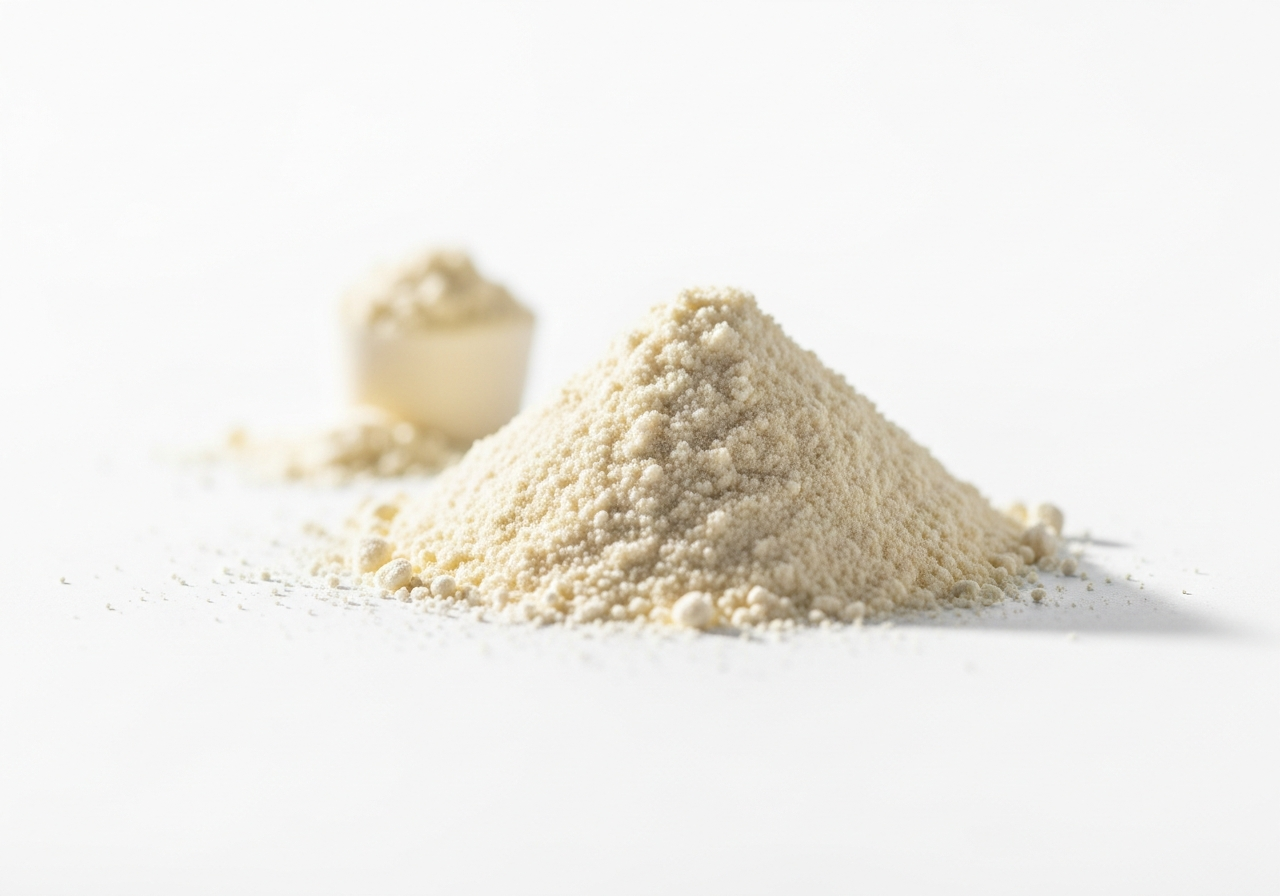
Title: Whey Protein Powder Macros: Complete Nutrition Guide
As a veteran nutrition coach and chef, I've seen countless dietary trends come and go, but one powerhouse supplement has consistently held its ground: whey protein powder. It's a staple in many kitchens, from elite athletes fueling their performance to individuals simply seeking to optimize their daily nutrition. At JustMacrosFit, we believe in empowering you with accurate, actionable information about what you put into your body. Let's delve deep into the macros and nutrition of whey protein powder, ensuring you understand its full potential.
Quick Answer
Whey protein powder is an exceptional source of high-quality protein, making it an invaluable tool for dietary goals. Per 100g, a typical whey protein powder concentrate provides approximately 379-400 calories, with a macro breakdown around 79-83g protein, 3.5-7g carbohydrates, and 1-3.5g fat. Its key nutritional highlight is its complete amino acid profile, including all nine essential amino acids, which are crucial for muscle repair and growth.
Detailed Nutrition Facts
Whey protein is derived from milk, specifically the liquid byproduct that separates during cheese production. This makes it a complete protein, meaning it contains all nine essential amino acids your body needs but cannot produce on its own. The specific macronutrient and micronutrient composition can vary slightly depending on the type of whey protein. The two most common types are whey protein concentrate (WPC) and whey protein isolate (WPI).
Hero Nutrients: Per 100g of Whey Protein Powder (approximate averages for concentrate/isolate)
* Calories: 379-403 kcal
* Protein: 79-90g (with isolate being higher)
* Carbohydrates: 3.5-10g
* Fat: 1-3.5g (with isolate being lower)
Macronutrients
Whey protein concentrate typically contains 70-80% protein by weight, with the remaining 20-30% comprising fats, carbohydrates, and lactose. Whey protein isolate, however, undergoes additional processing to further reduce fat and lactose content, resulting in a product that is 90% or more protein by weight. This makes whey isolate a leaner option, often preferred by those with lactose sensitivity or strict dietary restrictions.
Micronutrients
Beyond its impressive macro profile, whey protein powder also contributes to your micronutrient intake. While amounts can vary by brand and processing, common micronutrients found in whey protein isolate include:
* Minerals: Significant amounts of Calcium (up to 698mg), Potassium (up to 872mg), Phosphorus (up to 581mg), Magnesium (up to 233mg), and Zinc (up to 8.7mg). Smaller amounts of Iron, Sodium, Manganese, Copper, and Selenium are also present.
* Vitamins: It can also contain various B vitamins such as B1, B2, B3, B5, B6, and B12, along with Vitamin C, Vitamin E, Vitamin K, and Choline.
Serving Size Considerations
A typical serving size of whey protein powder is usually one scoop, which averages around 25-30g. This single scoop can deliver roughly 20-25g of high-quality protein, with around 110-120 calories. Always check the specific nutrition label of your chosen product, as formulations can differ.
Comparison to Similar Foods
Compared to other protein sources, whey protein offers a unique advantage due to its rapid absorption rate and complete amino acid profile. Whole foods like chicken breast or eggs are excellent, but whey provides a concentrated, convenient, and quickly digestible protein boost, especially beneficial around workouts.
Health Benefits
Whey protein is not just for bodybuilders. Its robust nutritional profile offers a wide array of health benefits that cater to diverse needs and goals.
Primary Benefits
- Muscle Growth and Repair: Whey protein is widely recognized for its ability to promote muscle protein synthesis, essential for building and repairing muscle tissue. It's rich in branched-chain amino acids (BCAAs), particularly leucine, which is a key activator for muscle growth.
- Weight Management: Increased protein intake, especially from sources like whey, can significantly aid in weight loss. It boosts satiety, helping to reduce hunger and cravings, and increases the thermic effect of food, meaning your body burns more calories during digestion. It also helps preserve lean muscle mass during calorie restriction, which is crucial for maintaining a healthy metabolism.
- Metabolic Health: Some research suggests whey protein may help manage conditions like diabetes and high blood pressure, contributing to improved metabolic health.
- Supports Recovery: For active individuals, whey protein accelerates post-exercise recovery by providing the necessary amino acids to repair muscle damage.
Who Should Eat This Food
Whey protein is beneficial for a broad spectrum of individuals:
* Athletes and Active Individuals: To support muscle growth, recovery, and overall performance.
* Individuals Aiming for Weight Loss: Its satiating properties and metabolism-boosting effects make it an excellent dietary aid.
* Older Adults: To help prevent age-related muscle loss (sarcopenia) and improve muscle mass and strength.
* Those with Increased Protein Needs: Anyone struggling to meet their daily protein requirements through whole foods alone, including individuals with certain chronic health conditions or swallowing difficulties.
When to Eat It
The versatility of whey protein means it can be consumed at various times to support different goals.
* Post-Workout: Considered the "anabolic window," consuming whey protein within 30-60 minutes after a workout is often recommended for optimal muscle recovery and growth due to its rapid absorption. Pair it with some fast-digesting carbohydrates for best results.
* Morning: Taking whey protein first thing in the morning can provide a quick supply of amino acids to prevent muscle catabolism after an overnight fast.
* Between Meals: As a snack, a whey protein shake can help control hunger, prevent overeating at main meals, and maintain consistent protein intake throughout the day.
* Pre-Workout: Consuming whey protein 30-60 minutes before a workout can provide a steady supply of amino acids, potentially reducing muscle damage and improving performance.
How to Track Macros
For anyone serious about their nutrition, accurate macro tracking is fundamental. Whey protein powder, with its concentrated nutrient profile, needs to be tracked diligently to ensure you hit your targets.
Portion Measurement Tips
The most accurate way to measure whey protein powder is by using a digital kitchen scale. While most protein powders come with a scoop, the density of powders can vary, and scoops are not always precise. Weighing your portion ensures you get the exact amount of protein, carbohydrates, and fats you're aiming for. For general guidance, one standard scoop typically provides 20-30 grams of protein.
Using Macro Tracking Apps
Macro tracking apps are invaluable tools for monitoring your intake, and JustMacrosFit is designed to make this process seamless. Apps like MyFitnessPal and Cronometer also offer extensive food databases and barcode scanners, making it easy to log your whey protein powder and see its complete nutritional breakdown. When using these apps:
1. Search for your specific brand and flavor: Many popular brands are already in the database.
2. Verify the entry: Cross-reference the app's data with the nutrition label on your powder.
3. Enter your measured serving size: If you weighed your portion, enter the exact gram amount. If using a scoop, ensure the app's scoop size matches yours.
4. Customize recipes: If you're adding whey to a smoothie or meal, create a custom recipe in the app to track all ingredients accurately.
Common Serving Sizes
- 1 scoop (approx. 25-30g): This is the most common serving size, delivering around 20-25g of protein.
- ½ scoop (approx. 12.5-15g): Useful for smaller protein boosts or when topping up protein in a meal.
- 2 scoops (approx. 50-60g): Often used by individuals with higher protein demands, like bodybuilders during bulking phases.
Meal Ideas & Preparation
As a chef, I love finding creative ways to incorporate nutrient-dense ingredients. Whey protein powder, with its neutral (or appealing flavored) profile, is incredibly versatile and can be seamlessly integrated into various meals beyond just a basic shake.
Breakfast Ideas
- Protein-Packed Smoothie: Blend whey protein with milk (dairy or plant-based), frozen fruit (berries, banana), spinach, and a healthy fat source like almond butter or chia seeds for a complete meal.
- Oatmeal Boost: Stir a scoop of unflavored or vanilla whey protein into your morning oatmeal after it's cooked. Add nuts, seeds, and fruit for texture and extra nutrients.
- Protein Pancakes/Waffles: Incorporate whey protein powder into your favorite pancake or waffle batter for a high-protein breakfast. Top with Greek yogurt and fresh berries.
- Yogurt Parfait: Layer Greek yogurt, whey protein powder (mixed in), granola, and fruit.
Lunch and Dinner Ideas
While often associated with breakfast or post-workout, whey protein can be incorporated into other meals, particularly if you're looking to boost the protein content of lighter dishes.
* Protein-Fortified Soups/Sauces: For cream-based soups or sauces, a small amount of unflavored whey protein can be whisked in at the end of cooking (off the heat to prevent clumping) to enhance protein content without altering flavor significantly.
* Chicken and Quinoa Bowls: Prep grilled or baked chicken and quinoa in bulk, then portion into containers with roasted vegetables and avocado for a protein-rich lunch.
Meal Prep Tips
- Pre-portioned Smoothie Packs: Measure out all dry ingredients (whey protein, seeds, oats) into individual bags for quick blending. Add liquid and frozen fruit when ready to consume.
- Batch Cook Protein-Rich Components: Grill chicken, cook quinoa, or hard-boil eggs at the beginning of the week to easily assemble meals and snacks.
- Overnight Oats: Combine oats, milk, chia seeds, and a scoop of whey protein in a jar and refrigerate overnight for a grab-and-go breakfast.
Cooking Methods that Preserve Nutrients
Whey protein is generally stable, but extreme high heat can denature the proteins, potentially altering texture and digestibility, though not necessarily reducing its nutritional value in terms of amino acids. For best results, if adding to hot dishes:
* Add at the End: Stir whey protein into warm or cooled foods, rather than boiling hot.
* Mix Thoroughly: To avoid clumps, mix the powder with a small amount of liquid first to form a paste before incorporating it into larger mixtures.
For Weight Loss
Whey protein is a powerful ally in any weight loss journey. Its unique properties can significantly support your efforts to shed unwanted pounds and maintain a healthy body composition.
Why It's Good for Weight Loss
- Increased Satiety: Protein is the most satiating macronutrient. Consuming whey protein helps you feel fuller for longer, reducing overall calorie intake by curbing appetite and minimizing cravings. Studies show that increasing protein intake can lead to eating hundreds fewer calories per day automatically.
- Boosts Metabolism: Protein has a higher thermic effect of food (TEF) compared to carbohydrates and fats, meaning your body expends more energy to digest and metabolize it. This can lead to an increase in daily calorie burning.
- Preserves Muscle Mass: When you're in a calorie deficit for weight loss, there's a risk of losing muscle along with fat. Whey protein helps to preserve lean muscle mass, which is critical because muscle tissue burns more calories at rest than fat tissue, thus supporting a higher resting metabolic rate.
Portion Recommendations
For weight loss, the recommended intake often falls in the range of 20-25 grams of protein per serving. This amount is generally sufficient to promote satiety and metabolic benefits without contributing excessive calories. For those with moderate activity, 10-20 grams per day can be effective, while highly active individuals may benefit from 20-40 grams. It's important to integrate whey protein as a supplement to a whole-food diet, not as a complete replacement for all meals.
Pairing Suggestions
- Smoothies with Fiber: Combine whey protein with fruits and vegetables for added fiber, which further enhances satiety and provides essential micronutrients.
- Water or Low-Calorie Liquids: Mixing whey protein with water or unsweetened plant milk keeps calorie counts low, making it an ideal snack or meal replacement.
- Before Meals: A small whey protein shake before going out to eat can help you feel fuller, making it easier to control portions and prevent overindulging.
For Muscle Gain
For those whose goal is to build muscle, whey protein is a cornerstone supplement. Its rapid digestion and rich amino acid profile make it exceptionally effective for muscle protein synthesis.
Protein Content Benefits
Whey protein is celebrated for its complete amino acid profile, particularly its high concentration of BCAAs, especially leucine. Leucine acts as a powerful signal to initiate muscle protein synthesis, the process by which your body repairs damaged muscle fibers and builds new ones. Consuming adequate protein is essential to exceed the rate of muscle protein breakdown, leading to net muscle gain.
Pre/Post-Workout Timing
While the "anabolic window" might be wider than once thought (up to two hours post-workout), consuming whey protein immediately after exercise remains a highly effective strategy. The fast-digesting nature of whey ensures that amino acids are quickly delivered to your muscles when they are most receptive to nutrients for repair and growth.
* Post-Workout: Aim for 20-48 grams of whey protein post-workout to maximize recovery and muscle growth.
* Pre-Workout: Some individuals benefit from consuming fast-digesting whey protein 30-60 minutes before training, ensuring amino acids are available during the workout to reduce muscle damage.
* Throughout the Day: Distributing protein intake evenly across 3-4 meals, spaced every 3-4 hours, with 20-30g per interval, is generally recommended for optimal muscle support.
Bulking Meal Ideas
During a bulking phase, when calorie and protein intake are higher, whey protein can supplement whole food meals.
* High-Calorie Smoothies: Blend whey protein with ingredients like oats, nut butters, banana, and full-fat milk or yogurt to increase calorie density and protein intake.
* Mixed with Whole Grains: Add whey protein to cooked quinoa or rice dishes to boost protein without adding significant volume from other foods.
* Protein-Fortified Desserts: Create protein puddings or add whey to baked goods to make them more macro-friendly for muscle gain.
Comparisons
Understanding how whey protein stacks up against alternatives is key to making informed dietary choices.
vs. Similar Foods
- Whey Protein Concentrate (WPC) vs. Isolate (WPI): WPI is more processed, leading to a higher protein percentage (90%+) and significantly lower levels of fat, carbohydrates, and lactose compared to WPC (70-80% protein). WPI is often preferred by those with lactose intolerance or stricter macro goals, though it is typically more expensive. WPC provides a good balance of macros at a usually more affordable price point.
- Whey vs. Casein: Both are dairy-derived complete proteins. Whey is fast-digesting, making it ideal for post-workout recovery. Casein is slow-digesting, forming a gel in the stomach and releasing amino acids gradually over several hours. This makes casein suitable for consumption before bed or during longer periods between meals to prevent muscle breakdown.
- Whey vs. Plant-Based Proteins (Soy, Pea, Rice, Hemp): While many plant-based proteins, especially blends, can provide all essential amino acids, animal-based proteins like whey and casein generally outperform them for maximizing muscle growth and recovery due to their amino acid profile and bioavailability. Plant proteins are excellent for vegans, vegetarians, or those with dairy allergies, and some can be equally effective when combined strategically.
Best Alternatives
If whey protein isn't suitable due to dietary preferences or intolerances, several excellent alternatives exist:
* Casein Protein Powder: Ideal for a slow, sustained release of amino acids.
* Egg White Protein Powder: A complete protein, highly digestible, and naturally free of fat and carbs, with a good BCAA content.
* Beef Protein Powder: A good option for those seeking a dairy-free, complete animal protein, rich in iron.
* Plant-Based Protein Powders (Pea, Rice, Hemp, Soy, Almond): Pea protein is a complete protein with BCAAs and is hypoallergenic. Blends often combine different plant sources to ensure a complete amino acid profile. Almond protein powder offers fiber and healthy fats, with 45g protein per 100g.
* Whole Food Alternatives: Cottage cheese (high in casein), Greek yogurt, eggs, lean meats, and fish are all excellent whole-food sources of protein.
When to Choose Each
- Whey: Choose for rapid absorption, especially post-workout or first thing in the morning, for muscle building, recovery, and convenient protein boosts.
- Casein: Opt for slow digestion, ideal before bed or between meals to sustain amino acid release and promote satiety over longer periods.
- Plant-Based: Best for vegans, vegetarians, or individuals with dairy allergies/lactose intolerance. Consider blends to ensure a complete amino acid profile.
- Egg White/Beef Protein: Excellent dairy-free animal protein options for those who prefer them or have specific dietary needs.
FAQs
Q1: How many grams of protein are in a standard scoop of whey protein powder?
A standard scoop of whey protein powder typically contains between 20-30 grams of protein. Always check the specific product label for precise information, as serving sizes can vary slightly.
Q2: Is whey protein powder good for weight loss?
Yes, whey protein powder can be very effective for weight loss. It helps increase feelings of fullness, reduces appetite and cravings, boosts metabolism, and aids in preserving lean muscle mass during calorie restriction.
Q3: Can I drink whey protein powder if I am lactose intolerant?
If you are lactose intolerant, whey protein isolate (WPI) is generally a better choice than whey protein concentrate (WPC). WPI undergoes additional processing to remove most of the lactose, making it a more suitable option.
Q4: When is the best time to consume whey protein for muscle gain?
The most effective time to consume whey protein for muscle gain is typically immediately after your workout, within the 30-60 minute "anabolic window," to maximize muscle repair and growth. However, distributing protein intake throughout the day is also crucial.
Q5: Can I use whey protein powder in cooking or baking?
Yes, you can use whey protein powder in cooking and baking. It's a great way to boost the protein content of meals like pancakes, muffins, oatmeal, or smoothies. For hot dishes, add it at the end of cooking and mix thoroughly to prevent clumping.
Q6: What's the difference between whey protein concentrate and isolate?
Whey protein concentrate (WPC) contains around 70-80% protein, with more fats, carbs, and lactose. Whey protein isolate (WPI) is further processed to achieve 90% or more protein, with significantly less fat, carbohydrates, and lactose, making it purer and generally more expensive.
Q7: How should I store whey protein powder?
Whey protein powder should be stored in a cool, dry place, away from direct sunlight and moisture. Ensure the container is tightly sealed to maintain freshness and prevent contamination.
Track Whey Protein Powder easily with JustMacrosFit - your free macro tracking app.