Isolate Whey Protein Macros: Complete Nutrition Guide
Complete isolate whey protein macro and nutrition guide. Learn calories, protein, carbs, fat per serving plus meal ideas and tracking tips.
Table of Contents
- Detailed Nutrition Facts of Isolate Whey Protein
- Serving Size Considerations
- Comparison to Similar Foods
- Health Benefits of Isolate Whey Protein
- How to Track Macros for Isolate Whey Protein
- Meal Ideas and Preparation with Isolate Whey Protein
- Breakfast Ideas
- Lunch and Dinner Ideas
- Meal Prep Tips
- Cooking Methods that Preserve Nutrients
- Isolate Whey Protein for Weight Loss
- Isolate Whey Protein for Muscle Gain
- Comparisons: Isolate Whey Protein vs. Alternatives
- Isolate Whey Protein vs. Whey Concentrate
- Isolate Whey Protein vs. Casein Protein
- Isolate Whey Protein vs. Plant-Based Proteins
- When to Choose Each
- Frequently Asked Questions about Isolate Whey Protein Macros
- What are the primary macros in isolate whey protein?
- How many calories are in a typical serving of isolate whey protein?
- Is isolate whey protein suitable for a ketogenic diet?
- Can I cook with isolate whey protein?
- How should I store isolate whey protein?
- What is the difference between isolate and hydrolysate whey protein in terms of macros?
- Does the brand of isolate whey protein affect its macros?
Isolate Whey Protein Macros: Complete Nutrition Guide
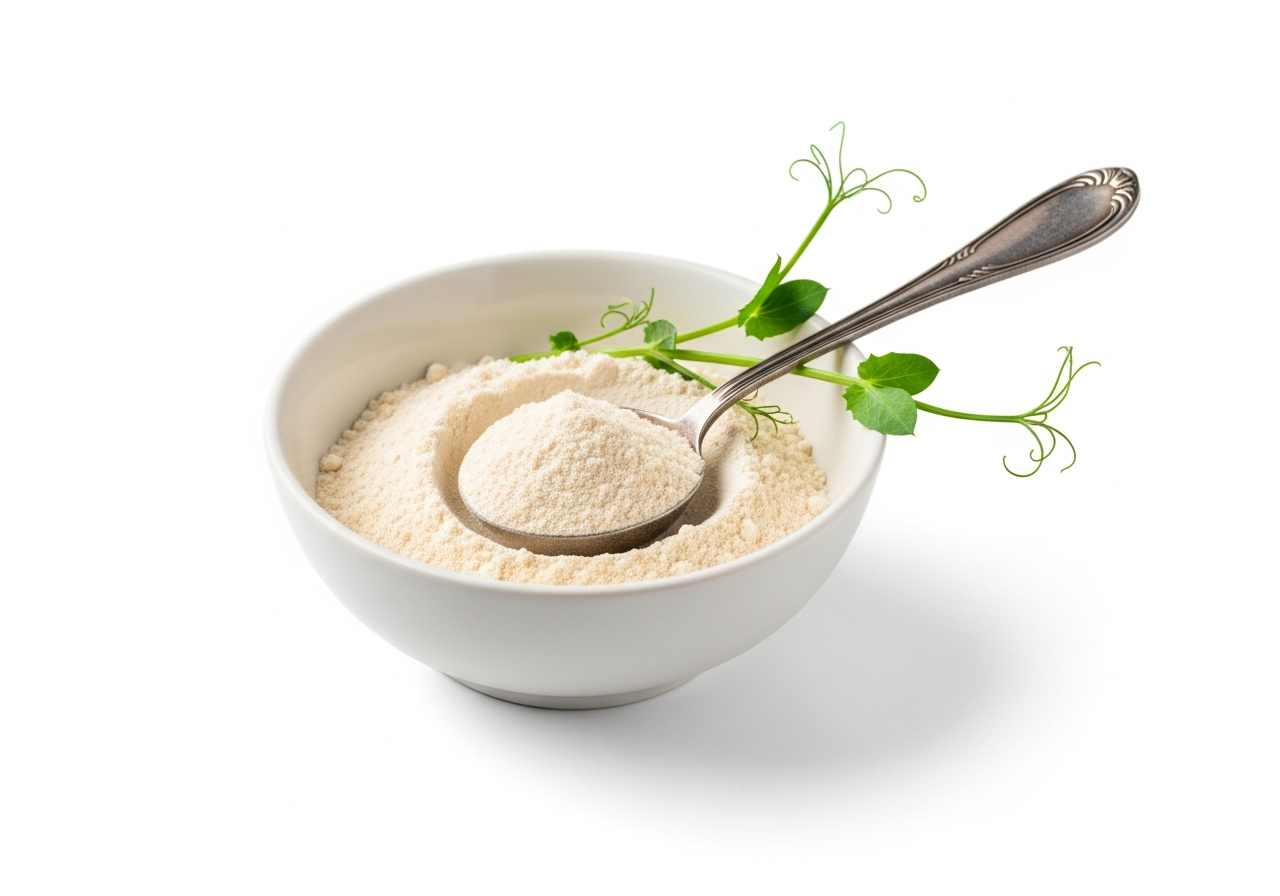
Isolate whey protein offers an exceptionally pure protein source, boasting approximately 90-95 grams of protein per 100 grams, with minimal carbohydrates and fats. This makes it a highly concentrated nutritional powerhouse for those seeking to optimize their protein intake.
Detailed Nutrition Facts of Isolate Whey Protein
Isolate whey protein stands out for its purity. Per 100 grams, you can expect roughly 90-95 grams of high-quality protein. The carbohydrate content is typically very low, often less than 5 grams, and in many cases, close to zero. Similarly, fat content is also minimal, usually under 1-2 grams. This macro breakdown translates to a calorie count that is predominantly protein-driven, often ranging from 350 to 380 calories per 100 grams.
Beyond the macronutrients, isolate whey protein is a rich source of essential amino acids, including branched-chain amino acids (BCAAs) like leucine, isoleucine, and valine, which are crucial for muscle protein synthesis. While not a primary source of micronutrients, it does contain trace amounts of calcium and sodium, depending on the processing.
When considering a typical serving size, which is often around 25-30 grams of powder, the nutritional profile becomes more manageable. A 30-gram serving might yield 25-28 grams of protein, less than 1 gram of carbohydrates, and minimal fat. This concentrated nutrient profile makes it an efficient way to supplement protein intake compared to whole foods. For instance, 100 grams of chicken breast, while also a good protein source, contains significantly more fat and water, meaning you'd need to consume a larger volume to achieve the same protein density.
Serving Size Considerations
The "serving size" listed on a product's nutrition label is a standardized amount for reporting purposes. For isolate whey protein, this is usually around 25-30 grams of powder, which, when mixed with water or milk, forms a drink. It's crucial to understand that the "per 100g" figures provide a baseline for comparison and understanding the true concentration of nutrients in the powder itself. Always refer to the product's specific label for the most accurate nutrition facts for your chosen brand.
Comparison to Similar Foods
When compared to other protein sources, isolate whey protein's macro profile is highly advantageous for specific dietary goals. For example, 100 grams of cooked lean beef contains approximately 25-30 grams of protein but also around 15-20 grams of fat. Similarly, 100 grams of cooked lentils provide about 9 grams of protein and 19 grams of carbohydrates. This comparison highlights why isolate whey protein is favored for those looking to maximize protein intake while minimizing carbohydrates and fats, especially in the context of bodybuilding, weight management, and athletic performance.
Health Benefits of Isolate Whey Protein
Isolate whey protein offers a significant array of health benefits, primarily centered around its exceptional protein content. Its high bioavailability and rapid absorption make it an effective tool for muscle growth and repair. Consuming adequate protein is fundamental for muscle protein synthesis, the process by which muscle tissue is built and repaired after exercise. This is particularly beneficial for athletes, bodybuilders, and individuals engaging in regular resistance training.
Beyond muscle building, isolate whey protein can play a crucial role in weight management. Its satiating effect can help reduce overall calorie intake by promoting feelings of fullness. Furthermore, the thermic effect of protein, meaning the energy your body expends to digest and metabolize it, is higher than that of carbohydrates and fats, potentially contributing to a slight increase in calorie expenditure.
Isolate whey protein is an excellent dietary addition for a broad range of individuals. This includes athletes seeking to optimize performance and recovery, individuals aiming to increase their lean muscle mass, and those looking for a convenient, high-protein supplement to aid in weight loss. It is also beneficial for older adults who may struggle to meet their protein needs through diet alone, helping to preserve muscle mass and strength.
The optimal timing for consuming isolate whey protein often revolves around periods where the body benefits most from rapid nutrient delivery. Post-workout is a prime time, as it provides the amino acids necessary to kickstart muscle repair and growth. However, it can also be consumed at other times of the day to boost protein intake, such as in the morning to start the day with sustained energy and satiety, or between meals to prevent muscle breakdown.
How to Track Macros for Isolate Whey Protein
Accurately tracking macros, which refers to proteins, carbohydrates, and fats, is essential for achieving specific fitness and health goals. When incorporating isolate whey protein into your diet, precise measurement is key to understanding its contribution to your daily intake.
The most effective way to measure your isolate whey protein for macro tracking is by using a digital kitchen scale. While scoop sizes can vary between brands and even within the same brand over time due to settling, a scale provides an exact weight. Weigh the powder directly before adding it to your shaker or recipe. This ensures you are accounting for the precise grams of protein, carbs, and fats.
For example, if the nutrition label indicates that a 30-gram serving contains 27 grams of protein, 1 gram of carbohydrates, and 0.5 grams of fat, and you weigh out 35 grams using your scale, you can proportionally adjust the macros. Multiply each macro value by 35/30 to get your accurate intake for that specific serving.
Macro tracking apps are invaluable tools for simplifying this process. Once you have weighed your isolate whey protein, you can manually input the exact weight (e.g., 35 grams) into the app's food logging feature. Most apps have extensive databases and will accurately calculate the macros based on the product information you select or manually enter. Some advanced apps even allow you to scan product barcodes for quick entry.
Common serving sizes in recipes or daily intake might range from one standard scoop (typically 25-30 grams) to larger portions depending on your protein requirements. Understanding the macro breakdown per scoop and then weighing that scoop will give you the most reliable data for your macro tracking. Don't rely solely on the volumetric measurement of a scoop.
Meal Ideas and Preparation with Isolate Whey Protein
Isolate whey protein is incredibly versatile, allowing it to be incorporated into a wide variety of meals and snacks, providing a significant protein boost without substantially altering the flavor or texture of many dishes.
Breakfast Ideas
A classic and simple breakfast is a protein shake. Mix a scoop of isolate whey protein with water, unsweetened almond milk, or your preferred liquid base. For added flavor and nutrients, consider adding a handful of spinach (which you won't taste), a small portion of berries, or a tablespoon of nut butter. Another option is to stir a small amount of unflavored isolate whey protein into oatmeal or Greek yogurt. This subtly increases the protein content without significantly altering the taste.
Lunch and Dinner Ideas
While less common for direct addition to savory dishes, unflavored isolate whey protein can be a secret ingredient. A very small amount can be incorporated into smoothies as a midday snack. For meals, think of it as a protein supplement rather than an ingredient to be cooked into the main dish. However, for those looking for more creative uses, it can be blended into pancake or waffle batter for an extra protein punch, or even used to fortify homemade energy bars.
Meal Prep Tips
When meal prepping with isolate whey protein, focus on preparing the components that can be made ahead of time. This includes pre-portioning dry ingredients for shakes into individual bags or containers. For example, combine your chosen isolate whey protein powder with any other dry powders (like cocoa or creatine) and freeze-dried fruits or spices. In the morning, you just need to add your liquid and blend. For oatmeal or yogurt additions, pre-portion the oatmeal or yogurt into containers and add the protein powder just before serving to maintain optimal texture.
Cooking Methods that Preserve Nutrients
Isolate whey protein is a supplement designed to be consumed as is or lightly incorporated, not heavily cooked. High heat can denature proteins, potentially affecting their structure and how your body utilizes them. Therefore, the best preparation methods involve minimal or no heat. Shaking, blending, or stirring into already prepared foods are ideal. If you are adding it to a baked good like pancakes, add it towards the end of the mixing process to minimize its exposure to heat. Remember that isolate whey protein is already processed; excessive cooking is unnecessary and can be counterproductive.
Isolate Whey Protein for Weight Loss
Isolate whey protein can be a valuable ally in a weight loss journey due to its ability to promote satiety and preserve lean muscle mass. Protein has a higher thermic effect than carbohydrates or fats, meaning your body burns more calories digesting it. This can contribute to a modest increase in your metabolic rate.
The primary mechanism by which isolate whey protein supports weight loss is through its ability to keep you feeling full for longer periods. This reduced hunger can lead to a natural decrease in overall calorie consumption, making it easier to maintain a calorie deficit, which is essential for losing weight. Replacing a less satiating snack or meal with a protein-rich shake or incorporating protein into your meals can significantly impact your appetite control.
For weight loss, portion control is paramount. A standard serving of isolate whey protein, typically 25-30 grams, can be a satisfying snack or an addition to a meal. Avoid adding high-calorie ingredients like excessive sugars, syrups, or large amounts of full-fat dairy to your protein shakes. Stick to water, unsweetened plant-based milks, or low-fat dairy.
Pairing isolate whey protein with nutrient-dense, low-calorie foods is crucial for effective weight loss. Combine your protein shake with a serving of vegetables or a small portion of whole fruits. If you are using it as part of a meal, ensure the rest of your meal is balanced with lean protein, plenty of vegetables, and a controlled portion of healthy fats and complex carbohydrates. For instance, a post-workout shake can be paired with a large salad for lunch, or a morning shake can be supplemented with a handful of almonds for sustained energy.
Isolate Whey Protein for Muscle Gain
For individuals focused on muscle gain, isolate whey protein is an indispensable supplement due to its high protein content and rapid absorption rate, which are critical for muscle protein synthesis and recovery. Muscle growth occurs when the rate of muscle protein synthesis exceeds the rate of muscle protein breakdown. Consuming adequate protein, especially around training sessions, provides the essential amino acids needed to drive this process.
The significant protein content in isolate whey protein directly fuels muscle repair and growth. Each serving delivers a potent dose of amino acids, particularly BCAAs, which are the building blocks of muscle tissue. Leucine, a key BCAA, plays a vital role in initiating muscle protein synthesis, making whey protein particularly effective for this purpose.
The timing of isolate whey protein consumption can be optimized for muscle gain. Consuming a protein shake within a window of approximately 30-60 minutes post-workout, often referred to as the "anabolic window," can help kickstart the recovery and growth process by providing the muscles with immediate amino acids. However, research suggests that overall daily protein intake is more critical than precise post-workout timing. Therefore, consuming isolate whey protein at any point during the day when you need to increase your protein intake is beneficial.
Bulking meal ideas can prominently feature isolate whey protein. A post-workout shake can be blended with oats, banana, and peanut butter for a calorie and protein-dense recovery meal. Incorporate unflavored isolate whey into smoothies as part of larger calorie-surplus meals. You can also add a scoop to pancake or waffle batter for a high-protein breakfast or snack. Remember that for muscle gain, a calorie surplus is generally required, so while focusing on protein, ensure you are consuming enough overall calories to support growth.
Comparisons: Isolate Whey Protein vs. Alternatives
When choosing a protein supplement or considering whole food protein sources, understanding the differences is key to making informed decisions that align with your dietary goals. Isolate whey protein stands out for its purity and rapid digestion.
Isolate Whey Protein vs. Whey Concentrate
Whey concentrate is another popular form of whey protein, but it contains more carbohydrates, fats, and lactose than isolate. While it still offers significant protein, typically around 70-80% by weight, isolate is processed further to remove most of these additional components. This makes isolate whey protein a superior choice for individuals who are lactose intolerant or those strictly monitoring carbohydrate and fat intake, such as during a cutting phase or for specific dietary needs. The macro profile of isolate is cleaner, with fewer potential allergens and a higher protein percentage per gram.
Isolate Whey Protein vs. Casein Protein
Casein protein is another milk-derived protein, but it digests much more slowly than whey. This slow digestion makes casein ideal for sustained amino acid release, often recommended before bed to prevent muscle breakdown overnight. Whey, on the other hand, is fast-acting and best suited for post-workout recovery. If rapid absorption is the priority, isolate whey is the preferred choice. If a slow, sustained release of amino acids is desired, casein is more appropriate.
Isolate Whey Protein vs. Plant-Based Proteins
Plant-based protein powders, such as pea, rice, or soy protein, are excellent alternatives for vegetarians, vegans, or those with dairy allergies. However, they can vary significantly in their amino acid profiles and digestibility compared to whey. Whey isolate is a complete protein, meaning it contains all nine essential amino acids. Some plant-based proteins may be lower in certain essential amino acids, requiring careful combination to achieve a complete profile. For example, pea protein is often lower in methionine, while rice protein can be lower in lysine. Isolate whey protein generally offers a more potent and complete amino acid profile for muscle protein synthesis.
When to Choose Each
Choose isolate whey protein when:
* You need the purest form of protein with minimal carbs and fats.
* You are lactose intolerant or sensitive to dairy.
* Rapid post-workout recovery is a priority.
* You are in a calorie deficit and need to maximize protein intake while minimizing other macronutrients.
Choose whey concentrate when:
* You are not as concerned about trace amounts of carbs and fats.
* Budget is a significant factor, as concentrate is typically less expensive.
* You do not have lactose intolerance.
Choose casein protein when:
* You want a slow, sustained release of amino acids, such as before bed.
* You are looking to reduce muscle breakdown over extended periods without food intake.
Choose plant-based proteins when:
* You follow a vegan or vegetarian diet.
* You have a dairy allergy or intolerance.
* You prefer a non-animal-derived protein source.
Frequently Asked Questions about Isolate Whey Protein Macros
What are the primary macros in isolate whey protein?
The primary macros are protein, carbohydrates, and fats. Isolate whey protein is exceptionally high in protein, typically 90-95% by weight, with very low levels of carbohydrates and fats.
How many calories are in a typical serving of isolate whey protein?
A typical 30-gram serving of isolate whey protein generally contains between 100 and 120 calories, predominantly from the protein content.
Is isolate whey protein suitable for a ketogenic diet?
Yes, isolate whey protein is generally suitable for a ketogenic diet due to its very low carbohydrate content. Always check the specific product's nutrition label to ensure it aligns with your macro targets.
Can I cook with isolate whey protein?
While you can incorporate it into recipes like pancakes or muffins, high heat can denature protein. It is best consumed without extensive cooking or by adding it towards the end of the preparation process to preserve its structure and benefits.
How should I store isolate whey protein?
Store isolate whey protein in a cool, dry place, away from direct sunlight and moisture. Ensure the container is tightly sealed after each use to maintain freshness and prevent clumping.
What is the difference between isolate and hydrolysate whey protein in terms of macros?
Both isolate and hydrolysate are highly refined forms of whey. Hydrolysate is pre-digested whey, meaning the proteins are broken down into smaller peptides for even faster absorption. Their macro profiles are very similar to isolate, with high protein and minimal carbs and fats.
Does the brand of isolate whey protein affect its macros?
While the general macro range for isolate whey protein is consistent, slight variations can occur between brands due to different processing methods and ingredient additions (like flavorings or sweeteners). Always refer to the specific product's nutrition facts panel for accurate information.
Track isolate whey protein easily with JustMacros - your free macro tracking app.