Shrimp Tempura: Complete Macros & Nutrition Guide
Complete macro and nutrition guide for Shrimp Tempura. Learn calories, protein, carbs, fat per serving plus meal ideas and tracking tips.
Table of Contents
- Detailed Nutrition Facts
- Health Benefits
- How to Track Macros
- Meal Ideas & Preparation
- For Weight Loss
- For Muscle Gain
- Comparisons
- FAQs
- 1. Is shrimp tempura healthy?
- 2. How many calories are in one piece of shrimp tempura?
- 3. Can I eat shrimp tempura on a keto diet?
- 4. How can I make shrimp tempura healthier?
- 5. Is shrimp tempura a good source of protein?
- 6. What's the best way to store and reheat leftover shrimp tempura?
- 7. Does shrimp tempura contain gluten?
Shrimp Tempura Macros: Complete Nutrition Guide
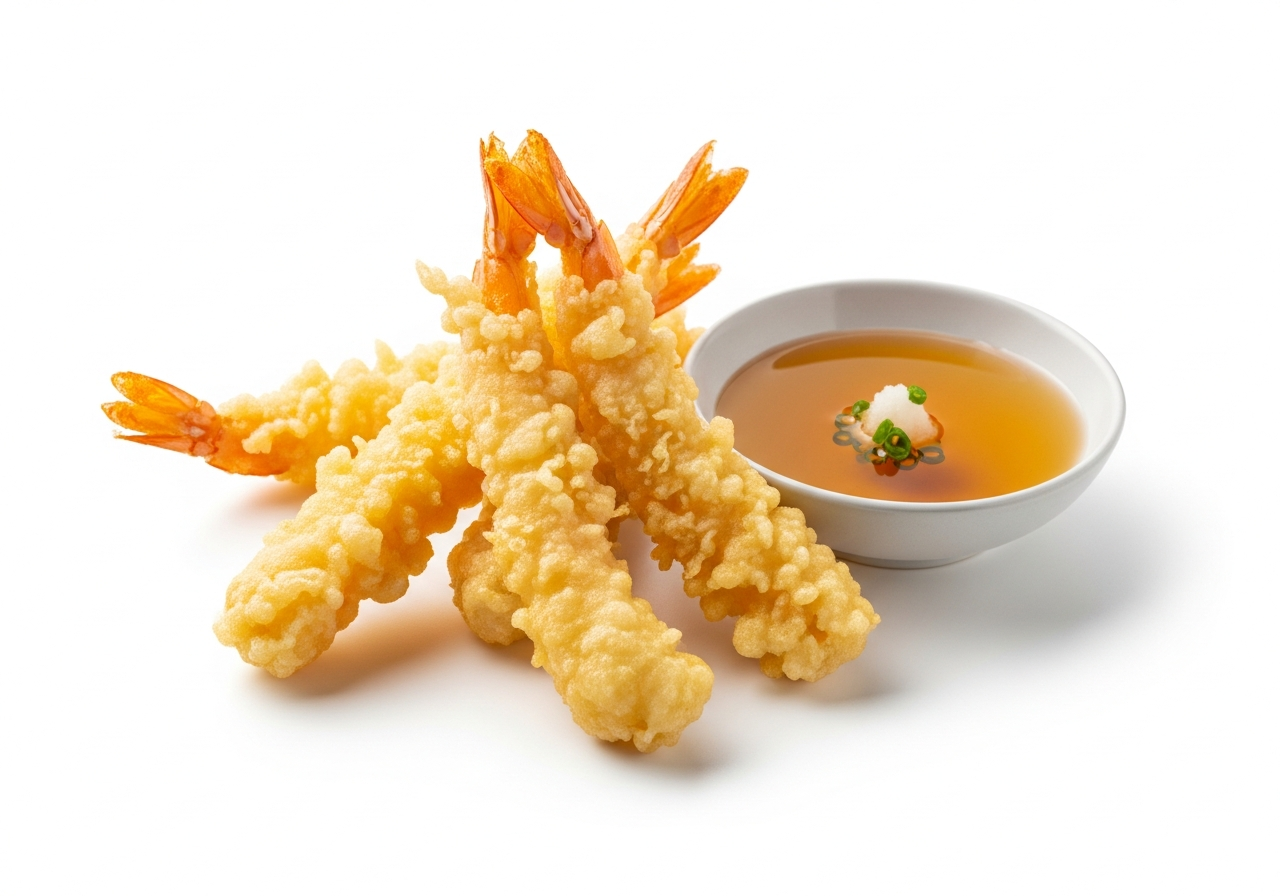
Shrimp tempura, with its delicate, crispy batter and succulent shrimp, is a beloved dish that often sparks curiosity about its nutritional impact. For those diligently tracking their food intake, understanding the macros and overall nutrition of this Japanese delicacy is key. We, the JustMacrosFit team, are here to provide a comprehensive breakdown.
Shrimp tempura typically offers a moderate amount of protein from the shrimp itself, alongside significant carbohydrates and fats primarily contributed by the deep-fried batter. While a delicious treat, its macronutrient profile requires mindful consumption for balanced nutrition.
Detailed Nutrition Facts
When we delve into the detailed nutrition facts of shrimp tempura, it is important to acknowledge that values can vary considerably based on preparation methods, batter thickness, and the type of oil used for frying. Our analysis will focus on common serving sizes and representative data to give you a clear picture.
A standard 100-gram serving of shrimp tempura typically ranges from approximately 250 to 340 calories. The macronutrient breakdown is often characterized by:
* Protein: Around 10-18 grams
* Carbohydrates: Roughly 15-25 grams (with minimal dietary fiber and sugars)
* Fats: Approximately 15-25 grams (including saturated and unsaturated fats from frying oil)
Hero Nutrients: Per 100g Shrimp Tempura (Estimated Average)
* Calories: 280-300 kcal
* Protein: 12-15g
* Carbohydrates: 18-22g
* Fats: 18-22g
Beyond the primary macros, shrimp tempura also offers a range of valuable micronutrients, primarily derived from the shrimp itself. Shrimp is an excellent source of high-quality protein.
* Vitamin B12: Essential for energy production, brain health, and nerve function.
* Selenium: A powerful antioxidant that supports thyroid function and strengthens immunity.
* Iodine: Crucial for proper thyroid function and metabolism.
* Phosphorus: Important for bone health and energy metabolism.
* Copper: Aids in iron absorption and immune function.
* Zinc: Supports immune function and cell growth.
* Astaxanthin: A potent antioxidant responsible for shrimp's reddish color, which may help protect against inflammation and support heart and brain health.
Serving Size Considerations: A typical serving in a restaurant might be 2-4 pieces, which could range from 130 to 340 calories depending on the size of the shrimp and the amount of batter. For instance, 2 pieces of shrimp tempura can be around 133 calories, whereas 8 pieces could reach 340 calories. When considering a sushi roll that includes shrimp tempura, the calories and macros will further increase due to the rice and other ingredients.
Comparison to Similar Foods: Plain, grilled shrimp is significantly leaner, offering about 99 calories and 24 grams of protein per 100 grams, with minimal fat and carbohydrates. This highlights that the tempura batter and deep-frying process are the main contributors to the higher calorie, fat, and carbohydrate content in shrimp tempura.
Health Benefits
While shrimp tempura is often viewed as an indulgent dish, it still carries some notable health benefits, primarily stemming from the nutritional prowess of shrimp itself. We advocate for mindful consumption to maximize these advantages.
Primary Benefits: The foremost benefit of shrimp tempura comes from its high-quality protein content. Shrimp is a complete protein, meaning it contains all nine essential amino acids necessary for muscle repair, growth, and overall bodily functions. This makes it an excellent food for supporting muscle building and recovery, especially when integrated strategically into a fitness-focused diet.
Shrimp's Lean Protein Power
A 3-ounce (85-gram) serving of plain shrimp can provide approximately 20-21 grams of protein for only about 84-100 calories. Even in tempura form, it delivers a substantial protein boost.
Furthermore, shrimp is a rich source of micronutrients that contribute to various aspects of health. Its selenium content acts as a powerful antioxidant, protecting cells from damage and bolstering the immune system. Iodine supports healthy thyroid function, which is critical for metabolism and energy regulation. The presence of omega-3 fatty acids, though typically found in higher concentrations in fatty fish, also contributes to heart health and reduces inflammation. The antioxidant astaxanthin in shrimp also plays a role in reducing inflammation and promoting heart and brain health.
Who Should Eat This Food: Shrimp tempura can be a suitable food for individuals looking for a protein source and those who enjoy seafood as part of a varied diet. It can fit into a balanced eating plan when consumed in moderation and with attention to preparation methods. People focusing on muscle gain may appreciate the protein content, while those on a weight loss journey should be particularly mindful of portion sizes and cooking techniques.
When to Eat It: Given its higher fat and carbohydrate content due to frying, shrimp tempura is best enjoyed as an occasional treat rather than a daily staple. We recommend pairing it with lighter, nutrient-dense foods, such as a large salad or steamed vegetables, to create a more balanced meal. If you're using a healthier preparation method like air frying, it can be enjoyed more frequently as a satisfying protein source. It can also serve as a post-workout meal component, providing both protein and carbohydrates for recovery.
How to Track Macros
Accurately tracking the macros for shrimp tempura is crucial for maintaining dietary goals. Due to the variability in preparation, precise measurement and smart logging are your best tools.
Portion Measurement Tips:
1. Weigh Individual Pieces: The most accurate method is to weigh your portion of shrimp tempura using a kitchen scale. Since the size of shrimp and the thickness of batter can differ, estimating by "pieces" can be inaccurate. Weighing a typical serving (e.g., 100g) will give you the most reliable macro data.
2. Count Pieces and Estimate: If weighing isn't possible, try to get an estimate based on the number of pieces. A single piece of shrimp tempura can range significantly in calories and macros. For a rough estimate, consider that 1-2 pieces might be around 60-130 calories.
3. Mind the Dipping Sauce: Don't forget to account for any dipping sauces, as they can add hidden calories, carbohydrates, and sodium. Opt for lighter, soy-based sauces over creamy or sugary options.
Using Macro Tracking Apps:
Our app, JustMacrosFit, makes tracking your intake straightforward. You can:
* Search for "Shrimp Tempura": The app's extensive database likely includes various entries for shrimp tempura. Look for entries that specify "deep-fried" or "air-fried" if you know the preparation method.
* Enter Custom Foods: If you prepare shrimp tempura at home, you can create a custom food entry in JustMacrosFit, inputting the exact macros based on your ingredients and cooking method. This is especially helpful if you're making a lighter version.
* Adjust Serving Sizes: Once you select an entry, adjust the serving size (e.g., in grams or number of pieces) to match your consumption.
Common Serving Sizes (Approximate):
* 1 piece (small to medium): ~60-90 calories, 4-6g protein, 5-8g carbs, 3-5g fat.
* 3-4 pieces (standard serving): ~200-300 calories, 12-18g protein, 15-20g carbs, 10-15g fat.
* 100 grams: ~250-340 calories, 10-18g protein, 15-25g carbs, 15-25g fat.
Remember, consistency in tracking is more important than absolute perfection. Do your best to estimate accurately, and JustMacrosFit will help you stay on target.
Meal Ideas & Preparation
As veteran nutrition coaches and chefs, we know that enjoying your favorite foods while maintaining your health goals is entirely possible with smart meal planning and preparation. Shrimp tempura, while typically fried, can be incorporated into delicious and balanced meals.
Lunch and Dinner Ideas:
1. Tempura Bowl Upgrade: Instead of a heavy rice bowl, serve 2-3 pieces of air-fried shrimp tempura over a base of mixed greens, cauliflower rice, or a small portion of brown rice. Add a variety of non-starchy vegetables like shredded carrots, cucumber, and bell peppers, and drizzle with a light, homemade soy-ginger dressing.
2. Balanced Bento Box: Prepare a bento box with a serving of shrimp tempura alongside edamame, a small seaweed salad, steamed broccoli, and a modest portion of whole-wheat noodles or quinoa. This provides a diverse nutrient profile.
3. Tempura Salad: Elevate your salad game by topping a generous bed of fresh spinach and mixed greens with thinly sliced vegetables (radishes, snap peas, bell peppers) and 2-3 pieces of shrimp tempura. Use a vinaigrette dressing instead of creamy alternatives.
Meal Prep Tips:
* Batter Separately: If preparing at home, keep the shrimp, dry batter ingredients, and wet batter ingredients separate until just before cooking. This ensures a crispier result.
* Pre-portion Shrimp: Portion out your raw shrimp, and even a pre-mixed dry batter blend, into individual servings for quick assembly later.
* Healthier Batter Alternatives: Experiment with lighter batters using rice flour or sparkling water, which can result in a less dense and less oil-absorbent coating.
* Air Fry for Leftovers: Cooked shrimp tempura is best consumed immediately. However, if you have leftovers, reheating them in an air fryer or oven will help retain some of their crispiness, compared to a microwave.
Cooking Methods That Preserve Nutrients:
Traditional shrimp tempura is deep-fried, which adds considerable fat and calories. However, modern cooking techniques allow us to enjoy similar textures with significantly reduced oil.
- Air Frying: This is our top recommendation for a healthier shrimp tempura. Air fryers circulate hot air to cook food, achieving a crispy exterior with minimal oil. An air-fried shrimp tempura can significantly reduce fat and calorie content compared to deep-frying.
- Tip: For frozen, pre-cooked shrimp tempura, air fry at 380°F (193°C) for 6-10 minutes, flipping halfway, until golden and crispy. For raw, breaded shrimp, air fry around 380-400°F (193-204°C) for 8-13 minutes.
- Baking: While not as crispy as deep-frying or air frying, baking can be another healthier alternative. Lightly coat the breaded shrimp with cooking spray and bake at a high temperature (around 400°F/200°C) until golden brown and cooked through.
- Pan-Frying with Minimal Oil: If you don't have an air fryer, shallow pan-frying with a small amount of healthy oil (like avocado oil) can be an option, but it will still absorb more oil than air frying.
By choosing smart cooking methods and mindful pairings, you can enjoy shrimp tempura as a delicious and macro-conscious part of your diet.
For Weight Loss
When it comes to weight loss, every calorie and macro counts. While deep-fried shrimp tempura might seem counterintuitive to weight loss goals, the core ingredient, shrimp, is an excellent asset. The key is in how it's prepared and consumed.
Why It's Good for Weight Loss (When Prepared Mindfully):
Shrimp itself is a lean, high-protein food, making it an excellent choice for weight management.
* High Protein, Low Calories: Shrimp delivers a significant amount of protein for a relatively low-calorie count. Protein is paramount for weight loss because it promotes satiety, helping you feel fuller for longer and reducing overall calorie intake by curbing cravings and overeating.
* Metabolism Support: Shrimp is a good source of iodine and selenium, which are crucial for healthy thyroid function. A well-functioning thyroid regulates metabolism, potentially aiding in more efficient calorie burning.
However, the traditional deep-frying method of tempura adds substantial fat and calories, often negating the lean benefits of the shrimp.
Portion Recommendations:
For weight loss, moderation is crucial. We recommend:
* Small Servings: Limit your intake to 2-3 pieces of shrimp tempura as part of a larger, balanced meal.
* Occasional Treat: View deep-fried shrimp tempura as an occasional indulgence rather than a regular meal component.
* Prioritize Healthier Preparation: Opt for air-fried or baked versions whenever possible, as these significantly reduce the added fats and calories.
Pairing Suggestions:
To make shrimp tempura fit into a weight loss plan, strategic pairing is essential:
* Load Up on Vegetables: Serve your tempura with a large portion of non-starchy vegetables like steamed broccoli, asparagus, or a vibrant mixed greens salad. This adds volume, fiber, and micronutrients without excess calories.
* Lean Carb Sources: If you need carbohydrates, pair with a small serving of brown rice, quinoa, or cauliflower rice rather than large portions of white rice or noodles.
* Light Dressings/Sauces: Avoid heavy, creamy, or sugary sauces. Stick to light, soy-based options or a squeeze of lemon.
By being mindful of preparation and portioning, shrimp tempura can still be enjoyed on a weight loss journey.
For Muscle Gain
For those dedicated to building muscle, protein is king. Shrimp, with its impressive protein profile, makes an excellent contribution to a muscle-gaining diet. Even in its tempura form, if balanced correctly, it can serve your goals.
Protein Content Benefits:
Shrimp is packed with high-quality protein, providing all the essential amino acids necessary for muscle protein synthesis (MPS), the process by which your body repairs and builds new muscle tissue.
* Muscle Repair and Growth: The amino acids in shrimp are the building blocks your muscles need to recover from intense workouts and grow stronger.
* Lean Protein Source: Plain shrimp is incredibly lean, meaning you get a high protein punch with very little fat, which is ideal for maintaining a leaner physique during a bulk. While tempura adds fat, this can be advantageous for meeting higher calorie targets during a bulk.
Pre/Post-Workout Timing:
Shrimp tempura can fit into both pre and post-workout nutrition strategies, depending on the overall meal composition.
* Post-Workout: As a post-workout meal, the combination of protein from the shrimp and carbohydrates from the batter can be beneficial. The protein supports muscle repair, while the carbs help replenish glycogen stores for recovery. We recommend pairing it with additional complex carbohydrates for optimal glycogen repletion.
* Pre-Workout (Caution): While the carbs can provide energy, the higher fat content from deep-fried tempura might slow digestion, potentially causing discomfort during a workout. If consuming pre-workout, opt for a very light, air-fried version a few hours before training.
Bulking Meal Ideas:
For those in a muscle-gaining phase, shrimp tempura can be a delicious component of calorie-dense meals:
1. Power Bowl: Combine a generous serving of shrimp tempura with a large portion of brown rice or sushi rice, edamame, and steamed or roasted sweet potatoes. Add a drizzle of a light, high-calorie sauce or some healthy fats like avocado for extra calories.
2. Tempura & Noodle Feast: Pair shrimp tempura with a hearty serving of whole-wheat udon or soba noodles tossed with a savory, protein-rich sauce and plenty of stir-fried vegetables.
3. Protein-Packed Plate: Serve 4-5 pieces of shrimp tempura alongside a lean steak or chicken breast, a large baked potato or quinoa, and a side of green vegetables to ensure a diverse protein intake and ample carbohydrates.
Remember, while the fat from frying contributes to calorie goals for bulking, we still advise choosing healthier oils and not over-relying on deep-fried foods for your primary calorie sources. Balance with whole, unprocessed foods remains key for quality muscle gain.
Comparisons
Understanding how shrimp tempura stacks up against other popular dishes and healthier alternatives is crucial for making informed dietary choices. As your nutrition coaches, we want you to have all the facts.
vs. Similar Foods:
* Grilled/Steamed Shrimp: This is the ultimate comparison. Plain, cooked shrimp (grilled, steamed, or boiled) is a lean protein powerhouse. A 100-gram serving offers approximately 99 calories, 24 grams of protein, and negligible fat and carbs. Shrimp tempura, on the other hand, adds significant calories, fat, and carbohydrates due to its batter and deep-frying process, easily tripling the calorie count.
* Fried Calamari: Both are deep-fried seafood appetizers. Calamari can sometimes be slightly lower in protein and higher in fat/carbs than shrimp tempura, but their nutritional profiles are generally similar in terms of being calorie-dense fried foods.
* Fish and Chips: This dish is typically much higher in calories, fat, and carbohydrates than even shrimp tempura, due to the larger portion of fried fish and the accompanying fried potatoes.
* Fried Chicken: Depending on the cut and breading, fried chicken can be comparable in fat and calorie content to shrimp tempura, sometimes even higher.
Best Alternatives:
When you're craving shrimp but want a lighter, more macro-friendly option, we strongly recommend these alternatives:
* Grilled or Baked Shrimp: This is the healthiest way to enjoy shrimp, retaining all its lean protein benefits without the added fats and carbs of batter and oil.
* Shrimp Scampi (Lightened): Prepare with minimal butter, plenty of garlic, white wine, and lemon juice, served over zucchini noodles or a small portion of whole-wheat pasta.
* Shrimp Stir-fry: A quick and nutritious meal with plenty of vegetables, lean shrimp, and a light soy-based sauce.
* Air-Fried or Baked "Tempura": As discussed, these methods drastically cut down on calories and fat while offering a satisfying crispy texture.
When to Choose Each:
* Shrimp Tempura: This is best chosen as an occasional indulgence, a delicious appetizer for a special meal, or a component of a balanced meal where you can control portion sizes and pair it with abundant vegetables. If you're bulking and need extra calories, it can be integrated more readily.
* Grilled/Steamed Shrimp (Alternatives): These should be your go-to for regular consumption, especially if you're focused on weight loss, lean muscle gain, or simply maintaining a healthy, low-fat, high-protein diet. They provide maximum nutritional benefit with minimal added ingredients.
By understanding these comparisons, you can strategically incorporate shrimp tempura into your diet without derailing your health and fitness objectives.
FAQs
We receive many questions about the nutritional value of popular dishes. Here are some of the most common inquiries about shrimp tempura macros and nutrition, answered by the JustMacrosFit team.
1. Is shrimp tempura healthy?
Shrimp tempura can offer health benefits due to the protein, omega-3s, and micronutrients found in shrimp. However, traditional deep-frying adds significant calories, fats, and carbohydrates from the batter and oil, making it an indulgent food rather than a daily health staple. It is best enjoyed in moderation and, ideally, prepared with healthier cooking methods like air frying.
2. How many calories are in one piece of shrimp tempura?
The calorie count for one piece of shrimp tempura varies widely based on size and preparation. A small to medium piece can range from approximately 60 to 90 calories. Larger pieces or those with thicker batter will be higher.
3. Can I eat shrimp tempura on a keto diet?
Typically, traditional shrimp tempura is not suitable for a strict ketogenic diet due to the high carbohydrate content in the wheat-based batter. The batter contributes a significant amount of carbs that would likely exceed daily keto limits. However, low-carb or keto-friendly versions can be made using alternative flours (like almond or coconut flour) and air-fried.
4. How can I make shrimp tempura healthier?
To make shrimp tempura healthier, we recommend:
* Air Frying or Baking: These methods drastically reduce the amount of oil absorbed, cutting down on fat and calories.
* Lighter Batter: Use a thinner batter or alternative flours.
* Portion Control: Limit your serving size.
* Pair with Vegetables: Serve with a large portion of non-starchy vegetables to increase fiber and satiety.
5. Is shrimp tempura a good source of protein?
Yes, shrimp tempura can be a moderate to good source of protein, with the shrimp itself being highly protein-dense. A 100-gram serving can provide 10-18 grams of protein. However, the batter adds significant carbohydrates and fats, reducing the overall protein density compared to plain shrimp.
6. What's the best way to store and reheat leftover shrimp tempura?
Leftover shrimp tempura is best stored in an airtight container in the refrigerator and consumed within 1-2 days. To reheat, we suggest using an air fryer or oven at around 350-400°F (175-200°C) for a few minutes until crispy and heated through. This helps restore some of its original crispiness that a microwave cannot.
7. Does shrimp tempura contain gluten?
Yes, traditional shrimp tempura batter is typically made with wheat flour, meaning it contains gluten. Individuals with gluten sensitivities or celiac disease should avoid it unless a specific gluten-free batter is used.
Track Shrimp Tempura easily with JustMacrosFit - your free macro tracking app.