Shrimp Tempura Roll: Complete Macros & Nutrition Guide
Complete macro and nutrition guide for Shrimp Tempura Roll. Learn calories, protein, carbs, fat per serving plus meal ideas and tracking tips.
Table of Contents
- Quick Answer
- Detailed Nutrition Facts
- Health Benefits
- How to Track Macros
- Meal Ideas & Preparation
- For Weight Loss
- For Muscle Gain
- Comparisons
- FAQs
- Q1: Is a Shrimp Tempura Roll healthy?
- Q2: How many calories are in a typical Shrimp Tempura Roll?
- Q3: Is a Shrimp Tempura Roll good for weight loss?
- Q4: What are the main macros in a Shrimp Tempura Roll?
- Q5: Can I make a healthier Shrimp Tempura Roll at home?
- Q6: How does it compare to a California Roll in terms of nutrition?
- Q7: What are the best ways to reduce calories and fat in a Shrimp Tempura Roll?
Shrimp Tempura Roll Macros: Complete Nutrition Guide
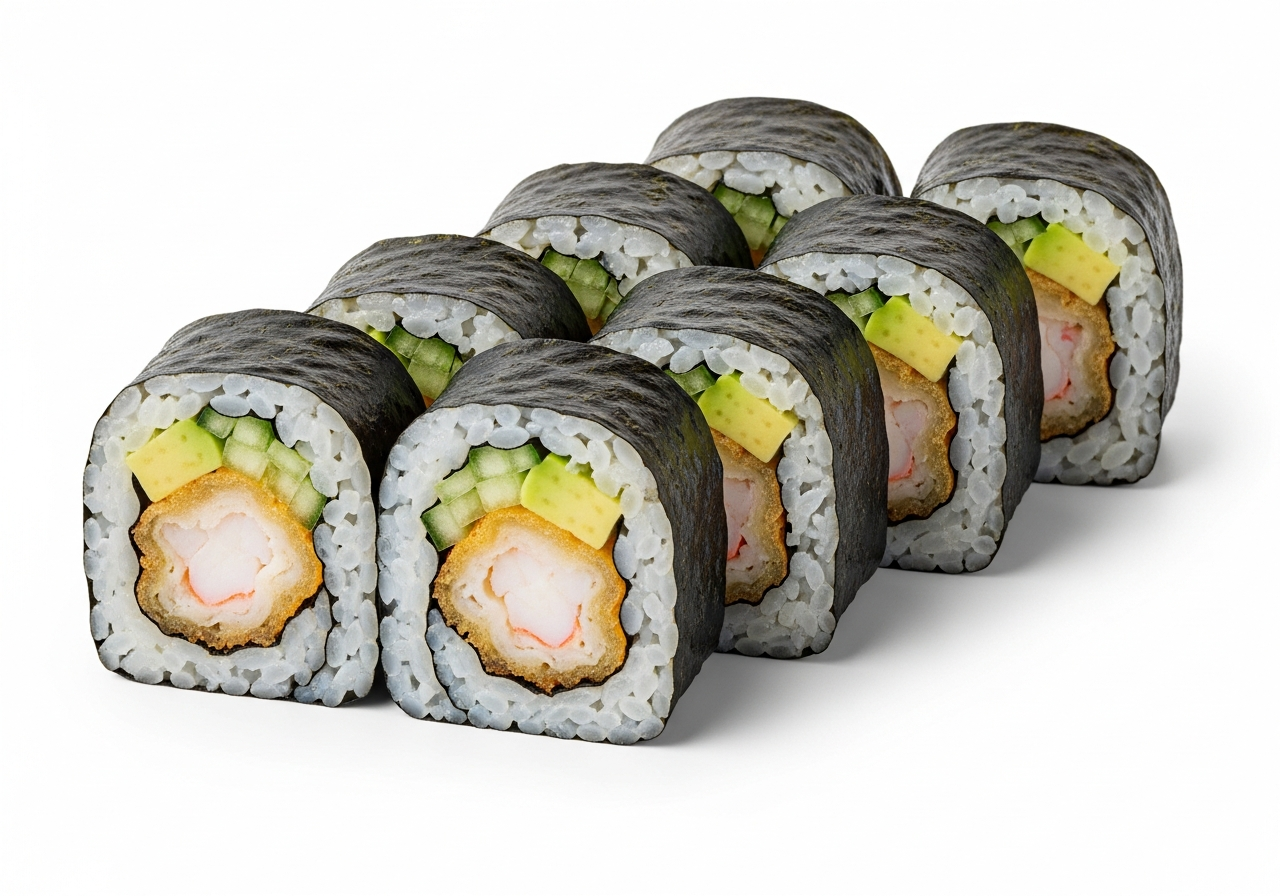
As veteran nutrition coaches and chefs at JustMacrosFit, we understand that navigating the nutritional landscape of your favorite foods is crucial for achieving your health and fitness goals. The Shrimp Tempura Roll, a popular item on many sushi menus, often sparks questions about its macro profile and overall health impact. Is it a lean protein source, a carb bomb, or a hidden fat trap? We're here to provide a comprehensive, science-backed breakdown to help you make informed choices.
We'll dive deep into the calories, macronutrients, and micronutrients found in a typical Shrimp Tempura Roll, compare it to other sushi options, and offer practical advice on how to integrate it into various dietary plans, whether your aim is weight loss, muscle gain, or simply maintaining a balanced diet.
Quick Answer
A 100g serving of Shrimp Tempura Roll typically contains around 175-189 calories, with a macro breakdown often leaning towards carbohydrates and fats due to the rice and fried shrimp. You can expect approximately 4-5 grams of protein, 21-28 grams of carbohydrates, and 5-10 grams of fat per 100g. While providing some protein from the shrimp, its key nutritional highlight lies in its energy density, largely from the tempura batter and sushi rice.
Detailed Nutrition Facts
Understanding the full nutritional scope of a Shrimp Tempura Roll goes beyond just the big three macros. When we break down a typical serving, which can range from 2-3 pieces (100g) to a full 6-8 piece roll (180-200g or more), the numbers naturally escalate.
A 100g serving of Shrimp Tempura Roll generally offers:
* Calories: 175-189 kcal
* Protein: 3.7-5 grams
* Carbohydrates: 21-28 grams
* Of this, sugars can be around 4 grams and dietary fiber 2 grams.
* Fat: 5.9-9.8 grams
* Saturated fat content can be around 0-5 grams.
It's important to note that a full 6-8 piece roll can significantly increase these figures. For instance, a roll weighing around 187-192g might contain 353-376 calories, 7-9g protein, 39-56g carbs, and 14-18g fat. Some larger or specialty rolls can even reach 417-508 calories per roll.
Hero Nutrients: While not a powerhouse of micronutrients, a 100g serving of Shrimp Tempura Roll may provide modest amounts of:
* Sodium: 380-421 mg (17% of the Daily Value)
* Calcium: 20 mg (2% of the Daily Value)
* Iron: 0.36-0.4 mg (2% of the Daily Value)
* Vitamin C: 2.4 mg (3% of the Daily Value)
The primary ingredients, such as sushi rice (often seasoned with sugar and vinegar), deep-fried tempura shrimp (battered in flour, eggs, and breadcrumbs), and sometimes mayonnaise-based sauces, are the main contributors to its caloric and macronutrient profile. Other additions like cucumber, avocado, and nori (seaweed) contribute smaller amounts of vitamins, minerals, and fiber.
Compared to a plain California roll (100g with 93 calories, 2.9g protein, 18.4g carbs, 0.7g fat), the Shrimp Tempura Roll is considerably higher in calories, fat, and carbohydrates, primarily due to the deep-fried shrimp and often richer sauces. Similarly, a spicy tuna roll (100g with 175 calories, 7.5g protein, 16.7g carbs, 7.5g fat) offers more protein for a similar calorie count, with slightly fewer carbohydrates.
Health Benefits
When we consider the health benefits of a Shrimp Tempura Roll, it's essential to look at its components and how they contribute to your overall diet. While not the leanest or lowest-calorie option on a sushi menu, it still offers some valuable nutrients.
The most significant primary benefit comes from the shrimp itself, which is a good source of:
* High-Quality Protein: Essential for muscle building, repair, and satiety. Shrimp provides all nine essential amino acids necessary for bodily functions.
* Selenium: An important antioxidant that supports thyroid health and immune function.
* Vitamin B12: Crucial for nerve function, red blood cell formation, and DNA synthesis.
The rice provides readily available energy, making it suitable for quick fuel. The small additions of vegetables like cucumber and avocado contribute minor amounts of fiber, vitamins, and healthy fats (from avocado).
Who should eat this food:
* Individuals needing a quick energy boost, especially pre- or post-workout (if paired strategically).
* Those looking for a palatable way to increase protein intake, particularly if they enjoy cooked seafood.
* People seeking a satisfying and flavorful meal that fits within their broader macro targets, with appropriate portion control.
When to eat it:
* As a treat meal: Due to its higher calorie and fat content from the tempura, it can be enjoyed as part of a balanced diet on occasion.
* Post-workout: The carbohydrates can help replenish glycogen stores, and the protein aids muscle recovery, especially if other components of the meal are kept lighter.
* As part of a larger, balanced meal: Pairing it with a lean protein source, plenty of vegetables, or a light salad can help create a more nutritionally complete meal.
We advise against making Shrimp Tempura Rolls a daily staple, especially if you have specific weight management or health goals that require stricter control over fat and calorie intake.
How to Track Macros
Accurately tracking the macros in a Shrimp Tempura Roll requires a mindful approach, as serving sizes and preparation methods can vary significantly between restaurants and pre-packaged options. We encourage our JustMacrosFit users to become adept at estimating and making informed choices.
Portion Measurement Tips:
* Know your serving size: A typical full roll usually contains 6-8 pieces. Understand that nutritional data is often provided per piece, per 100g, or per full roll. Be sure to clarify which unit of measurement your chosen nutritional information refers to.
* Estimate by weight: If possible, consider the approximate weight. A 100g serving is roughly 2-3 pieces. If you have a kitchen scale, measuring your portion at home is the most accurate method.
* Visual cues: Learn to visually estimate the amount of rice, the size of the fried shrimp, and the presence of any additional sauces or toppings, as these significantly impact the macro count. Sauces, especially mayonnaise-based ones, can add substantial calories and fat.
Using Macro Tracking Apps:
* Search by specific item: When using an app like JustMacrosFit, search for "Shrimp Tempura Roll" or "Shrimp Tempura Sushi." Be aware that entries can vary widely.
* Verify ingredients: Compare the ingredients listed in the app's entry to what you're actually consuming. If your roll includes extra avocado, spicy mayo, or crunchy toppings, these will increase the fat and calorie content.
* Custom entry: If you find a significant discrepancy, or if you're making your own, create a custom food entry in your app. This allows you to precisely log the individual components: sushi rice, tempura shrimp, avocado, cucumber, nori, and any sauces.
Common Serving Sizes and Their Impact:
* One piece (approx. 50g): Roughly 90-100 calories, 2-2.5g protein, 10-14g carbs, 3-5g fat.
* Full roll (6-8 pieces, approx. 180-200g): Can range from 330-508 calories, 7-19g protein, 50-65g carbs, 10-25g fat.
Always remember that these are averages. The exact preparation, amount of batter, and sauce can swing the numbers considerably. We always advocate for transparency in food preparation when possible, and for our users to prioritize whole, unprocessed foods most of the time.
Meal Ideas & Preparation
As nutrition coaches and chefs, we're all about empowering you to enjoy your food while staying on track with your macros. The Shrimp Tempura Roll, while delicious, requires strategic integration into your meal plan to ensure balance.
Breakfast, Lunch, Dinner Ideas:
While a Shrimp Tempura Roll might not be a typical breakfast item, it can certainly be incorporated into lunch or dinner.
* Lunch Power-Up: Pair a half Shrimp Tempura Roll (3-4 pieces) with a large, vibrant salad dressed with a light vinaigrette. This balances the meal with fresh vegetables and reduces the overall calorie and carb load while still enjoying the flavors. Add a side of edamame for extra protein and fiber.
* Dinner Delight: For dinner, consider a smaller portion of Shrimp Tempura Roll (e.g., 4 pieces) alongside a generous serving of baked salmon or grilled chicken and a steamed green vegetable like broccoli or asparagus. This ensures a higher protein intake for muscle repair and satiety, without overdoing the fried components.
* The "Deconstructed" Roll: If you're preparing at home, consider making a "deconstructed" Shrimp Tempura Bowl. Serve baked or air-fried shrimp (instead of deep-fried tempura) over a smaller portion of sushi rice, with plenty of fresh cucumber, avocado, and shredded nori, and a drizzle of low-sodium soy sauce.
Meal Prep Tips:
* Homemade is best for control: The most effective way to manage macros for a Shrimp Tempura Roll is to make it yourself. This allows you to control the type and amount of rice, the portion of shrimp, the thickness of the tempura batter, and the quantity of sauces.
* Lighter Tempura Options: When making tempura shrimp at home, experiment with lighter batters or consider air-frying or baking the shrimp with a panko crust instead of deep-frying. This significantly reduces the fat and calorie content.
* Prep components separately: Prepare your seasoned sushi rice, cook your shrimp, and chop your vegetables. Store them individually, and then assemble your rolls or bowls fresh when ready to eat. This maintains freshness and prevents sogginess.
Cooking Methods that Preserve Nutrients:
* Steaming or Baking Shrimp: To maximize the nutritional benefits of shrimp, steam, bake, or grill it instead of deep-frying. This preserves its lean protein content and avoids the added fats and calories from the tempura batter.
* Limiting Added Sugars and Fats: Be mindful of the sugar content in seasoned sushi rice and the fats in mayonnaise-based sauces. Opt for less sugar in your rice vinegar mixture and use light mayo or a touch of sriracha for flavor without excessive calories.
* Fresh Vegetables: Incorporate a variety of fresh vegetables like cucumber, carrots, bell peppers, or spinach into your rolls. These add fiber, vitamins, and minerals without significantly increasing the calorie count.
By taking control of the preparation, we can transform a treat-meal into a more macro-friendly option that aligns with your health goals.
For Weight Loss
For those on a weight loss journey, understanding how a Shrimp Tempura Roll fits into your caloric and macro budget is paramount. While it's not inherently a "diet food," it can certainly be enjoyed in moderation with strategic planning.
Why it's good for weight loss (with caveats):
* Protein Content: Shrimp is a lean protein source, and even with the tempura batter, a roll still provides a decent amount of protein, which is crucial for satiety and maintaining muscle mass during weight loss. Protein helps keep you full, reducing the likelihood of overeating later.
* Satisfying Meal: The combination of protein, carbohydrates (from rice), and fats can make a Shrimp Tempura Roll a very satisfying meal, potentially preventing cravings for less nutritious options.
Portion Recommendations:
* Moderation is key: A full 6-8 piece Shrimp Tempura Roll can range from 330 to over 500 calories, which can quickly consume a significant portion of a weight loss calorie budget. We recommend enjoying 3-4 pieces as a smaller, controlled portion.
* Pair with lighter options: Instead of a full roll, consider having 2-3 pieces alongside a large bowl of miso soup or a green salad with a very light dressing. This increases the volume of your meal with minimal added calories.
* Request modifications: When ordering out, don't hesitate to ask for less rice, or for sauces on the side so you can control the amount. Some establishments may even offer cucumber wraps instead of rice for a lower-carb alternative.
Pairing Suggestions:
* Vegetable-heavy sides: Complement your Shrimp Tempura Roll with steamed vegetables, a non-creamy coleslaw, or a side of edamame. These add fiber and nutrients without excessive calories.
* Clear broths: Miso soup or a clear vegetable broth can add volume and warmth to your meal for very few calories, helping you feel fuller.
* Lean protein additions: If you opt for a smaller portion of the roll and want more protein, add a piece of sashimi or grilled fish to your meal.
Remember, successful weight loss hinges on consistent caloric deficit and balanced nutrition. A Shrimp Tempura Roll can be a part of that, but mindful consumption and portion control are essential.
For Muscle Gain
For those focused on muscle gain, the Shrimp Tempura Roll can play a role in a bulking diet, provided it's integrated strategically to meet higher caloric and protein demands while managing fat intake.
Protein Content Benefits:
* Muscle Repair and Growth: The shrimp in the roll offers high-quality protein, which is fundamental for muscle protein synthesis, essential for repairing muscle tissue after workouts and promoting growth.
* Amino Acid Profile: Shrimp provides a complete amino acid profile, meaning it contains all the essential amino acids your body needs but cannot produce on its own.
Pre/Post Workout Timing:
* Post-Workout Refuel: The combination of carbohydrates (from sushi rice) and protein makes a Shrimp Tempura Roll a decent option for a post-workout meal. The carbs help replenish glycogen stores quickly, while the protein kickstarts muscle recovery.
* Pre-Workout (with caution): While carbs provide energy, the fat content from the tempura can slow digestion. If consumed too close to a workout, it might lead to discomfort. Opt for a smaller portion and allow sufficient digestion time if eating it pre-workout.
Bulking Meal Ideas:
* Larger Portions and Pairings: During a bulking phase, you can enjoy a full Shrimp Tempura Roll (6-8 pieces) or even more, depending on your individual caloric needs.
* Add More Protein: Enhance the protein content of your meal by pairing the roll with additional lean protein sources such as grilled chicken breast, edamame, or a protein shake.
* Boost Healthy Fats: While the tempura adds fat, you can also include sources of healthy fats like extra avocado (if not already in the roll) or a side of nuts or seeds to further increase calorie density.
* Complex Carbohydrates: Consider adding a side of brown rice or sweet potato to increase your complex carbohydrate intake, providing sustained energy for intense workouts.
We emphasize that while the Shrimp Tempura Roll can contribute to your caloric and protein targets for muscle gain, prioritizing whole, unprocessed sources for the majority of your diet remains key for optimal health and performance. The quality of your macros matters as much as the quantity.
Comparisons
When choosing your next sushi indulgence, it's helpful to understand how a Shrimp Tempura Roll stacks up against other popular options. This allows us to make informed decisions that align with our nutritional goals.
vs. Similar Foods (Sushi Rolls):
* California Roll: Typically much lower in calories and fat. A 100g California roll contains around 93 calories, 2.9g protein, 18.4g carbs, and 0.7g fat. The absence of deep-fried components and richer sauces makes it a lighter choice.
* Spicy Tuna Roll: Similar in calories to a 100g Shrimp Tempura Roll (around 175 calories), but often boasts a higher protein content (7.5g) and slightly less fat (7.5g) and carbs (16.7g). The spiciness comes from chili sauce rather than deep-frying.
* Philadelphia Roll: At about 170 calories per 100g, with 7g protein, 20.5g carbs, and 6.5g fat, it's comparable in macros to the Shrimp Tempura Roll. However, the fat primarily comes from cream cheese and smoked salmon, offering different micronutrient profiles.
* Plain Sashimi or Nigiri: These are generally the lowest-calorie and lowest-fat options, offering pure protein from raw fish without the added rice, batter, or sauces. Sashimi can be as low as 25-40 calories per ounce.
Best Alternatives:
If you love sushi but are looking for macro-friendlier options, we recommend:
* Sashimi: Pure protein, virtually no carbs or fat (unless from fatty fish like salmon or tuna). Excellent for high protein, low calorie.
* Nigiri (with less rice): A small ball of rice with a slice of fish. You can ask for less rice to reduce carbohydrate intake.
* Vegetable Rolls: Cucumber (Kappa Maki) or avocado rolls are typically lower in calories and fat, and higher in fiber.
* Hand Rolls (Temaki): Often less rice than cut rolls, and customizable with lean fillings.
* Baked/Grilled Seafood Rolls: If you prefer cooked seafood, look for rolls with baked or grilled shrimp, salmon, or tuna instead of tempura.
When to Choose Each:
* Shrimp Tempura Roll: Choose this when you're craving a satisfying, flavorful, and slightly indulgent treat. It's suitable for occasional consumption, especially if you're managing a flexible dieting approach or during a bulking phase.
* Lighter Sushi Options (Sashimi, Nigiri, Veggie Rolls): These are ideal for regular consumption, especially if you're in a caloric deficit for weight loss, prioritizing lean protein, or watching your carbohydrate and fat intake.
* Homemade Sushi: When macro control is paramount, making sushi at home allows you to customize ingredients, portions, and cooking methods (e.g., air-fried shrimp instead of deep-fried).
We encourage our JustMacrosFit community to enjoy all foods in moderation, understanding their nutritional impact to make choices that serve their individual health and fitness goals.
FAQs
Here, we address some of the most common questions our JustMacrosFit users ask about Shrimp Tempura Rolls.
Q1: Is a Shrimp Tempura Roll healthy?
A: While delicious, a Shrimp Tempura Roll is not typically considered a "healthy" everyday option compared to other sushi varieties due to its higher calorie, fat, and carbohydrate content from the deep-fried shrimp and sushi rice. However, it can be enjoyed in moderation as part of a balanced diet.
Q2: How many calories are in a typical Shrimp Tempura Roll?
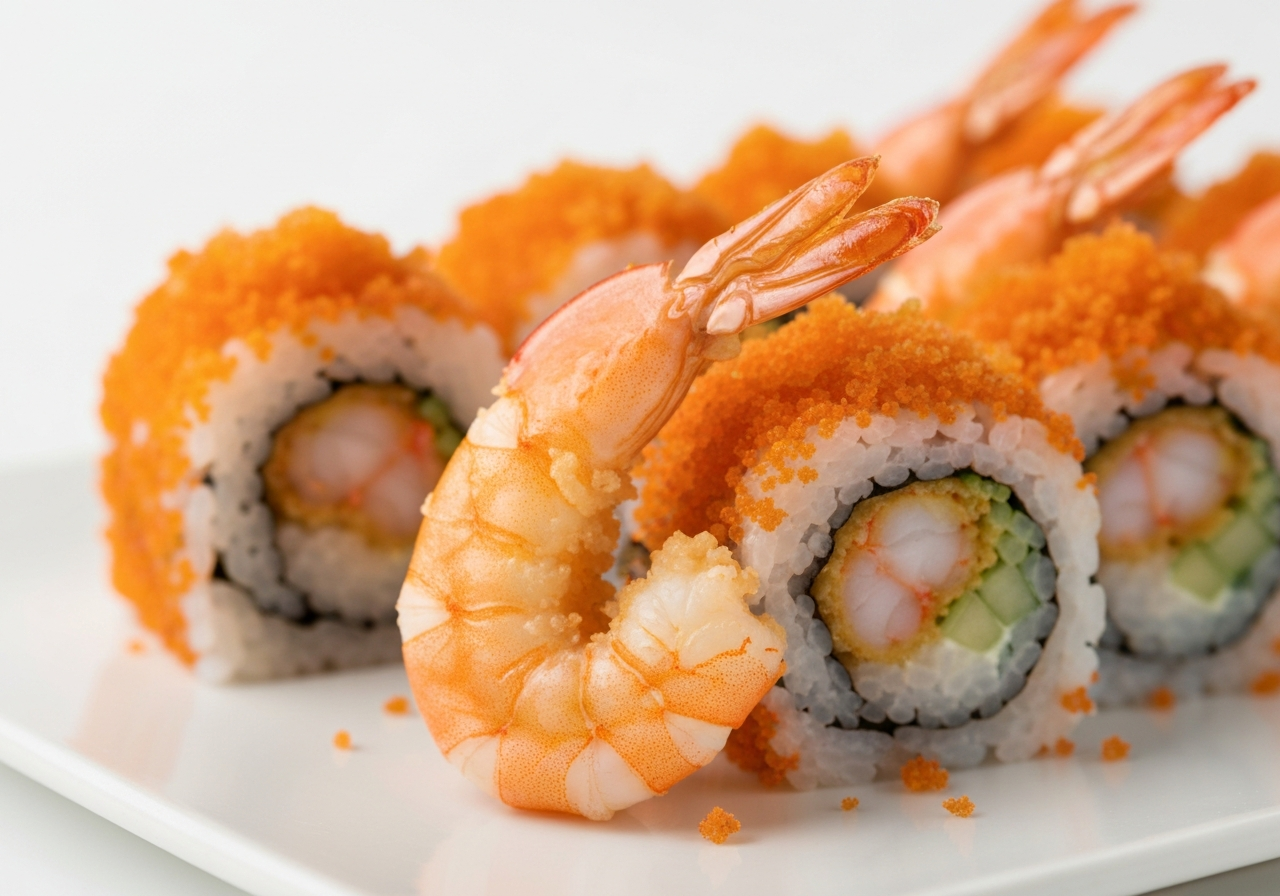
A: A typical full Shrimp Tempura Roll (6-8 pieces) can range from approximately 330 to over 500 calories, depending on the size, ingredients, and added sauces. A 100g serving (2-3 pieces) generally contains 175-189 calories.
Q3: Is a Shrimp Tempura Roll good for weight loss?
A: A Shrimp Tempura Roll can fit into a weight loss plan if consumed mindfully and in moderation. We advise watching portion sizes, pairing it with lighter options like a large salad or miso soup, and being aware of added sauces that can increase calorie density.
Q4: What are the main macros in a Shrimp Tempura Roll?
A: The main macronutrients in a Shrimp Tempura Roll are carbohydrates (primarily from sushi rice and batter), fats (from the fried tempura and often mayonnaise-based sauces), and protein (from the shrimp). A 100g serving typically has high carbs, moderate fat, and moderate protein.
Q5: Can I make a healthier Shrimp Tempura Roll at home?
A: Absolutely! Making it at home allows for significant macro control. Consider using less sushi rice, baking or air-frying the shrimp instead of deep-frying, and opting for lighter sauces or fresh toppings like extra cucumber and avocado.
Q6: How does it compare to a California Roll in terms of nutrition?
A: A Shrimp Tempura Roll is generally higher in calories, fat, and carbohydrates than a California Roll. A 100g California roll is significantly lighter, with fewer calories, fat, and slightly less protein and carbs compared to the tempura roll.
Q7: What are the best ways to reduce calories and fat in a Shrimp Tempura Roll?
A: To reduce calories and fat, ask for less rice, choose a roll with minimal or no creamy sauces, opt for baked or grilled shrimp instead of tempura, and increase the vegetable content. Requesting sauces on the side is also an effective strategy.
Track Shrimp Tempura Roll easily with JustMacrosFit - your free macro tracking app.