Potato Leek Soup: Complete Macros & Nutrition Guide
Complete macro and nutrition guide for Potato Leek Soup. Learn calories, protein, carbs, fat per serving plus meal ideas and tracking tips.
Table of Contents
- Quick Answer
- Detailed Nutrition Facts
- Micronutrients
- Serving Size Considerations
- Comparison to Similar Foods
- Health Benefits
- Primary Benefits
- Who Should Eat This Food
- When to Eat It
- How to Track Macros
- Portion Measurement Tips
- Using Macro Tracking Apps
- Common Serving Sizes
- Meal Ideas & Preparation
- Breakfast, Lunch, Dinner Ideas
- Meal Prep Tips
- Cooking Methods That Preserve Nutrients
- For Weight Loss
- Why It's Good for Weight Loss
- Portion Recommendations
- Pairing Suggestions
- For Muscle Gain
- Protein Content Benefits
- Pre/Post Workout Timing
- Bulking Meal Ideas
- Comparisons
- vs. Similar Foods
- Best Alternatives
- When to Choose Each
- FAQs
- Q1: Is potato leek soup healthy for everyday consumption?
- Q2: How can I make potato leek soup higher in protein?
- Q3: Can potato leek soup help with weight loss?
- Q4: What are the main health benefits of leeks in the soup?
- Q5: Is potato leek soup suitable for meal prepping?
- Q6: How many calories are typically in 100g of potato leek soup?
- Q7: Can I make a dairy-free or vegan potato leek soup?
Potato Leek Soup Macros: Complete Nutrition Guide
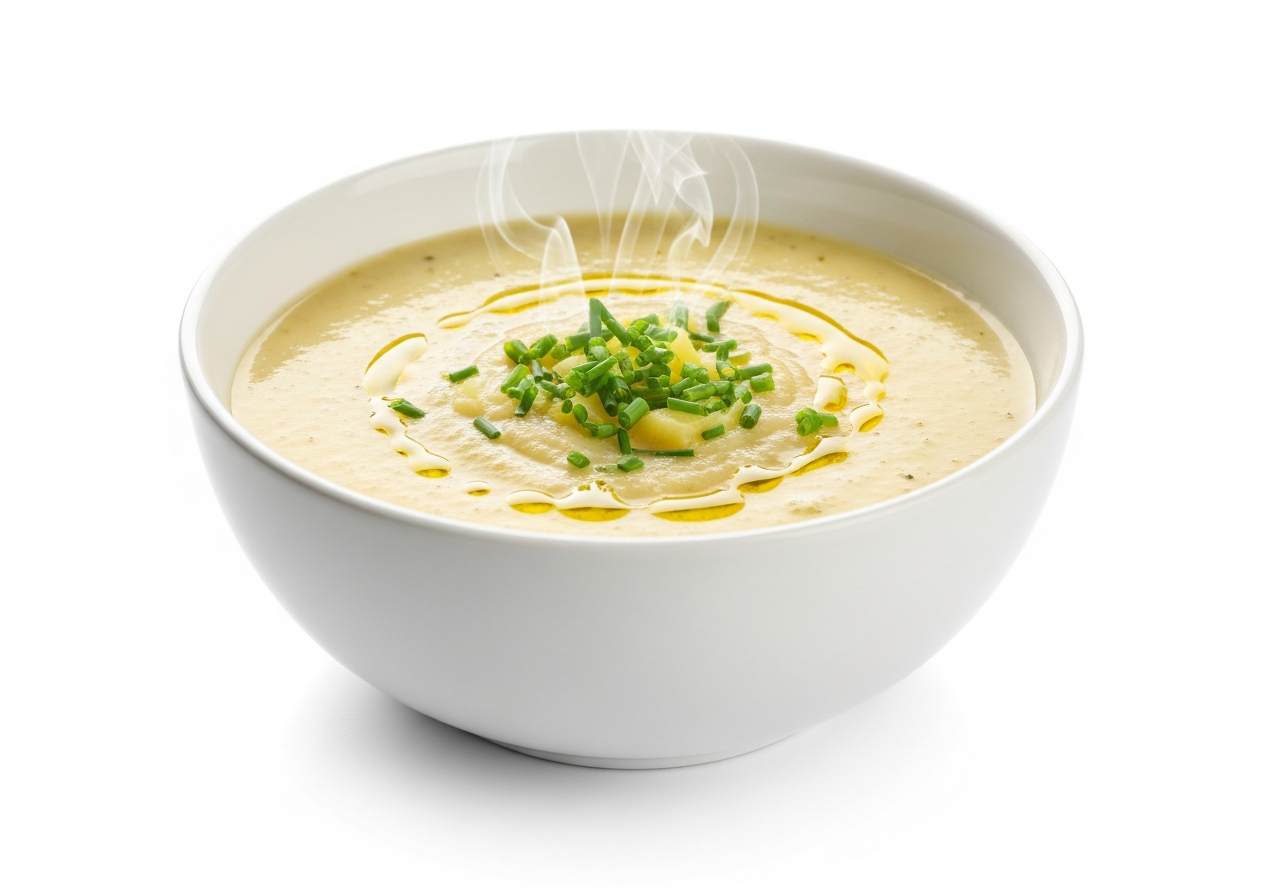
As veteran nutrition coaches and chefs at JustMacrosFit, we consistently advocate for nutrient-dense, satisfying meals that align with your health and fitness goals. Potato leek soup, a culinary classic, often sparks questions about its nutritional profile. Is it a hearty comfort food, a light starter, or something in between? We're here to break down the macros and micronutrients, guiding you on how to integrate this versatile soup into your diet.
Quick Answer
Potato leek soup, when prepared traditionally, offers a balanced profile of carbohydrates, moderate fats, and some protein. A typical 100g serving of homemade potato leek soup can range from approximately 35 to 56 calories, with around 7-10g carbohydrates, 0.2-2g fat, and 1-1.5g protein, though these values can fluctuate significantly based on ingredients like cream, butter, and broth choice. It stands out for its rich content of essential micronutrients like potassium and Vitamin C.
Detailed Nutrition Facts
Delving deeper into the nutrition of potato leek soup reveals a comforting dish that can be surprisingly beneficial, depending on its preparation. For a standard, moderately creamy serving of about 1 cup (approximately 240-250g), you can expect the following:
Calories: 120-184 calories
Carbohydrates: 17-29g
Protein: 5-7g
Total Fat: 4-7g (with saturated fat contributing 1-2g)
These macronutrient percentages often lean heavily towards carbohydrates (around 63%), with moderate fat (around 22%) and a decent protein contribution (around 16%) in a typical serving.
Micronutrients
Beyond the macros, potato leek soup is a powerhouse of micronutrients thanks to its primary ingredients: potatoes and leeks.
- Potassium: Potatoes are renowned for their potassium content, and this soup is an excellent source. A serving can provide 10-13% of your Daily Value (DV) for potassium, a crucial electrolyte for blood pressure regulation and muscle function.
- Vitamin C: Both potatoes and leeks contribute to the soup's Vitamin C content. A single serving can offer 17-25% of your DV, supporting immune health and acting as an antioxidant.
- B Vitamins: You'll find a good array of B vitamins, particularly Vitamin B6 (around 32% of DV), which is vital for metabolism, breaking down carbohydrates and proteins, and improving muscle movement. Leeks also supply folic acid (folate), niacin, riboflavin, and thiamin, important for energy creation and heart health.
- Vitamin K & A: Leeks are loaded with Vitamins A and K, essential for strong bones and a robust immune system.
- Iron & Magnesium: This soup provides small amounts of iron (6-14% of DV) for oxygen transport and magnesium for various bodily functions.
- Fiber: With 2-4g of dietary fiber per serving, potato leek soup aids in digestive health, can help lower cholesterol, and contributes to satiety.
Serving Size Considerations
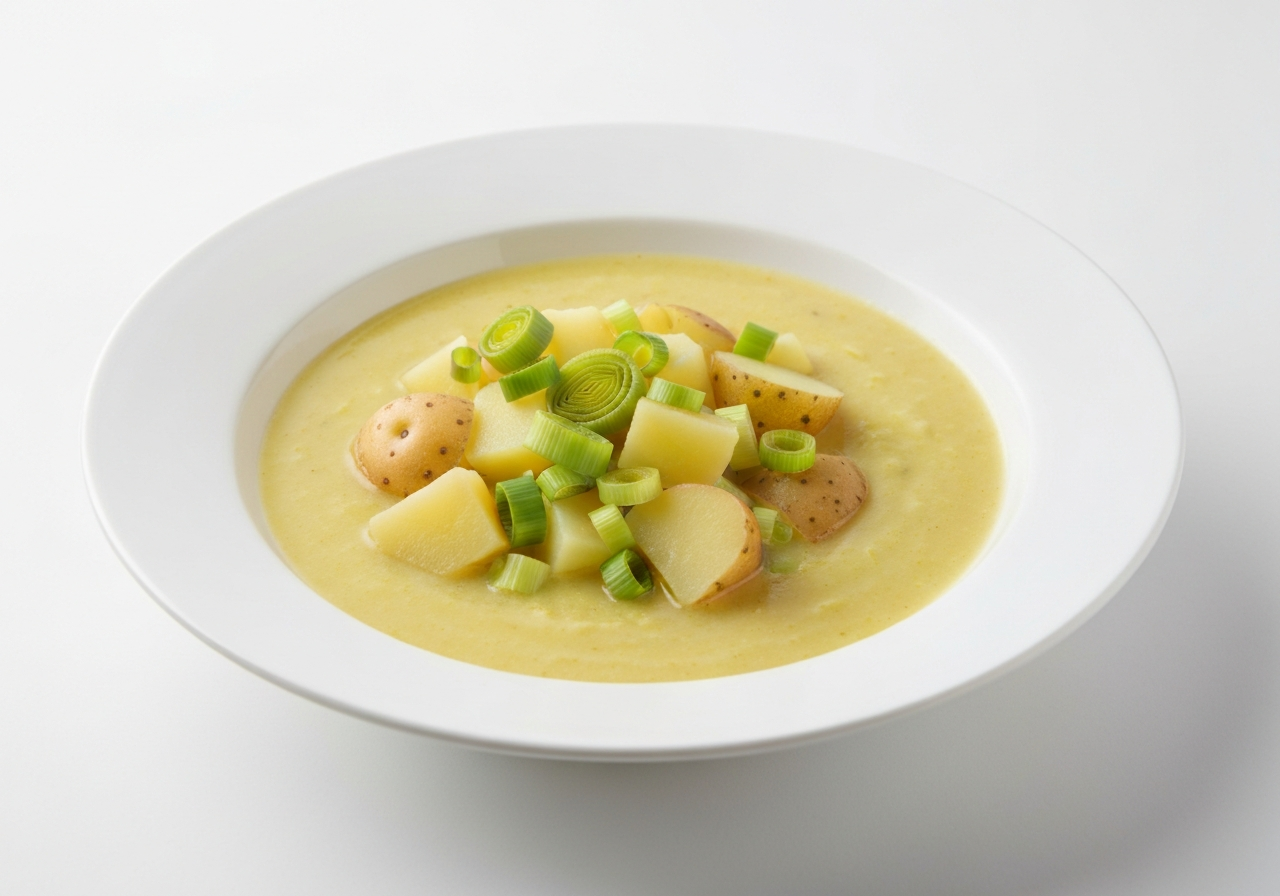
The nutritional values we've outlined are for a standard bowl. However, it's crucial to remember that portion sizes can vary wildly. A small cup as an appetizer will have different macros than a large, meal-sized bowl. Always measure your portions, especially when you're diligently tracking your macros.
Comparison to Similar Foods
When compared to other creamy, vegetable-based soups, potato leek soup can be a lighter option, particularly if made without heavy cream or excessive butter. For instance, a rich cream of mushroom soup might have higher fat content, while a pureed butternut squash soup might have a slightly sweeter profile and fewer potatoes. Potato leek soup often strikes a good balance, offering a creamy texture and satisfying depth without necessarily relying on high-fat dairy.
Health Benefits
Beyond its comforting taste, potato leek soup, when prepared mindfully, brings a multitude of health advantages to your table.
Primary Benefits
- Heart Health: The fiber in potatoes can help reduce total cholesterol, lowering the risk of heart disease. Leeks also contain B vitamins like niacin and riboflavin, which support heart health, and compounds like kaempferol and allicin that protect blood vessels and support cardiovascular function.
- Gut Health: Leeks are a fantastic source of inulin, a soluble prebiotic fiber that nourishes beneficial gut bacteria, promoting a healthy gut microbiome. Potatoes, particularly when cooked and cooled, can develop resistant starch, another prebiotic that fuels healthy gut microbes.
- Immune System Support: Rich in Vitamin C, Vitamin A, and various antioxidants from both potatoes and leeks, this soup helps strengthen your immune system and protect cells from damage caused by free radicals.
- Muscle Movement and Metabolism: Potatoes provide choline, a nutrient that improves muscle movement, and Vitamin B6, which is essential for metabolizing carbohydrates and proteins efficiently.
- Anti-inflammatory Properties: Leeks contain antioxidants like kaempferol and sulfur compounds like allicin, which possess potent anti-inflammatory effects, helping to reduce oxidative stress in the body.
Who Should Eat This Food
Potato leek soup is a versatile dish suitable for a wide range of individuals.
* Those seeking comfort food: It's inherently warming and satisfying.
* Individuals looking for nutrient density: It packs vitamins, minerals, and fiber into a delicious package.
* People focusing on gut health: The prebiotics in leeks and resistant starch in potatoes are excellent for the digestive system.
* Anyone needing a boost of electrolytes: The potassium content is beneficial for muscle and nerve function.
When to Eat It
This soup is incredibly adaptable.
* Anytime of the day: It can serve as a light lunch, a comforting dinner, or even a hearty breakfast on a chilly morning.
* Pre/Post Workout: A lighter, broth-based version can provide easily digestible carbohydrates for energy before a workout, or help replenish glycogen stores with some protein post-workout, especially if fortified with extra protein sources.
* During cold and flu season: The immune-boosting vitamins make it an excellent choice when you need a nutritious pick-me-up.
How to Track Macros
For the JustMacrosFit community, precise macro tracking is key to achieving your nutritional goals. While potato leek soup might seem complex due to its blended nature, tracking it accurately is straightforward.
Portion Measurement Tips
- Use a food scale: This is the most accurate way to track. Weigh your portion in grams. Since soup density varies, volume measurements can be less reliable.
- Standardize your recipe: When making a batch, accurately measure all ingredients. Once cooked, weigh the total yield of the soup. Divide the total macros of all ingredients by the total weight to get macros per gram, then multiply by your serving weight.
- Common serving sizes: Many recipes consider 1 cup (240-250g) as a standard serving. If you're estimating, this is a good starting point, but be aware of the calorie and macro differences between recipes.
Using Macro Tracking Apps
Apps like JustMacrosFit make tracking seamless.
1. Search for "Potato Leek Soup": You'll find various entries. Look for options that specify "homemade," "low-fat," or "creamy" to best match your recipe.
2. Input your custom recipe: If you're cooking from scratch, enter your ingredients and their quantities into the app. This allows for the most accurate macro breakdown per serving for your specific creation.
3. Adjust for modifications: If you've added extra protein (like chicken or lentils) or used a different type of fat (e.g., olive oil instead of butter, or no cream), ensure these modifications are reflected in your tracked entry.
Common Serving Sizes
For consistency, consider a standard serving to be approximately 240-300 grams (roughly 1 to 1.25 cups). This allows for easier comparison and tracking against daily macro targets.
Meal Ideas & Preparation
Potato leek soup is incredibly versatile and can be adapted for any meal, fitting various dietary preferences and macro goals.
Breakfast, Lunch, Dinner Ideas
- Breakfast: A warm, invigorating bowl of potato leek soup can be a surprising and nourishing alternative to traditional breakfast fare. Pair it with a side of scrambled eggs or a dollop of Greek yogurt for an added protein boost.
- Lunch: A classic light lunch, perfect with a crisp green salad or a slice of whole-grain toast. For a more substantial meal, stir in some shredded chicken or white beans.
- Dinner: Serve as a comforting starter before a lean protein main course, or as a standalone meal with a hearty side like a lentil salad or a grilled chicken breast.
Meal Prep Tips
Potato leek soup is a champion of meal prep.
1. Cook in bulk: Make a large batch on the weekend.
2. Portion and store: Divide into single-serving containers for quick grab-and-go meals throughout the week. It typically keeps well in the refrigerator for up to 3-5 days.
3. Freezing: This soup freezes beautifully for up to 3 months. Thaw overnight in the fridge and reheat gently on the stovetop or in the microwave. If the soup thickens too much after chilling, add a splash of broth or water to achieve your desired consistency.
4. Flavor Enhancement: To keep flavors fresh, you can add garnishes like fresh chives, a swirl of extra virgin olive oil, or a sprinkle of black pepper just before serving.
Cooking Methods That Preserve Nutrients
To maximize the nutritional value of your potato leek soup, consider these cooking tips:
* Steaming/Light Sautéing: Instead of deep-frying, gently sauté the leeks and other aromatics in a small amount of healthy oil (like olive oil) or even vegetable broth to soften them while retaining more nutrients.
* Don't overcook: Cook potatoes and leeks until just tender to maintain their vitamin content. Over-boiling can leach water-soluble vitamins.
* Immersion Blender: Using an immersion blender directly in the pot helps retain all the cooked ingredients, including any fiber that might otherwise be strained out.
* Low-sodium broth: Opt for low-sodium vegetable or chicken broth to control overall sodium intake, supporting heart health.
* Include all edible parts: Use the white and light green parts of the leeks, as they are packed with nutrients.
For Weight Loss
Potato leek soup can be an excellent ally in your weight loss journey, provided it's prepared with calorie and macro goals in mind.
Why It's Good for Weight Loss
- Satiety and Fullness: The combination of water, fiber from leeks and potatoes, and bulk of vegetables contributes to a feeling of fullness, which can help reduce overall calorie intake. Potatoes, in particular, are known for their satiating effect.
- Low Energy Density (if prepared lean): A lean potato leek soup (without heavy cream or excessive butter) is typically low in calories per 100g, making it a "low energy density" food. This means you can eat a larger volume for fewer calories, which is beneficial for weight management.
- Nutrient-Rich: Even when aiming for weight loss, nutrient intake is crucial. This soup provides essential vitamins and minerals, preventing deficiencies that can hinder metabolic function and energy levels.
Portion Recommendations
For weight loss, we recommend a serving size of around 1.5 to 2 cups (approximately 360-480g) as a main meal, or 1 cup as a starter. Always be mindful of the total calories and macros for your specific recipe.
Pairing Suggestions
To make it a complete and satisfying weight-loss-friendly meal:
* Lean Protein: Pair a bowl of soup with a grilled chicken breast, a piece of baked cod, or a hard-boiled egg for added protein and satiety.
* Extra Fiber: Serve with a side salad rich in leafy greens and other non-starchy vegetables for an extra fiber boost.
* Avoid high-calorie toppings: Skip croutons, excessive cheese, or full-fat sour cream. Opt for fresh herbs, a dash of paprika, or a dollop of fat-free Greek yogurt instead.
For Muscle Gain
While not a primary protein source, potato leek soup can still play a supportive role in a muscle gain diet, especially when strategically modified.
Protein Content Benefits
Potatoes do contribute some protein, and when combined with a nutrient-rich broth, the soup offers a foundation. More importantly, it provides easily digestible carbohydrates from the potatoes, which are crucial for replenishing glycogen stores after intense workouts and fueling muscle recovery.
Pre/Post Workout Timing
- Pre-Workout: A lighter, broth-based potato leek soup (without heavy cream or high fat additions) can provide a good source of complex carbohydrates for sustained energy before a workout. Consume it 1-2 hours prior to allow for digestion.
- Post-Workout: After a workout, the carbohydrates in potato leek soup are excellent for glycogen replenishment. To make it a truly effective post-workout meal, significantly boost its protein content.
Bulking Meal Ideas
To transform potato leek soup into a muscle-gaining powerhouse:
* Add Lean Protein:
* Shredded Chicken or Turkey: Stir in generous amounts of cooked, shredded lean chicken or turkey after blending.
* Silken Tofu: Blend silken tofu directly into the soup for a creamy texture and a significant protein boost, especially for plant-based diets.
* Lentils or White Beans: Cook red lentils, cannellini beans, or great northern beans within the soup for added plant-based protein and fiber.
* Greek Yogurt: Swirl in a dollop of high-protein Greek yogurt at the end for creaminess and an extra protein punch.
* Healthy Fats: Incorporate healthy fats for additional calories and satiety, such as a drizzle of extra virgin olive oil or a small amount of avocado blended in.
* Complex Carbohydrates: Serve with a side of whole-grain bread or a scoop of quinoa for more complex carbohydrates.
Comparisons
Understanding how potato leek soup stacks up against other options can help you make informed dietary choices.
vs. Similar Foods
- Potato Leek Soup vs. Cream of Mushroom Soup: Traditional cream of mushroom soup often contains more heavy cream and butter, leading to a higher fat and calorie count. Potato leek soup can be a lighter alternative if dairy is minimized or replaced with broth or plant-based milks.
- Potato Leek Soup vs. Butternut Squash Soup: Butternut squash soup typically has a sweeter profile and is rich in Vitamin A. While both are vegetable-based and can be made creamy, butternut squash soup might have a slightly lower glycemic load depending on its preparation, though both offer valuable nutrients.
- Potato Leek Soup vs. Vegetable Broth: Vegetable broth is very low in calories and nutrients compared to potato leek soup. The soup offers substantial carbohydrates, fiber, and micronutrients that broth alone cannot provide.
Best Alternatives
If you're looking for alternatives with a similar creamy texture or nutritional benefits:
* Cauliflower Soup: For a lower-carb option that still delivers a creamy consistency when blended, cauliflower soup is an excellent choice.
* Broccoli Cheddar Soup (lightened): If you crave a cheesy flavor, a lightened version of broccoli cheddar soup can provide similar comfort with added vegetables.
* Lentil Soup: For a high-protein, high-fiber, and naturally creamy alternative, a hearty lentil soup is a fantastic option.
When to Choose Each
- Choose Potato Leek Soup: When you desire a comforting, balanced meal rich in complex carbohydrates, potassium, and B vitamins, particularly beneficial for gut health and muscle function. Opt for lighter versions during weight loss or bulked-up versions for muscle gain.
- Choose Alternatives: When specific dietary needs arise (e.g., very low carb, higher protein focus with lentils), or simply for variety in your meal rotation.
FAQs
Here are some common questions we receive about potato leek soup macros and nutrition:
Q1: Is potato leek soup healthy for everyday consumption?
A1: Yes, a homemade potato leek soup prepared with mindful ingredients (low-sodium broth, minimal added fats, and optional lean protein) can be a very healthy and nutrient-dense meal for regular consumption. It's packed with vitamins, minerals, and fiber.
Q2: How can I make potato leek soup higher in protein?
A2: To significantly increase protein, you can blend in silken tofu, stir in cooked shredded chicken or turkey, add red lentils or white beans while simmering, or top with a dollop of Greek yogurt or a sprinkle of nutritional yeast.
Q3: Can potato leek soup help with weight loss?
A3: Absolutely. When made with low-fat ingredients (e.g., vegetable broth instead of heavy cream, minimal butter/oil), potato leek soup is relatively low in calories and high in fiber, promoting satiety and helping you feel full for longer, which is crucial for weight management.
Q4: What are the main health benefits of leeks in the soup?
A4: Leeks are rich in vitamins A and K, folic acid, niacin, riboflavin, magnesium, and provide potent antioxidants like kaempferol and allicin. They support strong bones, immune function, heart health, and act as a prebiotic for gut health.
Q5: Is potato leek soup suitable for meal prepping?
A5: Yes, potato leek soup is an excellent candidate for meal prepping. It stores well in the refrigerator for several days and can be frozen for up to 3 months, making it a convenient and nutritious option for busy weeks.
Q6: How many calories are typically in 100g of potato leek soup?
A6: The calorie count per 100g can vary, but a lighter homemade version generally contains between 35 and 56 calories. Recipes with heavy cream and butter will naturally have higher calorie content.
Q7: Can I make a dairy-free or vegan potato leek soup?
A7: Absolutely. You can easily make a dairy-free and vegan version by using vegetable broth instead of chicken stock, sautéing vegetables in olive oil instead of butter, and replacing heavy cream with plant-based milks (like unsweetened cashew or oat milk) or blended silken tofu for creaminess.
Track Potato Leek Soup easily with JustMacrosFit - your free macro tracking app.