Chia Seeds Benefits: Complete Macros & Nutrition Guide
Complete macro and nutrition guide for Chia Seeds Benefits. Learn calories, protein, carbs, fat per serving plus meal ideas and tracking tips.
Table of Contents
- Quick Answer
- Detailed Nutrition Facts
- Micronutrients
- Serving Size Considerations
- Comparison to Similar Foods
- Health Benefits
- Primary Benefits
- Who Should Eat This Food
- When to Eat It
- How to Track Macros
- Portion Measurement Tips
- Using Macro Tracking Apps
- Common Serving Sizes
- Meal Ideas & Preparation
- Breakfast Ideas
- Lunch & Dinner Ideas
- Meal Prep Tips
- Cooking Methods That Preserve Nutrients
- For Weight Loss
- Why It's Good for Weight Loss
- Portion Recommendations
- Pairing Suggestions
- For Muscle Gain
- Protein Content Benefits
- Pre/Post Workout Timing
- Bulking Meal Ideas
- Comparisons
- vs. Similar Foods
- Best Alternatives
- When to Choose Each
- FAQs
- 1. How many calories are in 100g of chia seeds?
- 2. What are the main macros in chia seeds?
- 3. Do chia seeds have complete protein?
- 4. How much fiber is in a typical serving of chia seeds?
- 5. Is it better to eat chia seeds whole or ground?
- 6. How should I store chia seeds?
- 7. Can chia seeds help with weight loss?
Chia Seeds Benefits Macros: Complete Nutrition Guide
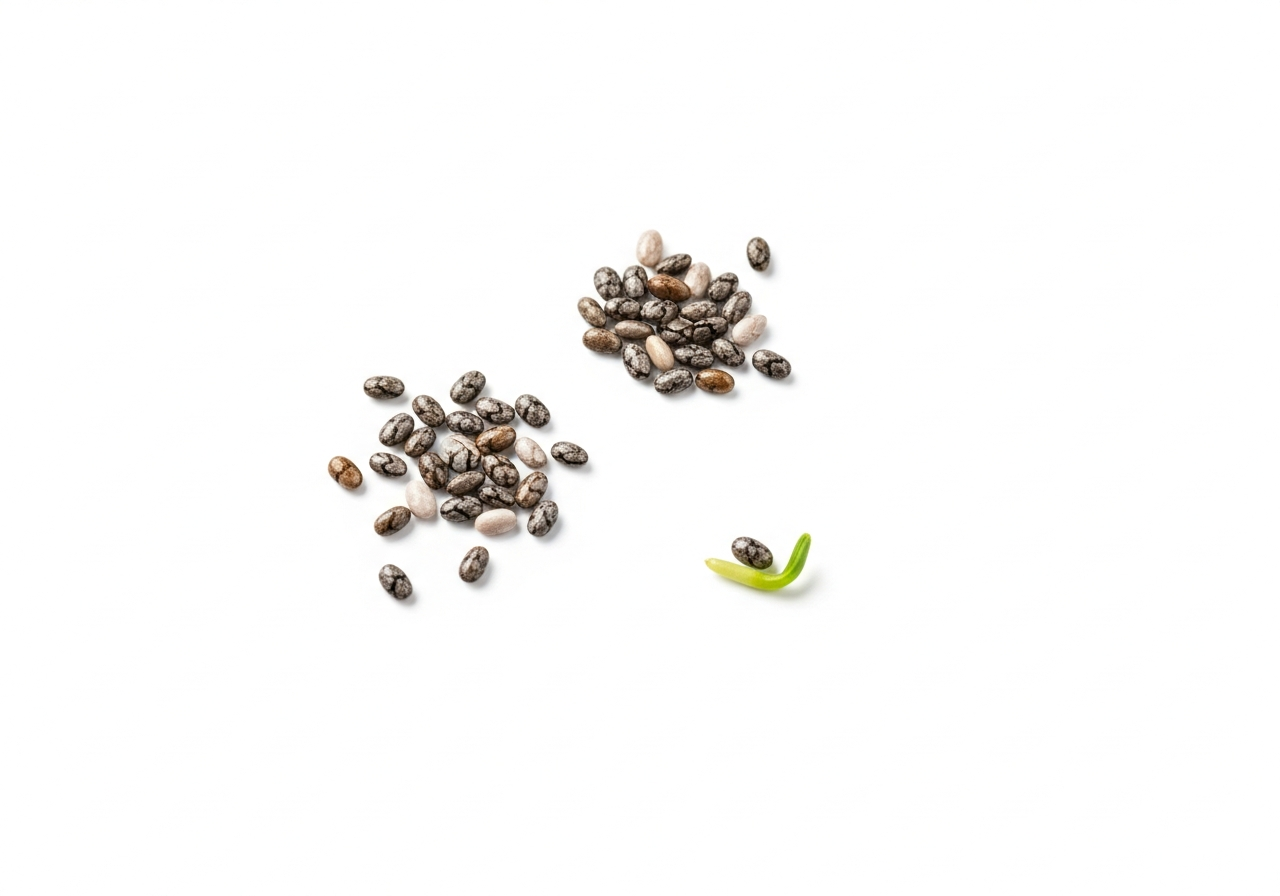
As nutrition experts and culinary enthusiasts at JustMacrosFit, we are constantly exploring foods that offer exceptional nutritional value. Among the vast array of superfoods, chia seeds consistently stand out. These tiny seeds, derived from the Salvia hispanica plant, are not merely a trending ingredient; they are a nutritional powerhouse packed with essential macronutrients and a wide spectrum of micronutrients that can profoundly impact your health and fitness goals.
Quick Answer
Chia seeds are a macro-friendly addition to nearly any diet. Per 100g, they typically contain approximately 486 calories, 16.5g protein, 42.1g carbohydrates (with a remarkable 34g of that being dietary fiber), and 30.7g fat, predominantly heart-healthy omega-3s.
Hero Nutrients Highlight: Chia seeds are exceptionally rich in dietary fiber and alpha-linolenic acid (ALA), a plant-based omega-3 fatty acid.
Detailed Nutrition Facts
Delving deeper into the nutritional profile, chia seeds are a testament to the adage "good things come in small packages." Their unique composition makes them a valuable asset for anyone focused on macro tracking and overall health.
Per 100 grams of dried chia seeds, you can expect:
* Calories: Approximately 486 kcal.
* Protein: Around 16.5-17 grams.
* Carbohydrates: Roughly 42.1 grams.
* Dietary Fiber: An impressive 34 grams, making up a significant portion of the total carbohydrates. This high fiber content is crucial for digestive health and satiety.
* Sugars: Typically 0 grams.
* Fats: Approximately 30.7-31 grams.
* Saturated Fat: Around 3.3 grams.
* Polyunsaturated Fat: A high amount, with about 7 grams per 28g serving (1 ounce). Notably, 50-57% of the total fat content is alpha-linolenic acid (ALA), a vital omega-3 fatty acid. A 1-ounce serving provides about 5 grams of ALA.
Micronutrients
While their macronutrient profile is impressive, chia seeds also deliver a significant dose of essential micronutrients:
* Minerals: They are an excellent source of phosphorus (860mg, 123% DV), magnesium (335mg, 80% DV), calcium (631mg, 63% DV), iron (7.7mg, 97% DV), manganese (2.7mg, 118% DV), selenium (55µg, 100% DV), copper (0.92mg, 103% DV), and zinc (4.6mg, 42% DV) per 100g serving.
* Vitamins: Chia seeds provide B vitamins, including thiamin (Vitamin B1) (0.62mg, 52% DV), niacin (Vitamin B3) (8.8mg, 55% DV), and moderate amounts of riboflavin (Vitamin B2) (0.17mg, 13% DV) and folate (49µg, 12% DV). They also contain some vitamin E.
Serving Size Considerations
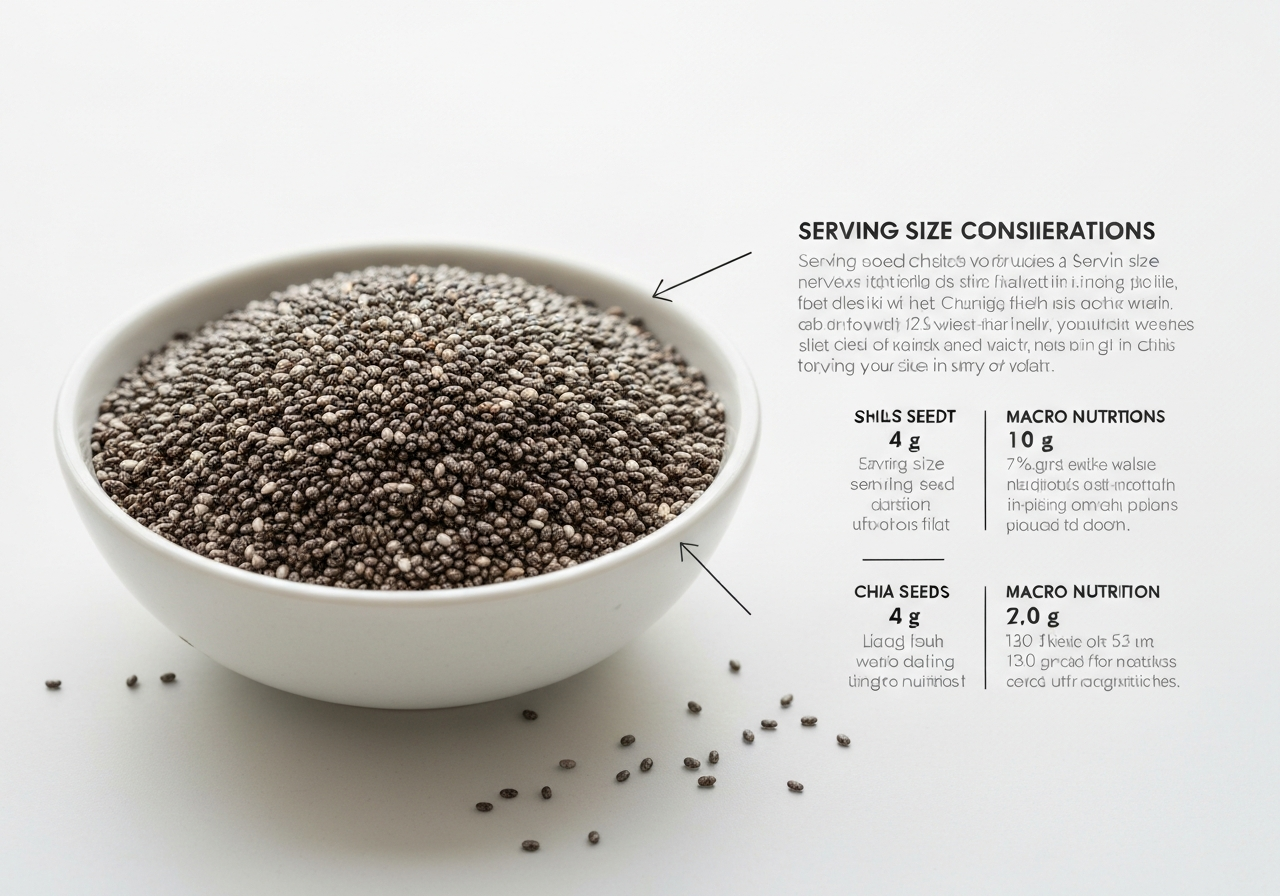
A standard serving of dry chia seeds is commonly considered to be two tablespoons (about 1 ounce or 28 grams). This serving provides around 140 calories, 5 grams of protein, 10 grams of fiber, and 9 grams of fat (8 grams of which are heart-healthy fats, including 5 grams of omega-3s). For most adults, one to two tablespoons per day is a sufficient amount to enjoy their nutritional benefits. Children and teens (ages 5 to 18) are recommended 1.4 to 4.3 grams daily, with children under 10 having no more than 1 tablespoon per day.
Comparison to Similar Foods
When compared to other popular "super seeds":
* Flax Seeds: While also rich in fiber and omega-3s (ALA), flax seeds often need to be ground to maximize nutrient absorption, whereas chia seeds can be eaten whole. Flax seeds provide slightly more omega-3s (6800 mg per 3 tbsp vs. 5300 mg for chia) but less fiber per serving.
* Hemp Seeds: Hemp seeds (or hemp hearts) stand out for having the highest protein content among the three, and also a good source of micronutrients, but they are lower in fiber and omega-3s compared to chia and flax.
Chia seeds offer a unique balance, particularly excelling in fiber content and offering a good amount of complete plant-based protein.
Health Benefits
The rich nutritional composition of chia seeds translates into a wide array of health benefits, making them a valuable addition to a balanced diet.
Primary Benefits
- Digestive Health: With an exceptional 34 grams of fiber per 100g, chia seeds are champions for gut health. The fiber, largely soluble and mucilaginous, helps promote regular bowel movements, prevents constipation, and supports a healthy gut microbiome by acting as a prebiotic. This soluble fiber forms a gel when mixed with liquid, slowing down digestion and contributing to a feeling of fullness.
- Heart Health: Chia seeds are rich in omega-3 fatty acids, particularly alpha-linolenic acid (ALA). These healthy fats, along with fiber and antioxidants, contribute to improved cardiovascular health by helping to lower LDL (bad) cholesterol, reduce triglycerides, lower blood pressure, and decrease inflammation.
- Blood Sugar Regulation: The high fiber content of chia seeds helps to slow the absorption of sugar into the bloodstream, which can help stabilize blood sugar levels and improve insulin sensitivity. This makes them particularly beneficial for individuals with type 2 diabetes or those at risk.
- Antioxidant Powerhouse: Chia seeds are loaded with antioxidants like quercetin, chlorogenic acid, caffeic acid, and other polyphenols. These compounds combat free radicals, protecting cells from damage and potentially reducing the risk of chronic diseases such as heart disease, diabetes, obesity, and certain cancers.
- Bone Health: Chia seeds are a good source of several minerals vital for bone health, including calcium, phosphorus, and magnesium. A single ounce (28g) can provide approximately 18% of the daily recommended calcium intake.
- Satiety and Weight Management: The combination of fiber and protein helps promote satiety, reducing hunger and calorie intake, which can aid in weight loss.
Who Should Eat This Food
Chia seeds are suitable for almost everyone, particularly those looking to:
* Increase fiber intake.
* Boost plant-based omega-3 fatty acids.
* Support digestive health.
* Manage blood sugar levels.
* Aid in weight management.
* Enhance nutrient intake for vegetarians and vegans (as a complete plant protein).
When to Eat It
Chia seeds are incredibly versatile and can be consumed at any time of day:
* Breakfast: Incorporate into oatmeal, smoothies, or yogurt for a filling and nutritious start to the day.
* Lunch/Dinner: Add to salads, soups, or as a thickener in sauces.
* Snacks: Enjoy in chia puddings or energy bars to stave off hunger.
* Pre/Post-Workout: Their protein and carbohydrate content can support energy levels and muscle recovery.
How to Track Macros
Accurate macro tracking is essential for achieving your dietary goals, and chia seeds are no exception. We recommend careful measurement to ensure you're logging them correctly.
Portion Measurement Tips
- Weighing is Best: For the most accurate macro tracking, we recommend using a digital kitchen scale to weigh your chia seeds. A 1-ounce (28-gram) serving is a common benchmark.
- Spoon Measurement: If a scale isn't available, rely on standard measuring spoons. Remember that measurements can vary slightly based on how densely packed the seeds are.
- One tablespoon of dry chia seeds is approximately 10-12 grams.
- Two tablespoons (about 1 ounce or 28g) is a standard serving size.
- Start Small: If you're new to tracking or consuming chia seeds, begin with 1 teaspoon to 1 tablespoon per day and gradually increase, especially due to their high fiber content.
Using Macro Tracking Apps
Apps like JustMacrosFit simplify macro tracking significantly.
1. Search and Select: Simply search for "chia seeds" within the app.
2. Enter Quantity: Input your measured quantity (e.g., "2 tablespoons" or "28 grams").
3. Automatic Calculation: The app will automatically calculate and log the calories, protein, carbs, and fats for your serving, integrating it into your daily totals.
We ensure our database uses verified nutritional data to provide you with the most accurate information for your tracking needs.
Common Serving Sizes
- 1 Tablespoon (approx. 10-12g): Around 50-60 calories, 2g protein, 5-6g carbs (mostly fiber), 3-4g fat.
- 2 Tablespoons (1 ounce/28g): Approximately 140 calories, 5g protein, 12g carbs (10g fiber), 9g fat (8g healthy fats). This is considered a full portion for most adults.
Expert Tip: Since chia seeds expand significantly when soaked, tracking the dry weight or volume before liquid is added is the most consistent method. Always ensure adequate fluid intake when consuming chia seeds, especially if increasing your portion, to prevent digestive discomfort.
Meal Ideas & Preparation
Chia seeds are incredibly versatile and can be effortlessly incorporated into a wide variety of meals, both sweet and savory. Their ability to absorb liquid and form a gel makes them a unique culinary ingredient.
Breakfast Ideas
- Chia Pudding: This is arguably the most popular way to enjoy chia seeds. Combine chia seeds with milk (dairy or non-dairy), a sweetener like maple syrup or honey, and flavorings (vanilla, cocoa, fruit). Refrigerate overnight for a creamy, thick pudding.
- Smoothie Booster: Add a tablespoon or two of chia seeds to your morning smoothie for an extra dose of fiber, protein, and healthy fats. They will also help thicken the smoothie.
- Oatmeal & Cereal Topping: Stir chia seeds into your hot oatmeal or sprinkle them over cold cereal. They add a pleasant texture and boost the nutritional value.
- Yogurt Parfait: Layer chia seeds with yogurt, granola, and fresh fruit for a satisfying breakfast or snack.
Lunch & Dinner Ideas
- Salad Topping: Sprinkle dry chia seeds over salads for a subtle crunch and nutrient boost.
- Dressings & Sauces: Use ground chia seeds to thicken salad dressings or incorporate them into savory sauces for added body and nutrition.
- Stir-Fries: Add chia seeds to stir-fries towards the end of cooking for texture and nutrients.
- Binding Agent: In vegan cooking, a "chia egg" (1 tablespoon ground chia seeds mixed with 3 tablespoons water, allowed to sit for 5-10 minutes) can replace one egg in baking recipes.
Meal Prep Tips
- Overnight Chia Pudding: Prepare a batch of chia pudding in individual jars at the beginning of the week for quick and easy breakfasts.
- Chia Gel: Make a larger batch of chia gel by mixing 1 part chia seeds with 3-4 parts water. This gel can be stored in the fridge and easily added to smoothies, dressings, or even used as a spread.
- Pre-mix Dry Ingredients: For recipes like energy bars or muffins, pre-mix the dry ingredients, including chia seeds, to save time during busy mornings.
Cooking Methods That Preserve Nutrients
Chia seeds are remarkably stable due to their high antioxidant content, which protects their delicate omega-3 fatty acids from oxidation. This means they generally retain their nutritional value well across various preparation methods.
* Soaking: Soaking chia seeds in liquid is recommended as it helps them swell, makes their nutrients more bioavailable, and can improve digestibility. It also prevents potential issues of dry seeds absorbing water rapidly in the esophagus, which can cause blockages if not consumed with enough liquid.
* Grinding: Unlike flax seeds, chia seeds do not need to be ground for their nutrients to be absorbed effectively, as their outer shell is less tough. However, grinding can alter the texture and may be preferred for certain recipes or if you find the texture of whole seeds undesirable.
For Weight Loss
For individuals on a weight loss journey, chia seeds can be a powerful ally, offering a combination of benefits that support sustainable and healthy weight management.
Why It's Good for Weight Loss
- High Fiber Content for Satiety: Chia seeds are incredibly rich in dietary fiber, with approximately 10 grams per 1-ounce (28g) serving. This fiber absorbs water and expands in the stomach, creating a gel-like substance that promotes a feeling of fullness and significantly reduces appetite. This prolonged satiety can lead to reduced overall calorie intake and fewer cravings.
- Protein for Satiety and Metabolism: Chia seeds provide a good amount of plant-based protein (around 5 grams per 1-ounce serving). Protein is well-known for its satiating effect and its role in increasing the thermic effect of food (TEF), meaning your body expends more energy to digest and metabolize it. This can contribute to a slight boost in daily calorie expenditure.
- Omega-3s and Metabolism: The alpha-linolenic acid (ALA) in chia seeds may play a role in supporting metabolic function, potentially enhancing the body's ability to burn fat for energy.
- Blood Sugar Stabilization: By slowing down carbohydrate digestion and sugar absorption, chia seeds help prevent rapid blood sugar spikes and subsequent crashes. This contributes to stable energy levels and can help minimize cravings for sugary foods, which are often a pitfall in weight loss efforts.
Portion Recommendations
While beneficial, chia seeds are calorie-dense. Portion control is key for weight loss.
* Recommended Daily Intake: We suggest consuming 1-2 tablespoons (approximately 15-28 grams or 0.5-1 ounce) of chia seeds per day for weight loss.
* Hydration is Crucial: Always ensure you drink plenty of water when consuming chia seeds, especially if increasing your intake. Their high fiber content can lead to constipation, bloating, or gas if not adequately hydrated.
Pairing Suggestions
- Chia Water/Fresca: Mix chia seeds with water (and perhaps a squeeze of lemon or lime) and let them sit for 15-20 minutes until they form a gel. Drinking this before meals can help reduce overall food intake.
- Fiber-Rich Meals: Add chia seeds to other high-fiber foods like vegetables, fruits, and whole grains to maximize satiety and nutrient intake in calorie-controlled meals.
- Protein-Packed Options: Combine with lean protein sources (e.g., Greek yogurt, protein shakes) to create a meal that keeps you full and supports muscle mass during fat loss.
For Muscle Gain
While often associated with weight loss, chia seeds also offer distinct advantages for those focused on muscle gain and bulking.
Protein Content Benefits
- Complete Plant Protein: Chia seeds are a rare example of a complete plant-based protein, meaning they contain all nine essential amino acids that the body cannot produce on its own. This makes them an excellent protein source for vegetarians, vegans, and anyone looking to diversify their protein intake.
- Muscle Repair and Growth: The protein in chia seeds contributes to muscle tissue repair and maintenance, which is vital for muscle growth. While a single serving might not match the protein content of animal sources like chicken breast, it contributes meaningfully to daily protein targets, especially when combined with other protein-rich foods.
- Steady Energy Source: The combination of protein, healthy fats, and complex carbohydrates (from fiber) provides a sustained release of energy, which can be beneficial for enduring longer workouts and preventing energy crashes.
Pre/Post Workout Timing
- Pre-Workout: Consuming chia seeds a few hours before a workout, perhaps in a smoothie or oatmeal, can provide sustained energy due to their slow-digesting fiber and balanced macros.
- Post-Workout: Adding chia seeds to your post-workout shake or meal can contribute to protein synthesis and recovery, alongside other faster-acting proteins and carbohydrates. Their anti-inflammatory omega-3s can also aid in recovery from intense training.
Bulking Meal Ideas
- Calorie-Dense Smoothies: Blend chia seeds into high-calorie smoothies with ingredients like nut butter, oats, bananas, and protein powder to easily increase calorie and nutrient intake for bulking.
- Enriched Porridge: Stir a generous amount of chia seeds into your morning porridge, along with nuts, seeds, and dried fruit, for a calorie and nutrient-dense meal.
- Baked Goods: Incorporate chia seeds into homemade energy bars, muffins, or bread to boost their protein, fiber, and healthy fat content, making them more suitable for fueling muscle growth.
- Thickening Agent in Soups/Stews: Use chia seeds to thicken hearty soups or stews, silently adding more calories, protein, and fiber without significantly altering flavor.
While chia seeds contribute valuable protein and other nutrients, we recommend them as part of a varied protein strategy for muscle gain, supplementing other high-protein sources to meet the higher daily protein requirements for athletes (1.6 to 2.2g of protein per kg of body weight daily).
Comparisons
Understanding how chia seeds stack up against similar foods helps us make informed dietary choices tailored to specific health and fitness goals.
vs. Similar Foods
- Flax Seeds: Both are renowned for their omega-3 (ALA) content and fiber. However, flax seeds need to be ground for optimal nutrient absorption, while chia seeds can be eaten whole. Flax seeds generally offer slightly more ALA omega-3s but slightly less fiber than chia seeds.
- Hemp Seeds: Hemp seeds are notable for their higher protein content and a wider array of micronutrients. They have a milder, nuttier flavor and a softer texture. However, they contain less fiber and omega-3 (ALA) compared to chia seeds.
- Quinoa: While often grouped with grains, quinoa is botanically a seed and is also a complete protein like chia seeds. Quinoa offers more carbohydrates and is typically cooked and eaten in larger quantities, providing a different textural experience and usage profile.
- Oats: Oats are a fantastic source of soluble fiber and complex carbohydrates. Chia seeds surpass oats in fiber, protein, and omega-3 content per serving, making them a more nutrient-dense addition for those specific macros.
Best Alternatives
The "best" alternative depends on your primary nutritional goal:
* For Fiber: Flax seeds, psyllium husk, or other high-fiber grains and vegetables.
* For Omega-3 (ALA): Flax seeds, walnuts, or flaxseed oil. For EPA and DHA (the forms found in fish), marine sources or algal oil supplements are more efficient.
* For Plant Protein: Hemp seeds, pumpkin seeds, lentils, beans, or tofu.
When to Choose Each
- Choose Chia Seeds when: You prioritize a significant fiber boost, a good source of plant-based omega-3s, and a complete protein in a small, versatile seed that doesn't require grinding. They are excellent for satiety and creating gel-like textures.
- Choose Flax Seeds when: You want a high source of ALA omega-3s and fiber, particularly the lignans that support hormone balance. Remember to grind them for optimal absorption.
- Choose Hemp Seeds when: Your primary goal is to maximize plant-based protein intake and micronutrients like magnesium, iron, and zinc. Their soft texture and nutty flavor make them easy to sprinkle over many dishes.
Ultimately, incorporating a variety of these "super seeds" into your diet is an excellent strategy to gain a comprehensive range of nutrients, as each brings something unique to the table.
FAQs
We've gathered common questions about chia seeds to provide clear, concise answers that align with your macro and nutrition tracking needs.
1. How many calories are in 100g of chia seeds?
Approximately 486 calories per 100g.
2. What are the main macros in chia seeds?
Per 100g, chia seeds contain around 16.5-17g protein, 42.1g carbohydrates (with 34g dietary fiber), and 30.7-31g fat.
3. Do chia seeds have complete protein?
Yes, chia seeds contain all nine essential amino acids, making them a complete plant-based protein source.
4. How much fiber is in a typical serving of chia seeds?
A 1-ounce (28g or about 2 tablespoons) serving of chia seeds contains approximately 10 grams of fiber.
5. Is it better to eat chia seeds whole or ground?
Chia seeds can be eaten whole or ground, as their delicate outer shell allows for nutrient absorption without grinding. Soaking them is often recommended to improve digestibility and nutrient availability.
6. How should I store chia seeds?
Chia seeds should be kept in a cool, dry place in a sealed, airtight container to prevent them from absorbing moisture and going rancid or molding. If buying in bulk, storing extra in the freezer can prolong freshness.
7. Can chia seeds help with weight loss?
Yes, chia seeds can aid in weight loss due to their high fiber and protein content, which promote satiety, reduce appetite, and help stabilize blood sugar levels.
Track Chia Seeds Benefits easily with JustMacrosFit - your free macro tracking app.