Carrots: Complete Macros & Nutrition Guide
Complete macro and nutrition guide for Carrots. Learn calories, protein, carbs, fat per serving plus meal ideas and tracking tips.
Table of Contents
- Quick Answer
- Detailed Nutrition Facts
- Micronutrients
- Serving Size Considerations
- Comparison to Similar Foods
- Health Benefits
- Primary Benefits
- Who Should Eat This Food
- When to Eat It
- How to Track Macros
- Portion Measurement Tips
- Using Macro Tracking Apps
- Common Serving Sizes
- Meal Ideas & Preparation
- Breakfast, Lunch, Dinner Ideas
- Meal Prep Tips
- Cooking Methods That Preserve Nutrients
- For Weight Loss
- Why It's Good for Weight Loss
- Portion Recommendations
- Pairing Suggestions
- For Muscle Gain
- Protein Content Benefits
- Pre/Post Workout Timing
- Bulking Meal Ideas
- Comparisons
- vs. Similar Foods
- Best Alternatives
- When to Choose Each
- FAQs
- Are raw carrots better than cooked?
- How many carrots can I eat daily?
- Do carrots spike blood sugar?
- Do I need to peel carrots?
- What are the different colors of carrots and their benefits?
- How to store carrots?
Carrots Macros: Complete Nutrition Guide
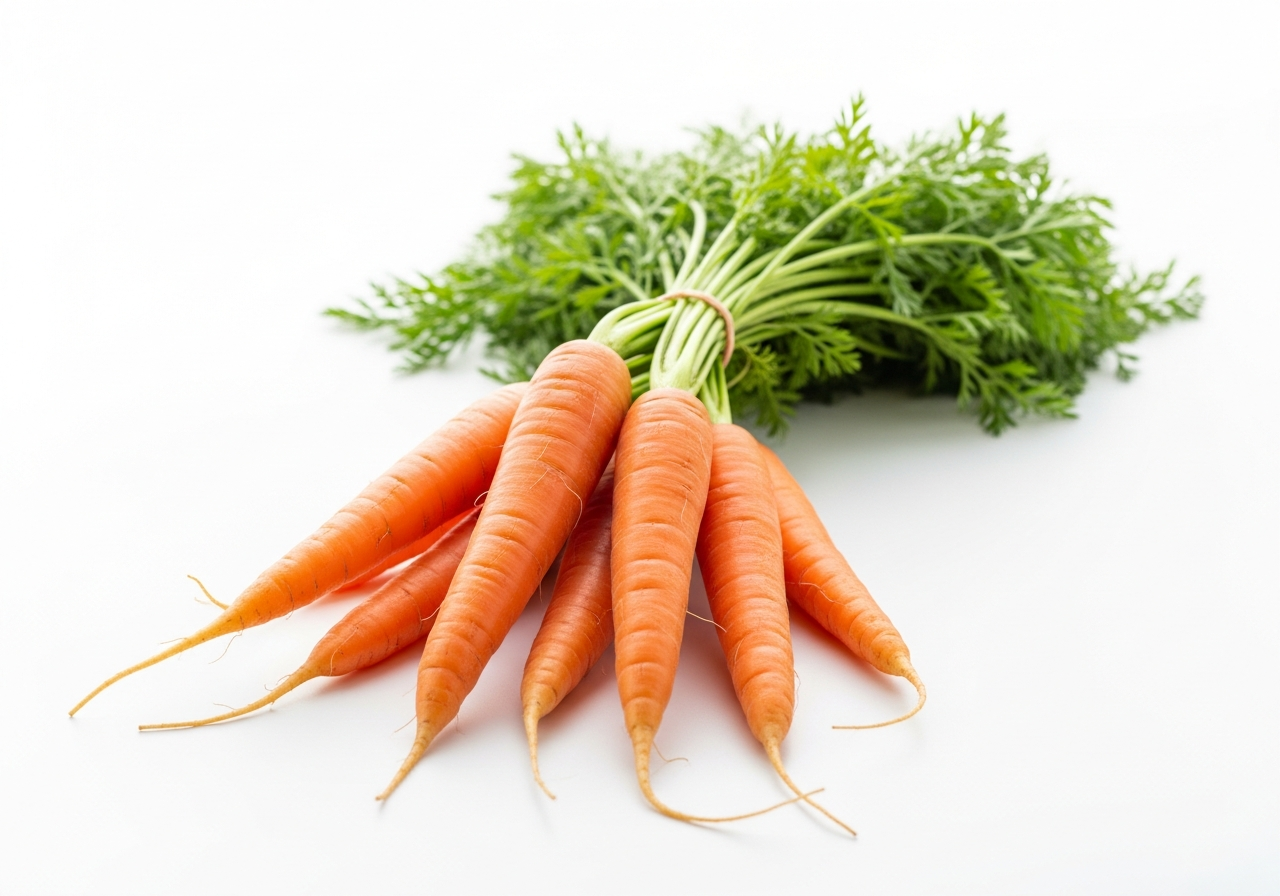
When it comes to powerhouse vegetables that deliver on both nutrition and versatility, carrots consistently earn a top spot in our kitchens and on our plates. Far more than just a crunchy snack, these vibrant root vegetables are a staple for anyone focused on smart macro tracking and a well-rounded diet. From supporting eye health to aiding in weight management, understanding carrots macros and nutrition facts is key to leveraging their full benefits.
Quick Answer
Carrots offer an impressive macro profile per 100g, typically providing around 41 calories, with carbohydrates as their primary macronutrient. They are particularly recognized for their high content of fiber and are virtually fat-free.
Hero Nutrient Highlight: A 100g serving of raw carrots delivers a substantial portion of your daily Vitamin A requirements, mainly in the form of beta-carotene, alongside a good amount of dietary fiber.
Detailed Nutrition Facts
Let us dive deeper into the complete nutritional breakdown of carrots. Whether raw or lightly cooked, carrots remain a highly nutrient-dense food, offering a wealth of vitamins, minerals, and beneficial plant compounds with minimal calories.
A 100-gram serving of raw carrots, a common reference point for macro tracking, typically contains:
- Calories: Approximately 41-45 kcal
- Protein: Around 0.8-1 gram
- Total Carbohydrates: Roughly 9-10.3 grams
- Dietary Fiber: 2.7-3.6 grams, contributing significantly to daily fiber goals.
- Sugars: About 3-6.1 grams, naturally occurring.
- Fats: A negligible amount, typically less than 0.3 grams, making them an excellent choice for low-fat diets.
When cooked, carrots retain much of their nutritional value, with some studies even suggesting that light cooking can enhance the bioavailability of certain carotenoids. For 100g of cooked, boiled, and drained carrots, the macro profile is quite similar: around 35-41.6 calories, 0.8g protein, 8.2g carbohydrates, and 0.2g fat.
Micronutrients
Carrots are a true treasure trove of micronutrients. We highlight a few key players:
- Vitamin A (Beta-carotene): Carrots are famously rich in beta-carotene, which the body converts into Vitamin A. This vitamin is crucial for vision, immune function, and skin health. Just half a cup can provide up to 73% of your daily requirement.
- Vitamin K: Essential for blood clotting and bone health, carrots supply about 9% of your daily Vitamin K needs per half cup.
- Vitamin C: An important antioxidant that supports the immune system and collagen production.
- Potassium: Key for maintaining healthy blood pressure and fluid balance. Carrots offer a moderate amount.
- B Vitamins: Including Folate (B9) and Vitamin B6, which play roles in energy metabolism and brain function.
- Other Minerals: They also contain smaller but significant amounts of calcium, iron, magnesium, and phosphorus, all vital for various bodily functions.
Serving Size Considerations
For practical macro tracking, understanding common serving sizes is beneficial. A medium-sized carrot typically weighs about 61 grams and contains roughly 25 calories, 6g carbohydrates, and 1.5g fiber. A cup of chopped raw carrots (approximately 128g) provides about 52 calories, 12.3g carbs, and 3.6g fiber.
Comparison to Similar Foods
Compared to other root vegetables, carrots are notably lower in calories and carbohydrates. For instance, sweet potatoes, while also nutritious, contain about 86 calories and 20.1g carbohydrates per 100g, compared to carrots' 41 calories and 9.6g carbohydrates. This makes carrots an excellent choice for those mindful of their calorie and carbohydrate intake.
Health Benefits
The rich macro and micronutrient profile of carrots translates into a myriad of impressive health benefits, making them a cornerstone of any health-conscious diet.
Primary Benefits
- Supports Eye Health: Perhaps their most famous benefit, carrots are loaded with beta-carotene, a precursor to Vitamin A. This nutrient is essential for good vision, helping to prevent night blindness and reduce the risk of age-related macular degeneration and cataracts.
- Promotes Heart Health: The antioxidants, potassium, and fiber in carrots work synergistically to support cardiovascular well-being. Potassium helps regulate blood pressure, while fiber assists in lowering "bad" LDL cholesterol levels. Antioxidants like carotenoids and lycopene (found in red carrots) protect against oxidative damage, reducing the risk of heart disease.
- Aids Digestive Health: With their significant fiber content, carrots are excellent for promoting a healthy digestive system. They help prevent constipation by adding bulk to stool and support a thriving gut microbiome by acting as prebiotics, feeding beneficial gut bacteria.
- Assists Weight Management: Carrots are a low-calorie, high-fiber, and high-water-content food. This combination promotes feelings of fullness and satiety, which can help reduce overall calorie intake and curb cravings, making them an ideal food for weight loss.
- Regulates Blood Sugar Levels: Despite their natural sweetness, carrots have a low glycemic index (GI) when raw (around 16-39) and a low glycemic load, meaning they cause a slower and more stable rise in blood sugar compared to high-GI foods. Their fiber content further contributes to blood sugar stability, making them suitable for individuals managing diabetes.
- Boosts Immune System: The Vitamin C and Vitamin A (from beta-carotene) in carrots are potent immune boosters, helping the body produce antibodies and fight off infections.
- May Reduce Cancer Risk: Carrots are rich in antioxidants, including carotenoids and anthocyanins (in purple carrots), which combat harmful free radicals that can damage cells and contribute to cancer development. Studies suggest carrot intake is associated with a lower risk of several cancer types.
- Strengthens Bones: With Vitamin K, calcium, and phosphorus, carrots contribute to strong bones and may help prevent osteoporosis.
Who Should Eat This Food
Carrots are a fantastic addition to almost any diet. We particularly recommend them for:
* Individuals aiming for weight loss or weight management due to their low calorie and high fiber content.
* Anyone looking to boost overall nutrient intake and enhance their intake of vitamins, minerals, and antioxidants.
* Those focusing on heart health, digestive regularity, or blood sugar management.
* Athletes seeking to support muscle recovery with anti-inflammatory antioxidants.
When to Eat It
Carrots are incredibly versatile. Enjoy them:
* As a mid-morning or afternoon snack, raw for a satisfying crunch.
* Before meals to promote fullness and reduce overall calorie intake.
* Integrated into main meals for added nutrients and flavor.
* Post-workout to help replenish glycogen stores and leverage antioxidants for muscle recovery.
How to Track Macros
Accurate macro tracking empowers you to achieve your fitness and health goals. Carrots, while seemingly simple, benefit from mindful portioning.
Portion Measurement Tips
To accurately track carrots macros, we suggest using a food scale for the most precise measurements, especially when preparing recipes. This removes guesswork and ensures you are logging the correct values for calories, carbohydrates, and fiber.
- Whole Carrots: Weigh them directly. A medium carrot is typically around 61g.
- Chopped/Grated: Use measuring cups, but remember that weighing will always be more accurate. A cup of chopped raw carrots is approximately 128g, while grated carrots are about 110g per cup.
Using Macro Tracking Apps
Macro tracking apps like JustMacrosFit make logging your carrot intake straightforward. Most apps have comprehensive databases where you can search for "raw carrots" or "cooked carrots" and select the appropriate serving size (e.g., per 100g, one medium carrot, or by cup).
When adding carrots to a multi-ingredient dish, we recommend inputting all ingredients into your app's recipe builder. This way, the app calculates the macros per serving of your homemade meal, giving you a precise breakdown.
Common Serving Sizes
For quick reference, keep these common serving sizes in mind:
- 1 medium carrot (approx. 61g): ~25 calories, ~6g carbs, ~1.5g fiber, ~0.5g protein.
- 100 grams raw carrots: ~41 calories, ~9.6g carbs, ~2.8g fiber, ~0.9g protein.
- 1 cup chopped raw carrots (approx. 128g): ~52 calories, ~12g carbs, ~3.6g fiber, ~1.2g protein.
Meal Ideas & Preparation
Carrots' mild sweetness and satisfying crunch make them incredibly adaptable to a wide array of dishes, from breakfast to dinner.
Breakfast, Lunch, Dinner Ideas
- Breakfast:
- Shredded carrots can be mixed into oatmeal or yogurt for added fiber and nutrients.
- Add finely grated carrots to pancake or waffle batter for a nutritious boost.
- Blend into smoothies for natural sweetness and thickness.
- Lunch:
- Raw carrot sticks or baby carrots are perfect for dipping in hummus or a healthy yogurt dip.
- Shredded carrots add crunch and color to salads, sandwiches, and wraps.
- Spiralized carrot noodles can form the base of a light, refreshing "pasta" salad.
- Dinner:
- Roasted Carrots: Toss with olive oil, herbs, and a pinch of salt and pepper for a simple, flavorful side dish. Roasting brings out their natural sweetness.
- Soups and Stews: Diced carrots are a classic ingredient, adding body, sweetness, and nutrients. Creamy carrot soups are also a delicious option.
- Stir-fries: Quickly sautéed carrot strips blend well with other vegetables and proteins.
- Carrot Puree: A smooth puree can be incorporated into sauces (like spaghetti sauce) or even mac and cheese to boost vegetable intake.
Meal Prep Tips
Preparing carrots in advance can save significant time during busy weekdays.
- Wash and Peel: Thoroughly wash and peel your carrots (if desired, as the peel contains nutrients and can be eaten after scrubbing, especially for organic carrots).
- Cut for Purpose: Slice into sticks for snacking, dice for soups, shred for salads or baking.
- Store Properly: Place cut carrot sticks upright in a jar filled with cold water, ensuring they are fully submerged, and store in the refrigerator. This keeps them crisp for up to a week. Shredded carrots can be stored in an airtight container for several days.
Cooking Methods That Preserve Nutrients
While carrots are nutritious both raw and cooked, the preparation method can impact nutrient availability.
- Raw: Eating carrots raw ensures maximum retention of heat-sensitive nutrients like Vitamin C.
- Lightly Cooked: For optimal absorption of beta-carotene, light cooking (steaming, roasting, or sautéing) is often recommended. Heating helps break down the cell walls, making carotenoids more accessible to the body.
- Add Healthy Fats: Pairing carrots with a source of healthy fat, such as olive oil in a dressing or while roasting, significantly improves the absorption of fat-soluble vitamins like Vitamin A (from beta-carotene).
- Avoid Overcooking: Excessive boiling can lead to a loss of certain water-soluble vitamins (like Vitamin C and some B vitamins) and some antioxidants.
For Weight Loss
Carrots are undeniably one of our top recommendations for those on a weight loss journey. Their unique nutritional composition aligns perfectly with the principles of effective weight management.
Why It's Good for Weight Loss
- Low in Calories: With only about 41 calories per 100g, carrots allow for generous portion sizes without contributing a significant caloric load to your daily intake. This helps create the necessary calorie deficit for weight loss.
- High in Fiber: The dietary fiber in carrots promotes satiety, helping you feel fuller for longer. This reduces the likelihood of overeating and snacking on less healthy, calorie-dense foods.
- High Water Content: Carrots are about 88-95% water, which further contributes to feelings of fullness. Foods with high water content have a low energy density, meaning you can eat a larger volume for fewer calories, a strategy known as "volume eating" that is highly effective for weight loss.
- Regulates Appetite and Blood Sugar: The fiber helps slow digestion and the release of sugar into the bloodstream, preventing sharp blood sugar spikes and subsequent crashes that can trigger cravings.
Portion Recommendations
To harness carrots for weight loss, we suggest:
- Incorporating a serving of raw carrots (one medium carrot or a handful of baby carrots) once or twice a day.
- Eating a portion of carrots before a meal to create a sense of fullness and potentially reduce overall intake during the main course.
Pairing Suggestions
Maximize the weight loss benefits of carrots by pairing them strategically:
- With Protein: Combine raw carrot sticks with a lean protein source like Greek yogurt, cottage cheese, or a hard-boiled egg for a satiating snack. This enhances fullness and provides essential amino acids.
- With Healthy Fats: As mentioned, pairing carrots with a small amount of healthy fat (e.g., a few nuts, a slice of avocado, or an olive oil-based dressing) optimizes the absorption of fat-soluble Vitamin A.
For Muscle Gain
While carrots are not a primary source of protein for muscle building, they play a crucial supporting role in a muscle gain diet by providing essential nutrients that aid overall health, energy, and recovery.
Protein Content Benefits
Carrots contain a modest amount of protein (around 0.8-1g per 100g). While not enough to be a standalone protein source, this small contribution, especially when consumed in larger quantities as part of a balanced diet, adds to your daily protein goals. More importantly, the vitamins and antioxidants in carrots create an optimal environment for muscle repair and growth.
Pre/Post Workout Timing
- Pre-workout: Carrots are generally not ideal as a sole pre-workout fuel due to their relatively lower carbohydrate density compared to other options like bananas or oats. While they offer some carbs for energy (mainly sugars), they may not provide enough readily available fuel for intense training sessions.
- Post-workout: This is where carrots truly shine for muscle gain. Their rich antioxidant content, particularly carotenoids, can help combat exercise-induced inflammation and oxidative stress, promoting faster muscle recovery. The carbohydrates present can also aid in replenishing muscle glycogen stores after a workout.
Bulking Meal Ideas
When aiming for muscle gain, increasing caloric intake is essential. Carrots can be integrated into bulking meals to add nutrients without excessive bulk.
- Roasted with Healthy Fats: Roast carrots with olive oil, coconut oil, or butter to significantly boost their caloric density while retaining their nutritional value.
- Added to Hearty Dishes: Incorporate diced or shredded carrots into stews, chilis, casseroles, or meat sauces. They add flavor, texture, and vitamins to calorie-dense meals.
- Blended into Smoothies: For a calorie-rich shake, blend cooked carrots with protein powder, milk/plant-based milk, nut butter, and other fruits.
Comparisons
Understanding how carrots stack up against other common vegetables can help us make informed dietary choices for specific health goals.
vs. Similar Foods
Let us compare carrots to a frequently encountered root vegetable, the sweet potato:
- Carrots (per 100g raw):
- Calories: ~41 kcal
- Carbohydrates: ~9.6g
- Protein: ~0.9g
- Fat: ~0.2g
- Key Nutrients: Exceptionally high in Vitamin A (beta-carotene), good source of Vitamin K, Vitamin C, Potassium.
- Sweet Potatoes (per 100g cooked, baked):
- Calories: ~90 kcal
- Carbohydrates: ~20.7g
- Protein: ~2.0g
- Fat: ~0.2g
- Key Nutrients: Also high in Vitamin A, good source of Vitamin C, Potassium, Manganese, Vitamin B6, and some more protein and complex carbohydrates than carrots.
From this comparison, we see:
- Calories and Carbs: Carrots are significantly lower in calories and carbohydrates than sweet potatoes.
- Protein: Sweet potatoes offer slightly more protein per 100g.
- Fiber: Both are good sources of fiber, with comparable amounts.
- Micronutrients: Both are Vitamin A powerhouses. Sweet potatoes tend to have a broader range of some other micronutrients, including more Vitamin C, manganese, and certain B vitamins, while carrots can be richer in alpha-carotene.
Best Alternatives
If you are looking for alternatives with a similar nutritional profile or benefits, consider other non-starchy root vegetables or leafy greens:
- Bell Peppers: High in Vitamin C and various antioxidants, with low calories.
- Broccoli: Excellent source of Vitamin C, Vitamin K, and fiber, with potential anti-cancer properties.
- Spinach/Kale: Rich in Vitamin A, Vitamin K, Vitamin C, and iron, with minimal calories.
- Cucumbers: Extremely low in calories and very hydrating, great for volume eating.
When to Choose Each
- Choose Carrots when: Your primary goal is to minimize calorie and carbohydrate intake, you are focusing on weight loss, or you want a low-GI snack that supports stable blood sugar. They are excellent for adding bulk and nutrients without a heavy calorie cost.
- Choose Sweet Potatoes when: You need a more significant source of complex carbohydrates for sustained energy (e.g., for athletes), you are aiming for muscle gain and need more calories, or you want a broader spectrum of certain vitamins and minerals, along with a slightly higher protein count from a vegetable.
FAQs
We address some common questions about carrots macros and nutrition to provide clear, actionable insights.
Are raw carrots better than cooked?
Both raw and lightly cooked carrots offer distinct benefits. Raw carrots retain maximum levels of heat-sensitive nutrients like Vitamin C. However, light cooking, particularly with a small amount of fat, significantly increases the bioavailability and absorption of beta-carotene, making the Vitamin A more accessible to your body. We recommend enjoying both raw and cooked carrots for a full spectrum of benefits.
How many carrots can I eat daily?
Carrots can be consumed daily as part of a healthy, balanced diet. For most individuals, enjoying 1-2 medium carrots or a cup of chopped carrots per day is perfectly healthy and beneficial. While overconsumption of beta-carotene can harmlessly turn your skin an orange-yellow color (carotenemia), it is not typically dangerous and resolves when intake is reduced.
Do carrots spike blood sugar?
No, carrots generally do not spike blood sugar levels. Raw carrots have a low glycemic index (GI), typically ranging from 16 to 39, and a low glycemic load. The fiber in carrots helps slow down glucose absorption, leading to a more gradual and stable rise in blood sugar, making them a suitable choice for individuals managing diabetes.
Do I need to peel carrots?
Peeling carrots is a matter of preference. The skin contains a good concentration of antioxidants and some nutrients. If you choose not to peel, ensure thorough washing and scrubbing, especially for conventional carrots, to remove dirt and potential pesticide residues. For organic carrots, a good scrub is often sufficient. Some individuals prefer peeling to remove a slightly bitter taste found in the skin.
What are the different colors of carrots and their benefits?
While orange carrots are most common, heirloom varieties come in a rainbow of colors, each offering unique benefits:
* Orange: High in beta-carotene.
* Yellow: Contain beta-carotene and lutein, beneficial for eye health.
* Red: Rich in lycopene (also found in tomatoes), an antioxidant linked to heart health and reduced cancer risk, as well as beta-carotene.
* Purple: Contain anthocyanins, powerful antioxidants that give them their vibrant hue, promoting muscle recovery and preventing blood clots.
* White: Though lacking color pigments, they still provide fiber and other essential nutrients.
How to store carrots?
To keep carrots fresh, remove their green tops before storing, as the greens can draw moisture from the roots. Store carrots in the crisper drawer of your refrigerator, ideally in a perforated plastic bag or a container with some ventilation. They can last for several weeks this way. Whole, unpeeled carrots generally last longer than peeled or cut carrots.
Track Carrots easily with JustMacrosFit - your free macro tracking app.