Salmon Bowls: Complete Macros & Nutrition Guide
Complete macro and nutrition guide for Salmon Bowls. Learn calories, protein, carbs, fat per serving plus meal ideas and tracking tips.
Table of Contents
- Quick Answer
- Detailed Nutrition Facts
- Health Benefits
- How to Track Macros
- Meal Ideas & Preparation
- For Weight Loss
- For Muscle Gain
- Comparisons
- FAQs
- Q1: Are Salmon Bowls good for you every day?
- Q2: What are the best ingredients to put in a Salmon Bowl for macros?
- Q3: How many calories are in a typical Salmon Bowl?
- Q4: Can I eat Salmon Bowls for breakfast?
- Q5: How should I store leftover Salmon Bowls?
- Q6: Does the type of salmon affect its macros?
- Q7: Is a Salmon Bowl good for a pre or post-workout meal?
Salmon Bowls Macros: Complete Nutrition Guide
Quick Answer
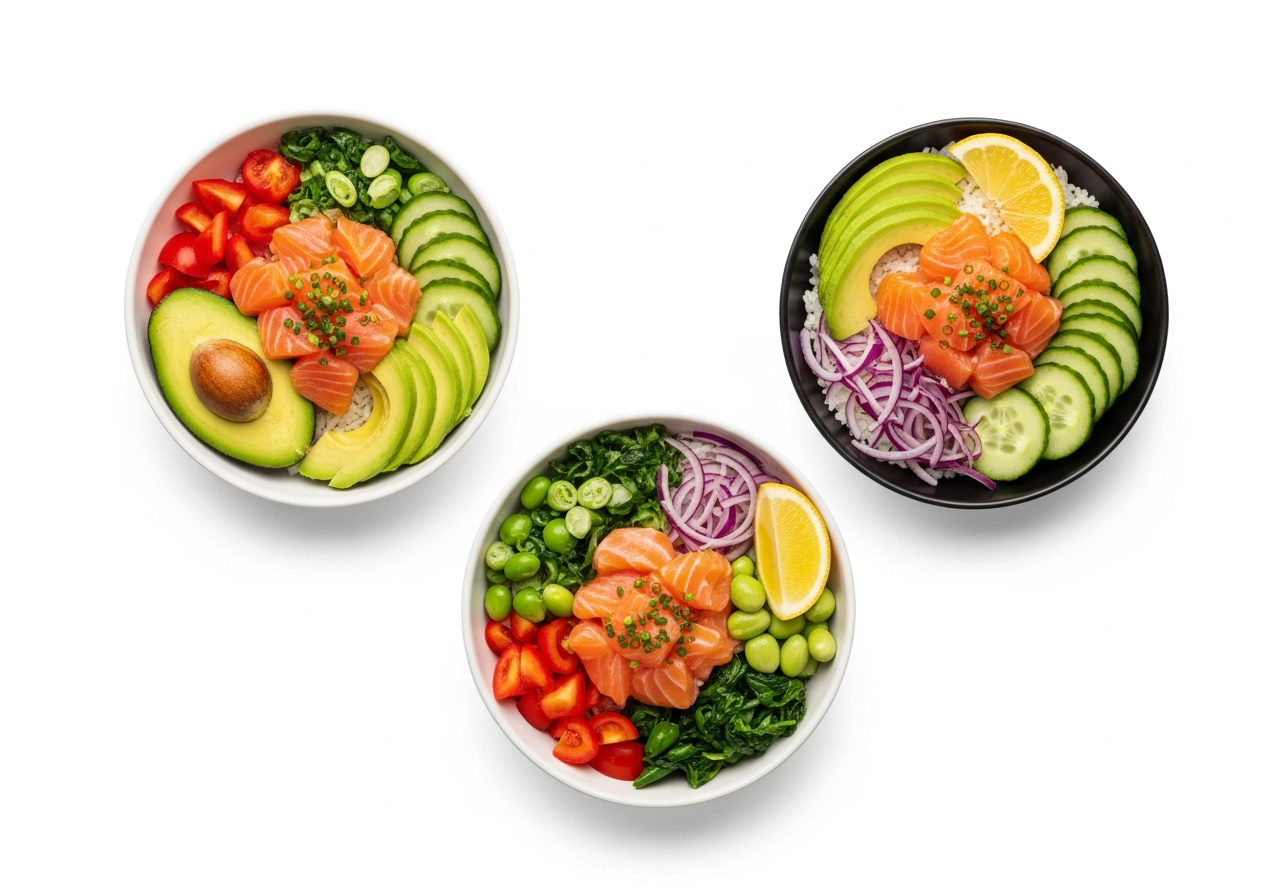
A typical 100g serving of cooked salmon, the star of any Salmon Bowl, delivers approximately 20-25g of protein, 10-15g of healthy fats, and negligible carbohydrates. This makes salmon an excellent protein-rich foundation, brimming with beneficial omega-3 fatty acids, which are crucial for overall health.
Detailed Nutrition Facts
Salmon Bowls, when constructed thoughtfully, offer a powerhouse of macronutrients and micronutrients that can support a wide array of health and fitness goals. While the exact nutrition facts will vary based on the specific ingredients chosen for your bowl, the core component, salmon, provides a consistent and impressive profile.
For 100g of wild-caught Atlantic salmon, we're looking at roughly 208 calories, 20.4g protein, 13.4g fat (with beneficial omega-3s), and 0g carbohydrates.
Beyond the macros, salmon is a rich source of essential micronutrients. It's particularly lauded for its high content of omega-3 fatty acids, specifically EPA and DHA, which are well-documented for their anti-inflammatory properties and support for heart and brain health. We also find an abundance of B vitamins in salmon, including B12, B6, niacin, and thiamine, which are vital for energy metabolism and nervous system function. Furthermore, salmon provides significant amounts of selenium, a powerful antioxidant, and potassium, important for blood pressure regulation. Vitamin D, often lacking in many diets, is also present in substantial amounts in salmon, supporting bone health and immune function.
When we consider a complete Salmon Bowl, the serving size and additional ingredients significantly impact the overall nutrition. A standard serving of salmon for a main meal is typically 120-150g (4-5 ounces). Adding components like brown rice, quinoa, or sweet potato will introduce complex carbohydrates, fiber, and additional minerals. Leafy greens and other vegetables contribute vitamins, minerals, and dietary fiber without significantly increasing calories. Healthy fats from avocado or a light dressing further enhance the nutritional profile, providing monounsaturated fats. Compared to other lean protein sources like chicken breast, salmon offers a unique advantage with its robust omega-3 content, making it a superior choice for comprehensive nutritional support.
Health Benefits
The health benefits of incorporating Salmon Bowls into your diet are extensive and well-supported by scientific research. As nutrition coaches and chefs, we advocate for salmon not just for its macro profile, but for its profound impact on overall well-being.
The superstar of salmon's nutritional lineup is undeniably its high concentration of omega-3 fatty acids. These essential fats are critical for reducing inflammation, supporting cardiovascular health by lowering blood pressure and triglycerides, and enhancing brain function and cognitive health.
The lean protein content in salmon is fundamental for muscle building and repair, making it an excellent food for athletes, active individuals, and anyone looking to maintain muscle mass as they age. This high protein content also contributes to satiety, helping us feel fuller for longer, which can be a significant advantage for weight management. The combination of protein and healthy fats helps stabilize blood sugar levels, preventing energy crashes and supporting sustained energy throughout the day.
Salmon Bowls are beneficial for a wide range of individuals. Those focused on heart health, brain function, and reducing systemic inflammation will find it an invaluable dietary staple. Athletes and individuals pursuing muscle gain or maintenance will appreciate its high-quality protein. We also recommend salmon for those managing weight, as its satiating properties and nutrient density make it a smart choice. Due to its anti-inflammatory properties, it can be particularly helpful for individuals dealing with inflammatory conditions.
As for when to eat it, Salmon Bowls are incredibly versatile. They can serve as a robust lunch, a satisfying dinner, or even a protein-packed post-workout meal to aid in recovery. The balance of macros, especially when paired with complex carbohydrates and vibrant vegetables, ensures sustained energy and optimal nutrient delivery at any time of day.
How to Track Macros
Accurately tracking the macros in your Salmon Bowl is key to achieving your fitness and health goals. As experts in macro tracking, we know precision matters, but it doesn't have to be complicated.
The most effective way to measure your portions is by using a kitchen scale. For salmon, weigh your fillet after it's cooked, as raw weight can differ significantly from cooked weight due to moisture loss. Aim for a 120-150g (4-5 ounce) portion of cooked salmon for a typical meal, which provides approximately 25-30g of protein and 12-16g of fat, depending on the variety and cooking method.
For other bowl components, measure your cooked grains like rice or quinoa using measuring cups, or ideally, weigh them. For instance, a half-cup of cooked brown rice is roughly 25g of carbohydrates. Vegetables can be measured by volume, with non-starchy options generally having lower carbohydrate and calorie counts. Healthy fats like avocado can be measured by weight or by using common serving sizes, such as a quarter or half of a medium avocado.
Utilizing a macro tracking app, like JustMacrosFit, simplifies this process immensely. You can log each ingredient of your Salmon Bowl separately. Search for "cooked salmon," "brown rice, cooked," "avocado," and your chosen vegetables. Our app's extensive database allows for accurate logging, and you can even save custom meals for quick tracking of your favorite Salmon Bowl combinations. Consistency in measurement is the foundation of effective macro tracking, ensuring you're hitting your targets precisely.
Meal Ideas & Preparation
The beauty of Salmon Bowls lies in their endless versatility, making them perfect for breakfast, lunch, or dinner, and ideal for meal prepping. As chefs and nutrition coaches, we love creating delicious, macro-friendly bowls.
For Breakfast, consider a "Smoked Salmon & Scramble Bowl." Flaked hot-smoked salmon paired with scrambled eggs, wilted spinach, and a few slices of avocado offers a savory, protein-rich start to your day.
Lunch can be a "Mediterranean Salmon Bowl" with baked salmon, quinoa, cucumber, cherry tomatoes, olives, and a light lemon-herb dressing. This is refreshing, light, yet satisfying.
For Dinner, a "Teriyaki Salmon Power Bowl" hits the spot. Pan-seared salmon glazed with a sugar-free teriyaki sauce, served over brown rice with steamed broccoli and sautéed bell peppers, provides a balanced and flavorful meal.
Meal prep tips are crucial for maintaining consistency. We often recommend batch cooking salmon fillets at the beginning of the week. Bake or grill several portions, allow them to cool, and store them in airtight containers. Cook a larger batch of your chosen grain, like quinoa or farro, and chop all your vegetables in advance. Keep dressings separate to prevent sogginess. This way, assembling your Salmon Bowl takes mere minutes each day.
When it comes to cooking methods that preserve nutrients, we prefer baking, grilling, steaming, or pan-searing with minimal healthy fats. High-heat methods like deep-frying can degrade sensitive nutrients like omega-3s and B vitamins. Baking at a moderate temperature (around 375°F/190°C) until just cooked through (internal temperature of 145°F/63°C) ensures the salmon remains moist and flavorful while retaining its nutritional integrity. Steaming is another excellent option for preserving delicate nutrients and moisture.
For Weight Loss
Salmon Bowls are an exceptional choice for those aiming for weight loss, and here at JustMacrosFit, we regularly recommend them. Their effectiveness stems from a powerful combination of macronutrients that promote satiety and support a healthy metabolism.
The high protein content in salmon is a key player in weight loss. Protein is the most satiating macronutrient, meaning it helps you feel fuller for longer, reducing the likelihood of overeating and snacking between meals. This effect, combined with its high thermic effect, where your body expends more energy to digest protein than carbs or fats, makes it a valuable ally in creating a calorie deficit.
Furthermore, the healthy fats, particularly omega-3s, contribute to satiety and overall metabolic health. While fats are calorie-dense, incorporating healthy fats in moderation helps regulate appetite hormones and prevents cravings for unhealthy options.
For weight loss, we recommend focusing on appropriate portion sizes. A 120-150g (4-5 ounce) portion of cooked salmon provides ample protein without excessive calories. Pair your salmon with a generous amount of non-starchy vegetables like leafy greens, broccoli, cauliflower, or asparagus, which add fiber, vitamins, and minerals with minimal calories. Limit high-calorie additions like heavy dressings, excessive avocado, or large portions of grains. Opt for a smaller serving of complex carbohydrates like quinoa or brown rice, or skip them entirely in favor of more vegetables, depending on your individual carbohydrate targets.
Pairing suggestions include a base of mixed greens or riced cauliflower, topped with baked salmon, a medley of colorful bell peppers, cherry tomatoes, and a light vinaigrette. This keeps your Salmon Bowl nutrient-dense and satisfying while maintaining a controlled calorie count.
For Muscle Gain
For individuals focused on muscle gain, Salmon Bowls are a nutritional powerhouse. The macro profile of salmon, particularly its high-quality protein and beneficial fats, makes it an ideal food to support muscle growth and recovery.
Each 100g serving of cooked salmon provides around 20-25g of complete protein, containing all nine essential amino acids. These amino acids are the fundamental building blocks your body needs to repair muscle tissue damaged during exercise and synthesize new muscle protein, leading to hypertrophy.
The omega-3 fatty acids in salmon also play a crucial role beyond general health. They have been shown to reduce exercise-induced muscle damage and inflammation, potentially accelerating recovery and allowing for more consistent training. This means you can get back to the gym feeling stronger and ready to build more muscle.
Pre/post workout timing for a Salmon Bowl can be highly effective. A lighter Salmon Bowl with a moderate portion of complex carbohydrates consumed 2-3 hours pre-workout can provide sustained energy. Post-workout, a Salmon Bowl featuring a larger portion of salmon (150-200g or 5-7 ounces) combined with ample complex carbohydrates (like sweet potato or brown rice) and healthy fats will replenish glycogen stores, provide amino acids for muscle repair, and deliver essential fatty acids for recovery.
For bulking meal ideas, don't shy away from increasing the overall calorie density of your Salmon Bowl. Double your salmon portion, add a generous serving of complex carbohydrates such as a whole sweet potato or a cup of cooked quinoa, and incorporate healthy fats like a whole avocado or a drizzle of olive oil. Nuts and seeds can also be added for extra calories and micronutrients. These additions will ensure you're in a caloric surplus, essential for muscle gain, while still providing nutrient-dense fuel.
Comparisons
When we look at building a balanced, macro-friendly meal, Salmon Bowls often emerge as a top contender, but it's helpful to understand how they stack up against similar foods and when to choose each.
Compared to other common protein sources, salmon offers unique advantages. While chicken breast bowls are lean and high in protein, they typically lack the significant omega-3 content found in salmon. Tuna bowls, while also providing omega-3s, often rely on canned tuna, which can sometimes be higher in sodium and may not offer the same fresh flavor and texture as a salmon fillet. Other fish like cod or tilapia are excellent lean protein sources but contain lower levels of omega-3s compared to salmon.
Best alternatives to salmon bowls, especially if you're looking to vary your protein sources or adhere to different dietary preferences, include:
* Chicken or Turkey Bowls: Great for lean protein, lower in fat, and highly versatile. Good for those focused strictly on protein intake and minimal fat.
* Tempeh or Tofu Bowls: Excellent plant-based alternatives providing complete protein, fiber, and often fortified with vitamins and minerals. Ideal for vegetarians, vegans, or those seeking more plant-based meals.
* Shrimp or Cod Bowls: Offer lean protein with a different flavor profile. Good for those who prefer milder fish or are looking for lower-fat protein options.
When to choose each:
* Salmon Bowls: Choose these when you prioritize heart health, brain function, anti-inflammatory benefits, and a robust intake of omega-3 fatty acids, alongside high-quality protein. They are fantastic for overall well-being and offer a satisfying flavor.
* Chicken/Turkey Bowls: Opt for these when your primary goal is lean protein intake with lower fat, perhaps for a very strict calorie deficit, or when you simply prefer poultry.
* Plant-Based Bowls (Tempeh/Tofu): Select these for dietary variety, to incorporate more plant-based protein, or if following a vegetarian or vegan lifestyle.
* Other Fish Bowls (Shrimp/Cod): These are great for adding variety to your seafood intake or when looking for a very lean protein with a mild flavor.
Each option has its place, and a well-rounded diet often includes a rotation of these healthy choices.
FAQs
Q1: Are Salmon Bowls good for you every day?
A1: Yes, a well-balanced Salmon Bowl can be a highly nutritious meal every day, especially if you vary the other components like vegetables and grains to ensure a broad spectrum of nutrients. Just ensure your total mercury intake from all sources remains within recommended limits, though salmon is generally low in mercury.
Q2: What are the best ingredients to put in a Salmon Bowl for macros?
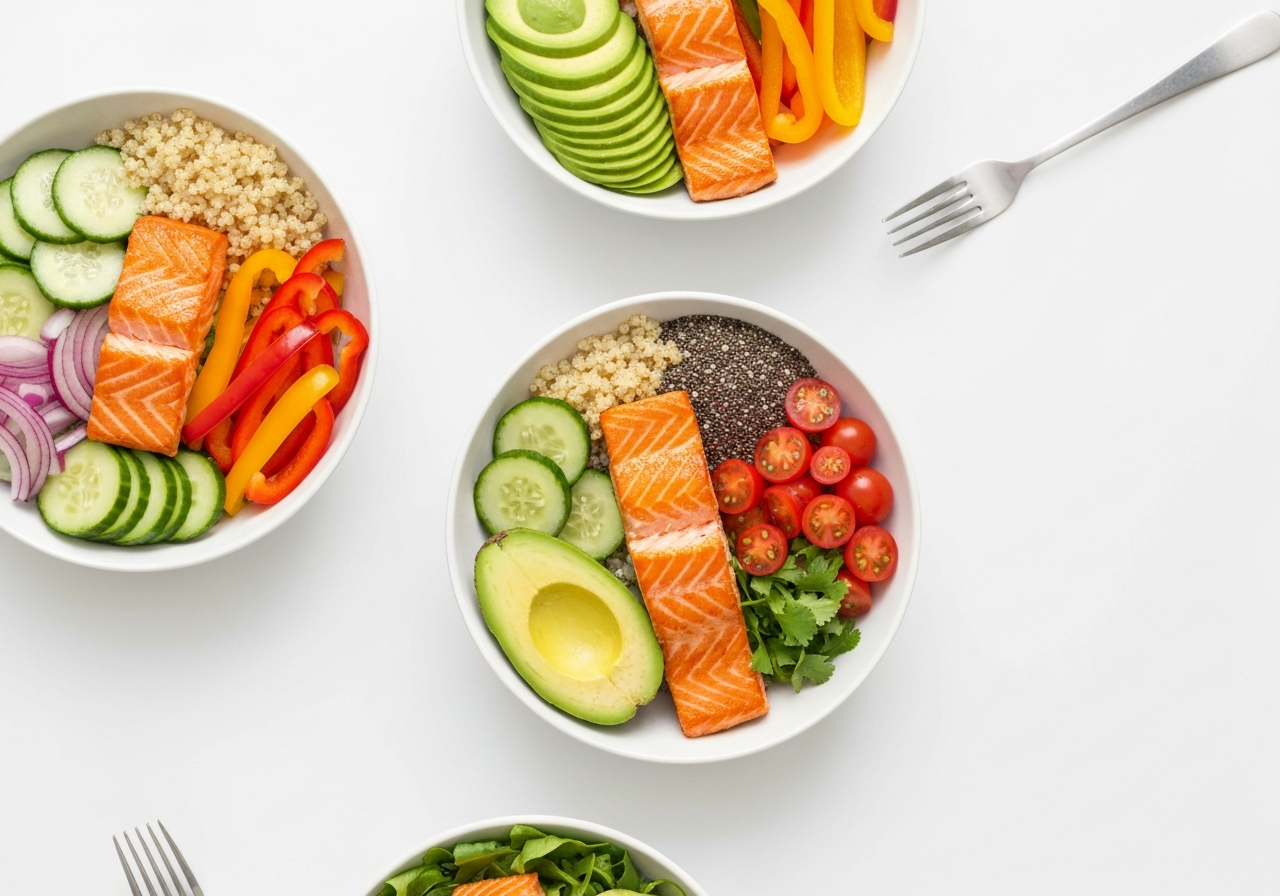
A2: For optimal macros, pair baked or grilled salmon with complex carbohydrates like quinoa or brown rice, plenty of non-starchy vegetables (broccoli, spinach, bell peppers), and healthy fats from avocado or a light olive oil dressing. This provides a balance of protein, complex carbs, and beneficial fats.
Q3: How many calories are in a typical Salmon Bowl?
A3: A typical Salmon Bowl can range from 400-700 calories, depending heavily on portion sizes and ingredients. A 120g salmon fillet, a half-cup of cooked quinoa, and a cup of mixed vegetables with a light dressing might be around 450-550 calories. Heavier sauces, more avocado, or larger grain portions will increase this.
Q4: Can I eat Salmon Bowls for breakfast?
A4: Absolutely! A savory Salmon Bowl can be a fantastic, protein-rich breakfast option. Consider flaked smoked salmon with scrambled eggs, spinach, and a few slices of avocado for a complete and energizing morning meal.
Q5: How should I store leftover Salmon Bowls?
A5: Store leftover Salmon Bowls in an airtight container in the refrigerator for up to 2-3 days. Keep dressings separate until serving to prevent the bowl from becoming soggy. Reheat gently to maintain salmon's texture and moisture.
Q6: Does the type of salmon affect its macros?
A6: Yes, wild-caught salmon generally has slightly fewer calories and less total fat, but higher concentrations of certain minerals, compared to farmed salmon. Farmed salmon can have higher omega-3s, but also higher total fat content and sometimes different fatty acid profiles depending on their feed. Both are excellent nutritional choices.
Q7: Is a Salmon Bowl good for a pre or post-workout meal?
A7: Yes, a Salmon Bowl can be excellent for both. Pre-workout (2-3 hours prior), focus on moderate portions with complex carbs for sustained energy. Post-workout, emphasize larger portions of salmon for protein and ample complex carbs for glycogen replenishment and muscle recovery.
Track Salmon Bowls easily with JustMacrosFit, your free macro tracking app.