Rice Krispie Treats: Complete Macros & Nutrition Guide
Complete macro and nutrition guide for Rice Krispie Treats. Learn calories, protein, carbs, fat per serving plus meal ideas and tracking tips.
Table of Contents
- Quick Answer
- Detailed Nutrition Facts
- Health Benefits
- How to Track Macros
- Meal Ideas & Preparation
- For Weight Loss
- For Muscle Gain
- Comparisons
- vs. Similar Foods
- Best Alternatives
- When to Choose Each
- FAQs
- Q1: Are Rice Krispie Treats good for you?
- Q2: Can I eat Rice Krispie Treats for weight loss?
- Q3: Are Rice Krispie Treats good for muscle gain?
- Q4: When is the best time to eat Rice Krispie Treats?
- Q5: How can I make Rice Krispie Treats healthier?
- Q6: What are the main macros in Rice Krispie Treats?
- Q7: How should I store homemade Rice Krispie Treats?
Rice Krispie Treats Macros: Complete Nutrition Guide
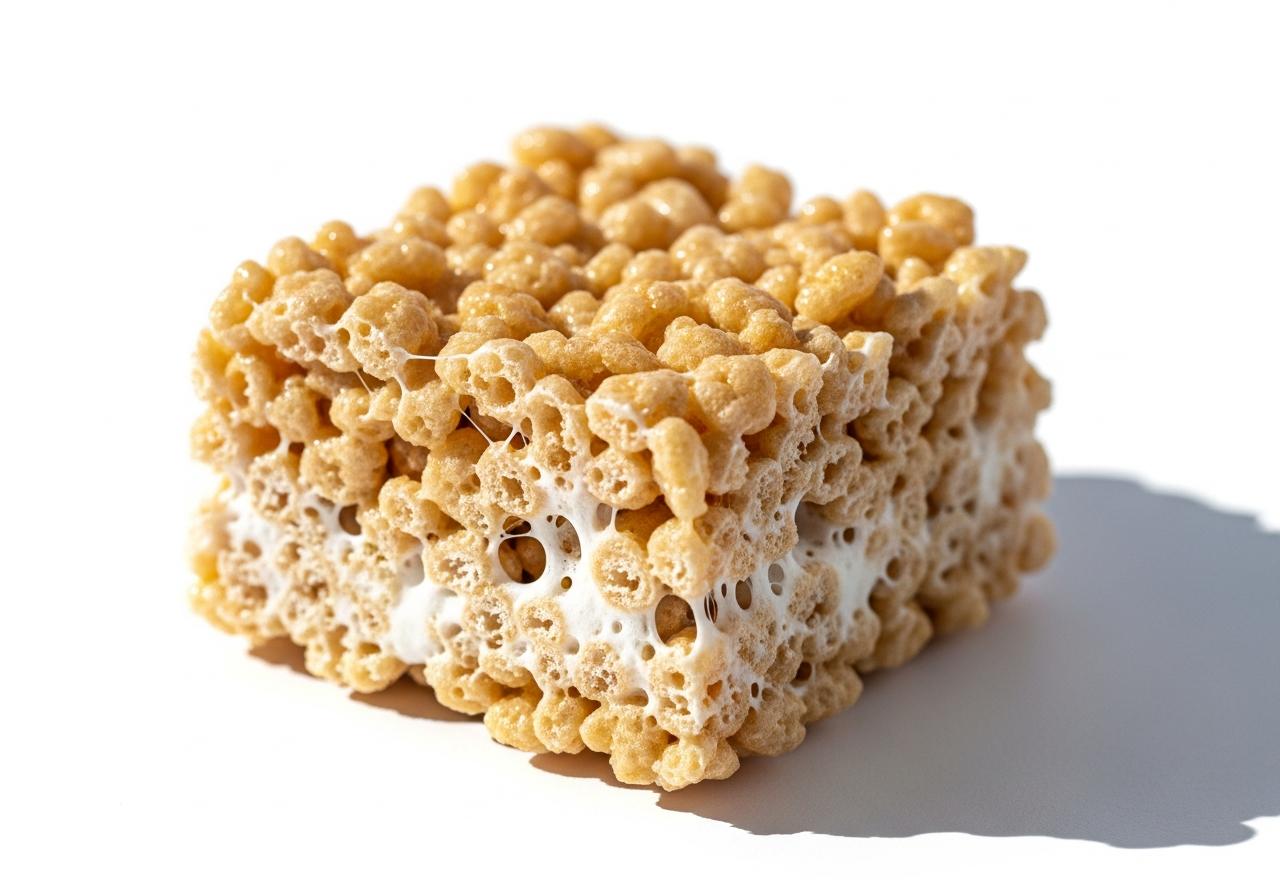
As nutrition experts and seasoned chefs at JustMacrosFit, we understand that every food, even a classic treat like Rice Krispie Treats, plays a role in a balanced diet. Whether you are tracking macros for weight loss, muscle gain, or general health, understanding the nutritional profile of your favorite foods is paramount. Let's dive into the world of Rice Krispie Treats and uncover their complete macro and micronutrient breakdown.
Quick Answer
A standard 100g serving of Kellogg's Rice Krispies Treats Squares typically contains approximately 414 calories, with a macronutrient breakdown of about 77% carbohydrates, 19% fat, and 3% protein. While primarily a source of quick-digesting carbohydrates and sugars, they can offer significant amounts of certain B vitamins and iron due to cereal fortification.
Hero Nutrients per 100g (Kellogg's Rice Krispies Treats Squares):
* Calories: 414
* Carbohydrates: 81g (77%)
* Fat: 9g (19%)
* Protein: 3g (3%)
Detailed Nutrition Facts
When we delve into the full nutritional landscape of Rice Krispie Treats, we find a food primarily composed of simple carbohydrates. Understanding these details is crucial for accurate macro tracking and informed dietary choices.
A single bar of Kellogg's Rice Krispies Treats (approximately 37-40g) typically provides around 153-160 calories. The macronutrient distribution is consistently high in carbohydrates, low in protein, and moderate in fat. For a 40g bar, you can expect:
- Calories: 160 calories
- Total Fat: 4g (5% Daily Value)
- Saturated Fat: 1g (5% Daily Value)
- Trans Fat: 0g
- Cholesterol: 0mg (0% Daily Value)
- Sodium: 150mg (7% Daily Value)
- Total Carbohydrates: 31g (11% Daily Value)
- Dietary Fiber: 0.5g (2% Daily Value)
- Total Sugars: 11g (including 11g Added Sugars)
- Protein: 2g
From a micronutrient perspective, the enriched rice cereal base contributes to some notable vitamin and mineral content. A 100g serving, for instance, can be a good source of:
- Vitamin B6: 1mg (69% Daily Value)
- Folate (B9): 241µg (60% Daily Value)
- Niacin (B3): 9mg (57% Daily Value)
- Thiamine (B1): 1mg (58% Daily Value)
- Riboflavin (B2): 1mg (62% Daily Value)
- Iron: 2mg (28% Daily Value)
- Manganese: 2mg (70% Daily Value)
However, they are typically low in Vitamin D, Calcium, Vitamin C, and Vitamin A. It is important to remember that these micronutrient values largely stem from the fortification of the rice cereal itself, rather than the marshmallow and butter components.
When comparing them to similar snack foods, traditional Rice Krispie Treats offer a rapid source of energy due to their high simple carbohydrate content and minimal fiber and protein. For instance, a plain granola bar might offer more fiber or a slightly more balanced macro profile depending on its ingredients, while a piece of fruit would provide more micronutrients and natural sugars.
Health Benefits
While not a nutrient-dense superfood, Rice Krispie Treats offer specific health benefits primarily centered around their easily digestible carbohydrate content.
The primary benefit of Rice Krispie Treats lies in their capacity to provide quick energy. Their simple carbohydrate structure, largely from rice cereal and marshmallows (sugar), means they are rapidly broken down and absorbed into the bloodstream. This makes them an efficient source of glucose, the body's preferred fuel.
Key Benefit: Fast-digesting carbohydrates for rapid energy.
Who Should Eat This Food?
- Athletes and individuals engaged in high-intensity exercise: Rice Krispie Treats are particularly popular among bodybuilders and endurance athletes as a pre-workout or intra-workout snack. The quick influx of carbohydrates helps to top off glycogen stores in muscles, improving performance and delaying fatigue without causing gastrointestinal distress.
- Individuals needing a quick energy boost: When you need a rapid source of energy without significant fiber, fat, or protein to slow digestion, these treats can be effective.
- Those in a bulking phase: For individuals aiming to gain muscle mass, adding easily consumable, calorie-dense snacks like Rice Krispie Treats can help meet increased caloric needs.
When to Eat It:
- Pre-workout (30-60 minutes before): Their low fat and protein content ensures fast digestion, providing readily available energy for moderate to high-intensity training. This can enhance workout performance and muscle pumps.
- Intra-workout (during prolonged exercise): For extended endurance activities, a small portion can help maintain blood glucose levels and prevent bonking.
- Post-workout: Consuming simple carbs after a workout helps accelerate glycogen resynthesis, replenishing muscle energy stores and promoting muscle repair and growth.
- As an occasional treat: For most individuals, enjoying Rice Krispie Treats in moderation as a dessert or occasional snack is perfectly fine within the context of an overall balanced diet.
How to Track Macros
Accurate macro tracking empowers you to manage your dietary intake effectively. When it comes to Rice Krispie Treats, precise measurement is key due to their relatively high calorie density and carbohydrate content.
Portion Measurement Tips:
- Read the Label: Always start by checking the nutrition label on packaged Rice Krispie Treats. This will provide the most accurate serving size in grams and the corresponding macro breakdown.
- Use a Food Scale: For the most precise macro tracking, we recommend using a digital food scale. Weigh your portion in grams. For example, a single Kellogg's Rice Krispies Treat bar is typically around 22g to 40g. This removes any guesswork associated with "one bar" as sizes can vary.
- Standardized Servings: If you're making homemade treats, cut them into consistent sizes and weigh one piece to establish a reliable serving. This allows for consistent macro tracking across the batch.
- Consider Homemade Ingredients: For homemade versions, track each ingredient (rice cereal, marshmallows, butter, any additions) separately before combining to get the most accurate total macros for the entire batch, then divide by the number of servings you cut.
Using Macro Tracking Apps:
Macro tracking apps, like JustMacrosFit, make logging your food intake straightforward.
- Search Function: Most apps have a vast database. Simply search for "Rice Krispie Treats" (specifying brand if applicable, e.g., "Kellogg's Rice Krispies Treats") to find pre-logged entries.
- Adjust Serving Size: Once you find an entry, adjust the serving size to match what you consumed, either by the number of bars or by the weight in grams if you used a food scale.
- Custom Food Entry: If you make homemade treats or a modified recipe, you can create a custom food entry in your app. Input the ingredients and their quantities, and the app will calculate the macros per serving for you. This is especially useful for healthy variations.
Common Serving Sizes:
- One standard bar (Kellogg's): Typically 22g to 40g, providing 90-160 calories.
- 100 grams: Offers a consistent benchmark, usually around 400-414 calories.
By diligently measuring and logging, you ensure that your Rice Krispie Treats consumption aligns with your overall macro and calorie goals.
Meal Ideas & Preparation
While traditionally a simple snack, Rice Krispie Treats can be incorporated into various eating patterns, and there are many ways to prepare them, including healthier, macro-conscious versions.
For traditional Rice Krispie Treats, the preparation is minimal and doesn't involve cooking methods that would typically preserve or degrade nutrients, as the main components (cereal, marshmallows, butter) are already processed.
Traditional Preparation:
The classic recipe involves melting butter and marshmallows together, then mixing in crispy rice cereal. This simple no-bake method means the nutritional profile largely depends on the ingredients used.
Macro-Friendly and Nutrient-Boosting Modifications:
To enhance the nutritional value or adjust macros, we often recommend making homemade versions with mindful ingredient swaps:
- Use Brown Rice Cereal: Swapping traditional rice cereal for a brown rice version can increase whole grain content and add a small amount of fiber and protein.
- Reduce Sugar/Swap Sweeteners: Consider reducing the amount of marshmallows or using alternative sweeteners like honey or brown rice syrup (though these still contribute sugar). Some recipes even use low-carb, zero-sugar marshmallows.
- Add Protein: Incorporating protein powder (casein or brown rice protein) directly into the mixture can significantly boost the protein content, making them a more balanced snack for muscle gain.
- Healthy Fats & Fiber:
- Nut Butters: Adding peanut butter, almond butter, or other nut butters introduces healthy fats and some protein.
- Seeds: Chia seeds, hemp seeds, and flax seeds are excellent additions for fiber, omega-3s, and a protein boost.
- Nuts: Chopped nuts like almonds, cashews, or walnuts provide healthy fats, fiber, and protein.
- Dried or Freeze-Dried Fruit: Mixing in chopped dried fruits like cranberries or apricots, or crushed freeze-dried fruits, can add natural sweetness, vitamins, and fiber.
- Cacao Nibs: For a chocolatey flavor and antioxidants, cacao nibs can be a great addition.
Meal Ideas:
While Rice Krispie Treats are typically a snack, here's how they can fit into broader meal plans:
- Breakfast (Modified): A protein-fortified, homemade Rice Krispie Treat with added nuts/seeds could be a quick, on-the-go breakfast, paired with a piece of fruit and a source of dairy or plant-based milk for a more complete meal.
- Pre-Workout Fuel: As highlighted, a small portion of a traditional or slightly modified treat serves as an ideal pre-workout carbohydrate source for energy.
- Post-Workout Recovery: A protein-enhanced Rice Krispie Treat can be an enjoyable way to replenish glycogen and provide protein for muscle repair after an intense session.
- Balanced Snack: For a more balanced snack, pair a smaller portion of Rice Krispie Treats with a protein source like Greek yogurt, cottage cheese, or a handful of actual nuts to slow digestion and enhance satiety.
For Weight Loss
Integrating Rice Krispie Treats into a weight loss strategy requires careful consideration and portion control, as they are primarily calorie-dense and rich in simple carbohydrates and sugars.
Why They Might Seem Counterintuitive (and How to Make Them Work):
Traditional Rice Krispie Treats are high in sugar and simple carbs with limited fiber and protein, which are crucial for satiety during weight loss. A 100g serving contains over 400 calories. However, no food is inherently "bad" for weight loss. It's all about total caloric intake and how foods fit into your overall macro goals.
- Calorie Density: Their high calorie density means even a small portion can contribute significantly to your daily caloric intake. This is why careful portioning is crucial.
- Satiety Factor: Due to the lack of fiber and protein, they offer low satiety, meaning they might not keep you feeling full for long, potentially leading to overeating.
Why It's Good (with modifications and strategy) for Weight Loss:
- Moderation is Key: Enjoying a small, pre-portioned Rice Krispie Treat as an occasional indulgence can help prevent feelings of deprivation, which is vital for long-term adherence to a weight loss plan.
- Quick Energy for Activity: If you engage in significant physical activity, a small portion pre-workout can provide the energy needed to power through, potentially leading to a more effective calorie burn during exercise.
- Satisfying a Sweet Tooth: Rather than reaching for an entire box of cookies, a single, carefully tracked Rice Krispie Treat can satisfy a sweet craving without derailing your diet.
Portion Recommendations:
When aiming for weight loss, we recommend limiting your portion to one standard bar (approximately 22-40g), which typically provides 90-160 calories. Always weigh your portion with a food scale to ensure accuracy.
Pairing Suggestions:
To improve the satiety and nutritional balance of a Rice Krispie Treat when consumed during weight loss:
- Combine with Protein: Eat your treat alongside a high-protein food like Greek yogurt, a protein shake, or a serving of lean protein. Protein helps increase fullness and supports muscle mass, which is beneficial for metabolism.
- Add Fiber: Pair it with a high-fiber food like an apple or a handful of berries to help slow digestion and promote satiety.
- Hydrate: Drink a large glass of water before and after consuming the treat.
For a truly weight-loss-friendly option, consider making homemade versions with ingredients like brown rice cereal, nut butter, and protein powder to increase fiber and protein while controlling added sugars.
For Muscle Gain
For those focused on muscle gain, Rice Krispie Treats can be a surprisingly effective tool in your nutritional arsenal, particularly for strategic carbohydrate timing. Their macro profile, predominantly simple carbohydrates, makes them ideal for rapid energy replenishment and fueling intense workouts.
Protein Content Benefits (with context):
While traditional Rice Krispie Treats are low in protein (around 1-3g per serving), their main benefit for muscle gain isn't direct protein contribution, but rather their role in carbohydrate provision. Carbohydrates are essential for:
- Fueling Workouts: Providing energy for high-intensity training, allowing for more reps, heavier lifts, and overall better performance.
- Glycogen Replenishment: Restoring muscle glycogen stores depleted during exercise. Adequate glycogen is critical for muscle recovery and preventing muscle breakdown.
- Anabolic Environment: Creating an anabolic (muscle-building) environment by promoting an insulin response, which helps shuttle nutrients, including amino acids, into muscle cells.
Many athletes specifically opt for a protein-fortified version by adding protein powder to homemade Rice Krispie Treats, boosting protein content to over 15 grams per bar.
Pre/Post Workout Timing:
This is where Rice Krispie Treats truly shine for muscle gain.
- Pre-Workout (30-60 minutes before): Consuming Rice Krispie Treats before training delivers a rapid surge of glucose to the muscles. This quick energy source can enhance performance, improve strength, and contribute to a better "pump" during weightlifting without causing gastrointestinal discomfort, due to their low fat and fiber content.
- Intra-Workout (during prolonged sessions): For longer, grueling workouts, a small piece can provide a quick energy boost to prevent fatigue and maintain output.
- Post-Workout (immediately after): Post-workout is a critical window for carbohydrate intake to kickstart recovery. The simple sugars in Rice Krispie Treats facilitate rapid glycogen resynthesis, helping to replenish depleted muscle stores efficiently. When paired with a quality protein source, this combination supports optimal muscle repair and growth.
Bulking Meal Ideas:
During a bulking phase, when caloric needs are high, Rice Krispie Treats can be an easy and enjoyable way to add calories and carbohydrates.
- High-Calorie Snack: Consume 1-2 bars as a convenient snack between meals to boost overall caloric intake.
- Workout Fuel Stack: Combine a Rice Krispie Treat with a protein shake (pre or post-workout) to get both fast carbs and protein.
- Enhanced Homemade Versions: Prepare homemade Rice Krispie Treats with added ingredients like nut butter, protein powder, or even a drizzle of honey/syrup for extra calories and a more balanced macro profile. This allows for greater control over the total macros and can be particularly useful for hitting higher protein targets.
Comparisons
Understanding how Rice Krispie Treats stack up against similar foods helps us make informed dietary choices, especially when considering macro tracking and specific nutritional goals.
vs. Similar Foods
- Rice (Plain, Cooked): While Rice Krispies cereal is made from rice, the treats combine it with sugar (marshmallows) and butter. Plain cooked rice is a complex carbohydrate source, offering sustained energy, but it lacks the immediate sugar boost of a treat. A bowl of plain rice could offer similar fast-acting carbohydrates to a Rice Krispie Treat, making it an equally effective, but arguably "cleaner" pre-workout choice for some, without the added sugars and fats.
- Granola Bars: Granola bars vary widely in their nutritional profiles. Many contain nuts, seeds, and oats, offering more fiber, protein, and healthy fats than a traditional Rice Krispie Treat. While some granola bars can be high in sugar, others are formulated for more balanced energy release. For general snacking, a well-chosen granola bar might offer more sustained energy and satiety.
- Other Simple Sugar Snacks (e.g., Gummy Bears, Pop-Tarts): For athletes seeking rapid pre-workout energy, Rice Krispie Treats function similarly to other high-glycemic index, simple sugar snacks like gummy bears or Pop-Tarts. They all provide quick energy but offer minimal micronutrients, fiber, or protein. The choice often comes down to personal preference for taste and texture.
Best Alternatives
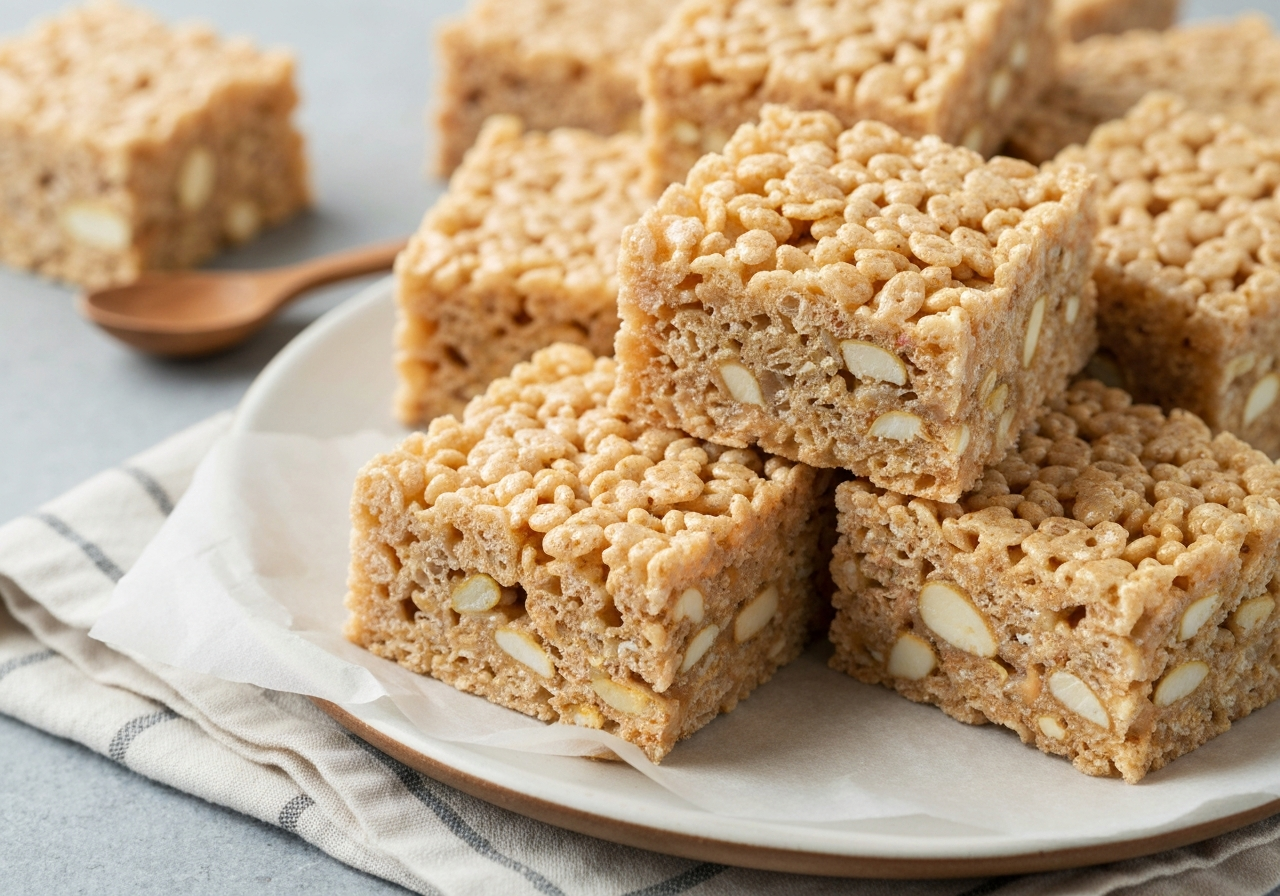
If you're looking for alternatives that offer similar quick energy or a healthier twist on the treat concept, we suggest:
- Homemade "Healthy" Rice Krispie Treats: These can be made with brown rice cereal, nut butter, honey/maple syrup (in moderation), and additions like chia seeds, hemp seeds, or protein powder. This significantly improves the fiber, protein, and healthy fat content.
- Fruit and Honey/Maple Syrup: For a natural, fast-digesting carbohydrate source, fruits like bananas (especially ripe ones) combined with a drizzle of honey can provide quick energy and additional micronutrients.
- Rice Cakes with Toppings: Rice cakes are light and can be topped with honey, jam, or a thin layer of nut butter for a quick, easily customizable carbohydrate snack.
- Oatmeal with Fruit/Honey: Cooked oatmeal offers complex carbohydrates for sustained energy, but a quicker version with instant oats and simple sugars can still serve as a rapid energy source.
When to Choose Each
- Choose Traditional Rice Krispie Treats: Primarily when you need a very fast-digesting carbohydrate source for athletic performance (pre/intra/post-workout) and minimal fat/fiber is desired to avoid digestive issues. Or, simply as an occasional, controlled treat to satisfy a craving.
- Choose Healthy Alternatives: For general snacking, weight management, or when you desire more sustained energy, fiber, protein, and micronutrients. These alternatives are better suited for daily consumption within a balanced diet.
FAQs
Q1: Are Rice Krispie Treats good for you?
A1: Traditional Rice Krispie Treats are primarily a source of simple carbohydrates and sugars, offering limited fiber, protein, or micronutrients beyond what's fortified in the cereal. While not a nutrient-dense food, they can be strategically used for quick energy, especially around workouts, or enjoyed in moderation as an occasional treat within a balanced diet.
Q2: Can I eat Rice Krispie Treats for weight loss?
A2: Yes, but with strict portion control and mindful integration. They are calorie-dense and low in satiety-boosting nutrients like fiber and protein. We recommend small portions (e.g., one standard bar) and pairing them with a protein source to improve fullness. For frequent consumption, consider healthier homemade versions.
Q3: Are Rice Krispie Treats good for muscle gain?
A3: Yes, they can be highly effective for muscle gain. Their high simple carbohydrate content makes them an excellent source of quick energy for fueling intense workouts and rapidly replenishing muscle glycogen stores post-workout. Many athletes will add protein powder to homemade versions to create a more complete muscle-building snack.
Q4: When is the best time to eat Rice Krispie Treats?
A4: For optimal athletic performance and muscle gain, the best times are pre-workout (30-60 minutes before) for immediate energy, or post-workout for rapid glycogen replenishment and recovery. Otherwise, enjoy them as an occasional treat.
Q5: How can I make Rice Krispie Treats healthier?
A5: To make them healthier, we suggest using brown rice cereal for added whole grains, reducing the amount of marshmallows or using sugar-free alternatives, and incorporating nutritious add-ins. Consider ingredients like nut butters, chia seeds, hemp seeds, chopped nuts, or protein powder to boost fiber, healthy fats, and protein content.
Q6: What are the main macros in Rice Krispie Treats?
A6: The primary macronutrient in Rice Krispie Treats is carbohydrates, making up roughly 77% of their caloric content. They contain moderate fat (around 19%) and minimal protein (about 3%).
Q7: How should I store homemade Rice Krispie Treats?
A7: Homemade Rice Krispie Treats are best stored at room temperature in an airtight container to maintain their crispy and gooey texture. They typically stay fresh for up to one week. For longer storage, you can freeze them in an airtight freezer bag for up to two months, placing parchment paper between layers to prevent sticking.
Track Rice Krispie Treats easily with JustMacrosFit - your free macro tracking app.